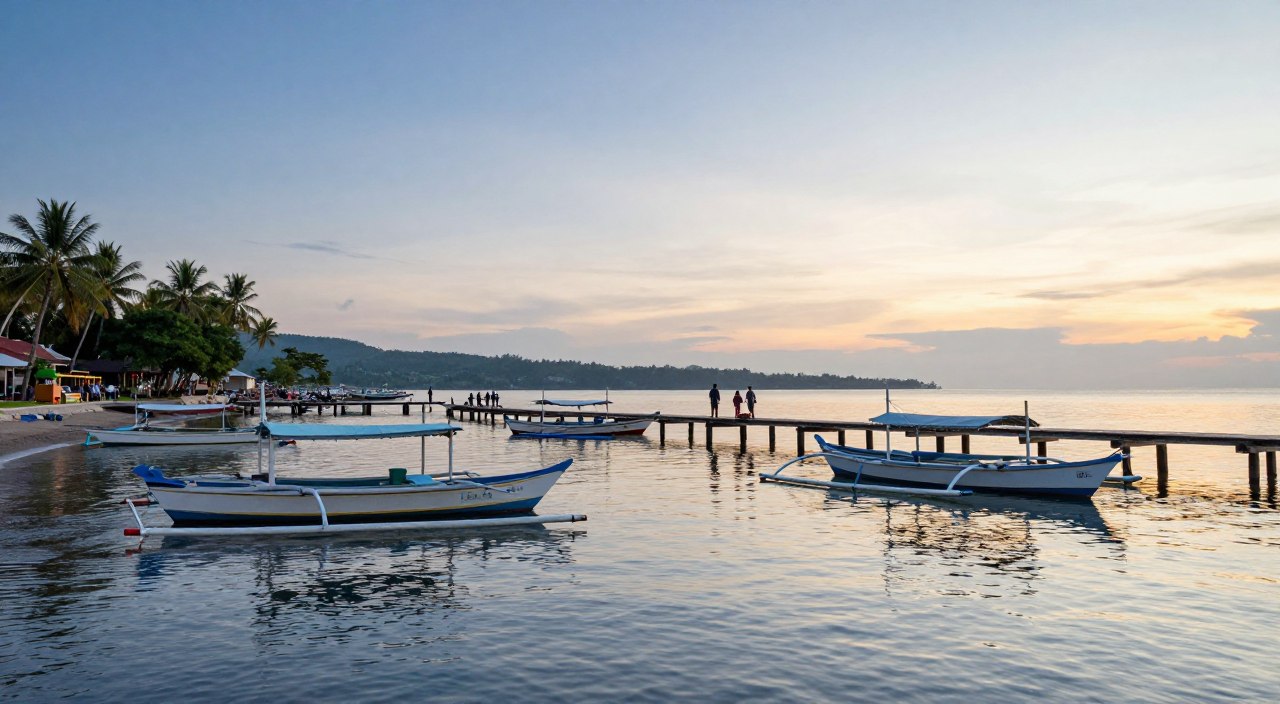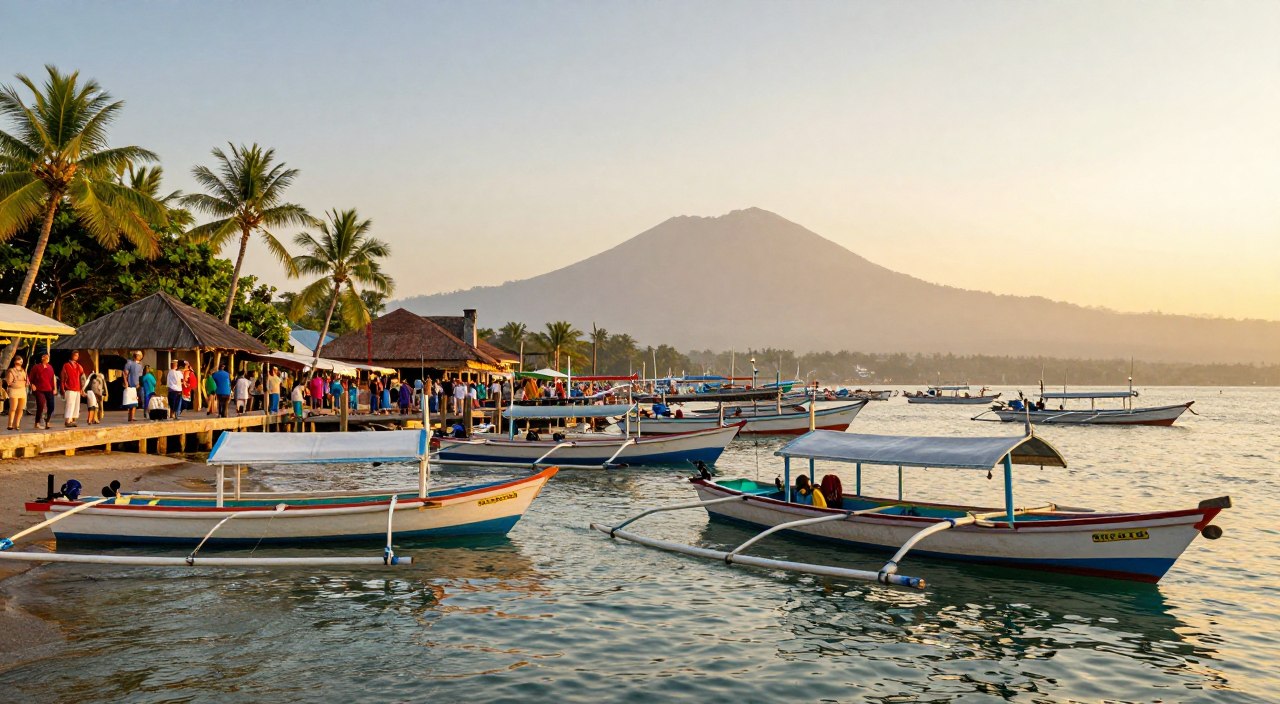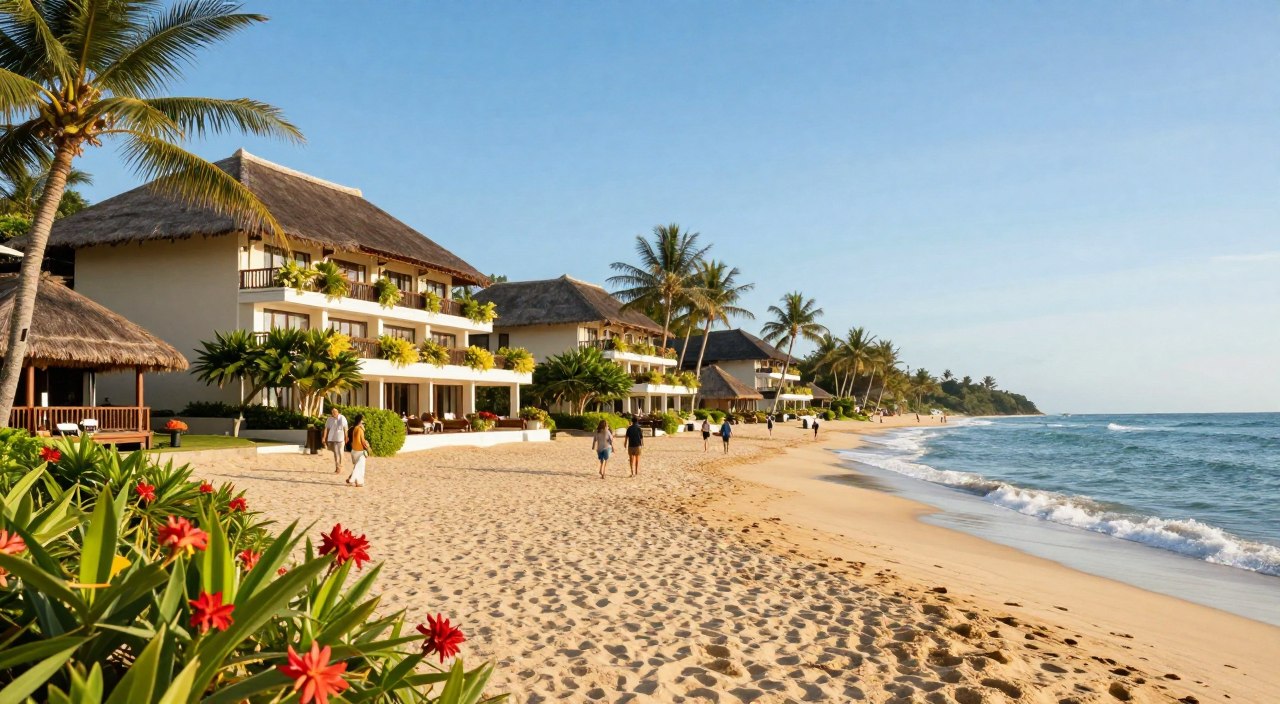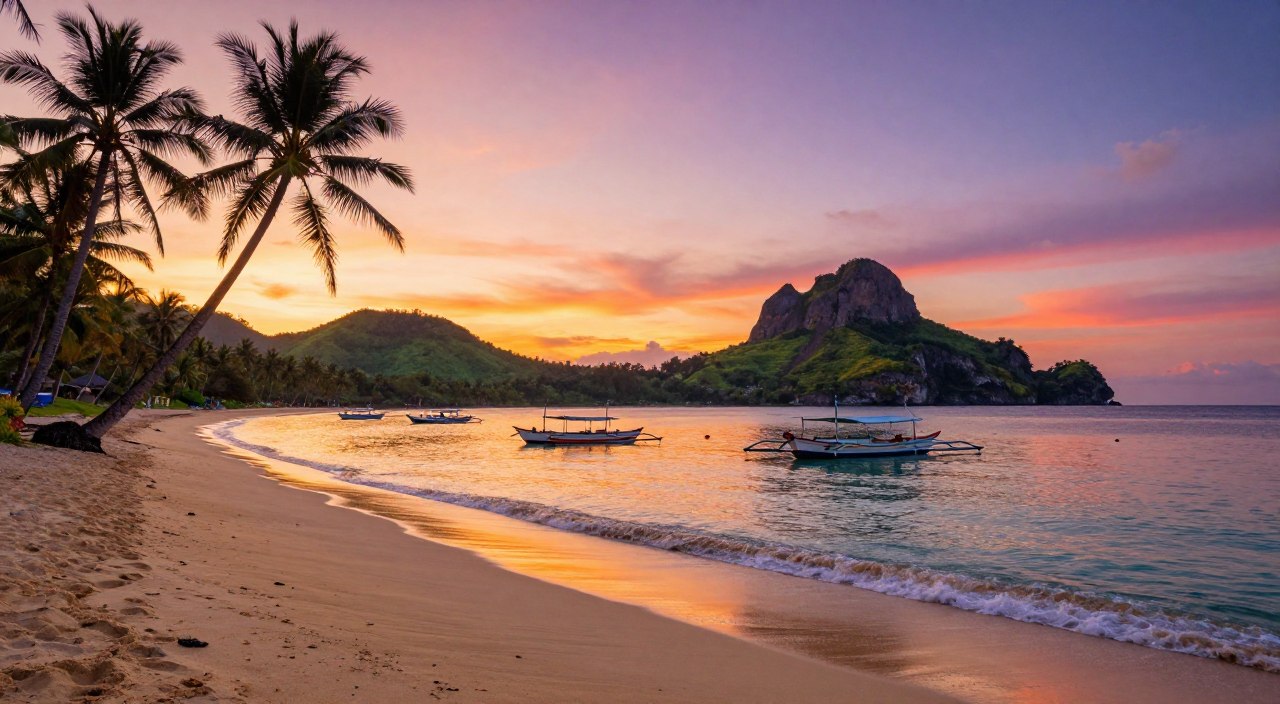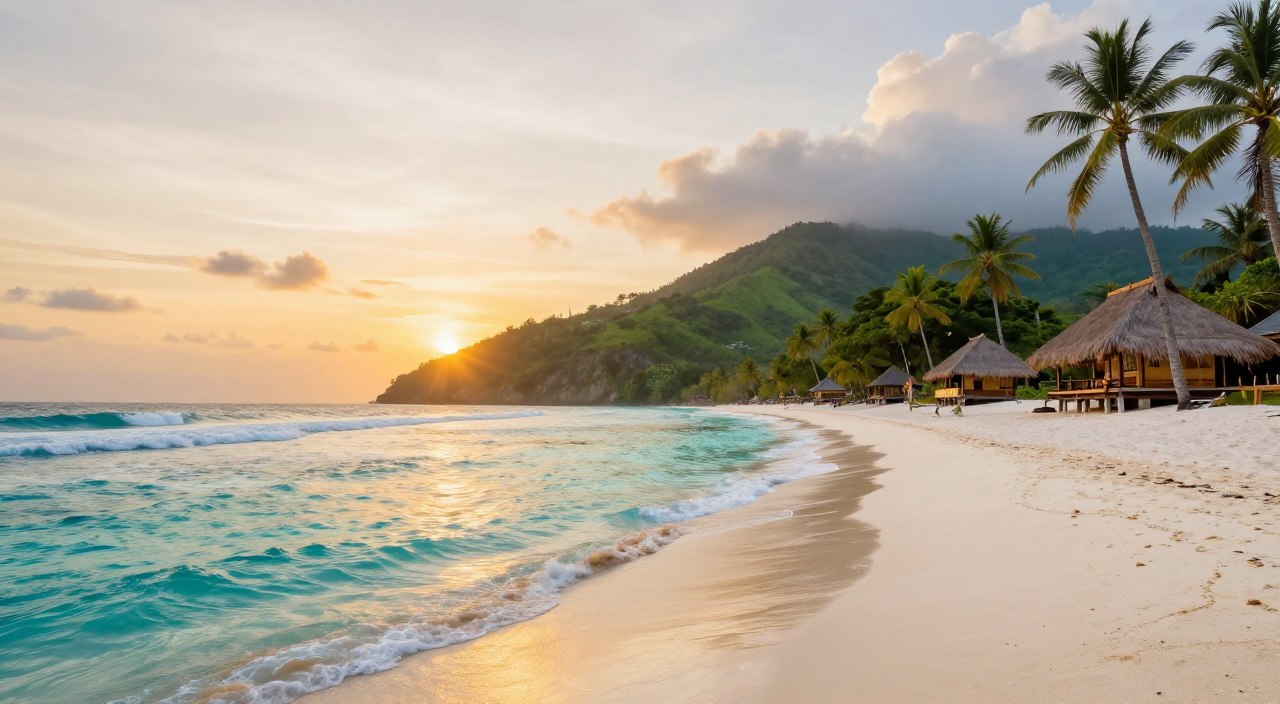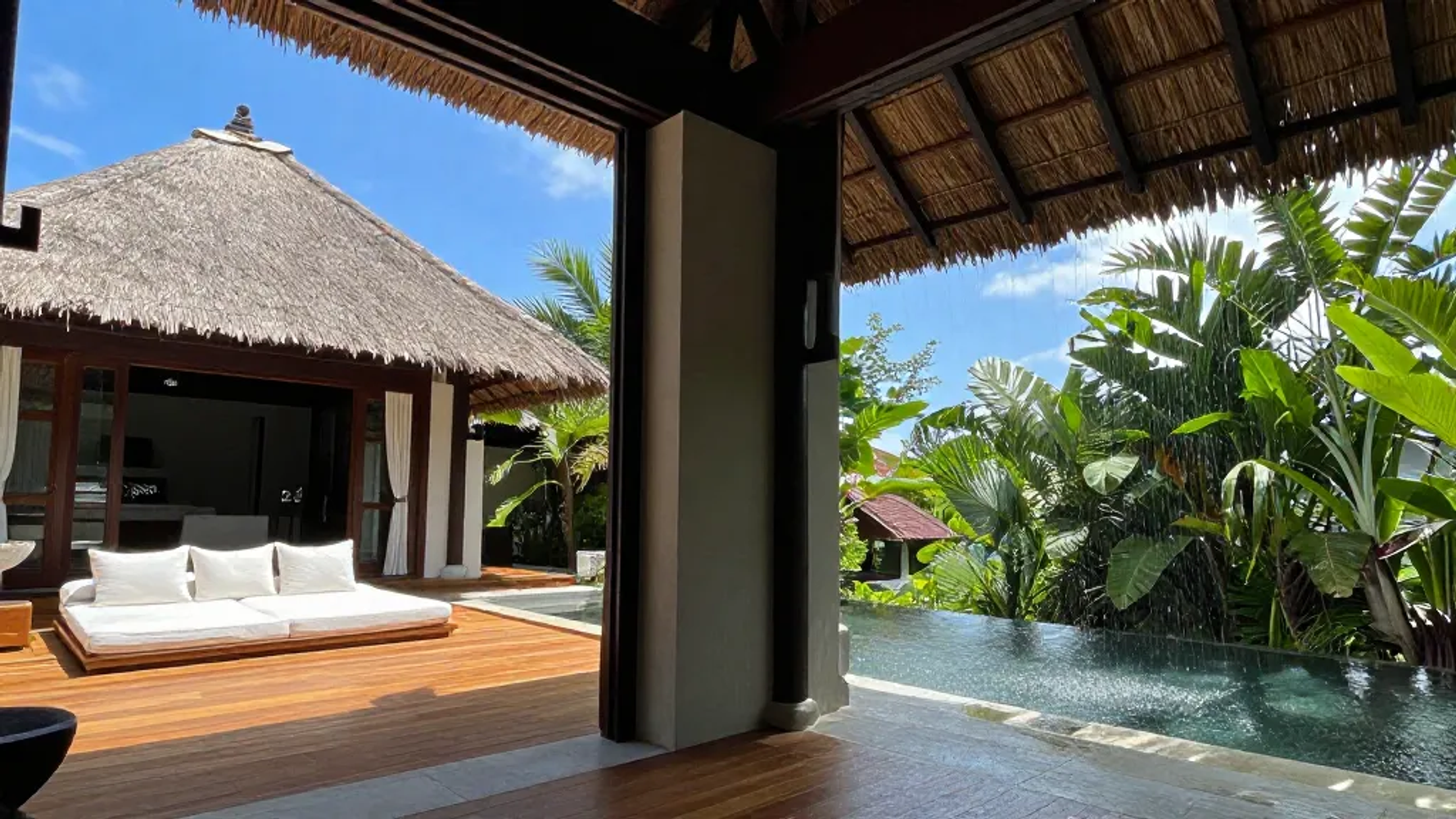
Choosing the right time for your trip can make or break your vacation. While some travelers love the energy of July and August, others want to know which month is less crowded in Bali to avoid the massive groups. This guide covers 15 key differences: Bali high season versus low season so you can pick the perfect dates for your budget and preferred weather.
1. Monthly Weather Patterns and Rain Cycles
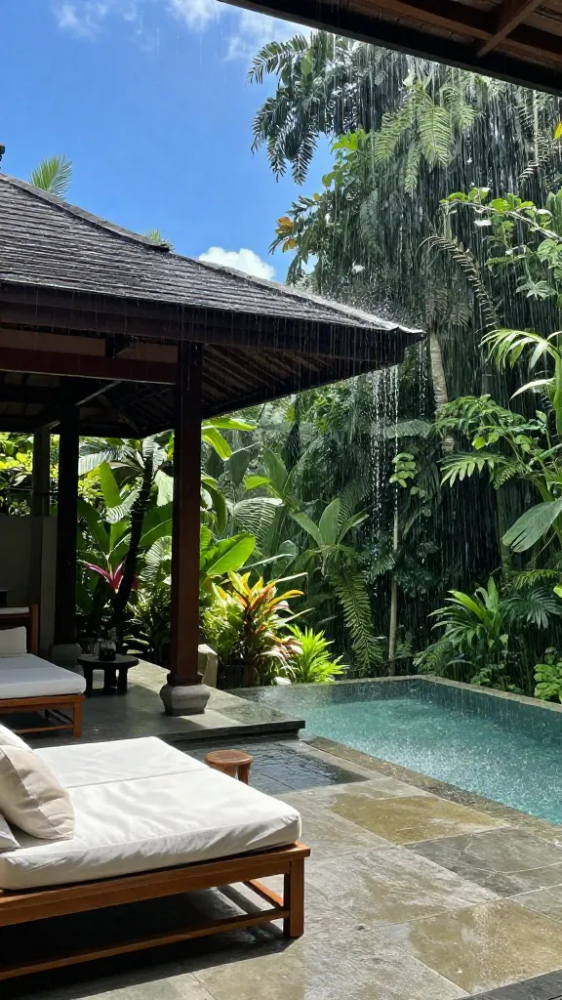
Checking the forecast matters because it dictates whether you’ll be lounging on a dry beach or drying out your clothes in a hotel room. While the high season months of July and August offer crisp blue skies, the humidity stays low enough that you won’t feel like you’re melting.
Things shift quickly when you look at Bali in November, which marks the transition into the monsoon cycle. You can expect sudden, heavy downpours that turn the streets into small rivers for an hour before the sun peeks back out again.
The low season rain usually happens in short bursts rather than lasting all day, so you can still plan around it. If you want consistent sunshine for surfing or hiking, stick to the dry months between May and September when the breeze keeps the mosquitoes away.
2. Accommodation Prices and Hotel Availability

| Season Type | Average Price Change | Booking Lead Time |
|---|---|---|
| High Season | 30% to 50% increase | 3-6 months in advance |
| Low Season | Baseline or discounted | Last minute to 1 month |
If you try booking a private villa in Seminyak during August or late December, you’ll likely see prices double overnight. These months represent the peak of the high season in Bali, when even basic boutique hotels fill up months in advance.
I usually tell people that October is the best month to visit Bali if you want a deal. The weather stays mostly dry, but hotels start slashing rates to keep their rooms full before the holiday rush.
During the low season, you can often walk into a guesthouse and negotiate a lower rate on the spot. You’ll get much more value for your money, often snagging a five star resort for the price of a three star property.
3. Crowd Levels at Popular Beaches
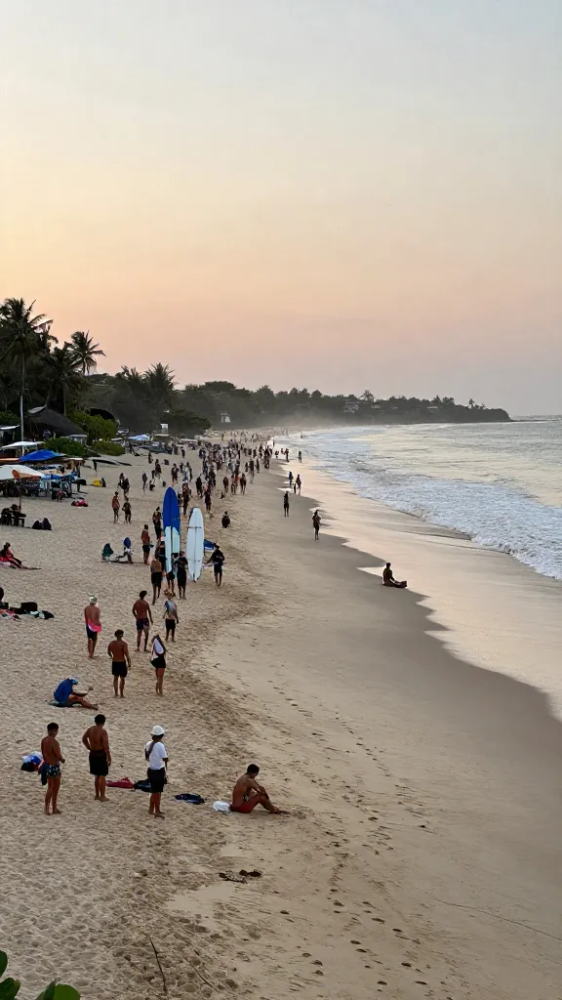
You’ll struggle to find a spare inch of sand at Canggu or Seminyak during the peak months of July and August. The surf breaks get packed with beginners and the sunset bars require reservations days in advance if you want a seat.
Things change drastically when the rain starts to pick up in January or February. While it might get wet, these months are the best month to visit Bali if you actually want some personal space.
You can walk onto Bingin Beach and have your choice of spots without dodging a dozen selfie sticks. Popular spots like Uluwatu feel like sleepy surf towns again rather than frantic tourist hubs.
October is often the sweet spot for travelers who want decent weather without the suffocating crowds. It stands out as a less crowded month in Bali because the school holiday rush has died down completely.
4. Booking Lead Times for Popular Villas

If you have your heart set on a specific clifftop villa in Uluwatu or a designer spot in Seminyak, you need to check the calendar immediately. During the peak months of July and August, the most sought after properties often sell out six to nine months in advance.
The rainy season in Bali offers a much more relaxed pace for those who prefer to wing it. During January or February, which is often less crowded in Bali, you can frequently find stunning villas available just a few weeks before you land.
- Book at least six months out for high season stays to get your first choice.
- Look for last minute discounts of up to 30 percent during the quieter monsoon months.
- Check the school holiday schedules for Australia and Europe as these dates fill up fastest.
You’ll have much better luck scoring a private pool and a full staff without the stress if you aim for the shoulder months instead.
5. Wait Times for Famous Island Restaurants

If you’re planning to eat at places like Sisterfields or Motel Mexicola during July, you better bring a book. During this peak time, which is often the most expensive month in Bali, you’ll likely stand on the sidewalk for forty five minutes just to get a table.
The popular spots in Canggu and Seminyak don’t even take reservations for small groups when it’s that busy. You end up hovering over people finishing their dessert, hoping they’ll leave soon. It feels rushed and a bit chaotic when every seat is filled with tourists.
Things change completely once the rainy season in Bali kicks in around November. You can usually walk right into the trendiest cafes and pick the best seat in the house without calling ahead. The staff is much more relaxed and might actually have time to chat with you about the menu.
I personally prefer the slower pace because the food usually comes out faster and hotter. You won’t have to shout over a massive crowd just to hear your friends talk. It makes dining feel like a local experience rather than a tourist production.
6. Traffic Conditions on Main Tourist Roads
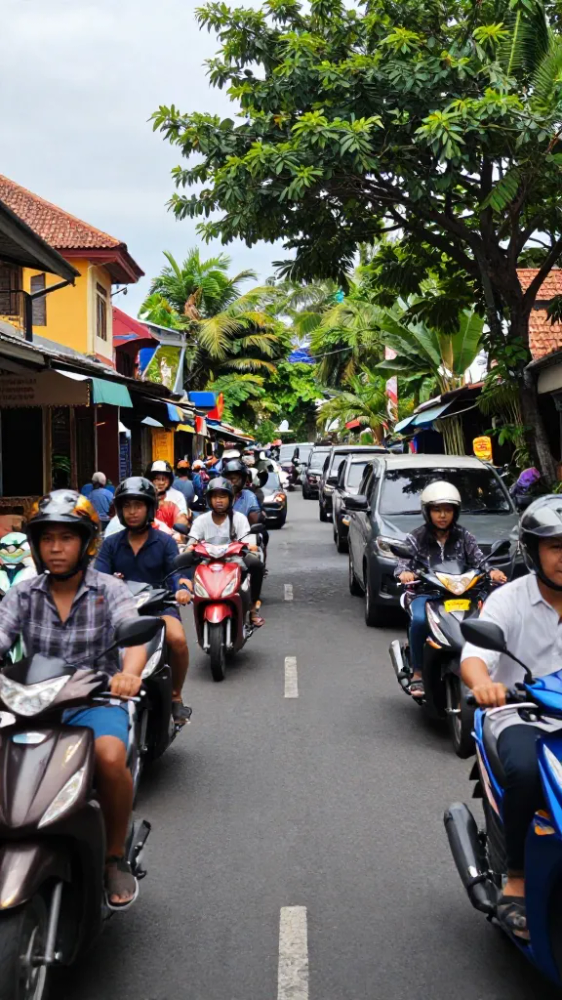
Navigating the streets in areas like Canggu or Seminyak changes drastically depending on when you visit. During the high season, a three kilometer drive can easily take forty five minutes because of the sheer volume of scooters and cars.
If you are planning for the Bali low season 2026, you will find the roads much more manageable. While traffic never truly disappears in Bali, the gridlock around sunset at the beach clubs is significantly lighter when the crowds thin out.
- Travel times double during peak months like July and August because the narrow shortcut roads reach total capacity.
- Scooter rentals become the only viable way to move quickly during the high season, whereas you can actually enjoy an air conditioned car in the low season.
- Parking availability at popular cafes and beaches becomes a nightmare in the busy months, often requiring long walks from overflow lots.
- Rainy season stalls can happen during the low season, as heavy downpours sometimes cause minor flooding that slows down the bypass roads.
Keep in mind that August is often the most expensive month in Bali for transport. Private drivers usually raise their daily rates because they spend so much more on fuel idling in heavy traffic.
7. Flight Costs and Airline Ticket Prices
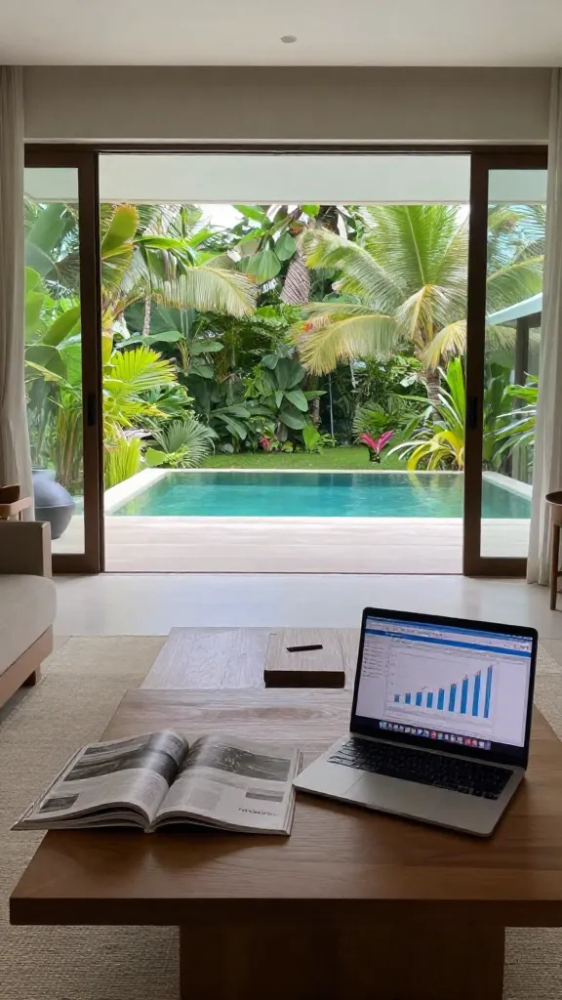
Booking a trip during July or August usually means you’ll pay a massive premium for your seat. International carriers often double their prices during these peak months because families are on school holidays and the weather is perfect. If you wait until the Bali low season 2026 window, you can snag round-trip tickets for hundreds of dollars less than the summer peak.
Airlines like Jetstar and Qantas frequently run sales for travel in February or October when the rain keeps the crowds away. You should also remember the 6 month rule in Bali regarding your passport validity before you even think about booking. If your passport expires in less than six months, the airline won’t even let you check in for your flight.
My advice is to aim for the shoulder months like May or September if you want a balance of good weather and fair prices. You’ll avoid the January price hikes but still get enough sunshine to enjoy the beach clubs. If you’re on a tight budget, the rainy season is unbeatable for finding last minute flight deals that simply don’t exist in the summer.
8. Visibility Levels for Diving and Snorkeling

Crystal clear water is the difference between seeing a Manta Ray from twenty meters away or bumping into it by accident. If you’re coming to Bali to see the underwater world, the timing of your trip dictates your entire experience.
During the high season months from June to August, the southeast trade winds bring cold, nutrient rich water up from the deep. This creates stunning visibility that often exceeds 30 meters at sites like Nusa Penida or Tulamben. You’ll see every detail of the USAT Liberty wreck without the murky haze that settles in later in the year.
When the low season rains arrive in December, runoff from the islands rivers carries silt and debris into the ocean. This can drop visibility down to less than 10 meters, making it harder to spot macro life or large pelagic fish. Many experienced divers follow the 6 month rule in Bali, focusing their underwater trips between May and October to ensure the best conditions.
While you can still dive year round, the low season requires more flexibility with your schedule. If a heavy storm hits, the sediment stays suspended for days and ruins the clarity at popular shore entry spots. Stick to the dry months if your main goal is photography or seeing the famous Mola Mola in deep, clear water.
9. Day Club Atmosphere and Party Vibes

| Feature | High Season (July/August) | Low Season (January/February) |
|---|---|---|
| Crowd Density | Shoulder-to-shoulder on the dance floor | Plenty of room to breathe and dance |
| Daybed Access | Book weeks ahead with high minimum spends | Walk-ins often welcome with lower fees |
| Artist Lineups | International DJs every weekend | Local residents and chill acoustic sets |
Picture yourself at Finns or Savaya in August. You’ll likely fight for a spot at the swim-up bar while dodging dozens of selfie sticks.
For some, this high energy is the draw. If you hate crowds and loud music, this is effectively the worst time to travel to Bali for a relaxing pool day.
Low season flips the script entirely. You can actually hear your friends talk over your cocktails without shouting.
The staff has time to chat, and you won’t wait twenty minutes for a Bintang. While it’s technically the worst time to travel to Bali if you want massive festival energy, it’s a dream for low-key luxury.
10. Availability of Private Drivers and Guides
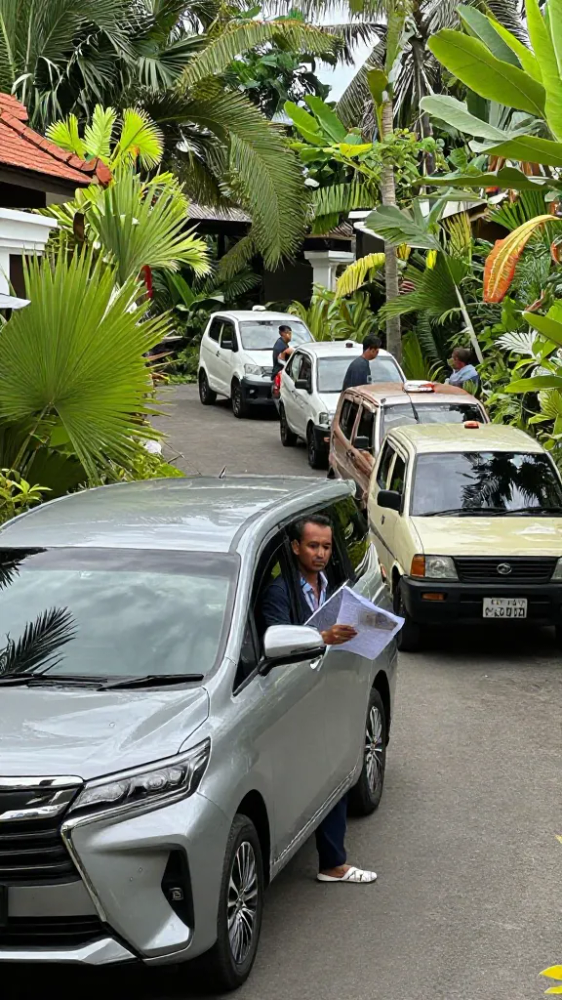
Booking a top rated driver in July or August is a total nightmare if you don’t plan months in advance. During these peak months, the most reliable local guides are often locked into back to back bookings for weeks at a time.
If you show up during the worst time to travel to Bali without a reservation, you’ll likely end up with whoever is left at the taxi stand. These last minute options often charge double the standard daily rate because they know you’re desperate.
Low season flips the script entirely and puts all the bargaining power back in your hands. You can literally message a driver on WhatsApp the night before and have them ready at your villa by 9:00 AM the next morning.
Because there are fewer tourists competing for their time, these guides are much more relaxed and willing to take you to remote spots like Sidemen. You’ll get a better price and a driver who isn’t rushed to get to their next appointment.
11. Humidity Levels and Daily Comfort

Walking outside in the low season in Bali can feel like walking into a warm, wet blanket. The air gets incredibly heavy between January and March, which means you’ll probably find yourself showering three times a day just to feel human.
During the high season, the humidity drops significantly thanks to the dry winds coming off Australia. You can actually sit at a beach club without feeling like your clothes are glued to your skin. It makes a massive difference when you’re trying to sleep at night or go for a long walk through the rice paddies.
- Pack moisture-wicking fabrics or linen instead of heavy denim to stay cool.
- Book accommodation with AC units that have a dry mode to pull moisture from the air.
- Carry a small face towel in your day bag to wipe away sweat while sightseeing.
You’ll definitely want to plan your outdoor hikes for the early morning before the midday steam really kicks in.
12. Waterfall Flow and Jungle Greenery
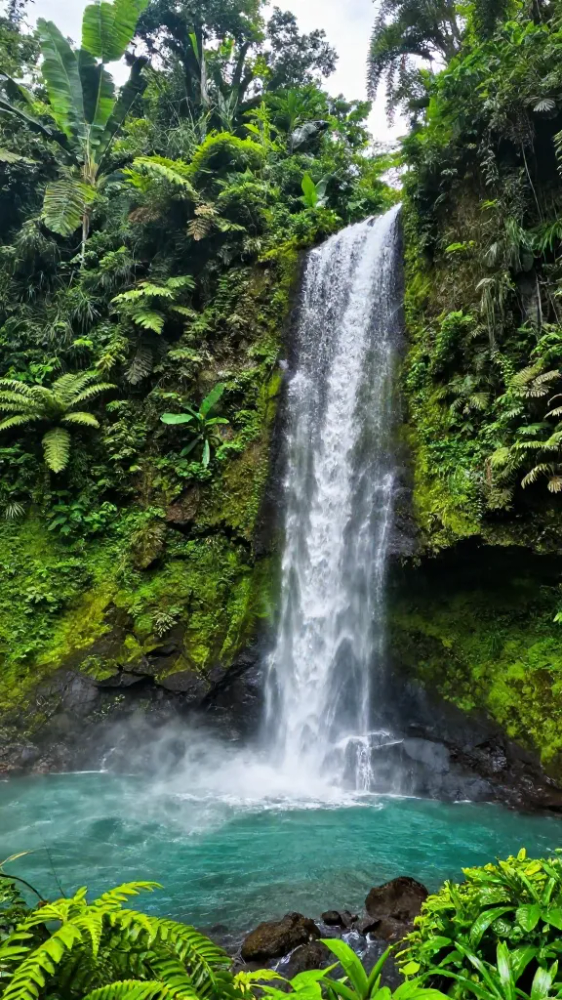
If you’re wondering when the landscapes actually look like the postcards, the low season in Bali is your best bet. During the dry months, the heat turns the grass yellow and some smaller falls practically disappear into a trickle.
Once the rains arrive, the jungle turns a deep, electric green that looks almost fake. Places like Sekumpul or Nungnung become massive, thundering walls of water that you can feel vibrating in your chest from yards away.
You’ll find that the moss grows thick over the temple stones and the rice terraces look incredibly lush. It’s much more humid, but the trade-off is seeing the island at its most fertile and vibrant state.
The low season in Bali also means you won’t be fighting for a photo spot at the base of the falls. You can actually sit on a wet rock and enjoy the mist without a line of people waiting behind you.
13. Ease of Getting Last Minute Spa Appointments
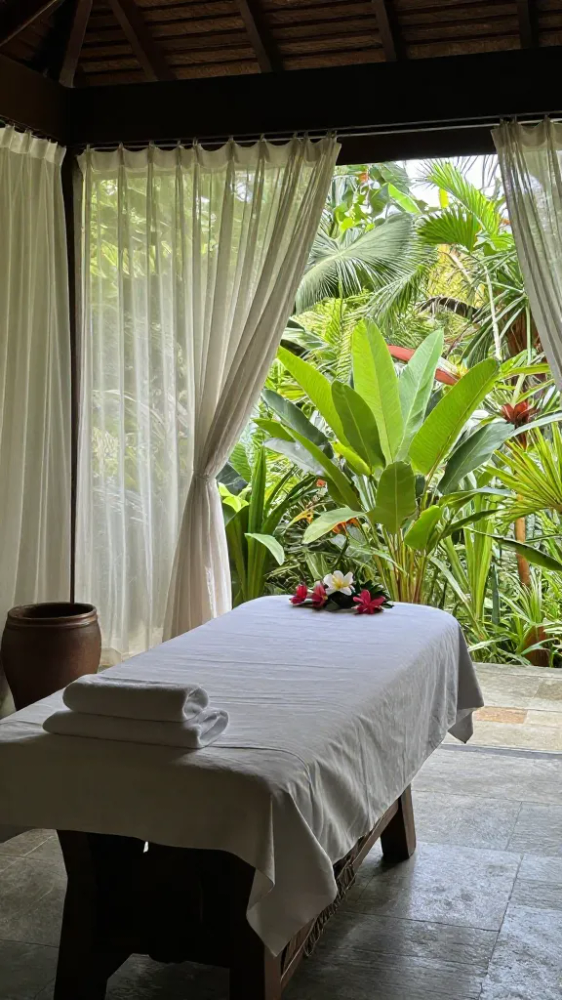
Walking into a high end spa in Seminyak during July or August without a booking usually ends in disappointment. You’ll likely find the best therapists are fully booked days in advance by travelers hiding from the peak Bali temperature by month highs.
Low season flips the script entirely. You can often wander into a luxury villa spa or a local massage spot and get a table immediately without any stress.
- Spontaneous Bookings: You can usually snag a prime sunset slot at popular spots like Bodyworks or Spring Spa with just an hour of notice.
- Better Therapist Energy: Staff aren’t rushing between back to back appointments, so your massage often feels more focused and less mechanical.
- Discounted Packages: Many mid range spas offer “rainy day” specials or happy hour deals to fill up their treatment rooms when foot traffic is thin.
- Quiet Environments: You won’t have to listen to a crowded lobby of people chatting while you’re trying to relax in the relaxation lounge.
While the Bali temperature by month stays fairly consistent, the humidity in the low season makes those indoor, air conditioned spa breaks feel like a true necessity. It is the best time to try those long, four hand massages that are usually sold out during the summer rush.
14. Surfing Conditions on Different Coasts
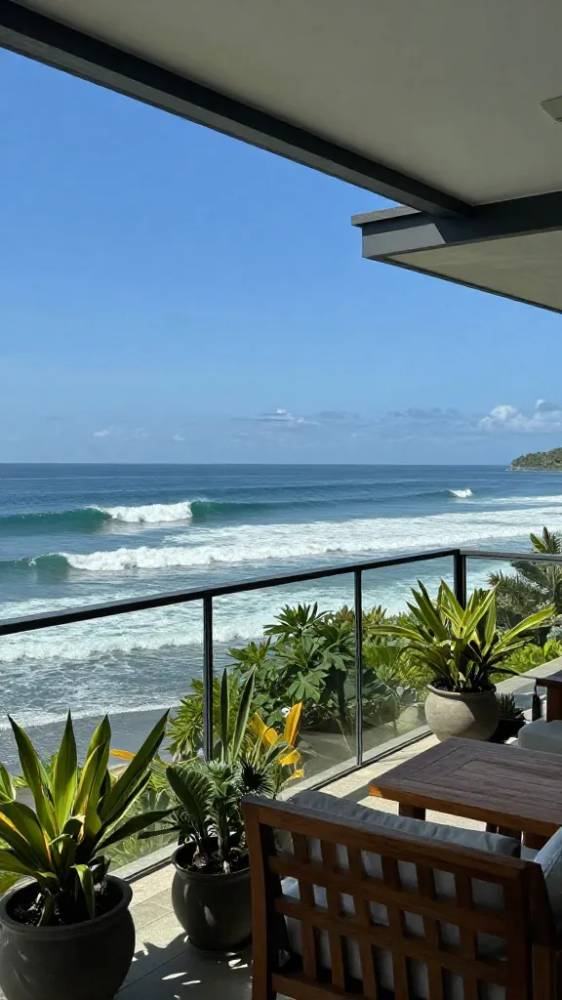
During the dry months from April to October, the west coast is where you want to be. The offshore winds groom the swell perfectly at spots like Uluwatu and Canggu, creating those famous long peeling waves. Since the Bali temperature by month stays consistently warm during this peak season, you can spend hours in the water without feeling a chill.
Once the rainy season hits in November, the wind shifts and turns those west coast breaks into a choppy mess. You’ll need to head over to the east coast to find clean conditions at places like Keramas or Sanur. These spots handle the wet season winds much better, though the lineups can get a bit more crowded since everyone is chasing the same limited windows of glassiness.
If you’re a beginner or intermediate surfer, I’d recommend visiting during the shoulder months like May or September. You’ll get the reliable west coast swells without the massive crowds that flood the island in July. The water stays around 28 degrees Celsius, so a simple rash guard is all you need to stay comfortable while you’re out there.
15. Local Festival Dates and Cultural Events
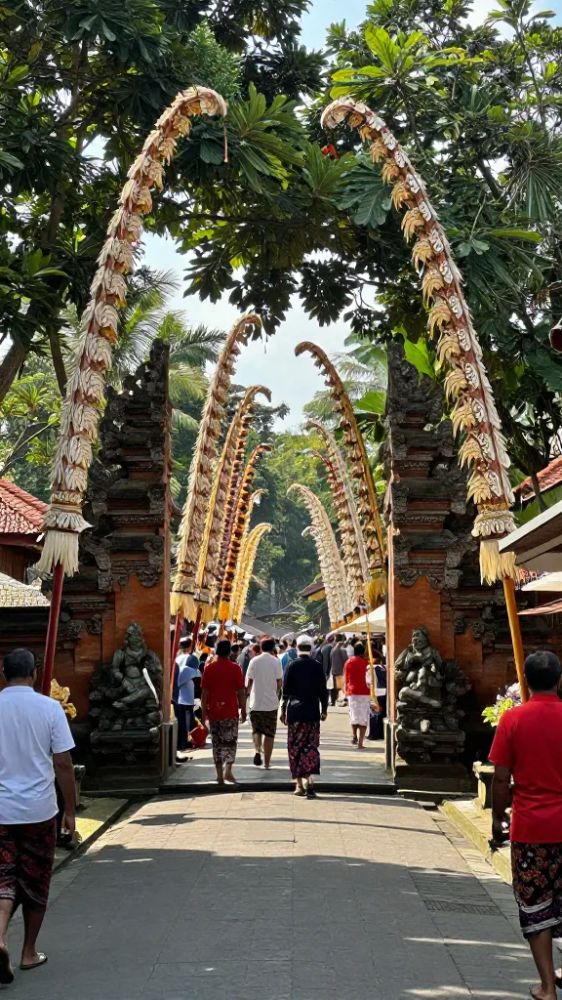
Checking the local calendar changes everything because Balinese holidays follow a 210-day cycle rather than a standard Western schedule. If you time it right, you’ll see entire villages decorating the streets with penjor, which are tall bamboo poles decorated with coconut leaves. These ceremonies are the heart of the island and offer a glimpse into local life that you won’t find at a beach club.
During the peak months, major events like the Bali Arts Festival fill the streets of Denpasar with massive parades and traditional dance. If you visit Bali in November, you might catch the end of the kite festival season where teams fly enormous structures that take dozens of people to launch. This quieter period feels more intimate as you can watch local temple anniversaries without pushing through crowds of photographers.
Keep an eye out for Galungan and Kuningan since these are the most visually stunning times to visit. Most shops stay closed for a day or two, but the trade-off is seeing every family dressed in their finest traditional lace and silks. Planning around these dates ensures you aren’t just sitting by a pool, but actually participating in the island’s living history.
Wrapping Up
Choosing between the crowds and the rain depends on your budget and what you want to do. We hope these 15 key differences: Bali high season versus low season help you pick the right dates for your trip. If you want a quiet experience, remember that October is usually a less crowded month in Bali. Now that you have the facts, go ahead and start booking your flights.