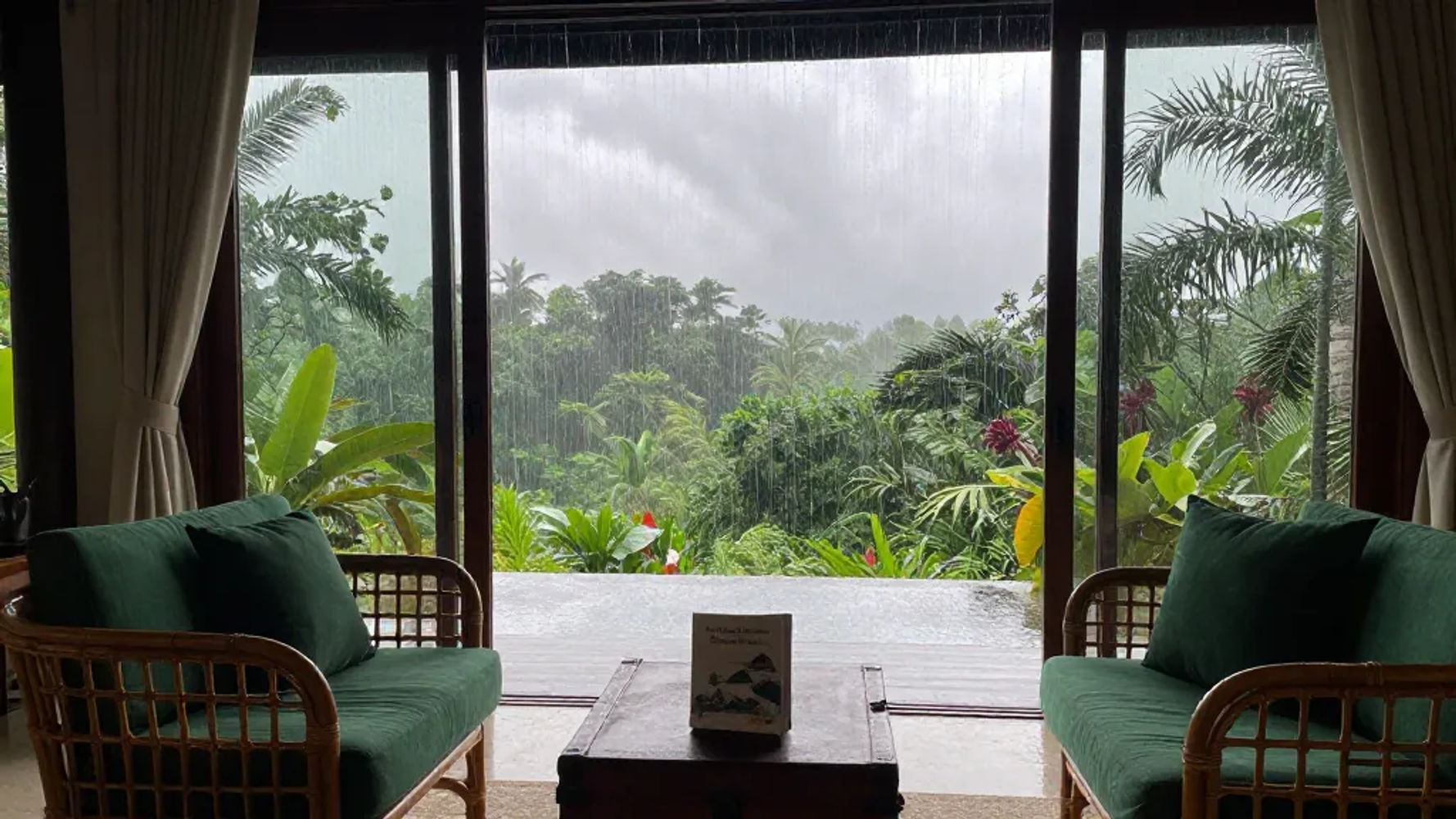
Planning a trip to Indonesia often comes down to timing. While many people worry about getting stuck in a downpour, the wet season actually has some hidden perks for travelers. These 15 facts about Bali’s rainy season will help you understand what to expect from the weather. You will learn about the rainiest months in Bali so you can plan the perfect getaway without any surprises.
1. Rainy Season Usually Starts in November
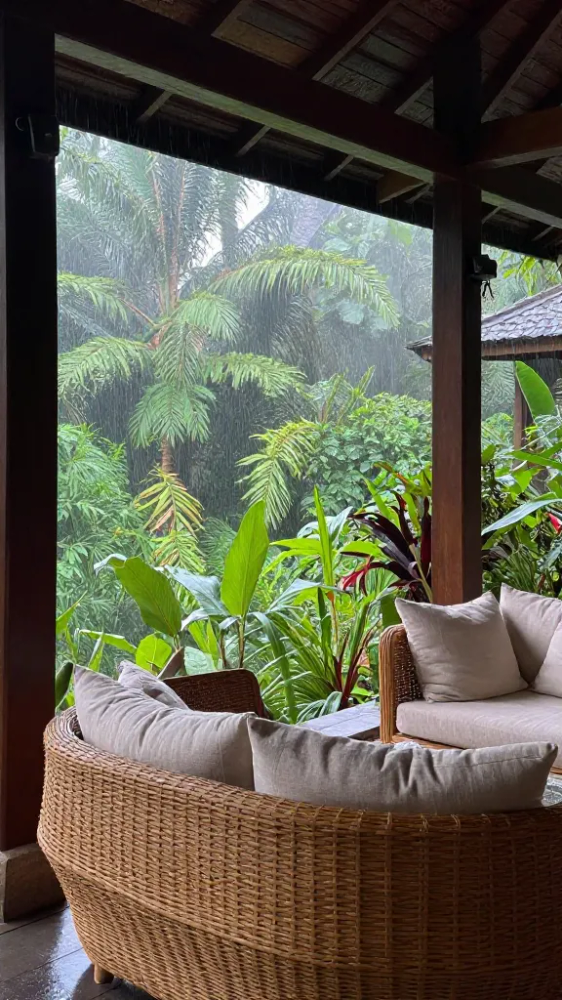
Knowing when the wet weather kicks in helps you avoid getting stuck inside your villa during a pricey vacation. If you show up in early October, you’ll likely have clear blue skies, but things change quickly once the calendar flips to November.
This is the official kickoff for the monsoon when the winds shift and humidity levels start to climb. You might check the weather in Bali 10 days out and see lightning icons every single day, but don’t panic just yet. The rain usually comes in short, heavy bursts during the afternoon rather than constant drizzling all day long.
While November marks the start, the intensity really picks up as you head toward January and February. Those are historically the wettest months on the island when the downpours become much more frequent. If you’re planning a trip for late November, just pack a lightweight poncho and keep your itinerary flexible for indoor activities like spa treatments or cooking classes.
2. January and February See the Most Rain
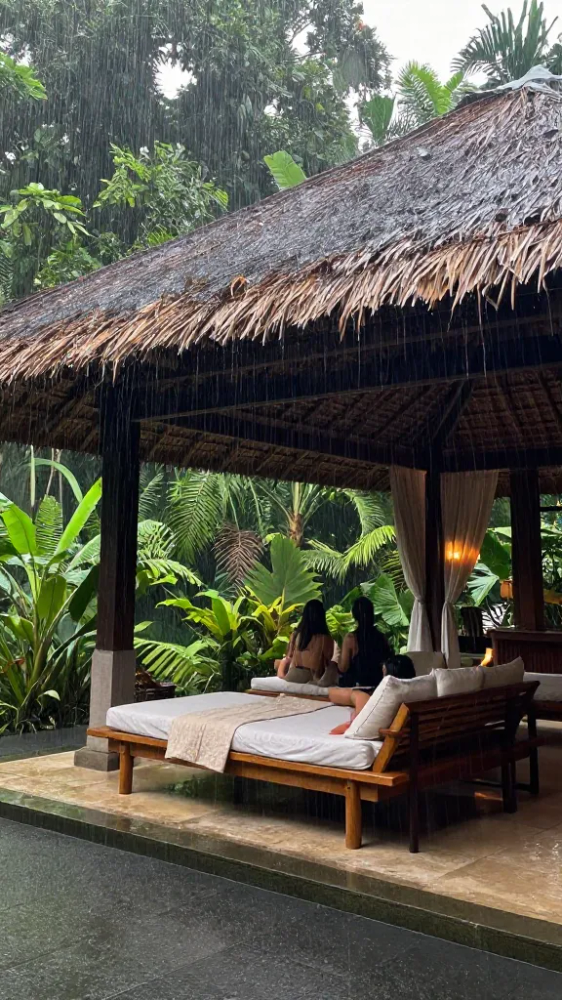
Imagine you’re sitting at a beach club in Seminyak when the sky suddenly turns charcoal gray. Within minutes, a literal wall of water hits the pavement and turns the streets into small rivers.
This is a daily reality if you visit during the peak of the wet season. While the rain starts picking up in November, it really hits its stride during the first two months of the year.
| Month | Average Rainfall | Typical Vibe |
|---|---|---|
| January | 350mm | Heavy daily downpours and high humidity. |
| February | 280mm | Short, intense bursts of rain with gray skies. |
| May | 75mm | Mostly sunny with very rare showers. |
If you’re planning a trip during this window, you need to be okay with flexible plans. You might spend your morning trapped in a cafe waiting for a storm to pass so you can ride your scooter back to the villa.
The May weather in Bali is a total contrast to this period, offering much drier air and clearer water for snorkeling. January and February are better suited for travelers who want lower hotel prices and don’t mind getting a bit soaked.
3. Showers Often Happen in Short Bursts
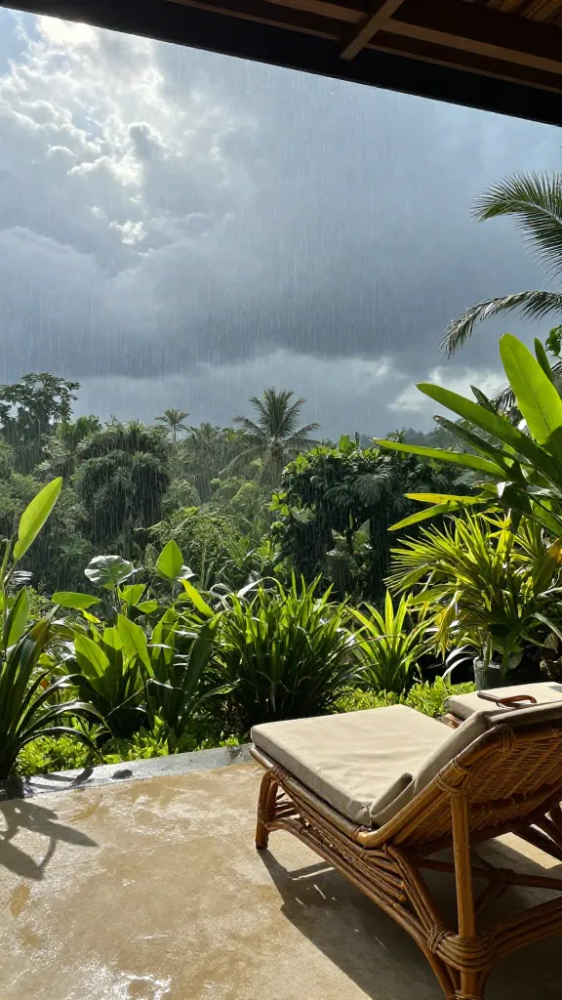
You don’t need to cancel your outdoor plans just because the sky turns gray. Most rain in Bali hits hard for an hour and then vanishes, leaving the sun to dry the streets in minutes.
This is why May weather in Bali feels so perfect for travelers who want a bit of a breeze. Even during the peak wet months, you’ll usually find long stretches of blue sky between the downpours.
If you’re asking about the best month to go to Bali for dry days, sticking to the shoulder season is your best bet. You can grab a coffee under a cafe awning while the storm passes and be back on your scooter before your latte gets cold.
Local life doesn’t stop for these quick bursts of water. You’ll see locals pulling over to put on plastic ponchos, waiting ten minutes, and then continuing their day as if nothing happened.
4. Humidity Levels Rise Above Eighty Percent
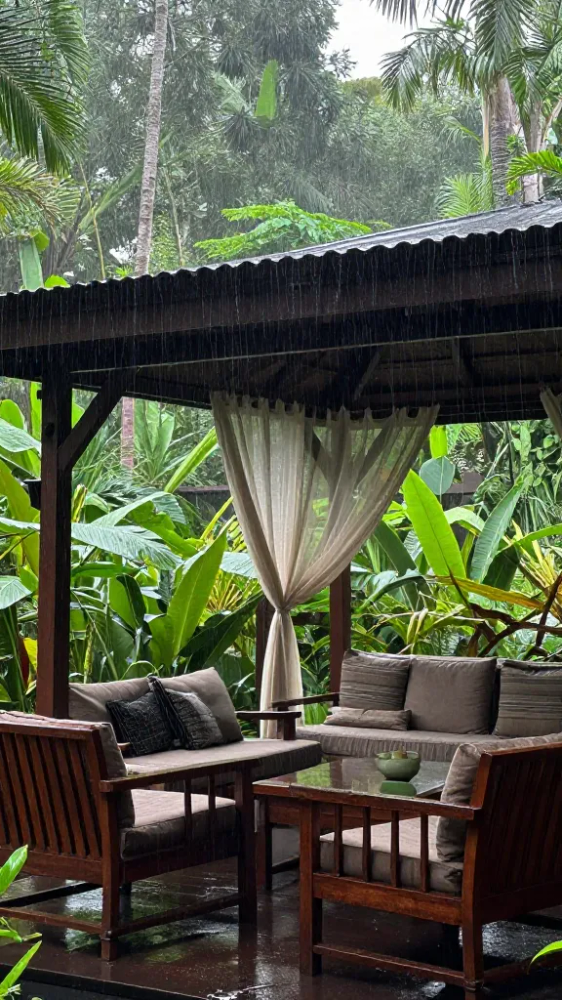
You should pack moisture-wicking clothes because the air feels heavy and thick when the rain hits. During the Bali rainy season February peak, your cotton shirts will likely stay damp for days just hanging in your room.
The heat mixes with high moisture to create a greenhouse effect that makes every walk feel like a workout. This happens because the tropical winds stall and trap evaporation right against the ground. It is the main reason locals take two or three showers every single day.
- Switch to a lightweight gel moisturizer instead of heavy creams to avoid breakouts.
- Keep your electronics in dry bags since condensation can actually form inside lens glass.
- Look for accommodation with a high quality ceiling fan to keep the air moving constantly.
- Buy a pack of silica gel sachets to toss into your luggage and camera bag.
While most people think June is the best month to go to Bali for dry air, the humid months offer a lush green landscape that looks incredible in photos.
5. Temperatures Stay Warm All Year Long
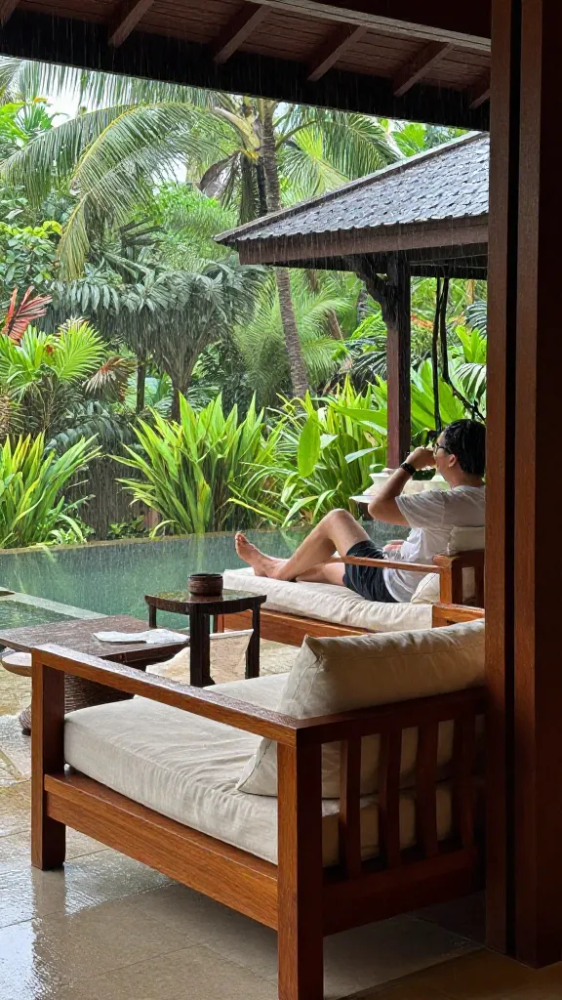
A lot of people worry they’ll be shivering in their villas when the clouds roll in, but that honestly isn’t the case here. Even during the Bali rainy season February peak, the air stays thick and tropical with temperatures rarely dipping below 75 degrees Fahrenheit.
You can still walk around in a t-shirt and shorts while it’s pouring. The humidity actually makes it feel a bit hotter than the thermostat says, so you’ll probably still want the AC running at night.
It’s nothing like a cold winter rain in Europe or North America. The water itself is quite warm, which means you can still jump in the pool or go surfing without getting a chill.
If you’re wondering when to avoid visiting Bali, don’t let the temperature be the deciding factor. You won’t need a heavy jacket or sweaters even on the grayest days.
Just bring a light poncho for the scooter rides. The heat stays consistent throughout the day, so you’re really just trading the sun for a bit of steam.
6. Flight and Hotel Prices Drop Significantly
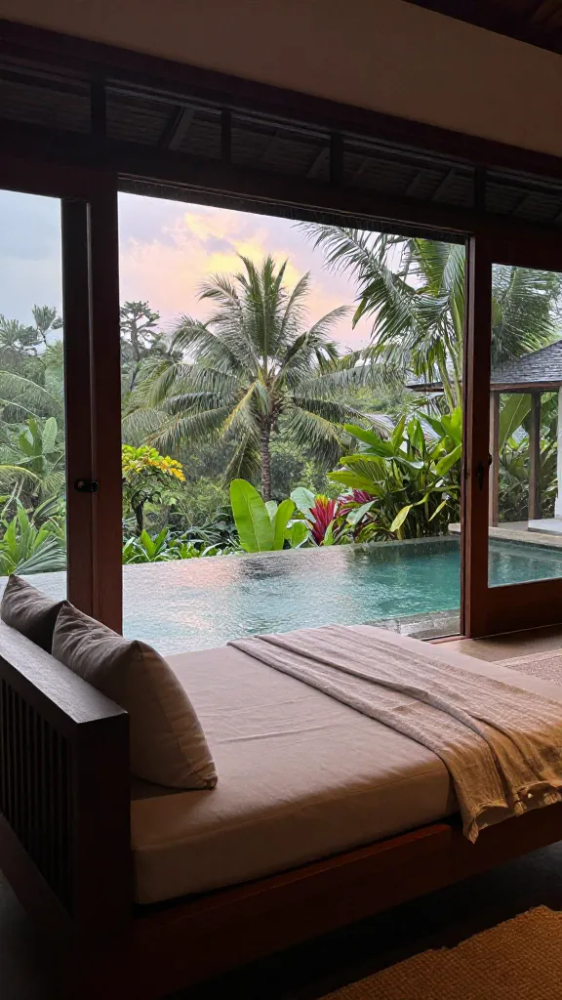
Traveling during the wet months is the smartest way to save cash if you don’t mind a few puddles. You’ll often see luxury villas in Seminyak or Ubud cutting their nightly rates by half compared to the peak dry season.
Airlines also struggle to fill seats when the clouds roll in, so you can snag direct flights for a fraction of the usual cost. This is a far cry from the prices people pay when they visit Bali in the middle of the year.
If you’re wondering if August rainy season in Bali is a thing, the answer is no. That month is bone dry and incredibly expensive, making the actual rainy season from November to March a much better deal for budget travelers.
- Last minute deals are much easier to find because hotels aren’t running at full capacity.
- Flight availability stays high, meaning you won’t have to book months in advance to get a decent seat.
- Upgrade potential is massive since staff are often happy to move you to a better room just to keep the property active.
You can use the extra money you save on accommodation to fund better meals or extra spa days. It makes the occasional afternoon downpour feel much more bearable when your wallet is still full.
7. Lush Green Landscapes Are at Their Peak
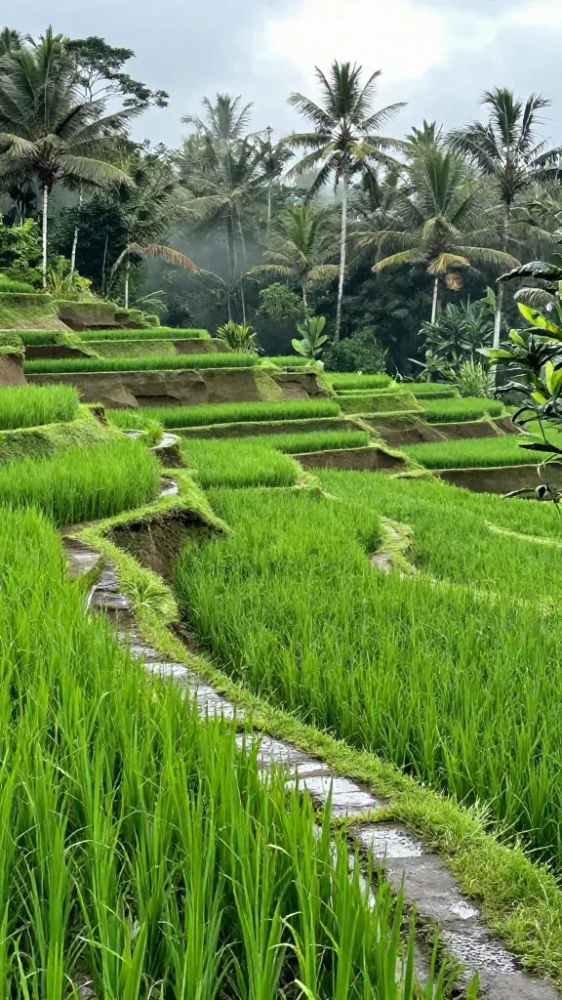
You might think visiting during the dry months like August is the only way to see the island. While those months offer clear skies, the grass often turns a dusty brown and the rice paddies can look a bit parched.
The wet season in Bali flips the script by saturating the soil and turning the entire landscape into a deep, electric green. If you choose the rainy months, you’ll see the Tegalalang rice terraces looking their absolute best with water reflecting the sky in every tier.
I recommend skipping the dry season crowds if you’re a photographer or nature lover. The rain brings a mist that clings to the jungle canopy around Ubud, creating a moody atmosphere you just won’t find in the summer.
It feels like the island is finally breathing again after the heat. You’ll get much better photos of the mossy stone temples and vibrant ferns when they’re dripping with fresh rainwater.
8. Mosquitoes Are More Active Near Standing Water
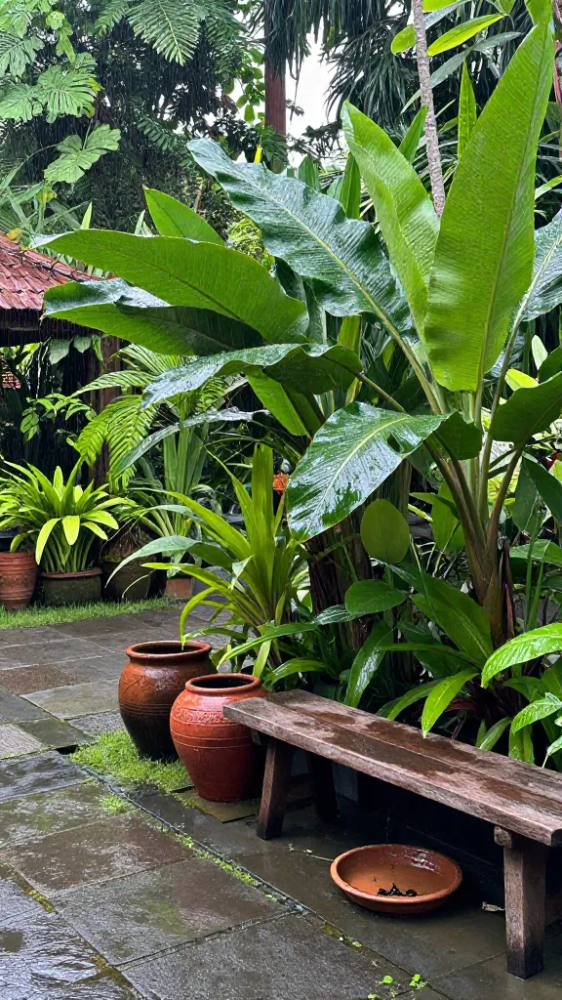
Waking up with itchy red welts can ruin your morning coffee faster than a tropical downpour. During the Bali peak season for rain, these tiny insects find the perfect breeding grounds in every puddly corner of the island.
The wet season in Bali creates thousands of small pools in discarded coconut shells, flower pots, and uneven garden paths. Since mosquitoes need stagnant water to lay their eggs, the population explodes once the daily rains become consistent. You’ll notice they are most aggressive around sunrise and sunset in areas with poor drainage.
To stay comfortable, you should clear any standing water around your villa or hotel room balcony immediately after a storm. It’s also smart to apply a local repellent like Soffel before you head out for dinner near rice paddies. Keeping the fan on high while you sleep helps too, as mosquitoes are surprisingly weak fliers and can’t fight the breeze.
9. The Ocean Can Be Choppy and Dirty
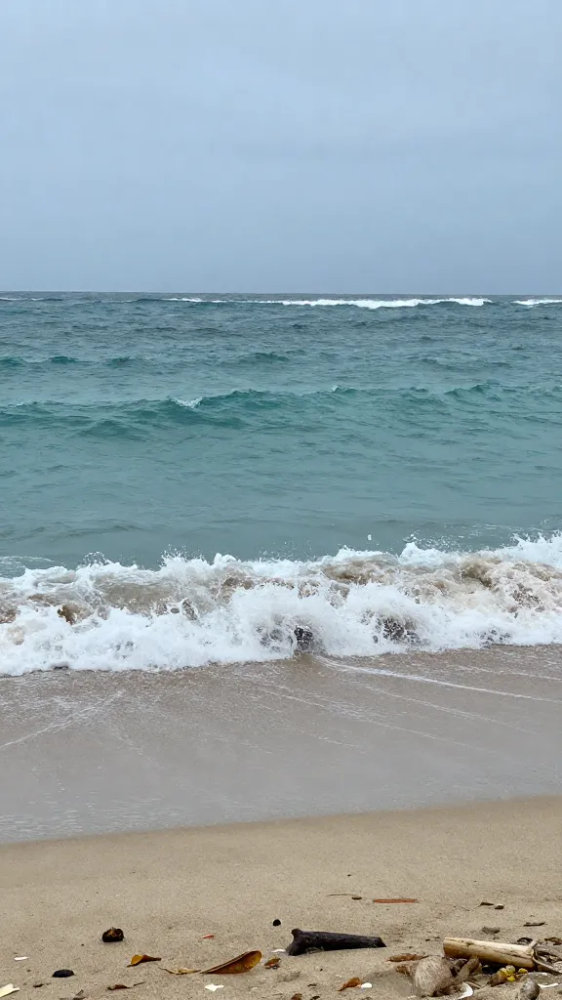
You might imagine yourself surfing Kuta Beach in 2026, but the reality involves dodging floating plastic and driftwood. During the monsoon, the winds shift and push debris from neighboring islands directly onto Bali’s western shores.
| Feature | Dry Season | Rainy Season |
|---|---|---|
| Water Clarity | Crystal clear blue | Murky and brown |
| Beach Debris | Minimal to none | Heavy plastic wash-up |
| Ocean Texture | Smooth and glassy | Rough and choppy |
The heavy rainfall washes trash from inland rivers straight into the ocean. This makes the water look quite brown near the shore, especially around popular spots like Seminyak or Canggu.
If you’re visiting during the Bali rainy season 2026, you’ll see local crews working daily to tractor away piles of rubbish. It’s a stark contrast to the Bali peak season when the sand stays pristine and white.
For better swimming conditions, you should head to the eastern side of the island. Places like Sanur or Nusa Dua usually stay much cleaner because they’re sheltered from the wind.
10. Waterfalls Are Much More Powerful and Full
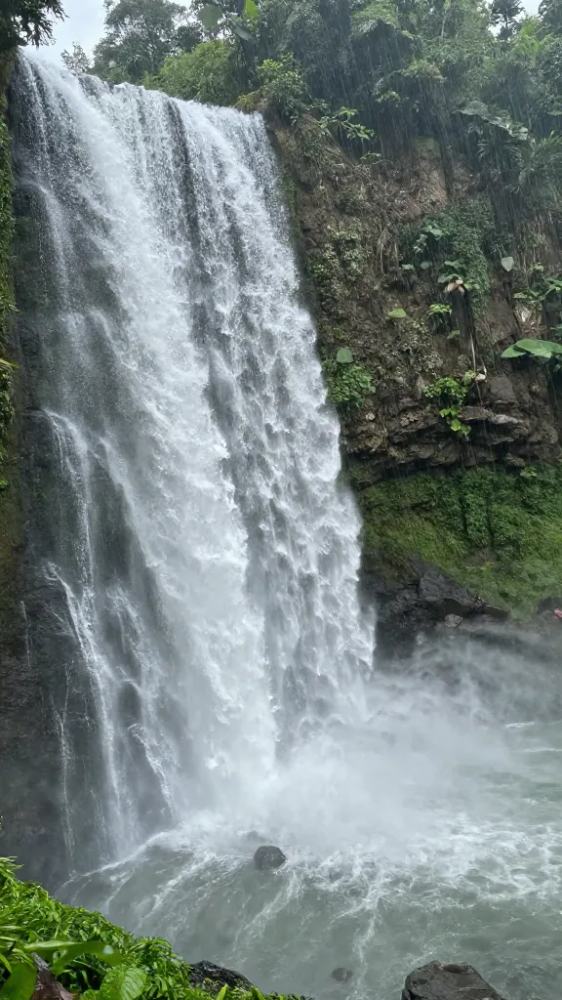
The dry season turns many of Bali’s famous cascades into thin trickles that barely wet the rocks. If you visit during the Bali rainy season 2026, you’ll see these falls turn into thundering giants that shake the ground beneath your feet.
Places like Nungnung or Sekumpul become incredibly dramatic when the tropical downpours fill the river basins. The spray from the landing water creates a thick mist that cools down the entire jungle valley.
You’ll need to be careful with the slippery steps, but the sheer volume of water is worth the extra caution. The surrounding cliffs turn a deep, vibrant green that looks far better in photos than the dusty brown of the summer months.
Watching a massive wall of white water drop into a turquoise pool is a highlight of the Bali rainy season 2026 experience. It’s a raw display of nature that you simply can’t witness when the weather is constantly clear and dry.
11. West Coast Beaches Get More Plastic Trash
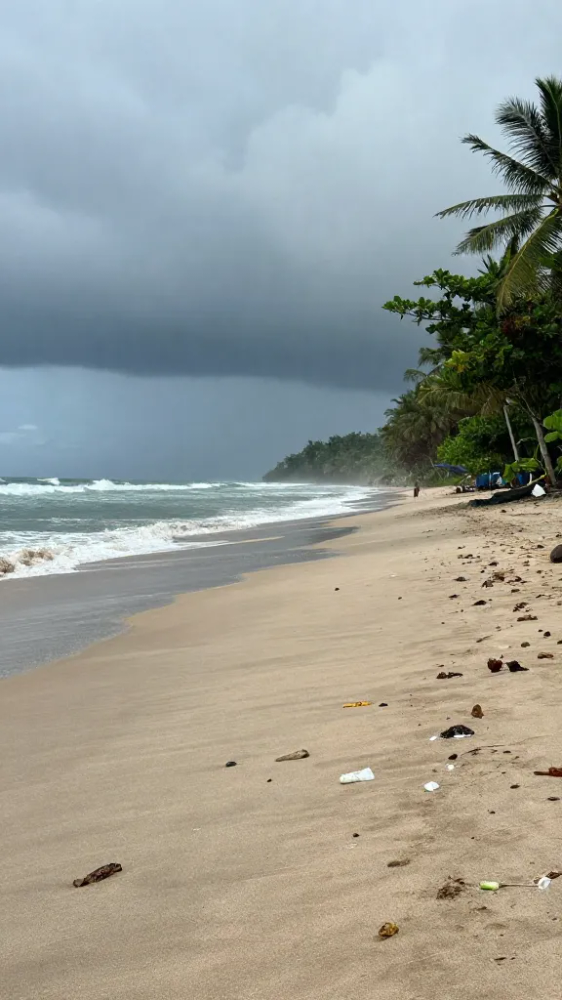
If you’re planning a trip to Seminyak or Canggu, stick to the east coast or the hills during the peak of the Bali rain by month cycle. Strong westerly winds push massive amounts of marine debris right onto the sand at popular spots like Kuta and Legian.
Rivers across the island swell with rainwater and wash plastic waste down from the mountains directly into the ocean. This creates a thick layer of trash that can make swimming feel pretty gross and ruin those sunset photos you were hoping for.
- Check local surf reports for Sanur or Nusa Dua instead, as these stay much cleaner during the monsoon.
- Support beach cleanup groups like Trash Hero if you see them working near your hotel.
- Wait for the tide to go out before heading to the water to avoid the worst floating clusters.
Local crews work hard to tractor away the mess every morning, but the sheer volume during the heaviest Bali rain by month periods can be hard to keep up with.
12. Indoor Activities and Spas Are More Popular

You might think a downpour ruins a vacation, but it’s actually the best excuse to hide away in a traditional Balinese spa. When the sky opens up, everyone heads inside for those long, four handed massages that usually cost a fraction of what you’d pay back home.
Most boutique hotels and street side parlors see a huge spike in bookings during the peak Bali rain by month cycles, especially in January. You’ll find yourself swapping a surfboard for a flower petal bath or a deep tissue treatment while the thunder rolls outside.
If you aren’t into pampering, the rainy days are perfect for taking a Balinese cooking class in a covered garden kitchen. You get to spend three hours grinding spices and eating satay without feeling guilty about missing beach time.
Silver making workshops in Sanur or Ubud also get crowded when the clouds turn grey. It’s a great way to stay dry while creating a custom piece of jewelry to take home.
13. Traffic Jams Increase During Heavy Downpours
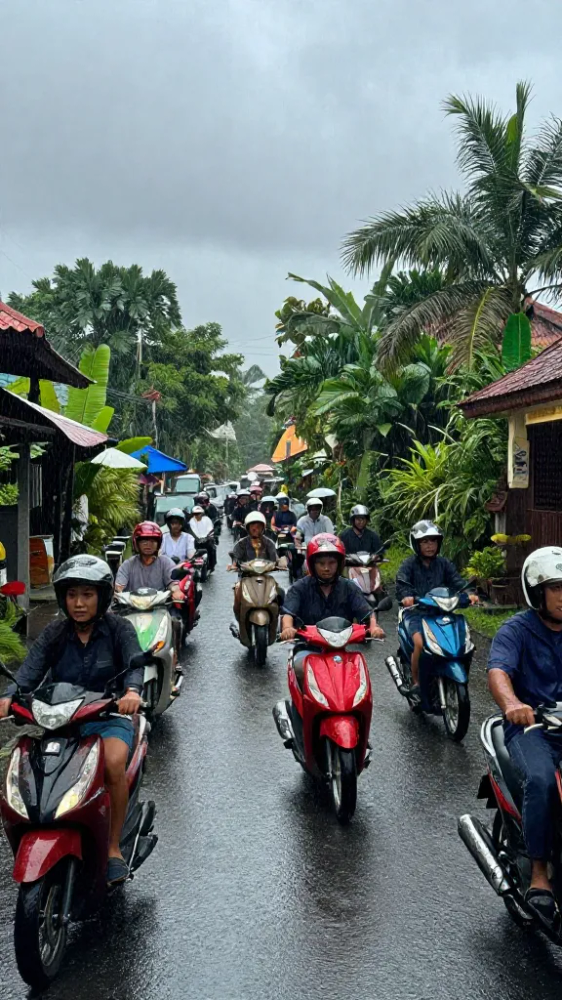
Driving in Bali requires patience on a good day, but a sudden tropical storm turns the narrow roads into slow moving rivers of metal. Drainage systems often struggle to keep up with the volume of water, leading to deep puddles that force scooters and cars to crawl at a snail’s pace.
The Bali temperature by month stays warm around 27 degrees Celsius even when it pours, so you won’t freeze, but you will definitely get stuck. Visibility drops to almost zero during the heaviest peaks, causing everyone to pull over or drive with extreme caution through the floods.
- Drainage overflow causes deep water to pool in low lying areas like Kerobokan and parts of Seminyak.
- Scooter huddles occur when hundreds of riders suddenly stop under overpasses or shop awnings to put on ponchos.
- Manual signaling becomes common because traffic lights often fail or get ignored when intersections become chaotic.
- Alternative routes usually vanish since the smaller backroads turn into muddy tracks that aren’t safe for most vehicles.
If you have a flight to catch or a dinner reservation, you should double your travel time estimate as soon as you see dark clouds. While the Bali temperature by month remains consistent, the road conditions fluctuate wildly the moment the sky opens up.
14. Mount Biking and Hiking Can Be Dangerous
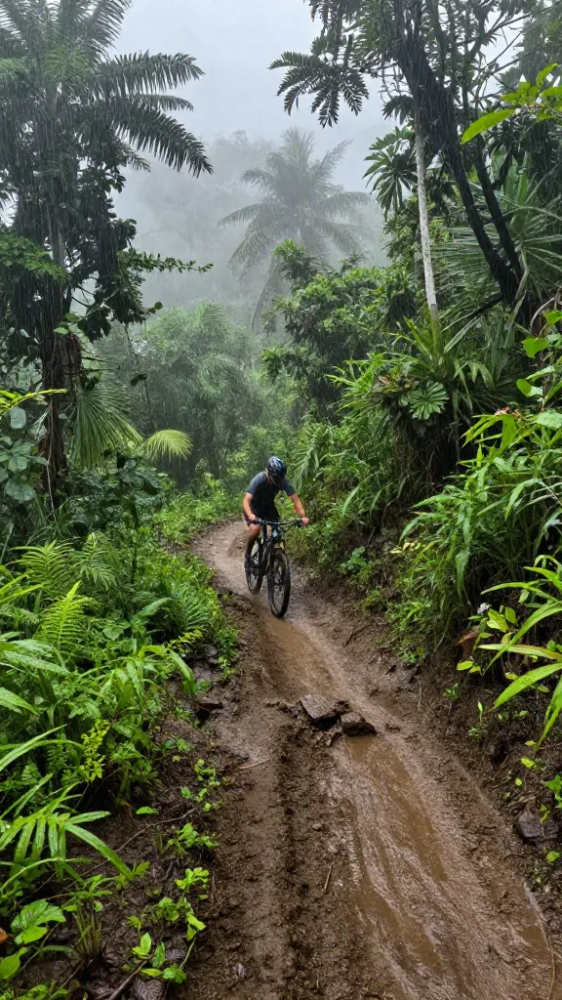
You might feel tempted to tackle the Mount Batur sunrise trek even when the clouds look heavy. Some travelers think the mist adds a cool atmosphere, but the volcanic ash turns into a slick, muddy slide the moment it gets wet.
I’ve seen people try to power through the rain on mountain bikes near Ubud, only to realize the trails have washed away. While the Bali temperature by month stays warm around 27 degrees Celsius in January, the humidity makes the rocks incredibly greasy and unpredictable.
It’s much better to skip the steep peaks and stick to paved coastal paths during a downpour. You’ll avoid a nasty fall and won’t have to deal with the leeches that come out in the wet jungle undergrowth. Save the high altitude adventures for a clear morning so you actually get the view you paid for.
15. The Weather Clears Up Quickly for Sun
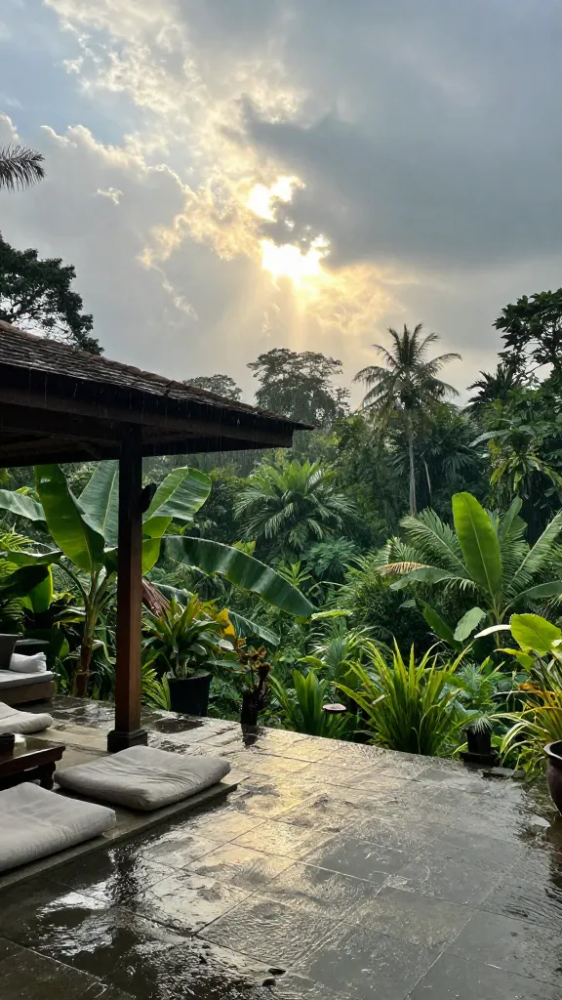
You don’t need to cancel your beach plans just because you wake up to a downpour. Rain in Bali usually comes in short, heavy bursts rather than a constant gray drizzle that lasts all day. Often, the clouds break open for a massive tropical shower and then vanish within an hour.
The ground dries up surprisingly fast once the sun hits the pavement. If you check the weather in Bali 10 days out, you might see rain icons every single day, but that’s rarely the full story. You’ll often get hours of bright sunshine between those quick afternoon storms.
Pack a light poncho and keep your itinerary flexible so you can duck into a cafe when the sky opens up. By the time you finish a coffee and a snack, the roads are usually clear again. It is much better to plan your day in chunks rather than worrying about the weather in Bali 10 days in advance.
Wrapping Up
These 15 facts about Bali’s rainy season show that a little water doesn’t have to ruin your trip. You now know exactly what to expect from the weather and how to find the best deals during the quieter months. If you prefer clear skies and sunshine, May weather in Bali is usually your safest bet. Start planning your tropical getaway now and enjoy the island’s lush scenery.