Did you know that over one million visitors experience this spectacular cultural showcase each year? The Bali Arts Festival represents Indonesia’s longest-running celebration of traditional performance, running continuously since 1979.
This month-long event transforms the entire island into a vibrant stage for authentic cultural expression. From mid-June to mid-July, hundreds of artists gather to share their heritage through dance, music, and craftsmanship.
What makes this celebration truly remarkable is its accessibility. All performances and exhibitions are completely free to the public. This removes financial barriers for both locals and international visitors seeking genuine cultural immersion.
Our comprehensive guide prepares Australian travellers for the 2026 event. We’ll cover everything from must-see performances to practical tips for navigating this unforgettable experience. You’ll discover how to make the most of your visit to this iconic cultural gathering.
Key Takeaways
- The celebration runs for one full month from mid-June to mid-July
- All events are completely free and open to the public
- This is Indonesia’s longest-running cultural event, established in 1979
- Hundreds of artists from across the region participate each year
- Perfect opportunity for authentic cultural immersion without high costs
- Excellent timing for Australian winter travel plans
- Comprehensive planning makes for a more rewarding experience
Introduction to the Bali Arts Festival
Known locally as Pesta Kesenian Bali, this month-long gathering represents the pinnacle of cultural expression on the island. Governor Ida Bagus Mantra established the event in 1979 to protect traditional practices from modernization pressures.
Overview of the Event and Its Heritage
The celebration runs annually from mid-June through July. Each year features a unique theme that guides all artistic presentations. The 2025 concept, “Jagat Kerthi: Lokahita Samudaya,” translates to “Universal Harmony for the Common Good.”
This theme reflects core values of unity and environmental balance. Artists from all nine regencies participate, creating a comprehensive showcase of regional traditions.
Significance for Balinese Arts and Culture
The Bali Arts Festival serves as a living platform for cultural preservation. Ancient traditions are maintained and reinterpreted for new generations. International performers sometimes join, adding global perspectives to the celebration.
Every event remains free and open to the public. This commitment ensures accessibility for all visitors and residents. The Pesta Kesenian Bali continues to be the island’s most significant cultural gathering.
Cultural Highlights and Traditional Performances
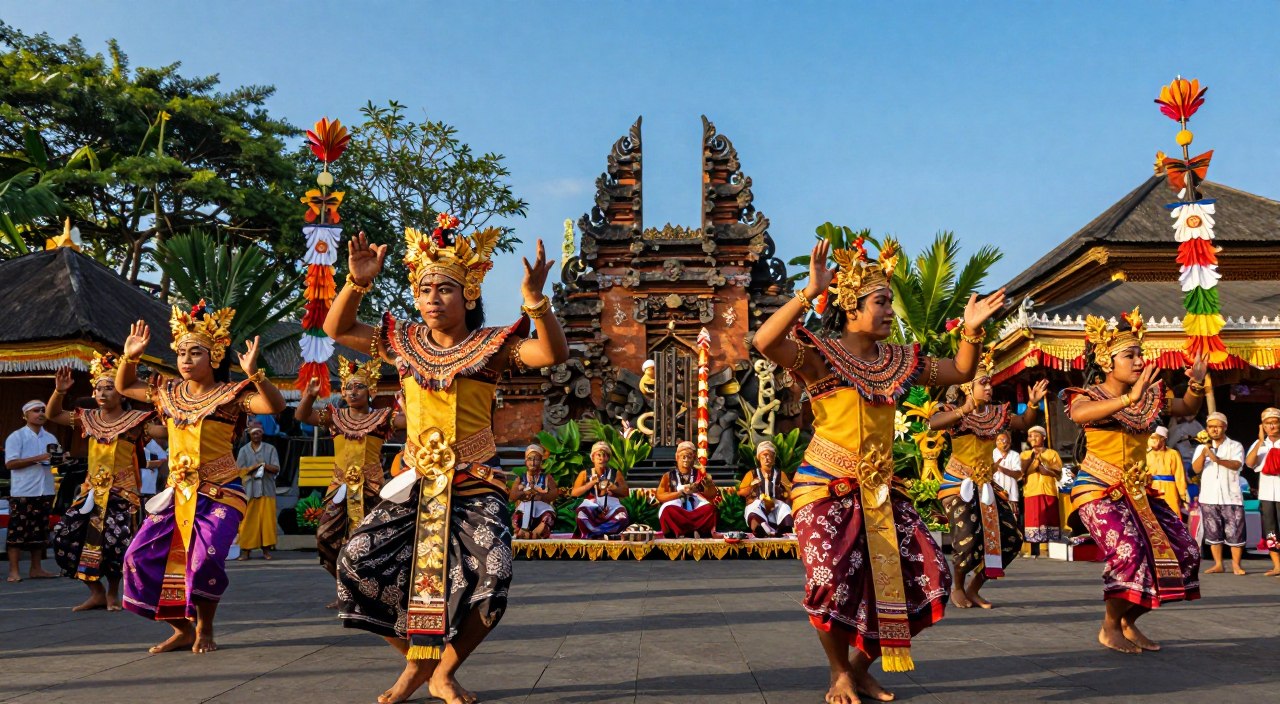
Daily presentations called Rekasadana form the core of this cultural extravaganza. These shows present the island’s most treasured dance, music, and theatrical traditions.
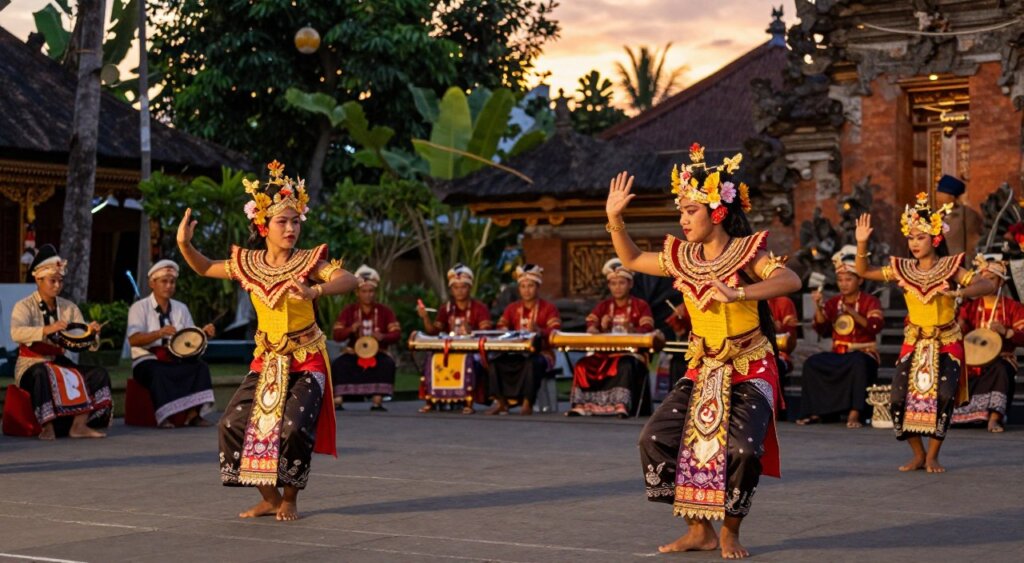
Visitors can experience iconic traditional dances like the graceful Legong performed by young female dancers. The dramatic Barong dance depicts the eternal battle between good and evil. Other highlights include the ancient Gambuh dance-drama and participatory Joged Bumbung.
The mesmerising Tari Kecak features a chorus of chanting men. This powerful performance typically runs from 6:00 to 7:00 PM daily.
Traditional Dance, Music and Visual Art
Gamelan music creates intricate, layered soundscapes throughout the event. These traditional orchestras feature gongs, drums, and metallophones. Both energetic Gong Kebyar and sacred ancient styles are performed.
Wayang Kulit shadow puppet shows demonstrate ancient storytelling. A skilled dalang manipulates leather puppets behind a lit screen. Hindu epics come alive with Gamelan accompaniment.
| Performance Type | Key Features | Best Time to Watch |
|---|---|---|
| Legong Dance | Graceful female dancers, elaborate costumes | Afternoon shows |
| Barong Dance | Mythological creatures, good vs evil theme | Multiple daily times |
| Tari Kecak | Male chorus, rhythmic chanting | 6:00-7:00 PM |
| Wayang Kulit | Shadow puppets, Hindu stories | Evening performances |
Art Exhibitions, Workshops and Live Shows
Art exhibitions called Kandarupa showcase diverse visual creations. Visitors see traditional and contemporary paintings alongside wood carvings. Exquisite textiles include ikat, songket, and batik fabrics.
Batik Bali: A Guide to the Traditional Fabric Art
Handcrafted jewelry and traditional crafts like mask making display skilled artistry. Competitions called Wimbakara feature Gamelan groups and dance troupes. Filmmakers and photographers also showcase their interpretations.
The event balances preservation with innovation. Contemporary creations demonstrate how cultural expressions evolve while respecting traditions. This provides a comprehensive education in artistic creativity.
Exploring Denpasar and Festival Venues
Australian visitors will find Denpasar’s festival venues easily accessible from major resort areas. As Bali’s capital city, Denpasar serves as both administrative centre and cultural heart. Traditional village life coexists with historic temples and modern development here.
Key Venues: Denpasar Arts Centre and Bajra Sandhi Monument
The main venue for the arts festival is Taman Werdhi Budaya Arts Centre. This expansive cultural complex features multiple indoor halls and outdoor stages. Exhibition galleries and artistic spaces showcase Balinese creativity throughout the event.
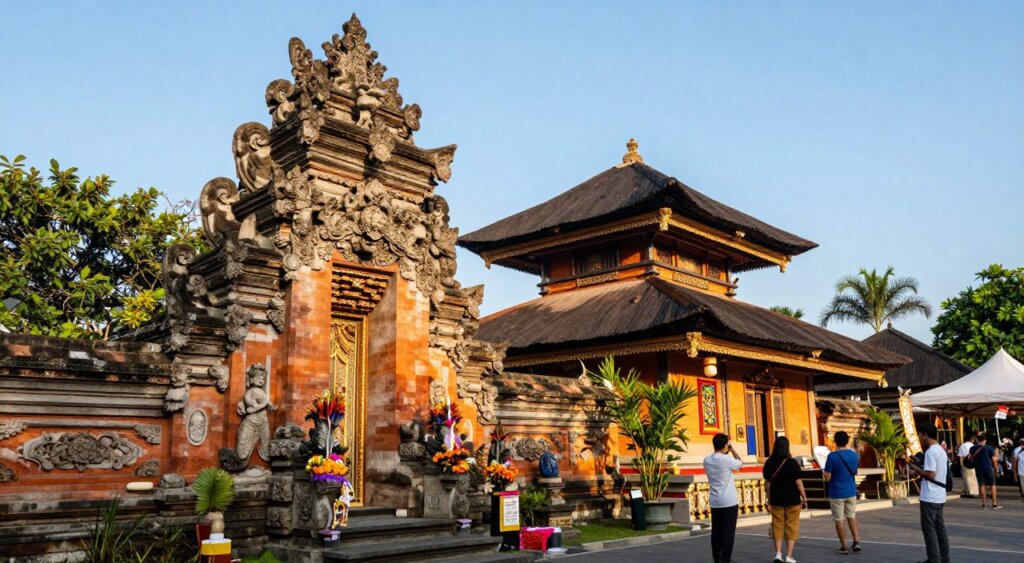
All buildings display traditional architectural style, creating an immersive garden environment. Southeast Asian-inspired structures reflect local artistic heritage beautifully. During regular months, this is a quiet tourist attraction.
The complex transforms into a bustling hub each June and July. Dance competitions, music performances, and art exhibitions attract thousands of visitors. Workshops and cultural displays create continuous activity throughout the venue.
The Bajra Sandhi Monument in Renon Square serves as another important landmark. This significant structure represents Balinese struggle and culture. The spectacular opening parade begins or passes by this sandhi monument.
Denpasar lies approximately 45-60 minutes north of Nusa Dua. This makes day trips or evening visits convenient for Australian travellers. The city functions as the island’s public transportation hub.
Visitors can reach venues by taxi, ride-sharing services, or private drivers. Motorcycle rentals offer another way to navigate for confident riders. Exploring beyond festival locations reveals Denpasar’s unique character.
Traditional markets, historic temples, and local neighbourhoods provide authentic glimpses into daily life. This cultural immersion complements the art exhibitions and performances beautifully. The entire experience creates lasting memories of Balinese culture.
Experience the Bali Arts Festival: Parades and Open-Air Performances
Morning streets transform into moving galleries of living tradition during the festival’s opening celebration. The Peed Aya procession officially launches this month-long cultural journey with vibrant energy.
The Grand Opening Parade from Renon Square
The opening parade typically begins around 9:00 AM from Renon Square. It proceeds along Denpasar’s main thoroughfares, creating a spectacular moving display.
Hundreds of artists from all eight regencies participate in this colourful event. They showcase traditional costumes, indigenous musical instruments, and elaborate decorated floats. International performers often join this cultural procession.
Understanding Baju Adat Bali: Cultural Significance
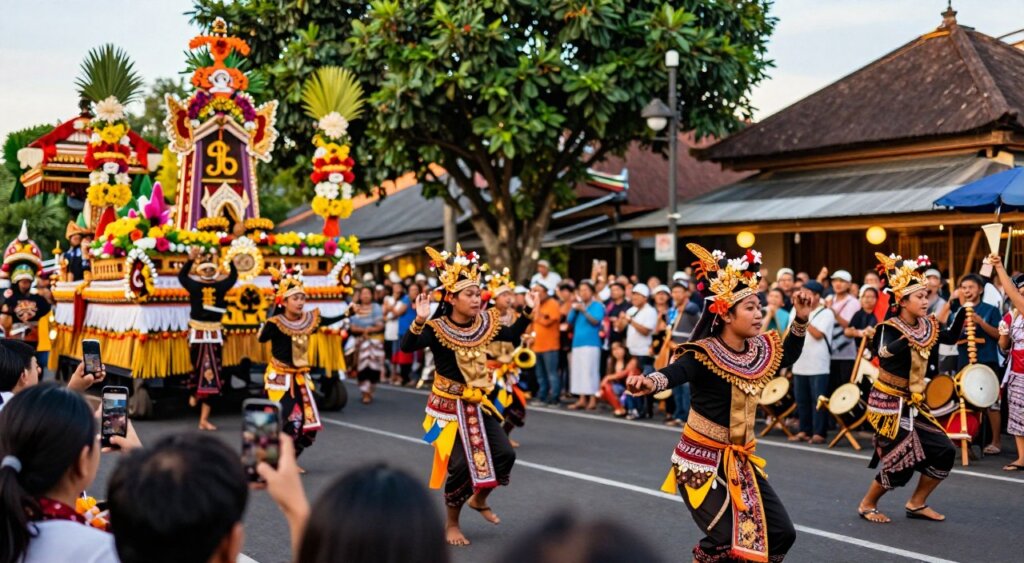
Spectators should arrive early to secure good viewing positions along the route. Sun protection and water are essential due to the tropical morning heat. The parade sets an energetic tone for all subsequent shows.
Outdoor Amphitheatre and Experiential Stages
The outdoor kalangan amphitheatre hosts daily dance presentations throughout the event. These performances showcase traditional movement vocabulary influenced by religious concepts.
Visitors can witness various dance styles and spontaneous improvisations by local children. Integrated presentations combine vocal music, instrumental accompaniment, and choreographed movement seamlessly.
Evening shows on larger outdoor stages are particularly atmospheric. As the tropical sun sets, traditional lighting creates an enchanting ambience. The open-air setting allows intimate connection with performers.
Audiences sit close to artists under the stars during these outdoor performances. This immersive experience highlights intricate costumes and precise movements. It creates lasting memories of authentic cultural expression.
Practical Tips for an Immersive Festival Experience
Australian travellers can enhance their cultural immersion by following these practical tips for navigating the month-long festivities. Proper planning ensures you make the most of every performance and exhibition.
Travel, Accommodation and Getting Around
Book accommodation well in advance, as this popular event attracts global visitors. Choose hotels near the main venues to save travel time and costs. This strategic location allows more opportunities to experience multiple shows.
Transportation options include private drivers for flexibility or ride-sharing apps for individual trips. The Arts Centre is approximately 45-60 minutes from major resort areas. Staying nearby maximises your chance to explore all offerings.
Weather, Sun Protection and Personal Belongings
June and July offer comfortable tropical conditions with temperatures around 22-27°C. Pack light, breathable clothing and a compact umbrella for occasional showers. The climate is ideal for outdoor events.
Sun protection is essential for daytime activities. Bring high-SPF sunscreen, wide-brimmed hats, and sunglasses. Carry refillable water bottles to stay hydrated during extended performances.
Large crowds require vigilance with personal belongings. Use secure cross-body bags and keep valuables minimal. Store most cash in hotel safes, carrying only small amounts for daily needs.
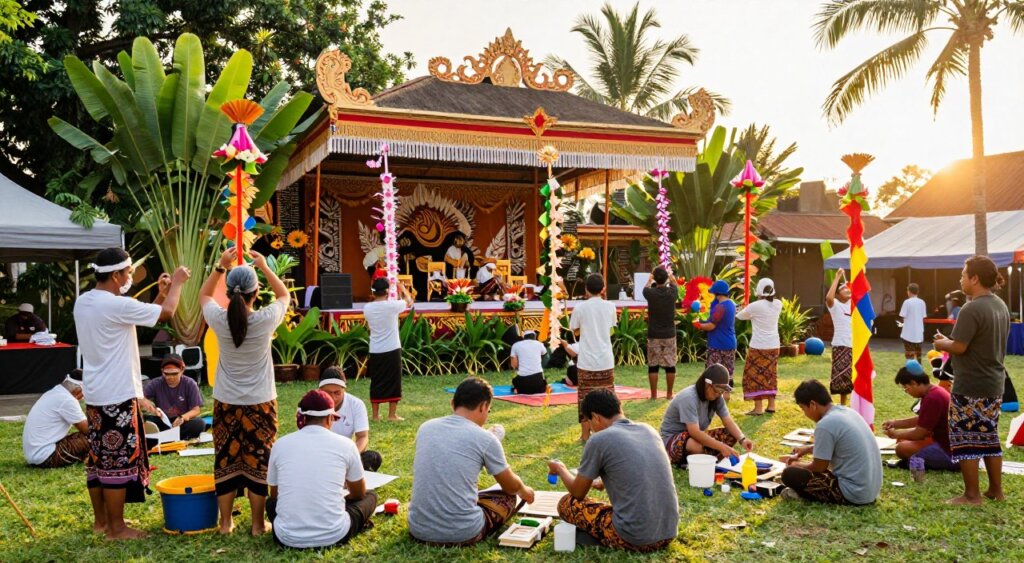
Food stalls throughout the venue offer authentic Balinese cuisine and traditional snacks. Nearby markets sell handicrafts, batik fabrics, and paintings at reasonable prices. Workshops provide hands-on learning experiences in various crafts.
Check the official schedule in advance to plan your time effectively. This ensures you don’t miss preferred dance, music, or art exhibitions. Proper preparation transforms a good visit into an unforgettable cultural journey.
Conclusion
Beyond the beautiful beaches lies an extraordinary opportunity to connect with living traditions. The Bali Arts Festival represents an unmissable cultural event for Australian travellers seeking authentic experiences.
This celebration has successfully preserved Balinese artistic heritage for over forty years. It’s not merely entertainment but a vital institution transmitting traditional knowledge to new generations.
While the 2026 theme and specific dates await announcement, the event typically runs mid-June to mid-July. Checking official sources closer to the time ensures optimal trip planning for this remarkable chance.
Visitors can witness diverse performances, view exhibitions, and participate in workshops. The comprehensive experience showcases the island’s rich creativity through daily scheduled events.
Most shows remain free, with venues easily accessible from major tourist areas. This structured celebration provides a safe way to experience genuine culture throughout the month.
In our modern world, such artistic traditions become increasingly rare. This gathering of community and spirituality offers particularly meaningful encounters for international visitors.
Include this captivating arts festival in your Indonesian travel plans. Whether dedicating several days or just one evening, you’ll discover the true soul of Bali through its brilliant artistic expressions.