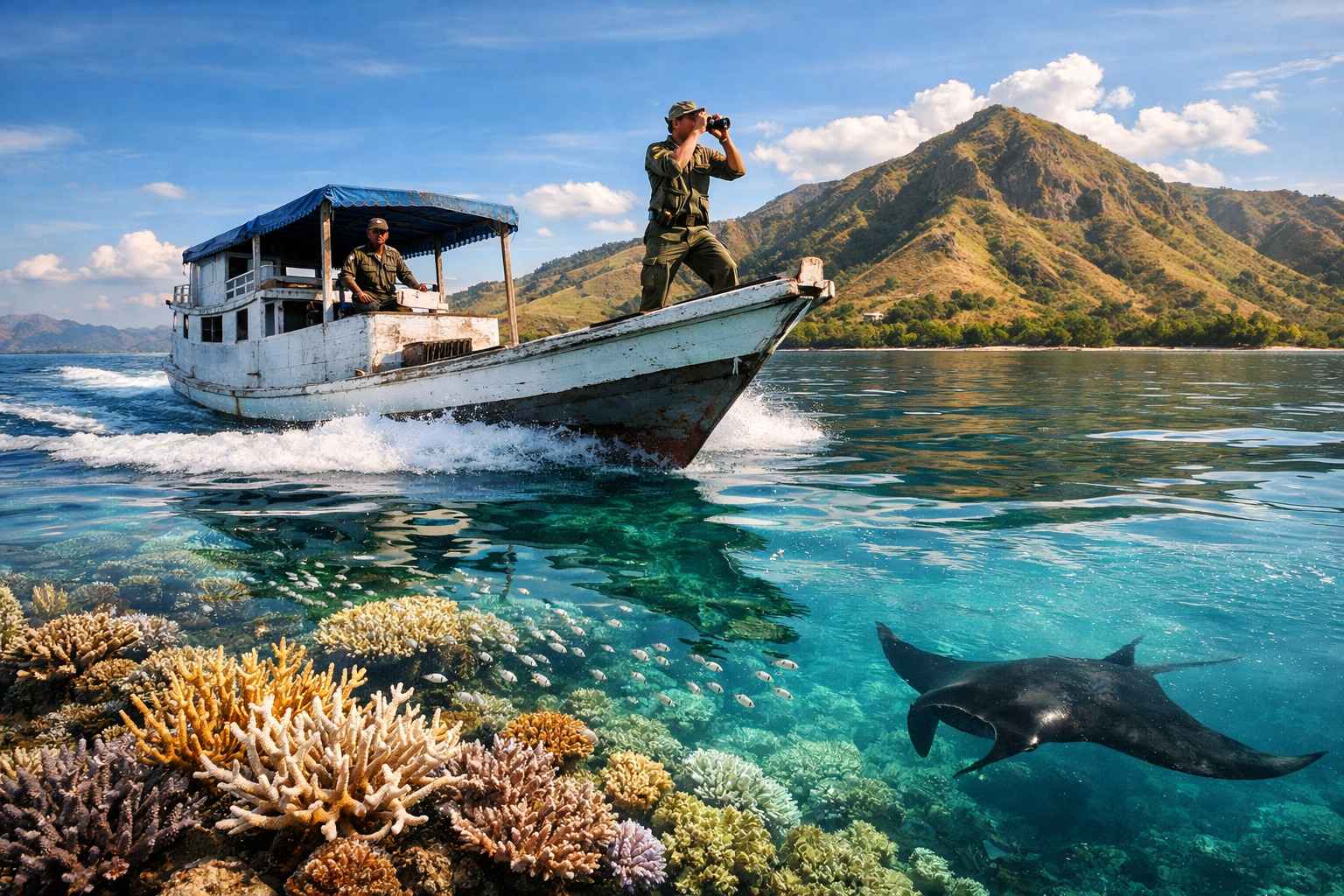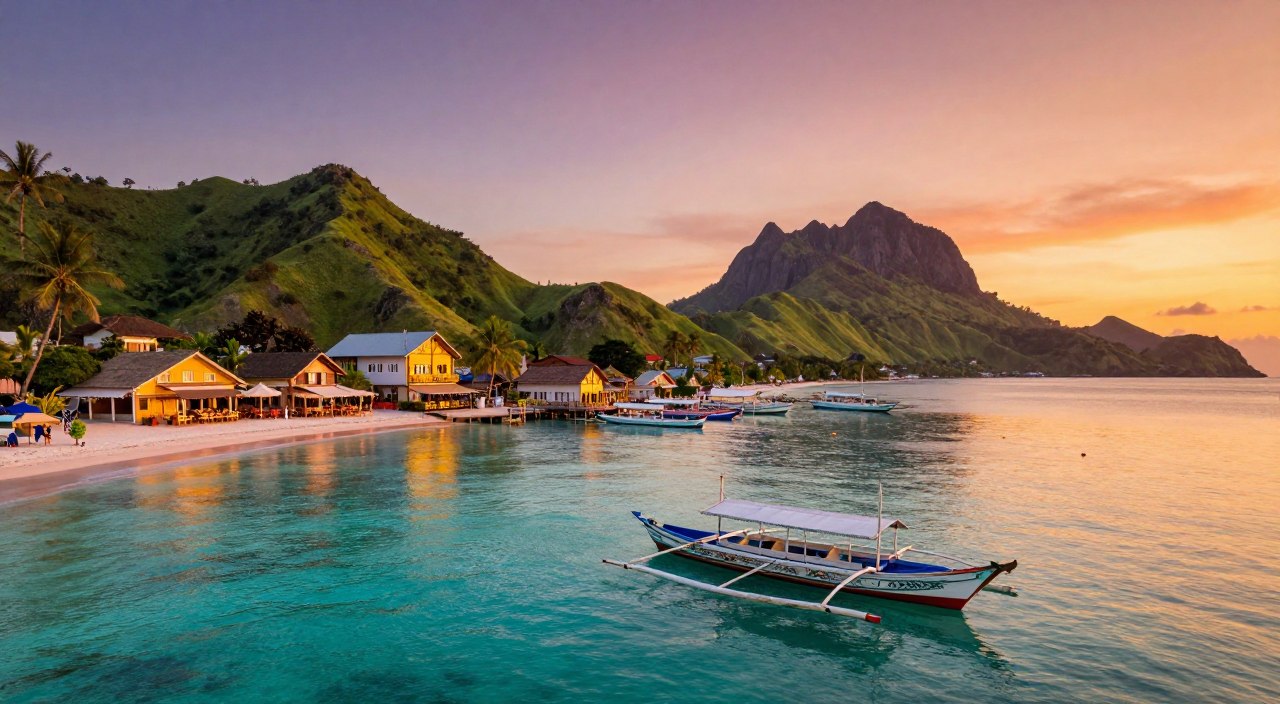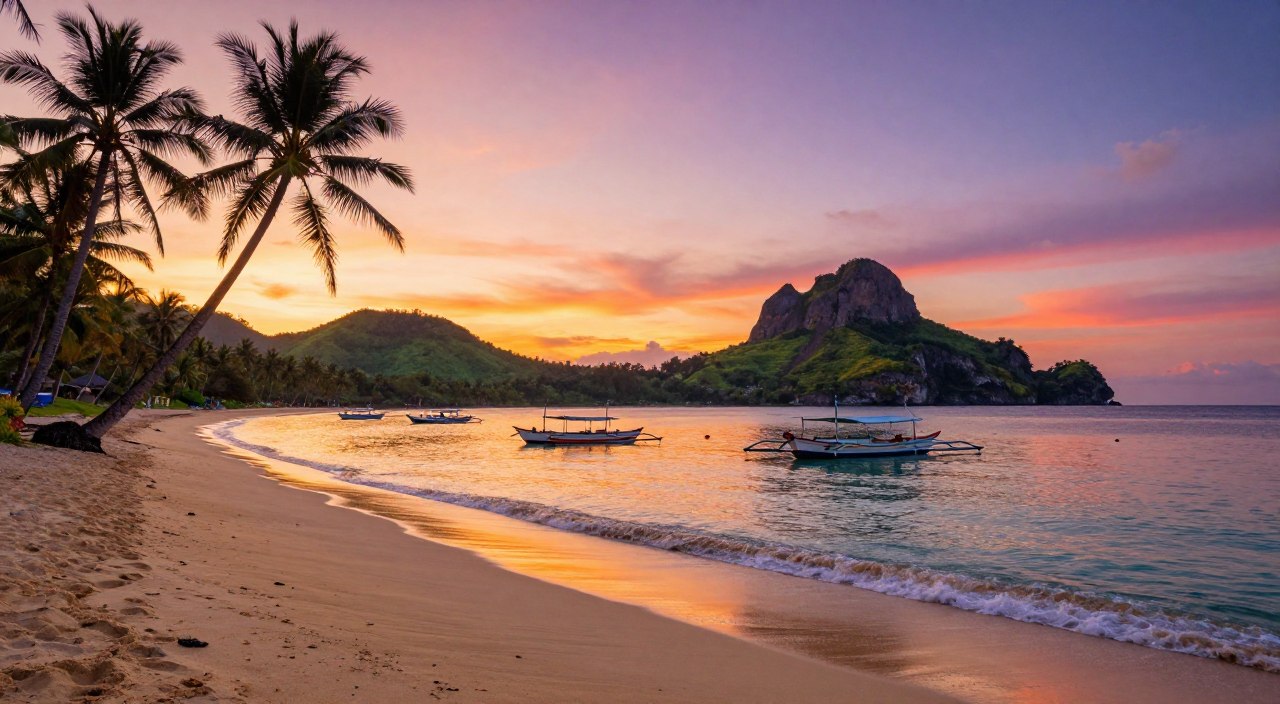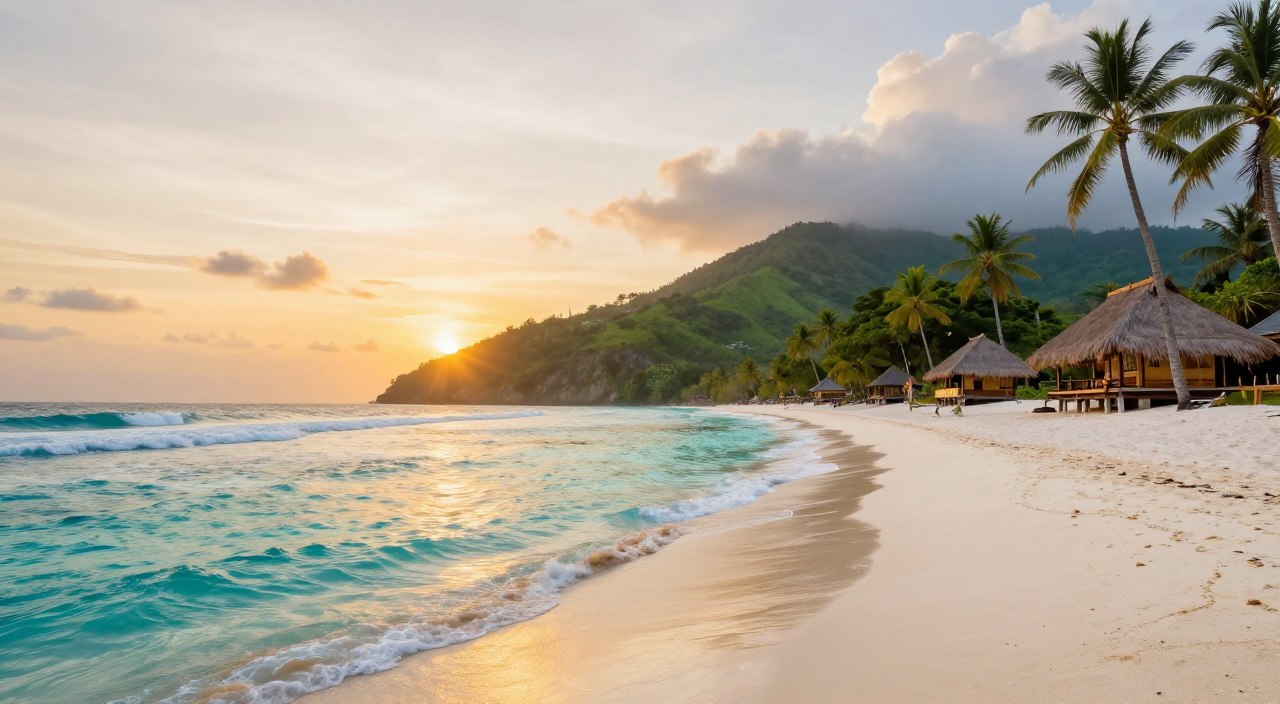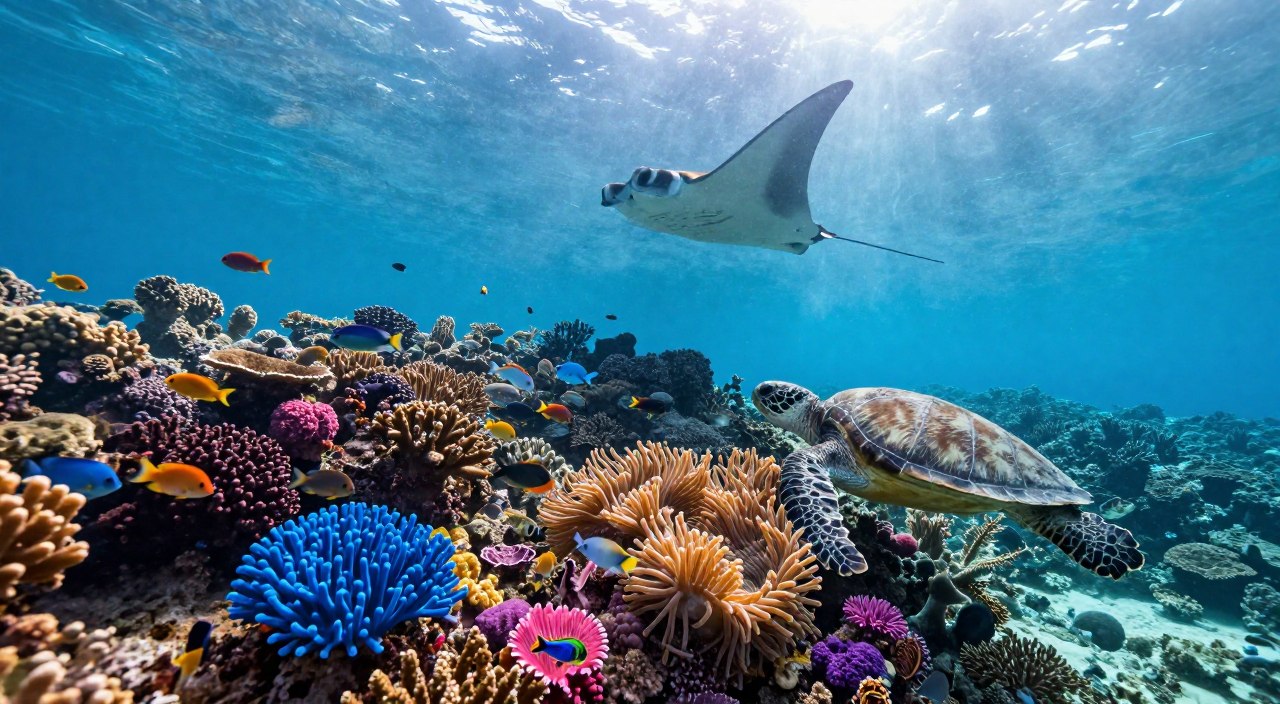
Did you know that a single reef in this Indonesian archipelago contains more fish species than the entire Caribbean Sea? This incredible statistic hints at why Raja Ampat marine biodiversity stands as the richest on our planet.
Located in Indonesia’s West Papua province, this remote paradise represents the global epicentre of underwater life. The region’s unique position at the heart of the Coral Triangle creates an environment where nature thrives in spectacular abundance.
For Australian travellers seeking authentic experiences, this destination offers world-class opportunities. From diving among vibrant coral gardens to encountering rare species, every moment here feels extraordinary.
The area’s growing reputation among eco-tourists makes it increasingly accessible from Australia. This article will guide you through everything from diving spots to conservation efforts, helping you plan your ultimate adventure.
Key Takeaways
- This Indonesian archipelago hosts the planet’s most diverse underwater ecosystems
- Its location in the Coral Triangle creates unparalleled natural richness
- Australian travellers can access world-class diving and snorkelling experiences
- The region offers both marine adventures and cultural encounters
- Conservation initiatives protect this globally significant environment
- Planning your visit requires understanding seasonal conditions and travel options
- The area represents a premier destination for eco-conscious tourism
Introduction: Discovering an Underwater Paradise
At the heart of the Coral Triangle lies Raja Ampat, where researchers have documented record-breaking numbers of underwater species. This strategic position creates an environment where nature thrives in spectacular abundance.
Scientific surveys by Conservation International and The Nature Conservancy reveal astonishing statistics. They’ve recorded over 550 coral varieties, 700 mollusc types, and more than 1,800 reef fish species in these waters.
Sustainable Travel and Tourism: Complete Guide to Responsible Tourism
When compared to other famous diving locations, the difference is striking. The table below shows how Raja Ampat surpasses even renowned destinations:
| Marine Feature | Raja Ampat | Red Sea |
|---|---|---|
| Coral Species | 550+ | ~300 |
| Reef Fish Species | 1,800+ | ~1,000 |
| Mollusc Species | 700+ | Not Available |
The region’s rich marine biodiversity extends beyond corals and fish. Seventeen marine mammal species inhabit these waters, including sperm whales, dolphins, and rare dugongs.
Oceanic and reef manta rays glide through the currents alongside numerous shark varieties. Five distinct sea turtle species also call this paradise home, completing the incredible spectrum of marine life.
Exploring Raja Ampat Marine Biodiversity
A massive ocean current known as the Indonesian Throughflow serves as the primary engine behind this region’s extraordinary richness. This natural phenomenon creates the perfect conditions for underwater life to flourish throughout the islands.
The Role of the Indonesian Throughflow
The Earth’s rotation causes seawater to build up in the northwestern Pacific Ocean. This creates a sea level difference that generates the world’s largest movement of water.
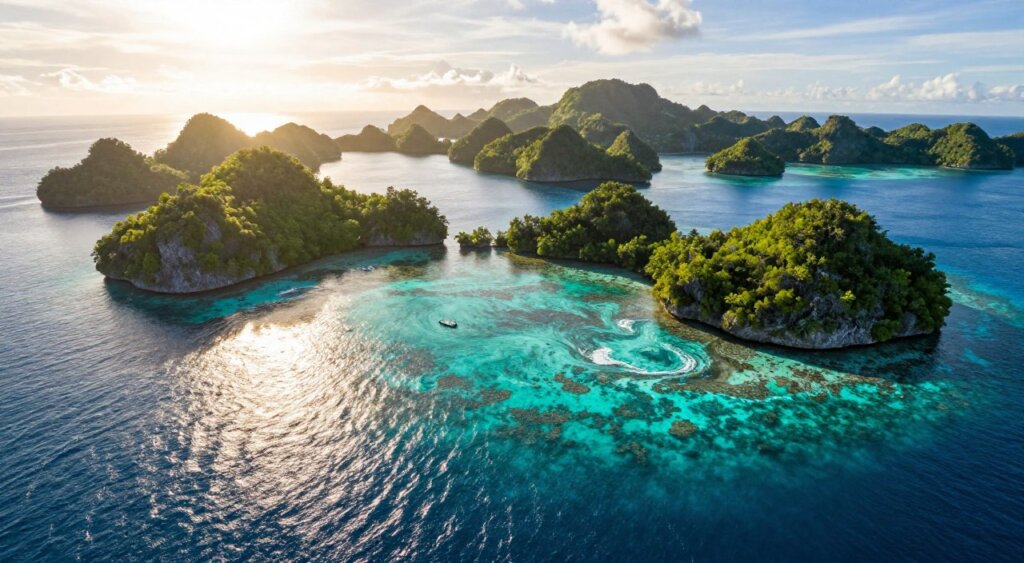
As this powerful flow approaches the Raja Ampat area, it interacts with the local geography. The approximately 1,500 smaller islands create diverse habitats that benefit from this natural system.
Nutrient Upwellings and Larval Dispersal
When the Throughflow reaches this part of Indonesia, it triggers nutrient-rich upwellings from deep ocean basins. These vital nutrients fuel the growth of coral reefs and support complex ecosystems.
The current also acts as nature’s distribution system for marine species. It spreads eggs and larvae across vast distances to seed and replenish reefs throughout the region.
This combination of nutrient delivery and natural dispersal gives the area a competitive advantage. The range of habitats allows the region to fully benefit from these natural processes.
Marine Ecosystems and Key Species
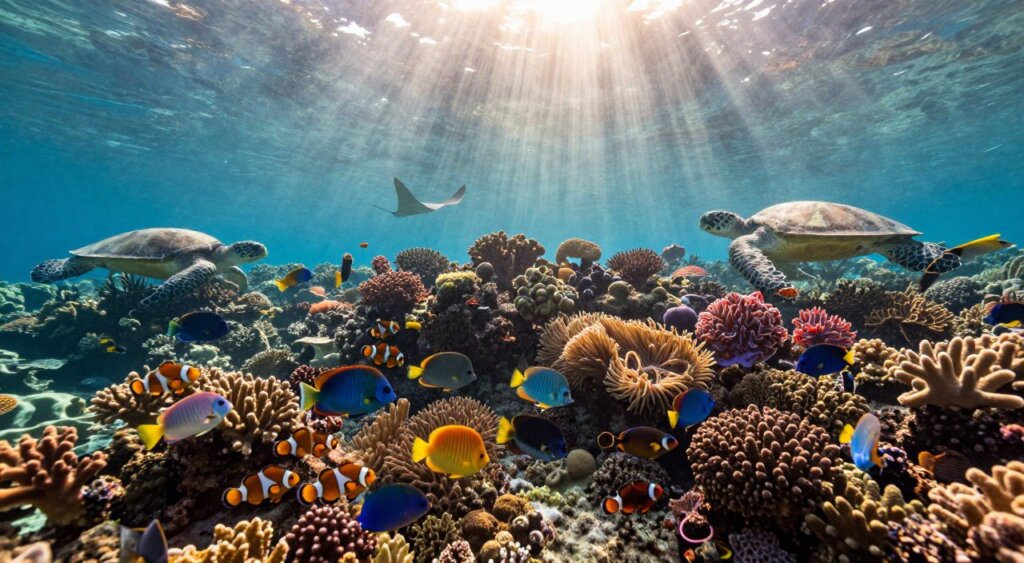
The underwater landscapes of this Indonesian archipelago present a living tapestry of colour and movement. This region hosts an incredible range of habitats that support both massive ocean travellers and tiny hidden treasures.
Vibrant Reefs and Colourful Fish
Healthy coral reefs form the foundation of this rich ecosystem. More than 550 varieties of reef-building corals create complex structures that shelter countless fish.
Schools of bumphead parrotfish and sweetlips create moving rainbows. Over 1,400 species of tropical fish dart among the vibrant reefs.
Encountering Megafauna and Macro Fauna
Large marine species include majestic whale sharks and graceful manta rays. Five types of sea turtles glide through the clear waters alongside various sharks.
For macro enthusiasts, tiny wonders await discovery. Colourful nudibranchs, pygmy seahorses, and blue-ringed octopuses hide in the reef’s details.
The table below shows the incredible variety of marine life found in Raja Ampat:
| Category | Species Count | Notable Examples | Habitat |
|---|---|---|---|
| Reef Fish | 1,400+ | Parrotfish, Sweetlips | Coral Gardens |
| Corals | 550+ | Hard & Soft Varieties | Reef Structures |
| Marine Mammals | 17 | Whales, Dugongs | Open Waters |
| Sharks & Rays | Numerous | Manta Rays, Reef Sharks | Current Areas |
Diving in Raja Ampat: Dive Sites and Underwater Topography
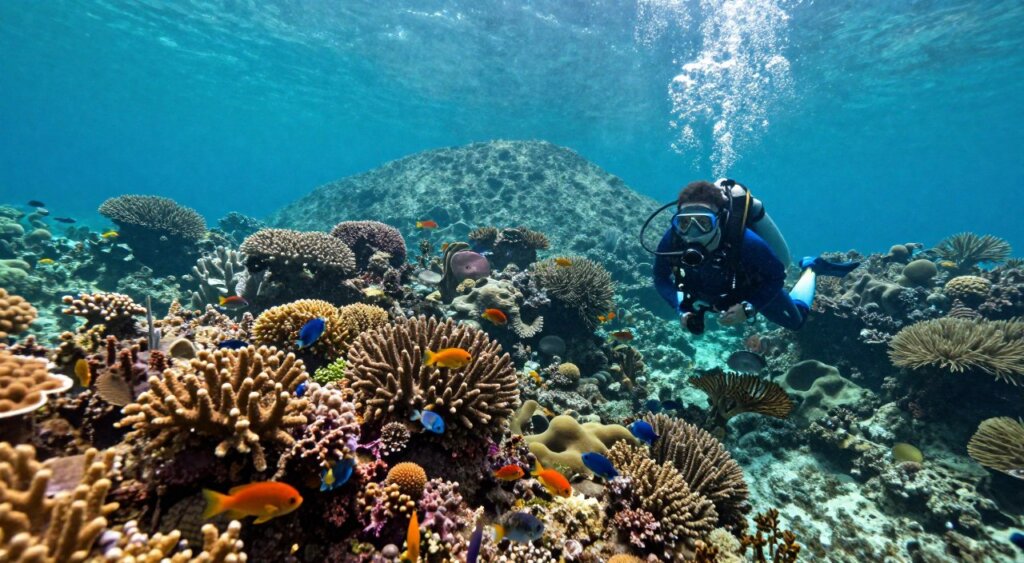
Planning your underwater adventure requires understanding the seasonal rhythms of this Indonesian paradise. The region offers spectacular diving opportunities throughout the year, with warm water temperatures consistently around 29°C.
Best Diving Periods for Optimal Visibility
Many travellers mistakenly believe the prime diving season runs only from November to March. In reality, Raja Ampat provides excellent conditions across different months.
January and February see the most rainfall, which can reduce visibility and create crowded dive sites. The optimal windows are March-April and August-September, offering clear waters with 15-30 metre visibility.
As one experienced diver noted:
“The shoulder seasons provide the perfect balance – great visibility without the peak season crowds.”
Resort-based operations allow access to varied habitats outside traditional liveaboard seasons. This flexibility means you can find suitable conditions nearly any time of year.
| Season | Visibility | Crowd Level | Best For |
|---|---|---|---|
| Jan-Feb | Reduced | High | Liveaboards |
| Mar-Apr | Optimal | Medium | All divers |
| Aug-Sep | Excellent | Low | Resort diving |
Unique Geological Formations and Reefs
The underwater landscape features extraordinary variety. Shallow reefs at 1-1.5 metres depth host massive schools of bumphead parrotfish, perfect for snorkelers and beginners.
Advanced divers can explore dramatic walls plunging from 1.5 metres to over 270 metres. These vertical drop-offs create thrilling drift dive opportunities in current-swept channels.
Unique blue water mangrove habitats surrounded by crystal-clear water showcase colourful soft coral reefs and sponges. Seamounts, caves, and tunnels add to the geological diversity.
This range ensures every skill level finds suitable sites, from gentle coral gardens to challenging deep-water adventures.
Raja Ampat Islands: History, Culture and Natural Wonders
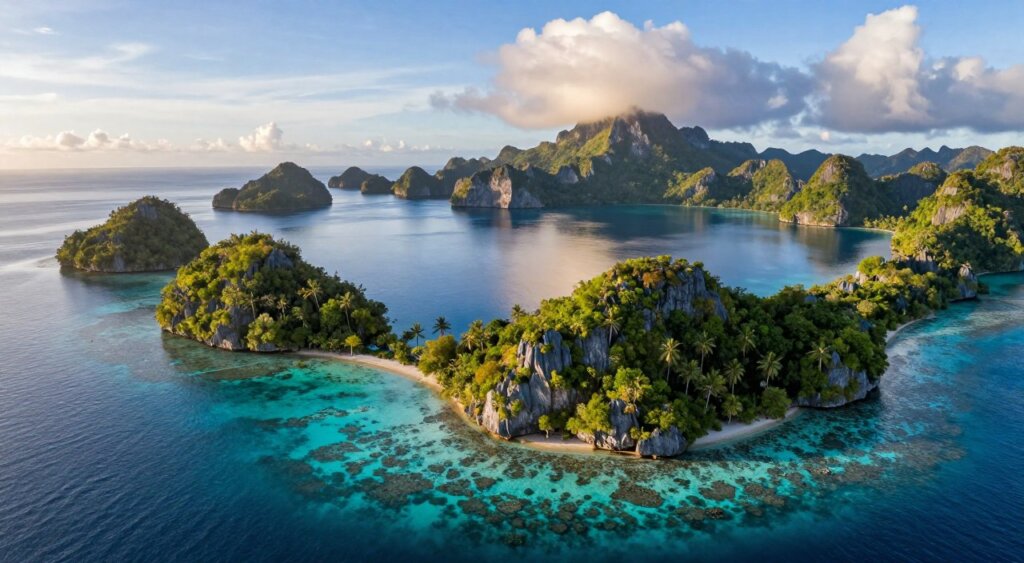
Beyond the spectacular underwater world lies a rich cultural tapestry that gives this Indonesian archipelago its name. The term Raja Ampat translates to “Four Kings,” reflecting centuries of fascinating history.
The Legacy of the Four Kings
This name originates from the 15th century when the region was governed by the Ternate and Tidore sultanates. Four local rulers were selected to oversee the largest islands, creating a governance system that lasted 400 years.
The historical significance adds depth to any visit to these islands. Understanding this legacy helps appreciate the cultural context beyond the natural attractions.
Island Highlights: Waigeo, Misool, Salawati and Batanta
Each of the four kings governed one of the main islands, each with distinct characteristics. Waigeo serves as the primary gateway with beautiful beaches and excellent diving spots.
Misool’s southern location features dramatic limestone formations and mangrove forests. Salawati offers historical sites and unique endemic species, while Batanta provides pristine trekking experiences.
| Island | Key Feature | Best Activity | Unique Characteristic |
|---|---|---|---|
| Waigeo | Gateway island | Diving & beaches | Most developed |
| Misool | Limestone formations | Marine exploration | Southernmost location |
| Salawati | Historical sites | Cultural visits | WWII bunkers |
| Batanta | Cloud forests | Trekking | Least developed |
Hidden Gems: Piaynemo, Gam and Wayag
Beyond the main islands, several smaller gems offer unforgettable experiences. Piaynemo features iconic limestone karsts rising from turquoise waters, often called the most beautiful spot in the world.
Gam Island combines traditional villages with excellent birdwatching opportunities. Wayag provides breathtaking hiking peaks with panoramic views of the entire archipelago, showcasing the incredible nature above water.
These hidden treasures complement the underwater attractions, making Raja Ampat a complete destination for nature lovers.
Conservation and Sustainable Tourism Efforts
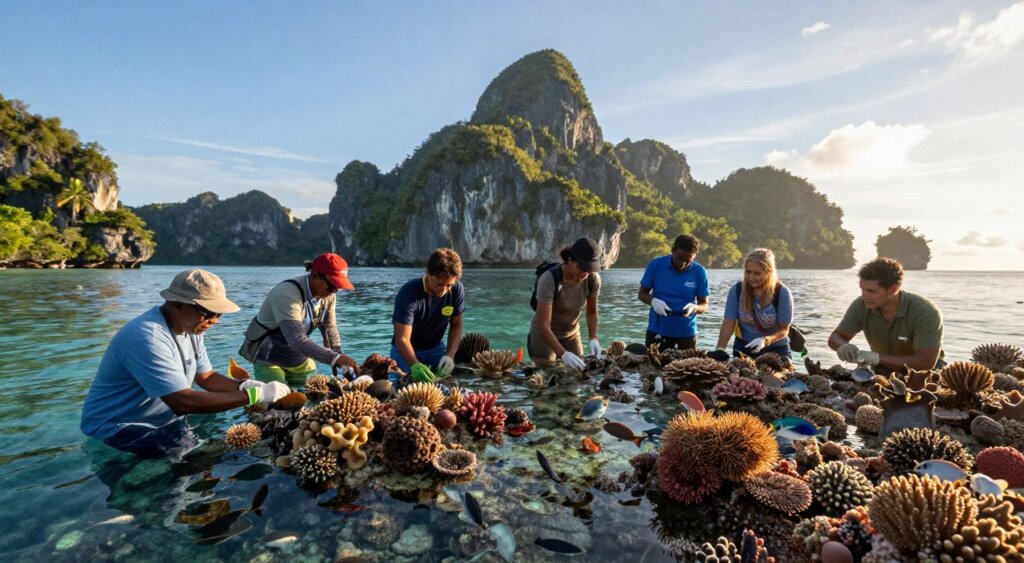
Visitor contributions directly fund conservation efforts through a structured fee system. This financial support helps maintain the delicate balance between tourism and protection.
The entire archipelago operates under comprehensive environmental safeguards. These measures ensure the natural wonders remain intact for future visitors.
Ecotourism in Indonesia: Your Complete Guide to Sustainable Travel in 2026
Marine Protected Areas and Regulations
Seven designated zones cover nearly 1.2 million hectares of ocean territory. This network represents one of the largest conservation initiatives on the planet.
Since 2013, the whole region has functioned as a sanctuary for sharks and manta rays. This declaration offers complete protection to these vulnerable species.
Park fees provide crucial funding for patrol operations and research programs. As one conservation official noted:
“Every visitor’s contribution directly supports our monitoring and protection activities.”
| Conservation Measure | Scope | Key Benefit |
|---|---|---|
| Protected Areas | 7 zones | Habitat preservation |
| Species Sanctuary | Sharks & rays | Population recovery |
| Visitor Fees | All tourists | Conservation funding |
Sustainable Diving and Community Empowerment
Divers must follow strict guidelines including proper buoyancy control and no-contact policies. These practices minimize environmental impact during underwater exploration.
Local communities receive economic benefits through tourism revenue. This creates powerful incentives for residents to become conservation stewards.
The reefs show natural resilience to coral bleaching effects. This offers hope for the long-term survival of these unique ecosystems.
Conclusion
The journey through Raja Ampat reveals why this region holds the crown for marine diversity on our world. With over 550 coral species and 1,800 fish varieties, the statistics speak for themselves.
This incredible nature thrives thanks to unique geographical advantages. The Indonesian Throughflow and 1,500 islands create perfect conditions for marine life to flourish.
Australian travellers can experience this wonder through year-round diving adventures. Both liveaboard and resort options offer access to this spectacular sea environment.
Sustainable tourism ensures this treasure remains protected for future generations. Your visit supports conservation while letting you witness Earth’s richest marine biodiversity.
Add Raja Ampat to your bucket list for an unforgettable encounter with underwater life. This destination represents the ultimate experience in the Coral Triangle.