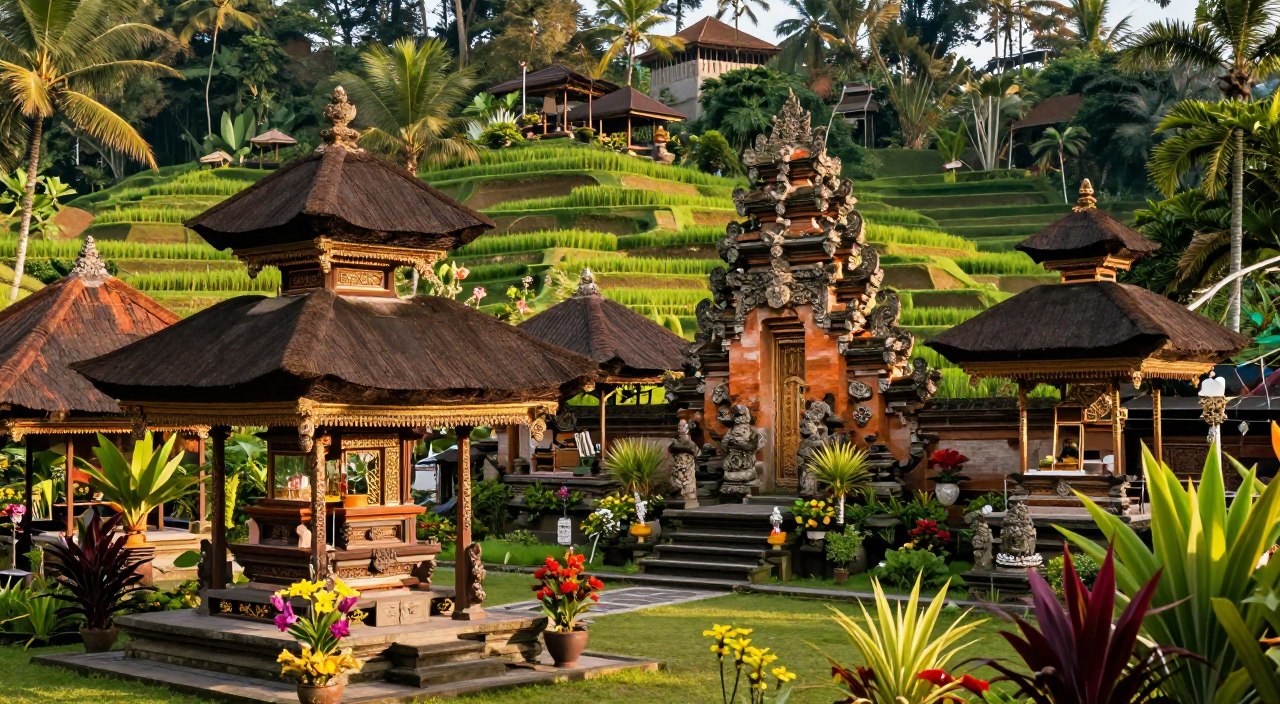
More than 20,000 temples stand on one small Indonesian island, creating a landscape where the built environment is as sacred as the natural one. This incredible density reveals a culture where every structure has profound meaning.
This distinctive balinese architecture is a centuries-old tradition. It reflects a deep spiritual heritage rooted in Hindu beliefs. The core principle is achieving perfect harmony between humans, nature, and the divine.
Every design choice, from a family compound to a grand temple, follows this philosophy. The traditional balinese approach uses natural materials and skilled craftsmanship. It creates spaces that are both practical and deeply symbolic.
Today, this unique Bali architecture designs has gained global fame. It is a leading style for tropical buildings worldwide. The island‘s aesthetic blends timeless elements with modern needs, proving its enduring appeal.
Key Takeaways
- Balinese architecture is an ancient tradition focused on spiritual harmony.
- Every structure is designed to balance human, natural, and divine forces.
- Traditional design elements are deeply symbolic and have been preserved for generations.
- The style is practical, using the island’s abundant natural materials.
- It has evolved into a globally recognised tropical architectural style.
- The communal lifestyle is reflected in the layout of buildings and compounds.
- Artistry and craftsmanship are central to creating the cohesive built environment.
Exploring the Essence of Bali Architecture
Tracing back to the 8th century, the built environment evolved through distinct phases, each leaving an indelible mark on the island’s design language.
Historical Background and Cultural Roots
From the 8th to 16th centuries, most structures reflected classical Hindu and Buddhist designs from Javanese schools. This influenced temples, palaces, and family compounds throughout the medieval period.
By the 18th century, a distinctly local style emerged with bold new approaches. This traditional balinese design moved beyond Javanese influences to create unique forms.
Evolution from Traditional to Contemporary Styles
European colonial powers introduced new elements during Dutch and British rule. Northern towns like Singaraja still showcase these hybrid designs today.
The 20th century brought Dutch and Japanese influences that blended with local principles. This created a hybrid style combining international trends with traditional values.
Balinese architecture fundamentally reflects communal living and spiritual beliefs. Extended family compounds and shared spaces demonstrate collective values that shape every structure.
Traditional Balinese Houses and Compound Layout
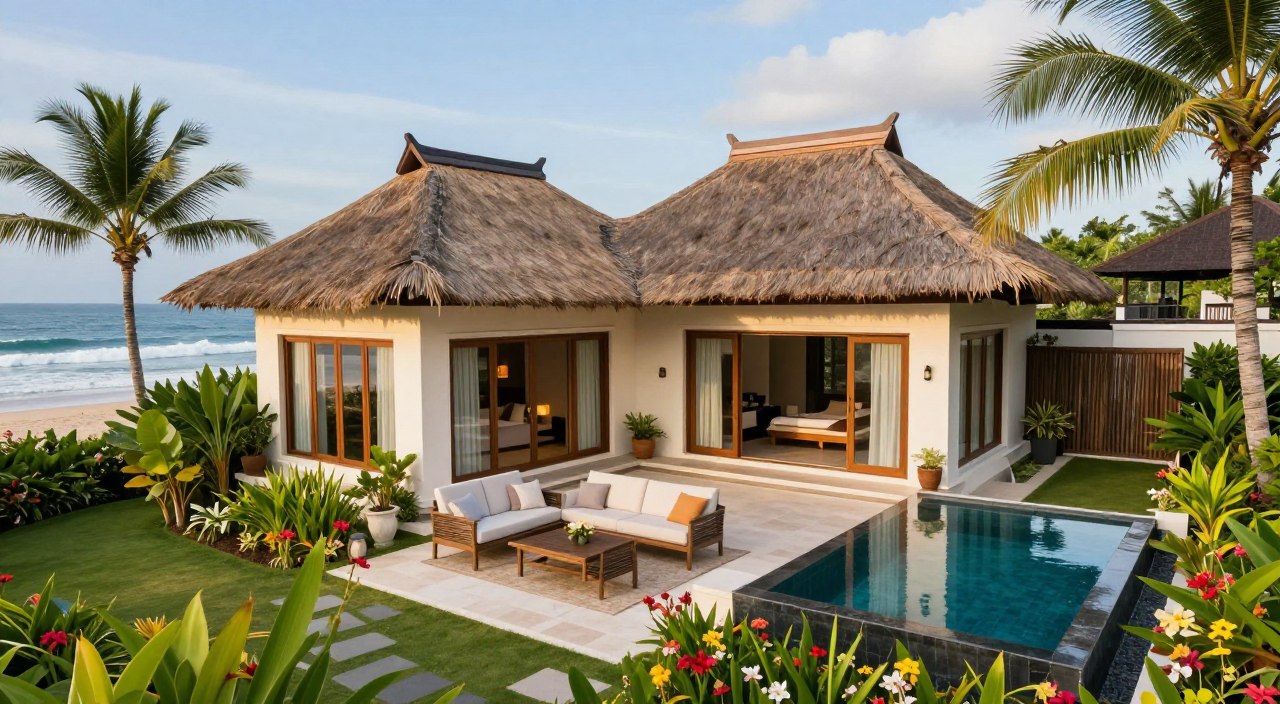
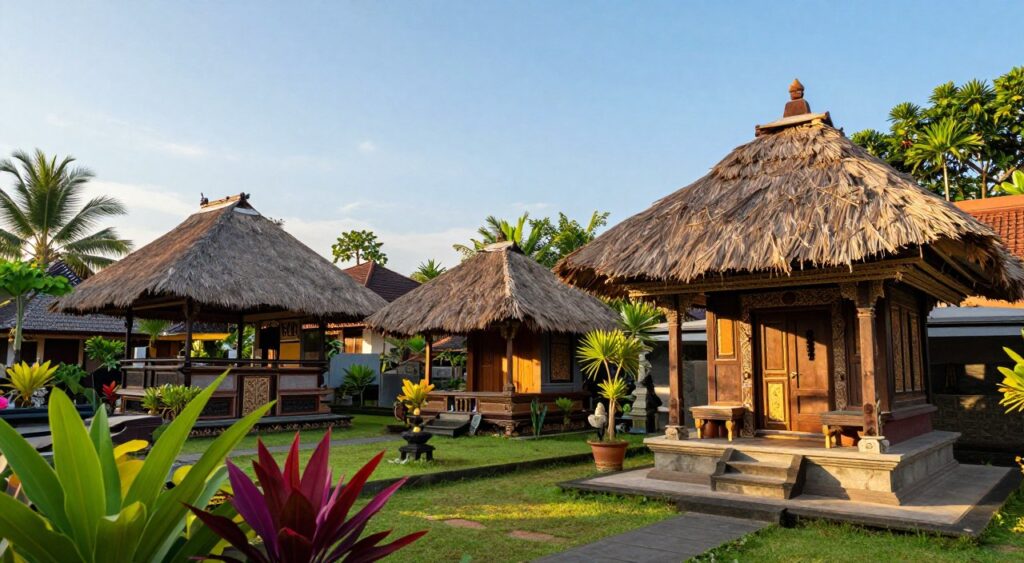
At the heart of Balinese domestic life lies the family compound, a carefully planned arrangement of structures serving distinct purposes. This walled compound organizes daily activities around spiritual values and communal living.
Bali Style Home: Bringing Tropical Charm to Your Australian Home
Key Structures and Their Cultural Significance
Each pavilion within the compound has specific functions. The family temple sits in the sacred northeast corner for worship. Sleeping bale areas provide rest spaces for different family members.
The kitchen symbolizes nourishment and sustenance. Separate structures exist for unmarried women and male relatives. This layout respects social roles and maintains harmony.
The Role of the Family Compound in Balinese Life
The compound design supports extended family living. Shared areas like the central courtyard encourage daily interaction. Gates connect different spaces while maintaining spiritual boundaries.
Even modest houses prioritize three essential structures. This demonstrates the spiritual importance embedded in domestic life. The design naturally integrates care for elders into daily routines.
Philosophies and Principles Behind the Designs
Ancient philosophical systems provide the conceptual framework that shapes how spaces are organised and buildings are oriented. These time-honoured principles ensure every structure maintains cosmic balance.
Tri Hita Karana and Spiritual Harmony
The tri hita karana philosophy seeks perfect harmony between three realms. It connects humans with nature and the divine through careful design.
This principle guides the placement of family compounds and sacred temple areas. Every structure reflects this threefold relationship.
Asta Kosala Kosali and Spatial Organisation
Asta kosala kosali provides eight detailed guidelines for proper proportions. These rules govern measurements and decorative elements.
Master builders follow asta kosala principles to create harmonious space. The kosala kosali system ensures structural integrity.
Create a Serene Bali Garden with Our Expert Tips
Arga Segara/Kaja Kelod: Sacred Alignment
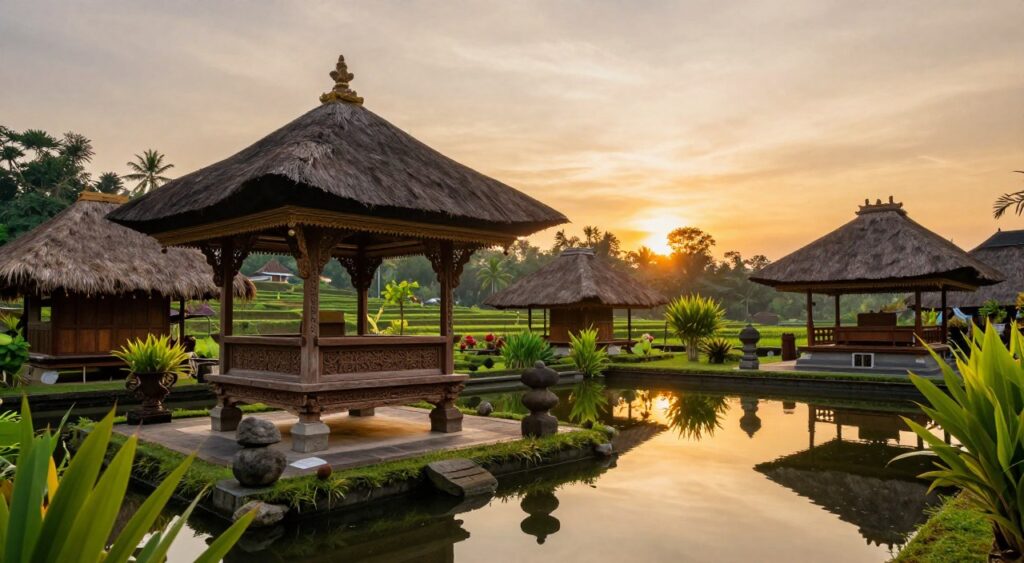
The arga segara kaja axis defines sacred orientation toward mountains. Segara kaja kelod represents the mountain-to-sea alignment.
This principle determines how pavilion openings face the divine direction. It maintains spiritual balance throughout the compound.
| Philosophical System | Primary Focus | Key Application |
|---|---|---|
| Tri Hita Karana | Threefold harmony | Relationship balance |
| Asta Kosala Kosali | Architectural guidelines | Proportions & measurements |
| Arga Segara/Kaja Kelod | Sacred orientation | Building alignment |
These interconnected principles create spaces where physical design supports spiritual practice. They remain essential to traditional building methods today.
Modern Adaptations and Materials in Balinese Structures
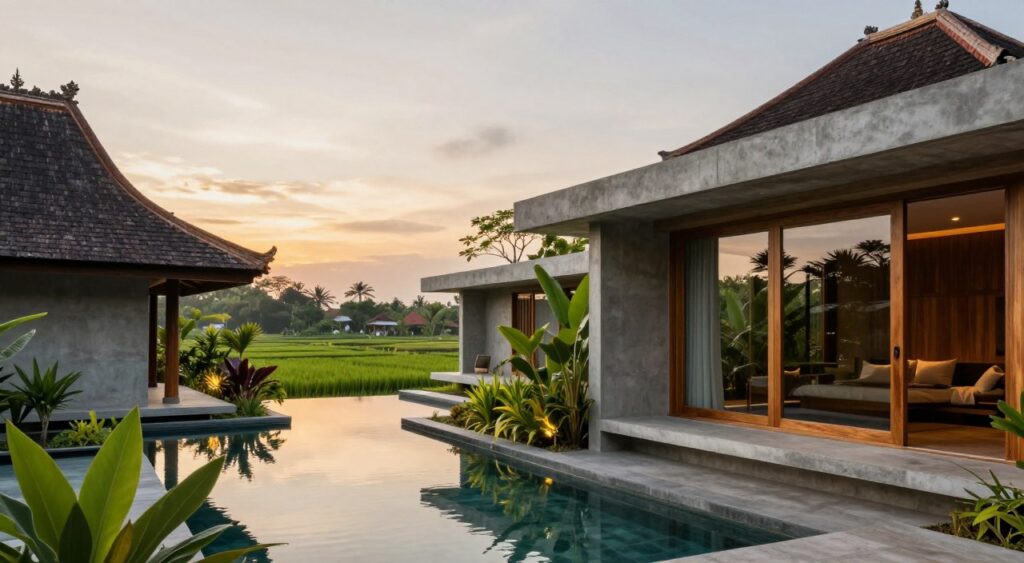
Today’s Balinese structures blend timeless traditions with modern innovation. This evolution maintains cultural authenticity while meeting contemporary needs. The island’s distinctive approach continues to inspire tropical design worldwide.
Contemporary Interpretations of Traditional Elements
Modern buildings creatively reinterpret classic features. The protective Kala head still guards doorways, while lotus motifs symbolise purity. These symbolic elements connect new structures to ancient spiritual values.
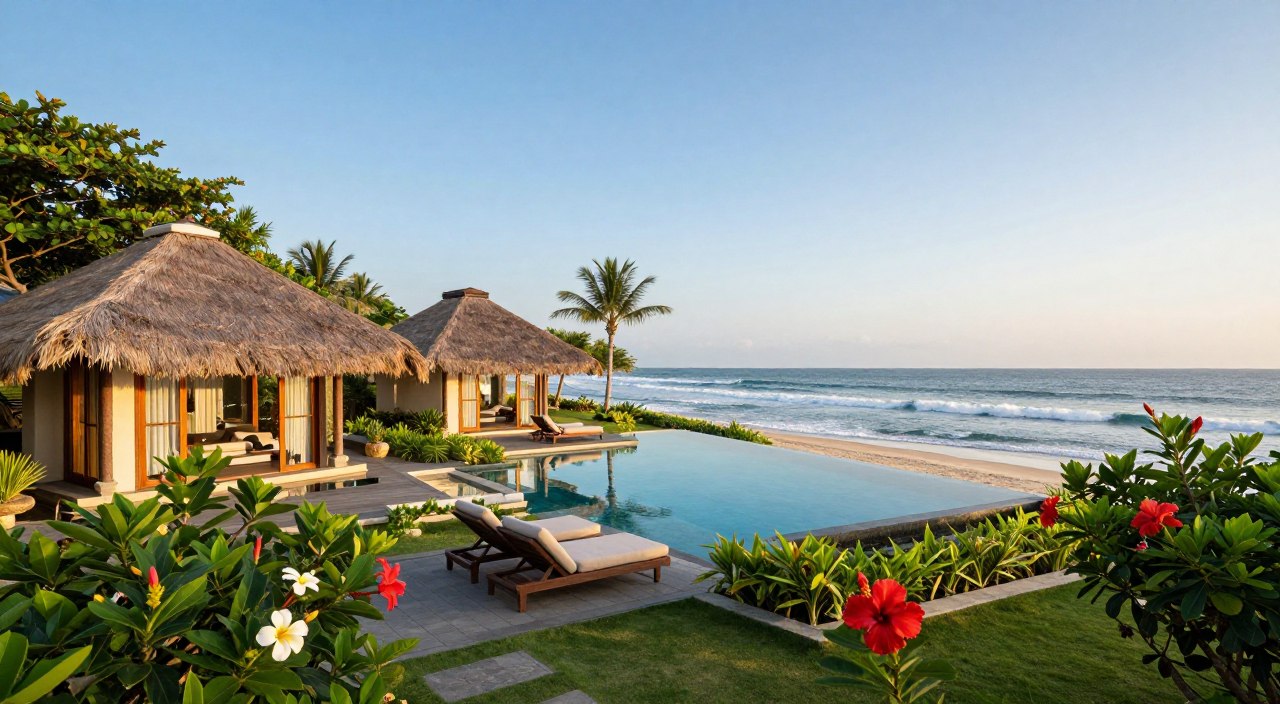
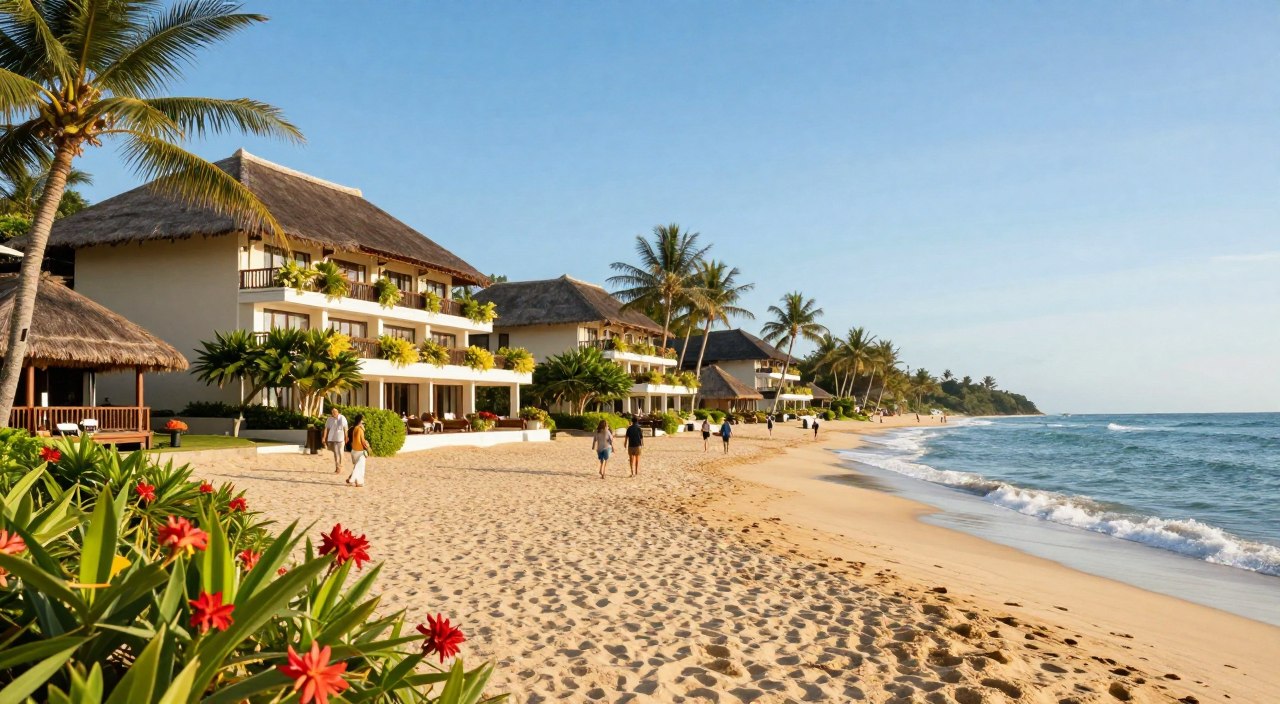
Traditional pavilion designs influence contemporary resort layouts. Open-air spaces and natural ventilation remain essential. This approach creates comfortable environments in tropical climates.
Natural Materials and Sustainable Practices
Builders continue using abundant local resources. Bamboo poles and teak wood provide strong, flexible framing. Coconut wood and volcanic stone create beautiful, durable surfaces.
Thatched roofing using ijuk fibres offers natural insulation. These organic materials harmonise with the environment. They represent sustainable practices that have endured for generations.
A unique regulation preserves the island’s character. No building may exceed 15 metres—the height of coconut trees. This ensures structures remain in scale with their natural surroundings.
Bali Interior Design: Bringing Tropical Elegance Home
Conclusion
What makes Balinese architecture truly remarkable is its ability to maintain ancient spiritual values while adapting to contemporary needs. This living tradition demonstrates how thoughtful design can create perfect harmony between people, nature, and the divine.
From sacred temple complexes to humble family houses, every structure on the island embodies profound philosophical concepts. The traditional Balinese approach to spatial organization ensures that even modern buildings respect cosmic balance.
The family compound remains the heart of this architectural philosophy. Multiple structures like the sleeping bale and ceremonial pavilion support communal living while respecting privacy. Carefully placed gates define spiritual boundaries within each space.
Understanding this architecture provides deeper appreciation for the island‘s cultural heritage. Whether exploring historic sites or contemporary resorts, visitors encounter the enduring principles that make Balinese traditional design both distinctive and meaningful.