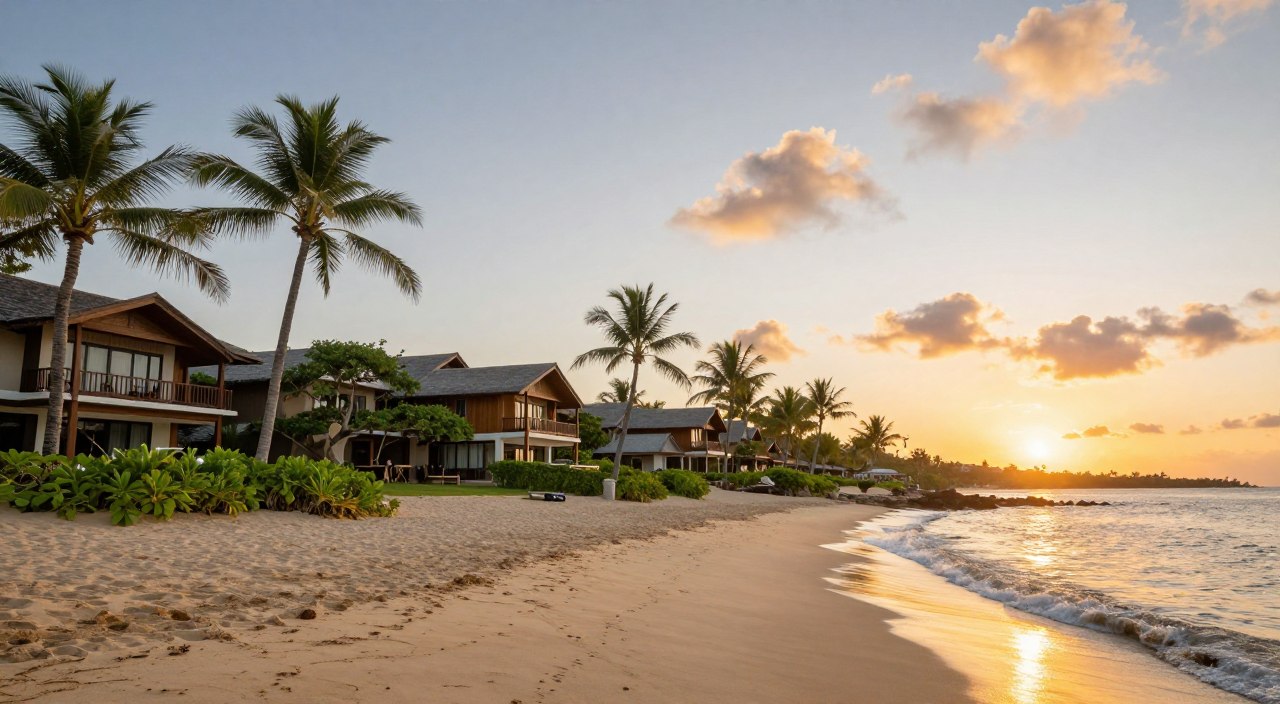
Kuta Bali Beach is Bali’s most famous surf beach, located 2.5 km from the airport. Known for beginner-friendly waves, spectacular sunsets, and vibrant nightlife, it faces cleanliness challenges during rainy season but offers unmatched energy and accessibility with extensive accommodation, dining, and entertainment options.
When you land at Ngurah Rai International Airport, you’re less than 10 minutes from the stretch of sand that launched Bali’s tourism boom. Kuta Bali Beach has been welcoming travelers since the 1960s, when surfers first discovered its consistent breaks and endless golden shore. Today, this three-kilometer beach remains one of Indonesia’s most visited coastal destinations, drawing over 3 million visitors annually.
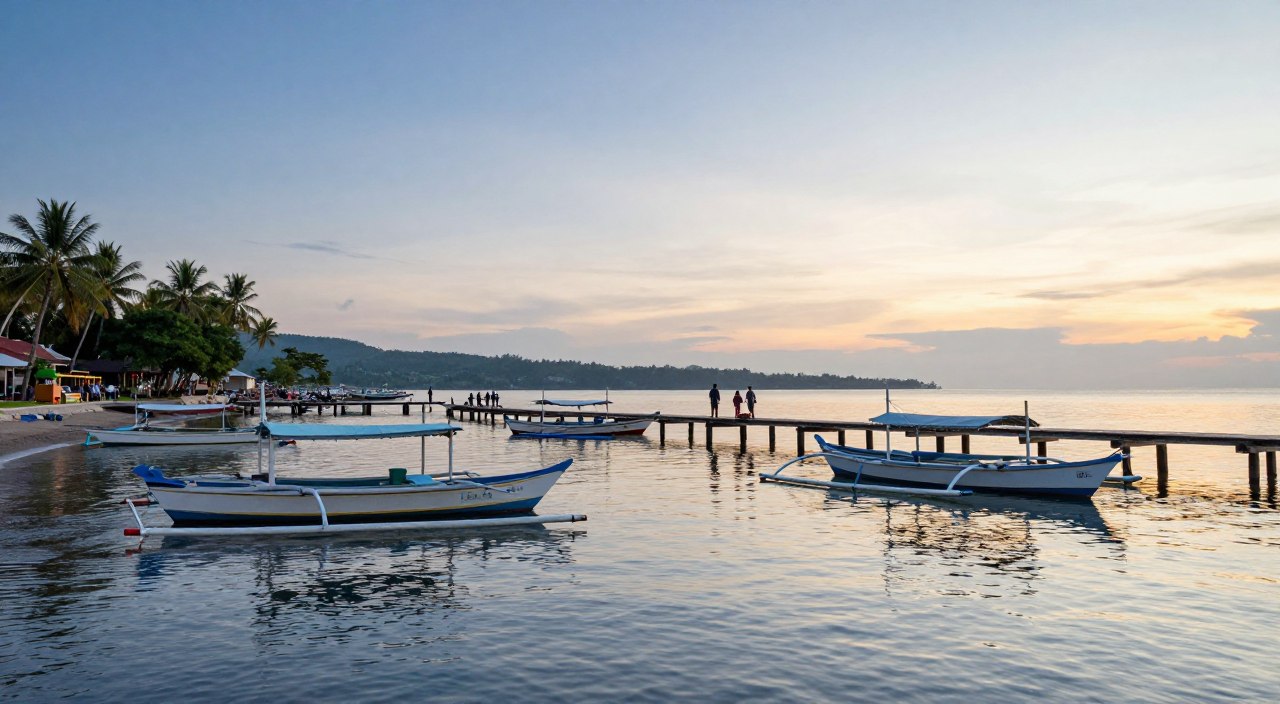
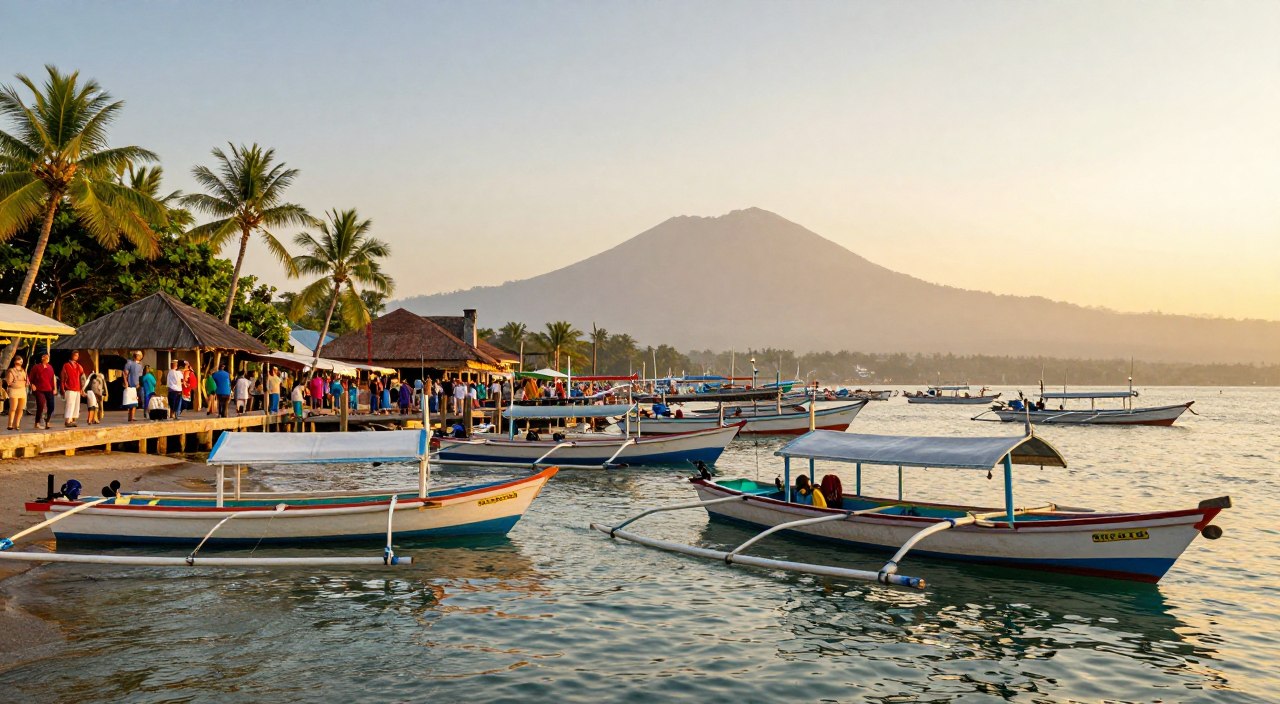
I’ve watched the sunrise from Kuta Beach hundreds of times over the past decade, and I can tell you it’s a place of fascinating contradictions. Yes, it’s crowded and commercial, but it’s also where Balinese culture meets international energy in ways you won’t find anywhere else on the island. The hawkers selling sarongs walk past surfers catching their first wave, while fishermen still launch traditional jukung boats at dawn despite the luxury hotels lining the shore.
This guide cuts through the tourist hype to give you the honest truth about Kuta Beach, from the incredible kuta bali attractions that make it special to the real reasons behind its cleanliness challenges. Whether you’re booking your first Bali trip or returning for another visit, you’ll learn exactly what to expect and how to make the most of this legendary beach.
Quick Facts: Kuta Beach at a Glance
Best Time to Visit: April-October (dry season)
Crowd Level: High year-round, peak July-August
Cost Range: Budget-friendly to mid-range
Distance from Airport: 2.5 km (10 minutes)
Water Conditions: Strong currents, lifeguard supervised
Sunset Quality: Exceptional (5-star rated)
Local Vibe: High energy, international crowd
What Makes Kuta Beach Special: More Than Just Sand
The Historical Foundation
Kuta Beach wasn’t always a tourist hotspot. In the 1930s, it was a quiet fishing village where Balinese families lived in traditional compounds. The transformation began when surfers discovered the reliable waves in the late 1960s, followed by backpackers seeking affordable paradise in the 1970s.
Today’s Kuta represents the commercialized face of Bali, but beneath the development lies genuine Balinese hospitality. Every morning, you’ll see locals making canang sari (small offerings) at beach-side temples like Pura Petitenget to the north, maintaining spiritual traditions despite modern surroundings.
Geography and Wave Conditions
The beach stretches from the airport north to Legian, with soft volcanic sand that darkens to charcoal gray in some sections. The Indian Ocean delivers consistent swells that create perfect beginner-friendly waves. Water temperatures hover around 27-29°C year-round, requiring no wetsuit.
The gentle slope and sandy bottom make Kuta safer than reef-break beaches, though rip currents demand respect. Lifeguard stations positioned every 500 meters use red and yellow flags to mark safe swimming zones, a system borrowed from Australian beach safety protocols.
Top Things to Do: Kuta Bali Attractions Beyond the Beach
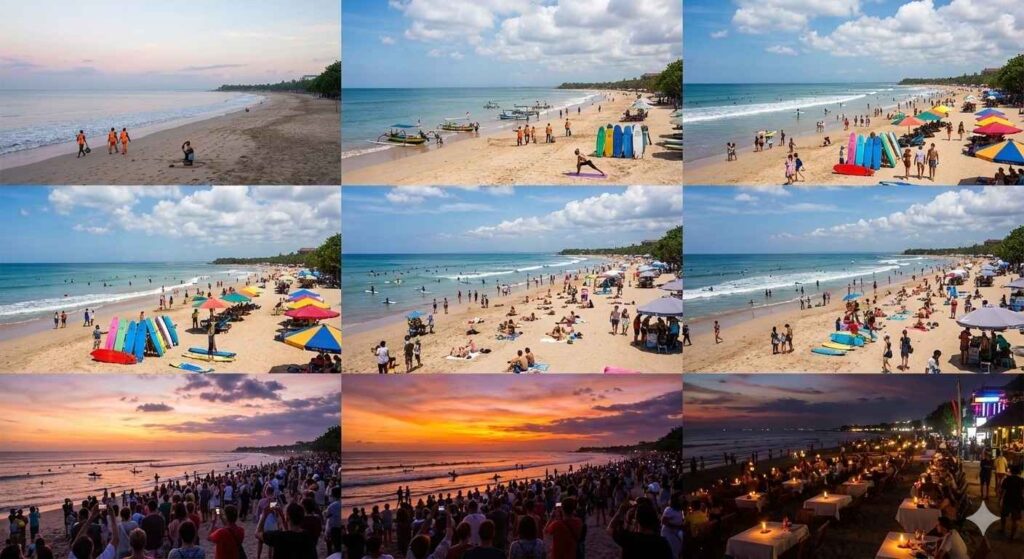
Surfing for All Levels
Kuta’s claim to fame is its forgiving waves. Multiple surf schools line Jalan Pantai Kuta, with lessons starting around 250,000 IDR ($16 USD) for two hours. I recommend Rip Curl School of Surf or Pro Surf School, both employing certified instructors who understand ocean safety.
Early morning sessions from 6-8 AM offer glassy conditions before the wind picks up. Rent boards from beachfront warungs for 50,000 IDR ($3.20) per hour.
Sunset Watching: Bali’s Best Free Show
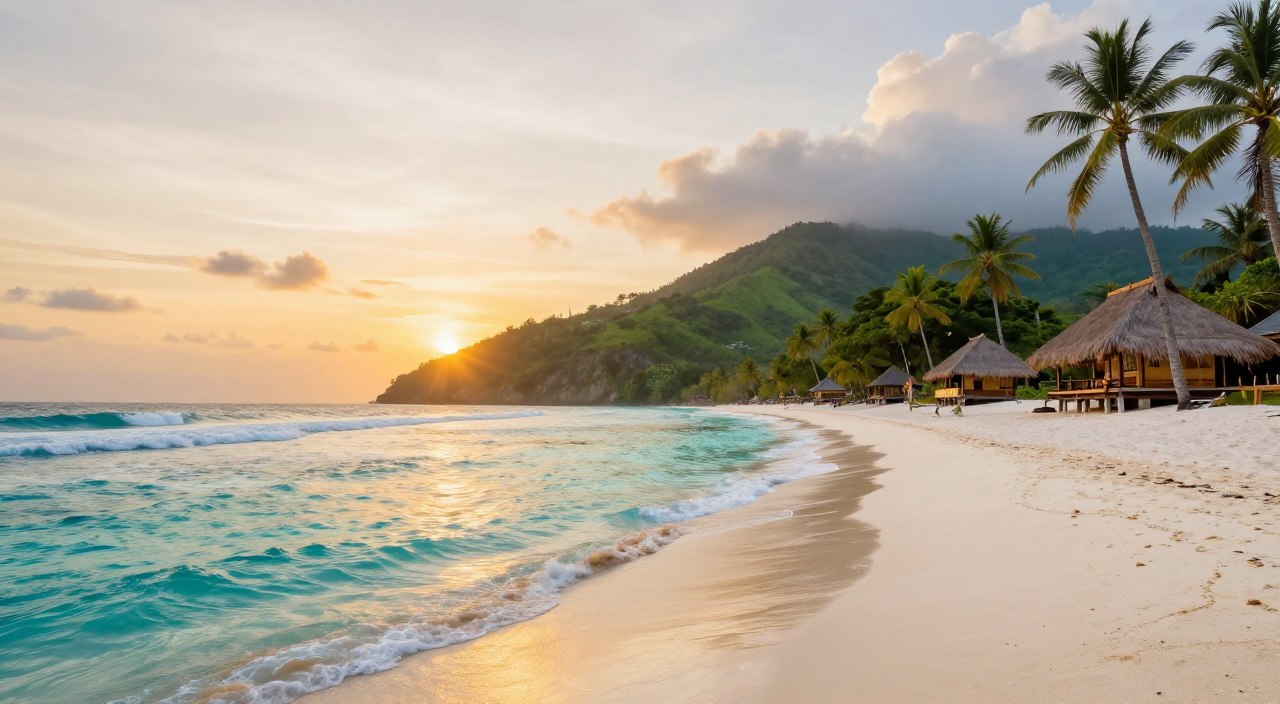
Kuta Beach consistently delivers spectacular sunsets between 6-6:30 PM. The sky transforms into layers of orange, pink, and purple while silhouetted surfers catch final waves. Grab a Bintang beer from a beach vendor, sink your toes in the sand, and join hundreds of others for this nightly ritual.
The stretch between Poppies Lane 1 and Jalan Pantai Kuta offers the best viewing angles with fewer crowds than the central beach area.
Beachwalk Shopping Mall
When you need air conditioning, Beachwalk Shopping Center sits directly across from the beach. This modern complex houses international brands, local boutiques, and cinema. The rooftop restaurant level provides excellent ocean views while you escape the heat.
Waterbom Bali
Located 5 minutes inland, Waterbom consistently ranks among Asia’s best water parks. The 3.8-hectare tropical garden setting houses 17 slides, including the heart-stopping Climax with a near-vertical drop. Day passes cost around 550,000 IDR ($35).
Where to Eat: Kuta Bali Beach Restaurants Worth Your Time
Beachfront Dining
Made’s Warung (Jalan Pantai Kuta) remains a Kuta institution since 1969. The nasi campur (mixed rice plate) showcases authentic Balinese flavors for 85,000 IDR, while the open-air pavilion lets you watch the beach action.
Kuta Beach Club offers upscale beach dining with sunbeds, infinity pool access, and fusion cuisine. The grilled seafood platter runs 350,000 IDR but serves two people generously.
Budget-Friendly Local Spots
Skip the tourist traps along the main beach drag. Walk two blocks inland to Warung Nikmat on Jalan Benesari for incredible nasi goreng (fried rice) at 25,000 IDR. The family running this spot has served locals for 20 years.
Poppies Restaurant in the famous Poppies Lane serves generous portions of Indonesian and Western dishes in a garden setting. The rijsttafel (Indonesian rice table) gives you 12 small dishes to sample for 165,000 IDR.
Late-Night Munchies
After experiencing kuta bali nightlife, fuel up at Fat Chow (Jalan Legian) for American-style comfort food until 4 AM. The loaded fries and pulled pork sandwiches satisfy post-party cravings.
Accommodation: Kuta Bali Beach Hotel Options for Every Budget
Luxury Beachfront Properties
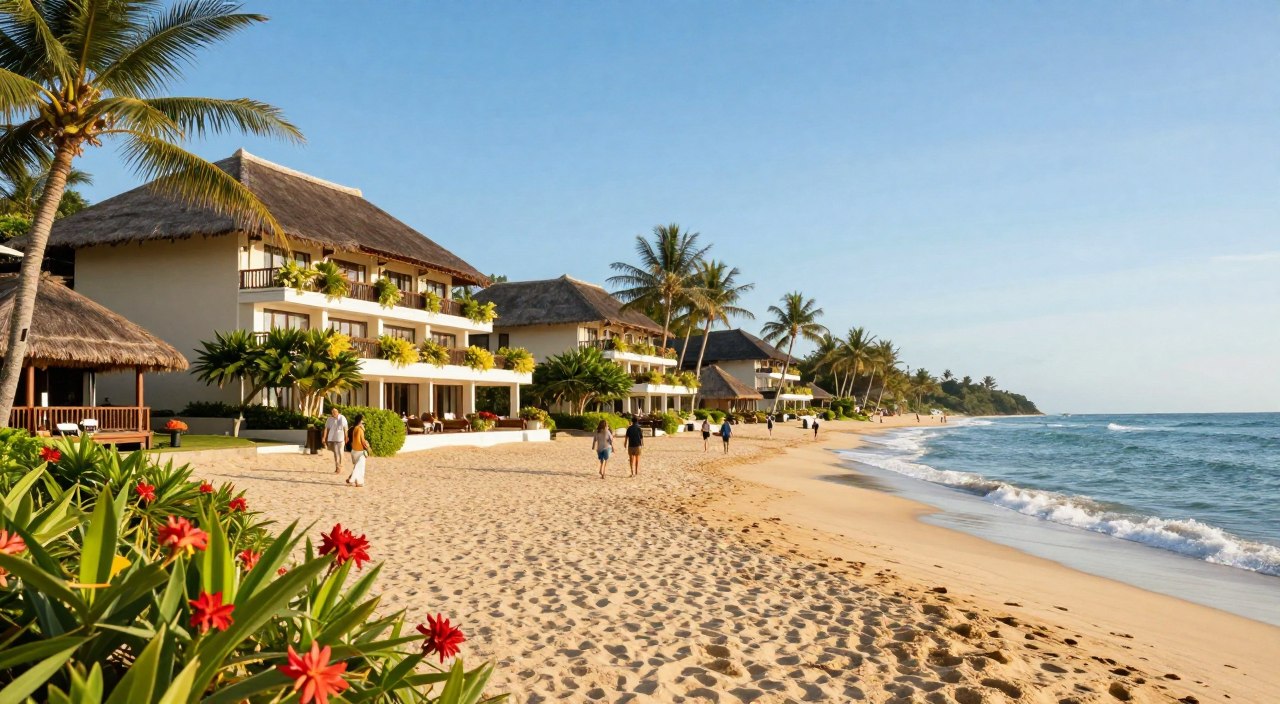
Hard Rock Hotel Bali defines the Kuta beach experience with its massive pool, live music venue, and memorabilia collection. Ocean-view rooms start around $150 per night, with direct beach access and exceptional service.
The Stones Hotel – Legian Bali sits at Kuta’s northern edge, offering contemporary luxury with rooftop bars and infinity pools. The AutoGraph Collection property attracts couples and honeymooners with rates from $180 nightly.
Mid-Range Comfort
Kuta Beach Club Hotel provides three-star comfort 50 meters from the sand. Clean rooms with air conditioning start at $45, including breakfast and pool access. The location on Jalan Pantai Kuta puts you in the action without luxury prices.
Bali Mandira Beach Resort & Spa combines traditional Balinese architecture with modern amenities. The beachfront position, tropical gardens, and family-friendly atmosphere justify the $90-120 nightly rate.
Budget Backpacker Stays
Kuta Lagoon Resort & Pool Villas offers surprising value with clean pools and comfortable rooms from $25. It’s 10 minutes walking to the beach but provides free shuttle service.
Poppies Bali in the quiet Poppies Lane I offers traditional bungalows surrounded by frangipani trees. Rooms start at $35 with breakfast, providing authentic Balinese atmosphere away from street noise.
The Honest Truth: Why Is Kuta Beach So Dirty?
Let’s address the elephant in the room. Kuta Beach faces significant cleanliness challenges, particularly during the rainy season (November-March). Walk the beach at dawn, and you’ll encounter plastic waste, driftwood, and debris washed up overnight.
Understanding the Problem
The issue stems from multiple factors:
- Ocean currents bring garbage from Java and other Indonesian islands during certain tide patterns
- Monsoon storms push debris onto shore from the Indian Ocean
- River runoff carries waste from inland communities
- Volume of visitors generates daily waste despite collection efforts
Clean-Up Efforts and Reality
Badung Regency employs cleaning crews who work from 5-7 AM daily, removing truckloads of waste before tourists arrive. International organizations like Ocean Conservancy partner with local groups for regular beach clean-ups. You’ll often see volunteers collecting trash on weekend mornings.
By 8 AM, the main tourist areas look considerably better, though you’ll still spot plastic bottles and food wrappers. The stretches toward Legian (north) generally maintain better cleanliness than the central Kuta sections.
What You Can Do
Bring reusable water bottles, decline plastic bags from vendors, and dispose of waste properly. Some travelers join early morning clean-up groups, a meaningful way to give back while visiting. The phrase “sama-sama merawat pantai” (together caring for the beach) resonates with locals working to protect their coastline.
Getting There: Kuta Beach Directions Made Simple
From Ngurah Rai Airport
You have four practical options:
- Taxi: Official airport taxis cost fixed rates of 75,000-100,000 IDR ($5-6) for the 10-minute journey. Use the official counter inside arrivals.
- Grab or Gojek: These ride-sharing apps offer cheaper rates (50,000-70,000 IDR) but require meeting your driver at the designated pickup area outside the airport grounds.
- Hotel Transfer: Many kuta bali beach hotel properties provide free airport pickup with advance booking.
- Walking: If you’re staying very close and traveling ultralight, it’s technically walkable (2.5 km) but not recommended in tropical heat with luggage.
Getting Around Kuta
The beach area is highly walkable. Most attractions, restaurants, and hotels cluster within a 15-minute walk from the main beach. Rent scooters for 50,000 IDR daily if you’re experienced with motorbikes in chaotic traffic. Otherwise, stick with Grab rides for longer distances.
Beyond Kuta: Best Beach Near Kuta for Different Experiences
Seminyak Beach (3 km north)
Seminyak offers upscale sophistication with beach clubs like Potato Head and Ku De Ta. The sand is cleaner, the crowd more refined, and the sunsets equally stunning. It’s my go-to recommendation for travelers seeking Kuta’s energy with fewer hawkers. Consider it one of the best beaches in bali for swimming during calm conditions.
Legian Beach (1 km north)
Essentially Kuta’s quieter extension, Legian provides the same wave conditions with less intensity. The beach widens here, giving you more space to spread out. Hotels are slightly more upscale than central Kuta.
Canggu Beach (12 km north)
If Kuta feels too developed, Canggu delivers laid-back surf culture with rice paddies still visible between beach clubs. The black sand beaches attract intermediate surfers and digital nomads seeking community. Echo Beach and Batu Bolong offer consistent waves and hipster cafes.
Sanur Beach (15 km east)
For families seeking calm water, Sanur’s reef-protected bay creates a natural lagoon perfect for children. The vibe is decidedly mellow, with shallow water ideal for paddleboarding. It ranks among the best beaches in bali for swimming when waves are your concern.
Nusa Dua (10 km south)
Gated resort beaches with manicured sand and calm water define this area. You’ll pay resort prices for beach club access, but the cleanliness and facilities exceed Kuta standards significantly.
Swimming Safety: What Every Visitor Should Know
Kuta’s surf conditions that attract beginners also create powerful rip currents. Every year, drownings occur from swimmers ignoring warning signs. Always swim between the red and yellow flags where lifeguards maintain watch.
If caught in a rip current, remember: don’t panic or swim against it. Swim parallel to shore until you escape the current’s pull, then swim at an angle back to beach. Raise your arm to signal lifeguards if you need help.
The phrase “arus kuat” (strong current) appears on warning signs during dangerous conditions. Respect these notices, even when you see others ignoring them.
Morning sessions before 10 AM typically offer calmer water. Avoid swimming at dawn or dusk when lifeguards aren’t on duty.
Nightlife: Kuta Bali Nightlife That Never Sleeps
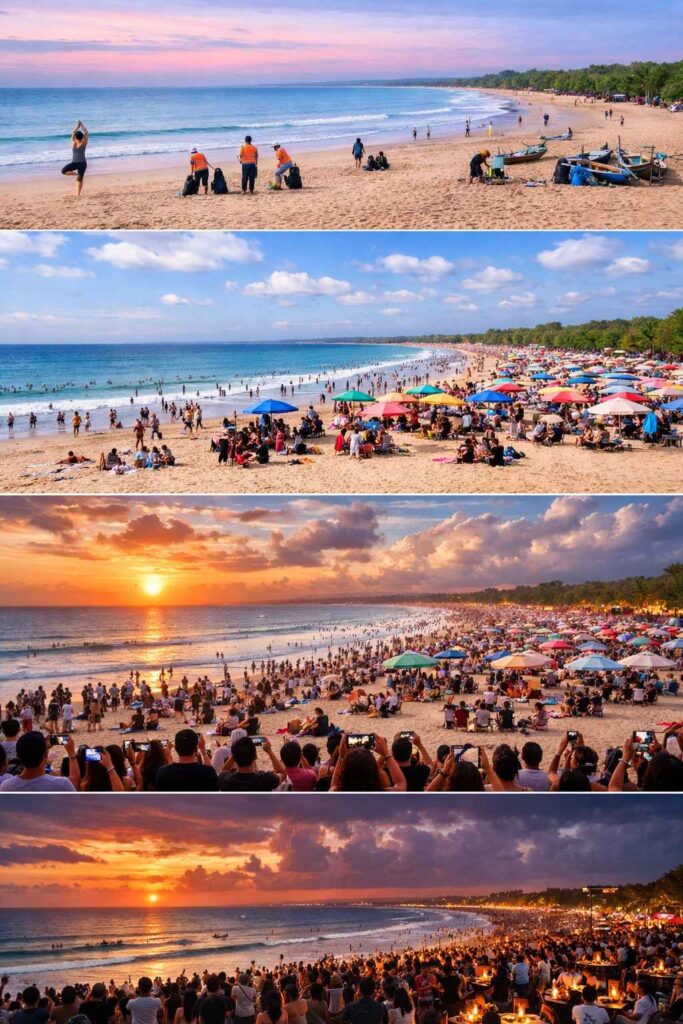
The Party Scene
Jalan Legian transforms into Bali’s answer to Thailand’s Full Moon Party. Sky Garden, the multi-level mega-club, offers free entry before 11 PM with wristband deals including multiple drinks. Bounty Discotheque resembles a pirate ship and attracts young internationals with DJ sets lasting until 4 AM.
Apache Reggae Bar delivers live music and a more relaxed atmosphere if you prefer conversation over pounding bass. The rooftop deck provides people-watching opportunities along busy Legian street.
Safety Considerations
Watch your drinks, keep valuables secured, and stick with friends. The party scene attracts pickpockets alongside party-goers. Most clubs have security, but personal responsibility matters.
Avoid accepting drinks from strangers, and be aware that drink spiking incidents occur occasionally. Women should be particularly cautious and travel in groups.
Alternative Evening Activities
Not everyone wants club culture. The Kuta Theater offers traditional Balinese dance performances for 100,000 IDR. Beach restaurants host acoustic sets during sunset hours, providing live music without club chaos.
Insider Tips: What Ten Years Taught Me About Kuta Beach
Timing Your Visit
Peak season (July-August, December-January) brings oppressive crowds and inflated prices. If your schedule allows, visit during shoulder months (April-May, September-October) for better weather, fewer tourists, and deals on accommodation.
Early morning (6-8 AM) reveals a completely different Kuta. The beach is clean, locals practice yoga, fishermen launch boats, and you’ll catch magical light for photography. This is when I enjoy Kuta most.
Money Matters
Haggle respectfully with beach vendors. Initial prices start 3-4 times reasonable rates. Smile, negotiate friendly, and walk away if necessary. Vendors appreciate the phrase “harga lokal” (local price) said with a grin.
Keep small bills (20,000 and 50,000 IDR notes) for beach purchases. Many vendors claim to lack change for 100,000 notes.
What to Pack
Essential items for a kuta bali beach day:
- Reef-safe sunscreen (please, no chemicals damaging coral)
- Dry bag for valuables (sand and water are everywhere)
- Sarong for covering up or beach sitting
- Reusable water bottle
- Light cover-up for sun protection
- Flip-flops or sandals
Common Mistakes to Avoid
- Leaving valuables unattended: Even for “just a minute” to swim. Theft happens regularly.
- Renting surfboards without haggling: Beachfront rentals charge tourist prices. Walk one street inland for better rates.
- Eating exclusively at beach restaurants: Prices triple compared to spots 100 meters inland.
- Swimming when red flags fly: Lifeguards post danger warnings for legitimate reasons.
- Expecting pristine paradise: Kuta is commercial beach tourism. Adjust expectations accordingly.
Pros and Cons: The Balanced Perspective
What Works About Kuta Beach
- Incredibly convenient location (closest beach to airport)
- Consistent surf conditions perfect for learning
- Massive selection of accommodation and dining at all price points
- Infrastructure designed for international tourists (ATMs, medical clinics, English speakers)
- Electric atmosphere that feels alive and exciting
- Spectacular sunsets nightly
- Easy access to all of South Bali’s attractions
The Drawbacks to Consider
- Cleanliness issues, particularly during rainy season
- Aggressive hawkers can frustrate some visitors
- Crowded conditions year-round
- Traffic congestion in surrounding streets
- Less authentic Balinese culture compared to Ubud or east coast
- Strong currents require swimming caution
- Noise pollution from busy Jalan Legian nearby
Expert Recommendations: My Top Five Actionable Tips
- Book accommodation at Kuta’s northern edge (toward Legian) for easier beach access, better cleanliness, and slightly more sophistication while maintaining proximity to the action.
- Schedule your beach time for sunrise or early morning. You’ll experience the best of kuta bali beach before crowds, heat, and vendors arrive. Bring coffee from your hotel and watch the surfers.
- Take a surf lesson your first morning. Even if you never surf again, catching waves at Kuta becomes a highlight memory. Book through established schools with certified instructors, not random beach guys.
- Explore the side streets between Jalan Pantai Kuta and Jalan Legian. Hidden warungs, local shops, and affordable spas operate away from tourist thoroughfares. These discoveries make your trip memorable.
- Combine Kuta with other beaches. Don’t make Kuta your only Bali beach experience. Use it as your arrival base, then explore Seminyak, Uluwatu, Sanur, or Nusa Dua to appreciate Bali’s coastal diversity.
Final Thoughts: Is Kuta Beach Worth Your Time?
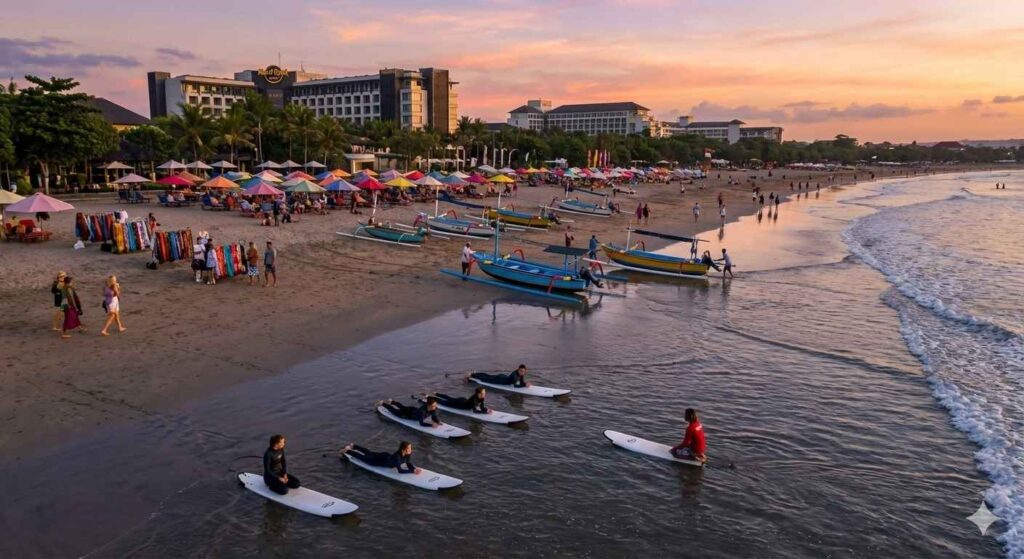
After a decade calling Bali home, I still bring friends to Kuta Beach despite its challenges. Yes, cleaner beaches exist on the island. Yes, more authentic Balinese experiences await in villages and less developed regions. But Kuta Beach remains the beating heart of Bali tourism for legitimate reasons.
The energy here is infectious. Where else can you surf beginner waves in warm water 10 minutes from an international airport, eat incredible food for under $5, watch spectacular sunsets with cold beer in hand, then dance until dawn if that’s your style?
Kuta Bali Beach isn’t trying to be pristine paradise. It’s raw, commercial, and unapologetically touristy. But it’s also where millions of travelers fell in love with Bali, where locals make their livelihoods, and where sunset still stops everyone in their tracks each evening.
Visit Kuta with realistic expectations and an open mind. Arrive early, swim safely, haggle friendly, and remember that beneath the commercialization, genuine Balinese warmth still shines through. Then explore the rest of this incredible island to discover your own perfect beach.
Selamat jalan (safe travels), and may your Kuta Beach experience exceed your expectations.
Frequently Asked Questions
Q: Is Kuta Beach good for swimming? A: Kuta Beach allows swimming but requires caution due to strong currents and waves. Always swim between the red and yellow lifeguard flags during daylight hours. Beginners should consider calmer beaches like Sanur or Nusa Dua as safer alternatives.
Q: How far is Kuta Beach from the airport? A: Kuta Beach sits just 2.5 kilometers (1.5 miles) from Ngurah Rai International Airport, making it the closest beach to Bali’s airport. The drive takes 10-15 minutes depending on traffic, with taxi costs around 75,000-100,000 IDR ($5-6).
Q: Why does Kuta Beach have trash problems? A: Ocean currents carry debris from Java and other islands, particularly during rainy season (November-March). While cleaning crews work daily from 5-7 AM, monsoon storms and river runoff continuously bring new waste. Beach conditions improve significantly during dry season (April-October).
Q: What’s the best time to visit Kuta Beach? A: April through October offers the best weather with minimal rain and calmer seas. For fewer crowds and better hotel deals, visit during shoulder months (April-May, September-October). Early morning (6-8 AM) provides the cleanest beach conditions and best photography light year-round.
Q: Are there lifeguards at Kuta Beach? A: Yes, Badung Regency positions professional lifeguards at stations every 500 meters along Kuta Beach from 8 AM to 6 PM daily. They use international flag systems (red and yellow for safe zones, red for danger) and respond to emergencies. Always swim in designated areas.
Q: What should I bring to Kuta Beach? A: Essential items include reef-safe sunscreen, dry bag for valuables, reusable water bottle, sarong or beach towel, flip-flops, light cover-up for sun protection, and small Indonesian rupiah bills (20,000-50,000 notes) for vendor purchases. Never leave valuables unattended on the beach.
Q: Can I surf at Kuta Beach as a beginner? A: Absolutely. Kuta Beach is Bali’s premier beginner surf destination with gentle, consistent waves, sandy bottom, and numerous surf schools. Morning sessions (6-8 AM) offer the best conditions. Lessons cost around 250,000 IDR ($16) for two hours including board rental and instruction.
Q: Where should I stay near Kuta Beach? A: Accommodation ranges from $25 budget hostels to $200+ luxury resorts. For beachfront access, consider Hard Rock Hotel or Bali Mandira. Mid-range options like Kuta Beach Club Hotel offer excellent value. Budget travelers find deals at Poppies Bali or Kuta Lagoon Resort.
Q: Is Kuta Beach safe at night? A: The beach itself lacks lighting and lifeguards after dark, making swimming dangerous. The surrounding streets remain active with nightlife but require standard safety precautions: travel in groups, watch drinks, secure valuables, and use registered taxis or ride-sharing apps for transportation.
Q: What are better beach alternatives to Kuta? A: For cleaner conditions, visit Seminyak Beach (3 km north) or Nusa Dua (10 km south). Sanur Beach offers calm water ideal for families and swimming. Canggu provides laid-back surf culture with fewer crowds. Each beach delivers different experiences while remaining within 30 minutes of Kuta.