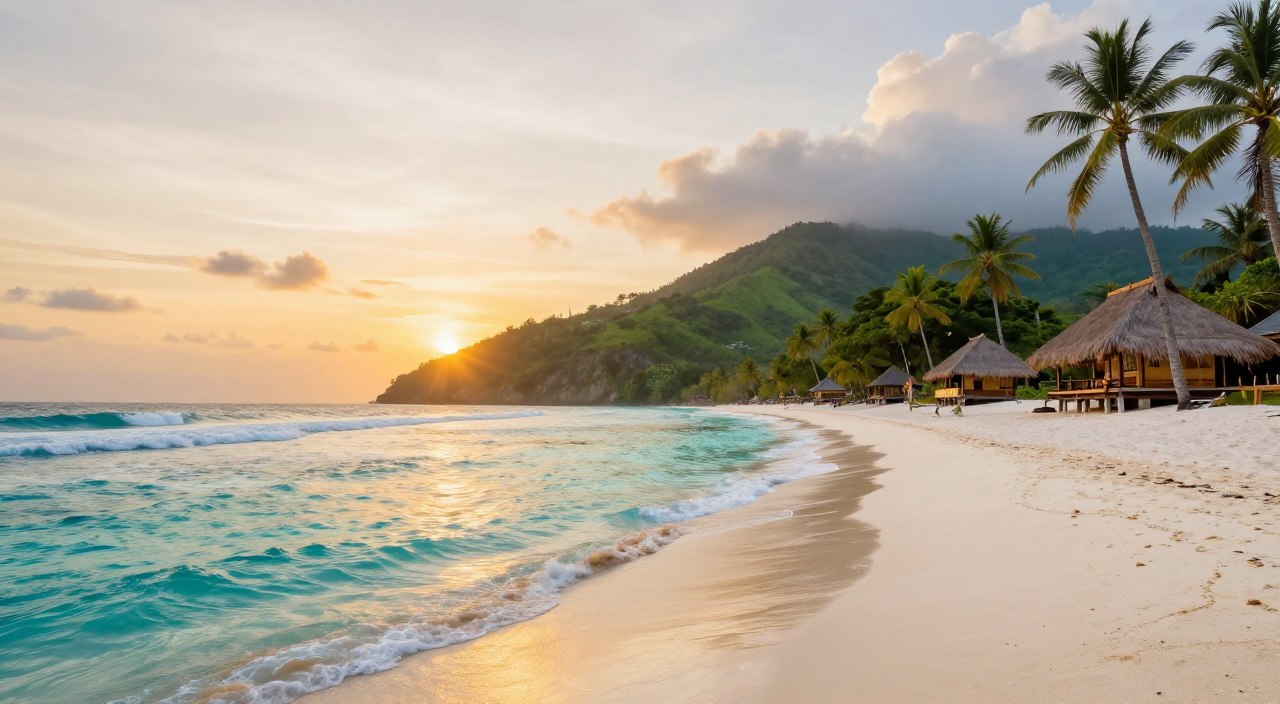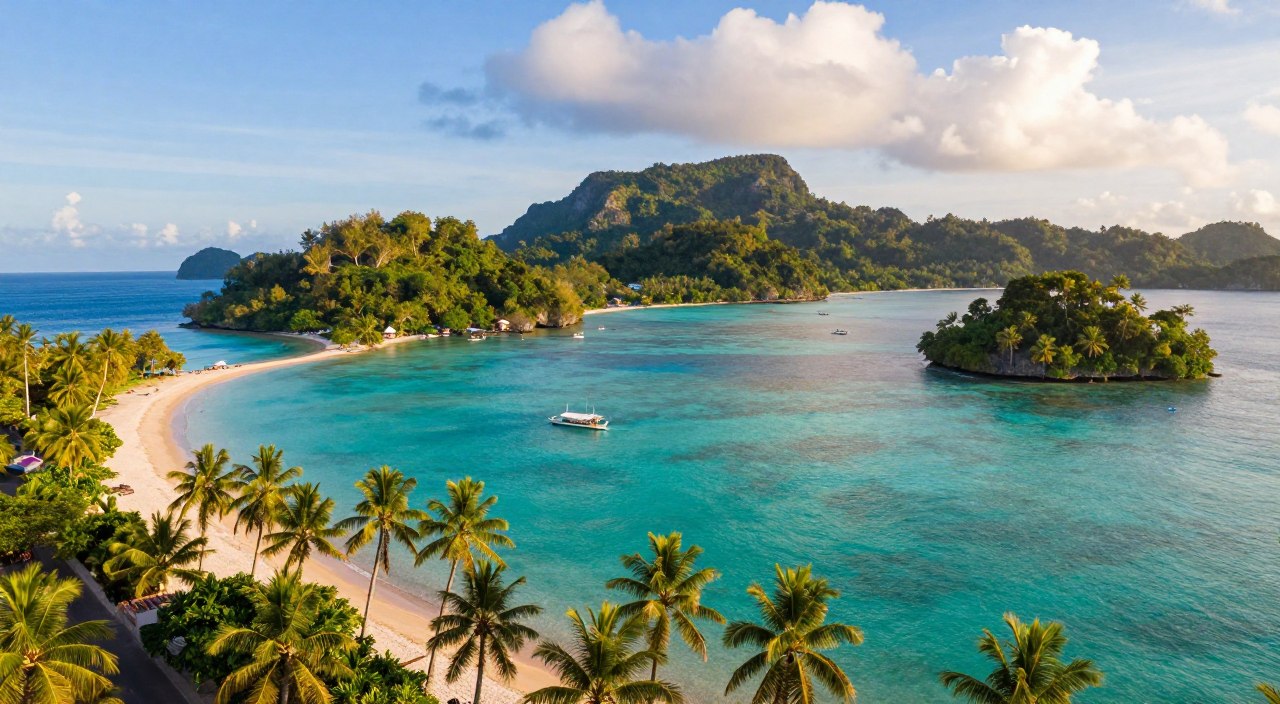
Ever dreamt of trading your screen for white sand and blue waters? That dream is the Gili Islands. Located in the Indonesian archipelago, this paradise is waiting for you.
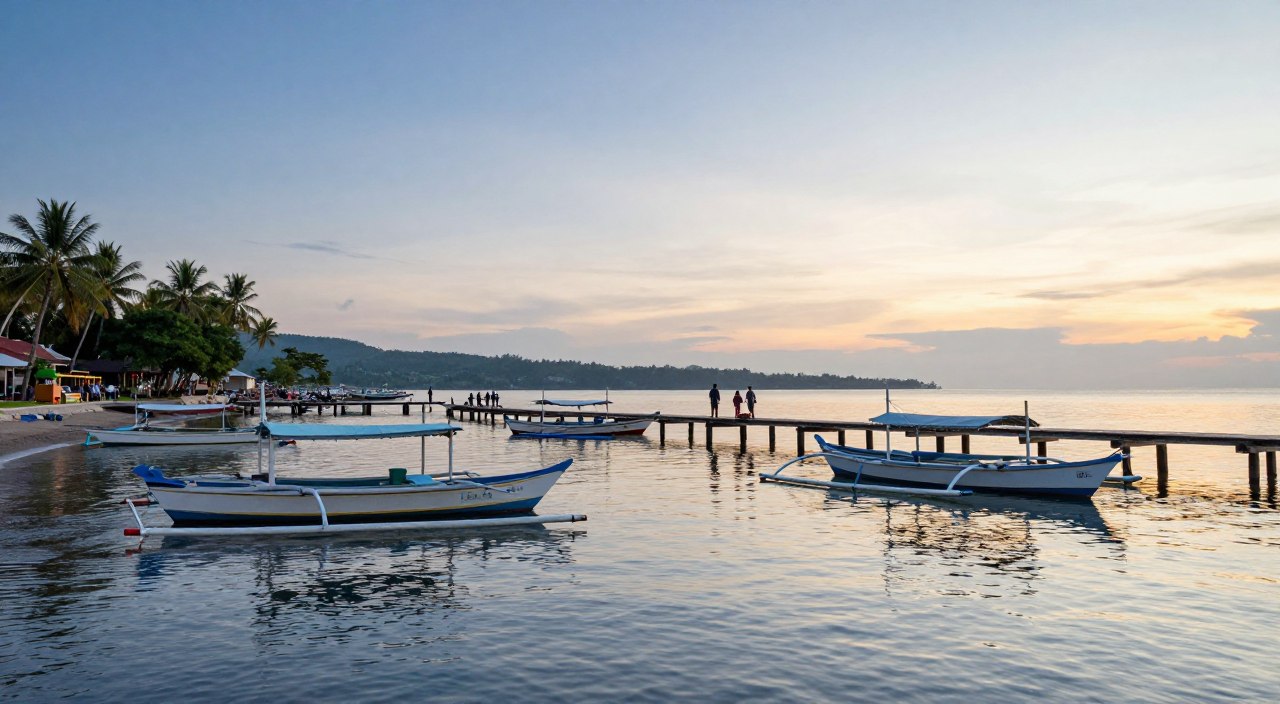
The Gilis are off Lombok’s northwest coast, in West Nusa Tenggara. For Aussies, they’re near Bali, a short boat ride away. They offer calm waters and Mount Rinjani’s stunning view.
With three coral atolls—Gili Trawangan, Gili Meno, and Gili Air—this place mixes barefoot bliss with island life. Knowing where they are in Indonesia is your first step to an amazing adventure. Let’s get you ready.
Key Takeaways
- The Gili Islands are part of Indonesia, located off Lombok’s northwest coast.
- They’re in West Nusa Tenggara province, east of Bali.
- The archipelago has three main islands: Gili Trawangan, Gili Meno, and Gili Air.
- They’re in the Lombok Strait, known for calm and clear waters.
- They’re perfect for adding to a Bali trip or as a standalone tropical getaway.
- Access is mainly by fast boat or ferry from Bali or Lombok’s mainland.
- Each island has its own vibe, from Gili T’s buzz to Gili Meno’s quiet.
Introduction to the Gili Islands
The Gili Islands, including Gili Trawangan, Gili Meno, and Gili Air, are a car-free paradise. They attract those looking for peace and adventure. The islands are a stunning archipelago where life moves at a slower pace.
There are no cars or motorbikes, making it very peaceful. You can get around by bike, horse-drawn cart, or on foot.
Overview of the Gili Islands
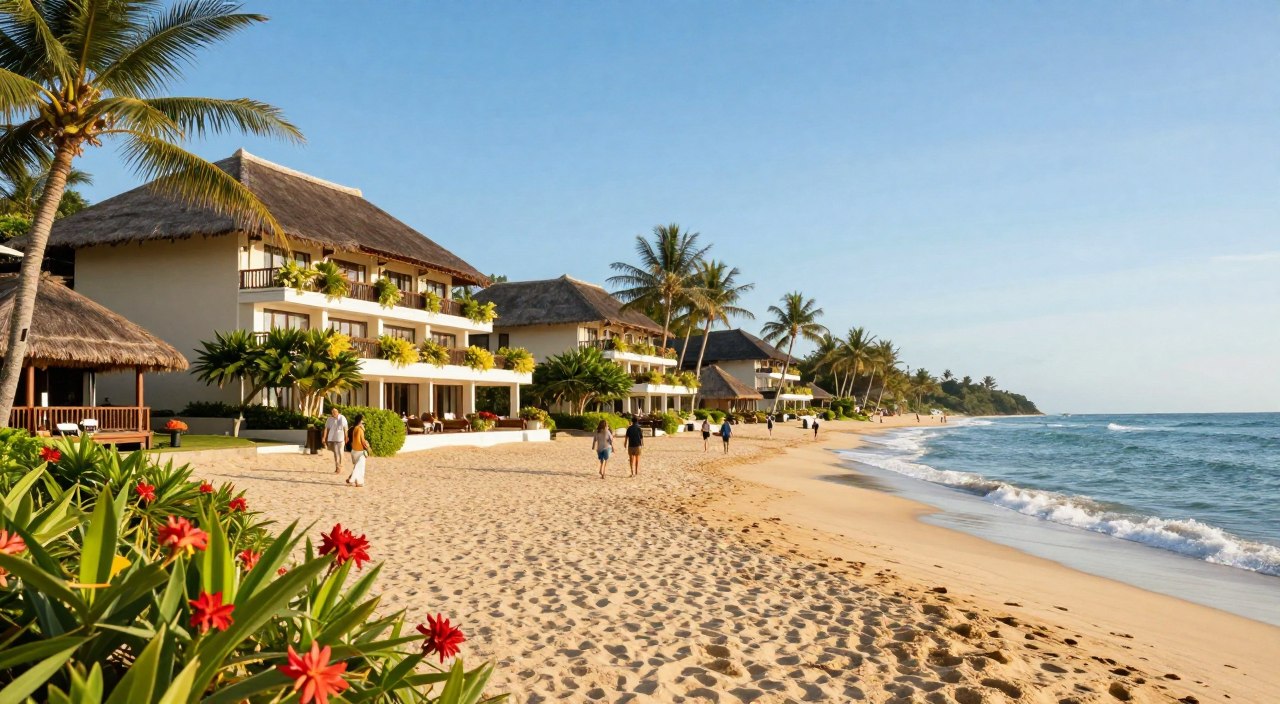
Each island has its own unique charm, but they all share a relaxed vibe. Sandy paths replace roads, and the sound of waves and palms fills the air. The atmosphere is casual and welcoming.
The islands are a haven for ocean lovers. The waters are full of marine life, perfect for snorkelling and diving. You can also enjoy yoga, beachside dining, and sunbathing.
The lack of motorised traffic is a defining feature, making it safe and pleasant to explore. This policy protects the quiet environment that visitors cherish.
Geographic Location
So, where exactly are the Gili Islands? They are off the northwest coast of Lombok, in Indonesia’s West Nusa Tenggara province. Their coordinates are approximately 8.35°S 116.04°E.
The closest mainland jump-off point is Bangsal Harbour on Lombok. A short boat ride from there will take you to your chosen island. The Gili Islands location is also a popular stop for travellers coming from or going to Bali, which lies about 35 kilometres to the west.
This strategic position in the Lombok Strait places them in the heart of a beautiful and biodiverse marine region.
Cultural Significance
The islands have a rich Sasak cultural heritage. Originally, they were simple fishing villages inhabited by the Sasak people, the indigenous group of Lombok. Tourism has transformed them, but this roots remain visible.
You can see hints of traditional life in local craftsmanship and the gentle, welcoming nature of the islanders. The evolution from quiet fishing outposts to a world-renowned destination is a fascinating story.
As part of the vast Indonesian archipelago, the Gili Islands Indonesia represent the country’s incredible natural beauty and cultural diversity. They offer a perfect blend of traditional island life and modern tourist comforts.
How to Get to the Gili Islands
For Australian travellers, getting to the Gili Islands starts with a flight to Bali or Lombok. This guide helps you plan your Gili Islands travel. It covers the most common and reliable routes. Knowing your options makes planning easier, so you can enjoy paradise sooner.
Flight Options from Australia
Your journey starts with a flight to Indonesia. Most people fly into Ngurah Rai International Airport (DPS) in Denpasar, Bali. Direct flights are available from major Australian cities like Sydney, Melbourne, Perth, and Brisbane.
Airlines such as Qantas, Jetstar, Virgin Australia, and Garuda Indonesia offer regular services. Flight times vary, from about 3.5 hours from Perth to 6 hours from the east coast.
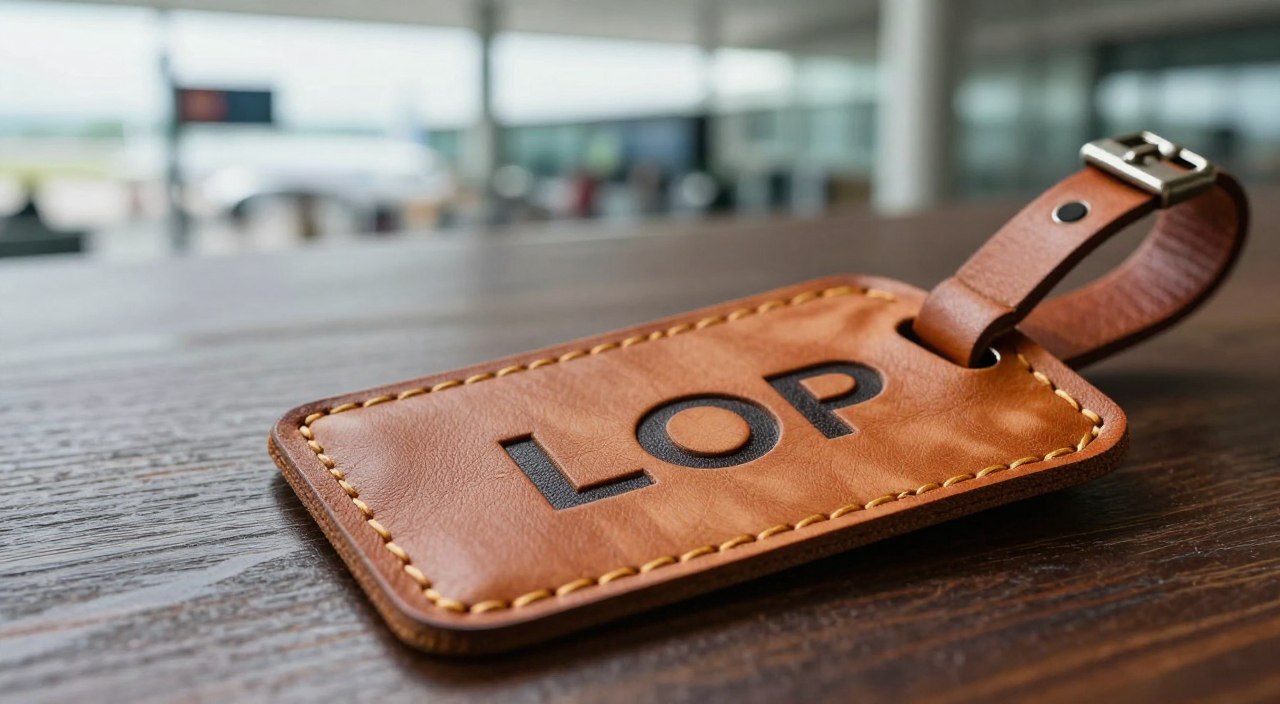
An alternative is flying directly to Lombok International Airport (LOP). While less frequent, direct flights from Perth exist, and you can often connect via Bali. Landing in Lombok can shorten the final sea transfer.
“Flying into Bali is the most flexible option, giving you a chance to explore before hopping on a boat to the Gilis.”
Ferry Services from Bali
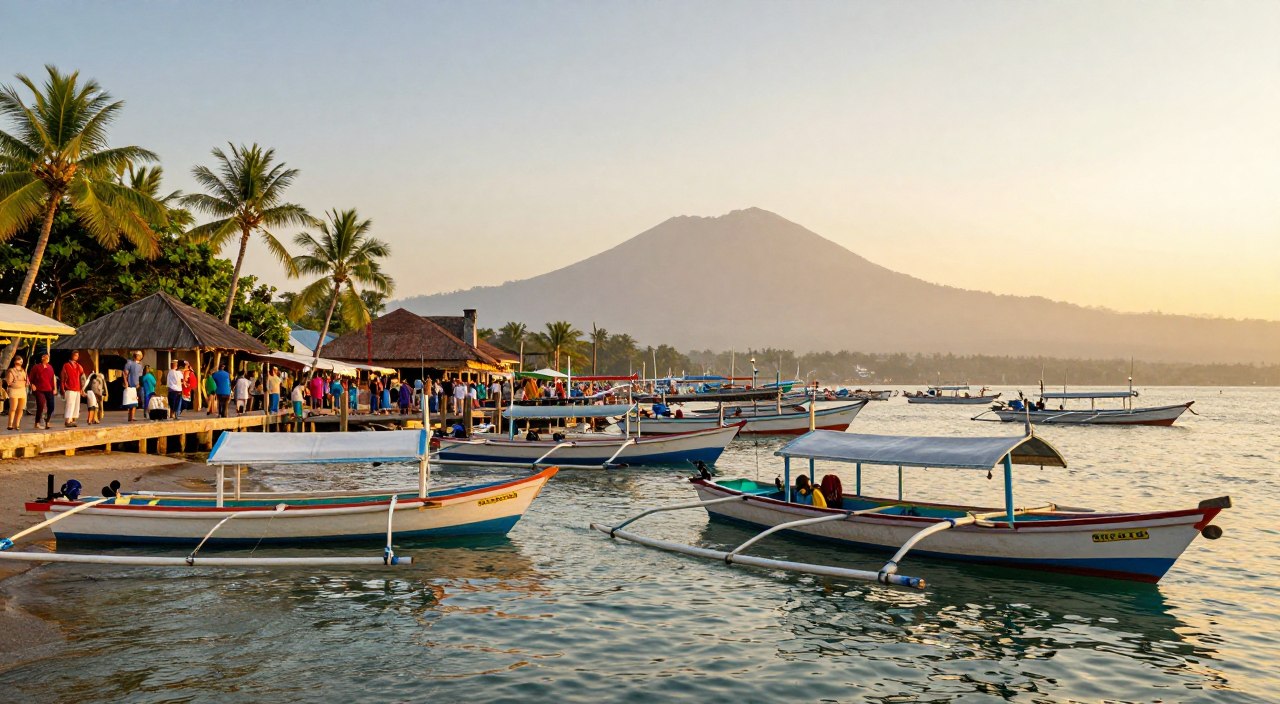
The final leg of your trip is a scenic ferry ride from Bali. Several companies operate fast boat services, with Gili Getaway being a popular choice for how to get to Gili Islands.
Their boats depart from Serangan Harbour in southern Bali. The vessels are custom-built for a smoother ride across the Lombok Strait. Safety is a priority, with all passengers provided SOLAS life jackets.
Booking online in advance is recommended. Their system allows you to check live seat availability and secure your spot easily. Once booked, you can arrange transfers; complimentary shared shuttles from key tourist areas or private cars are available.
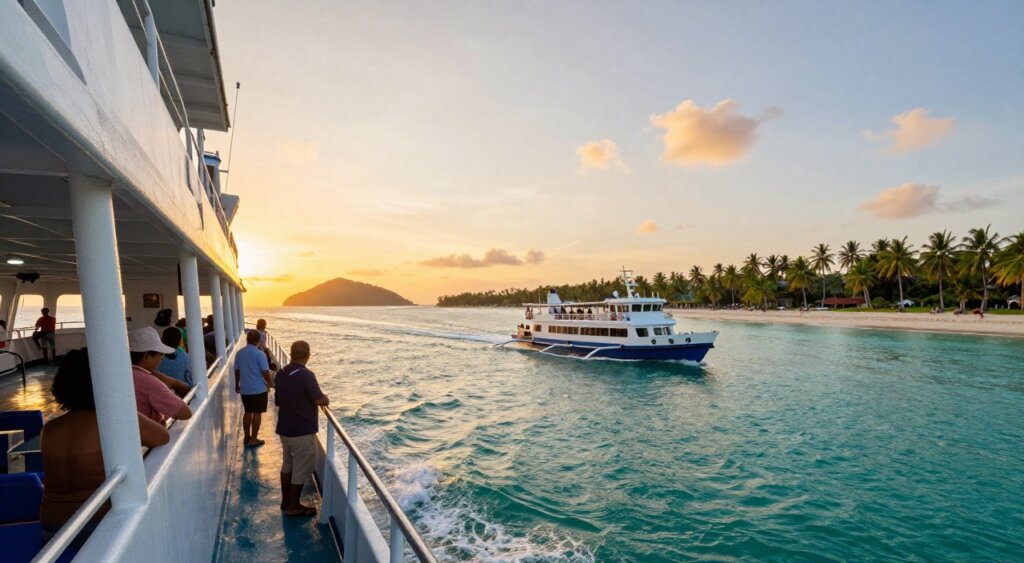
The crossing takes approximately 1.5 to 2 hours, depending on sea conditions. It’s wise to take motion sickness tablets if you’re prone to it, as the waters can be choppy.
Other Transportation Methods
Beyond the standard Bali ferry, other routes exist. If you fly into Lombok, you can take a short taxi ride to the harbour at Bangsal or Senggigi. From there, public fast boats or local boats make the shorter trip to the islands.
For groups or those seeking exclusivity, private boat charters are available from both Bali and Lombok. This option offers flexibility with timing and can be a memorable part of your Gili Islands travel adventure.
The table below compares the primary transportation methods from the main departure points.
| Transport Method | Departure Point | Destination Island | Approx. Duration | Key Consideration |
|---|---|---|---|---|
| International Flight | Major AU Cities | Bali (DPS) | 3.5 – 6 hrs | Book early for best fares |
| Fast Boat Ferry | Serangan, Bali | Gili Trawangan | 1.5 – 2 hrs | Check weather & sea conditions |
| Local Boat | Bangsal, Lombok | Gili Air | 15 – 30 mins | More basic, subject to schedules |
| Private Charter | Bali or Lombok | Any Gili Island | Varies | Ideal for groups, higher cost |
No matter which path you choose, the iconic white sand beaches and crystal waters are well worth the journey.
The Three Main Gili Islands
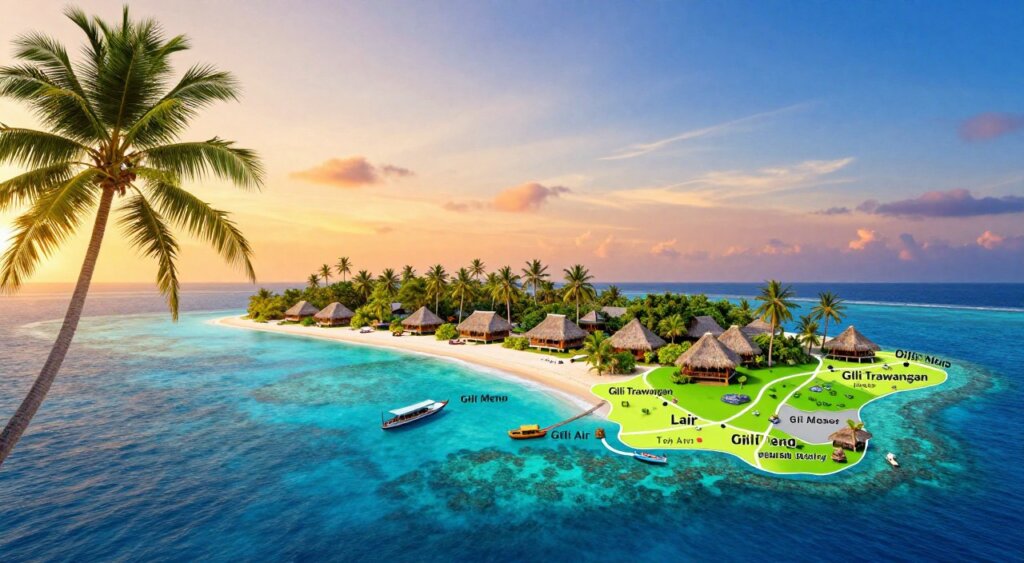
The Gili Islands are three tropical gems, each with its own vibe. They offer everything from lively social scenes to peaceful retreats. A Gili Islands map shows they’re close but feel like different worlds.
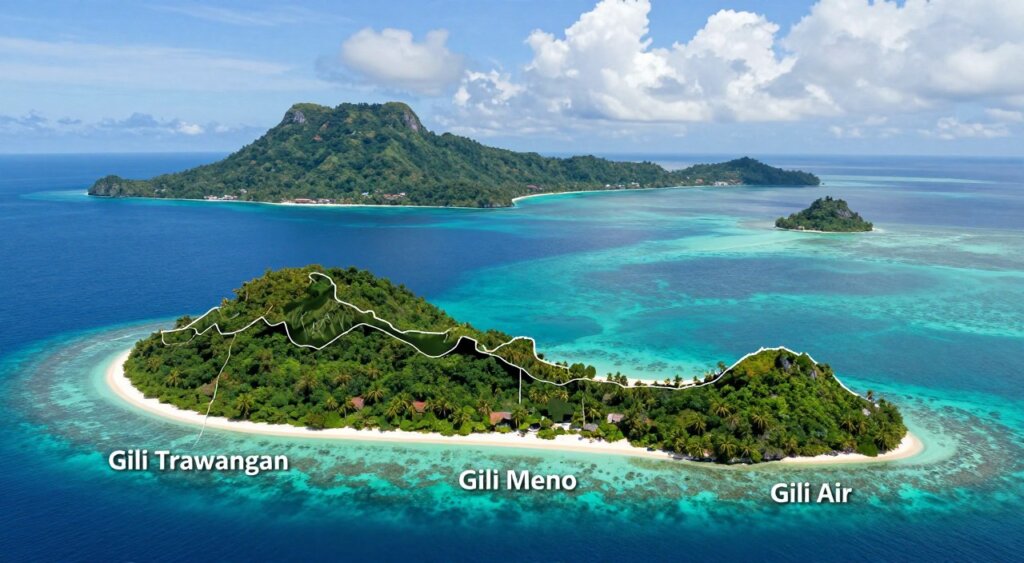
The Gili Islands location in the Lombok Strait means they share stunning sunsets and warm waters. Gili Trawangan, Gili Meno, and Gili Air cater to different tastes. Whether you’re into parties or quiet beaches, you’ll find your perfect Indonesian escape.
Gili Trawangan: The Party Island
Gili Trawangan, or ‘Gili T’, is the largest and most lively. It’s a hotspot for young travellers and adventure seekers. The main strip is filled with bars, restaurants, and dive shops.
Nightlife is legendary, with beachfront clubs and sunset parties. By day, rent a bike to explore or dive to see turtles. Despite the buzz, quiet spots exist, like the eastern side.
A Gili Islands map will guide you to the ferry port and main village. This island is perfect for those who want action, activities, and to meet others.
Gili Meno: The Quiet Retreat
Gili Meno is the smallest and most peaceful island. It’s a favourite for honeymooners and those seeking tranquillity. Life moves slowly here, with no cars and few motorbikes.
The island has quiet beaches and a stunning saltwater lake. Spend your days reading, snorkelling, or enjoying a private dinner on the sand. The Gili Islands location ensures Meno has beautiful weather with fewer visitors.
Accommodation is secluded, often in charming bungalows. If you want to disconnect and recharge, Gili Meno is your haven.
Gili Air: The Perfect Balance
Gili Air offers a great mix of energy and peace. It has a strong local community, giving it a real village feel. You’ll find cute cafes, local food, and a few bars.
The island has a laid-back social scene. It’s perfect for those who want dining options and sunset beers without all-night parties. The beaches are stunning, and snorkelling is excellent.
Looking at a Gili Islands map, Gili Air is closest to mainland Lombok. It’s a great base for a relaxed yet adventurous trip. It truly offers the best of both worlds.
Best Time to Visit the Gili Islands
Choosing the right time for your Gili Islands trip is important. It makes a good trip great. Whether you want lively scenes or quiet spots, knowing the seasons helps.
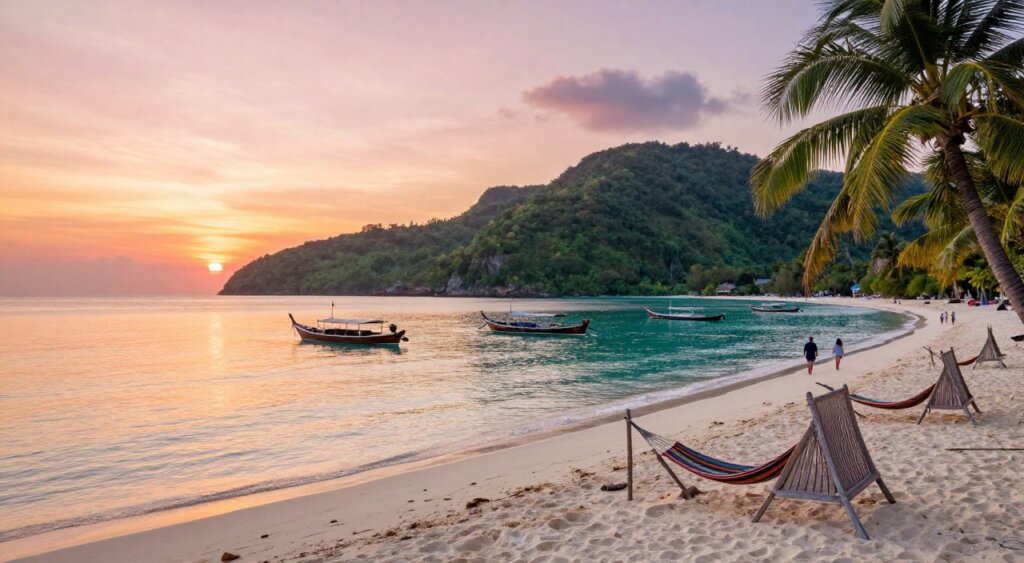
Seasonal Weather Patterns
The Gili Islands have two main seasons. The dry season is from April to October. It’s sunny, dry, and perfect for outdoor fun.
The wet season is from November to March. It’s a bit wetter, but the greenery is stunning. The sea is calm most of the time, but rain can make it cloudy.
Peak Tourist Seasons
Some times are busier than others. June to August and Christmas to New Year are the busiest. These times mean more people and higher prices.
1 July to 30 September is the high season for ferries. Book early to avoid problems. Prices for places to stay are also higher.
Off-Peak Benefits
Traveling in the off-peak has its perks. Shoulder months like April, May, September, and October are great. You get dry weather and fewer people.
Off-peak offers:
- Better deals: Places to stay often have discounts.
- More space: You’ll find quieter beaches and spots.
- Authentic vibe: Enjoy local life at a slower pace.
The wet season is also worth it. You can find great deals and enjoy places almost alone. Rain showers are short and don’t spoil your day.
This is the best time for those who want to save money and enjoy peace.
Exploring Activities on the Gili Islands
The Gili Islands are full of amazing experiences. Your Gili Islands travel will be filled with unforgettable moments. Whether you want excitement or calm, these islands have it all.
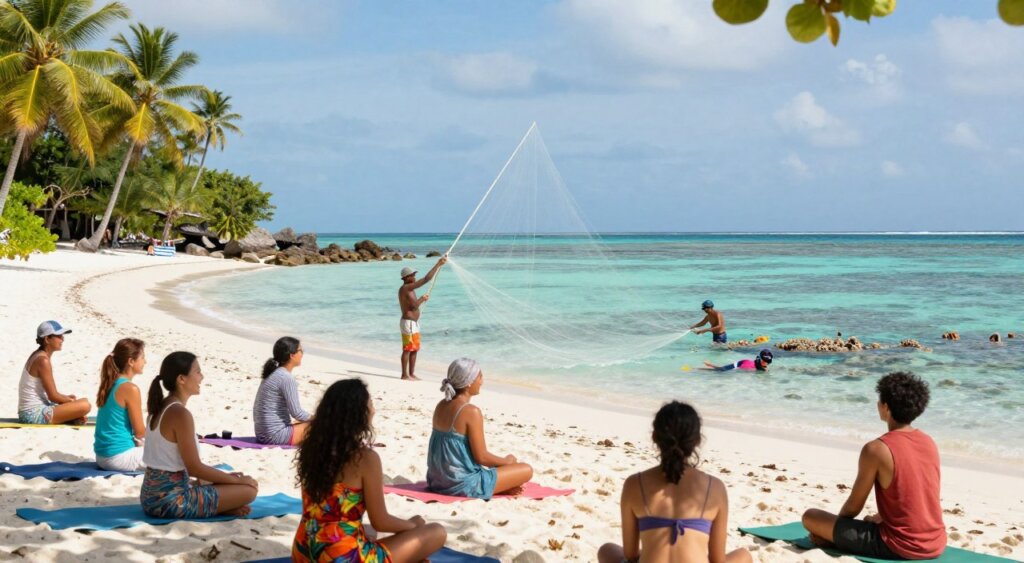
Snorkelling and Diving Experiences
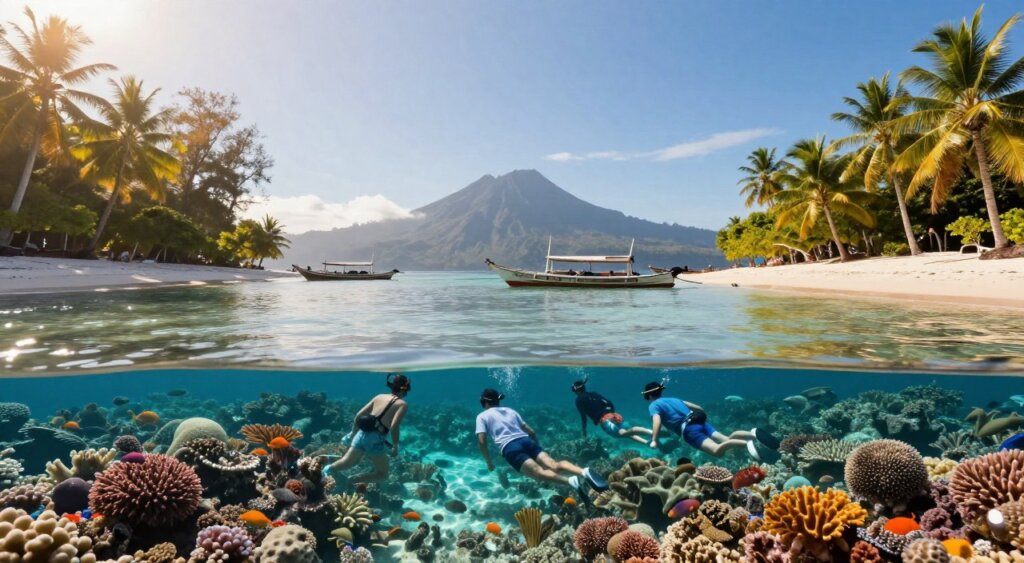
The waters around the Gilis are a marine paradise. Just a short swim from the shore, you’ll find vibrant coral reefs. Here, you can see sea turtles, colourful fish, and even small reef sharks.
The underwater sculpture nest at Gili Meno is a famous snorkelling spot. This unique art installation is a haven for marine life. It’s an easy swim from the beach and is good for all skill levels.
For certified divers, there’s even more to explore. You can dive deep walls, go on drift dives, and see large pelagic fish. Local dive shops on all three islands offer courses, guided dives, and equipment hire.
Island Hopping Adventures
Visiting all three islands is a highlight of Gili Islands travel. Public boats, known as ‘island hopping’ boats, run regularly. You can buy a day ticket to hop on and off as you like.
This is a great way to see each island’s unique charm in one day. Start with the lively Gili T, then relax on Gili Meno’s quiet sands. Finish with Gili Air’s balanced vibe. The boats are affordable, and the schedules are flexible.
For a private experience, hire a local boat with a guide for a few hours. This lets you customise your route and visit extra snorkelling spots between the islands.
Sunset Watching Locations
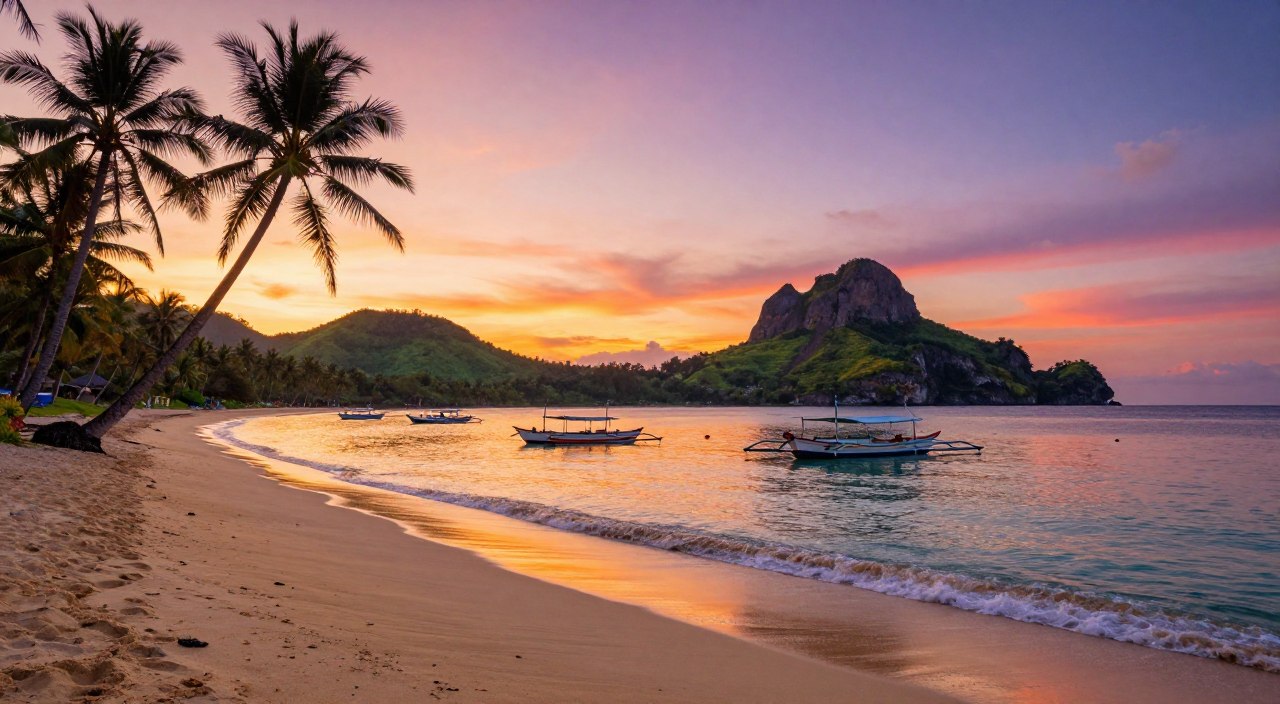
Watching the sunset is a daily ritual for visitors and locals. Each island has great spots to see the sky turn orange and pink. The western sides of the islands offer the best views.
On Gili Trawangan, the sunset is a social event. Beach bars like Sunset Point fill up with people enjoying drinks and music. The atmosphere is lively and celebratory.
For a quieter experience, try the western beach on Gili Meno or a cosy spot on Gili Air’s north-west coast. These spots offer a peaceful and romantic setting. Watching the sunset here is magical, ending a day of Gili Islands activities perfectly.
Accommodation Options on the Gili Islands
Accommodation on the Gilis is more than just a place to sleep. It’s a key part of your island adventure. Your choice of stay can change your whole Gili Islands vacation. Each island has its own unique vibe.
Whether you want luxury, a social backpacker hub, or a unique hideaway, you’ll find the perfect place.
Luxury Resorts
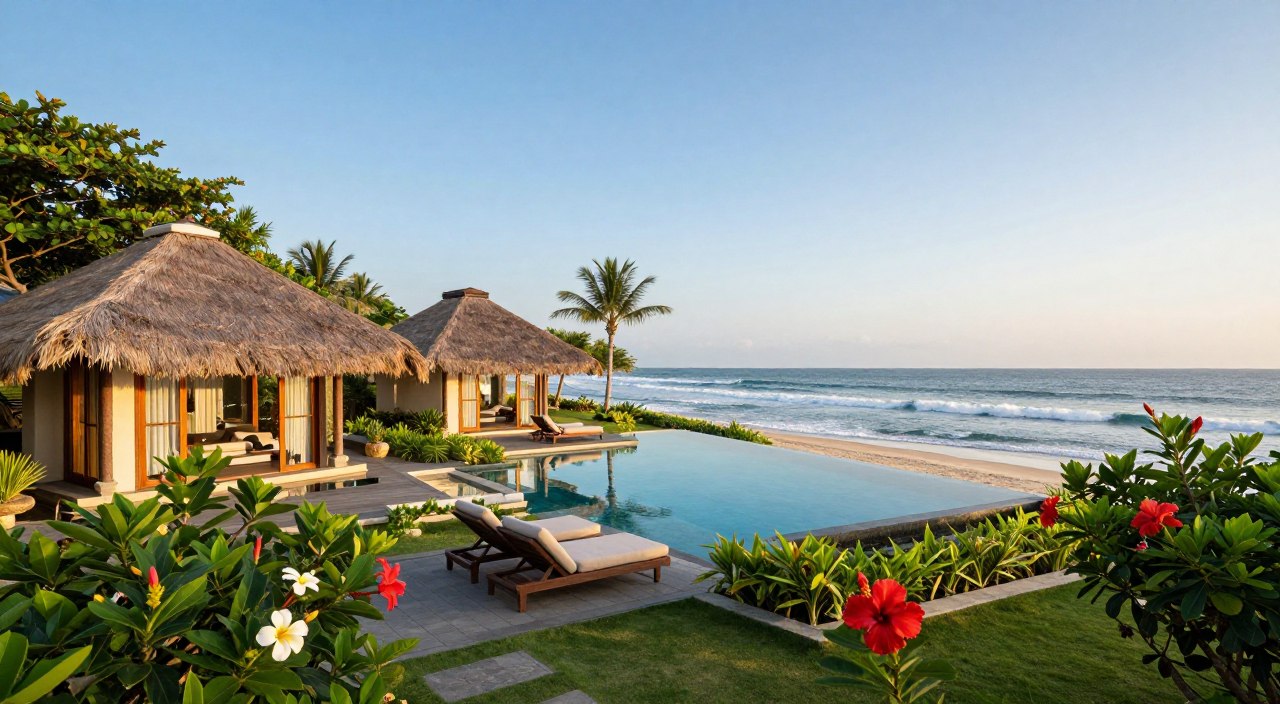
Travellers looking for luxury will find world-class amenities. These resorts have private infinity pools, personal butler service, and top-notch spa treatments.
Look for these Gili Islands hotels on Gili Trawangan and Gili Air. They offer direct beach access, fine dining, and villas for ultimate privacy.
- Private villas with plunge pools
- In-house spa and wellness centres
- Fine dining with international menus
- Personalised concierge services
Budget-Friendly Hostels
Backpackers and those on a budget are well taken care of on all three islands. Social hostels with lively common areas are a big part of the Gili experience, mainly on Gili Trawangan.
Basic losmen (guesthouses) offer clean, simple rooms just steps from the beach. Dorms are common and great for meeting new people.
- Vibrant social atmospheres and nightly events
- Affordable dorm beds and private rooms
- Communal kitchens and co-working spaces
- Beachfront locations at bargain prices
Unique Villas and Bungalows
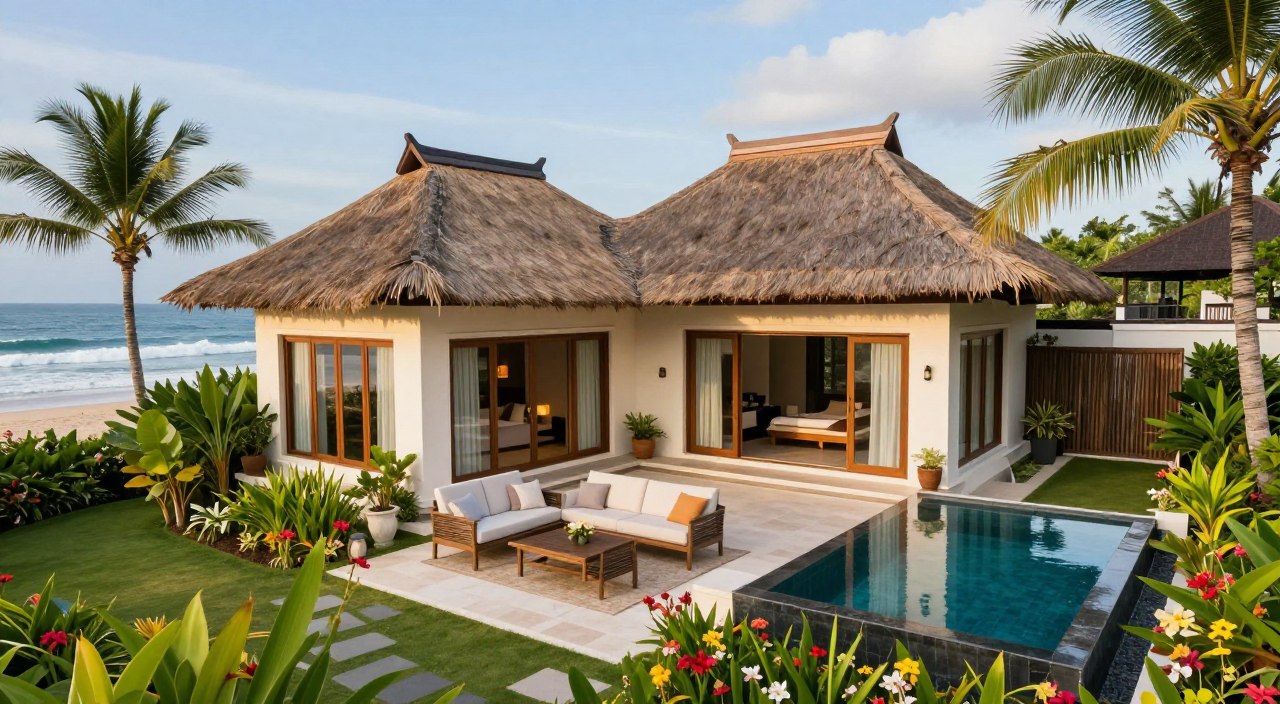
For those who love character and charm, the islands have a great selection of unique stays. Think rustic-chic bungalows made from sustainable materials, or secluded eco-villas in tropical gardens.
Some top picks include romantic overwater huts and traditional-style compounds. These places offer a real and memorable Gili Islands vacation experience, away from big resorts.
- Eco-villas with solar power and rainwater tanks
- Bamboo bungalows with open-air designs
- Artistic villas featuring local handicrafts
- Secluded properties perfect for digital nomads
Dining Experiences on the Gili Islands
The Gili Islands’ food scene is as lively as its marine life. You’ll find everything from street food to fancy restaurants. Each island brings its own taste, making every meal a new adventure.
Local Cuisine to Try
Indonesian food is the heart of the islands. You must try the local dishes made with fresh ingredients. Here are some must-try classics.
- Ikan Bakar: Fresh fish, marinated in spices and grilled over coconut husks. It’s smoky and unforgettable.
- Nasi Campur: A mix of rice with tempeh, vegetables, sambal, and sometimes meat or fish. It’s a great way to try Indonesian flavours.
- Sate (Satay): Skewers of marinated meat, grilled and served with peanut sauce. It’s a favourite street food.
For real taste, visit local warungs. They offer great value and a peek into daily life. It makes your trip more immersive.
Popular Restaurants and Cafes
The islands have something for everyone, from seafood to healthy bowls. On Gili Trawangan, Scallywags is known for seafood and fun. Kayu Cafe is great for breakfast and coffee.
Gili Air is more laid-back. Coffee & Thyme serves amazing breakfasts. Mowie’s is famous for wood-fired pizzas. Gili Meno’s Meno Beach House offers quality meals in a quiet setting.
These places mix international quality with local ingredients. You’ll never settle for less during your stay.
Beachfront Dining Options
Dining on the beach at sunset is the ultimate island indulgence. Many restaurants have beach tables. The sound of waves is perfect for dinner.
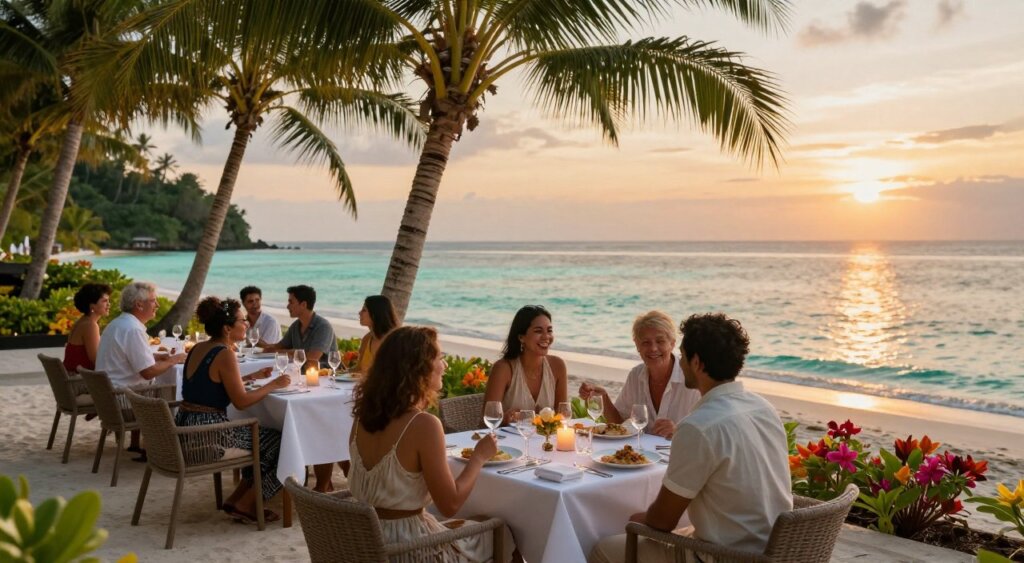
Dining at sunset is magical. The sky turns orange, pink, and purple. Beachfront places add to the experience with fire pits and music.
This mix of great food, nature, and calm is what makes the Gili Islands special. It’s an experience you’ll remember long after you’re back home.
Cultural and Historical Sites
The Gili Islands are known for their beautiful beaches and marine life. But there’s more to discover. The Gili Islands Indonesia have a rich culture and history. You can learn about the Sasak people and the peaceful island life.
Exploring these cultural aspects adds depth to your visit. It gives you a full picture of this special place.
Temples and Traditional Structures
There are no big ancient temples here. Instead, small pura (Hindu temples) are the spiritual heart of the islands. They are found in village centres or near the shore, serving the Balinese Hindu communities.
Walking through the villages, you’ll see traditional Sasak homes. They are made of bamboo and have thatched roofs. These homes show a simple, sustainable way of life that has lasted for generations.
Cultural Festivals and Events
The Gili Islands’ cultural calendar is closely tied to Islam. Holidays like Ramadan and Eid al-Fitr are celebrated with great respect. During Ramadan, evenings are quieter as people fast, but the celebrations start after sunset.
If you’re lucky, you might catch a local ceremony or selamatan (thanksgiving feast). These are special community events. You can watch from a distance and appreciate the music, dress, and community spirit. It’s a unique way to experience Gili Islands activities with respect.
Art and Handicrafts
For a piece of local culture, check out the markets and workshops. Sasak handicrafts are famous for their quality and beauty. The most famous is tenun, traditional textiles with unique patterns and colours.
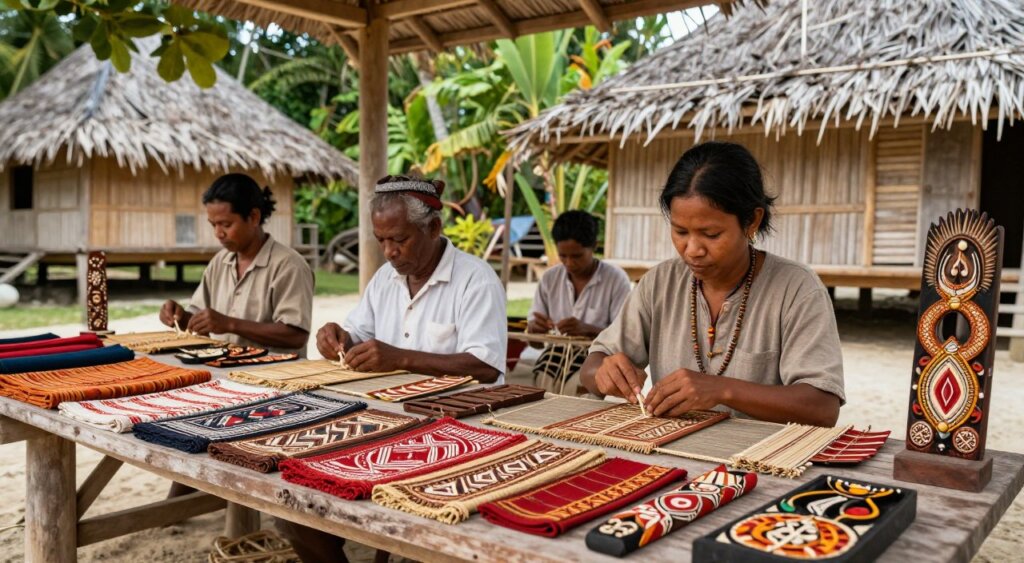
You can buy these textiles as scarves, sarongs, or wall hangings. Visiting a weaving workshop lets you see the skill and patience in this craft. Buying from local artisans helps keep their culture alive.
Other crafts include carved wooden ornaments and pottery. These make better souvenirs than mass-produced items. They connect your memories to the Gili Islands Indonesia community.
Eco-Tourism on the Gili Islands
Australian visitors looking for sustainable adventures will love the Gili Islands. This archipelago is a top spot for eco-tourism in Indonesia. Your trip here can positively impact the local environment and community.
Conservation Efforts
Local and international groups work hard to protect the islands. The Gili Eco Trust leads with coral reef restoration using Biorock technology. This method makes coral grow up to six times faster than usual.
Visit turtle hatcheries on Gili Meno and Gili Trawangan. These places protect turtle eggs and release thousands of hatchlings into the ocean each year. Dive shops also help by organising underwater clean-up days.
Sustainable Travel Options
Choosing the right accommodation is key for a sustainable trip. Many resorts and villas use solar power and have recycling systems. Look for places with a strong environmental policy.
Book tours with eco-certified operators. These companies follow strict rules to protect marine life. Always use reef-safe sunscreen to avoid harming coral reefs.
Rent a bicycle instead of a cart. The islands are easy to explore by bike, which is healthy and eco-friendly.
Responsible Tourism Practices
Every traveller can help by making simple choices. Follow these tips to support the islands’ future.
- Respect Marine Life: Never touch or stand on coral. Keep a safe distance from turtles and other animals while snorkelling.
- Minimise Plastic: Carry a reusable water bottle. Many cafes offer free refills to avoid single-use plastic bottles.
- Support Local: Eat at warungs (local eateries) and buy souvenirs from artisan markets. This keeps money in the community.
- Conserve Resources: Be careful with water and electricity. Short showers and turning off air conditioning when you leave your room help a lot.
- Dispose of Waste Properly: Use designated bins and separate recyclables where possible. Never leave rubbish on the beach.
By following these practices, your gili islands travel experience will be richer. You’ll know you helped preserve this paradise for others. The islands’ dedication to sustainability makes them a unique destination.
Safety and Health Tips
Getting ready for health and safety on the Gili Islands makes your trip safe and memorable. For Aussies, knowing the local scene and having a plan is key. This section talks about the vaccinations you need, daily precautions, and emergency info.
Recommended Vaccinations
Before heading to the Gili Islands travel, see a travel health clinic. Indonesia, including the Gilis, has health concerns. Make sure your routine shots like MMR, diphtheria-tetanus-pertussis, and flu are up-to-date.
For this area, you might need:
- Hepatitis A and Typhoid: These spread through bad food or water, common in many places.
- Hepatitis B: If you might get medical care, get a tattoo, or have close contact, get this vaccine.
- Rabies: If you’ll be outdoors a lot or near animals, get this vaccine. Dogs and monkeys are around.
Talk to your doctor 4-6 weeks before you go. They’ll give advice based on your health and how long you’ll stay.
Safety Precautions on the Islands
The Gili Islands are mostly safe, but being smart is important. Protect yourself from the sun. Use sunscreen, wear a hat, and stay in the shade when it’s hottest.
Water safety is key. The sea is calm, but currents can be strong. Swim where it’s safe and listen to local warnings. Watch out for sea urchins when snorkelling.
Be careful of theft, like bag-snatching. Use your room’s safe for valuables and don’t leave things alone.
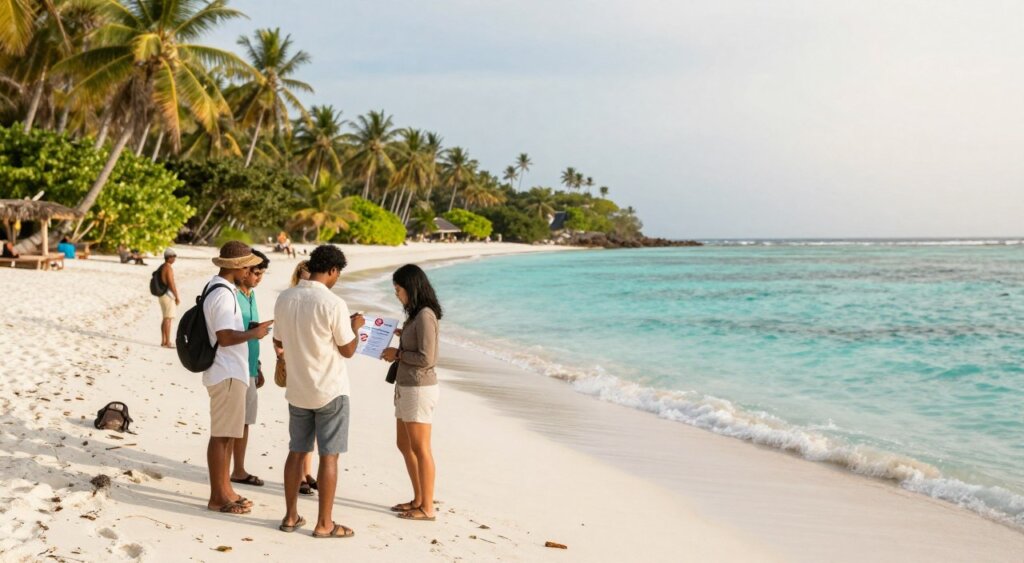
When you book ferries, pick safe companies. Gili Getaway is reliable and won’t sail in bad weather.
There are no cars on the islands. You’ll ride bikes, in carts, or walk. Be careful at night because it’s dark.
Emergency Contacts and Facilities
Knowing who to call and where to go in an emergency is important. Save these numbers:
- General Emergency (Police): 110
- Ambulance/Medical Emergency: 118
- Search and Rescue (Basarnas): 115
- Fire Department: 113
Each island has a clinic for basic care. For serious issues, you’ll need to go to Lombok or Bali. Good travel insurance is essential.
Always tell your accommodation manager if there’s an emergency. They can help with local stuff and language. With these tips, you can enjoy the Gilis safely.
Environmental Concerns
The Gili Islands are a paradise, but they face big environmental challenges. Their popularity as a tourist spot puts a lot of pressure on their ecosystems. It’s important to tackle these issues to keep the islands healthy for visitors from Australia and elsewhere.
Coral Reef Preservation
The coral reefs around the Gili Islands are vital for marine life and attract snorkellers and divers. But, they’re under threat. Climate change causes coral bleaching, where corals lose their colour and life.
Old fishing methods like dynamite fishing have damaged the seabed. Tourism also causes harm, like fin contact and sunscreen chemicals. Saving the reefs is key to keeping the marine ecosystem and supporting local fishing and tourism.
Waste Management Challenges
Managing waste on small islands like the Gilis is tough. They have little space for landfills and no big recycling facilities. Most goods come from Lombok or Bali, leading to a lot of packaging waste.
Single-use plastics are a big problem. Without good waste systems, plastics end up in the ocean or are burned, harming health and the environment. The large number of tourists adds a lot of pressure on waste management.
Initiatives for Protecting Nature
There’s a strong conservation spirit on the islands. Local groups, businesses, and non-profits are working hard. They offer ways for visitors to help.
- Coral Reef Restoration: Groups like the Gili Eco Trust grow coral to fix damaged reefs. Many dive shops offer courses or volunteer days for tourists to help.
- Waste Reduction Programs: Single-use plastic bags are banned. Cafes and resorts use refill stations to reduce plastic bottles. Beach clean-ups are common.
- Education and Awareness: Schools and businesses teach about caring for the environment. Tour operators learn eco-friendly practices, making sure activities have a small impact.
Your choices help these efforts. Choose eco-friendly operators, refuse single-use plastics, and join clean-ups. A local conservationist said:
“The island’s health is our health. Every visitor who leaves a positive footprint, instead of taking one, helps us build a more resilient future.”
Protecting the Gili Islands is a team effort. By understanding the issues and supporting solutions, your visit can help preserve these islands for future generations.
Currency and Expenses
Knowing the local currency and costs helps keep your trip to the Gili Islands affordable. Planning your finances well lets you enjoy the beaches and sunsets without worry.
Currency Used on the Islands
The official currency is the Indonesian Rupiah (IDR). You’ll need it for most things. Some places, like big resorts and tour operators, also take Australian Dollars (AUD).
Major credit cards are mostly accepted at fancy hotels and some restaurants. It’s wise to assume you’ll need cash for everyday expenses.
ATMs are found on all three islands. But, they might run out of cash or have network problems. Take enough cash from Bali or Lombok before you go. Exchange rates for AUD are usually good at authorised money changers.
Typical Prices for Tourists
Daily costs vary based on your spending habits. Here’s a rough guide to help you plan your daily expenses.
| Item / Service | Budget Range | Mid-Range | Luxury |
|---|---|---|---|
| Local Warung Meal | IDR 25k – 50k | IDR 75k – 150k | IDR 200k+ |
| Imported Beer/Cocktail | IDR 50k – 70k | IDR 70k – 100k | IDR 120k+ |
| Accommodation (per night) | IDR 200k – 600k | IDR 800k – 2,000k | IDR 2,500k+ |
| Snorkelling Trip | IDR 100k – 200k | IDR 250k – 400k | Private charter |
| Bicycle Rental (per day) | IDR 50k – 70k | IDR 70k – 100k | Included with villa |
Remember, gili islands hotels in the mid-range often include breakfast. Always check what’s included. Street food and local eateries offer great value.
Budgeting for Your Visit
Your daily budget shapes your experience. Here’s how to plan for different travel styles.
Backpacker Budget (AUD $40-$70 per day): This covers a basic hostel, local meals, bicycle transport, and a few affordable activities. It’s perfect for a social, no-frills gili islands vacation.
Mid-Range Comfort (AUD $100-$200 per day): You can enjoy a comfortable private bungalow or a nice gili islands hotel, eat at good restaurants, join organised tours, and enjoy sunset drinks. This offers the best balance for most travellers.
Luxury Escape (AUD $300+ per day): This tier includes high-end villas with pools, fine dining, private boat charters, and spa treatments. Your gili islands vacation becomes a truly indulgent retreat.
A good tip is to carry a mix of cash in IDR for small purchases. Notify your bank of your travel plans to avoid card issues. With a clear budget, you can relax and make the most of your island time.
Communications and Connectivity
When planning your trip to the Gili islands, think about how you’ll stay in touch with family and friends back home. Even though you’re here to relax and disconnect, having internet or phone service is key. It’s essential for maps, bookings, and sharing your adventures. Luckily, staying connected on Gili Trawangan, Meno, and Air is easy with a little planning.
Mobile Network Availability
Major Indonesian telcos offer coverage on the Gili Islands. The quality can change between islands and spots.
Telkomsel is known for its strong and consistent network across all islands. Their signal is usually strong in main village areas and along popular beaches.
Indosat Ooredoo also has good service, mainly on Gili Trawangan and Gili Air. Signals might be weaker or data speeds slower in secluded spots, like Gili Meno’s quiet ends.
Mobile reception is best near island centres and ports. It can get spotty on remote beaches or while snorkelling offshore.
Wi-Fi Hotspots
Free Wi-Fi is common at cafes, restaurants, and guesthouses. But, the quality can vary.
In busy spots, Wi-Fi is usually good for social media, emails, and messaging apps. Streaming videos or making video calls can be tough, though, during peak hours.
Your accommodation will have Wi-Fi. Budget places might have slower networks, while luxury resorts offer better connections. Always check the Wi-Fi at your hotel before booking if you need reliable internet.
Local SIM Cards
Buying a local Indonesian SIM card is a smart move. It gives you mobile data wherever you have a signal.
The best place to buy a SIM is at the Denpasar International Airport in Bali. Kiosks for Telkomsel, Indosat, and XL Axiata are in the arrivals hall. You can also buy SIMs in Bali or Lombok before heading to the Gilis.
Getting a SIM is easy. Show your passport, and the vendor will activate it with a tourist data package. This is simpler than finding a shop on the smaller islands.
Here’s a quick comparison of popular local SIM card options for travellers:
| Provider | Approx. Cost for Tourist Pack | Typical Data Allowance | Best For |
|---|---|---|---|
| Telkomsel (simPATI) | AU$8 – AU$15 | 10GB – 25GB (30 days) | Best overall coverage and reliability |
| Indosat (IM3) | AU$6 – AU$12 | 8GB – 20GB (30 days) | Good value and solid performance |
| XL Axiata | AU$5 – AU$10 | 6GB – 15GB (30 days) | Budget option, coverage can vary |
For a smooth trip, download offline maps of the islands on your phone before you arrive. Also, let your bank know you’re travelling to avoid card blocks at island ATMs. With a local SIM or managed Wi-Fi expectations, you can enjoy the Gilis without losing your connection.
Visas and Entry Requirements
Getting to the Gili Islands is more than just booking flights and ferries. You need to check if you need a visa. Indonesia, the country where the Gili Islands are located, requires an entry permit. Make sure you sort this out before you go for a hassle-free trip.
Who Needs a Visa?
All foreign visitors, including Australians, need a visa to enter Indonesia. The visa type depends on your reason for visiting and how long you plan to stay. For most tourists going to the Gilis, the process is easy.
If you’re on holiday, visiting family, or attending an event, you’ll need a tourist visa. There are other visas for business, work, or study. It’s important to apply for the right one. The wrong visa can lead to fines or being turned away.
Visa Exemption Rules
Australians can enter Indonesia without a visa for short visits. This allows you to stay for up to 30 days. But remember, this 30-day permit is non-extendable.
To get this exemption, you must meet certain conditions when you arrive:
- Your passport must be valid for at least six months from your entry date.
- You need a confirmed return ticket or a ticket to another country.
- You might be asked to show you have enough money for your stay.
This rule is great for a quick trip to the islands. It covers everything you need to know about how to get to Gili Islands and enjoy the sun.
Extension Services on the Islands
Want to stay longer than 30 days? The visa-free entry can’t be extended. You must leave Indonesia and re-enter to get another 30 days. A popular option is the Visa on Arrival (VoA).
You can buy a VoA at major Indonesian airports and seaports for a fee. This visa is valid for 30 days but can be extended once for another 30 days at an immigration office. This is a good choice for those staying longer in Indonesia.
Important for Gili visitors: the extension is not done on the islands. You need to go to an immigration office on mainland Lombok. Offices in Senggigi or Mataram can help. Plan a day trip to sort out your paperwork.
Getting your visa sorted is the last step in planning how to get to Gili Islands. With the right visa, you can enjoy the beautiful water and coral reefs without worry.
Conclusion and Travel Tips
Your Gili Islands adventure is a mix of relaxation, culture, and excitement. It spans across three car-free gems. This final note gives you essential tips to finish your planning.
Key Takeaways
Each island has its own vibe. Gili Trawangan is lively, Gili Meno is quiet, and Gili Air is just right. For easy travel, book ferry transfers early. Gili Getaway is known for great service and being on time.
You can buy tickets online for quick e-tickets. Pack light, eco-friendly items and respect local customs.
Additional Resources
Keep looking for trusted sources. The official Lombok tourism website has the latest news. Australian travel forums offer advice from other travellers.
These resources help you plan your trip better and budget wisely.
Final Recommendations
To enjoy all the activities, book tours like snorkelling trips early. Mix beach days with exploring culture. Try local food at warungs and choose eco-friendly options.
With good planning, your trip will be unforgettable. Start planning your escape now.