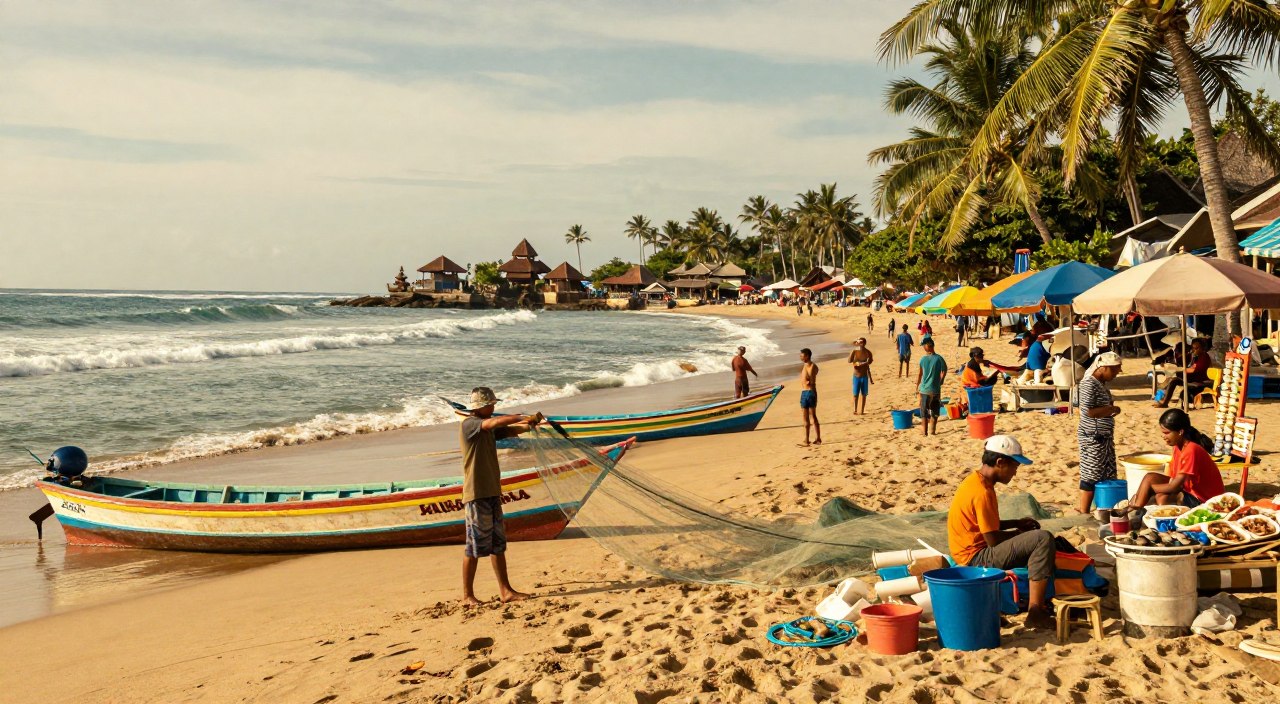
Imagine stepping off a long flight and feeling the warm tropical air. You hear the distant crash of waves. For decades, travelers from Australia and beyond have started their Balinese adventure here. They’re drawn by the legendary surf and sun-drenched shores.
Bali was just named the world’s number one travel destination for 2026. TripAdvisor’s Travelers’ Choice awards gave it this honor. It’s based on millions of real reviews praising the island’s unique mix of excitement and serenity. Kuta is often the first place visitors experience.
Kuta has a quieter past. Not long ago, it was a sleepy fishing village. Life moved with the tides. The transformation into a global tourist hub is one of Bali’s most fascinating stories.
To truly appreciate Kuta today, look beyond the vibrant shopfronts and busy streets. Its journey mirrors Bali’s own rise. It’s built on a deep cultural foundation that peeks through the modern energy.
Key Takeaways
- Bali earned the top spot as the world’s best travel destination for 2026, according to TripAdvisor.
- Kuta serves as a primary entry point and iconic stop for a huge number of international travelers.
- Its origins are deeply rooted as a quiet, traditional fishing community.
- The area is now globally famous for its surf culture, vibrant nightlife, and expansive beaches.
- Exploring Kuta is more rewarding when you understand the historical and cultural shifts that shaped it.
- The destination masterfully blends high-energy fun with authentic Balinese spirit.
- Its story is a key part of understanding modern Bali’s appeal.
The Origins of Kuta: A Brief History
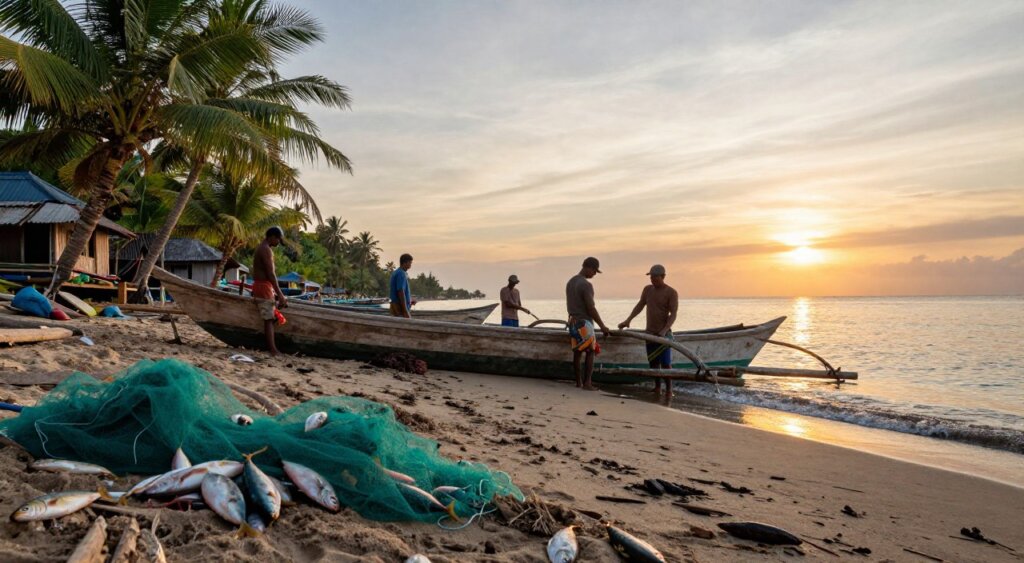
Kuta’s story starts with local families, not tourists. They built their community around the Indian Ocean’s bounty. Before it became a tourist spot, Kuta was known for fishing and spiritual traditions. This background enriches your understanding of local culture in Kuta today.
Early Settlements and Fishing Traditions
Kuta’s geography drew early settlers. Its wide bay offered shelter and a perfect fishing spot. Families used jukung canoes for daily fishing trips.
They passed down fishing techniques through generations. They used hand-lines, casting nets, and communal operations. The catch fed the village and supported trade.
The ocean’s rhythms set the community’s pace. This close bond with the sea made Kuta’s village life strong and united. The beach was a workplace, not a play area.
Cultural Influences on Kuta’s Development
Kuta was shaped by Bali’s spiritual and artistic traditions. As part of rich tapestry of Indonesian culture, Bali is known for Hinduism and art. These elements are seen in Kuta’s layout.
The village followed Balinese Hindu principles. A central temple, or Pura, was the spiritual center. The desa adat structure governed social life and land use. Neighborhoods, or banjar, managed community affairs and ceremonies.
Rituals honoring sea gods were key. Ceremonies like Melasti purified the ocean and highlighted the people’s bond with it. This spiritual atmosphere infused daily life, creating a unique local culture in Kuta.
| Aspect | Early Economic Foundations | Enduring Cultural Pillars |
|---|---|---|
| Primary Focus | Subsistence and trade fishing | Hindu spiritual practices and community governance |
| Key Structures | Thatched huts, boat sheds (tempek), natural harbor | Village temples (Pura), communal meeting halls (Bale Banjar) |
| Social Organization | Family-based fishing crews and trade networks | Banjar system with communal duties and shared rituals |
| Relationship with Nature | Practical reliance on the sea for survival | Sacred view of the ocean and land, reflected in offerings and ceremonies |
Kuta’s unique character came from its maritime life and spiritual traditions. This legacy and cultural framework shaped its response to tourism. They influenced how Kuta adapted to, and sometimes resisted, change.
From Fishing Village to Tourist Destination

Travelers using a Kuta travel guide might find it hard to believe Kuta was once a quiet fishing village. Over a few decades, it transformed into Bali’s heart of tourism. This change was driven by strategic development and a strong surf culture.
Key Events Shaping Kuta’s Transformation
Several key moments sparked Kuta’s growth. Before the 1960s, it was mostly known to locals. Improved accessibility was the first major trigger.
The opening of Bali’s Ngurah Rai International Airport to international flights was a game-changer. It made Bali easier to reach from places like Sydney and Melbourne. This boosted the island’s global appeal.
Travel writers and surf explorers arrived around the same time. They shared stories and photos of Bali’s beauty and waves. This sparked curiosity among international travelers, mainly Australians seeking surf.
| Era | Key Event | Direct Impact on Kuta |
|---|---|---|
| Late 1960s / Early 1970s | Ngurah Rai Airport expands for international traffic. | Made Bali accessible, bringing the first trickle of tourist visitors to the island. |
| 1970s | Surf explorers discover Kuta Beach’s consistent breaks. | Put Kuta on the global surf map, attracting a dedicated niche of adventure tourists. |
| 1980s Onward | First guesthouses and hotels are built to accommodate visitors. | Created permanent tourism infrastructure, shifting the local economy from fishing to hospitality. |
As shown in the table, each event built upon the last. The demand from surfers and early tourists led to the need for places to stay. Simple homestays turned into hotels, marking Kuta’s transformation.
The Role of Surf Culture in Kuta’s Growth
Surf culture gave Kuta its soul and energy. The discovery of reliable waves off Kuta Beach drew surfers. It became a magnet for them.
Australian surfers played a huge role. They found a paradise close to home. Word spread quickly in the global surf community. What was once a secret spot became a pilgrimage site.
“It was endless summer right here. The waves were perfect, the beach was empty, and life was simple. We knew it wouldn’t stay that way for long.”
This influx of surfers created immediate demand for services. The economy quickly diversified beyond fishing. You could see the change in real-time:
- Surfboard rental shacks and repair shops opened.
- Basic cafes evolved into bars and restaurants catering to Western tastes.
- Informal surfing lessons became a staple beachside business.
- Markets began selling swimwear and casual clothing alongside traditional goods.
This cycle was self-perpetuating. Better amenities attracted more visitors, funding more development. The “surf mecca” reputation became a core part of Kuta’s identity. It promises great beach life and thrilling water sports. Today, understanding this surf heritage adds depth to any Kuta travel guide. It explains the town’s laid-back yet energetic vibe, a legacy of those first wave seekers.
Attractions in Kuta: What to Explore
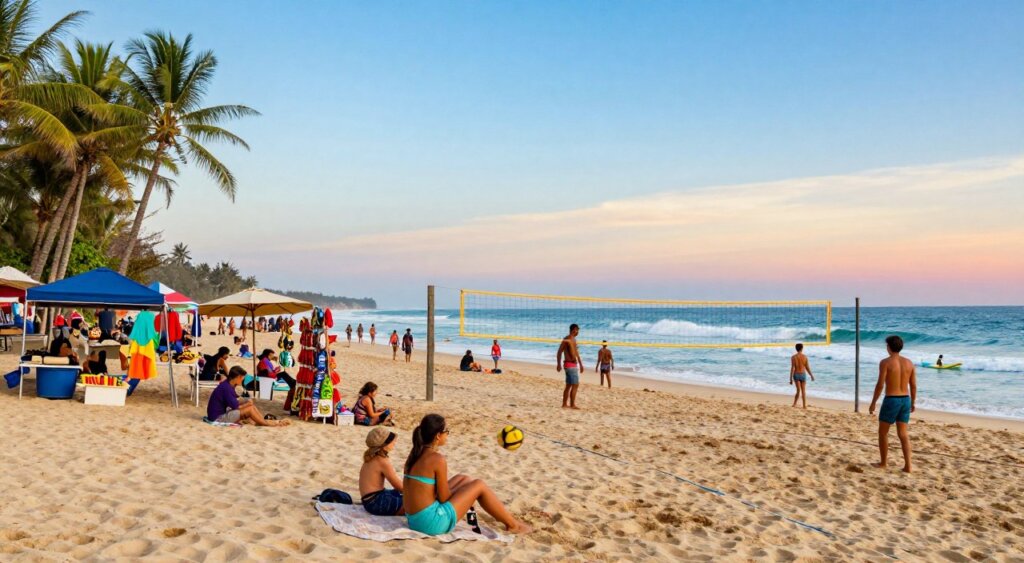
Kuta is more than just a surfer’s paradise. It’s a place where beautiful beaches meet lively markets and fun night spots. You’ll find a mix of relaxation, culture, and excitement here. Let’s explore the top spots that make Kuta so vibrant.
Stunning Beaches and Vibrant Nightlife
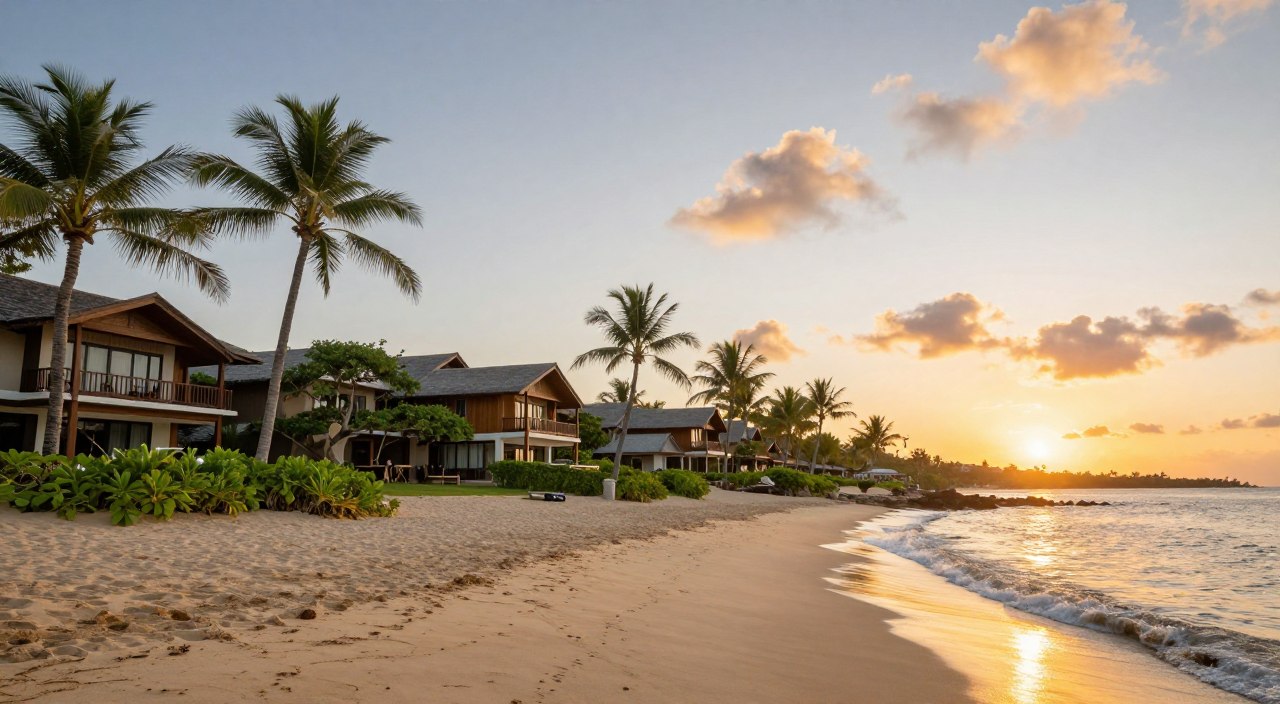
Kuta Beach is the heart of the action. It’s perfect for sunbathing, walks, and watching the sunset. You can find quieter spots south of the main areas.
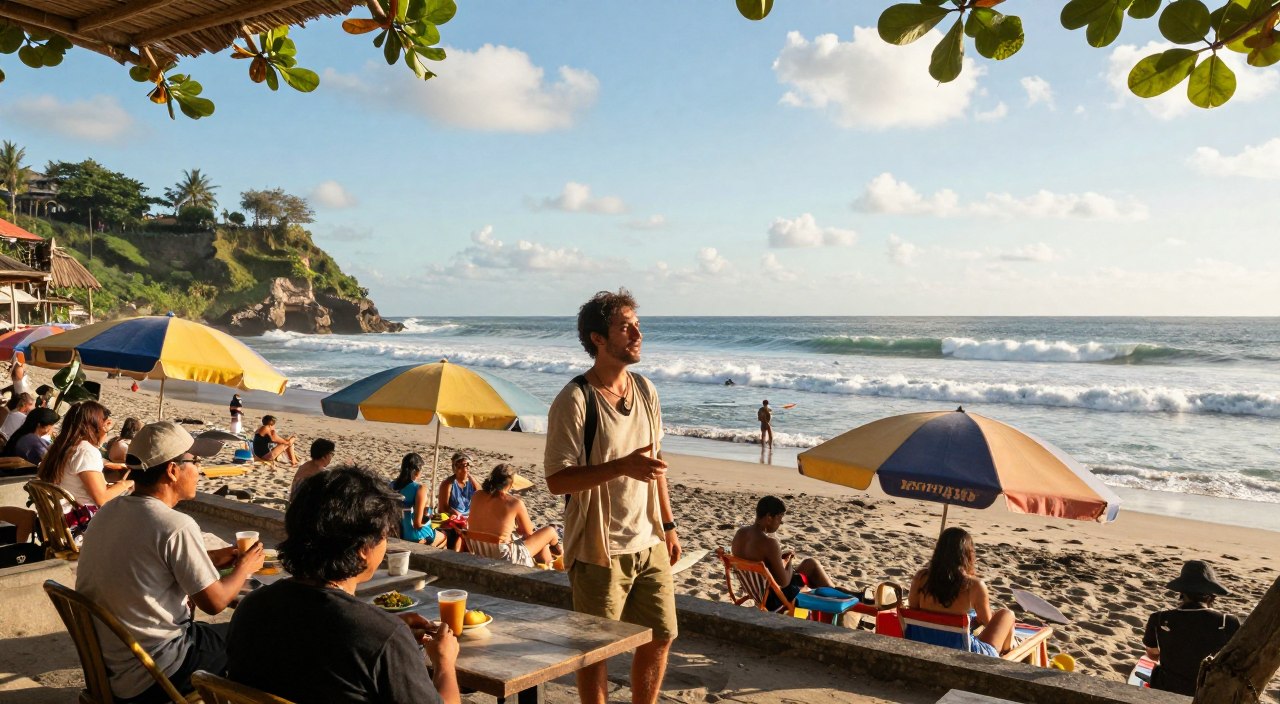
The beach is a great place to watch surfers, vendors, and families making sandcastles. It’s a lively scene.
When the sun goes down, the fun moves to the streets. Jalan Legian is the center of Kuta’s nightlife. It’s filled with clubs like Sky Garden and bars that play music all night.
Looking for a chill evening? Try the beachfront bars. They offer cocktails while you’re in the sand. Bali’s best moments often happen in small, hidden spots.
Local Markets and Shopping Experiences
Shopping in Kuta is an adventure. You can haggle for souvenirs or find trendy boutiques. Pasar Seni Kuta is great for authentic goods like batik and jewelry. Talking to the vendors is part of the fun.
For modern shopping, check out Jalan Legian and its boutiques. You’ll find surfwear, beach fashion, and unique items. Beachwalk Shopping Center has international brands and a cinema for a break from the sun.
Here are some tips for shopping:
- Start by bargaining politely. Aim to offer 30-50% less than the asking price.
- Compare prices before buying.
- Use small bills for easier transactions.
- It’s a cultural exchange, so enjoy the process.
Here’s a quick guide to Kuta’s shopping spots:
| Market / Boutique | Vibe & Type of Goods | Best For | Bargaining Expected? |
|---|---|---|---|
| Pasar Seni Kuta (Kuta Art Market) | Traditional, bustling, handicrafts, souvenirs, textiles | Authentic Balinese souvenirs, practicing your bargaining skills | Yes, essential |
| Beachwalk Shopping Center | Modern, air-conditioned, international brands, dining, cinema | Branded goods, escaping the heat, family-friendly shopping | No, fixed prices |
| Jalan Legian Boutiques | Trendy, surf & beach fashion, local designers | Current beachwear, unique clothing items, sunglasses | Sometimes, in smaller stores |
| Beachfront Vendor Stalls | Casual, convenient, hats, sarongs, simple souvenirs | Last-minute beach essentials, quick purchases | Yes, usually |
Kuta offers a mix of beach fun and market excitement. It’s a top destination for a reason. Start your Kuta adventure here.
Culinary Delights: A Taste of Kuta
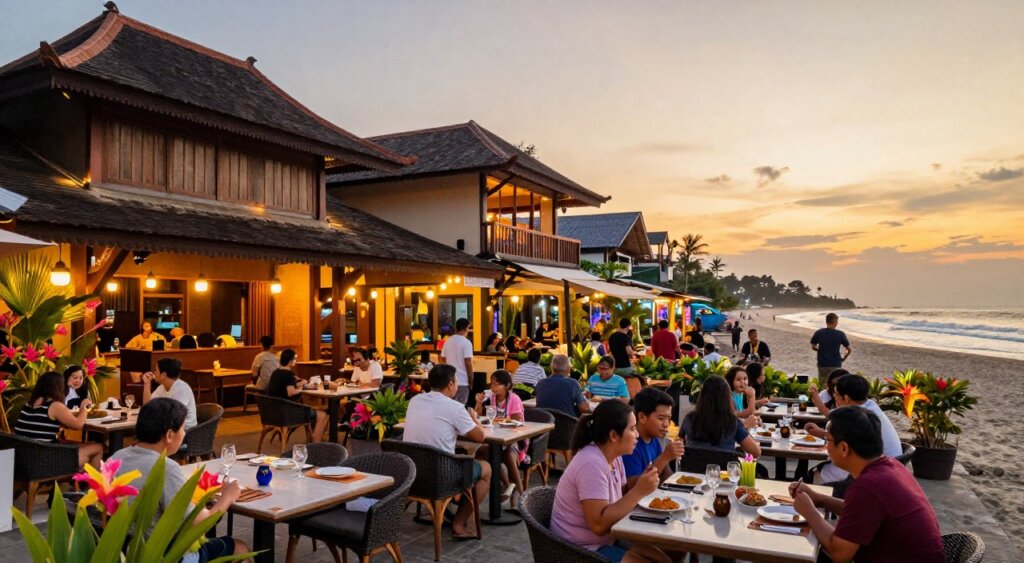
Kuta offers a feast that captures the essence of Indonesian cuisine. Your adventure here is about the food, surf, and sun. The local culinary scene is vibrant, with traditional flavors and international influences.
Popular Local Dishes to Try
Indonesian food is famous for its bold spices and rich sauces. In Kuta, you can try authentic dishes that are staples across the islands. Start your flavor journey with these must-try items.
Nasi Goreng is Indonesia’s iconic fried rice. It’s cooked with sweet soy sauce, shallots, garlic, and your choice of chicken, shrimp, or egg. A fried egg on top and crispy shallots make it a complete meal.
Sate (or satay) consists of skewered and grilled meats, usually chicken or lamb. The magic is in the dipping sauce—a creamy, slightly sweet peanut sauce that is utterly addictive. You’ll find sate vendors everywhere.
Gado-Gado is a refreshing vegetable salad for warmer days. Steamed veggies, tofu, and hard-boiled eggs are covered in a rich peanut dressing. It’s a healthy and filling option.
Rendang is a Sumatran dish but loved nationwide. It’s a slow-cooked beef stew simmered in coconut milk and a complex mix of spices until tender. The flavor is deeply savory and spicy.
Babi Guling is a Balinese specialty of spit-roasted suckling pig. The skin is crackling crisp, and the meat is seasoned with turmeric and other spices. It’s a celebratory dish you should not miss.
This table gives you a quick guide to these essential dishes and where to start your search for them.
| Dish Name | Key Ingredients | Flavor Profile | Best Place to Try |
|---|---|---|---|
| Nasi Goreng | Rice, sweet soy sauce, chicken, egg, shallots | Savory, slightly sweet, aromatic | Local warungs & beach cafes |
| Sate Ayam | Chicken skewers, peanut sauce, kecap manis | Smoky, nutty, sweet & savory | Evening street food stalls |
| Gado-Gado | Mixed vegetables, tofu, peanut dressing | Fresh, creamy, nutty | Vegetarian-friendly warungs |
| Rendang | Beef, coconut milk, lemongrass, chilies | Rich, spicy, deeply savory | Traditional Indonesian restaurants |
| Babi Guling | Suckling pig, turmeric, ginger, spices | Salty, spicy, with crispy skin | Specialty Balinese eateries |
Dining Options: From Street Food to Fine Dining
Kuta’s food landscape is wonderfully diverse. You can eat like a king without spending a fortune. Here’s how to navigate the different types of places to eat.
Street Food & Local Warungs
For the most authentic and affordable experience, head to the bustling food stalls and warungs (small family-run eateries). Poppies Lane and the streets behind the beach are packed with options. Try a simple stall for perfect sate or a packed warung for a hearty plate of Nasi Goreng. Hygiene is generally good at busy spots.
Casual Beachfront Cafes & Mid-Range Restaurants
Many of the best restaurants in Kuta for a relaxed meal are right on the sand. These spots offer stunning sunset views alongside solid Indonesian classics and Western favorites. They are perfect for a long lunch or a casual dinner. The quality is consistent, and prices are moderate.
Upscale Fine Dining Venues
For a special night out, Kuta and its surrounding areas boast several high-end establishments. These fine dining restaurants in Kuta often fuse international culinary techniques with premium local ingredients. Think modern Australian cuisine using Balinese seafood or refined tasting menus featuring reinterpreted Indonesian dishes. You’ll find these venues in luxury resorts and dedicated gourmet precincts.
No matter your choice, the key is to explore. Some of the best restaurants in Kuta might be the humble spot crowded with locals. Your culinary journey is a core part of the Kuta experience.
Kuta’s Cultural Heritage: Festivals and Traditions
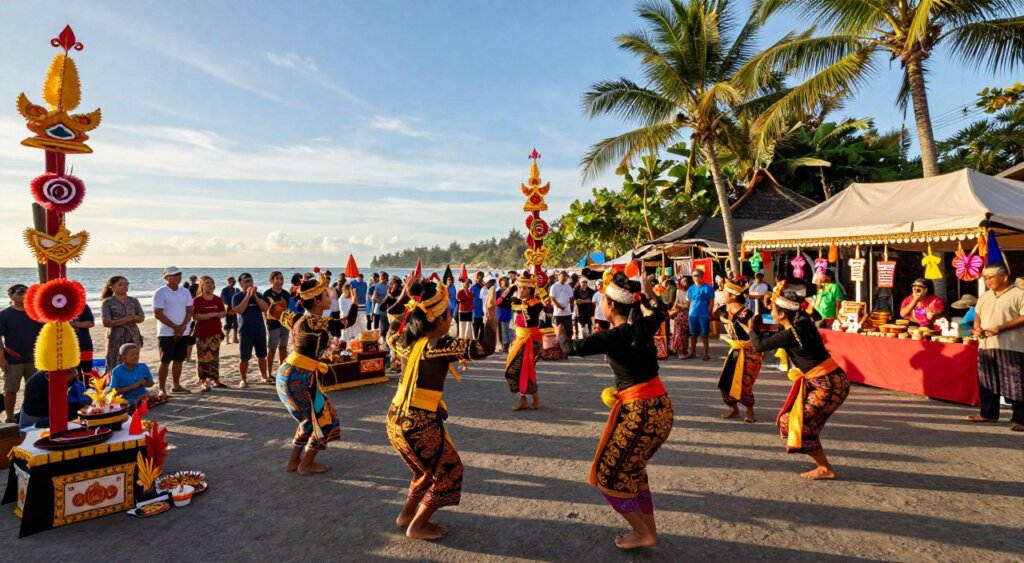
Kuta is more than just a tourist spot. It has a deep connection to Balinese Hindu customs and celebrations. This local culture in Kuta is alive and shapes daily life. It offers a true and authentic travel experience.
The ancient rituals blend with modern entertainment. This creates a unique atmosphere for visitors.
Major Festivals Celebrated in Kuta
Balinese Hindu festivals color Kuta’s calendar. Galungan and Kuningan are two key festivals. They celebrate good over evil and the visit of ancestral spirits.
You’ll see penjor—tall, decorated bamboo poles—on the streets. Families wear traditional clothes and visit temples.
Nyepi, the Day of Silence, is unique. The whole island is quiet. The beach in Kuta is peaceful. It’s a time for cultural reflection.
The Impact of Local Traditions on Tourism
Daily traditions shape Kuta’s tourist scene. Every morning, you’ll find Canang Sari—small, beautiful palm-leaf offerings. They remind visitors of the spiritual richness of the place.
Visiting temples like Pura Segara is a popular activity. Joining a purification ritual at Tirta Empul is also sought after. The Melukat ritual lets you bathe in holy spring water. It’s a way to connect with Balinese spirituality.
Respecting the culture is key. Dress modestly when visiting temples. Cover your shoulders and knees. A sash and sarong are often provided or required.
Always behave quietly and respectfully during ceremonies. Understanding these customs makes your visit better. It supports sustainable tourism.
This local culture in Kuta makes your holiday meaningful. It turns a beach trip into a journey of cultural discovery.
Accommodation Options: Where to Stay in Kuta
Kuta has a wide range of places to stay, from cheap hostels to fancy villas. Choosing where to stay is key to a great trip. Indonesia is known for good deals, fitting all budgets.
Consider Kuta’s different areas. The busy streets near the beach are perfect for those who love action. The quieter lanes around offer a peaceful spot close to attractions.
Budget-Friendly Hotels and Guesthouses
Kuta is great for saving money on lodging. You’ll find many guesthouses, hostels, and simple hotels. They offer basic comforts like clean rooms and air conditioning.
These places are close to the beach, markets, and nightlife. This saves you money on transport and lets you enjoy more of Kuta.
When planning your budget, remember these options let you spend more on fun activities. Look for places with good reviews for cleanliness and service. Poppies Lane and the streets behind Jalan Legian are good for budget stays.
- Guesthouses: Family-run with a personal touch and local tips.
- Hostels: Ideal for solo travelers, with dorms and common areas.
- Economy Hotels: Chain hotels and local places with reliable rooms.
Luxury Resorts and Villas for Travelers
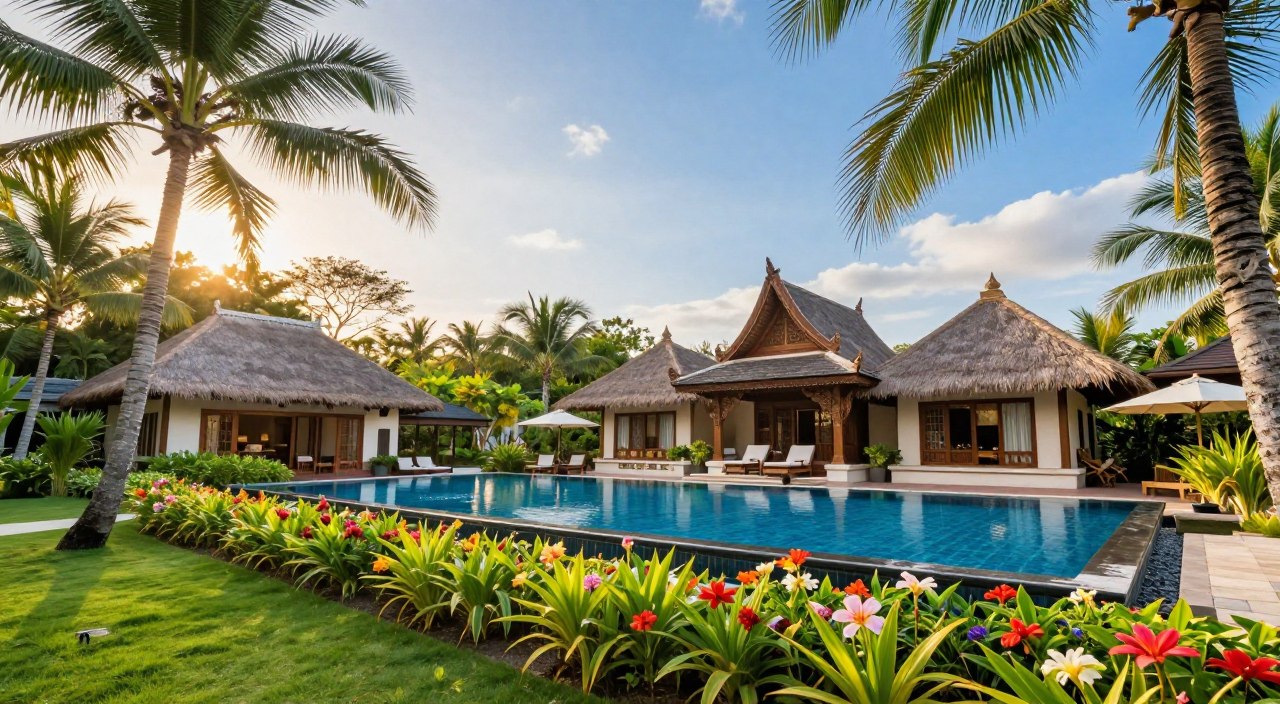
Kuta also has amazing luxury resorts and villas for a relaxing stay. These places offer special experiences, like butler service and spa treatments. Many are right on the beach, giving you access to beautiful sand and sunsets.
The real luxury in Kuta is in the little things: a private pool, gourmet breakfast, and top-notch service.
International hotels and boutique resorts have lots of amenities like pools and restaurants. For privacy, consider renting a villa with a pool and kitchen. These villas feel like home and are often in quiet areas near the main strip.
| Feature | Budget-Friendly Choice | Luxury Choice |
|---|---|---|
| Primary Focus | Location & Value | Amenities & Exclusivity |
| Best For | Explorers & Social Travelers | Honeymooners & Relaxation Seekers |
| Booking Tip | Look for last-minute deals online | Book direct for possible perks or upgrades |
Your choice depends on your travel style and what you want from your Kuta trip. Both options offer great value and can make your stay memorable. Always check recent reviews and photos to match your expectations.
Adventure Activities: Thrilling Experiences in Kuta

Kuta is the perfect spot for those who love adventure. It’s not just about relaxing on the beach. Here, you can switch to surf boots or hiking shoes and explore Bali’s wild side.
Surfing Lessons and Water Sports
Bali is famous for surfing, and Kuta Beach is its main spot. The waves are perfect for beginners. You’ll find many surf schools along the beach, like Rip Curl School of Surf, which offers two-hour lessons.
For those who are more skilled, beaches like Airport Left or Padang Padang offer a bigger challenge. You can easily rent a board from local shops.
But surfing is just the beginning. The coast is full of other exciting Kuta beach activities:
- Parasailing: Enjoy stunning views of Kuta from above.
- Jet-Skiing: Speed across the waves for an adrenaline rush.
- Stand-Up Paddleboarding (SUP): A calm way to see the water, great for mornings.
- Banana Boat Rides: A fun group activity that’s sure to make you laugh.
Remember, mix the popular spots with the quieter ones for a full experience.
Excursions to Nearby Attractions
Kuta is close to Bali’s top attractions. Rent a scooter or hire a driver for day trips. It’s a great way to explore.
Ubud’s Cultural Heart: An hour north, Ubud is a different world. Visit the Ubud Monkey Forest and the Tegalalang Rice Terraces. You can even trek through the rice fields.
Mount Batur Sunrise Trek: For a real adventure, hike Mount Batur before dawn. The climb is tough but worth it for the sunrise view.
Kuta is more than a beach town. It’s a base for adventure and culture. You can surf in the morning, explore temples in the afternoon, and enjoy the nightlife at night. This mix of activities makes Kuta’s scene unique.
Navigating Kuta: Transport and Accessibility
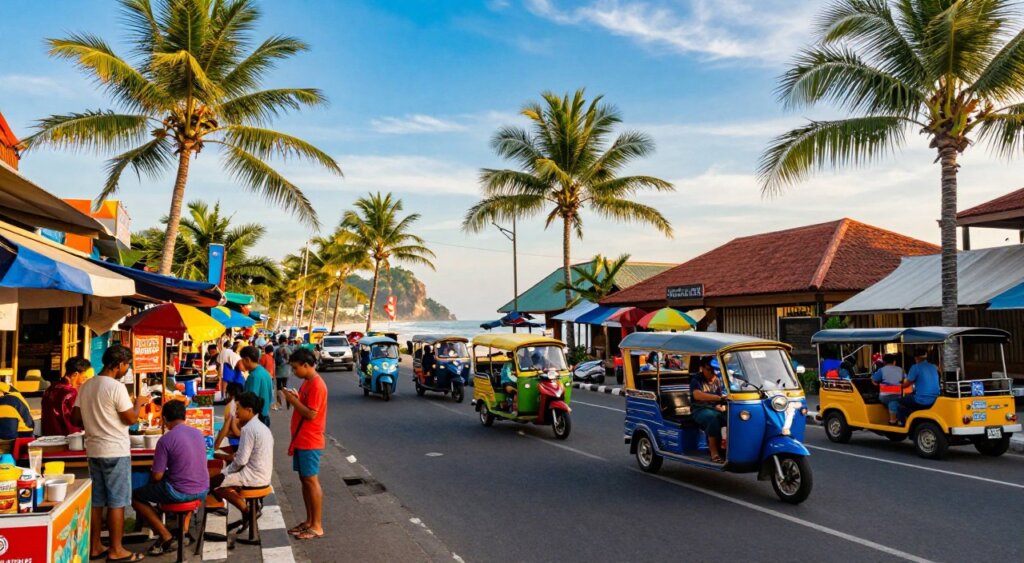
Kuta has many ways to get around, fitting every traveler’s needs. Whether you want ease, adventure, or to dive into local culture, knowing how to move around is key. This part of your Kuta travel guide covers all the practical details.
From apps to traditional minibuses, you can pick what suits your plans and comfort. Efficient travel means more time for beaches, markets, and sunsets.
Local Transportation Options
Your phone is a powerful tool for transport in Kuta. Apps like Gojek and Grab are everywhere. They offer motorbike rides and cars at set prices shown in the app. This is often the easiest way for short trips.
For traditional taxis, look for the reputable Blue Bird Group with their light blue color and logo. Always ensure the driver uses the meter. Agreeing on a price beforehand can avoid confusion.
Many visitors find that renting a scooter unlocks the real Bali. Bali’s backroads reveal hidden views and spontaneous moments. Rental shops are everywhere, with daily rates very affordable.
For longer trips or family travel, consider renting a car with a driver or self-driving. Domestic flights and ferries connect you to other Indonesian islands, while local bemos (shared minibuses) offer a budget-friendly, authentic experience.
Tips for Getting Around Safely
Safety is your top priority. Bali’s traffic can be intense, with different rules and flow. If you rent a scooter, an international driver’s permit is legally required and often checked by police.
Always wear a helmet. Secure your belongings in a backpack or under the seat. Be extra cautious when riding at night, as roads may be poorly lit.
For Australian travelers, check that your travel insurance explicitly covers motorbike riding. Many standard policies do not. When using taxis or negotiating prices for rentals, bargain respectfully. A friendly approach works better than aggression.
Keep these additional tips in mind:
- Carry small bills for paying bemos and ojeks.
- Download offline maps for areas with spotty internet.
- Note your hotel’s address in both English and Indonesian.
- When walking, use sidewalks where available and cross roads carefully.
| Transport Type | Best For | Approximate Cost | Key Tips |
|---|---|---|---|
| Ride-hailing Apps (Gojek/Grab) | Short trips, convenience | IDR 15k – 50k | Use app for fixed price; cash payment is common. |
| Metered Taxis (Blue Bird) | Airport transfers, groups | IDR 50k – 150k | Look for official logo; insist on using the meter. |
| Scooter Rental | Exploration, flexibility | IDR 50k – 100k/day | Requires international license; always wear a helmet. |
| Car Rental (with driver) | Families, day trips | IDR 500k – 800k/day | Agree on itinerary and price upfront; includes fuel. |
| Bemos (Minibuses) | Budget travel, local experience | IDR 5k – 20k | Follow fixed routes; ask driver for your stop. |
Mastering local transport turns stress into adventure. With these options and safety tips, you’re ready to navigate Kuta confidently. Renting a scooter, as recommended, truly offers the freedom to discover the island’s hidden gems at your own pace.
This practical knowledge completes your essential Kuta travel guide, ensuring you spend less time figuring out logistics and more time creating memories.
Sustainable Tourism in Kuta: Challenges and Solutions
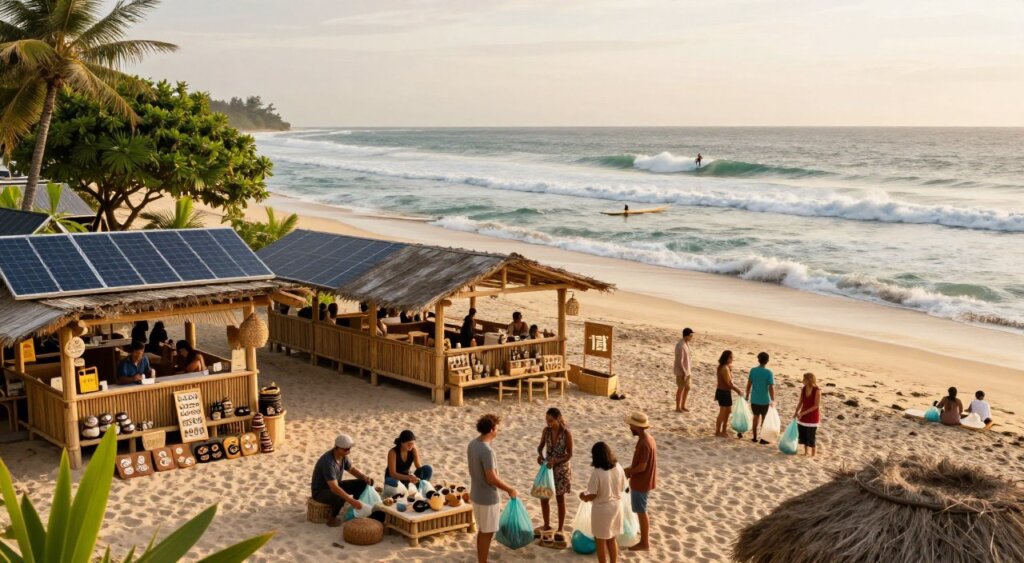
Kuta’s beauty hides a big challenge: balancing tourism with nature. Your visit helps the local economy but also puts pressure on the environment. Being a responsible traveler starts with understanding this balance.
Environmental Impact of Tourism
Kuta’s popularity harms its natural beauty. Beach pollution is a big problem, with trash like plastic bottles and packaging. This pollution comes from too many visitors, mainly during peak season.
Tourism also affects water resources. Hotels and landscaping need a lot of water. This can strain the island’s water supply, worse in dry months. Big developments have changed the coast, sometimes causing erosion.
The cumulative effect shows that Kuta’s beauty is fragile. The attractions that draw visitors, like beaches and clear water, are at risk.
Initiatives for Sustainable Development
Awareness is growing, and so is the push for sustainable development. Beach clean-up groups are common, with volunteers often seen. Joining them is a great way to help.
The business world is changing too. Many places now focus on being eco-conscious. They ban single-use plastics, offer water refill stations, and use green materials. Visitors support these efforts, showing that change is possible.
“Real change starts with local action. When businesses, community groups, and tourists work together, we can protect Kuta for future generations.”
Government and international efforts are also underway. They aim to improve waste management, protect coral reefs, and educate everyone. Your choices as a traveler help make a difference.
Here are simple ways to help:
- Carry a reusable water bottle and shopping bag.
- Support places that reduce plastic use.
- Dispose of waste properly, using recycling bins.
- Explore quieter areas to spread out tourist impact.
| Challenge | Active Solution | Key Actors Involved |
|---|---|---|
| Beach Plastic Pollution | Weekly community clean-ups & tourist awareness campaigns | Local youth groups, NGOs, hotels |
| High Water Consumption | Installation of water-saving fixtures & rainwater harvesting | Eco-resorts, government programs |
| Waste Management Overload | Improved sorting facilities & composting initiatives | Municipal government, waste cooperatives |
| Visitor Concentration | Promotion of cultural tours & nature walks beyond the main beach | Tour operators, local guides |
Your actions matter. By choosing sustainable options and respecting the environment, you help Kuta’s beauty last. The future of this beloved place depends on our choices today.
Shopping in Kuta: A Guide to Local Markets
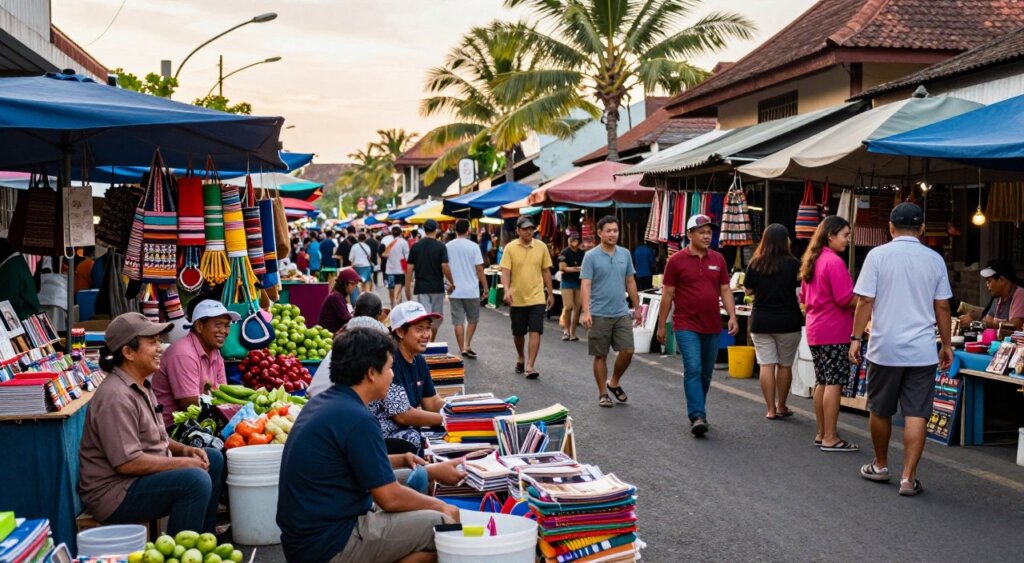
Exploring Kuta’s markets is an exciting adventure. You’ll find everything from handmade souvenirs to the latest surfwear. It’s a chance to bring home a piece of Bali’s lively culture. Whether you prefer traditional bazaars or air-conditioned malls, there’s something for everyone. A few simple Kuta shopping tips can make your trip both fun and rewarding.
Must-Visit Souvenir Shops and Boutiques
Start at the Kuta Art Market. It’s a maze of stalls filled with treasures. Look for colorful sarongs, wooden carvings, and woven bags. It’s the perfect place to find affordable souvenirs and practice bargaining.
For a different experience, visit the Beachwalk Shopping Center. This modern mall overlooks the ocean and features international brands and cafes. It’s a cool place to find stylish resort wear.
Don’t miss the small boutiques on Jalan Legian and Poppies Lane. These narrow alleys are full of character. You’ll find unique items like custom leather sandals and handmade silver jewelry. Surf shops here are famous for their boards, apparel, and accessories.
Keep an eye out for these special items:
- Batik clothing: Hand-dyed fabrics made into shirts, dresses, and sarongs.
- Silver jewelry: Delicate filigree pieces from nearby Celuk village.
- Wooden carvings: Masks, statues, and decorative items showing Balinese artistry.
- Surfwear and gear: Boardshorts, rash guards, and sunglasses for the beach.
The Art of Bargaining in Local Markets
Bargaining is a big part of shopping in Kuta’s markets. It’s not just about getting a good deal. It’s a way to connect with the vendors. Being respectful and friendly is key.
Prices in fixed-price stores, like malls, can’t be negotiated. But in market stalls and smaller boutiques, bargaining is common. Vendors often start high, expecting some negotiation.
Here are some tips for respectful bargaining:
- Start with a friendly greeting. Saying “Selamat siang” (good afternoon) sets a positive tone.
- Ask for the price and offer a lower, but reasonable, amount. Start with 50-60% of the asking price.
- Be polite and keep the interaction light. Smile and stay friendly.
- Be prepared to walk away. If you can’t agree, thank the vendor and leave. They might offer a better price.
Remember, aim for a fair price that makes both you and the seller happy. It’s about the experience as much as the purchase.
Carry small bills for easier transactions. Knowing basic Indonesian numbers helps too. Most importantly, enjoy the journey. These Kuta shopping tips will help you connect with local culture and find great souvenirs without stress.
Kuta’s Nightlife: Entertainment for Everyone
Kuta’s nightlife is famous for its energy. It offers more than just dancing. You can find everything from world-class clubs to quiet family moments by the sea.
There’s something for everyone in Kuta. Whether you want to dance all night or enjoy a peaceful sunset, you’ll find it here.
Popular Nightclubs and Bars
The heart of Kuta nightlife is in its legendary clubs. These spots attract people from all over with their top DJs and lively vibes.
For a classic night out, try Sky Garden Lounge. It has different music on each floor. Engine Room is another must-visit, known for its electronic beats and light shows.
If you prefer a chill evening, many bars offer sunset cocktails. Single Fin Bali is great for watching the sunset with a drink. Beachfront bars along Jalan Pantai Kuta offer casual seating right on the sand.
- Sky Garden Lounge: Multi-level club with rooftop views.
- Engine Room: Premier destination for electronic music fans.
- Single Fin Bali: Iconic beach bar for sunset sessions.
- Bounty Club: A long-standing favorite for party-goers.
Most clubs get busy after 11 PM. Dress codes are usually casual, but some places prefer smart attire.
Family-Friendly Evening Activities
Families and those looking for a quiet night have plenty to do. Kuta nightlife offers many activities that are fun for everyone.
Start with dinner at a beachfront restaurant. You’ll find fresh seafood and local dishes with amazing views. The atmosphere is lively but great for kids.
Don’t miss the Kecak fire dance performance. It’s a traditional Balinese dance that’s mesmerizing for all ages. You can watch it at various cultural venues.
For a simple pleasure, take a walk along the beach path. The path from Kuta Beach to Legian is safe and beautifully lit. You’ll enjoy the cool breeze and the sound of the waves.
Family-friendly evening options include:
- Beachfront dining with panoramic sunset views.
- Watching a traditional Kecak or fire dance performance.
- Leisurely walks on the lit beach path.
- Visiting the night markets for snacks and souvenirs.
Kuta offers a balanced experience for the evenings. You can tailor your Kuta nightlife experience to fit your mood and company perfectly.
The Future of Kuta: What Lies Ahead?
Exploring Kuta’s past and present makes us wonder about its future. It’s at a turning point. Its success depends on smart growth.
Trends Influencing Kuta’s Tourism
Travel preferences are evolving. Bali’s success comes from memorable experiences. This means focusing on quality and authenticity, not just numbers.
Sustainable travel and cultural immersion are on the rise. Digital nomads want reliable infrastructure for long stays. They seek local traditions, not just beaches.
The Vision for Kuta’s Development in Coming Years
Official plans aim for balanced growth. Upgrades in infrastructure will improve mobility and protect the environment. They want to share tourism benefits with locals.
Managing crowds at popular spots is key. The goal is to keep Kuta vibrant while solving problems like traffic.
Kuta’s future will mix excitement with culture. It must respect its fishing village roots while embracing change. Your next visit could be part of this new chapter. Start planning to see this evolution.