Recommended vaccines for Bali travel are essential components of preventive healthcare that protect Australian and international travelers from potentially serious vaccine-preventable diseases. While Bali offers world-class resorts and modern amenities, the island remains part of Indonesia, where various infections and diseases pose genuine risks to unprepared visitors. This comprehensive guide provides evidence-based medical guidance on travel vaccinations for Bali, covering routine vaccines such as the MMR vaccine and polio vaccine, essential travel-specific immunizations including hepatitis A and typhoid fever protection, and strategies for preventing mosquito-borne diseases like dengue fever and Japanese encephalitis. As a travel medicine physician with 15 years of experience working with the Advisory Committee on Immunization Practices guidelines and Australia’s National Immunisation Program, I recommend scheduling a pre travel health consultation at a specialized travel clinic 6-8 weeks before departure to ensure proper vaccination schedules, adequate immunity development, appropriate booster doses, and personalized risk assessment for your specific itinerary.
Why Vaccination is Essential for Bali Travel
Despite Bali’s reputation as a developed tourist destination with modern health care facilities, the island presents genuine Bali travel health risks that differ significantly from Australia. Vaccine-preventable diseases remain endemic throughout Indonesia, including hepatitis A, typhoid fever, rabies, and Japanese encephalitis. The tropical climate supports year-round transmission of mosquito-borne diseases such as dengue fever, while foodborne illnesses including travelers’ diarrhea affect 30-70% of visitors who don’t take adequate precautions.
Preventive healthcare through vaccination provides the most reliable protection against serious infections. While Bali’s private hospitals can manage many medical emergencies, treating diseases like rabies after exposure requires immediate access to post-exposure prophylaxis that may not always be readily available. Additionally, medical evacuation costs can exceed $100,000 AUD, making prevention through immunization both medically sound and financially prudent. Compared to other Asia destinations, Bali presents moderate risk levels, higher than Singapore or Japan but generally lower than rural regions of mainland Southeast Asia or Africa.
When to Get Vaccinations Before Bali Trip
What is the best time to get vaccinations before Bali trip? The optimal timeline for travel vaccinations for Bali begins 6-8 weeks before departure. This timeframe allows for proper vaccination schedule completion, adequate immunity development, and spacing between multiple-dose series. Many vaccines require 2-4 weeks to generate protective immune responses, while others like the rabies vaccine demand three doses administered over 3-4 weeks for pre-exposure protection.
Timing matters significantly for immunity development. Hepatitis A vaccination provides approximately 95% protection within 2 weeks of the first dose, while typhoid vaccination requires 2 weeks for full immunity. Booster doses of routine vaccines like tetanus, diphtheria, and measles can be administered simultaneously with travel-specific immunizations during the same clinic visit, provided appropriate injection site spacing.
For last-minute travelers booking trips within 2-4 weeks, partial protection remains possible. Even a single dose of hepatitis A or typhoid vaccine offers significant protection, though not as robust as the complete series. However, rabies pre-exposure vaccination becomes challenging with abbreviated timelines. Scheduling your pre travel health consultation immediately upon booking travel ensures maximum protection and allows the travel medicine physician to prioritize the most critical immunizations for your specific itinerary and risk profile.
Pre Travel Health Consultation Requirements
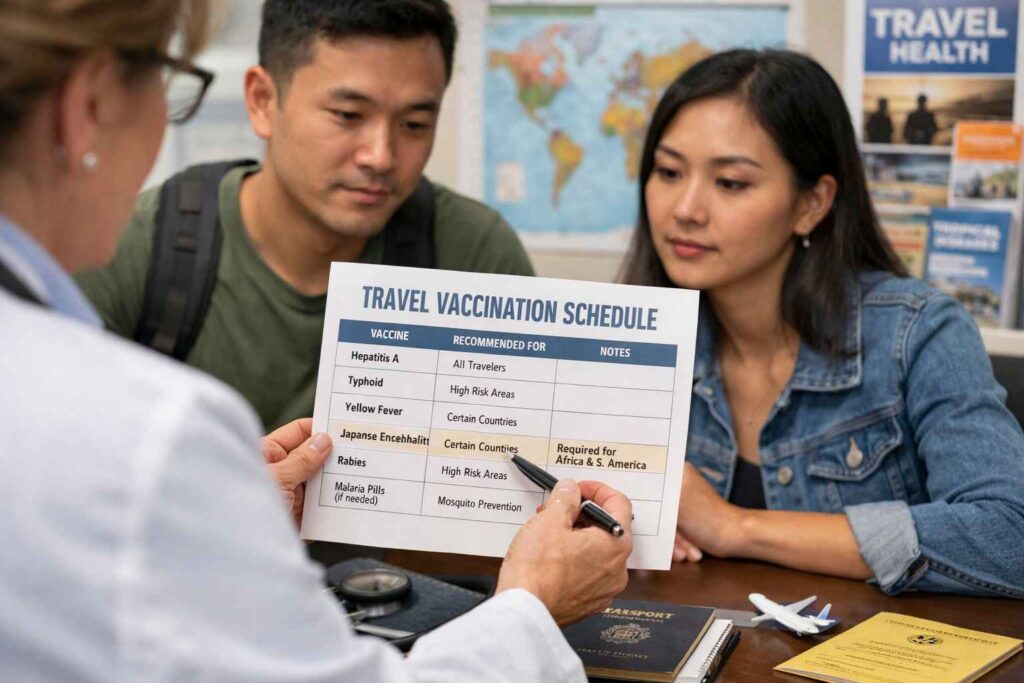
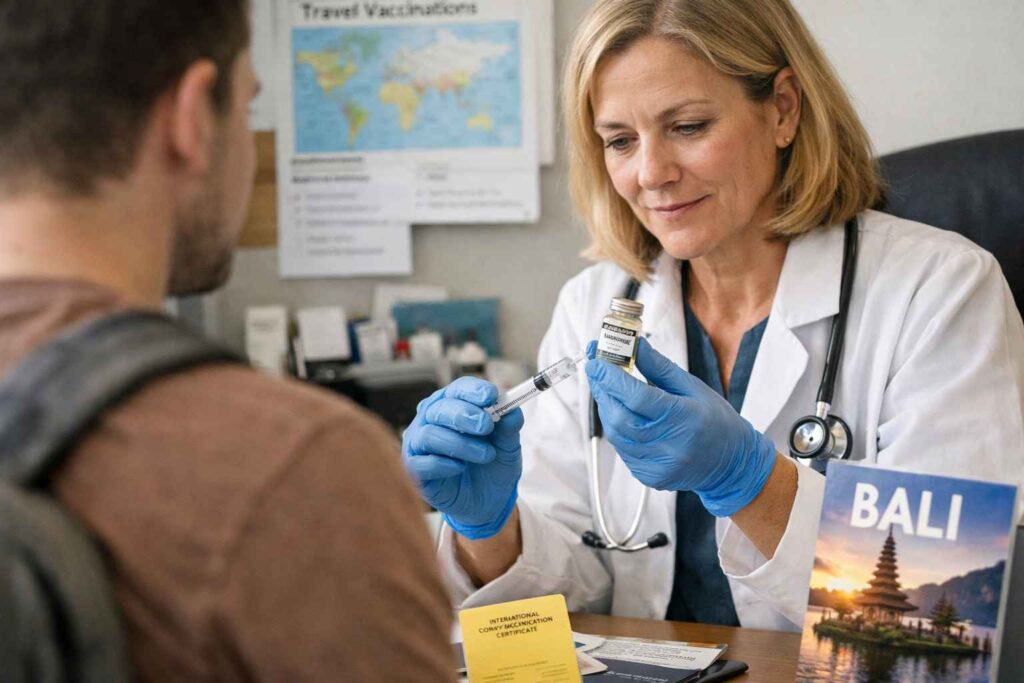
A comprehensive pre travel health consultation at a specialized travel clinic provides personalized medical guidance that generic online resources cannot match. Travel medicine physicians assess your specific risk factors including destination details (urban vs rural, accommodation type, planned activities), duration of stay, underlying health conditions, current medications, pregnancy status, and previous vaccination history. This individualized approach ensures you receive appropriate vaccines without unnecessary immunizations.
Specialized travel clinics offer distinct advantages over general practitioners. Travel medicine physicians maintain current knowledge of disease outbreaks, changing vaccination policies, and region-specific health risks. They stock specialized vaccines like Japanese encephalitis and rabies that standard GP offices typically don’t maintain. Additionally, travel clinics provide comprehensive prescription drugs for travelers’ diarrhea, malaria prophylaxis (if visiting other Indonesia regions), and altitude sickness prevention.
Bring these items to your appointment:
- Complete vaccination records (childhood and adult immunizations)
- Detailed travel itinerary with dates, locations, and planned activities
- Current medication list and medical history
- List of specific concerns or questions about Bali travel health risks
- Travel insurance information for coverage verification
Routine Vaccines Recommended for Bali Travel
What vaccines do you need for Bali 2026? Bali vaccine requirements Australia travelers should address begin with routine vaccines that may need updating. Australia’s National Immunisation Program provides comprehensive childhood vaccination, but many adults require booster doses before international travel. These routine immunizations protect against diseases that remain more prevalent in Indonesia than in Australia.
Measles-Mumps-Rubella (MMR Vaccine)
The MMR vaccine protects against three serious viral infections: measles, mumps, and rubella. Measles outbreaks occur regularly throughout Indonesia, with transmission risk significantly higher than in Australia. The measles vaccine component is particularly critical, as this highly contagious virus spreads through respiratory droplets and can cause severe complications including pneumonia and encephalitis (brain inflammation).
The rubella vaccine component provides essential protection for women of childbearing age, as rubella infection during pregnancy causes severe birth defects. Australia’s National Immunisation Program includes two doses of MMR vaccine in childhood, typically at 12 months and 18 months. Adults born before 1966 likely have natural immunity from childhood infections, while those born between 1966 and 1994 may have received only one dose. A booster dose is recommended for travelers without documented two-dose vaccination or laboratory-confirmed immunity.
Tetanus-Diphtheria-Pertussis
The combined tetanus, diphtheria, and pertussis (whooping cough) vaccine provides essential protection for tropical travelers. In Bali, minor wounds from coral cuts, animal scratches, or road accidents carry tetanus risk due to bacterial spores present in tropical soil and marine environments. Tetanus causes severe muscle spasms and has a 10-20% mortality rate even with modern health care. Diphtheria remains endemic in Indonesia, though cases have declined due to vaccination programs.
The current formulation (dTpa or Tdap) includes reduced-strength diphtheria and pertussis antigens alongside full-strength tetanus toxoid. A booster dose is required every 10 years to maintain protection. Many Australian adults haven’t received a booster since childhood, leaving them vulnerable. Given the frequency of minor injuries during adventure activities, water sports, and motorbike accidents in Bali, ensuring current tetanus protection is non-negotiable.
Polio Vaccine
Polio vaccination requirements for Indonesia deserve special attention. While polio has been eliminated from Australia since 2000, the virus still circulates in some regions of Asia. Indonesia requires proof of polio vaccination for travelers staying longer than 4 weeks, who must show evidence of a booster dose received between 4 weeks and 12 months before departure from Indonesia. This exit requirement aims to prevent international spread of polio.
Most Australians received the childhood polio vaccine series as part of the National Immunisation Program, providing lifelong protection in most cases. However, adults planning extended stays in Indonesia should receive a single booster dose (inactivated polio vaccine, IPV) to comply with exit requirements and ensure optimal protection.
Influenza Vaccine
Annual influenza vaccination protects travelers from a common but potentially serious viral infection. Influenza circulates year-round in tropical regions like Bali, unlike the seasonal pattern in Australia. Travelers face increased exposure from crowded airports, long flights, and close contact with international visitors carrying different influenza strains. Developing influenza during your holiday can ruin your vacation, requiring bed rest and potentially medical care.
The influenza vaccine formulation changes annually to match predicted circulating strains. Protection develops within 2 weeks of vaccination and lasts approximately 6 months. Priority groups including children, elderly travelers, pregnant women, and people with chronic health conditions benefit most from influenza protection during travel.
Healthcare for Retirees in Bali: Your Complete 2026 Guide
Essential Travel-Specific Vaccines for Bali
Beyond routine immunizations, specific vaccinations needed for Indonesia address Bali travel health risks that Australians rarely encounter at home. These travel-specific vaccines protect against endemic diseases transmitted through food, water, animals, and mosquitoes.
Hepatitis A Vaccination Bali
Hepatitis A vaccination Bali protection ranks as the single most important travel-specific vaccine for virtually all visitors to Indonesia. Hepatitis A transmission occurs through contaminated food, water, and person-to-person contact via the fecal-oral route. This virus causes acute liver inflammation, producing fever, jaundice, severe fatigue, nausea, and abdominal pain lasting weeks to months. While rarely fatal in previously healthy adults, hepatitis A causes significant morbidity and can trigger acute liver failure in people with pre-existing liver disease.
The risk of hepatitis A infection in Bali is ubiquitous and affects luxury resort guests as well as budget backpackers. Even travelers eating exclusively in high-end restaurants face exposure through contaminated ice, raw fruits and vegetables, or infected foodservice workers. Foodborne illness prevention measures help but cannot eliminate hepatitis A risk completely.
The vaccination schedule consists of two doses administered 6-12 months apart. Fortunately, the first dose provides approximately 95% protection within 2 weeks, making it suitable even for last-minute travelers. The second dose extends immunity duration to 20-40 years, effectively providing lifelong protection for most travelers. Given the high transmission risk, universal hepatitis A vaccination receives the strongest possible recommendation for all Bali travelers regardless of age, accommodation, or itinerary.
Typhoid Vaccination Indonesia
Typhoid vaccination Indonesia protection addresses another serious foodborne illness risk. Typhoid fever results from infection with bacteria called Salmonella typhi, transmitted through contaminated food and water. This disease causes sustained high fever, headache, abdominal pain, and sometimes a characteristic rash. Without appropriate antibiotic treatment, typhoid fever carries 10-30% mortality due to intestinal perforation and other complications.
Street food consumption significantly increases typhoid risk, though transmission occurs even through seemingly safe food sources. Foodservice hygiene standards vary dramatically across Bali, from excellent in high-end establishments to questionable in local warungs. Two vaccine types exist: an injectable vaccine (single dose, providing 50-80% protection for 2-3 years) and an oral vaccine (four capsules taken every other day, providing similar protection).
Travelers planning stays exceeding 2 weeks or those intending to explore local food scenes should definitely receive this vaccine.
Hepatitis B
Hepatitis B transmission occurs through bodily fluids including blood, sexual contact, and contaminated medical equipment. This virus causes acute and potentially chronic liver disease, with chronic infection leading to cirrhosis and liver cancer. Indonesia has intermediate hepatitis B prevalence, with approximately 7-10% of the population chronically infected.
Australia’s National Immunisation Program included hepatitis B vaccination starting in 2000, meaning Australians born after 2000 likely received the childhood series. Older adults require vaccination if planning activities that increase exposure risk: receiving medical or dental procedures in Bali, getting tattoos or piercings, engaging in contact sports, or anticipating sexual contact with new partners. The standard vaccination schedule requires three doses administered over 6 months (0, 1, 6 months).
Rabies Vaccine and Prevention
Rabies prevention Indonesia deserves serious consideration for all Bali travelers. Rabies is a fatal viral encephalitis with essentially 100% mortality once signs and symptoms develop. No effective treatment exists after symptom onset, making prevention through vaccination and prompt post-exposure prophylaxis absolutely critical. Bali experienced major rabies outbreaks in 2008 and 2010 after the virus was introduced to the previously rabies-free island. Despite intensive control efforts, rabies remains endemic throughout Bali, with ongoing human and animal cases reported annually.
Dog bites account for 99% of human rabies transmission worldwide, though cats and monkeys also transmit the virus. Bali’s large population of street dogs and temple monkeys increases exposure risk dramatically. Many tourists encounter animal bites or scratches during their stay, with children particularly vulnerable due to their tendency to approach animals without caution.
Pre-exposure rabies vaccine series consists of three doses administered over 3-4 weeks (days 0, 7, and 21-28). This primary series doesn’t eliminate the need for post-exposure prophylaxis if bitten, but it simplifies treatment substantially by eliminating the need for rabies immunoglobulin (expensive, painful, often unavailable in Bali) and reducing required vaccine doses from five to two.
If bitten or scratched by any animal:
- Immediately wash the wound thoroughly with soap and water for 15 minutes
- Seek medical health care urgently for post-exposure prophylaxis
- Do NOT wait for symptoms to develop
Japanese Encephalitis Vaccine Bali
Japanese encephalitis vaccine Bali recommendations depend on your specific travel plans. Japanese encephalitis is a mosquito-borne viral disease transmitted by Culex mosquitoes that breed in rice paddies and pig farms. The virus causes encephalitis (brain inflammation) with signs and symptoms including high fever, severe headache, altered consciousness, seizures, and paralysis. Mortality reaches 20-30% among symptomatic cases, while 30-50% of survivors suffer permanent neurological damage.
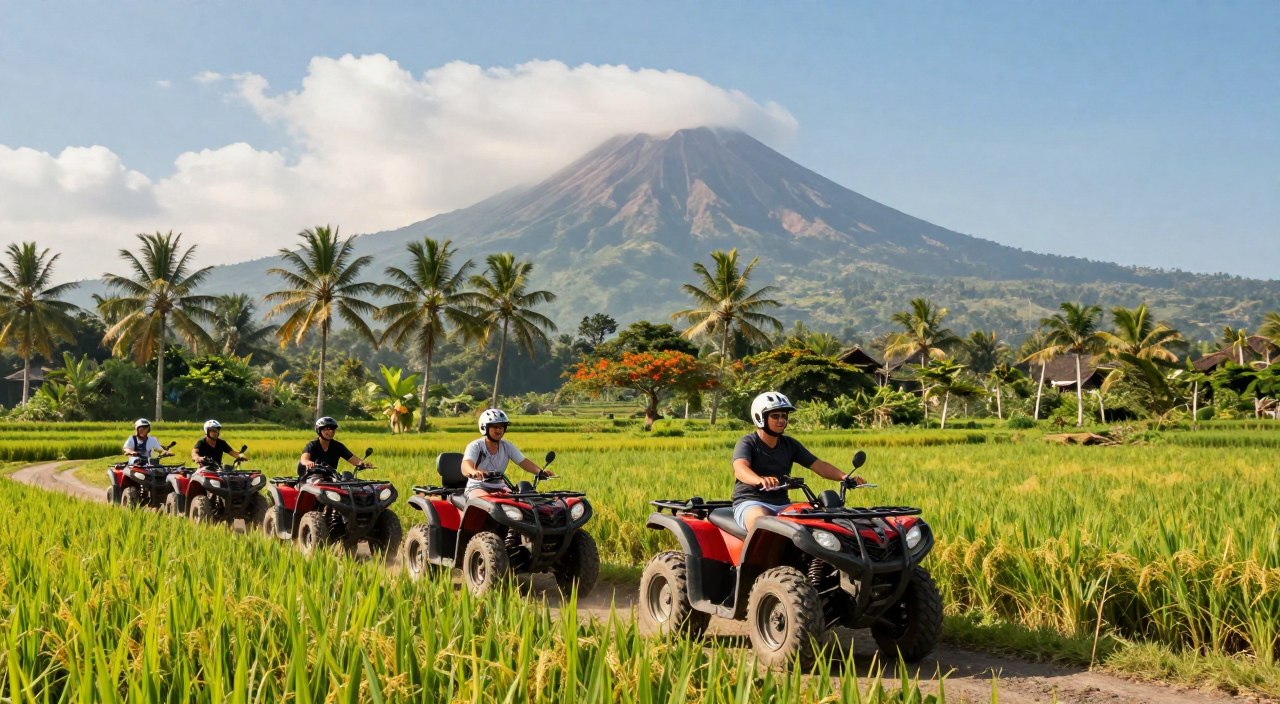
Risk assessment for Japanese encephalitis in Bali considers several factors. Urban coastal areas frequented by most tourists present very low risk, while rural agricultural regions of central and northern Bali carry higher transmission potential. Duration of stay matters significantly: travelers spending less than one month in urban Bali face minimal risk, while those staying longer than one month, especially in rural areas, warrant serious consideration of vaccination.
The Japanese encephalitis vaccination schedule consists of two doses administered 28 days apart, with protection developing approximately one week after the second dose. Activities increasing exposure include cycling through rice paddies, staying in agricultural areas, evening outdoor activities in rural regions, and visits to pig farms.
Cholera Vaccine
Cholera risk in Indonesia remains low for typical tourists, though outbreaks occasionally occur in areas with poor sanitation. Cholera is a bacterial infection caused by Vibrio cholerae, transmitted through contaminated water and food. The disease produces severe watery diarrhea that can cause life-threatening dehydration within hours if untreated.
Cholera vaccine availability varies by country, with oral formulations providing 60-85% protection for 2-3 years. The vaccine is recommended primarily for humanitarian workers, health care workers in disaster zones, and travelers to active outbreak areas. Standard tourists visiting Bali rarely require cholera vaccination. Sanitation and hygiene practices, particularly safe water consumption and food selection, provide primary preventive healthcare against cholera.
Water Supply and Sanitation in Indonesia: Challenges & Solutions 2026
Yellow Fever Certificate Indonesia Requirements
Yellow fever certificate Indonesia requirements apply only to travelers arriving from countries with yellow fever transmission risk. Yellow fever is a severe viral hemorrhagic fever transmitted by mosquitoes in tropical regions of Africa and South America. Importantly, yellow fever does not exist in Indonesia or Bali, as the specific mosquito species required for transmission is present but the virus has never been introduced to Asia.
Certificate requirements exist to prevent yellow fever importation. Indonesia requires proof of yellow fever vaccination from travelers aged 9 months and older arriving from countries with yellow fever transmission risk (primarily certain African and South American nations). The yellow fever vaccine provides lifelong protection after a single dose.
Travelers arriving directly from Australia do not require yellow fever certification, as Australia has no yellow fever risk. However, if your itinerary includes stops in African or South American countries with yellow fever before arriving in Indonesia, you must present valid certification regardless of whether you left the airport transit area.
Diseases Without Vaccines: Prevention Strategies
Several important Bali travel health risks lack vaccine protection, requiring alternative preventive healthcare strategies. Understanding these diseases and implementing appropriate prevention measures becomes essential for comprehensive travel health preparation.
Dengue Fever Bali Risk
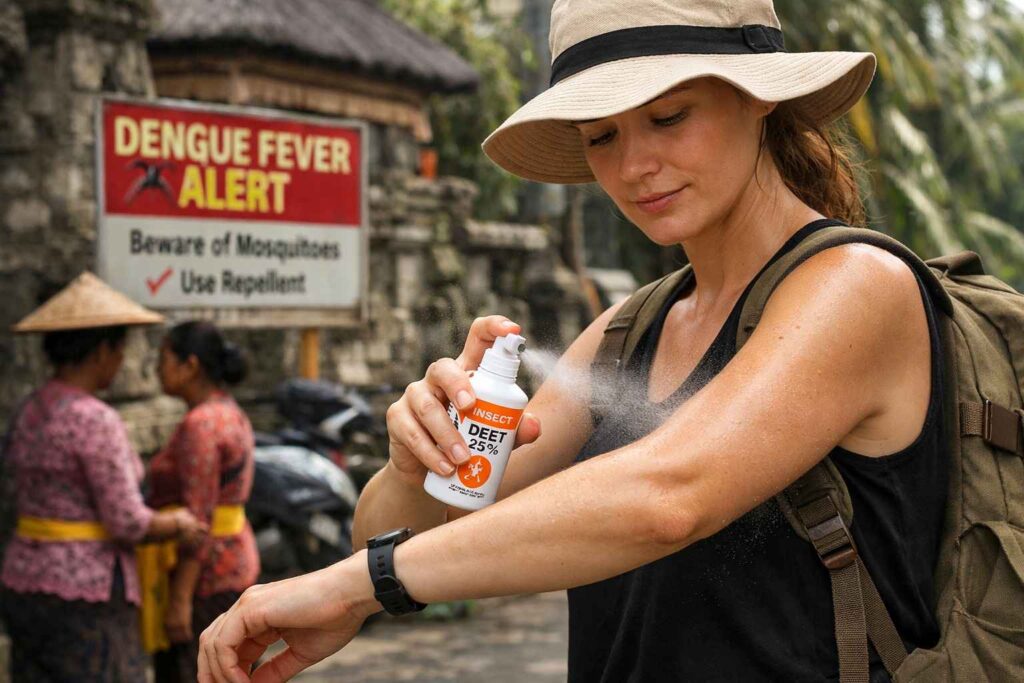
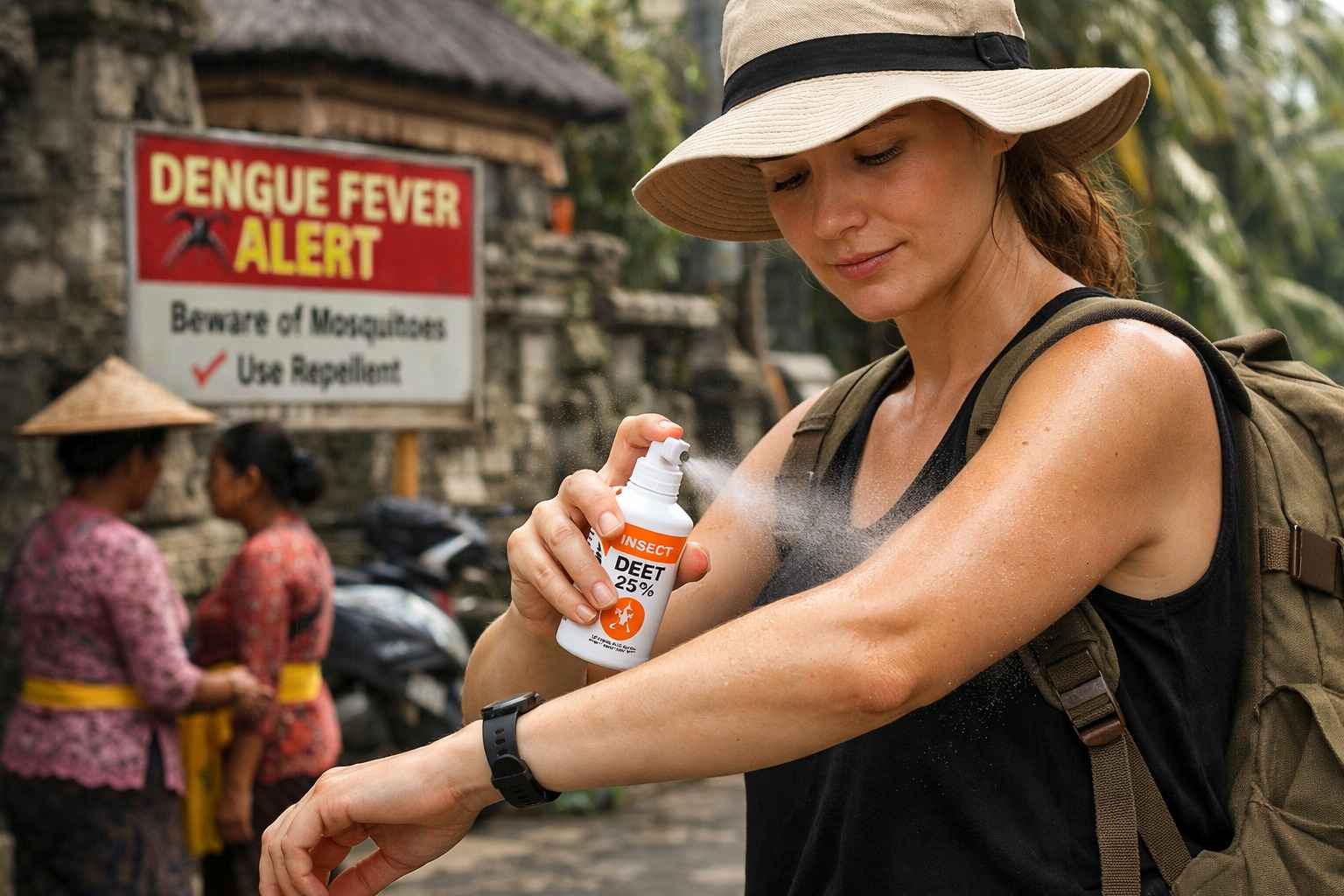
Dengue fever Bali risk represents the most significant mosquito-borne disease threat for travelers to Indonesia. Dengue fever occurs year-round throughout Bali, with periodic outbreaks causing thousands of cases annually. The Aedes aegypti mosquito, commonly called the tiger mosquito due to its distinctive black and white striped legs, transmits dengue through daytime biting. Unlike malaria mosquitoes that bite primarily at night, Aedes aegypti feeds most actively during early morning hours and late afternoon.
Unfortunately, no dengue vaccine is currently available in Australia for travelers. Dengue fever signs and symptoms include sudden high fever, severe headache (particularly behind the eyes), intense joint and muscle pain (earning the nickname breakbone fever), rash, and mild bleeding manifestations. Most cases resolve within one week with supportive care, though severe dengue hemorrhagic fever can develop, causing plasma leakage, severe bleeding, and shock requiring intensive health care.
Insect bite prevention becomes absolutely critical as the only reliable protection. Effective dengue prevention requires comprehensive mosquito avoidance strategies including insect repellent, protective clothing, and environmental controls throughout the day, not just at night.
Malaria Risk Indonesia
Malaria risk Indonesia varies dramatically by region. Malaria transmission occurs in certain parts of Indonesia, particularly Papua provinces and some remote islands, but critically, Bali is generally considered malaria-free. Geographic distribution shows malaria concentrated in Papua, parts of Kalimantan, eastern Nusa Tenggara provinces, and remote areas of Sulawesi and Maluku. Tourist destinations including Bali, Java, Lombok, and urban centers throughout Indonesia present negligible malaria risk.
Travelers limiting their itinerary to Bali do not require antimalarial medication. However, if your Indonesia trip includes malaria endemic regions, prophylactic medication becomes essential. Mosquito nets, preferably treated with permethrin insecticide, provide essential nighttime protection in malaria regions.
Zika Virus
Zika virus transmission has been reported in Indonesia, though outbreaks remain less frequent than dengue. This mosquito-borne disease typically causes mild symptoms including fever, rash, joint pain, and conjunctivitis. However, Zika poses serious risks for pregnant women, as infection during pregnancy can cause severe birth defects including microcephaly.
Can you travel to Bali while pregnant? Pregnant women considering Bali travel must weigh Zika virus risks carefully. No vaccine exists for Zika prevention. Rigorous mosquito bite prevention becomes essential, along with avoiding sexual transmission through barrier protection or abstinence during and after travel. Many pregnant women choose to defer Indonesia travel until after delivery.
Chikungunya Virus
Chikungunya is another mosquito-borne disease transmitted by the same Aedes mosquitoes that spread dengue. Signs and symptoms include sudden onset fever, severe joint pain (the name means “to become contorted” in Swahili), headache, muscle pain, and rash. Joint pain can persist for months or years after acute infection. No vaccine is available, making insect repellent and protective measures the only prevention strategies.
Insect Bite Prevention Bali
Insect bite prevention Bali strategies protect against multiple mosquito borne diseases Bali travelers face. Since no vaccines exist for dengue fever, Zika, or chikungunya, preventing mosquito, tick, and flea bites becomes paramount.
Insect Repellent and DEET
DEET remains the gold standard insect repellent for tropical travel. Products containing 20-50% DEET provide effective protection lasting 4-8 hours. Higher concentrations don’t increase effectiveness but extend duration. Apply DEET to all exposed skin, avoiding eyes, mouth, and damaged skin. Reapply according to product instructions, especially after swimming or heavy sweating.
Child-safe formulations typically use 10-30% DEET and are approved for infants older than 2 months. Alternative repellents include picaridin (20% concentration), IR3535, and oil of lemon eucalyptus (not for children under 3 years). Apply sunscreen first, then insect repellent 15 minutes later.
Protective Clothing
Long-sleeved shirts and trousers provide physical barriers against insect bites. Light-colored clothing helps spot mosquitoes and may be less attractive to some species. Permethrin-treated fabrics offer additional protection. Permethrin is an insecticide applied to clothing (not skin) that repels and kills mosquitoes, ticks, and other insects. Treated clothing maintains effectiveness through multiple washings.
Clothing coverage strategy balances protection with tropical heat. Loose-fitting garments allow airflow while covering skin. Tuck shirts into trousers and trousers into socks when hiking in areas with tick or flea exposure.
Environmental Protection
Mosquito nets over beds provide essential protection during sleep, especially in accommodations without air conditioning or proper screens. Ensure nets are properly tucked under mattresses without gaps. Air conditioning keeps rooms cool and reduces mosquito activity, as these insects prefer warm, humid conditions. Window and door screens prevent insect entry when windows remain open.
Avoid peak mosquito hours when possible. Dengue-transmitting Aedes mosquitoes bite primarily during early morning (dawn) and late afternoon (dusk to early evening). Malaria-transmitting Anopheles mosquitoes bite between dusk and dawn. Japanese encephalitis vectors (Culex mosquitoes) bite primarily during evening and nighttime hours.
Food and Water Safety: Preventing Traveler’s Diarrhea
Traveller’s diarrhea Bali belly affects 30-70% of visitors who don’t follow safe eating and drinking practices. Travelers’ diarrhea (“Bali belly”) results from foodborne illness causes including bacteria, viruses, and parasites. Diarrhea duration typically ranges from 3-7 days, with signs and symptoms including loose stools, abdominal cramping, nausea, vomiting, and fever.
Safe Eating Practices
Food safety principles follow the mantra: “Boil it, cook it, peel it, or forget it.” Choose food that is cooked and served hot, freshly prepared in front of you when possible. Foodservice establishment selection matters. High-end restaurants with good hygiene practices pose lower risk than street vendors, though no eating establishment guarantees complete safety.
Street food risk assessment involves observation. Look for vendors with high customer turnover (indicating fresh food), proper food handling practices, and hot cooking temperatures. Avoid raw or undercooked foods including salads, unpeeled fruits, raw vegetables, undercooked meat and seafood. Hygiene observation helps assess risk. Watch whether food handlers use gloves, wash hands, and maintain clean preparation areas.
Safe Drinking Practices
Tap water avoidance is crucial throughout Bali. Never drink tap water, even in high-end hotels. Use bottled water only, checking seals are intact before opening. Ice cube caution applies since ice may be made from tap water. Avoid ice in drinks unless certain it comes from purified water. Drink safety verification includes choosing sealed beverages and watching them being opened.
Brush teeth with bottled water, not tap water. Even small amounts of contaminated water can cause illness. Be cautious with fresh fruit smoothies unless confident water used for washing and blending comes from safe sources.
Hand Hygiene
Hand sanitizer carrying (alcohol-based, minimum 60% alcohol) allows hand disinfection when soap and water aren’t available. Use hand sanitizer before eating, after using restrooms, after touching animals, and after handling money. Proper handwashing technique involves soap and water, scrubbing for 20 seconds, cleaning under fingernails, rinsing thoroughly.
Disinfectant wipes clean surfaces including restaurant tables, airplane tray tables, and hotel room surfaces before eating.
Medications for Diarrhea
Prescription drug options include antibiotics for bacterial travelers’ diarrhea. Many travel physicians provide standby antibiotic prescriptions (typically azithromycin or ciprofloxacin) to start if severe diarrhea develops. Over-the-counter medication loperamide (Imodium) reduces diarrhea frequency but doesn’t treat underlying infection. Avoid loperamide if fever or bloody stools present.
Oral rehydration salts prevent dehydration from diarrhea and vomiting. Mix packets with safe water according to instructions. When to seek medical health care: severe dehydration, high fever, bloody stools, diarrhea persisting beyond 3 days, severe abdominal pain.
Additional Health Considerations
Tuberculosis
Tuberculosis prevalence remains higher in Indonesia compared to Australia. Tuberculosis transmission occurs through airborne droplets from infected individuals coughing or sneezing. Risk for short-term tourists remains low, though long-term travelers, expatriates, and health care workers face higher exposure. BCG vaccine provides partial protection but is not routinely recommended for adult travelers. Preventive healthcare measures include avoiding crowded, poorly ventilated spaces and minimizing close contact with individuals who have chronic coughs.
COVID-19 (SARS-CoV-2)
SARS-CoV-2 vaccination recommendations continue evolving. As of 2026, Indonesia entry requirements no longer mandate COVID-19 vaccination for most travelers, though policies may change. Ensure your COVID-19 vaccinations remain current according to Australia recommendations. Booster dose timing follows current health authority guidance. Consider masking in crowded indoor spaces and maintaining good hygiene practices.
Chickenpox
Chickenpox vaccination status should be verified before travel. Adults who haven’t had chickenpox infection or vaccination remain susceptible. Chickenpox can cause severe complications in adults. The vaccine requires two doses administered 4-8 weeks apart. Check immunity through blood testing if uncertain about previous infection or vaccination history.
Rotavirus
Rotavirus causes severe diarrhea primarily in young children. Australia’s National Immunisation Program includes rotavirus vaccination for infants. This oral vaccine provides protection during travel for vaccinated children. Families traveling with young children should ensure rotavirus vaccinations are current.
Special Populations: Vaccines for Bali Travel
Traveling to Bali While Pregnant
Can you travel to Bali while pregnant? Pregnancy requires careful consideration of vaccination safety and disease risks. Vaccination safety during pregnancy varies by vaccine type. Live vaccines are contraindicated during pregnancy, including MMR vaccine and yellow fever vaccine. Safe vaccines during pregnancy include influenza, hepatitis A, hepatitis B, and tetanus–diphtheria-pertussis.
Zika virus risks present serious concerns for pregnant travelers. Infection during pregnancy can cause severe birth defects. Rigorous mosquito bite prevention becomes essential if traveling while pregnant. Malaria medication considerations matter if visiting malaria endemic regions beyond Bali. Some antimalarial drugs are contraindicated in pregnancy.
Health care access in Bali includes modern private hospitals capable of managing most pregnancy complications, though standards may differ from Australia. Travel timing recommendations suggest the second trimester (weeks 14-27) represents the safest period, after morning sickness resolves but before late pregnancy complications increase. Many obstetricians advise against international travel after 36 weeks gestation.
Children and Infants
Child vaccination schedule alignment with travel plans requires planning. Ensure routine childhood vaccines from Australia’s National Immunisation Program remain current. Age-specific vaccine recommendations consider that some travel vaccines have minimum age requirements. Hepatitis A vaccine is approved for children 12 months and older. Typhoid vaccine (injectable) is approved for children 2 years and older. Rabies vaccine has no minimum age restriction.
Insect bite protection for children uses age-appropriate DEET concentrations (10-30%). Food safety for families emphasizes choosing cooked, hot foods and avoiding high-risk items. Animal contact supervision prevents dog, cat, and monkey bites. Teach children never to approach or pet stray animals.
Elderly Travelers
Immunization needs for older adults may require additional booster doses due to declining immune function. Influenza and pneumonia vaccines receive strong recommendations for elderly travelers. Health condition considerations include managing chronic diseases during travel. Medication management requires bringing sufficient supplies plus extras in case of delays.
Immunocompromised Travelers
Live vaccine contraindications apply to immunocompromised individuals, including MMR vaccine, yellow fever vaccine, and oral typhoid vaccine. Risk assessment with physician determines whether travel to high-risk areas is advisable. Enhanced preventive healthcare measures become crucial. Travel insurance requirements should verify coverage for pre-existing conditions.
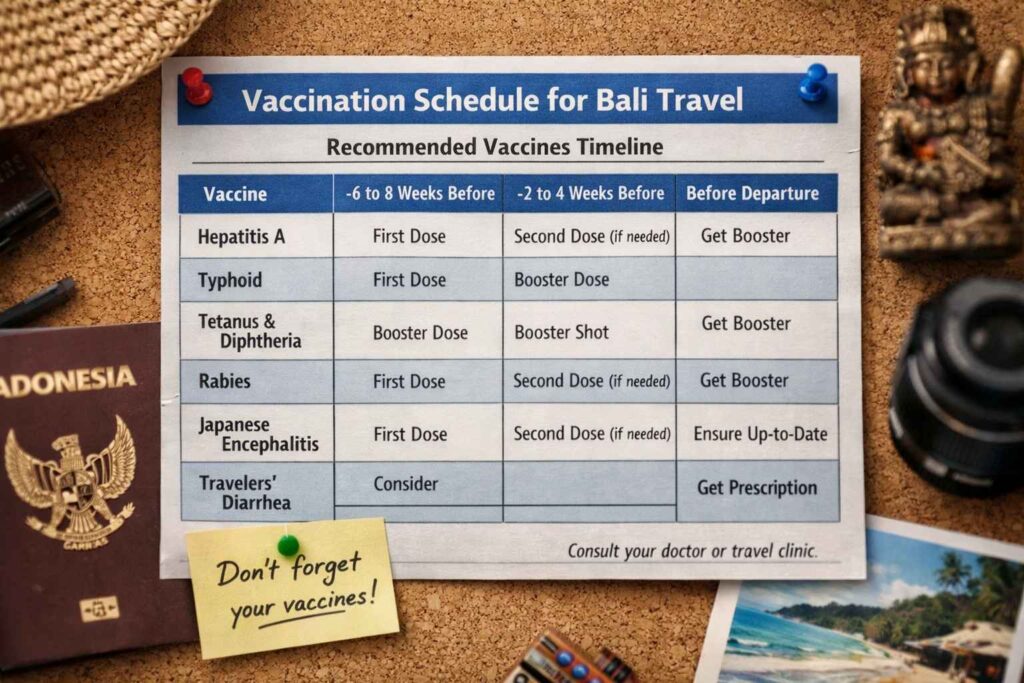
Vaccination Schedule Timeline
Recommended Vaccination Timeline:
- 8 weeks before: Initial vaccinations (hepatitis A, typhoid, Japanese encephalitis dose 1, rabies series start)
- 6 weeks before: Rabies dose 2
- 4 weeks before: Japanese encephalitis dose 2, rabies dose 3
- 2 weeks before: Booster doses (tetanus, MMR vaccine, polio if needed)
- 1-2 weeks before: Influenza vaccine
- Final week: Collect prescription drugs, insect repellent, hand sanitizer, medications
Vaccination Checklist Table
| Vaccine | Doses Required | Timing | Priority | Cost (AUD) |
|---|---|---|---|---|
| Hepatitis A | 2 doses | 0, 6-12 months | ESSENTIAL | $60-80 per dose |
| Typhoid | 1 dose (injection) or 4 doses (oral) | Single injection or 4 capsules | ESSENTIAL | $50-70 |
| Rabies | 3 doses (pre-exposure) | Days 0, 7, 21-28 | HIGHLY RECOMMENDED | $150-200 per dose |
| Japanese Encephalitis | 2 doses | Days 0, 28 | Recommended for rural/extended stays | $150-200 per dose |
| Hepatitis B | 3 doses | 0, 1, 6 months | Recommended for high-risk activities | $40-60 per dose |
| Tetanus-Diphtheria-Pertussis | 1 booster | Any time (if >10 years since last) | ESSENTIAL | $30-50 |
| MMR | 1-2 doses | Single dose if never vaccinated | ESSENTIAL | $40-60 per dose |
| Polio | 1 booster | If staying >4 weeks | Required for long stays | $40-60 |
| Influenza | 1 dose annually | Any time before travel | RECOMMENDED | $15-25 (often free) |
Disease Risk Matrix
| Disease | Transmission Route | Vaccine Available? | Prevention Priority | Risk Level for Bali |
|---|---|---|---|---|
| Hepatitis A | Food, water, person-to-person | Yes | High | High |
| Typhoid Fever | Contaminated food and water | Yes | High | Moderate to High |
| Rabies | Animal bites (dogs, cats, monkeys) | Yes (pre/post-exposure) | High | Moderate (endemic) |
| Dengue Fever | Mosquito bites (daytime) | No | High | High (year-round) |
| Japanese Encephalitis | Mosquito bites (evening/night) | Yes | Moderate | Low (urban), Moderate (rural) |
| Malaria | Mosquito bites (night) | No | High (other Indonesia regions) | Very Low (Bali generally malaria-free) |
| Travelers’ Diarrhea | Contaminated food and water | No | High | High (30-70% of travelers) |
| Hepatitis B | Blood, bodily fluids, sexual contact | Yes | Moderate | Moderate |
| Zika Virus | Mosquito bites, sexual contact | No | High (pregnancy) | Low to Moderate |
| Chikungunya | Mosquito bites (daytime) | No | Moderate | Moderate |
Cost Breakdown
| Vaccine Type | Approximate Cost (AUD) | Medicare Coverage | Private Insurance | Total Out-of-Pocket |
|---|---|---|---|---|
| Hepatitis A (2 doses) | $120-160 | Limited | Varies | $100-160 |
| Typhoid | $50-70 | No | Sometimes | $50-70 |
| Rabies (3 doses) | $450-600 | No | Rarely | $450-600 |
| Japanese Encephalitis (2 doses) | $300-400 | No | Sometimes | $300-400 |
| Consultation Fee | $80-150 | Partial (GP rates) | Yes | $30-100 |
| Total (all recommended vaccines) | $1,000-1,380 | Minimal | Partial | $930-1,330 |
What to Bring: Travel Health Kit
Comprehensive preparation ensures you’re equipped for common health situations:
- Vaccine documentation (hard copy and digital photos of vaccination records)
- Prescription drugs (antibiotics for diarrhea, antimalarials if needed)
- Hand sanitizer (60%+ alcohol) and disinfectant wipes
- Insect repellent with DEET (20-50% concentration)
- Mosquito net (if staying in rural areas or budget accommodations)
- First aid supplies (bandages, antiseptic cream, pain relievers)
- Oral rehydration salts for diarrhea management
- Thermometer for fever monitoring
- Medication list with generic names and dosages
- Sunscreen (SPF 30+) for sun protection
- Water purification tablets (backup for bottled water)
- Motion sickness medication (if needed for boats/transport)
Post-Exposure Actions
Animal Bites and Rabies Post-Exposure Prophylaxis
If bitten or scratched by any animal in Bali:
- Immediately wash the wound thoroughly with soap and water for 15 minutes (this removes up to 90% of virus particles)
- Apply antiseptic or alcohol-based disinfectant
- Seek medical health care immediately, even if previously vaccinated
- Post-exposure prophylaxis protocol requires rabies vaccine series (2 doses if pre-vaccinated, 4-5 doses if not pre-vaccinated)
- Unvaccinated individuals also require rabies immunoglobulin (expensive, often scarce in Bali)
Importance of pre-travel rabies vaccine: dramatically reduces treatment burden, eliminates need for immunoglobulin, reduces vaccine doses required, simplifies urgent medical care.
Illness During or After Travel
Signs and symptoms requiring medical attention include:
- High fever (>38.5°C/101.3°F)
- Persistent diarrhea (>3 days) or bloody stools
- Severe headache with stiff neck
- Difficulty breathing
- Rash with fever
- Jaundice (yellowing of skin or eyes)
- Severe abdominal pain
- Altered consciousness or confusion
When to see a travel medicine specialist: fever developing during or after travel to tropical regions warrants evaluation. Many diseases have incubation periods of 1-3 weeks. Malaria, dengue, typhoid, and other serious infections may not manifest until after returning to Australia. Inform physicians about recent travel history when seeking care.
Health care in Bali includes modern private hospitals (BIMC, Siloam) capable of managing most medical emergencies. However, complex cases may require medical evacuation to Australia or Singapore. Ensure travel insurance covers medical evacuation, which can cost $50,000-150,000 AUD.
Expert Recommendations Summary
As a travel medicine physician, I prioritize the following recommended vaccines for Bali travel:
- Hepatitis A and typhoid vaccinations are essential for virtually all travelers due to ubiquitous foodborne illness and waterborne disease risks
- Consider rabies vaccine for all travelers, especially families with children, given Bali’s endemic rabies status and frequent animal exposures
- Japanese encephalitis vaccination is important for extended stays (>1 month) or rural travel including rice paddies and agricultural areas
- Insect bite prevention is equally important as vaccination, given that dengue fever, Zika, and chikungunya lack vaccines
- Food and water safety vigilance prevents most cases of travelers’ diarrhea, though some risk remains unavoidable
- Pre-travel clinic consultation is mandatory 6-8 weeks before departure for personalized risk assessment and proper vaccination schedule completion
- Travel insurance with medical evacuation coverage provides financial protection against serious illness requiring advanced care
Conclusion
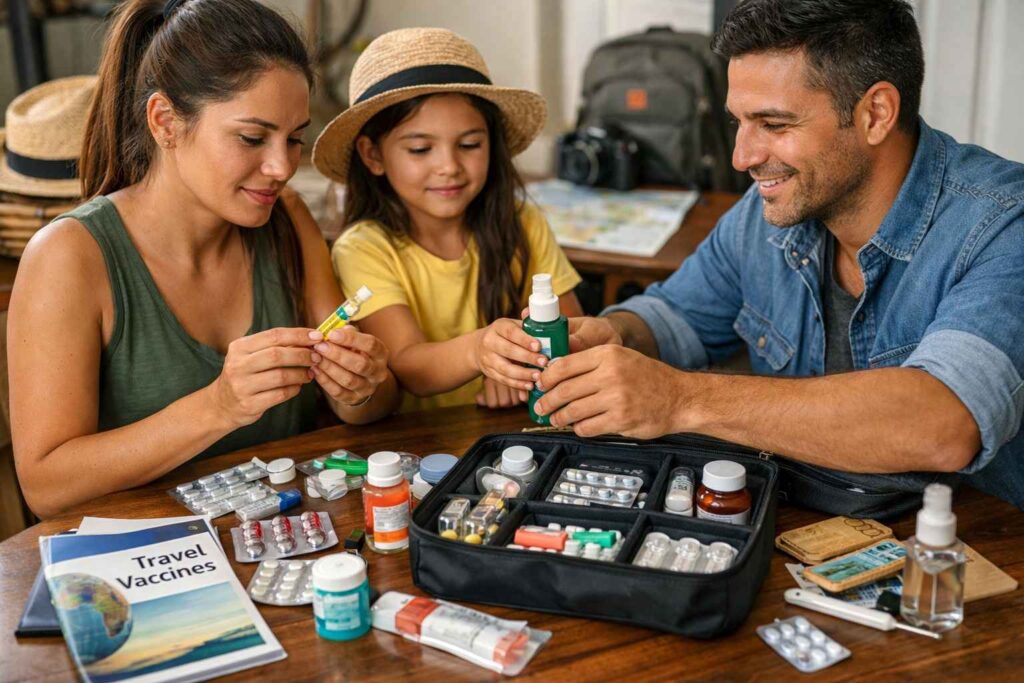
Recommended vaccines for Bali travel represent essential preventive healthcare that protects against serious vaccine-preventable diseases endemic to Indonesia. While Bali offers incredible cultural experiences, beautiful landscapes, and warm hospitality, the island presents genuine health risks that require proper preparation. Vaccination provides reliable protection against potentially devastating diseases including hepatitis A, typhoid fever, and rabies.
Routine vaccines requiring attention include the MMR vaccine, tetanus–diphtheria-pertussis booster, polio vaccine (for extended stays), and influenza vaccine. Essential travel-specific vaccinations include hepatitis A (highest priority for all travelers), typhoid (especially for adventurous eaters and longer stays), and rabies (strongly recommended given endemic status). Optional but important vaccines include Japanese encephalitis (rural/extended travel) and hepatitis B (certain activities and exposures).
Insect bite prevention becomes critical for mosquito-borne diseases without vaccines, particularly dengue fever Bali risk, which affects thousands of visitors annually. Comprehensive protection requires DEET insect repellent, protective clothing, environmental controls including mosquito nets, and awareness of peak biting times. Malaria risk Indonesia remains negligible in Bali itself, though travelers visiting other Indonesia regions must consider prophylaxis.
Food and water safety prevents travelers’ diarrhea, the most common illness affecting Bali visitors. Safe eating practices, bottled water consumption, hand hygiene with hand sanitizer, and appropriate medications manage this ubiquitous risk.
Start your vaccination schedule 6-8 weeks before travel to allow adequate immunity development and proper dose spacing. Schedule your pre travel health consultation at a specialized travel medicine clinic where physicians maintain expertise in tropical diseases, current outbreak information, and Indonesia-specific health risks. Proper preparation, including appropriate vaccinations, insect repellent, safe eating practices, and comprehensive travel insurance, ensures a safe, healthy Bali experience.
Remember that preventive healthcare through vaccination and prudent practices protects not only your health but also your travel investment. Medical evacuation costs, extended illness, and disease complications far exceed the expense and inconvenience of proper preparation. Take responsibility for your travel health by following evidence-based recommendations from travel medicine expert’s recommended vaccines for bali travel.
Frequently Asked Questions (FAQ)
What vaccines do you need for Bali 2026?
Essential vaccines for Bali include hepatitis A (highest priority), typhoid, routine boosters (tetanus–diphtheria-pertussis, MMR), and influenza. Highly recommended vaccines include rabies (especially for families with children). Recommended for specific situations: Japanese encephalitis (rural/extended stays >1 month), hepatitis B (high-risk activities), polio booster (stays >4 weeks).
What are the recommended vaccines for Bali?
The recommended vaccines for Bali travel include hepatitis A vaccination Bali protection as the top priority for all travelers, typhoid vaccination Indonesia for protection against contaminated food and water, rabies prevention Indonesia given endemic status in Bali, routine vaccine updates including MMR and tetanus, and Japanese encephalitis vaccine Bali for rural or extended travel. Consult a travel medicine specialist for personalized recommendations.
What is the best time to get vaccinations before Bali trip?
The best time to get vaccinations before your Bali trip is 6-8 weeks before departure. This timeline allows completion of multi-dose series like rabies (3 doses over 3-4 weeks) and Japanese encephalitis (2 doses 28 days apart), plus adequate time for immunity development. Hepatitis A requires 2 weeks for protection, typhoid needs 2 weeks. Last-minute travelers can still receive partial protection, though pre-exposure rabies vaccination becomes challenging with short timelines.
Can you travel to Bali while pregnant?
Pregnant women can travel to Bali but must carefully consider several factors. Zika virus risk presents serious concerns, as infection during pregnancy causes birth defects. No Zika vaccine exists, requiring strict mosquito bite prevention. Safe vaccines during pregnancy include hepatitis A, influenza, and tetanus. Live vaccines (MMR, yellow fever) are contraindicated. The second trimester (weeks 14-27) represents the safest travel period. Consult your obstetrician before booking.
Do I need a rabies vaccine for Bali?
While not mandatory, rabies vaccine is highly recommended for Bali travelers. Rabies remains endemic in Bali following 2008 and 2010 outbreaks. Street dogs, cats, and temple monkeys pose bite risks. Rabies is 100% fatal without prompt treatment. Pre-exposure vaccination (3 doses) simplifies post-bite treatment by eliminating need for immunoglobulin (often unavailable) and reducing required vaccine doses. Families with children, rural travelers, and adventure tourists particularly benefit from pre-exposure protection.
Is there a dengue fever vaccine for Bali travel?
No dengue fever vaccine is currently available in Australia for travelers to Bali. A vaccine exists in some countries (Dengvaxia) but has restrictions and limited effectiveness. Dengue fever Bali risk remains high year-round, with transmission via daytime-biting Aedes mosquitoes. Prevention relies entirely on insect bite prevention: DEET repellent (20-50%), protective clothing, environmental controls. Apply repellent throughout the day, especially during early morning and late afternoon peak biting times.
Do I need a yellow fever certificate to enter Indonesia?
Yellow fever certificate Indonesia requirements apply only if arriving from countries with yellow fever transmission risk (certain African and South American nations). Travelers arriving directly from Australia do NOT require yellow fever certification, as Australia has no yellow fever risk. Indonesia and Bali have no yellow fever transmission. However, if your itinerary includes stops in endemic countries, certification becomes mandatory regardless of whether you left the airport.
How much do travel vaccinations for Bali cost?
Total costs for comprehensive Bali vaccinations range $930-1,330 AUD out-of-pocket. Individual vaccine costs: Hepatitis A (2 doses) $120-160, Typhoid $50-70, Rabies (3 doses) $450-600, Japanese encephalitis (2 doses) $300-400, Tetanus booster $30-50, Travel clinic consultation $80-150. Medicare provides limited coverage for travel vaccines. Some private insurance covers portions. Costs vary by clinic. Prevention through vaccination costs far less than medical evacuation ($50,000-150,000 AUD).
Can I get vaccinations at the last minute before Bali?
Last-minute vaccinations provide partial protection but aren’t ideal. Hepatitis A offers 95% protection within 2 weeks of first dose, making it suitable for last-minute travelers. Typhoid requires 2 weeks for immunity. However, rabies pre-exposure series (3 doses over 3-4 weeks) and Japanese encephalitis (2 doses 28 days apart) cannot be completed quickly. Prioritize hepatitis A, typhoid, and routine boosters if booking within 2-4 weeks. Book travel clinic consultation immediately for prioritized vaccination schedule.
What should I do if bitten by a dog in Bali?
If bitten by a dog (or any animal) in Bali: (1) Immediately wash wound with soap and water for 15 minutes (removes 90% of rabies virus), (2) Apply antiseptic/disinfectant, (3) Seek medical care URGENTLY at BIMC Hospital, Siloam Hospital, or nearest clinic, (4) Post-exposure prophylaxis requires rabies vaccine series (2 doses if pre-vaccinated, 4-5 if not) plus immunoglobulin if unvaccinated, (5) Do NOT delay treatment. Rabies is 100% fatal once symptoms develop. Pre-travel rabies vaccination dramatically simplifies post-bite treatment.
Article authored by travel medicine physician with 15 years experience in tropical disease prevention and pre-travel health consultations. Information current as of January 2026. Always consult qualified healthcare providers for personalized medical advice.