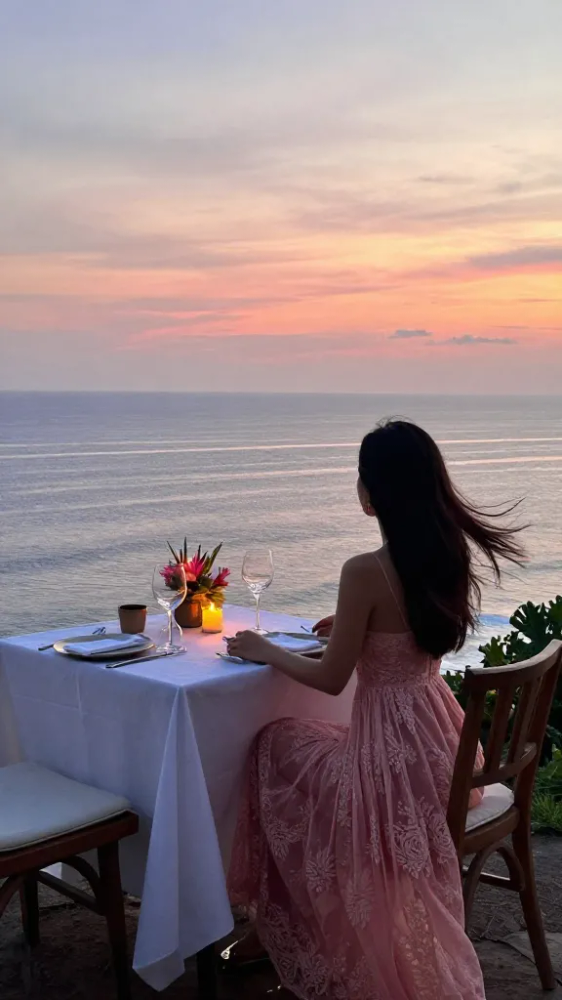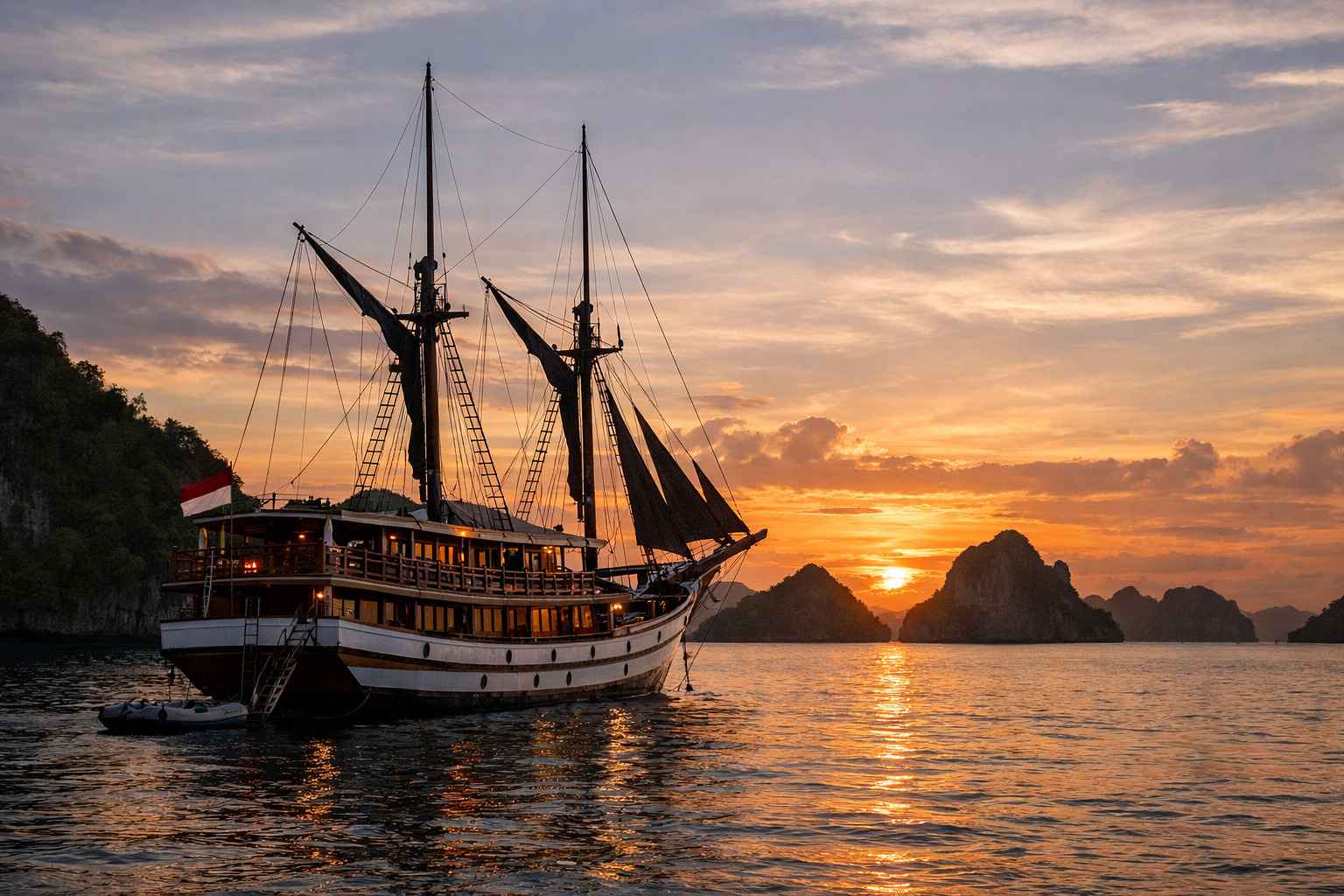
If a raja ampat snorkel cruise is on your bucket list, you are already thinking bigger than most travelers. This remote archipelago in Indonesia’s West Papua Province is not just another tropical destination. It is the single most biodiverse marine ecosystem ever recorded on Earth, and exploring it by liveaboard is the only way to truly experience the scale of its wonder. Whether you are a seasoned snorkeler or stepping into open water for the first time, Raja Ampat delivers something that no aquarium, documentary, or photograph can replicate.
This guide covers everything you need to know before you book, including costs, itineraries, the best operators, what marine life to expect, and insider tips that will help you get the most out of every hour in the water.
Why Raja Ampat Is the Best Snorkeling Destination in the World
Let the numbers speak first. Raja Ampat holds more than 1,320 fish species and over 550 coral species, which is more coral reef biodiversity per square kilometer than anywhere else on the planet. Scientists are still discovering new species here regularly, which tells you something profound about how little of this place has even been catalogued. Best Snorkeling Spots in Bali for Beginners and Experienced Snorkelers
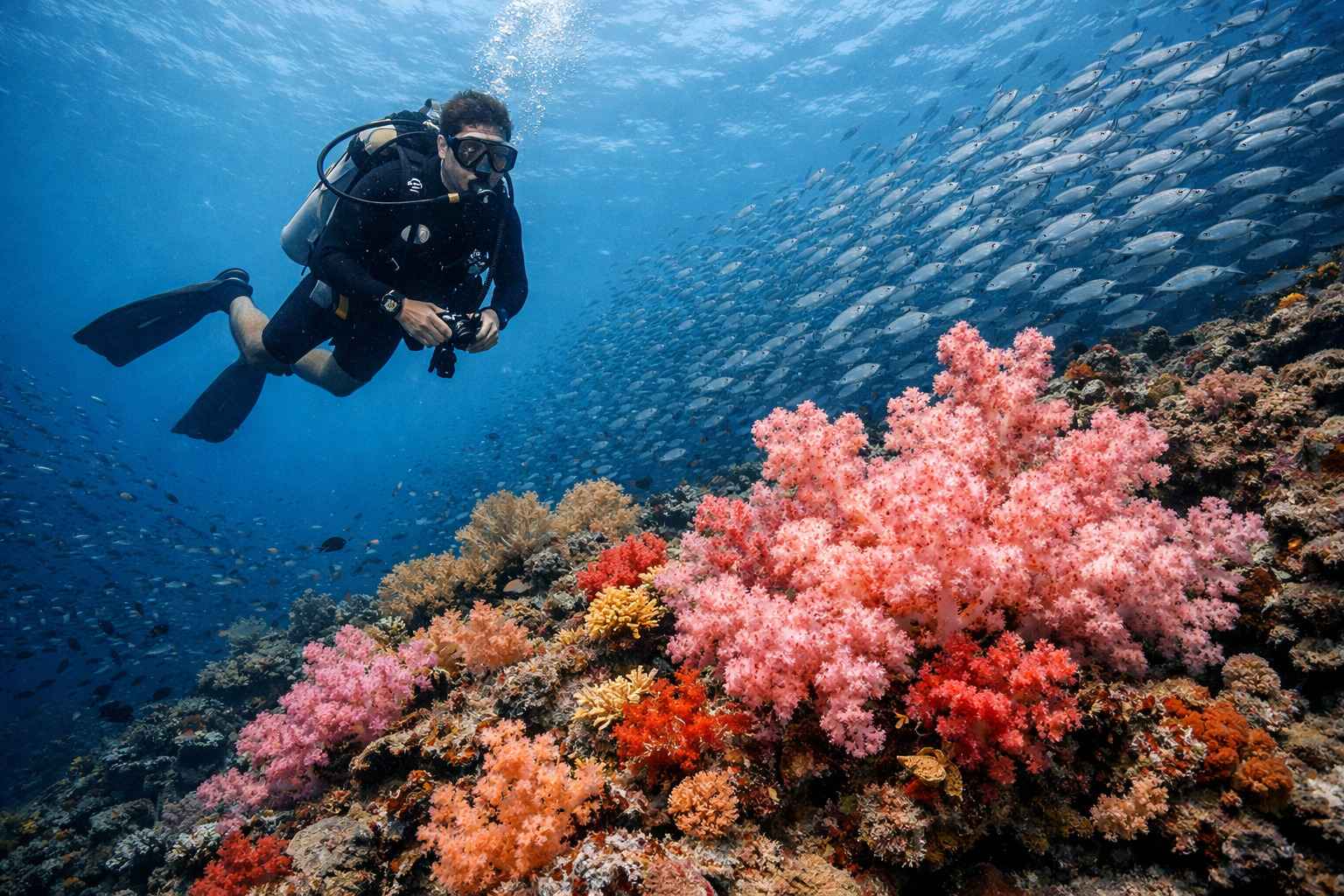
The Coral Triangle, the broader marine region that encompasses Raja Ampat, is often called the Amazon of the ocean. Within that already extraordinary zone, Raja Ampat sits at the absolute epicenter. Snorkelers here float above soft coral gardens that look like alien landscapes, drift past walls carpeted in Octocorallia, and share the water with manta rays, turtles, sharks, dolphins, and clouds of schooling fish that block out the light from above.
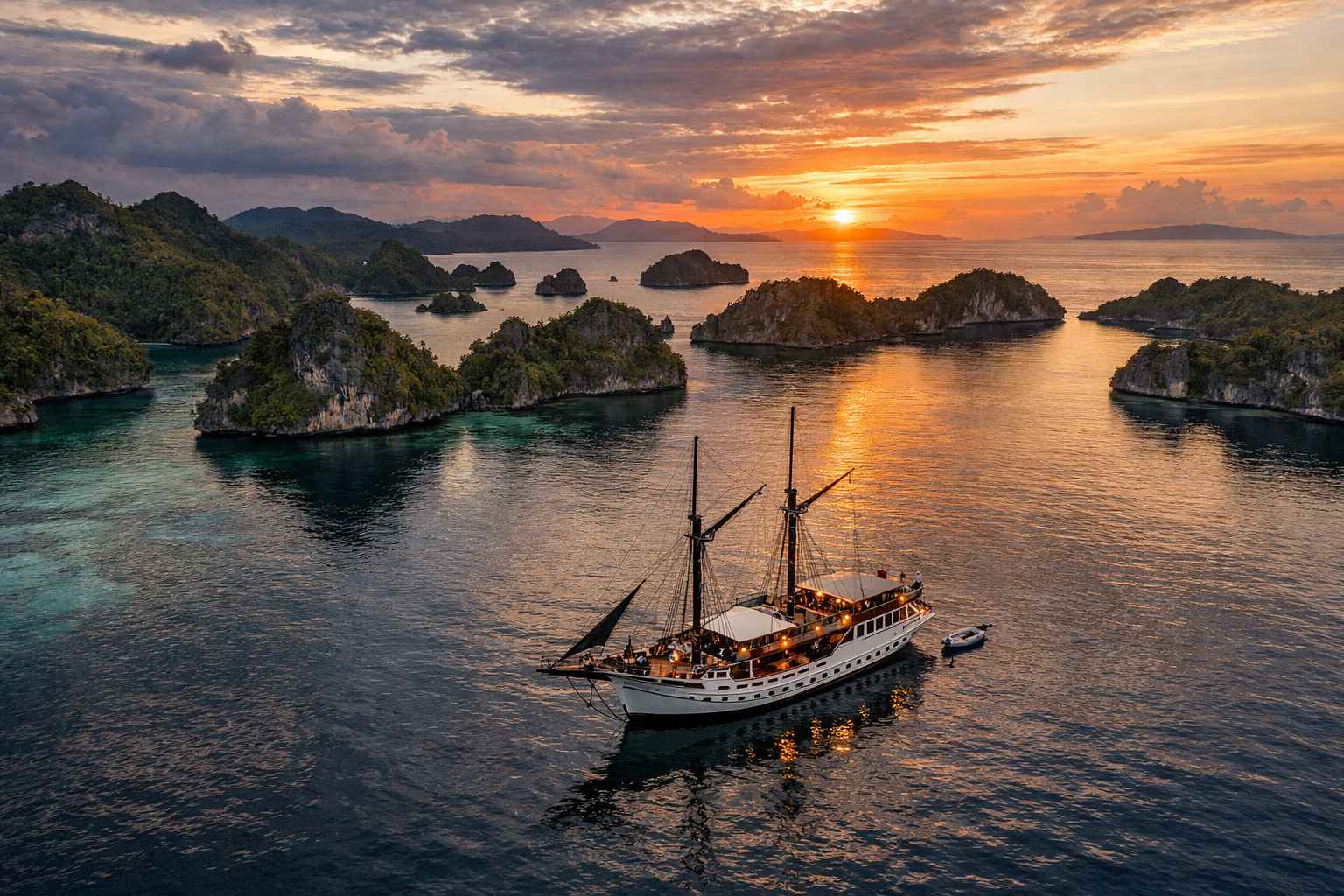
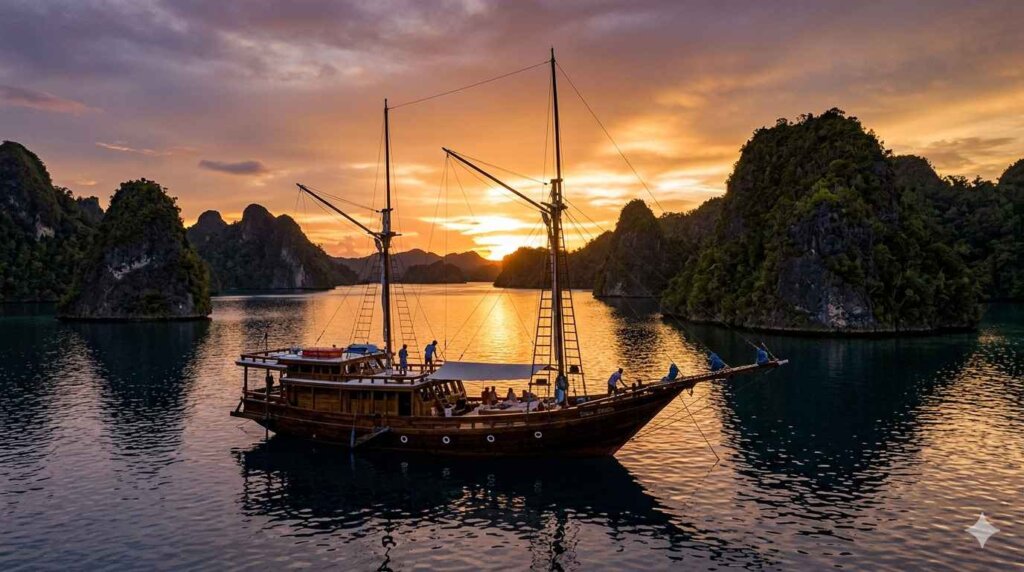
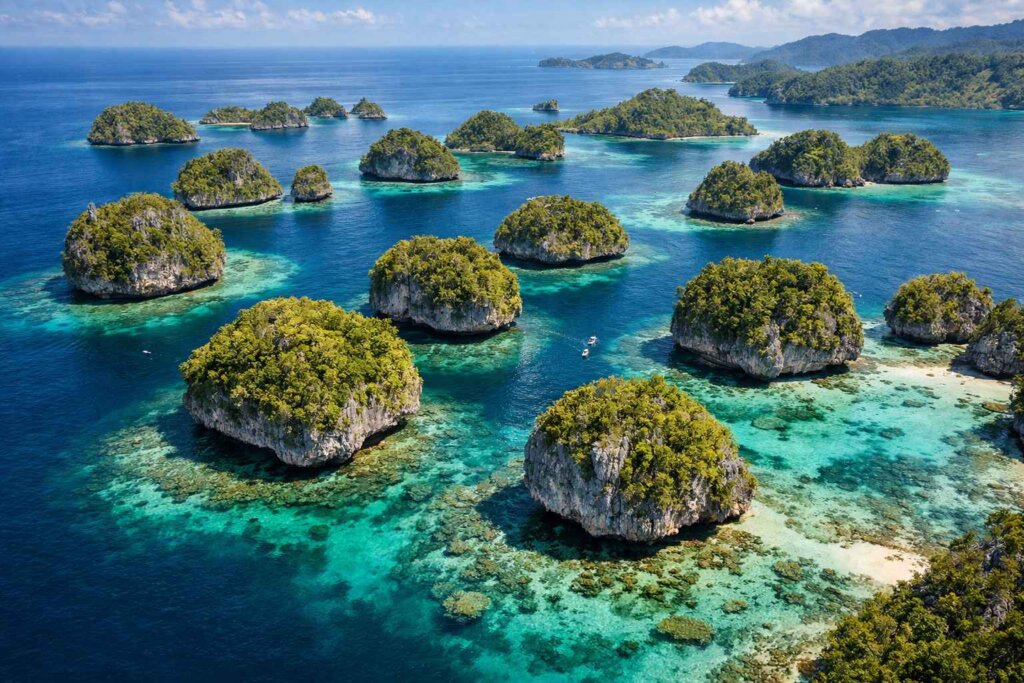
But it is not just the underwater world. Above the surface, Raja Ampat Islands rise out of turquoise water in dramatic mushroom-shaped limestone formations draped in dense rainforest. Birdwatching on shore reveals bird-of-paradise species found nowhere else on Earth. The entire experience, above and below the water, is one of total immersion in biodiversity that will recalibrate your sense of what nature is capable of.
What Is a Raja Ampat Snorkel Cruise?
A raja ampat snorkel cruise is a multi-day guided expedition aboard a liveaboard vessel, typically an Indonesian schooner or a modern purpose-built dive ship. Instead of staying in a single resort and day-tripping to nearby reefs, you sleep, eat, and travel on the boat itself, waking up each morning at a new anchorage in a different corner of the archipelago.
This format is not just logistically convenient. It is the only practical way to reach the most remote and pristine parts of the marine park. Raja Ampat spans more than 40,000 square kilometers of sea and more than 1,500 islands. Road access does not exist. The best reefs are hours away from any land-based resort. A liveaboard puts you there at dawn, when the light is perfect and the crowds, on the rare occasion there are any, have not yet arrived.
Most cruises depart from Sorong, the nearest city with an international-connecting airport in West Papua. From Sorong, the vessel sails into the heart of the archipelago, typically covering areas like Batanta, Waigeo, Penemu, Gam, Mansuar, Kri, Fam, Wayag, and the Misool region in the south.
Raja Ampat Snorkel Cruise Itinerary: What a Typical Day Looks Like
Every operator structures their days slightly differently, but the rhythm of a raja ampat snorkel cruise tends to follow a satisfying and well-paced routine.
Morning starts early, often before sunrise, when the vessel repositions to the first snorkel site. After breakfast, you enter the water for the first session, typically 60 to 90 minutes. Water temperature in Raja Ampat stays between 27 and 30 degrees Celsius year-round, warm enough that most snorkelers are comfortable in a 3mm wetsuit or a rash guard.
Midday offers a hot lunch on deck, a chance to dry off, and sometimes a sail to the next anchorage. Many itineraries include an afternoon hiking excursion ashore, a visit to a local village, or kayaking through mangrove channels where fish shelter among the roots.
Afternoon brings a second and sometimes third snorkeling session, often at a different type of site, for example a shallow garden after a deep wall, or a jetty dive after an open reef. Different habitats reveal different animals, which is why variety in site selection matters.
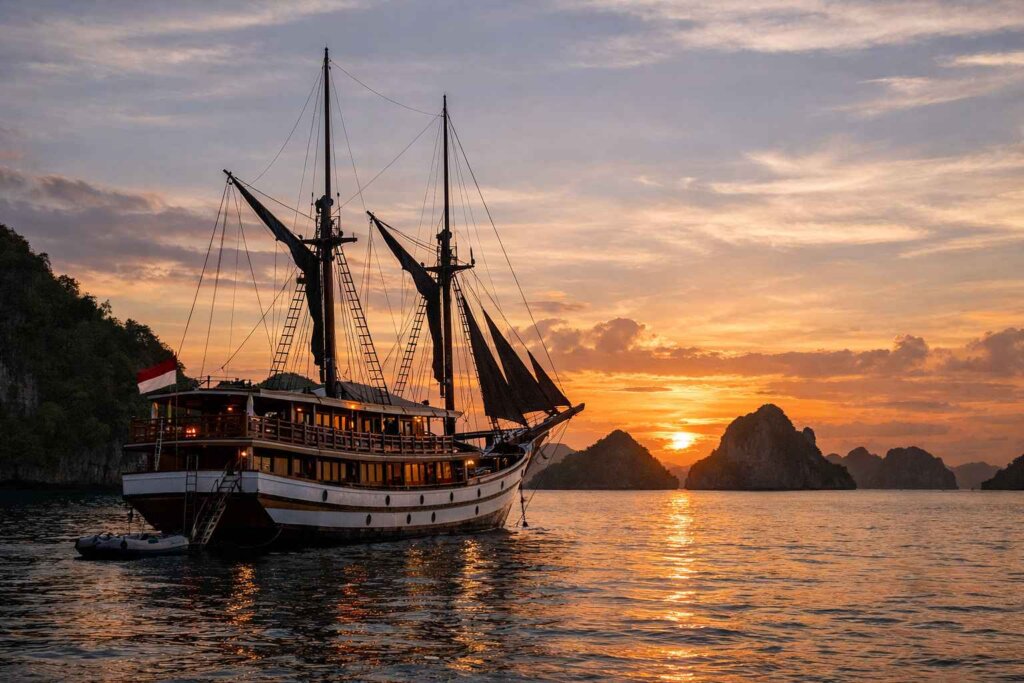
Evening on deck with a cold drink while the archipelago turns gold at sunset, followed by dinner, a naturalist briefing on what you saw and what to look for tomorrow, and an early bedtime because you will want every minute of the next day. Liveaboard Diving in Indonesia: The Complete Planning Guide
Best Raja Ampat Snorkel Cruise Operators
Oceanic Society Raja Ampat
Oceanic Society is one of the most respected names in conservation-focused expedition travel, and their Raja Ampat program reflects that reputation. Trips run 12 days, departing from Jakarta and flying into Sorong, then boarding their traditional Indonesian schooner, the Dancing Wind or the Hatiku. Group sizes are capped at 12 to 14 guests, keeping the experience intimate and minimizing impact on the reef.
What distinguishes Oceanic Society is the conservation component. Through their Expedition Impact Program, each traveler contributes to coral restoration, plastic pollution offset, and grants supporting local partners including the Coral Triangle Center and the Misool Foundation. Prices start at $8,875 per person, which includes all meals, accommodation aboard, daily excursions, and naturalist guiding.
Oceanic Society Raja Ampat was named one of National Geographic Traveler’s 50 Tours of a Lifetime, and it earns that recognition.
Wilderness Travel Raja Ampat
Wilderness Travel operates a similarly structured 12-day liveaboard snorkeling Indonesia West Papua program with a maximum of 10 guests. Their itinerary covers Batanta, Waigeo, Yangeffo, Penemu, and the Misool archipelago, with flexibility built in to respond to tides, wind, and weather. Prices start from $7,795 per person. Several 2026 dates are already sold out, which reflects the quality and demand for the program.
Mermaid Liveaboards
Mermaid Liveaboards operates two purpose-built dive vessels, Mermaid I and Mermaid II, both consistently ranked among the Top Ten World Best Liveaboards by DIVE Magazine. They offer 9, 10, and 12-day Raja Ampat liveaboard options as well as extended biodiversity itineraries that combine Raja Ampat with the Banda Sea, Halmahera, Alor, and Lembeh. Mermaid Liveaboards won nine SCUBA Diving Magazine Readers Choice awards in 2024, including first place for Best Overall Quality of Staff and Level of Safety.
Their programs are strong options for both scuba diving and snorkeling guests, with a focus on luxury service and repeat-guest satisfaction.
Raja Ampat Liveaboard Trip Cost: What to Budget
Raja ampat snorkel cruise cost varies considerably depending on the operator, vessel, duration, and cabin category. Here is a realistic breakdown:
- Budget liveaboards: $150 to $250 per person per day. Basic facilities, smaller vessels, less guiding infrastructure. Suitable for experienced snorkelers who are self-sufficient in the water.
- Mid-range liveaboards: $300 to $500 per person per day. Most organized tour operators fall here. Includes professional guides, quality meals, and well-maintained snorkeling equipment.
- Luxury liveaboards: $600 to $900+ per person per day. Air-conditioned en suite cabins, gourmet meals, smaller groups, premium service levels. Raja Ampat liveaboard luxury options in this bracket offer an experience comparable to high-end safari lodges.
A 12-day trip at the mid-range level, such as Oceanic Society or Wilderness Travel, lands between $7,795 and $8,875 per person before flights. Budget for international airfare from the USA of roughly $1,200 to $2,000, single supplement fees if applicable (typically $2,000 to $3,000), travel insurance, and gratuities.
Raja Ampat liveaboard budget travelers willing to compromise on comfort and guiding quality can find operators in the $150 to $200 per day range, but vetting safety standards and guide qualifications carefully is essential at that price point.
Raja Ampat Snorkel Cruise from the USA: How to Get There
Getting to Raja Ampat from the USA requires planning. There is no direct flight. The most common routing is:
- Fly from a US gateway (Los Angeles, San Francisco, New York) to an Asian hub such as Singapore, Tokyo, or Hong Kong.
- Connect to Jakarta (CGK) or Bali (DPS) in Indonesia.
- Fly from Jakarta or Bali to Sorong (SOQ) in West Papua, which is the departure point for virtually all Raja Ampat liveaboard cruises.
Total travel time from the US West Coast is typically 24 to 30 hours. Most operators recommend arriving in Sorong at least 24 hours before embarkation to allow for time zone adjustment and buffer against connection delays.
If you are planning a raja ampat snorkel cruise from the USA, booking through an operator who handles internal flight coordination, as Oceanic Society and Wilderness Travel both do, saves significant logistical stress.
Bali to Sorong: How to Get to Raja Ampat from Bali
Marine Life You Will See on a Raja Ampat Snorkel Cruise
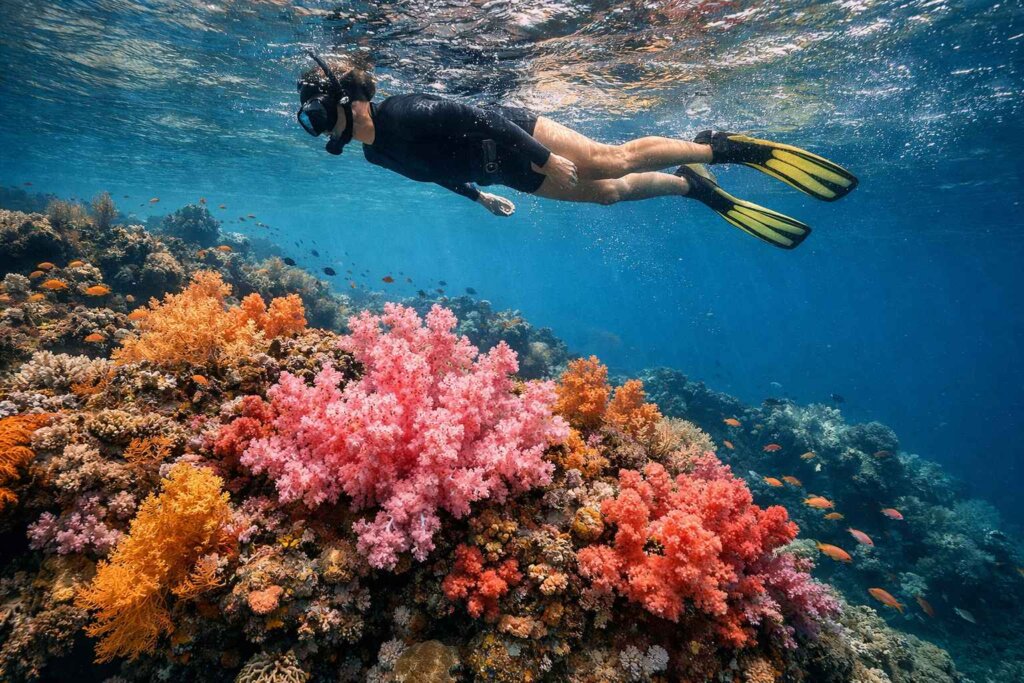
This is the section every prospective snorkeler actually wants to read. The honest answer is that what you see depends on the season, the sites, and some luck, but the honest answer also includes the fact that Raja Ampat’s baseline level of marine life would be a highlight reel anywhere else in the world.
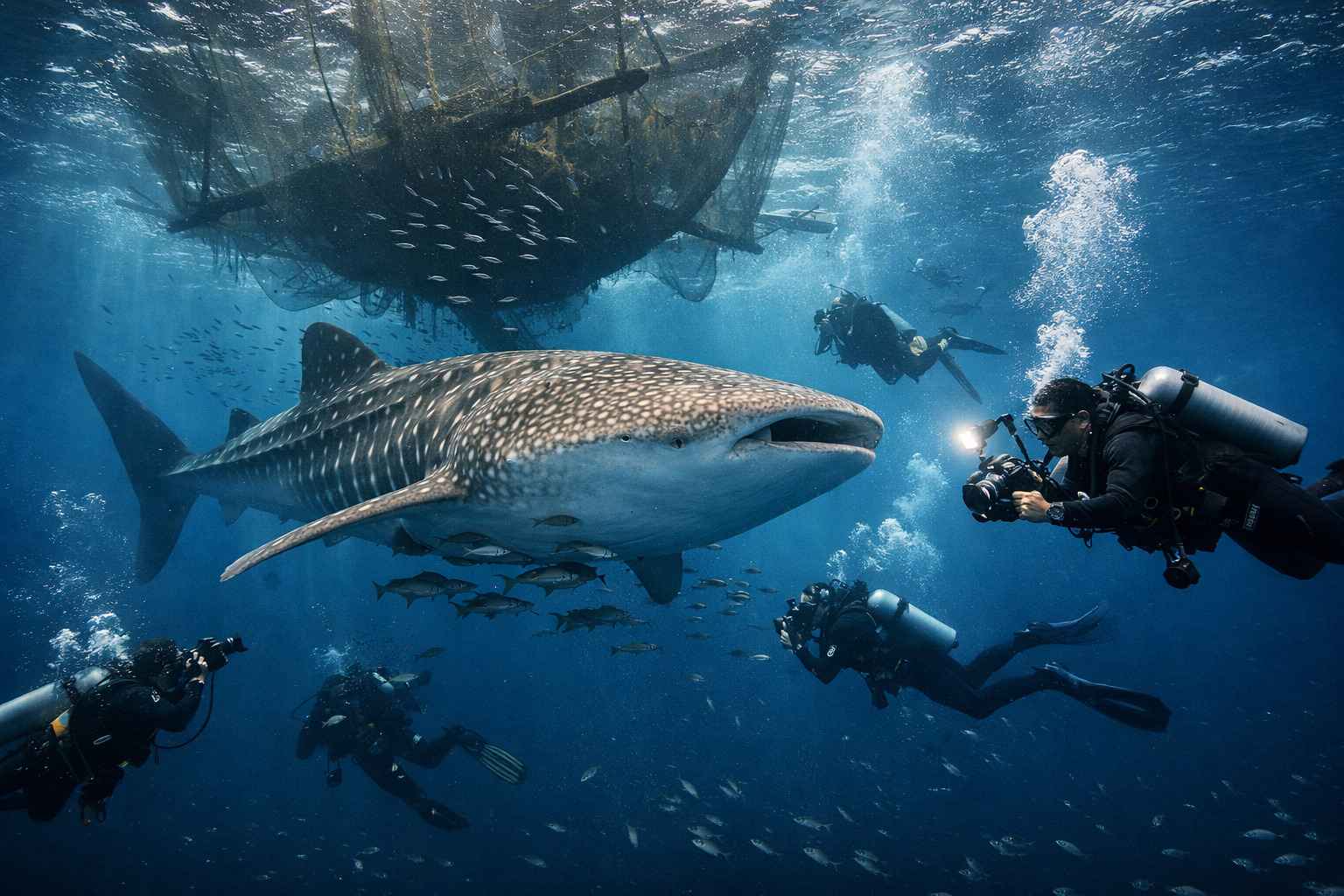
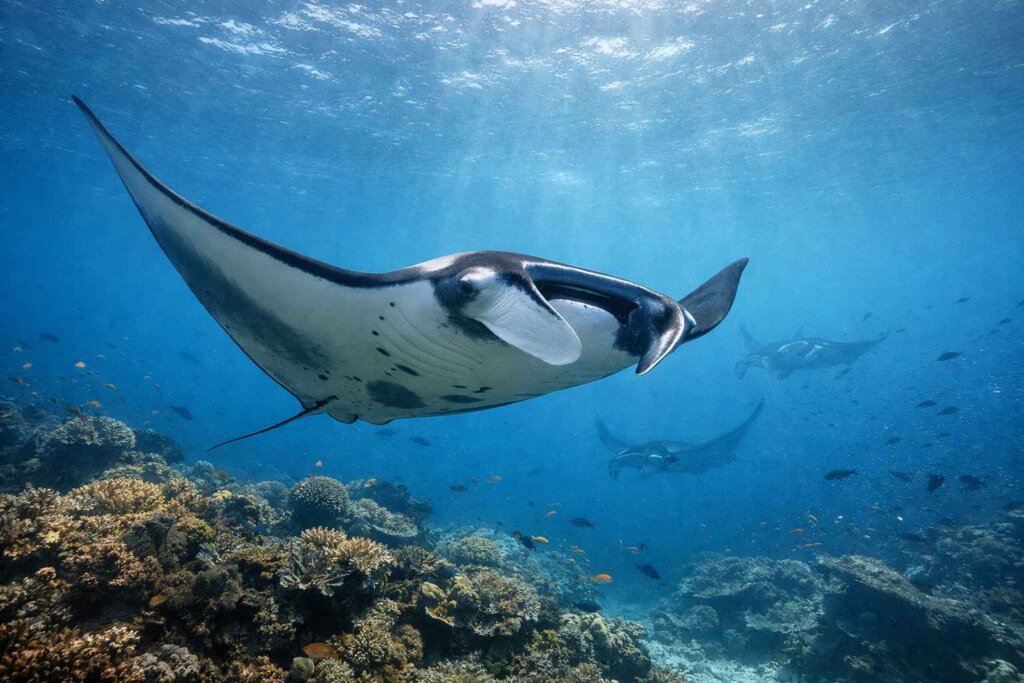
Raja Ampat manta ray encounters are among the most reliable in the ocean. Sites like Manta Ridge, Eagle Rock, Blue Magic, and Cape Kri in the Dampier Strait see regular manta activity, and groups of five or more individuals cleaning at a single station are not unusual.
Raja Ampat wobbegong shark diving is a genuine specialty of the region. These carpet sharks lie motionless on ledges and among coral formations, masters of camouflage, and utterly unbothered by snorkelers floating above them. Blacktip reef sharks and walking sharks, a Raja Ampat endemic, are also regularly sighted.
Raja Ampat pygmy seahorse diving is a priority for detail-oriented snorkelers. These tiny animals, measured in millimeters, live on specific gorgonian sea fans and match their host’s coloration with extraordinary precision. A good guide with sharp eyes can find them regularly.
Beyond the headline species, daily snorkeling sessions reveal nudibranchs in extraordinary variety, cuttlefish hunting on sandy slopes, turtles grazing on seagrass, schools of jacks (family Carangidae) forming massive spiraling formations, dolphins bow-riding the ship in the early morning, and whale sightings on longer itineraries.
The Misool area in the south is particularly celebrated for its density of soft coral and its aggregations of schooling fish. Snorkeling Misool archipelago Indonesia is consistently described by experienced travelers as the closest thing they have seen to the ocean as it existed before human impact.
Raja Ampat Snorkel Cruise for Non-Divers: You Don’t Need to Dive
A persistent misconception about Raja Ampat is that it is primarily a scuba diving destination. The truth is that some of the most extraordinary marine life in the region lives in water shallow enough to snorkel without a tank.
Raja Ampat snorkeling trip for non-divers is a genuinely viable and deeply rewarding experience. Manta rays surface-feed in shallow water. Turtles graze on reef tops just below the surface. Soft coral gardens cascade from walls that start at two meters depth. The famous “walking sharks,” epaulette sharks that use their fins to move across the reef, are often spotted in knee-deep water.
The Raja Ampat marine park tours offered by operators like Oceanic Society are specifically designed around snorkeling, with boat-tenders that position you directly over the best sites and guides in the water with you throughout every session. You do not need to be an athlete. You need to be comfortable floating face-down in moving water.
Snorkeling Raja Ampat vs Other Indonesia Destinations
Indonesia is blessed with extraordinary marine diversity across its 17,000 islands, but not all destinations offer the same experience. Here is a direct comparison:
Raja Ampat vs Alor: Alor snorkeling is excellent and considerably less visited, with strong currents and dramatic walls. Raja Ampat has higher overall biodiversity and more accessible sites for casual snorkelers.
Snorkel Indonesia broadly: Bali, Lombok, the Gili Islands, and Komodo all offer good snorkeling, but their reefs have experienced more pressure from tourism and bleaching events. Raja Ampat’s remoteness has been its greatest protector.
Raja Ampat vs Komodo: Komodo National Park offers thrilling drift dives and snorkels, famous for its currents and pelagic life. Raja Ampat wins on coral diversity and sheer density of species.
Best Time for a Raja Ampat Snorkel Cruise
The best time to visit for a raja ampat snorkel cruise is October through April. During this period, weather conditions are generally stable, visibility is excellent, and both the northern and southern parts of the archipelago are accessible.
May through September brings stronger southeast winds and choppier conditions in some areas, which can limit itinerary flexibility, particularly for smaller vessels. Some operators run trips year-round, but October through April is the consensus sweet spot.
Within the dry season window, November through January tends to offer the calmest seas and the most predictable tides. April is the tail end of prime season and still excellent, which is why April departures are typically among the first to sell out. Best Time to Visit Bali: Month-by-Month Weather and Travel Guide
Raja Ampat Bird of Paradise Tour: Beyond the Reef
The snorkeling on a raja ampat snorkel cruise is the centerpiece, but the birdlife is a serious secondary draw that surprises many guests. Raja Ampat bird of paradise tour opportunities arise on early morning shore excursions, particularly on Gam Island, where male Red Bird of Paradise perform elaborate mating displays at traditional lek mating sites.

Birdwatching walks also reveal kingfishers, hornbills, sea eagles, and dozens of endemic species found only in West Papua. For guests who combine a passion for marine life with an interest in wildlife above the waterline, Raja Ampat is uniquely positioned to deliver both in a single trip.
Raja Ampat Conservation Expedition Travel: Why It Matters
Raja ampat conservation expedition travel is not just a marketing phrase for the operators who take it seriously. The reef systems of Raja Ampat are under real and increasing pressure from climate-driven bleaching, illegal fishing, and the growth of tourism infrastructure. Operators who contribute meaningfully to conservation, through fees paid to the Coral Triangle Center, the Misool Foundation, and local marine protected area programs, help counterbalance that pressure.
When you choose an operator with a genuine conservation model, your trip fee actively supports the ecosystem you came to see. That is not a small thing. The Misool Marine Reserve, for example, has shown measurable fish biomass recovery since its establishment, demonstrating that well-managed ecotourism can be a conservation tool rather than a threat.
Choosing conservation-aligned operators also contributes to local village economies in ways that give communities a financial stake in protecting the reef rather than extracting from it.
My Experience on a Raja Ampat Snorkel Cruise
I will be honest: I was not sure what to expect the first time I dropped into the water somewhere north of Misool. I had snorkeled in the Maldives, in Palau, in the Red Sea, and I had stopped being easily impressed. Then I put my face in.
The first thing that hits you is the color. Not just the variety of it, but the density. Every centimeter of the wall below me was occupied by something, soft corals in orange and purple, sea fans reaching out into the current, tiny damselfish defending territories the size of a dinner plate with absurd territorial fury. I laughed into my snorkel. You cannot help it.
By day three, our naturalist guide casually pointed out a pygmy seahorse the size of a pea clinging to a sea fan that itself was the size of a dining table. I had been hovering above that fan for ten minutes without seeing it. That moment, that shift in how carefully you have to look to really see Raja Ampat, is what separates this place from everywhere else. The reef rewards attention. The more you know what to look for, the more you find. And somehow, there is always more.
Pros and Cons of a Raja Ampat Snorkel Cruise
Pros:
- Unmatched Coral Triangle marine biodiversity with over 1,300 fish and 550 coral species
- Access to remote sites impossible to reach by day-trip boat
- Naturalist guides with deep site knowledge in the water with you
- Flexible daily itineraries that respond to tide, weather, and wildlife conditions
- Combined land and sea exploration, including hiking, birdwatching, and village visits
- Strong conservation models with operators who invest in local reef protection
Cons:
- Significant cost commitment, particularly for premium operators
- Long and complex travel logistics from most international departure points
- Remote setting means limited medical resources if something goes wrong
- Motion sickness can be an issue on smaller vessels in open water
- Seasonal availability, with limited spaces on the best itineraries
Expert Tips Before You Book
- Book early. The best operators sell out 12 to 18 months in advance. If you want a specific departure year, start researching the year before.
- Invest in travel insurance. Remote ocean expeditions carry real risks, and comprehensive coverage including medical evacuation is not optional.
- Practice snorkeling before you go. You will spend 4 to 6 hours per day in the water. Being comfortable and efficient in your gear makes a measurable difference to what you see.
- Bring an underwater camera. The animals you encounter are remarkable, and the memories are worth capturing. Entry-level action cameras do a decent job at the shallow depths involved.
- Respect the reef. No touching coral, no standing on the bottom, no feeding marine life. These rules protect the ecosystem and also protect you.
Conclusion
A raja ampat snorkel cruise is one of those travel experiences that changes the frame of reference for everything that comes after it. The sheer density of life in this archipelago, from the manta rays and turtles to the microscopic nudibranchs and cuttlefish, is a reminder of what the ocean is capable of when given the space to thrive.
Whether you book through Oceanic Society, Wilderness Travel, Mermaid Liveaboards, or another quality operator, the investment in a well-run liveaboard expedition to this corner of Indonesia is one that pays returns for a lifetime. There is nowhere else on Earth quite like it.
If you are considering your first raja ampat snorkel cruise, start planning now. The waiting lists are long, the availability is limited, and the reef is waiting. Komodo National Park Day Trip from Bali: Everything You Need to Know
Frequently Asked Questions
What do Raja Ampat snorkel cruise reviews say about the experience?
Reviews from guests across multiple operators consistently describe the experience as transformative and exceeding expectations. Guests regularly highlight the extraordinary marine life density, quality of naturalist guiding, and the remote, pristine nature of the sites visited. Common praise focuses on the variety of snorkeling habitats covered in a single trip and the intimate group sizes that allow for personalized guiding. Critical feedback, where it exists, tends to focus on logistical complexity and the physical demands of 4 to 6 hours of daily snorkeling.
What is the price of a Raja Ampat snorkel cruise?
Prices vary by operator, vessel quality, and trip duration. Budget options start from approximately $150 per person per day on basic vessels. Mid-range organized expedition operators such as Oceanic Society and Wilderness Travel charge between $7,795 and $8,875 for a 12-day trip. Luxury liveaboard options can reach $600 to $900 or more per person per day. These prices generally include accommodation, all meals, guided snorkeling, and use of gear, but exclude international airfare, visas, and gratuities.
How do I join a Raja Ampat snorkel cruise from the USA?
From the USA, you will need to fly to an Asian hub and connect to Jakarta or Bali, then take an internal flight to Sorong in West Papua, which is the embarkation point for most liveaboard cruises. Total travel time from the US West Coast is typically 24 to 30 hours. Many US-based operators including Oceanic Society and Wilderness Travel coordinate internal flight assistance. Book international flights early and allow at least one buffer day in Sorong before your cruise begins.
What is a Raja Ampat snorkeling liveaboard?
A Raja Ampat liveaboard is a multi-day live-aboard vessel that serves as your accommodation, dining room, and transport for the duration of the cruise. You sleep on the boat, eat on the boat, and each morning wake up anchored at a different reef or island within the marine park. This format gives you access to remote sites that day-trip boats cannot reach and maximizes your time in the water. Most Raja Ampat liveaboard vessels are traditional Indonesian schooners or purpose-built dive ships.
What is the best Raja Ampat snorkel cruise?
The best raja ampat snorkel cruise depends on your priorities. For conservation-minded travelers, Oceanic Society’s program is one of the most respected. For sheer marine variety and operational excellence, Mermaid Liveaboards consistently tops industry award lists. Wilderness Travel is highly regarded for trip leader quality and flexible, guest-focused itineraries. All three offer strong naturalist guiding, intimate group sizes, and access to the best snorkeling sites in the archipelago.
What does a Raja Ampat snorkel cruise cost in total?
Budget for the cruise itself (from $7,795 to $8,875 for a quality 12-day trip), international airfare ($1,200 to $2,000 from the USA), travel insurance ($300 to $600), single supplements if applicable ($2,000 to $3,000), and gratuities ($150 to $300). A realistic total budget for a 12-day quality raja ampat snorkel cruise from the USA, including all associated costs, is $10,000 to $14,000 per person.
What makes Oceanic Society Raja Ampat different from other operators?
Oceanic Society is a nonprofit ocean conservation organization, and their Raja Ampat program reflects that mission. Each expedition includes direct conservation contributions through coral restoration, plastic pollution offsets, and grants to local partners like the Coral Triangle Center and the Misool Foundation. Their naturalists are conservation scientists as well as expert guides. The program was named one of National Geographic Traveler’s 50 Tours of a Lifetime, and it maintains a strong conservation ethos alongside excellent snorkeling access.
Are Raja Ampat liveaboard luxury options worth the premium?
For travelers who prioritize comfort and service alongside the underwater experience, luxury liveaboard options in Raja Ampat offer a meaningful step up. Air-conditioned en suite cabins, gourmet catering, smaller groups, attentive crew ratios, and top-of-the-line snorkeling and safety equipment justify the higher price point for many guests. The marine life and reef quality are the same regardless of which vessel you are on. The question is how you prefer to sleep and eat around it.
Where can I find honest Raja Ampat liveaboard reviews?
Reliable reviews can be found on DIVE Magazine’s annual awards listings, SCUBA Diving Magazine’s Readers Choice awards, TripAdvisor for individual operator pages, and directly on operator websites where verified guest testimonials are published. Community forums including Scubaboard.com and dedicated liveaboard review platforms offer candid peer-to-peer assessments. Pay attention to reviews from guests who have snorkeled or dived multiple destinations, as they provide the most useful comparative context.
Is a Raja Ampat liveaboard suitable for budget travelers?
Yes, though with caveats. Raja Ampat liveaboard budget options exist in the $150 to $200 per person per day range, typically on smaller Indonesian vessels with shared cabins and simpler facilities. These trips can be excellent value for experienced, self-sufficient snorkelers who need less guiding infrastructure. However, vetting the operator’s safety record, guide qualifications, and vessel condition is critical at the lower price point. The cost of getting to Sorong from most international departure points is similar regardless of which vessel you board, so the per-day boat cost is only one component of total expenditure.
Sources and References
- Oceanic Society, Raja Ampat Archipelago by Liveaboard
- Mermaid Liveaboards, Raja Ampat Diving and Snorkeling
- Wilderness Travel, Snorkeling Raja Ampat by Liveaboard
- Coral Triangle Initiative, About the Coral Triangle
- SCUBA Diving Magazine, 2024 Readers Choice Awards
About the Author
Maya Hartono is a marine naturalist and travel writer based in Bali with over a decade of experience guiding snorkeling and dive expeditions across the Indonesian archipelago. She has completed multiple liveaboard expeditions in Raja Ampat, the Banda Sea, Komodo, and Alor, and writes about underwater diving, marine conservation, and ecotourism for publications across Southeast Asia and internationally. Her work focuses on helping travelers make informed, conservation-conscious choices about how they engage with Indonesia’s extraordinary natural environment.