Few travellers realise that just an hour’s drive from Ubud lies a highland world that feels like a different island. This area offers a completely different experience from the famous southern beaches.
The region is centred around a massive volcanic caldera. This dramatic setting includes the active Mount Batur and the serene Lake Batur. The fertile soil here produces world-famous coffee.
You will find cooler temperatures and fresher air in this highland place. It provides a peaceful escape from the tropical heat. The local culture remains beautifully authentic and traditional.
This guide covers everything from volcanic treks to coffee plantation tours. We will help you plan your visit to this remarkable part of the island.
Key Takeaways
- A highland region offering a cool climate escape.
- Home to an active volcano and a large caldera lake.
- Famous for its unique coffee grown in volcanic soil.
- Showcases authentic and preserved Balinese culture.
- Easily accessible for a day trip or longer stay.
- Ideal for adventure, culture, and nature lovers.
Exploring Volcanic Landscapes and Natural Wonders
The heart of this region is a colossal volcanic caldera, home to an active peak and a deep, serene lake. Recognised as a UNESCO Global Geopark, the area showcases a complete volcanic landscape. This includes dramatic caldera walls, craters, and the black lava fields from a powerful 1963 eruption.
Mount Batur Sunrise Trek Experience
Hiking to the summit of Mount Batur for sunrise is a quintessential activity. The pre-dawn trek is rewarded with unforgettable morning views from the summit. You stand on an active volcano that last erupted in 2000, watching the sun illuminate the entire caldera.
Serenity at Lake Batur and Caldera Views
For a more tranquil experience, visit the crescent-shaped Lake Batur. This volcanic lake is nearly 65 metres deep and features crystal-clear waters. The surrounding landscapes offer stunning views of the mountain and caldera walls.
Here is a quick comparison of these two iconic experiences:
| Feature | Mount Batur Trek | Lake Batur Visit |
|---|---|---|
| Primary Activity | Morning hike to the summit | Lakeside relaxation & sightseeing |
| Experience Level | Moderate physical effort required | Suitable for all fitness levels |
| Key Highlight | Panoramic sunrise views from an active volcano | Serene volcanic lake and floating fish farms |
Celebrating Local Coffee Culture and Agricultural Heritage
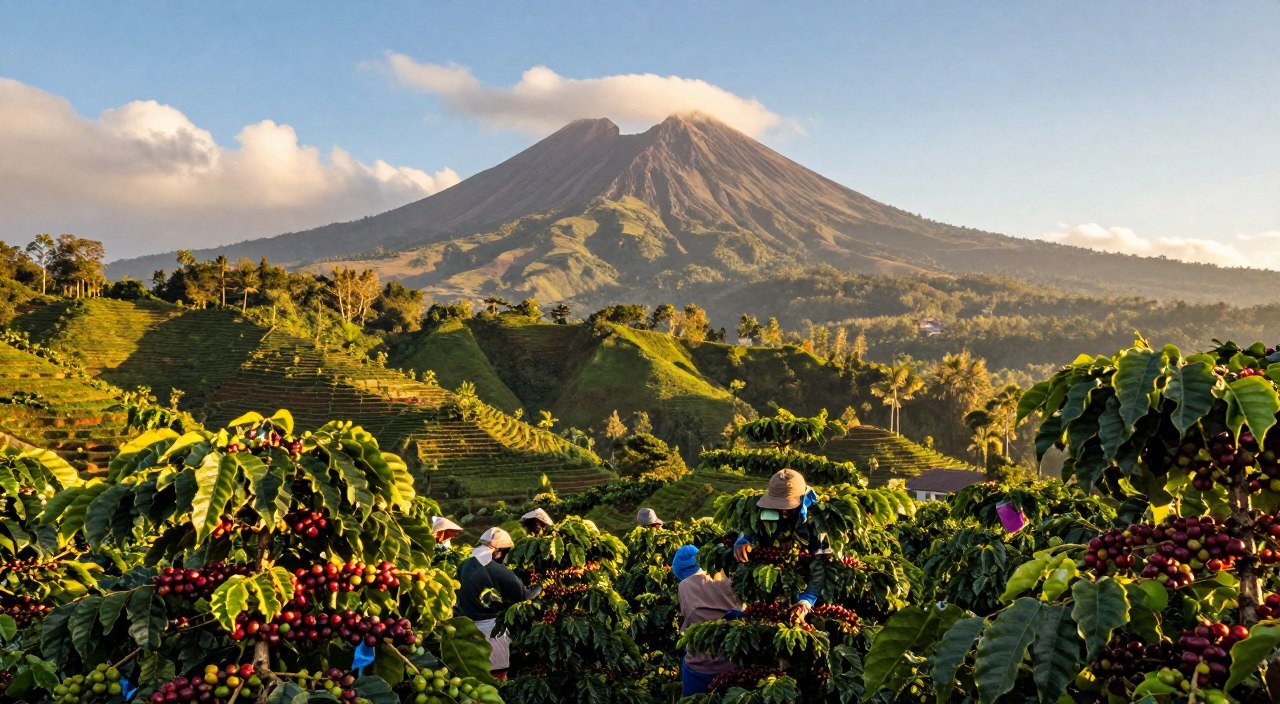
The fertile volcanic soil of this highland area supports more than just scenic beauty—it fuels a thriving coffee industry. This unique environment creates perfect conditions for growing exceptional beans.
Discovering Kintamani Coffee Plantations
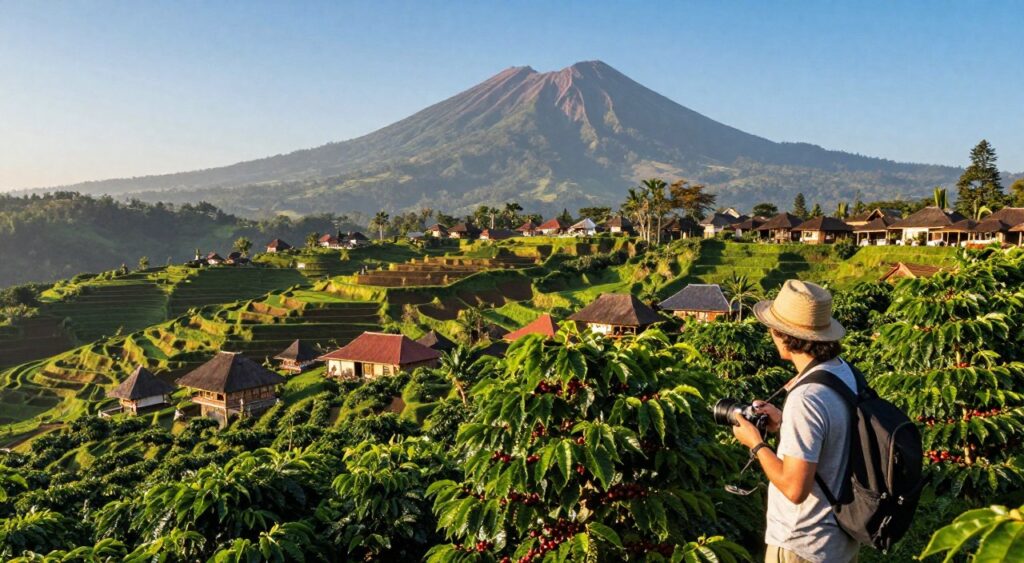
Kintamani Arabica coffee gains its distinctive flavour from mineral-rich volcanic earth. Plantation tours offer visitors an authentic coffee experience. You can witness the entire process from bean to cup.
The local coffee boasts bright, citrusy notes with low acidity. This makes it highly sought after by coffee enthusiasts worldwide. Many plantations provide tasting sessions for visitors.
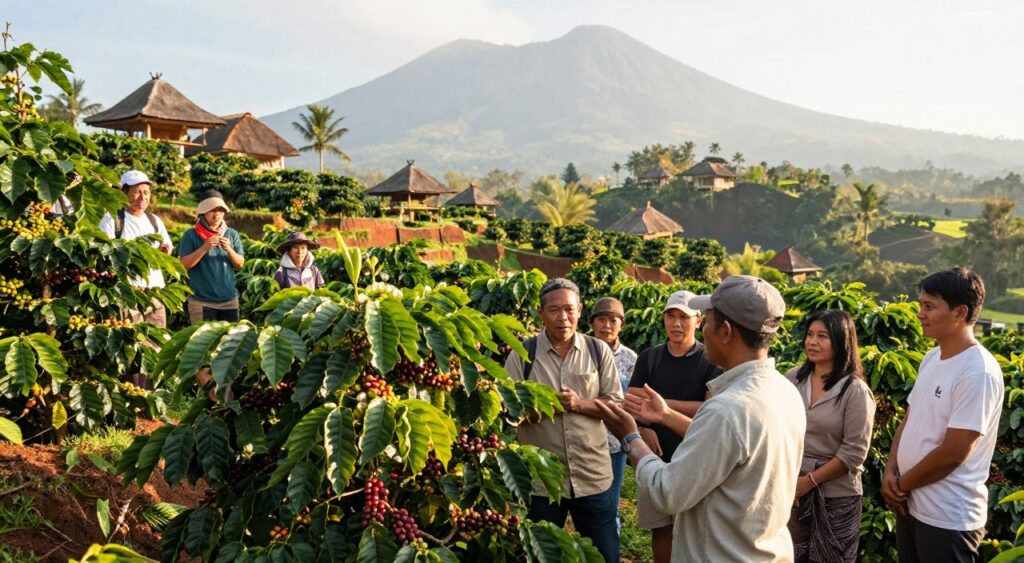
Traditional Farming and Subak Irrigation
Traditional farming methods here showcase remarkable community cooperation. The ancient Subak system manages water resources sustainably. This UNESCO-recognised irrigation method dates back centuries.
Farmers work together to distribute water fairly across the region. The system supports various crops beyond coffee. These include vegetables, fruits, and spices grown in the rich soil.
Here’s how traditional and modern agricultural practices compare in this area:
| Feature | Traditional Methods | Modern Approaches |
|---|---|---|
| Water Management | Community-based Subak system | Individual irrigation systems |
| Crop Diversity | Mixed planting of various crops | Often focuses on single crops |
| Sustainability | Natural, organic practices | May use chemical fertilizers |
| Community Role | Strong collective cooperation | More individual farming |
Immerse in Balinese Culture and Spirituality
Spiritual practices and community rituals form the foundation of daily life in this unique highland environment. The local people maintain deep connections with their volcanic surroundings through ancient traditions.
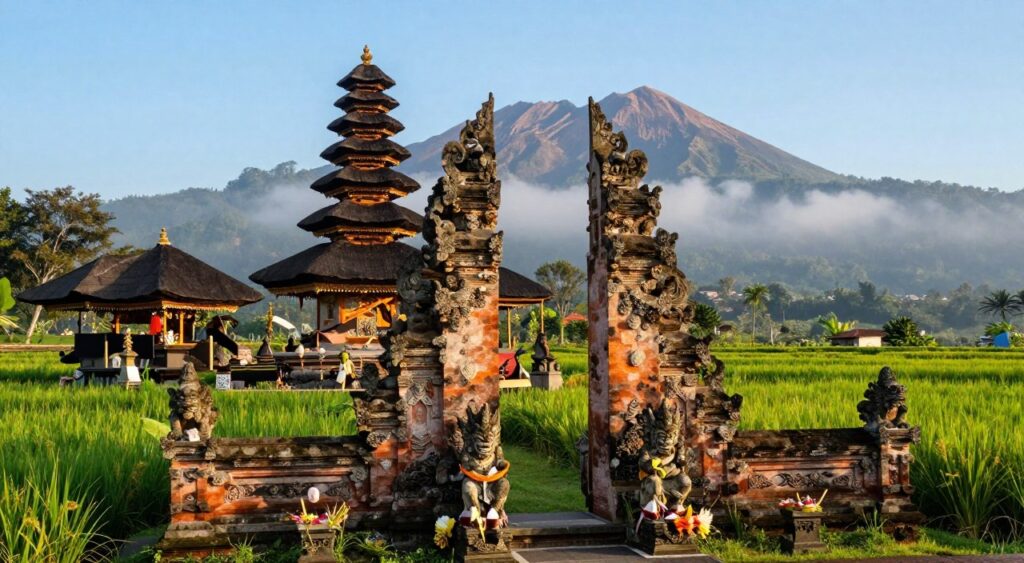
Ancient Temples and Religious Rituals
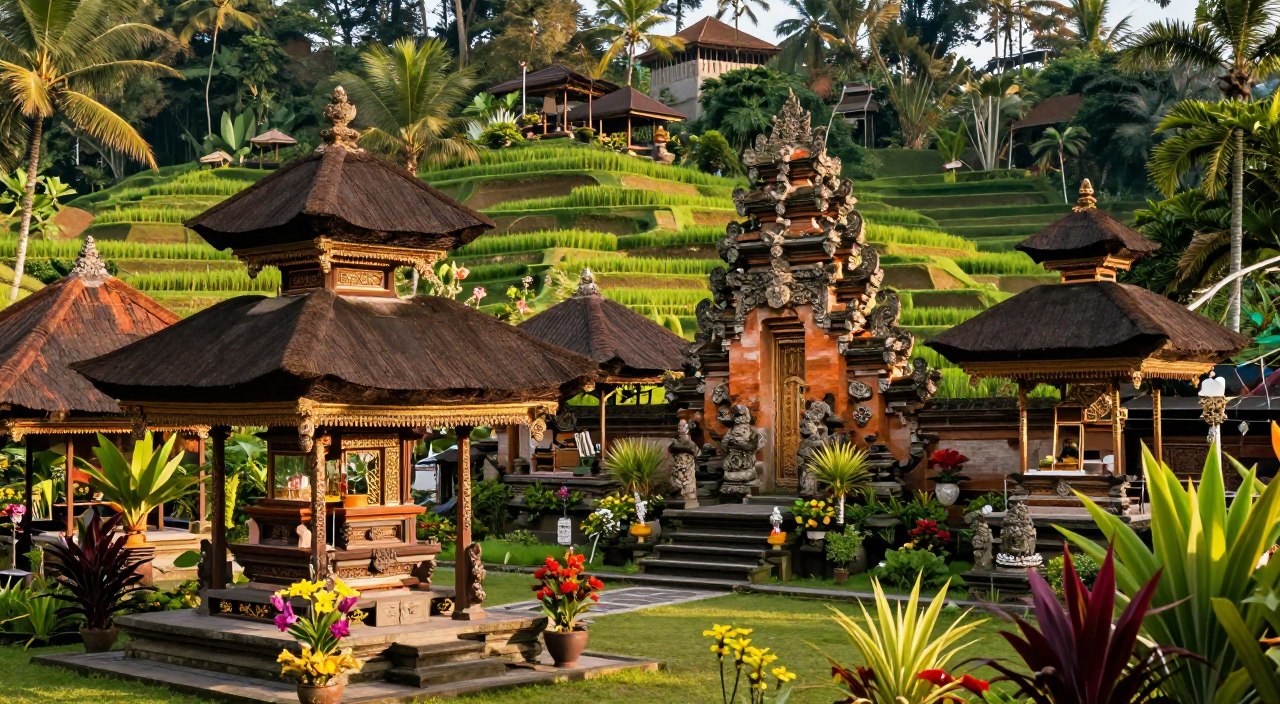
Pura Ulun Danu Batur stands as one of the island’s most important directional temples. This sacred temple honours Dewi Danu, the goddess of lakes and rivers.
The temple originally sat on Mount Batur’s slope before the 1917 eruption forced relocation. Today it overlooks Lake Batur, maintaining its spiritual significance for local communities.
Major Balinese Hindu Holidays: Complete 2026 Festival Guide
Cultural Performances and Traditional Villages
Trunyan Village offers a fascinating glimpse into ancient customs on the lake’s shore. This unique village practices distinctive burial rituals where bodies rest under large trees.
Traditional dance performances showcase the area’s rich artistic heritage. These cultural expressions reveal how volcanic sacredness influences local spirituality.
The village culture remains authentically preserved despite modern influences. Visitors gain insight into how people maintain centuries-old traditions in this special area.
Embracing Adventure and Scenic Treks
Adventure seekers will find their paradise in the rugged volcanic terrain surrounding the highland area. Beyond the famous sunrise climb, numerous exciting activities await discovery.
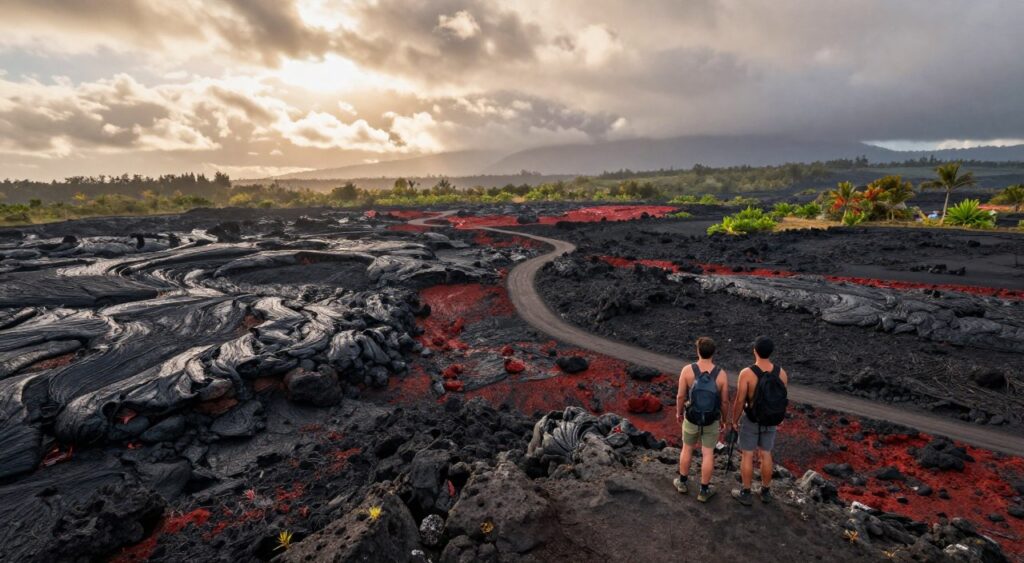
Jeep Tours through Volcanic Lava Fields
Open-air Volkswagen Jeep tours provide thrilling access to the stark black lava fields. These retro rides cross terrain shaped by Mount Batur’s eruptions.
The experience is particularly popular for photography enthusiasts. You’ll capture dramatic landscapes that feel otherworldly.
Trekking Trails and Hidden Lookouts
Various trekking paths exist beyond the main sunrise route to the summit of Mount Batur. The Kedisan to Buahan trail around Lake Batur offers peaceful waterside walking.
Hidden lookouts provide spectacular views without the crowds. Mount Abang, Bali’s third-highest peak, offers challenging climbing opportunities.
Downhill cycling tours start in cool morning air. They descend through traditional villages and scenic rice fields.
Insider Tips on Local Markets, Restaurants and Cafés
Discovering authentic culinary experiences adds depth to any highland visit. The area offers diverse dining options from casual warungs to sophisticated cafes.
Penelokan: The Iconic Viewpoint and Dining Hub
Penelokan village along the main road serves as the region’s premier dining destination. This strategic location provides stunning views of the volcanic landscape.
Trendy coffee shops and restaurants line Penelokan Main Road. They offer perfect vantage points for enjoying the scenery while sampling local food.
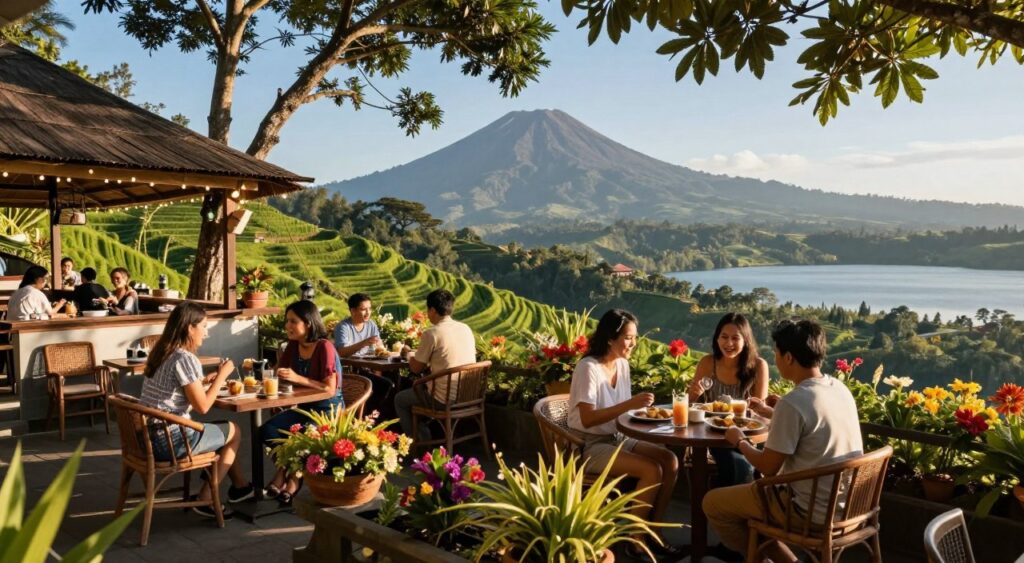
Popular establishments include Montana Del Cafe, known for its Furikake Rice Bowl. Ritatkala Cafe attracts visitors with famous photo spots and delicious banana bread.
Paperhills offers an upscale experience with a hot spring pool. Their signature Shakshuka makes for an excellent breakfast or morning meal.
Tegukopi pioneered the local coffee scene with affordable prices and industrial décor. They serve quality local Arabica coffee and offer buffet options.
Here’s a comparison of top dining spots in Penelokan:
| Establishment | Specialty Dishes | Unique Feature | Best Time to Visit |
|---|---|---|---|
| Montana Del Cafe | Furikake Rice Bowl | Helpful staff | Any time |
| Ritatkala Cafe | Banana bread | Famous photo spots | Daylight hours |
| Paperhills | Shakshuka | Hot spring pool | 5:30pm for sunset |
| Tegukopi | Local Arabica coffee | Industrial décor | Morning coffee |
Most cafes operate from 5:30am to 9:00pm. The average cost per person is around 250,000 IDR. Local warungs around Lake Batur specialize in Mujair Nyat-Nyat made from fresh lake fish.
Traditional markets occur every three days in Kintamani village. Warung Mujung Sari serves excellent local coffee for those seeking authentic experiences.
Practical Travel Guide for Visiting the Highlands
Planning your journey to the volcanic highlands requires careful consideration of seasonal patterns and local conditions. This guide covers essential information to help you prepare for an unforgettable visit.
Best Time to Visit and Weather Insights
The dry season from April to October offers the best weather for exploring. You’ll enjoy sunny days with excellent visibility for mountain views.
November to March brings more rain but creates lush green landscapes. Brief showers are common during this time. The area experiences cooler temperatures year-round.
Warm clothing is advisable, especially for early morning activities. Sunrise treks are particularly rewarding during dry months.
Bali Weather Guide: Complete Climate & Season Planning 2026
Transport, Accommodation and Safety Tips
Hiring a car with driver is the most practical way to explore the region. The journey from southern areas takes 2-3 hours.
Road conditions can be challenging, making scooter travel unsuitable. The area maintains good safety standards for tourists.
Bali Airport Transfer Guide: Complete 2026 Transportation Overview
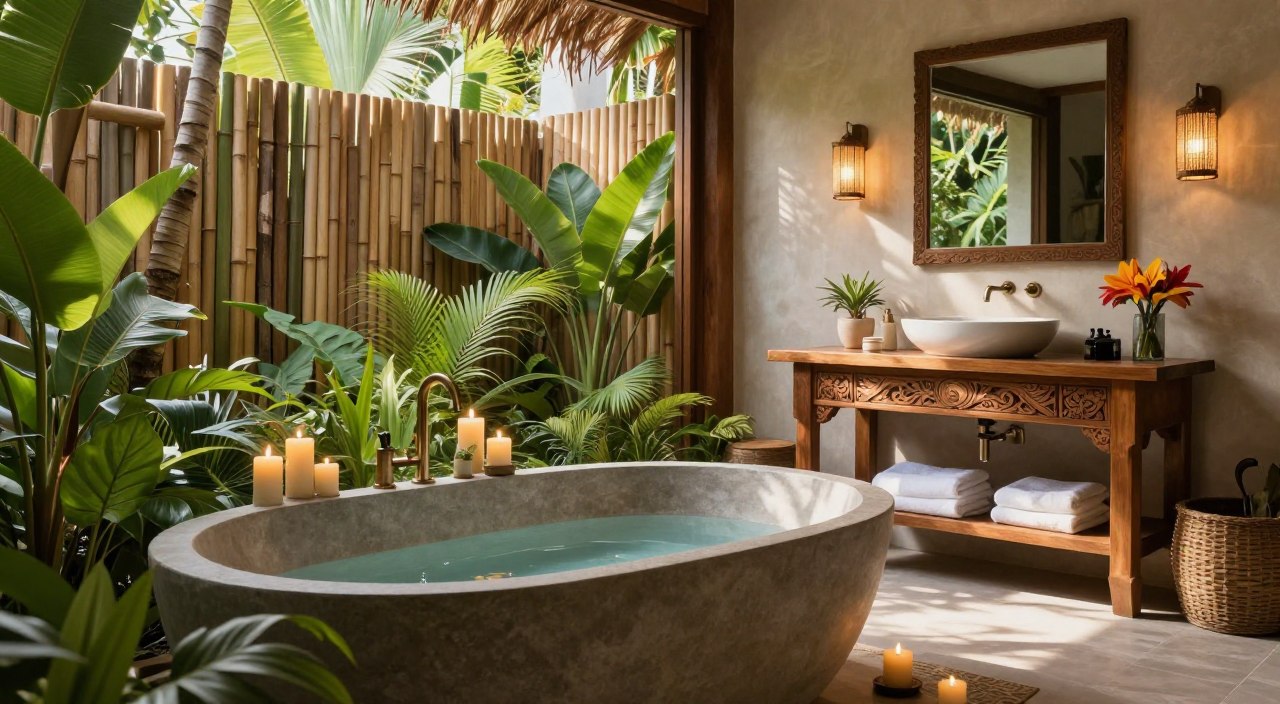
Accommodation options range from luxury hotels to unique camping experiences. Many properties feature stunning mountain or water views.
| Hotel | Key Feature | Best For | Price Range |
|---|---|---|---|
| Desa Oculus | 5-level design with panoramic views | Luxury seekers | High |
| Black Lava Camp | Glamping near the mountain | Adventure lovers | Medium |
| Villa Jempana | Lakefront infinity pool | Romantic getaways | High |
| Batur Volcano Guesthouse | Hot spring swimming pools | Family stays | Low-Medium |
Average costs are lower than southern resort areas. The wet season often offers better value for your stay.
Kintamani Bali: An Authentic Island Experience
For travellers seeking genuine connections with local culture, several distinctive accommodations offer more than just a place to sleep. These hidden gems provide immersive experiences that showcase the region’s unique character.
Uncovering Hidden Gems and Local Adventures
Desa Oculus stands out as a hospitality brand blending comfort with cultural discovery. They organise unique activities including jeep tours, water purification ceremonies, and visits to traditional villages.
Black Lava Camp & Cafe offers an unforgettable camping experience directly on volcanic lava fields. Guests enjoy hotel-level amenities with a hot spring pool and sunrise views over the lake.
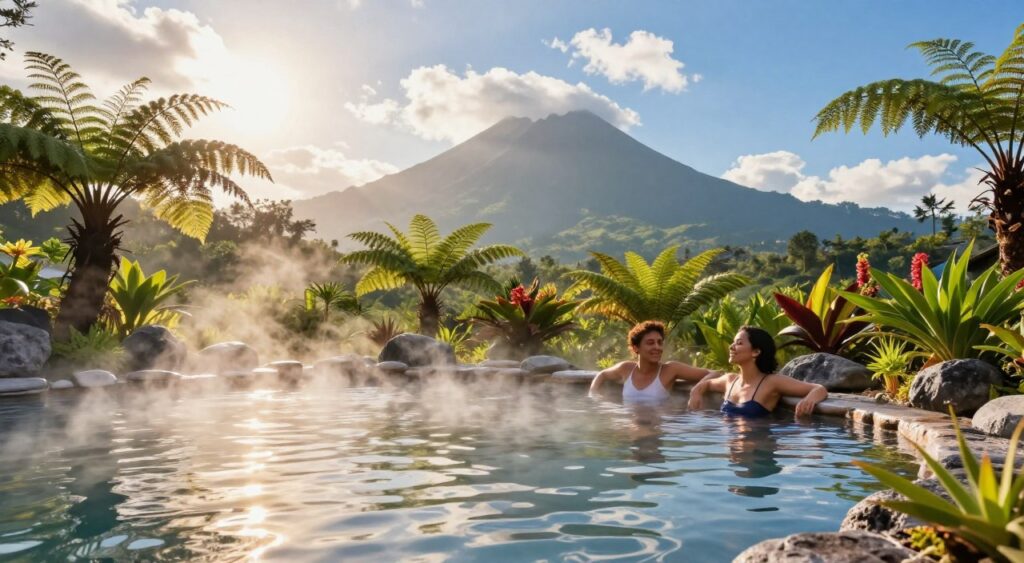
The area features several natural hot springs perfect for relaxation. Options range from basic local favourites to more luxurious waterpark-style complexes.
| Hot Spring | Facilities | Experience Level | Best For |
|---|---|---|---|
| Segara Natural Hot Springs | Basic, locally popular | Authentic local experience | Budget-conscious travellers |
| Toya Devasya Hot Spring Waterpark | Multiple pools, infinity pool | Luxury relaxation | Families and luxury seekers |
| Toya Bungkah Hot Springs | Natural springs | Post-trek recovery | Adventure travellers |
These accommodations and springs provide authentic experiences away from mass tourism. They allow deeper connections with the volcanic landscape and local traditions.
Conclusion
Beyond the island’s bustling coastal areas lies a world of volcanic wonders and authentic traditions. This remarkable region offers a refreshing alternative to the typical tourist experience in southern Bali.
The active volcano, serene lake, and renowned coffee plantations create diverse adventures. From sunrise treks to cultural immersion, Kintamani provides something for every traveller. The cool climate makes outdoor activities comfortable year-round.
Spectacular views and genuine local culture await just hours from major hubs. This accessible place delivers exceptional value with fewer crowds. Plan your visit to discover this unforgettable side of the island.