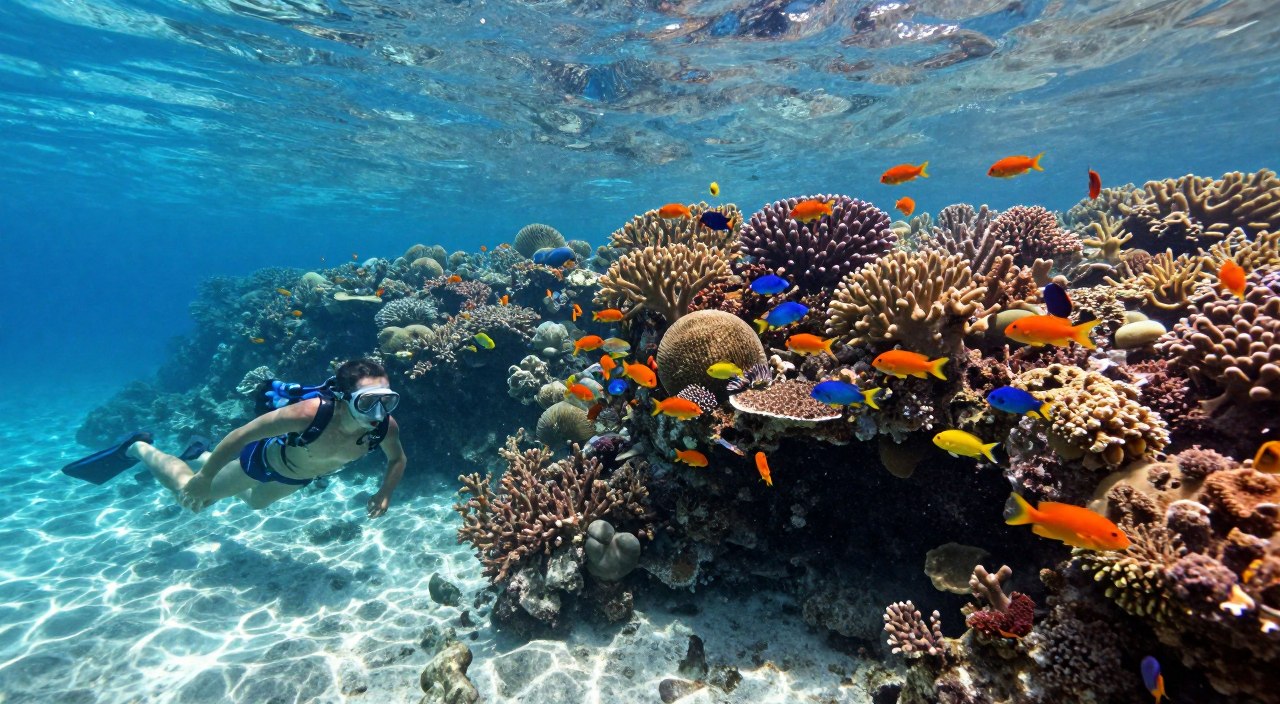
Slipping beneath the surface is like entering a world of magic. Snorkeling Amed Bali is your ticket to this enchanting place. It’s where you can connect with nature in all its glory.
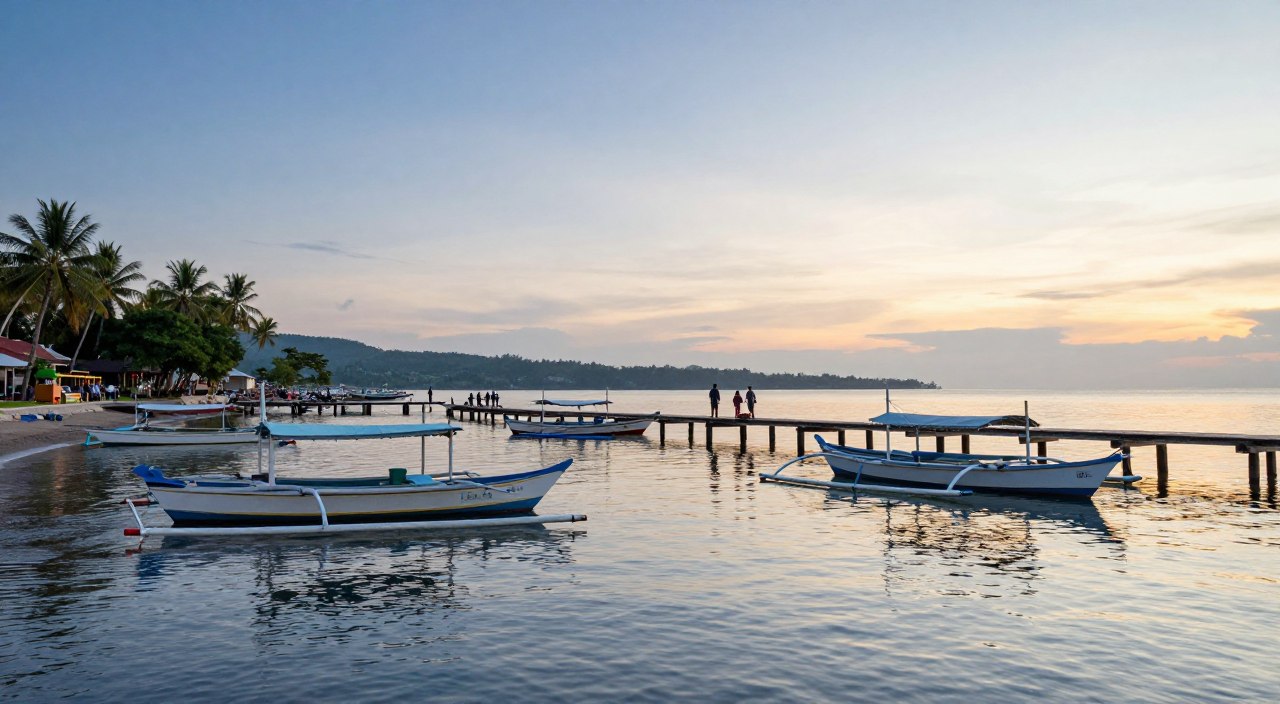
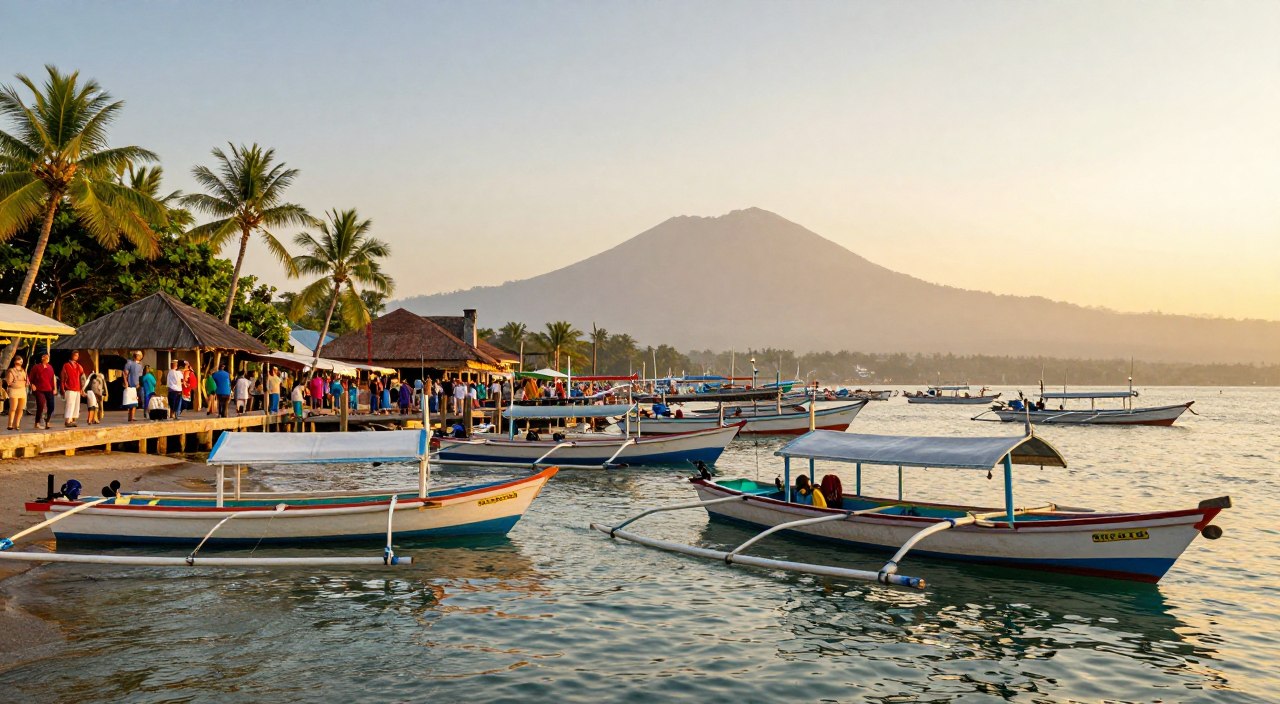
Amed is on Bali’s east coast and is known for its underwater wonders. It’s up there with places like Tulamben and Padang Bai. These spots are famous for their stunning corals and the variety of marine life.
The area is famous for its accessible reefs and laid-back vibe. It’s a place where every dive feels like an adventure. The underwater world is right there, waiting for you to explore its secrets.
Key Takeaways
- Amed is one of Bali’s most popular and celebrated spots for snorkeling.
- It is located on the island’s picturesque east coast.
- The reefs are known for their vibrant hard and soft coral gardens.
- Marine life is exceptionally diverse, featuring many tropical species.
- The overall vibe is relaxed, with a genuine coastal village feel.
- It is often mentioned in the same breath as other top sites like Tulamben.
- The underwater sites are generally very accessible from the shore.
Introduction to Snorkeling in Amed, Bali
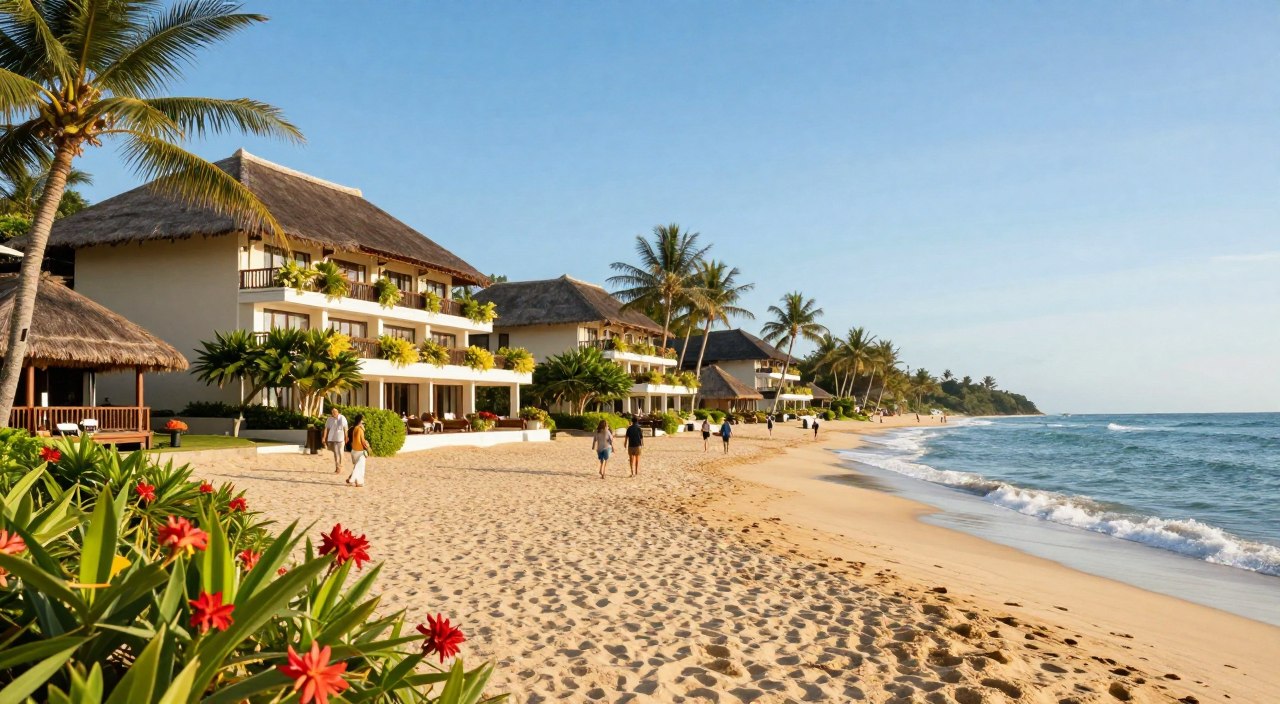
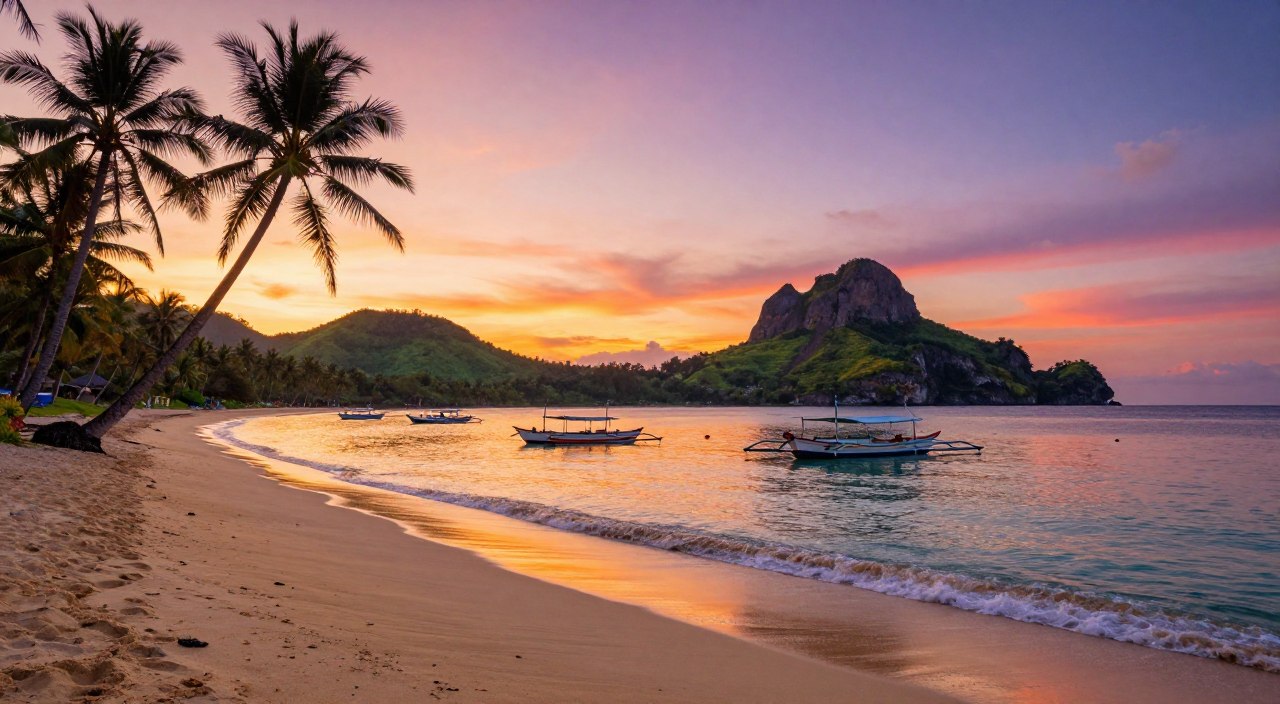
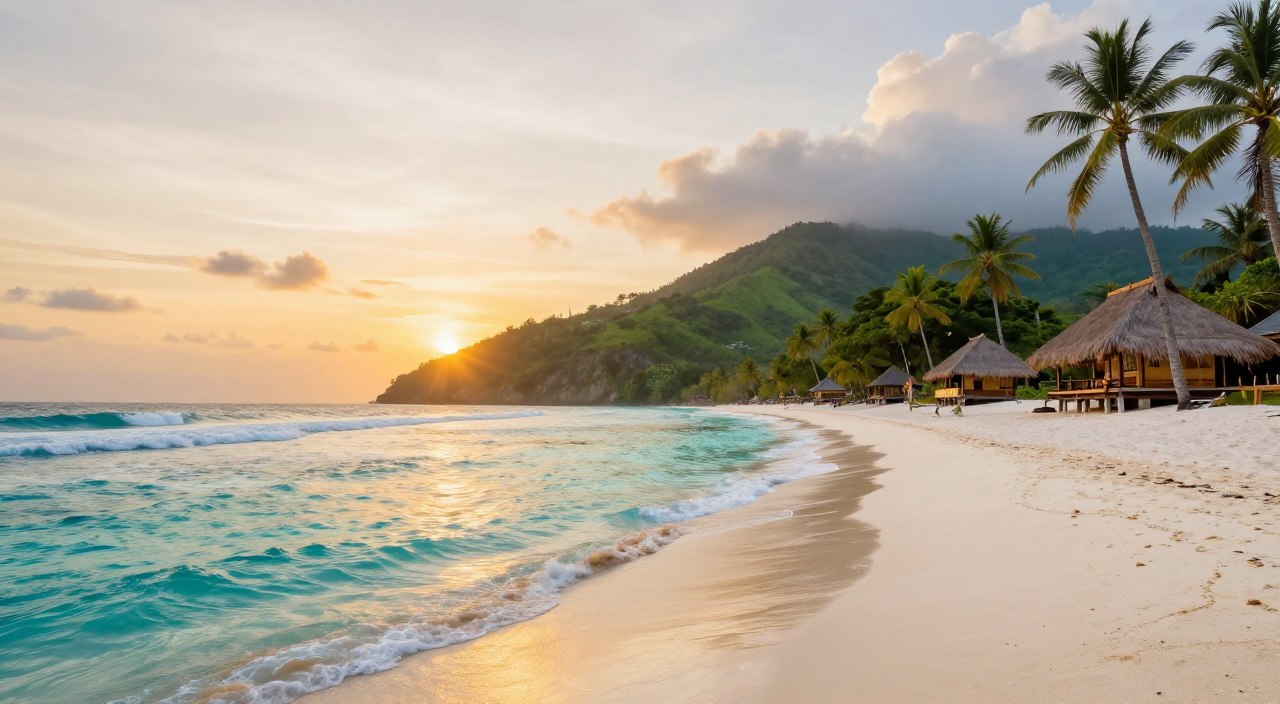
Amed is now a top snorkeling spot in Bali, known for its rich marine life and ocean care. It’s on Bali’s eastern coast, a calm area away from the busy south. The black sand beaches lead to some of Bali’s most vibrant underwater spots.
Snorkeling in Amed Bali is simple yet deep. You can walk from the beach into a colorful coral garden. Or, join all-inclusive trips that handle everything, so you can just enjoy the view.
Overview of Amed’s Snorkeling Experience
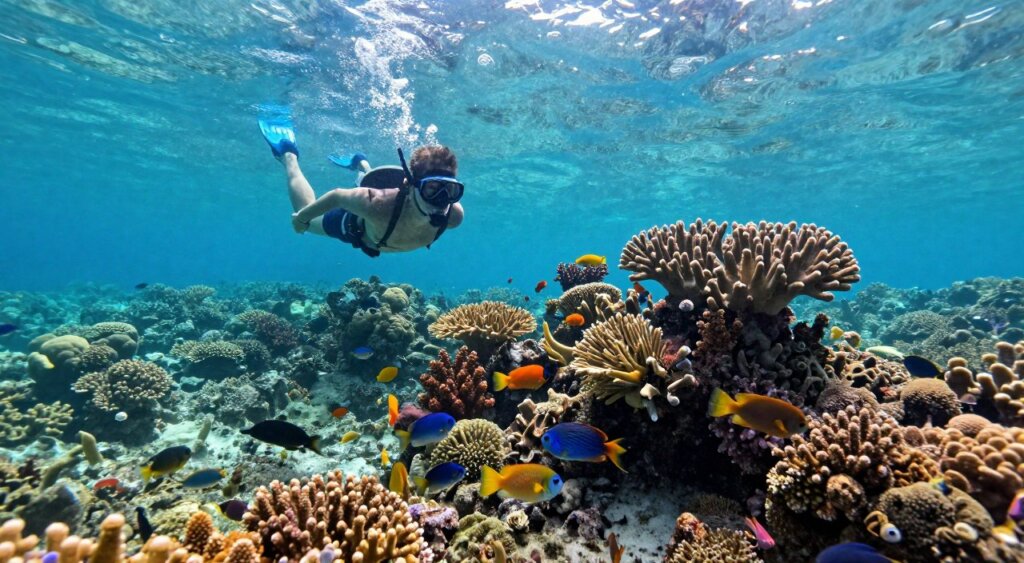
Snorkeling in Amed is all about variety and ease. The area has several villages, each with its own snorkeling spots. The water is calm, perfect for seeing the amazing sea life in the morning.
Local tours offer all-inclusive trips. They provide everything you need, from gear to guides. This way, you can see many places in one day, from coral gardens to the famous Japanese Shipwreck.
The marine life here is incredibly diverse. You’ll see colorful fish, maybe even turtles or sharks. The health of these ecosystems shows the area’s peace and growing conservation efforts.
| Site Name | Key Feature | Best For | Access Method |
|---|---|---|---|
| Coral Garden | Extensive shallow reefs with high fish diversity | Beginners & underwater photography | Direct entry from the beach |
| Japanese Shipwreck | Historical wreck site covered in soft corals | Adventurous snorkelers & unique scenery | Short swim from Jemeluk Beach |
| Amed Beach | Relaxed vibe with easy reef access | Families & casual snorkeling sessions | Beach entry from various points |
Every snorkeling trip in Amed can be made to fit your interests and skill level. The water is always warm, making it a great activity all year.
Importance of Marine Conservation
Enjoying Amed’s underwater world means understanding its fragility. The coral reefs are living, vulnerable to damage from climate change and pollution.
Marine conservation is key in Amed. It’s not just a concept but a growing practice. The local economy relies on healthy reefs to attract tourists. Many tours now teach visitors how to snorkel responsibly.
Simple actions can help a lot. These include:
- Avoiding touching or standing on any coral.
- Using reef-safe sunscreen to prevent chemical pollution.
- Maintaining a safe distance from turtles and other marine animals.
- Never feeding the fish, as it disrupts their natural behaviour.
Choosing operators who support sustainable tourism helps Amed’s marine life thrive. Your visit helps the local community. By snorkeling responsibly, you help protect the ocean for the future.
The coral reefs and diverse marine life are Amed’s treasure. Protecting them keeps the snorkeling experience amazing for everyone.
The Best Snorkeling Spots in Amed
Snorkeling in Amed is truly magical, thanks to its many marine sanctuaries. The coastline is beautiful, but some spots are the top snorkeling spots Bali lovers talk about. These places are known for their stunning corals and diverse marine life.
Coral Garden
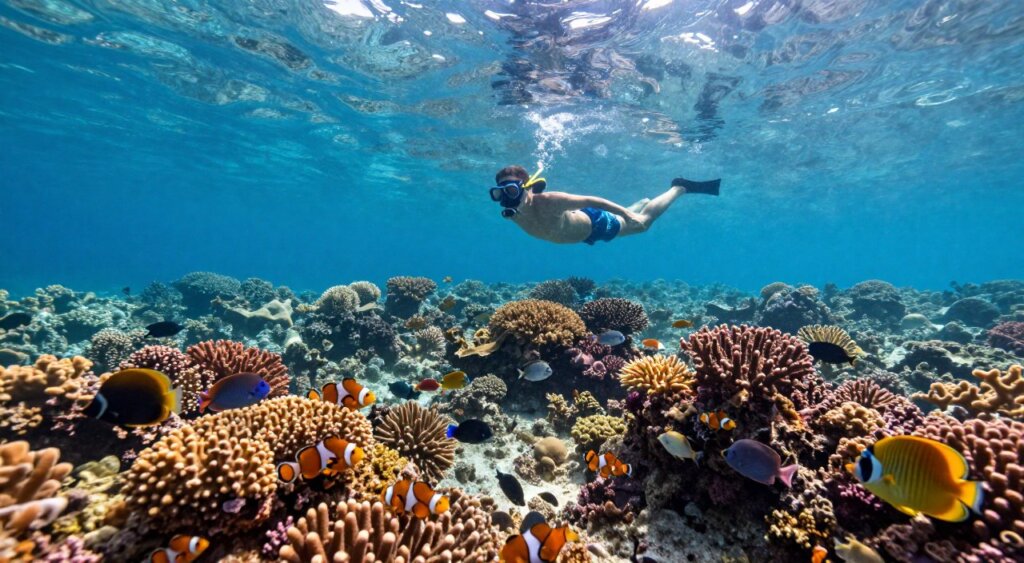
Coral Garden is a vast, shallow reef. It’s a great spot for beginners. The water is shallow, making it perfect for long, easy swims.
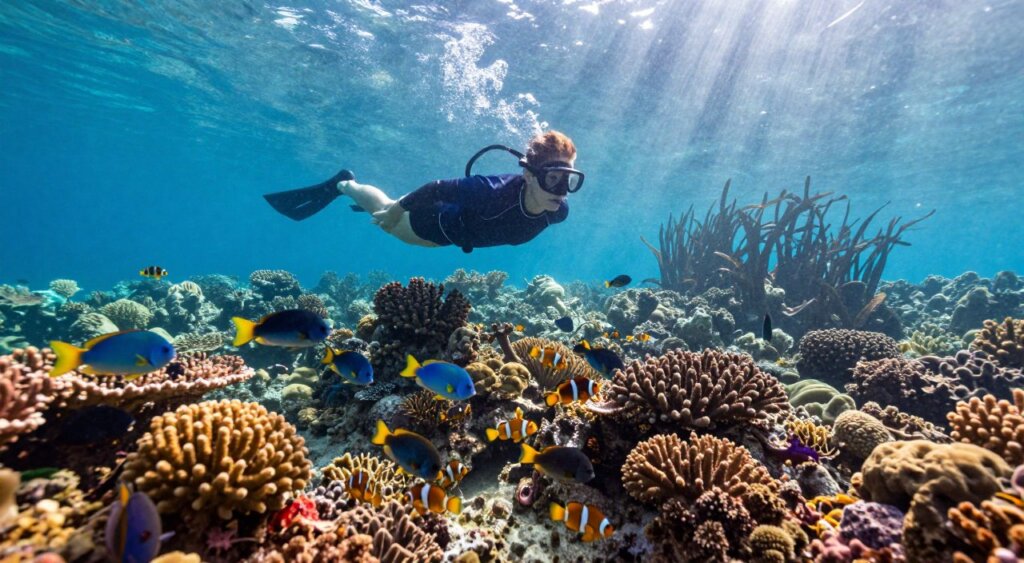
The reef is full of vibrant corals and home to many fish. You can see parrotfish, angelfish, and anthias in the clear water.
Japanese Shipwreck
The Japanese Shipwreck offers a unique snorkeling experience. This World War II ship lies in shallow water, covered in corals and sponges. It’s now a home for many marine creatures.
Large fish like batfish and trevally swim around the wreck. It’s a place where history and nature come together.
Amed Beach
Amed Beach is perfect for a quick snorkel. You can snorkel right from the shore. It’s great for those who like to explore at their own pace.
Just wade into the water and you’ll find coral patches. The variety is impressive, with easy access to both shallow and deeper areas. It shows how Amed’s marine life is part of everyday beach activities.
What to Expect While Snorkeling
Snorkeling in Amed is shaped by marine life, water conditions, and your comfort with the gear. Knowing these factors is key. It makes your snorkeling trip unforgettable.
Marine Life Encounters
Underwater, Amed’s reefs are alive with colour and movement. You’ll see tropical fish, sea turtles, and even Manta Rays. Every dive reveals something new, from tiny nudibranchs to octopus.
- Green and Hawksbill Turtles
- Angelfish, Butterflyfish, and Surgeonfish
- Moray Eels peeking from crevices
- Trumpetfish hovering vertically
- Vibrant soft and hard coral formations
Water Conditions
Knowing Amed’s water is key for a safe snorkel. Visibility is usually 10 to 20 metres. This lets you see the underwater world clearly.
The water is warm all year, between 27°C and 30°C. A swimsuit is enough, but a rash vest helps against the sun. Currents are mostly mild, but check local advice.
Beginners love Amed Beach’s calm waters. Near the Japanese Shipwreck, the water moves a bit more. Always listen to guides and check the water before diving.
Equipment Familiarisation
Being comfortable with your gear is important. Your mask should fit well and seal properly. Try it on before diving to check.
The snorkel should feel right in your mouth. Modern snorkels keep water out. Practice breathing through it on the surface. Fins should fit well, helping you move and save energy.
Snorkeling tours in Amed Bali usually provide gear and help with it. Guides will adjust your equipment and teach you how to use it. Don’t be shy to ask questions.
Snorkeling Tours in Amed
Planning your snorkeling trip in Amed means choosing between guided tours and going solo. This choice affects your day, budget, and what you see underwater. Knowing your options helps plan the best underwater adventure.
Guided Tours vs. Independent Snorkeling
Exploring Amed’s reefs has its pros and cons. Your choice depends on your comfort, budget, and what you value most.
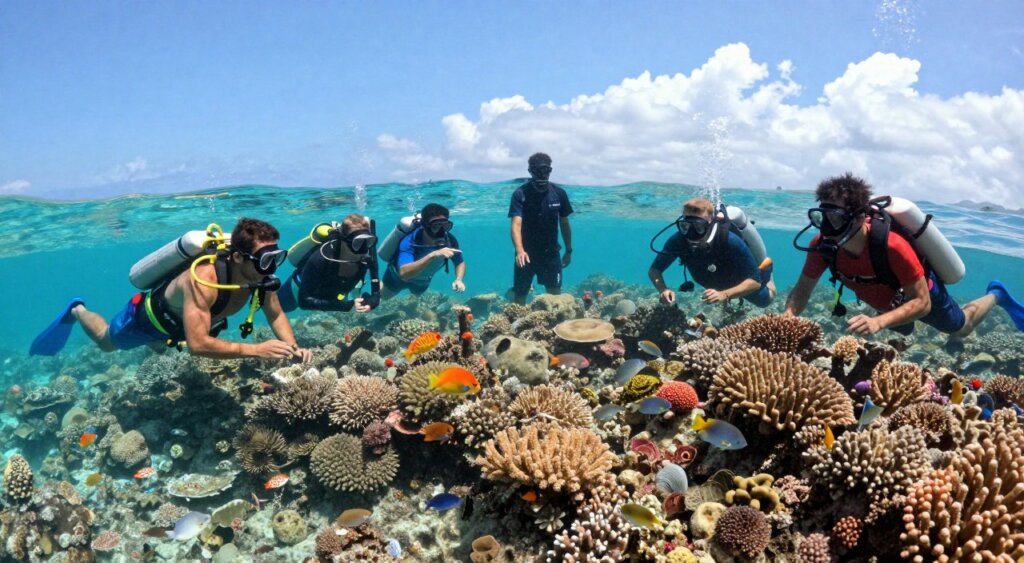
Guided snorkeling tours Amed Bali are easy and worry-free. A pro guide knows the best spots and times. Plus, they keep an eye on your safety.
These snorkeling excursions Amed Bali include transport, gear, and food. They’re great for beginners or those short on time. You’ll learn about the marine life from a local expert.
Going solo gives you freedom. You can explore at your own pace and enjoy your favorite sites. It’s cheaper if you have your own gear or rent it affordably.
But, you’re on your own for safety and planning. Finding sites like the shipwreck can be hard alone. You also miss out on expert insights about the coral and fish.
| Feature | Guided Tour | Independent Snorkeling |
|---|---|---|
| Cost | Higher upfront, but all-inclusive. | Lower, pay-as-you-go for gear/transport. |
| Convenience | High. Everything is organised for you. | Variable. Requires personal planning. |
| Knowledge & Safety | Expert guide provides info and oversight. | Self-reliance needed; research is key. |
| Flexibility | Follows a set itinerary and schedule. | Complete freedom to go where and when you want. |
Recommended Tour Operators
Picking a reliable tour operator is key for a great experience. Look for companies with good safety records and positive reviews.
Many top Amed Bali snorkeling packages focus on small groups. A good ratio is four guests to one guide. This ensures you get personal attention and a more intimate experience.
A standard, quality day tour usually starts at 7 AM. This is when the waters are calmest. A typical package includes:
- Return hotel transfers from Amed area accommodations.
- Full snorkeling gear (mask, snorkel, fins).
- A knowledgeable snorkeling guide for the duration.
- Lunch, drinking water, and fresh towels.
Prices for these snorkeling tours Amed Bali start from about $75 per person. This is a good deal considering what you get.
When looking, check what’s included in the price. Ask about group size, guide qualifications, and the sites you’ll visit. The best operators are open and answer your questions.
Booking early is smart during busy times. It secures your spot on these popular snorkeling excursions Amed Bali. Whether you want a relaxed day or an action-packed reef-hopping trip, there’s a tour for you.
Safety Tips for Snorkeling
Your snorkeling adventure in Amed should be filled with wonder, not danger. The calm bays and colourful reefs are inviting, but the ocean needs respect. Simple steps can make your trip unforgettable. This guide will cover the safety gear you need and how to protect the reef and yourself.
Essential Safety Gear
More than just a mask, snorkel, and fins are needed for a safe trip. This extra gear is like insurance against common dangers.
A snorkel vest is a must, even for strong swimmers. It keeps you afloat, saves energy, and makes you visible to boats. Many tours require them. A safety whistle is also vital. Wear it on your vest to call for help if needed.
Sun protection is key in the tropics. A rash guard or wetsuit top protects your skin from the sun and gear chafing. Use reef-safe sunscreen to protect your skin and the coral. Don’t forget water shoes or reef walkers for rocky shores.
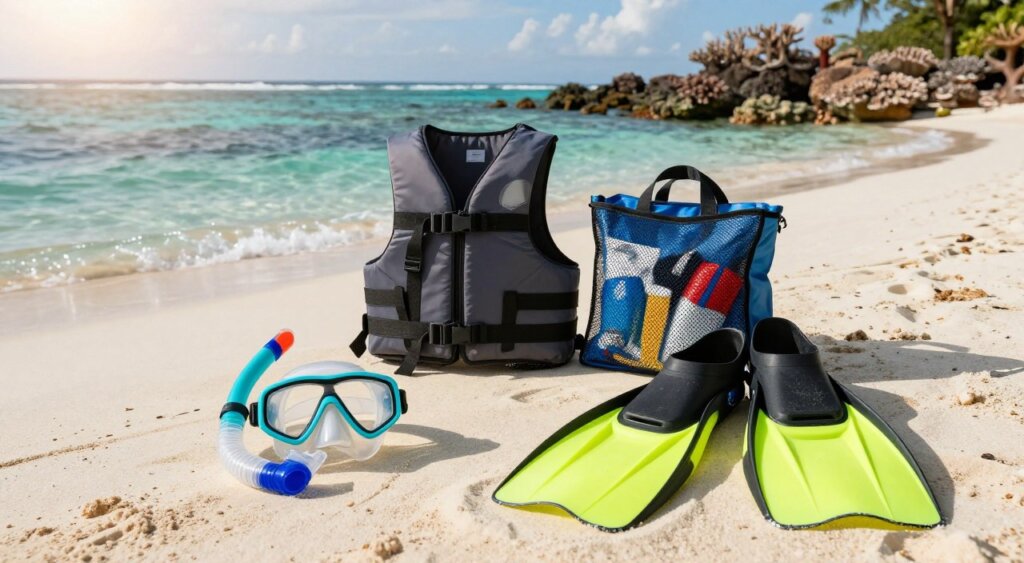
Always snorkel with a buddy. Stay together and use hand signals. Tell someone on land where you’re going and when you’ll return.
Environmental Considerations
Snorkeling safety also means protecting the environment. Your actions in the water affect Amed’s marine habitats.
The key rule is to avoid touching coral. Coral is alive, and touching it can harm it. Stay afloat and use gentle kicks to move.
Be careful with your fins. Kicking up sediment harms coral and reduces visibility. Never stand on the reef.
Respect marine life. Keep a distance and don’t chase or feed fish, turtles, or other creatures. This stresses them and disrupts their natural behaviour. You’re a guest in their home.
Take all rubbish with you, including food wrappers and plastic. Even organic matter like fruit peels can harm the reef. By being careful, you help keep Amed’s reefs vibrant for others.
Snorkeling Equipment Rental in Amed
Exploring Amed’s underwater wonders is easy and affordable with snorkeling equipment rental. You don’t need to bring your own gear. The local setup is perfect for visitors.
This flexibility lets you enjoy the reefs at your own pace. Whether it’s a single morning dip or several days, you’re set.
Where to Rent Gear
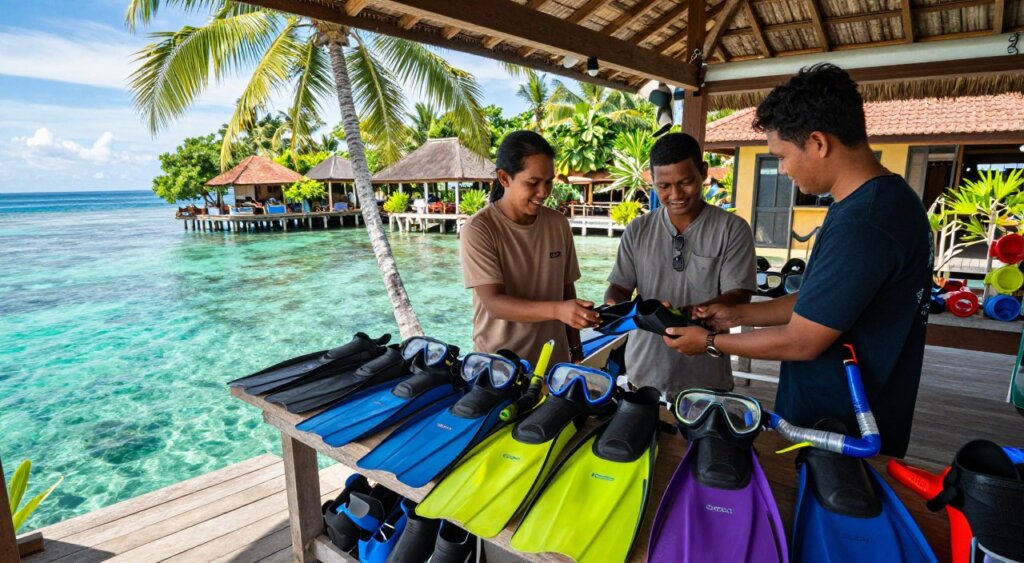
There are many places to rent equipment along Amed’s coast. Professional dive shops offer top-quality gear. Hotels and resorts also provide rentals for their guests.
For spontaneous snorkeling, try the small beachfront operators and warungs. They have masks, snorkels, and fins ready. Renting separately is great if you’ve found your own spots.
Check the gear before renting. Make sure the mask seal is good and the snorkel’s mouthpiece is clean. A proper fit is key for comfort and enjoyment.
Rental Costs
Renting snorkeling equipment in Amed is budget-friendly. Prices vary, but here’s what you can expect:
- Mask and Snorkel Set: About 50,000 to 80,000 IDR for a day.
- Fins: Around 30,000 to 50,000 IDR.
- Full Set (Mask, Snorkel & Fins): Usually 80,000 to 120,000 IDR for the day.
For longer snorkeling trips, ask about discounts. Some shops offer better prices for three days or a week. A wetsuit or rash vest might cost 40,000 to 70,000 IDR extra, which is worth it for longer sessions.
Confirm the price and return time before renting. It’s a good idea to have some cash, as not all places accept cards. With your gear, you’re ready for an amazing adventure in Amed’s waters.
Snorkeling Conditions in Amed
Snorkeling in Amed is great all year round. Knowing the weather helps you choose the right gear and plan your trip. Snorkeling in Amed is a fantastic activity regardless of the season.
Ideal Times of Year
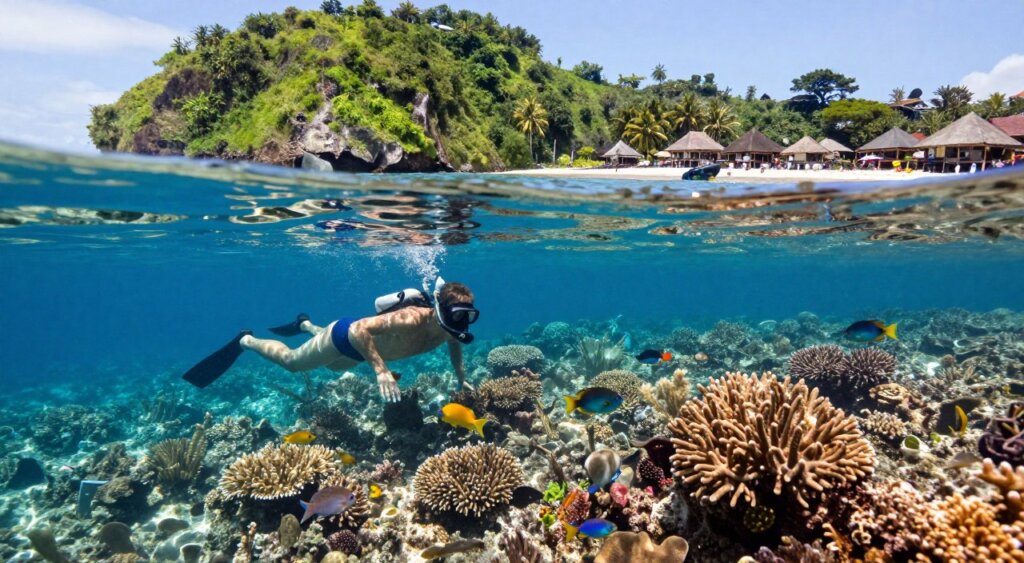
The dry season in Bali, from April to October, is the best time for snorkeling in Amed. You’ll get lots of sunshine, less humidity, and little rain. This means calm seas and clear water, often over 20 metres deep.
But, the wet season from November to March isn’t bad either. It rains more, but the showers are short. The sea might be a bit rougher, and visibility can change. Yet, the water is warm, and marine life is plentiful. Many people like this time for the green landscapes and fewer tourists.
| Condition | Dry Season (Apr-Oct) | Wet Season (Nov-Mar) |
|---|---|---|
| Visibility | Excellent (15-25m+) | Good to Very Good (10-20m) |
| Sea State | Generally calm | Calm to moderate, occasional chop |
| Rainfall | Low, sporadic | Higher, short tropical showers |
| Crowds | Higher, specially June-August | Lower, more relaxed atmosphere |
| Water Temperature | Consistently warm (~28°C) | Consistently warm (~29°C) |
Weather Patterns
Amed’s weather is tropical monsoon. The dry season has easterly winds, making it sunny and calm. This is perfect for beginners or those exploring further.
In the wet season, northwesterly winds bring more clouds and rain. Remember, ‘wet’ doesn’t mean it rains all day. Mornings are usually clear, with heavy downpours in the afternoon or evening. Snorkeling is best in the morning during this time, before storms.
“We tell our guests that the ocean here is always welcoming. There might be a bit more movement on the surface in the wet season, but the fish don’t leave, and the coral is just as colourful. You can have a great snorkel any day of the year.”
Always check the local forecast and sea conditions before you go. Local operators know the best spots for snorkeling. With water temperatures around 28°C all year, you’re in for a warm welcome underwater.
Local Culture and Customs
Amed’s beauty goes beyond its coral reefs. It’s deeply rooted in the daily lives and traditions of its coastal villages. Here, generations of fishing families have created a unique way of life. This makes a snorkelling trip more than just an adventure; it’s a chance to connect with the culture.
Your visit helps the local communities. Showing respect for their customs leaves a positive mark. It makes you more than just a tourist; you become a welcomed guest.

Engaging with Local Communities
The people of Amed are friendly and welcoming. A simple smile and saying “Selamat pagi” (good morning) can make a big difference. Many locals work as fishermen, homestay owners, or run small shops.
Supporting them directly makes your visit richer. Try a family-run shop for lunch or stay in a homestay instead of a big resort. Always ask before taking photos, respecting their privacy.
You’ll see small offerings called canang sari around. These are part of Balinese Hindu culture. Be careful not to step on them to show respect.
Respecting Traditions while Snorkelling
Balinese culture values harmony with nature, guided by Tri Hita Karana. This philosophy is reflected in the ocean you’ll explore.
Local traditions can impact your snorkelling day. Temple ceremonies (odalan) might happen near the shore. Beach access might be restricted or decorated. Be quiet and follow local advice.
Here are key points to remember:
- Never touch or step over religious offerings you see on the sand or near the water’s edge.
- Dress modestly when walking through villages to and from the beach. Cover up with a sarong or shirt over your swimwear.
- Be mindful of fishing zones. Give right of way to traditional jukung (outrigger canoes) and avoid swimming near active nets.
- If you see a ceremony in progress, maintain a respectful distance. Flash photography is often considered disruptive.
Snorkelling with cultural awareness helps preserve Amed’s unique charm. It’s a way to show gratitude for both the marine life and the people who live here.
Marine Life in Amed
Exploring Amed’s underwater world shows a rich variety of marine habitats and their inhabitants. The area’s black sand and clear waters support a wide range of life. This makes snorkeling Amed a great experience for nature enthusiasts.
Common Species to Spot
Snorkelers in Amed see many marine species. The warm waters attract small, colourful fish and larger visitors. Knowing what to look for makes the adventure better.
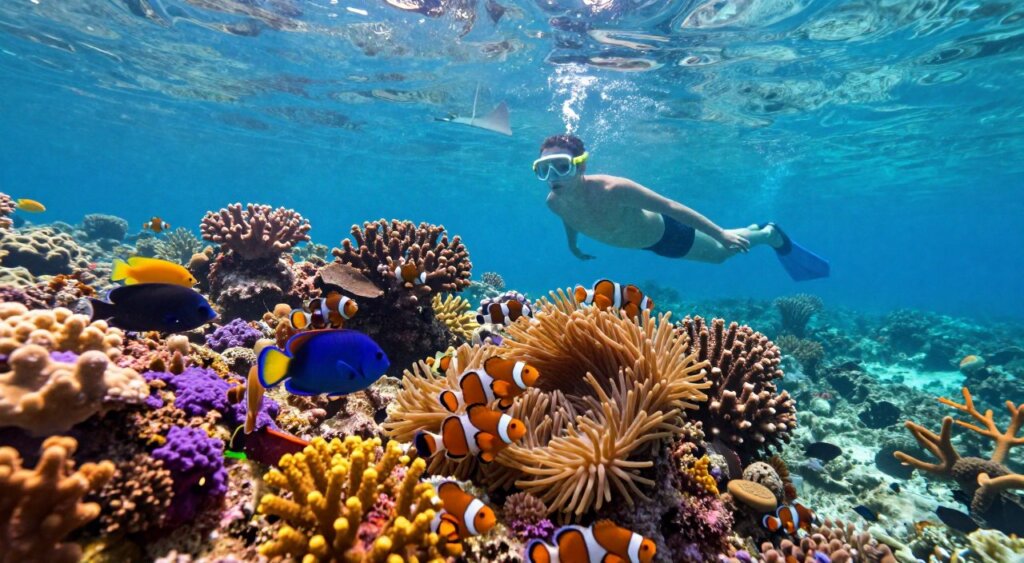
Sea turtles, like green and hawksbill turtles, are common. They glide over reefs or rest on the seabed. Rarely, you might see a Manta Ray in the deeper channels near Amed.
The reefs are full of life. Look for tropical fish like clownfish, angelfish, and butterflyfish. You might also see larger predators like trevally and reef sharks from a distance. Don’t miss the smaller critters like nudibranchs and octopus hiding in the reef’s nooks.
“Amed’s location on the Bali Strait creates a mixing zone of currents. This brings in nutrients and supports a higher density of marine life than many other coastal areas. It’s a biodiversity hotspot in miniature.”
Here’s a guide to some common marine life in Amed:
| Species | Description | Likelihood of Spotting |
|---|---|---|
| Green Sea Turtle | Large turtle with a heart-shaped shell, often seen grazing on seagrass or resting. | Very High |
| Clownfish | Small, orange and white striped fish living symbiotically within anemones. | High |
| Parrotfish | Brightly coloured fish with beak-like teeth, vital for reef health. | High |
| Blue-Spotted Stingray | Flat, camouflaged ray with distinctive blue spots, often buried in sand. | Medium |
| Manta Ray | Enormous, graceful ray with a wingspan of several metres, usually in deeper water. | Low (Seasonal) |
Unique Marine Habitats
Amed’s variety of marine habitats supports its rich biodiversity. Each habitat has its own community of creatures, providing different snorkeling experiences.
The fringing coral reefs are the most prominent habitat. These vibrant ecosystems are home to thousands of fish and invertebrates. Healthy coral bommies are common sights.
The Japanese Shipwreck site is another unique habitat. This artificial reef has been colonised by many organisms. The wreck attracts large schools of fish, blending history and marine biology.
Don’t overlook the seagrass beds in shallower, calmer areas. These underwater meadows are vital nurseries for juvenile fish and feeding grounds for sea turtles. Snorkeling over seagrass reveals a different, more subtle suite of life, including sea horses and pipefish.
Together, these habitats make Amed’s waters a complete and dynamic marine environment. Protecting these areas ensures the continued abundance of marine life in Amed for future snorkelers to enjoy.
Photography Tips for Snorkeling
With a few simple tips and the right gear, you can turn your snorkeling photos into stunning visual stories. Amed’s underwater world is full of colour and life. To capture it well, you just need to know a bit.
Good underwater photography is more than just pressing a button. You need to think about your gear, technique, and respect for the ocean. This guide will help you get started.
Best Equipment for Underwater Shots
You don’t need a professional rig to take great photos while snorkeling. Many options suit different budgets and skill levels. The key is choosing a camera that is simple to use underwater.
Action cameras like GoPros are hugely popular. They are small, tough, and come with waterproof housing. Their wide-angle lens is perfect for capturing expansive coral scenes.
For better image quality, consider a compact camera in a dedicated underwater housing. Brands like Olympus and Canon offer good options. These give you more control over settings.
Even your smartphone can work with a reliable waterproof case. Just make sure it’s rated for the depth you’ll be snorkeling. A red filter can help correct colour loss underwater.
No matter your camera, a floating hand strap is a must-have safety accessory. It prevents your gear from sinking if you drop it.
This table compares the main options to help you decide what’s best for your snorkeling photography adventure.
| Camera Type | Best For | Key Advantage | Consideration |
|---|---|---|---|
| Action Camera (e.g., GoPro) | Beginners & video enthusiasts | Extremely durable and easy to use hands-free | Fixed wide-angle lens; less detail for small subjects |
| Compact Camera with Housing | Enthuisiasts wanting higher quality | Better image sensors and optical zoom capabilities | More expensive; housing can be bulky |
| Waterproof Smartphone Case | Casual photographers on a budget | Uses a device you already own; great for quick snaps | Risk of flooding; touchscreen can be hard to use |
| Advanced Mirrorless with Housing | Serious underwater photographers | Superior image quality and full manual control | Very high cost; requires more skill and maintenance |
Techniques to Capture Marine Life
Great underwater camera gear is only half the battle. Your technique in the water makes all the difference. The goal is to get clear, well-composed shots without stressing the animals.
Master your buoyancy first. Try to hover calmly without kicking up sand. Sand clouds the water and ruins your shot. Gentle fin movements help you stay in position.
Get close to your subject. Water reduces clarity and colour. The less water between your lens and the fish or coral, the sharper and more vibrant your photo will be.
Use the sun to your advantage. Shoot with the sun behind you to light up the scene. For the best natural light, snorkel between 10 am and 2 pm when the sun is high.
Be patient and let the marine life come to you. Chasing fish will only scare them away. Stay calm and wait for interesting behaviour or a curious creature to approach.
Always prioritise the reef’s health. Never touch, stand on, or harass animals for a photo. A responsible photographer leaves only bubbles.
Responsible Snorkeling Practices
Every fin kick and breath you take while snorkeling in Amed has an impact on the delicate marine ecosystem. Embracing responsible snorkeling is the best way to ensure your visit supports the long-term health of the reefs and their inhabitants. It transforms a fun activity into a positive force for conservation.
These practices are simple to follow but make a world of difference. They protect the environment and enhance your own experience by fostering a deeper connection with the underwater world.
Protecting Coral Reefs
Coral reefs are living, breathing animals that grow slowly and are incredibly fragile. A single touch can damage years of growth and make coral susceptible to disease. Your buoyancy and awareness are your most important tools for protecting coral reefs.
Follow these non-negotiable rules to be a reef-friendly snorkeler:
- Never stand or walk on coral. Use sandy patches if you need to adjust your gear.
- Avoid any contact with your fins, hands, or body. Maintain a safe distance at all times.
- Control your fin kicks. Wide, slow movements prevent stirring up sediment, which can smother coral.
- Do not collect or remove any marine life, including shells and dead coral.
Choosing mineral-based, reef-safe sunscreen is another critical step. Many common sunscreens contain chemicals like oxybenzone that bleach and harm coral. Protecting these structures ensures sustainable snorkeling for everyone in the future.
Avoiding Disturbance to Marine Animals
The turtles, fish, and other creatures you encounter are wild animals going about their daily lives. Our goal is to observe without altering their natural behaviour. Stress can affect their feeding, breeding, and overall health.
To minimise your impact, always adhere to these guidelines:
- Observe from a distance. Use zoom on your camera instead of getting too close.
- Never chase, touch, or attempt to ride marine life. This is specially important with sea turtles.
- Do not feed the fish. It disrupts their natural diet and can make them aggressive.
- Move calmly and avoid sudden movements. Loud noises and splashing can startle animals.
True appreciation of the ocean means leaving no trace of your visit. The most respectful snorkelers are those the marine life barely notices.
By following these ethical snorkeling principles, you contribute directly to the preservation of Amed’s underwater paradise. It’s a commitment that allows the vibrant marine life to thrive, ensuring that every snorkeler after you can enjoy the same magical experience.
Conclusion: Why Snorkeling in Amed is a Must-Do
Snorkeling in Amed is a top choice for experiencing Bali. It’s easy to get to the vibrant reefs and you get to see a traditional fishing village. It’s a great way to see the island’s natural beauty.
Summarising the Appeal
Amed snorkeling is special because of its variety. Places like the Coral Garden and the Japanese Shipwreck offer amazing views. The marine life is rich and easy to see for all snorkelers.
It’s more than just snorkeling. You also get to learn about local culture and support eco-friendly tourism. You’ll remember the clear waters, colourful fish, and healthy reefs.
Call to Action for Travelers
Now it’s time to plan your snorkeling trip to Amed. Book a guided tour with Bali Dive Trek or Adventure Divers Bali. They make sure you’re safe and teach you about the local sea life.
Bring your sense of adventure and care for the ocean. See the wonders of Bali’s east coast for yourself. Amed offers a mix of excitement and peace.