Imagine your next holiday as more than a simple break. It could be a real expedition into one of Earth’s last great wilderness areas.
An ekspedisi Raja Ampat offers just that. It takes you to Raja Ampat, a remote archipelago in West Papua, Indonesia.
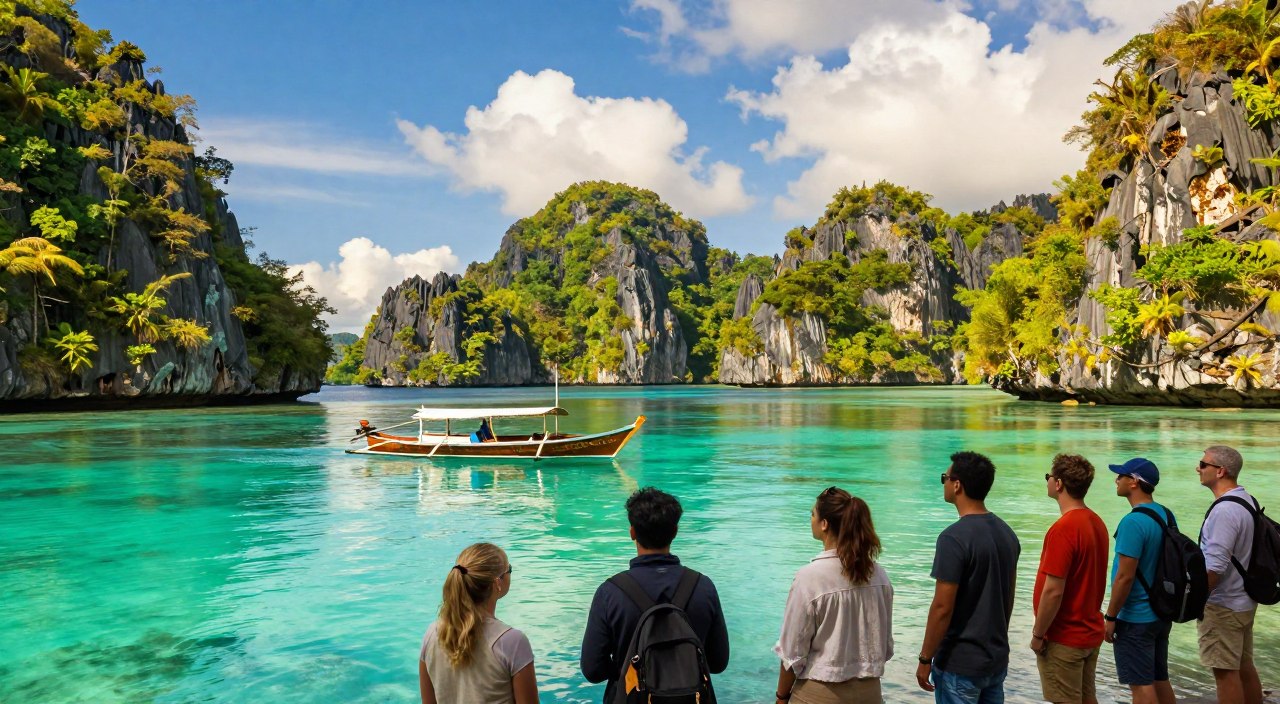
This place is breathtakingly beautiful. It has over 1,500 small islands, cays, and shoals.
It’s known worldwide as the heart of the Coral Triangle. This area has the highest marine biodiversity on Earth.
For Aussie adventurers, this is the ultimate trip. It’s a chance to explore the unknown and see untouched beauty.
This isn’t just any holiday. It’s a deep dive into untouched environments, amazing diving spots, and cultural experiences.
It’s perfect for those who love to explore and care about the environment.
Key Takeaways
- Raja Ampat is a vast archipelago in West Papua, Indonesia, made up of over 1,500 islands.
- It is recognised as the global epicentre of marine biodiversity, known as the heart of the Coral Triangle.
- An expedition here is a journey into a pristine and remote natural environment, not a conventional holiday.
- The region offers unparalleled opportunities for adventure, scuba diving, and snorkelling.
- The experience is ideal for travellers seeking meaningful, eco-conscious exploration.
- It represents one of the planet’s last great wilderness areas, perfect for Australian adventurers.
Overview of Raja Ampat

Getting to Raja Ampat’s clear waters needs careful planning. This is why raja ampat logistics is key in this remote area. It’s not just a pretty picture; it’s a living, breathing world with a rich history and culture. Knowing about its geography, history, and people makes your trip more meaningful.
Geography and Location
Raja Ampat is in the heart of the Coral Triangle, near Papua, Indonesia. For Aussies, it’s a short flight north. Sorong in West Papua is the main entry point. From there, you’ll travel by sea to your destination.
The capital, Waisai, is on Waigeo Island. The area has over 1,500 islands, cays, and shoals. The four main islands are Waigeo, Batanta, Salawati, and Misool, known as the “Four Kings.” Boats and raja ampat shipping services connect these islands.
To grasp the size and character of the main islands, here’s a quick comparison:
| Island Name | Approximate Size | Key Feature | Travel Note |
|---|---|---|---|
| Waigeo | Largest | Home to capital Waisai & Kabui Bay | Most developed; main hub for visitor logistics. |
| Batanta | Smaller, mountainous | Dense rainforests & rare birdlife | Access typically via boat charters from Waigeo. |
| Salawati | Large, close to mainland | Historical significance & traditional villages | Often included in longer island-hopping routes. |
| Misool | Southernmost, remote | Famed for intricat limestone karsts & lagoons | Requires longer boat travel; advanced planning needed. |
Brief History
The area’s history is tied to the spice trade and ancient kingdoms. For ages, Raja Ampat was influenced by the Sultanate of Tidore from the Moluccas. This brought cultural exchange and early trade networks.
Later, European powers arrived for the same reasons. The name ‘Raja Ampat’ comes from a local myth. It tells of a woman who found seven eggs, leading to the four kings and three others.
In the modern era, it became part of Indonesia. It was made a separate regency in 2004, focusing on local governance and conservation.
Cultural Significance
The heart of Raja Ampat is its indigenous Papuan communities. Groups like the Matbat and Biak have lived here for generations. They have a deep connection with the land and sea.
For visitors, understanding this culture is key. The sea is not just a resource; it’s part of their spiritual and physical world. Sustainable tourism means respecting these traditions and supporting community-led projects.
The relationship between people and the marine environment is inseparable. Protecting one means protecting the other.
When planning your trip, think about how your travel and raja ampat logistics affect these communities. Choosing local guides and homestays supports the vibrant culture and helps preserve it for the future.
The Biodiversity of Raja Ampat
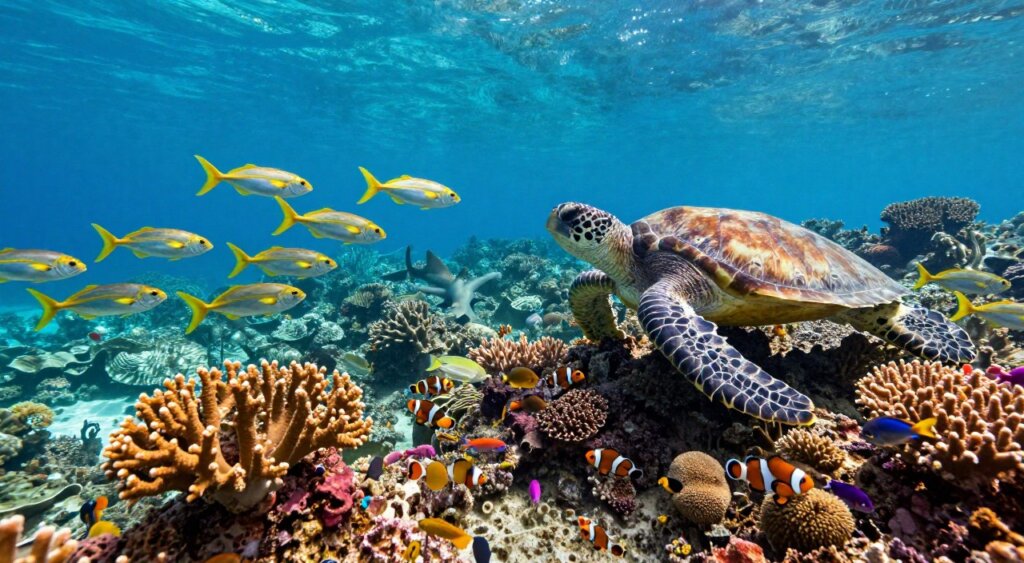
Raja Ampat is more than just beautiful beaches. It’s a hub of life, right at the heart of the Coral Triangle. This area is known for its incredible marine life. The mix of sea and land shows the power of evolution.
For those who love nature, Raja Ampat is a dream come true. The numbers show just how rich and diverse it is.
Marine Life
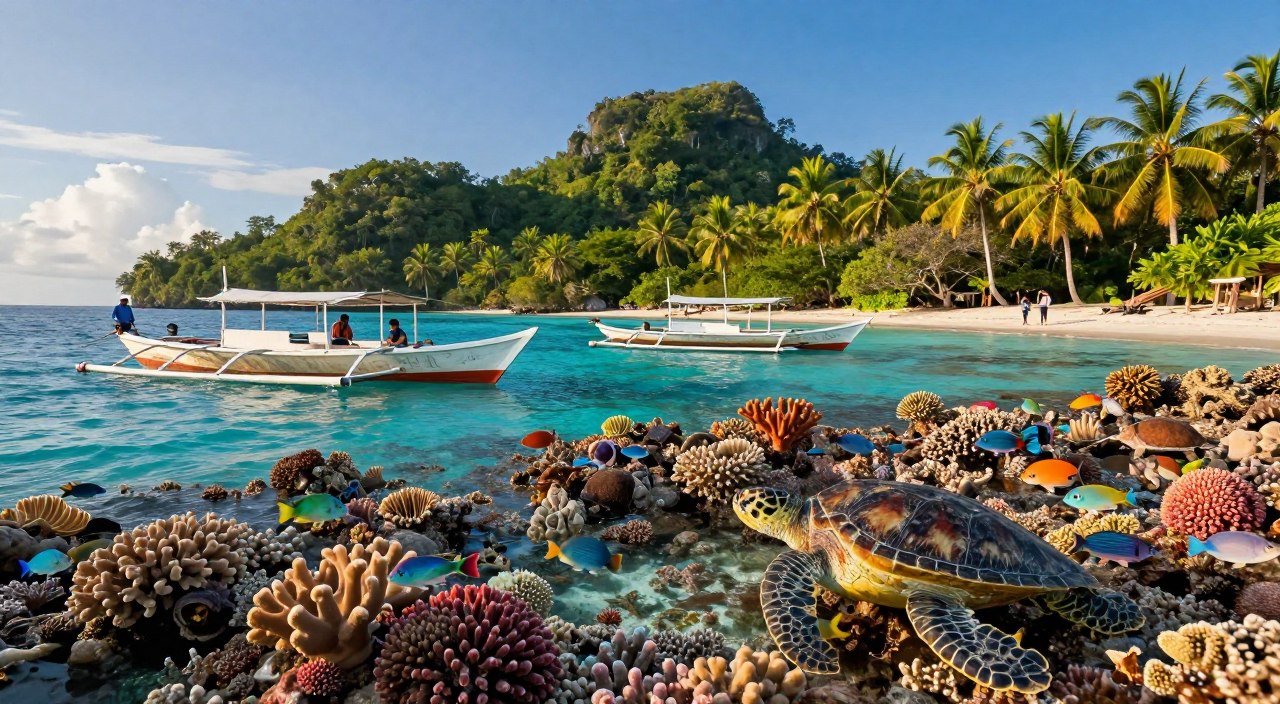
The underwater world of Raja Ampat is breathtaking. Its coral reefs are the most diverse on Earth, with about 550 species of hard coral. This is about 75% of all known coral species worldwide.
These reefs are home to over 1,700 species of fish and more than 700 mollusc species. From tiny creatures to big ones, the variety is endless.
Diving here is unforgettable. You might see a manta ray, a wobbegong shark, or a pygmy seahorse. The coral gardens are a big draw for divers.
| Category | Number of Species | Notable Examples |
|---|---|---|
| Hard Corals | ~550 | Acropora, Montipora, Porites |
| Reef Fish | >1,700 | Humphead Wrasse, Pygmy Seahorse, Mandarin Fish |
| Molluscs | >700 | Giant Clam, Nudibranchs, Cone Snails |
| Sharks & Rays | Multiple | Wobbegong Shark, Manta Ray, Reef Sharks |
Terrestrial Flora and Fauna
The islands are covered in rainforest and mangrove ecosystems. These areas are vital for young fish and clean the water. They also have unique animals found nowhere else.
Birdwatchers will love Raja Ampat. It’s home to many birds, including the Wilson’s Bird-of-Paradise. This bird’s dance is a must-see for wildlife photographers.
The Waigeo Cuscus is a special mammal here. It has thick fur and a prehensile tail. Seeing one takes patience and a sharp eye.
Exploring the jungle is a unique experience. The sounds, the plants, and the creatures create an immersive world. It’s different from the reef but just as important.
What to Expect on an Expedition
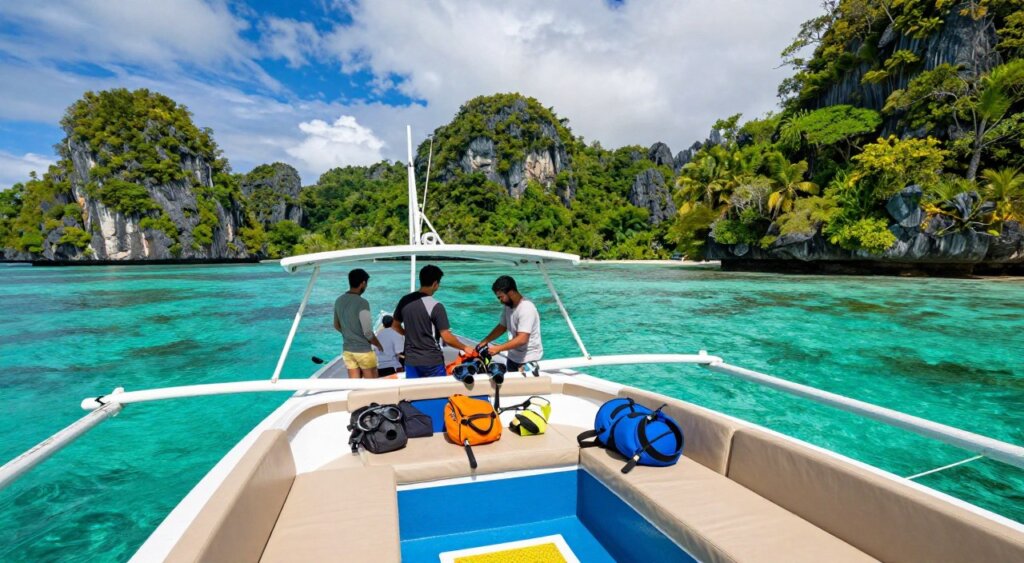
For Australian travellers, a Raja Ampat expedition offers several distinct formats. Your adventure can range from plush, floating hotels to simple, community-run stays. Knowing the options helps you manage expectations and pick the perfect trip.
Each style provides unique access to the archipelago’s treasures. Your choice shapes your daily routine, comfort level, and cultural immersion.
Tour Packages Available
Expedition services in Raja Ampat generally fall into three categories. Your budget and travel style will guide you to the best ekspedisi raja ampat package for you.
Luxury Liveaboards: These are multi-day diving boats. They offer 7 to 12-night itineraries moving between prime sites.
Everything is included—meals, guided dives, and comfortable cabins. This is often the ultimate choice for serious divers wanting maximum time on the reef.
Safari-Style Resort Trips: You stay at an island-based resort or lodge. Packages include daily boat trips for snorkelling, diving, and exploring.
Accommodation is comfortable, often with stunning views. It’s a great mix of adventure and relaxation on solid ground.
Community-Based Homestay Tours: These are budget-friendly and immersive. You stay with local families in simple, traditional accommodation.
Activities are often community-run, directly supporting villages. It’s a fantastic way to experience authentic Papuan culture up close.
Researching a top expedisi service in raja ampat means checking their offered style, inclusions, and sustainability practices.
Typical Itinerary
A standard day on an expedition is packed but flexible. It blends underwater exploration with topside wonders.
Your morning might start with a dawn dive or snorkel. The water is calm, and marine life is often most active.
After breakfast, your group will likely travel by boat to a new site. You could explore the stunning reef systems around Misool one day and the vibrant currents of the Dampier Strait the next.
Lunch is usually served on board or on a pristine sandbar. The afternoon could offer another dive, a cultural visit to a village, or a hike for panoramic views.
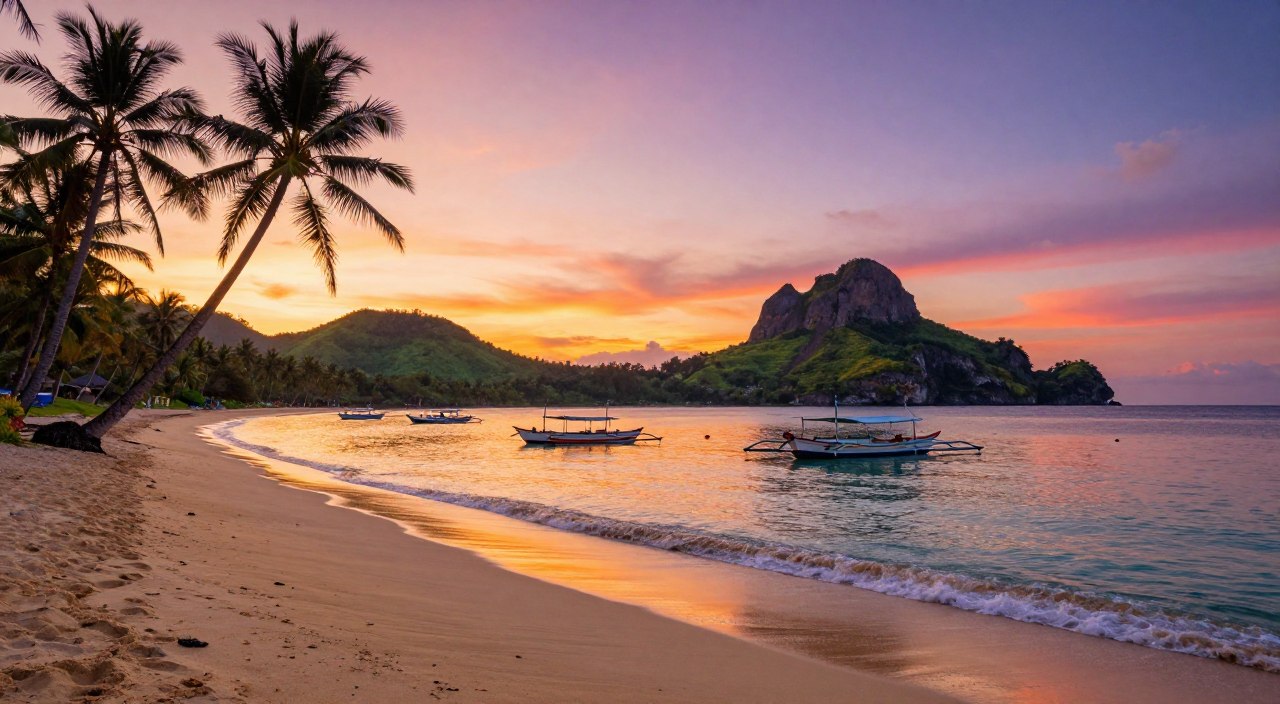
In the evening, you’ll return to your liveaboard, resort, or homestay. The day ends with a spectacular sunset, a shared meal, and stories of the day’s adventures.
Itineraries are designed to showcase different regions. You might spend days exploring the iconic karst islands of Wayag or the secluded lagoons of the south.
Duration of Trips
How long should you go for? Given the travel time from Australia, a longer trip is highly recommended.
Liveaboard expeditions commonly run for 7 to 12 nights. This allows enough time to reach remote atolls and have multiple dives at world-class sites.
Land-based tours can range from 5 to 10 full days. A minimum of 7 to 10 total days is a good rule to justify the journey.
This timeframe lets you settle in, experience a variety of activities, and handle any travel delays. A shorter trip risks feeling rushed after the long flights to Sorong.
When booking a top expedisi service in raja ampat, consider their standard trip lengths. Many operators design packages for this 7-10 day sweet spot.
It ensures you get a complete and unforgettable experience of this remote paradise.
Best Times to Visit Raja Ampat
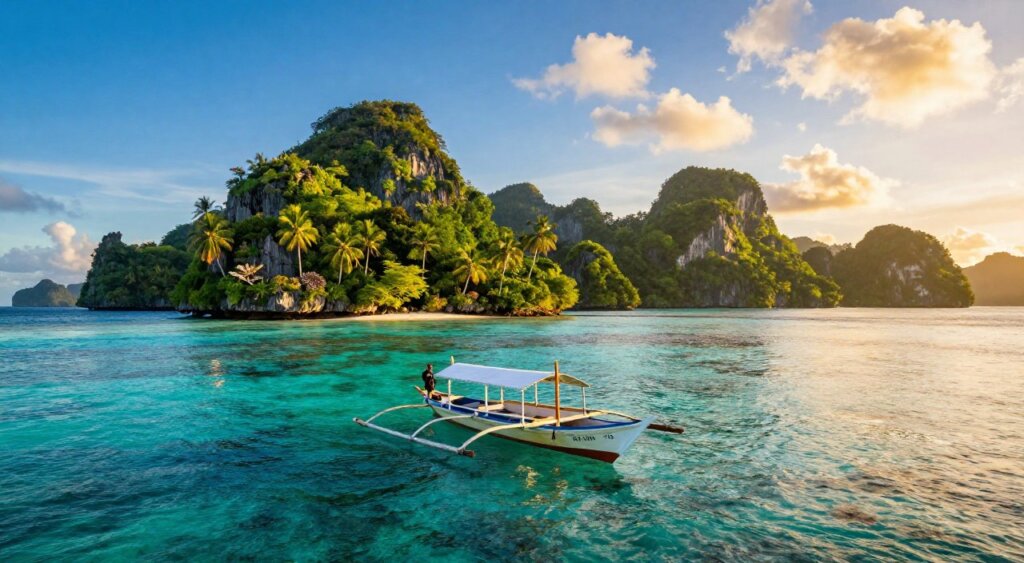
If you’re an Aussie dreaming of clear dives, knowing Raja Ampat’s seasons is key. The archipelago has two main seasons, each with its own vibe.
Choose your travel time based on what matters most to you. Do you want sunny days for diving or quieter times with savings?
Weather Considerations
The dry season in Raja Ampat is from October to April. This time offers calm seas and little rain.
It’s the best time for scuba diving and snorkelling because the water is clear. It’s like a tropical escape from our summer.
The wet season is from May to September. Expect more rain and strong winds, which might affect boat travel and water clarity.
But, the wet season has its perks. Fewer tourists mean lower prices and green islands. It’s great for those who don’t mind a bit of rain and prefer fewer people.
| Factor | Dry Season (Oct-Apr) | Wet Season (May-Sep) |
|---|---|---|
| Weather | Sunny, low rainfall | Higher rainfall, occasional storms |
| Sea Conditions | Generally calm | Can be choppy, specially Jul-Aug |
| Diving Visibility | Excellent, often 30m+ | Good, but can vary |
| Crowds | Higher | Substantially lower |
| Best For | Guaranteed diving, photography | Budget travel, serene exploration |
The wise traveller knows that sometimes the best time to go is when everyone else thinks it’s not.
Peak Tourist Season
The peak tourist season is during the Northern Hemisphere winter and holidays. December to January and Australian school holidays in July are the busiest times.
Resorts and dive boats get booked fast during these periods. Some liveaboards are reserved a full year in advance.
If you’re going during peak times, book your flights and accommodation early. Shoulder months like April or October offer good weather and fewer crowds.
Travel Tips for Raja Ampat

Planning a trip to Raja Ampat requires smart preparation and respect for local customs. This remote paradise is different from usual tourist spots. Getting the small details right ensures your comfort, safety, and positive impact.
Packing Essentials
Packing for Raja Ampat means balancing what you need with what’s practical. Domestic flights and local boats have strict luggage limits. This makes planning your kit essential for affordable Raja Ampat shipping.
Your must-have list includes:
- Reef-safe sunscreen: Chemical sunscreens harm coral. Choose mineral-based, biodegradable options for responsible visiting.
- A high-quality rash vest: This protects your skin from the sun and reduces sunscreen reapplication.
- Waterproof bags: Keep electronics, documents, and spare clothes dry during boat transfers and sudden tropical showers.
- Indonesian Rupiah (IDR) in cash: Credit card facilities are rare. Bring enough cash from major airports like Sorong for daily expenses, souvenirs, and community contributions.
Choose lightweight, quick-dry clothing. A head torch, power bank, and a reusable water bottle are invaluable. For heavy dive or camera gear, look into affordable shipping options to avoid excess baggage fees.
Local Customs and Etiquette
The Papuan communities in Raja Ampat are welcoming but value respect and modesty. When visiting villages, dress conservatively. Shoulders and knees should be covered for both men and women.
Always ask for permission before taking photographs of people or their homes. A simple gesture or a smile is appreciated. It’s considered polite to use your right hand for giving and receiving items.
Engage with locals genuinely. Support community-run homestays and tours directly. This ensures your spending benefits the families who call these islands home.
Health and Safety Precautions
Your health is your responsibility in this remote location. Consult a travel doctor at least a month before departure. They will advise on routine vaccinations and may recommend malaria prophylaxis for your specific itinerary.
Comprehensive travel insurance that includes medical evacuation is essential. Check that it covers adventure activities like scuba diving.
Pack a robust personal first-aid kit. Include antiseptic, bandages, antihistamines, anti-diarrhoea tablets, and any personal medications. While some basic supplies are available in Sorong, don’t rely on finding what you need on the outer islands.
Tap water is not for drinking. Use bottled or purified water even for brushing your teeth. Be cautious with food from very basic street stalls to avoid stomach upsets.
Transportation Options in Raja Ampat
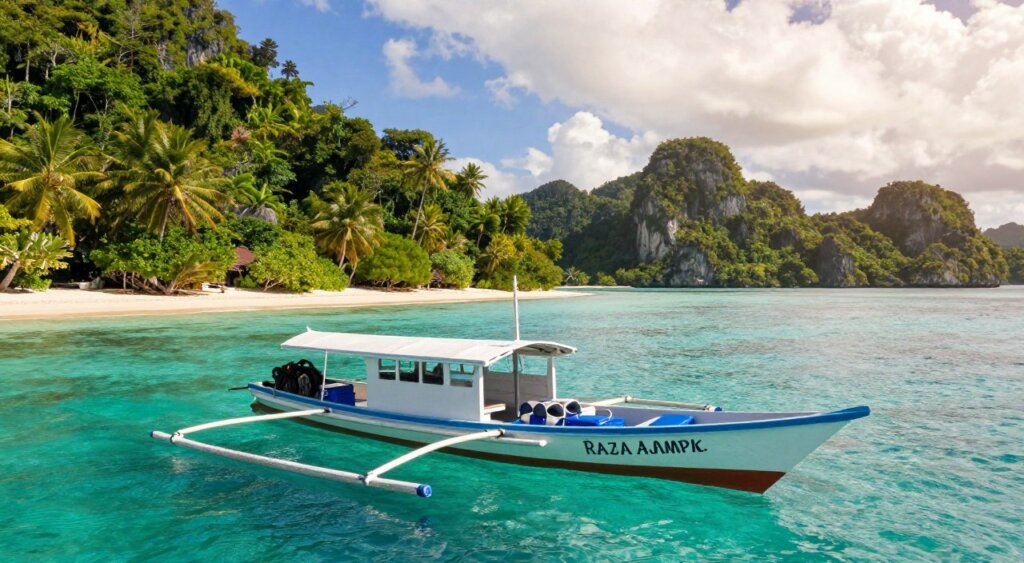
For Australian travellers dreaming of Raja Ampat’s pristine reefs, understanding the transport network is the first step. This remote archipelago demands a bit more journey planning than your typical island getaway. Embracing the adventure is part of the experience, and securing reliable logistics in Raja Ampat ensures your trip starts and ends smoothly.
Getting There via Air
Your aerial gateway to paradise is Domine Eduard Osok Airport (SOQ) in Sorong, on the mainland of West Papua. There are no direct flights from Australia, so you’ll connect through major Indonesian hubs.
The most common routes for Aussies involve flying first to either Jakarta (CGK) or Denpasar (DPS) in Bali. From these cities, you’ll catch a domestic flight to Sorong. Airlines like Garuda Indonesia, Lion Air, and Batik Air operate these domestic legs.
Here’s a typical flight path from major Australian cities:
- From Sydney/Melbourne/Brisbane: Fly to Denpasar (Bali) with airlines like Qantas, Jetstar, or Garuda.
- Connect in Bali: Take a domestic flight to Sorong. Total travel time, including layovers, is often 10-14 hours.
- Upon Arrival: You’ll land in Sorong. Have your visa and travel documents ready for a quick process.
Booking connecting flights on a single ticket can simplify baggage handling. It also provides better protection if your first flight is delayed.
Local Transport Choices
Once in Sorong, the real island adventure begins. The main town of Raja Ampat, Waisai on Waigeo Island, is accessed only by sea. This is where your understanding of local options becomes key.
The Public Ferry: The most economical way is the public ferry from Sorong’s port to Waisai. The trip takes about 2-3 hours. Ferries run on a schedule, so check times in advance. It’s a scenic and authentic way to travel, mixing with locals.
Private Speedboat Charters: For fast ekspedisi delivery in Raja Ampat, hire a private speedboat. This is ideal for groups or those with tight schedules. You can leave on your own timetable and often reach further islands directly. It’s the quickest transfer from Sorong to your resort.
Resort and Liveaboard Transfers: Many resorts and liveaboard dive boats include a transfer service. They will often pick you up from Sorong airport or port by their own dedicated boat. This option offers the ultimate in hassle-free logistics.
Within the islands themselves, transport is almost exclusively by boat. Your resort will use small boats for day trips, snorkelling excursions, and island hopping. There are no roads connecting the islands, so embrace the maritime lifestyle.
Planning your connections carefully is the secret to a stress-free holiday. Whether you choose the ferry or a fast ekspedisi delivery by speedboat, the journey across the turquoise sea is an unforgettable preview of the beauty to come.
Activities to Enjoy

Raja Ampat is more than just beautiful views. It’s a place for adventure, both in and out of the water. You can join in on activities that thrill, delight nature lovers, and spark curiosity about cultures.
Snorkelling and Scuba Diving
Raja Ampat is known for its incredible marine life. Snorkelling and diving here are unmatched experiences. Even just floating, you’ll see vibrant coral and fish.
Divers will love sites like Cape Kri for its rich species. Blue Magic is great for spotting big fish. And the Passage offers calm waters and hidden caves.
Don’t worry if you’re new to diving. Many places offer beginner courses. You can start in safe, clear bays.
Island Hopping Adventures
Boat trips around the islands are a must. Each island has its own charm and stunning views.
Wayag is famous for its karst pinnacles and turquoise waters. Climbing to the top is unforgettable. Misool in the south has calm lagoons and ancient cave paintings.
Pianemo is another great spot for views. Island hopping lets you find secret beaches and swim in hidden coves.
Cultural Experiences
Meeting the local Papuan communities is a highlight. It’s a chance to learn and share.
Visiting a village lets you see daily life and traditions. You might see a traditional dance or learn about sago production.
These moments show Raja Ampat is more than just beauty. It’s a living, breathing place.
It’s important to respect and support the local people. Buying local crafts helps the community.
Accommodations in Raja Ampat
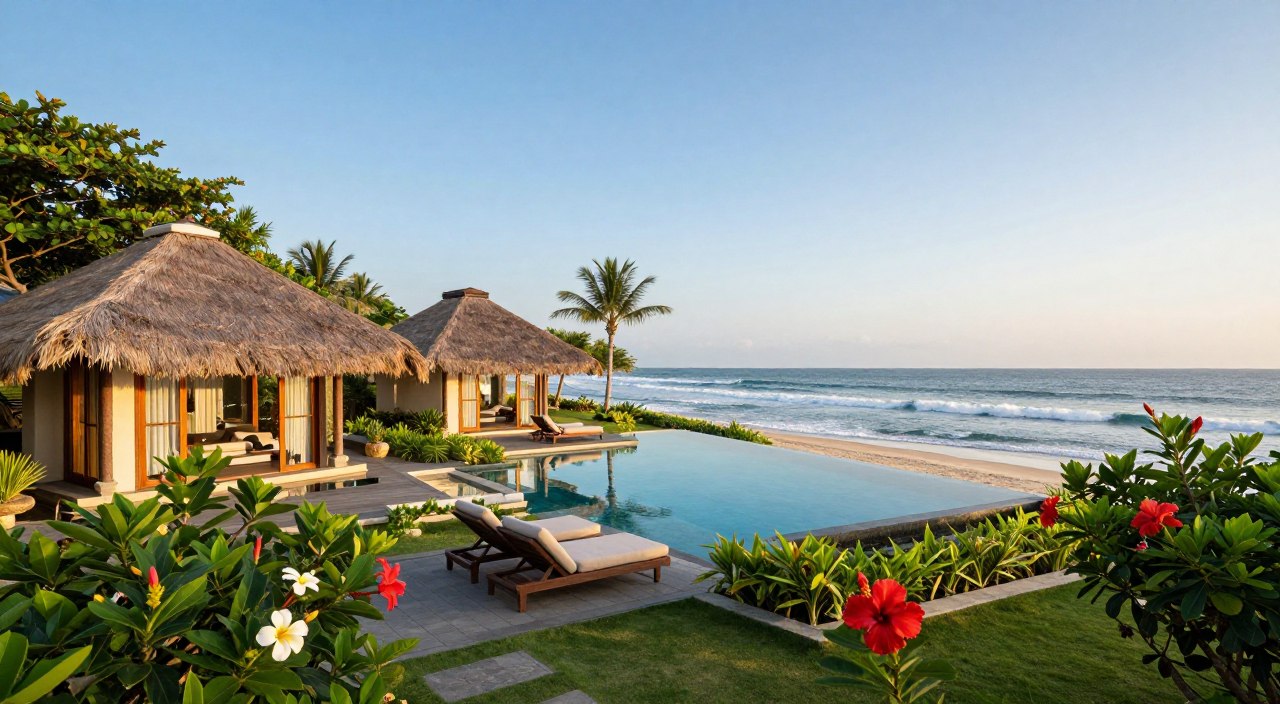
Raja Ampat has everything from fancy overwater bungalows to simple village stays. Your choice of where to stay will influence your adventures and connection to this amazing place. It’s wise to look into your options early.
Types of Lodging
There are three main types of places to stay in the islands. Each offers a mix of comfort, cost, and cultural experience. Your choice depends on what you value most: diving, luxury, or local culture.
The table below helps you make a better choice.
| Type of Lodging | Comfort Level | Cost Range (AUD per night) | Best For | Primary Experience |
|---|---|---|---|---|
| Liveaboard Boats | Compact cabins, shared facilities | $300 – $800+ (all-inclusive) | Serious divers, remote site access | Marine-focused, moving itinerary |
| Eco-Resorts & Dive Lodges | High comfort, private villas, modern amenities | $400 – $1000+ | Luxury seekers, honeymooners, comfort divers | Pampered relaxation with guided activities |
| Community Homestays | Basic (shared bathroom, simple meals) | $30 – $80 (including meals) | Budget travellers, cultural immersion | Direct local life, community-based tourism |
Liveaboards are like floating hotels for diving trips. They get to the most remote reefs. You dive, eat, and sleep on the same boat.
High-end eco-resorts like Misool Eco Resort offer luxury and sustainability. They have house reefs and conservation projects. But, they cost more.
Community-run homestays give you a real Papuan experience. Staying in a village guesthouse supports local families. Many are part of important conservation efforts.
Recommended Resorts and Homestays
Some places get lots of praise for their service and ethics. These are good starting points for your research.
For a top-notch experience, try Misool Eco Resort in southern Raja Ampat. It’s made from reclaimed wood and has a strong marine reserve. Papua Paradise Eco Resort on Birie Island is known for its diving and house reef.
For a good value, look at dive lodges around Waigeo or Kri Island. They have comfy bungalows and easy access to famous dive spots.
For a budget and cultural trip, homestays on islands like Arborek or Sawinggrai are great. You’ll live with a local family, eat traditional food, and learn about village life. Booking through a top-rated Raja Ampat logistics company makes it easier, including transport and meals.
Remember, places are limited everywhere. Book your stay and transfers early. A reliable top-rated Raja Ampat logistics company can help, including flights and boat transfers.
The Environmental Importance of Raja Ampat
Raja Ampat is not just beautiful; it’s also vital for the health of our oceans. It’s at the heart of the Coral Triangle, the world’s most diverse marine area. Its ecosystems are essential for science and fighting climate change.
Protecting Raja Ampat is a global effort. Its health affects fish and coral across the Pacific. Indonesian authorities and conservation groups are working hard to save it.
Conservation Efforts
Raja Ampat is a Marine Protected Area (MPA). This status is key to its protection. The Raja Ampat Marine Park Authority, with help from NGOs, manages its care.
They do many things to protect the reefs. They patrol the seas to stop illegal fishing. They also restore damaged coral with scientists and locals.
Teaching communities is a big part of their work. They show how reefs are valuable for the long term. This helps locals care for the reefs.
These efforts aim to balance nature and people. They want an ecosystem that supports life for many generations.
Impact of Tourism
Tourism is big in Raja Ampat. It brings money to communities and helps conservation. But, it can also harm the environment if not managed well.
The table below shows both sides of tourism:
| Positive Impacts (Benefits) | Negative Impacts (Risks) |
|---|---|
| Provides jobs for local guides, boat crews, and homestay hosts. | Anchor damage from boats can destroy large sections of coral. |
| Generates entry fees that directly fund the Marine Park Authority. | Pollution from sunscreen, plastics, and inadequate waste management. |
| Raises global awareness about the need for marine conservation. | Overcrowding at popular sites can stress marine life and degrade sites. |
| Encourages a shift from extractive industries (like fishing) to service-based economies. | Increased demand for resources like fresh water and energy. |
Your choices affect the environment. Choose low-impact tours and use reef-safe sunscreen. Refuse plastics and follow wildlife viewing rules.
Being mindful of your impact is important. Support sustainable tourism to help preserve Raja Ampat’s beauty for the future.
Engaging with the Local Communities
Beyond the reefs and rainforests, the heart of Raja Ampat beats within its vibrant local communities. Your visit is a chance to go beyond being a spectator. It’s a chance to be a respectful guest. Engaging with the Papuan people enriches your journey and ensures your travel has a positive, lasting impact.
Understanding the Papuan Culture
The term ‘Papuan culture’ encompasses a stunning diversity across the archipelago. You’ll find distinct languages, customs, and artistic traditions that vary from island to island. This cultural richness is the true soul of the region.
Daily life here is deeply connected to the land and sea. Spirituality and social norms are often intertwined with nature and ancestral heritage. As a visitor, showing respect for these traditions is key.
- Respectful Interaction: Always ask for permission before taking photographs of people or their homes.
- Social Norms: A friendly, patient demeanour is valued. Greetings and a smile go a long way.
- Local Dress: Modest clothing is appreciated, specially when visiting villages.
Community-run Initiatives
The most meaningful way to engage is by supporting community-run initiatives. These projects are designed to keep tourism revenue within the local communities, funding schools, healthcare, and conservation.
Homestay networks are a fantastic choice. Staying in a family-run homestay offers an authentic glimpse into daily life. Your payment goes directly to the household, providing tangible economic benefits.
Look for handicraft cooperatives when shopping for souvenirs. Purchasing directly from local artisans ensures they receive a fair price for their beautiful woodcarvings, woven bags, and traditional jewellery.
Opting for locally guided tours is another powerful choice. Village guides share profound knowledge about hidden trails, fishing techniques, and ancestral stories you won’t find in guidebooks.
By choosing these initiatives, you help build a sustainable tourism model. Your choices empower local communities to preserve their Papuan culture while benefiting from the visitors who come to admire their home.
Photography Opportunities in Raja Ampat
Photography in Raja Ampat is more than just taking pictures. It’s about knowing where to shoot and respecting your subjects. This place offers amazing photo spots, from wide island views to close-up wildlife shots. Whether you have a smartphone or a professional camera, you’ll find incredible scenes to capture.
Best Spots for Photography
Some spots in Raja Ampat are famous for their beauty. Their unique settings and light make them perfect for photos.
The viewpoint atop Pianemo is a must-see. A short hike leads to a stunning view of karst islets on turquoise water. At sunrise or sunset, the sky turns into a work of art, making your photos unforgettable.
The wooden jetty at Arborek Village offers a different view. It shows traditional houses and coral gardens just below the surface. This spot combines culture and marine life beautifully.
Don’t miss the underwater world. Manta cleaning stations are great for action shots. Here, mantas and cleaner fish create dramatic images.
Finding beauty in Raja Ampat is easy. The real challenge is choosing what to include in your photos.
Tips for Capturing Wildlife
Capturing Raja Ampat’s wildlife requires skill and respect. It’s about knowing how to take photos without disturbing the animals.
For Marine Life:
- Use a macro lens for small wonders like pygmy seahorses. It captures amazing details.
- A red filter is key for underwater photos. It brings back the vibrant colours of the reefs.
- Control your buoyancy. A steady shot means no damage to coral or sand.
For Birds and Terrestrial Wildlife:
- A fast shutter speed is essential for birds-of-paradise. It freezes their fast movements.
- Use a telephoto lens. It lets you capture intimate moments without disturbing the animals.
- Patience is key. Wildlife is most active in the early morning.
Always put the welfare of your subjects first. Avoid using flash on sensitive creatures. Never chase or corner animals for a shot. Follow your guide’s advice. The goal is to take a powerful image, not just a picture.
Food and Cuisine of Raja Ampat
Raja Ampat is not just about stunning reefs. It’s also a place for food lovers. Here, you’ll find fresh seafood, unique dishes, and warm hospitality. The local food shows off the area’s rich environment and Papuan culture.
Meals in Raja Ampat are simple yet full of flavour. They use what the sea and land offer. You’ll discover tastes that are new yet remarkably satisfying.
Local Dishes to Try
Start your food journey with these authentic dishes. They are the heart of island life.
- Papeda: This is the iconic staple food, a smooth, glue-like porridge made from sago starch. It is typically served with a flavourful yellow fish soup (ikan kuah kuning). Eating papeda is a unique experience, often using chopsticks to twirl the slippery substance.
- Ikan Bakar: You cannot miss freshly grilled fish. Ikan bakar is often prepared simply with spices and cooked over coconut husks or charcoal. The result is smoky, tender, and incredibly fresh.
- Sagu Lempeng: Another sago-based food, this is a simple, dense pancake grilled over a fire. It’s a common carbohydrate served alongside fish and vegetable dishes.
- Sayur Pakis: This is a dish of stir-fried fiddlehead ferns, a common green vegetable in the tropics. It adds a fresh, slightly crunchy element to meals.
- Tropical Fruits: Meals are often finished with fresh fruit like papaya, pineapple, and local varieties of banana. They are sweet, juicy, and perfect in the island heat.
Dining Options Available
Where you eat in Raja Ampat shapes your culinary experience. You can choose from international comfort to deeply traditional home cooking.
Resort Dining: Most resorts offer buffet-style meals or set menus. The food here often blends international dishes with local touches. You might find pasta stations alongside a grill serving fresh ikan bakar. Breakfasts are typically extensive, and dietary needs can often be accommodated with notice.
Homestay and Village Dining: Staying in a village homestay provides the most authentic food experience. Meals are simple, traditional, and shared with the host family. You will likely be served papeda, grilled fish, and local vegetables. This is a fantastic way to connect with local culture and enjoy home-cooked Papuan meals.
Small local warungs (eateries) in villages like Waisai may serve basic plates of rice and fish. For most visitors, meals are included in their resort or homestay package, making dining a seamless part of the adventure.
Budgeting for Your Trip
For Australian travellers, planning your trip to Papuan paradise is easy with a clear budget in AUD. Knowing where your money goes helps you enjoy the natural wonders without stress. A good budget is the first step to an unforgettable ekspedisi Raja Ampat.
Estimated Costs
Costs in Raja Ampat vary based on your travel style. Your daily spend affects comfort, what’s included, and the adventure level. Understanding these tiers is key to affordable Raja Ampat shipping.
Big expenses include international flights to Indonesia, domestic flights to Sorong, the Raja Ampat entry permit, and your tour or accommodation package. The permit is a fixed cost for all visitors.
| Cost Category | Budget Traveller | Mid-Range Explorer | Luxury Liveaboard |
|---|---|---|---|
| Accommodation & Meals | Basic homestay (AUD $50-80/night) | Comfortable resort (AUD $150-300/night) | All-inclusive liveaboard (AUD $500+/night) |
| Transport & Permits | Local boats, shared transfers (~AUD $200) | Speedboat charters, flights (~AUD $500) | All transport included in package |
| Daily Activities | Snorkelling from shore, basic tours | Guided diving, island hopping | Unlimited diving, exclusive excursions |
| Estimated Daily Rate | AUD $100 – $150 | AUD $250 – $400 | AUD $500 – $700+ |
Choosing the best ekspedisi Raja Ampat provider means finding a package that fits your budget. Always check what’s included, like meals, diving, and transport, to avoid surprises.
Saving Tips
With smart strategies, you can make your dollar go further in this remote destination. Planning ahead is the best way to manage costs.
- Travel in a Group: Sharing costs for private boat charters and guides reduces expenses per person.
- Book Early: Get discounts on flights and packages by booking months in advance.
- Choose Shoulder Seasons: Visit before or after peak season (April-June, September-October) for better rates and fewer crowds.
- Consider Longer Stays: Some homestays offer weekly discounts, making longer trips more economical.
- Pack Wisely: Bring essential snorkel gear and reef-safe sunscreen to avoid expensive purchases on the islands.
- Support Local: Booking community homestays and local tours often provides better value and benefits the economy.
Researching and booking the best ekspedisi Raja Ampat operators with clear pricing is key to solidifying your budget.
Responsible Tourism Practices
Visiting Raja Ampat is more than just seeing sights. It’s about leaving a positive mark on the environment and local communities. Your actions as a traveller can make a big difference. By following ethical travel, you help keep this paradise alive for others to enjoy.
Minimising Your Footprint
The marine and island ecosystems in Raja Ampat are very delicate. Every visitor has a role in protecting them. Simple actions can greatly reduce your impact.
Start with your personal care items. Always use reef-safe sunscreen that doesn’t harm coral reefs. Remember, what you bring in, you must take out. Never leave rubbish behind; dispose of it properly on your boat or at your accommodation.
Your actions in the water are very important. Never touch, stand on, or collect coral or marine creatures. Even a small touch can harm them. Be careful not to stir up sediment, which can smother coral.
Choose your tour operator carefully. Look for companies with strong environmental policies and a commitment to conservation. Good operators limit group sizes, teach eco-protocols, and support local projects.
Supporting Local Economies
Tourism money should go to those who keep Raja Ampat’s culture and environment alive. Making smart spending choices can have a big social impact.
Hiring local guides is a great way to start. They know the area best. By hiring them, your money stays in the community. Also, choose to stay in locally-owned places over big chains.
Spending money in village shops and at community stalls is also important. Buying handicrafts, snacks, and drinks from these places helps families. Here are some easy ways to help:
- Buy souvenirs directly from artisans.
- Eat at warungs (local eateries) in Waisai or the villages.
- Book cultural tours or experiences managed by the community.
This approach builds a tourism economy that values Papuan culture. It empowers locals and helps protect their heritage. Your visit becomes more meaningful when it benefits the community.
By reducing your footprint and supporting local economies, you become a true partner in preserving Raja Ampat.
Conclusion
An ekspedisi raja ampat is more than a holiday. It’s a deep dive into one of the planet’s most vital and stunning ecosystems.
Recap of Key Points
Raja Ampat is famous for its marine biodiversity. It has pristine coral reefs and countless fish species. The land and Papuan culture add to the experience.
Planning is key, with the dry season being the best time to visit. You’ll need to arrange flights to Sorong and choose your accommodation. Options range from community homestays to eco-resorts.
Final Thoughts on Visiting Raja Ampat
For the adventurous Australian, this trip offers a deep connection with nature. It’s important to embrace responsible practices to protect this fragile environment.
The journey promises an unforgettable adventure. It leaves you with a renewed sense of wonder for the natural world.
FAQ
How do I get to Raja Ampat from Australia?
What is the best time of year to visit Raja Ampat?
How much should I budget for a Raja Ampat expedition?
FAQ
How do I get to Raja Ampat from Australia?
The main way is through Sorong, West Papua. From cities like Sydney, Perth, or Brisbane, you’ll fly to Jakarta or Denpasar (Bali) first. Then, take a domestic flight to Sorong’s Domine Eduard Osok Airport.
In Sorong, you’ll switch to a harbour for a ferry or speedboat to your destination in the islands. This final step is where good logistics and shipping services are key.
What is the best time of year to visit Raja Ampat?
The best time for diving and dry weather is from October to April. The peak months for calm seas and clear diving are October to November and March to April.
The wet season (May to September) has more rain and wind. It can affect boat travel and diving. But, it means fewer crowds and lower prices. Avoid July and August if diving is your main goal.
How much should I budget for a Raja Ampat expedition?
Costs vary a lot. A budget trip with homestays and local ferries might cost AUD
FAQ
How do I get to Raja Ampat from Australia?
The main way is through Sorong, West Papua. From cities like Sydney, Perth, or Brisbane, you’ll fly to Jakarta or Denpasar (Bali) first. Then, take a domestic flight to Sorong’s Domine Eduard Osok Airport.
In Sorong, you’ll switch to a harbour for a ferry or speedboat to your destination in the islands. This final step is where good logistics and shipping services are key.
What is the best time of year to visit Raja Ampat?
The best time for diving and dry weather is from October to April. The peak months for calm seas and clear diving are October to November and March to April.
The wet season (May to September) has more rain and wind. It can affect boat travel and diving. But, it means fewer crowds and lower prices. Avoid July and August if diving is your main goal.
How much should I budget for a Raja Ampat expedition?
Costs vary a lot. A budget trip with homestays and local ferries might cost AUD $1,500-$2,500 for 7-10 days, excluding flights. Mid-range resort packages are around AUD $3,000-$5,000.
Luxury liveaboard cruises start at AUD $5,000. Don’t forget the Raja Ampat entrance fee (about AUD $100), domestic flights, and extra activities. A good ekspedisi raja ampat service can offer better value.
Do I need to be an experienced diver to enjoy Raja Ampat?
No, you don’t need to be an experienced diver. Raja Ampat has great snorkelling sites and beginner-friendly dive spots. Many places offer dive courses.
But, some famous sites have strong currents. Choose your dive spots and operator based on your skill level.
What should I pack for a trip to Raja Ampat?
A> Pack reef-safe sunscreen, a rash vest, sturdy sandals, and a waterproof dry bag. Also, bring high-quality mosquito repellent, a basic first-aid kit, and any personal medication.
For electronics, take a universal adapter, power banks, and waterproof camera gear. Pack light, soft luggage for small boats. Remember, Indonesian domestic flights have strict baggage limits.
How can I ensure my visit supports the local community?
Choose community-run places like homestays or community-owned resorts. Book guided tours with local Papuan guides and buy handicrafts directly from artisans.
Respect cultural protocols and spend money locally. Avoid giving money or sweets to children. Instead, support community schools or projects through established organisations.
What are the main types of accommodation available?
There are three main types: liveaboard boats for diving, island resorts, and local homestays. Your choice affects your experience.
Liveaboards offer mobility, resorts provide comfort, and homestays offer cultural immersion. A good raja ampat logistics company can help you find the best option.
Is it safe to travel in Raja Ampat?
Raja Ampat is very safe, with friendly locals. Follow standard travel precautions: secure valuables, use reputable transport, and have travel insurance.
Ensure your routine vaccinations are up-to-date. Consider hepatitis A, typhoid, and tetanus. There’s little malaria risk in tourist areas, but anti-malarials might be recommended.
How do I get around between the islands once I’m there?
Local transport uses scheduled public ferries from Sorong to Waisai, which are affordable but slow. For flexibility and speed, most visitors use pre-arranged private speedboat charters.
Liveaboards provide their own transport. Your accommodation will arrange a boat and guide for island-hopping day trips. Reliable and fast ekspedisi delivery in raja ampat is essential for a smooth experience.
What is the Raja Ampat entrance fee, and why is it charged?
The Raja Ampat Marine Park entry ticket is IDR 1,000,000 (about AUD $100) for international visitors. It’s valid for one year. This fee funds local ranger patrols, community education, and environmental protection.
You’ll need to buy this upon arrival. Most tour operators will help with the process.
,500-,500 for 7-10 days, excluding flights. Mid-range resort packages are around AUD ,000-,000.
Luxury liveaboard cruises start at AUD ,000. Don’t forget the Raja Ampat entrance fee (about AUD 0), domestic flights, and extra activities. A good ekspedisi raja ampat service can offer better value.
Do I need to be an experienced diver to enjoy Raja Ampat?
No, you don’t need to be an experienced diver. Raja Ampat has great snorkelling sites and beginner-friendly dive spots. Many places offer dive courses.
But, some famous sites have strong currents. Choose your dive spots and operator based on your skill level.
What should I pack for a trip to Raja Ampat?
A> Pack reef-safe sunscreen, a rash vest, sturdy sandals, and a waterproof dry bag. Also, bring high-quality mosquito repellent, a basic first-aid kit, and any personal medication.
For electronics, take a universal adapter, power banks, and waterproof camera gear. Pack light, soft luggage for small boats. Remember, Indonesian domestic flights have strict baggage limits.
How can I ensure my visit supports the local community?
Choose community-run places like homestays or community-owned resorts. Book guided tours with local Papuan guides and buy handicrafts directly from artisans.
Respect cultural protocols and spend money locally. Avoid giving money or sweets to children. Instead, support community schools or projects through established organisations.
What are the main types of accommodation available?
There are three main types: liveaboard boats for diving, island resorts, and local homestays. Your choice affects your experience.
Liveaboards offer mobility, resorts provide comfort, and homestays offer cultural immersion. A good raja ampat logistics company can help you find the best option.
Is it safe to travel in Raja Ampat?
Raja Ampat is very safe, with friendly locals. Follow standard travel precautions: secure valuables, use reputable transport, and have travel insurance.
Ensure your routine vaccinations are up-to-date. Consider hepatitis A, typhoid, and tetanus. There’s little malaria risk in tourist areas, but anti-malarials might be recommended.
How do I get around between the islands once I’m there?
Local transport uses scheduled public ferries from Sorong to Waisai, which are affordable but slow. For flexibility and speed, most visitors use pre-arranged private speedboat charters.
Liveaboards provide their own transport. Your accommodation will arrange a boat and guide for island-hopping day trips. Reliable and fast ekspedisi delivery in raja ampat is essential for a smooth experience.
What is the Raja Ampat entrance fee, and why is it charged?
The Raja Ampat Marine Park entry ticket is IDR 1,000,000 (about AUD 0) for international visitors. It’s valid for one year. This fee funds local ranger patrols, community education, and environmental protection.
You’ll need to buy this upon arrival. Most tour operators will help with the process.