Ever thought about diving into the most vibrant and teeming underwater world on Earth? For Aussie travellers, a diving holiday in Raja Ampat is more than a trip. It’s a journey to the heart of marine life.
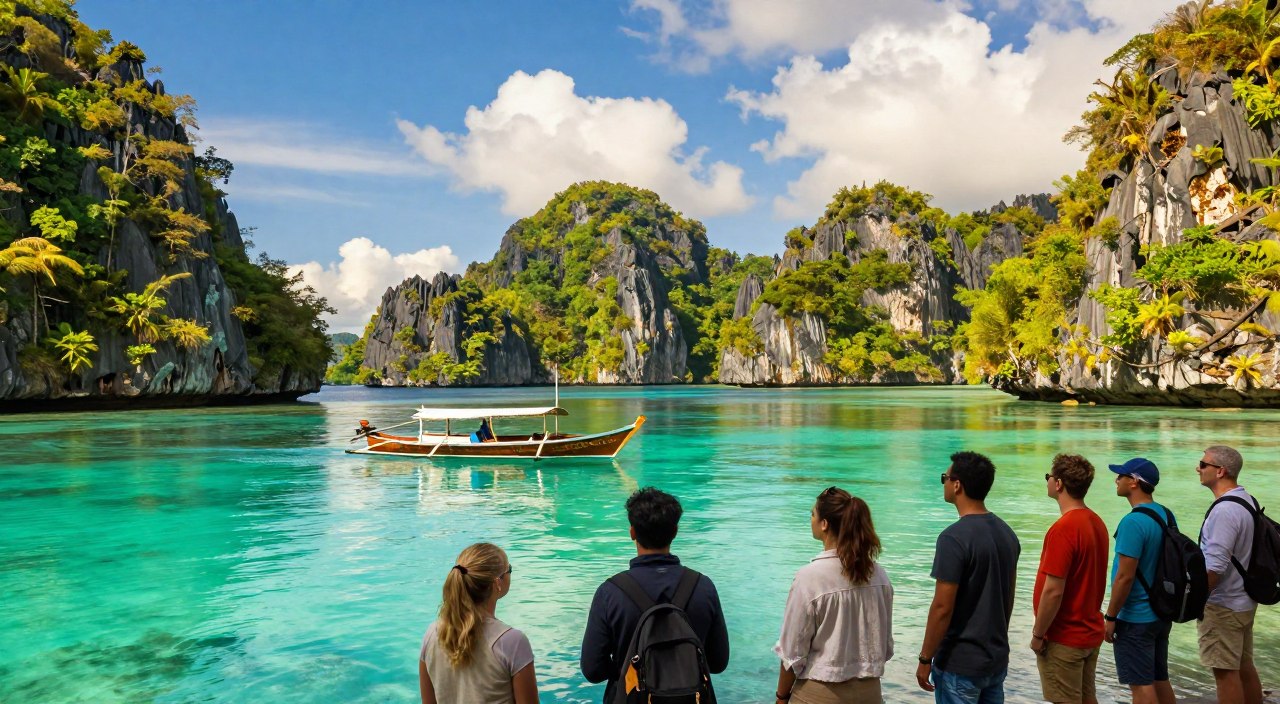
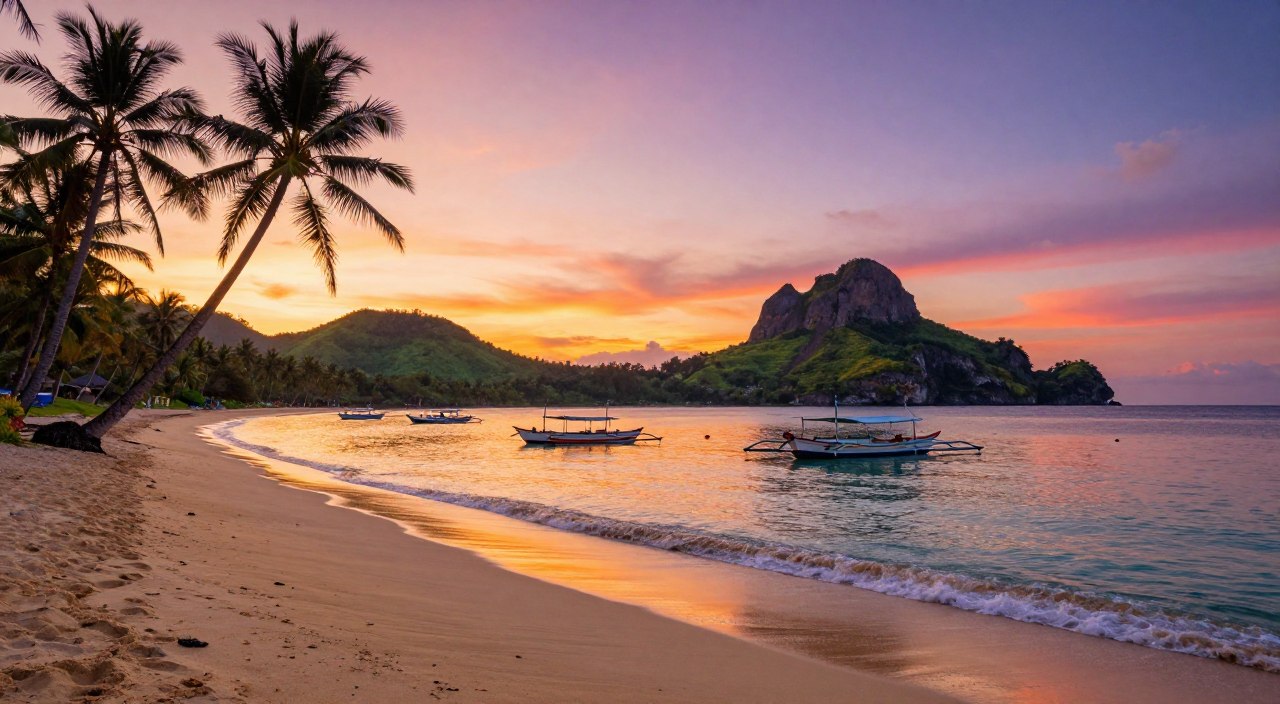
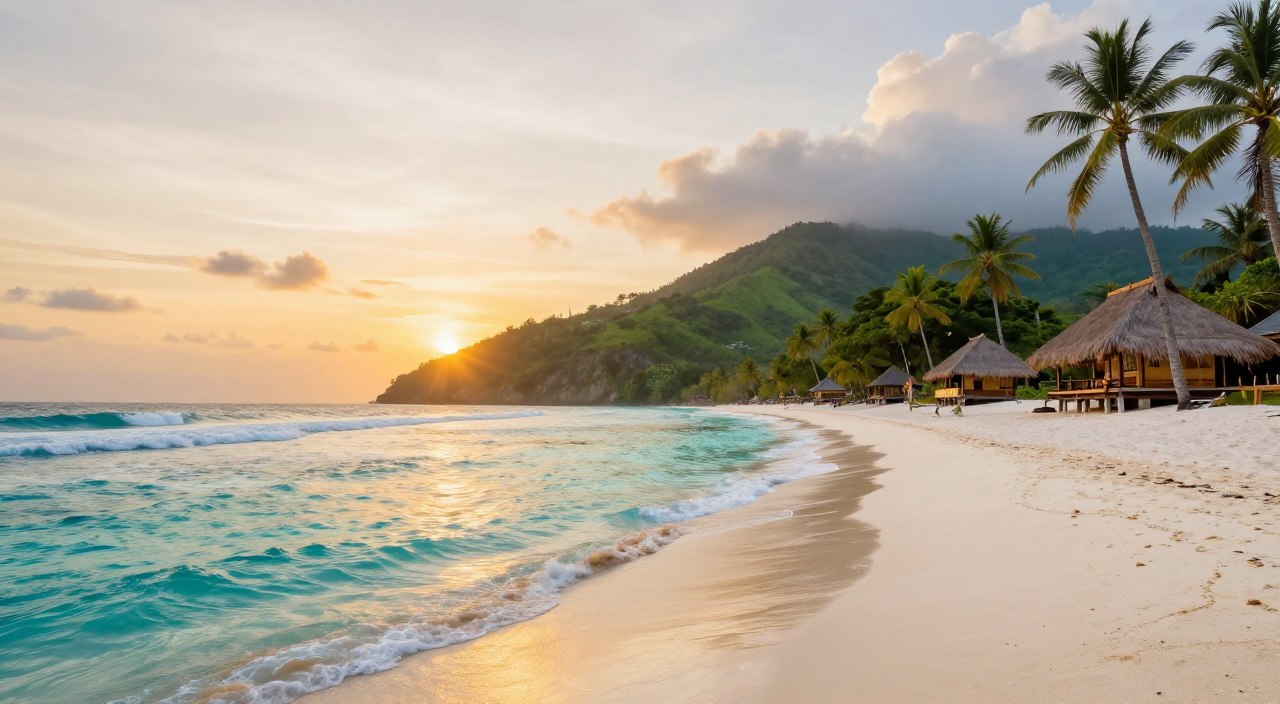
Raja Ampat is in the remote islands of West Papua, Indonesia. It’s known worldwide as the centre of marine biodiversity. Its waters are alive with colour, filled with vast coral reefs that look like underwater gardens.
The number of fish and rare species here is incredible. You won’t find these encounters anywhere else. It’s a place where heart-pounding adventure meets peaceful relaxation.
This is your first step to understanding why Raja Ampat is the ultimate underwater experience. We’ll show you why it’s the perfect spot for your next big adventure.
Key Takeaways
- Raja Ampat is internationally recognised as the global epicentre of marine biodiversity.
- The region boasts pristine coral reef systems that are among the healthiest on the planet.
- Encounters with huge and diverse fish populations are a guaranteed part of the experience.
- A holiday here offers a unique mix of adventurous exploration and serene relaxation.
- It is a premier destination for Australian travellers seeking a world-class underwater adventure.
- The remote location in Indonesia adds to its unspoiled and exclusive feel.
Introduction to Raja Ampat Diving Holidays
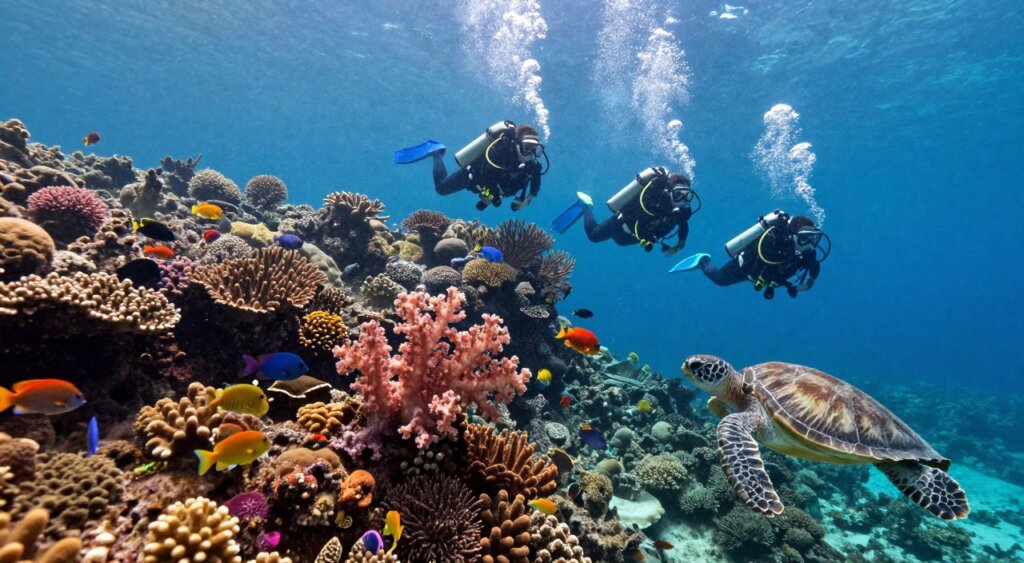
Australian divers looking for an amazing underwater adventure will love Raja Ampat in West Papua. This remote paradise is known for its stunning visibility and unique ecosystems. Knowing about its geography, ecological value, and best times to visit is key to planning your dream trip.
Overview of the Destinations
Raja Ampat, meaning ‘Four Kings’, is a group of over 1,500 small islands and cays. The four main islands are Waigeo, Batanta, Salawati, and Misool. These islands make up the incredible diving landscape of the region.
Waigeo is the biggest island and has Waisai, the main town and transport hub. Most visitors start their journey here. From Waisai, you can reach famous sites and book dive packages raja ampat operators offer.
Batanta and Salawati have rugged terrain and untouched mangrove forests. These are important nurseries for marine life. Misool, in the south, is famous for its limestone karsts and pristine coral reefs.
Importance of Biodiversity
Raja Ampat is at the heart of the Coral Triangle, the world’s marine biodiversity hotspot. Scientists say this area has the most diverse sea life on Earth. The numbers are truly impressive.
Records show Raja Ampat has over 1,700 species of reef fish and more than 550 species of hard coral. This is about 75% of the world’s known coral species. This high density of life makes diving here an unforgettable experience.
Protecting this biodiversity is not just a local issue; it’s a global responsibility for the health of our oceans.
This incredible abundance makes scuba diving raja ampat a must-do experience. The health of these reefs affects the quality and variety of dive packages raja ampat operators can offer.
Best Times to Visit
Diving in Raja Ampat is possible all year, but conditions change. The dry season, from October to April, is the best time. Seas are calm, and visibility often exceeds 30 metres.
The wet season (May to September) brings more rain and occasional stronger winds. But, it’s a great time to see manta rays and plankton blooms that attract huge fish schools. The water stays warm all year.
To plan your trip, consider these seasonal highlights:
| Season | Months | Key Conditions | Wildlife Highlights |
|---|---|---|---|
| Dry (Peak) | Oct – Apr | Calm seas, highest visibility | Excellent all-round reef life |
| Transition | Apr – Jun, Sep – Oct | Good visibility, less crowded | Manta ray sightings increase |
| Wet | Jul – Sep | More rain, possible stronger currents | Plankton blooms, pelagic action |
When booking your scuba diving raja ampat holiday, talk to operators about what you want. Whether you want clear photos or exciting pelagic encounters, there’s a season and package for you.
Diving Sites in Raja Ampat
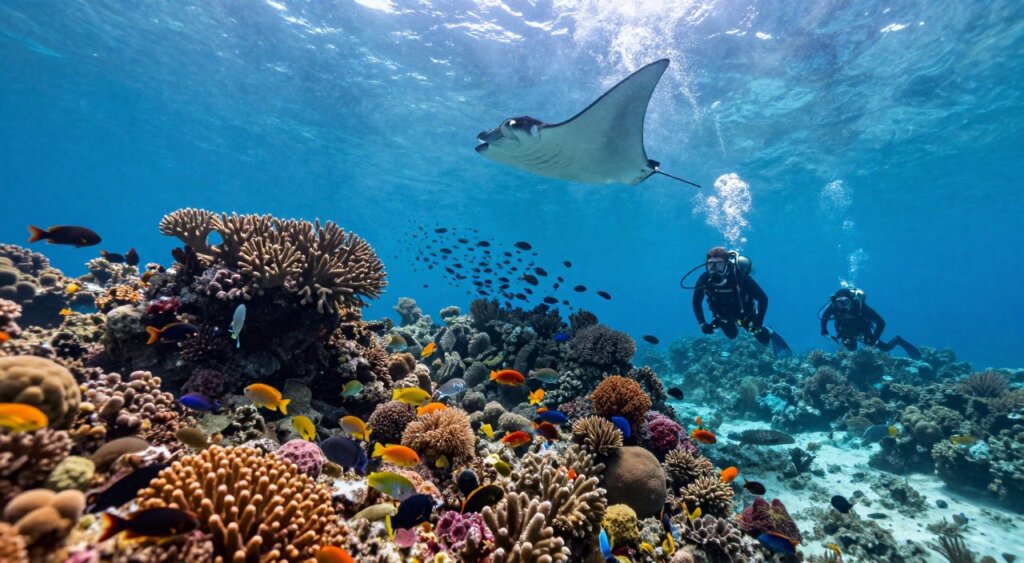
Exploring Raja Ampat’s best diving spots takes you to thrilling pelagic arenas and serene coral gardens. This archipelago is a mosaic of underwater landscapes. Each offers a unique view into its stunning biodiversity. Whether you seek adrenaline or a calm reef stroll, there’s a site for you.
Blue Magic
Blue Magic is a famous seamount that attracts large marine life. Divers face strong currents, which bring nutrients. This makes it perfect for pelagic action.
Sharks, trevallies, and barracuda are common here. The site is truly magical for advanced divers. The experience is intense and unforgettable.
Cape Kri
Cape Kri holds world records for fish species seen on a single dive. The reef is packed with life, creating a stunning spectacle. It’s a top spot for witnessing biodiversity.
Thousands of fish surround you, from tiny anthias to large predators. The site offers a sensory overload. Every glance reveals something new and fascinating.
Mioskon
Mioskon is an all-rounder site with beautiful sloping reefs. It’s great for divers who love macro life and larger fish. The terrain is varied and stunning.
Look out for wobbegong sharks and pygmy seahorses. This site showcases Raja Ampat’s variety, from small to large.
Marine Life to Encounter
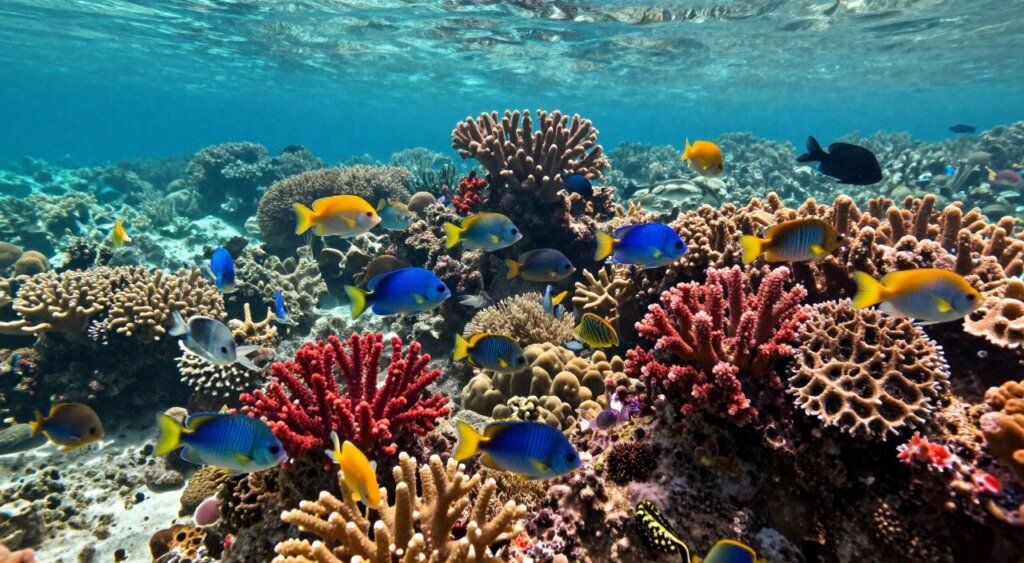
Get ready to be amazed by the underwater world of Raja Ampat. You’ll see tiny creatures and huge ocean animals. The area is full of life, with many fish, beautiful coral reefs, and more.
Coral Species
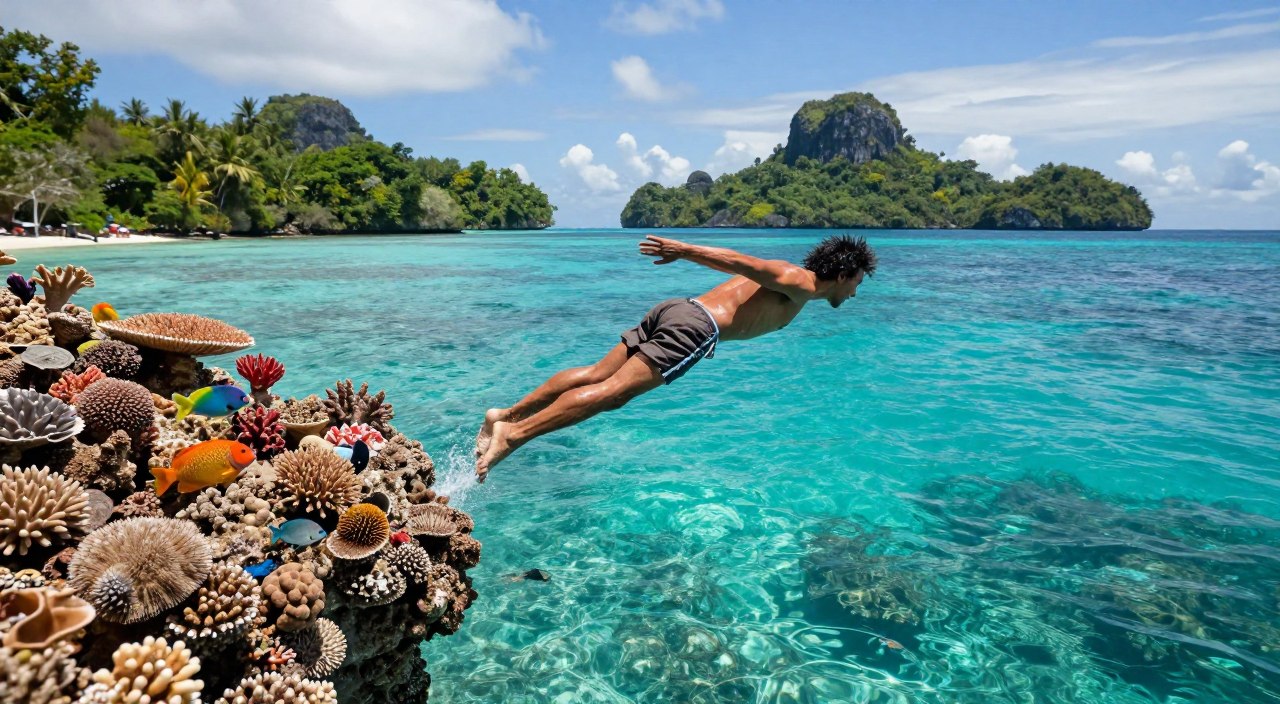
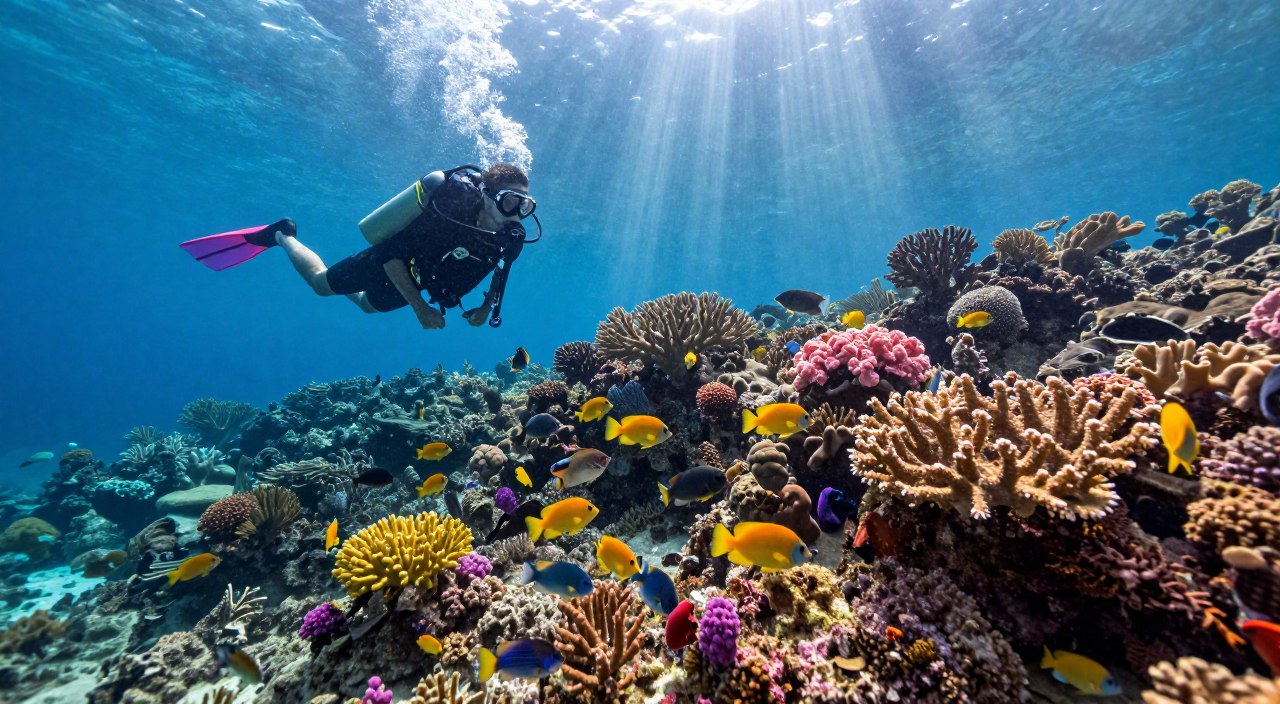
The coral reefs are the heart of Raja Ampat. They are made of hard and soft corals, creating a colorful and lively scene. You’ll see tall staghorn and brain coral.
Sea fans and whips move gently in the water. These reefs are not just pretty. They are also where many marine animals live and eat. The health of these reefs makes Raja Ampat famous worldwide.
Pelagic Fish
If you’re looking for excitement, the open water is the place to be. You’ll see giant trevally and dogtooth tuna. Reef sharks also swim by.
Manta rays are the stars for many. Both reef and oceanic mantas come to cleaning stations. It’s a humbling experience to see them.
Macro Life
Take your time and look closely. The small creatures here are amazing. Pygmy seahorses and ghost pipefish are just a few of the wonders.
Colourful nudibranchs and rare crustaceans are also here. Divers and photographers love this world of tiny wonders.
| Category | Key Species Examples | Typical Size | Prime Viewing Location |
|---|---|---|---|
| Coral Species | Staghorn Coral, Brain Coral, Sea Fans, Soft Corals | Formations from 0.5m to 10m+ | Shallow Reef Slopes & Protected Bays |
| Pelagic Fish | Manta Rays, Reef Sharks, Giant Trevally, Tuna | 1m to 6m wingspan/length | Channel Entrances & Cleaning Stations |
| Macro Life | Pygmy Seahorses, Ghost Pipefish, Nudibranchs, Shrimps | 1cm to 10cm | Muck Sites, Mangrove Roots, Coral Patches |
Every dive in Raja Ampat is special. You’ll see everything from big fish to tiny creatures. This makes Raja Ampat a top place for diving.
Choosing the Right Dive Operator
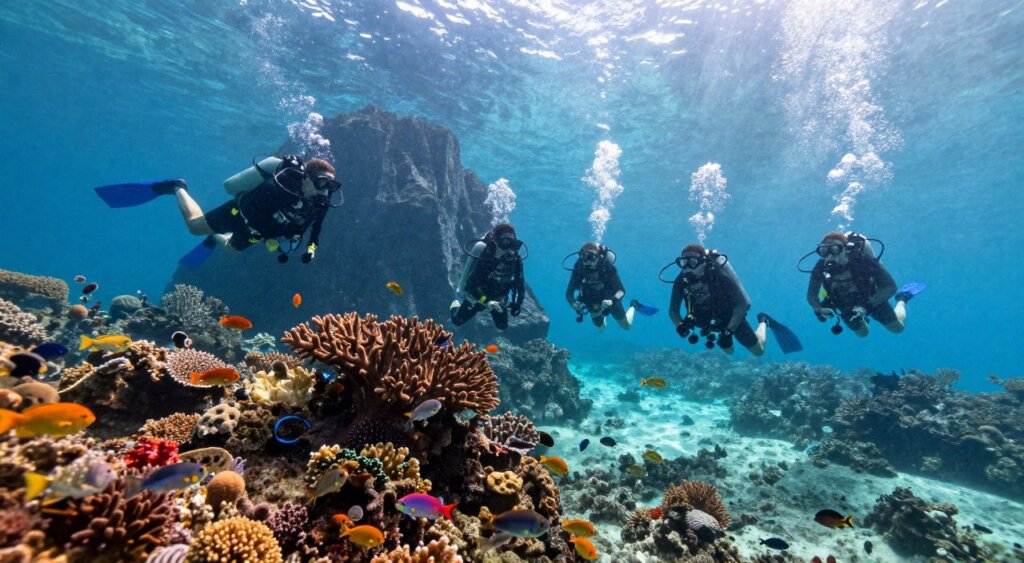
Choosing the right dive operator in Raja Ampat is key to a great trip. It affects your safety, service, and enjoyment. Focus on three main areas to make a good choice.
Certification and Safety Standards
Never compromise on safety. Look for a PADI 5-Star IDC Centre or an SSI Platinum Facility. These show a commitment to quality training and operations.
Ask about their safety plans. Good operators give detailed briefings, keep guide-to-diver ratios small, and have clear emergency plans. Their gear should be up-to-date, well-maintained, and include dive computers and surface marker buoys.
Make sure they have full liability insurance. Also, check that dive guides are certified and know Raja Ampat well.
Inclusions and Packages
Dive packages in Raja Ampat vary. Check what’s included to understand the value. A good package lists boat dives, land transfers, and what’s provided like tanks and weights.
Resort packages often include meals and accommodation. Liveaboard packages offer full board, unlimited diving, and vessel accommodation. Always ask about extra costs for national park fees, equipment rental, or nitrox fills.
Here’s a comparison of common dive packages:
| Package Type | Typical Inclusions | Best For | Considerations |
|---|---|---|---|
| Resort-Based Package | Accommodation, daily boat dives (2-3), meals, tanks/weights, airport transfers. | Divers who prefer a fixed base, flexibility for non-diving days, and resort amenities. | Park fees are often extra. Travel time to dive sites can be longer. |
| Liveaboard Package | All meals & accommodation on board, 3-4 dives daily (incl. night dives), unlimited diving, travel to remote sites. | Serious divers wanting maximum time underwater and access to pristine, distant reefs. | Requires comfort on a boat for multiple days. It is usually a higher upfront cost. |
| Day Trip / Dive Pass | Boat dives only, with tanks and weights. Sometimes includes a simple lunch. | Budget-conscious travellers or those arranging their own accommodation separately. | You must manage your own logistics. Less value if you plan to dive many days. |
Reputation and Reviews
Independent feedback is key. Start with dive forums and Australian travel communities online. Social media groups for divers are great for recent tips.
Read reviews on platforms like TripAdvisor with a critical eye. Look for consistent praise over time. Positive feedback about guides, boat quality, or organisation is a good sign.
Be wary of operators with no online presence or a pattern of complaints about equipment faults or poor safety culture. A few negative reviews are normal, but recurring issues are a red flag. A good operator responds well to all feedback.
By checking certifications, comparing dive packages, and reading customer reviews, you can find a safe and enjoyable diving adventure.
Types of Diving Experiences
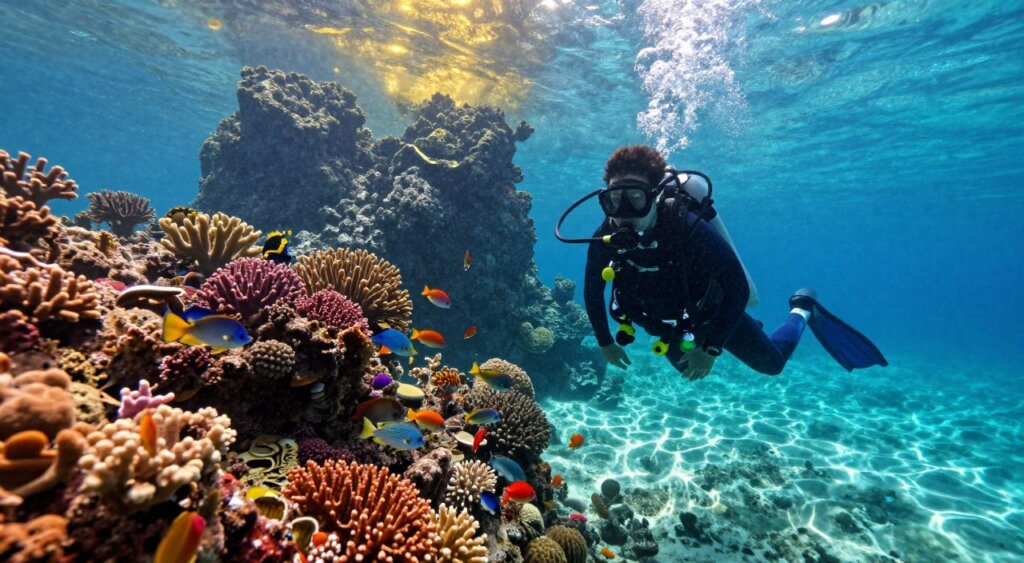
Raja Ampat offers a range of underwater adventures. You can choose based on your skill, budget, and desire for adventure. It’s a place where you can dive in three main ways.
Each method gives you a unique view of the coral reefs and marine life. Whether you want fast drift dives or calm floating, there’s something for everyone.
Scuba Diving
Scuba diving Raja Ampat is perfect for diving deep into the underwater world. You can explore reef walls, overhangs, and meet the creatures living there.
There are dives for all levels here. Beginners can enjoy calm reef dives in bays. Thrill-seekers can try drift dives with big fish in nutrient-rich currents.
Dive sites suit all certifications. Local guides offer courses and dives. This is the core of diving adventures Raja Ampat is known for.
Snorkelling
Snorkelling is a great way to see Raja Ampat’s rich marine life. Shallow, sunny waters near the surface are home to vibrant coral gardens.
These areas are perfect for snorkellers. You can see colourful fish and coral without needing special gear or training.
It’s great for groups or families. Non-divers can enjoy the view while divers relax. Just put on a mask, snorkel, and fins to start your adventure.
Liveaboard Diving
A liveaboard trip is the best way to experience diving adventures Raja Ampat. These boats take you to secluded, untouched sites away from the crowds.
Imagine diving right from the boat and exploring new reefs. The liveaboard becomes a key part of your holiday.
These boats offer meals, dive decks, and a community of divers. It’s a full dive experience, considered the best marine holiday.
Best Dive Conditions
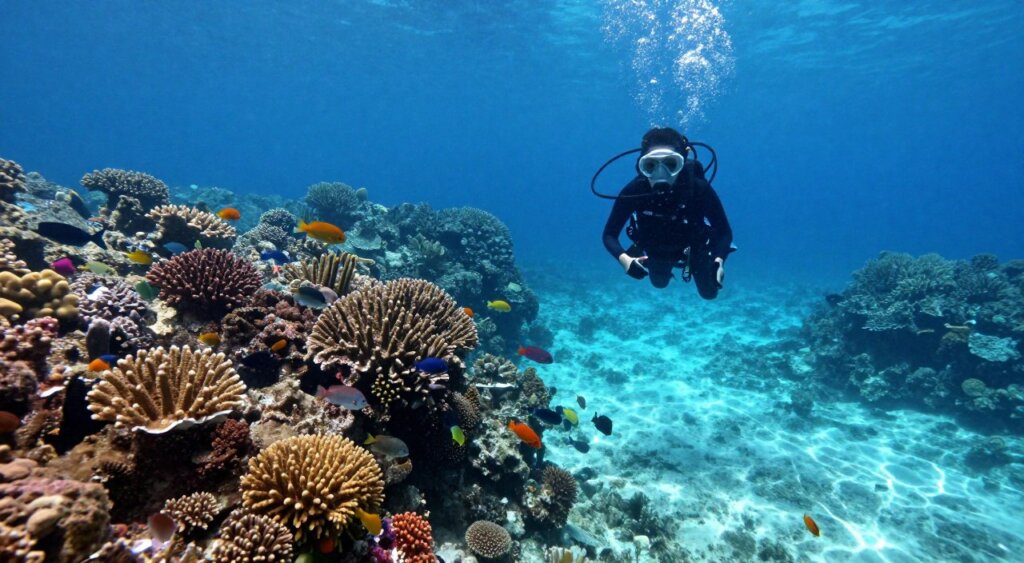
Three key factors—warmth, clarity, and flow—define diving in this archipelago. Knowing these ensures you’re ready for what’s beneath. This knowledge helps you choose the right gear and dive sites.
Water Temperature
Forget the thick neoprene. Raja Ampat’s water is warm all year. It stays between 28°C and 31°C.
As one source notes, “Water temperatures typically remain around 89°F (31°C) throughout the year, which is so warm that a wetsuit may not even be necessary.” A lightweight 3mm wetsuit or rash guard is perfect. They protect from sun and jellyfish without overheating.
Visibility
Clarity underwater here is often stunning. But it varies. You can expect 15 metres to over 30 metres on a good day. This clear water offers amazing views of reefs and pelagics.
Visibility changes with seasons and locations. Plankton blooms can reduce clarity. But they attract magnificent creatures like manta rays. Your dive guide will pick the clearest sites.
Current Conditions
Currents vary a lot in Raja Ampat. Some sites have little flow, great for relaxed dives. Others have strong currents that bring in big fish.
These currents are not to fear but to respect. Proper briefing and planning are key. Drift diving is common, and good buoyancy control is essential. Always follow your guide’s advice.
| Condition | Average Measurement | Variability | Recommended Gear / Precautions |
|---|---|---|---|
| Water Temperature | 28°C – 31°C | Very Low (consistent year-round) | 3mm wetsuit or rash guard; often just swimwear. |
| Visibility | 20 – 30+ metres | Moderate (depends on site & plankton) | Wide-angle lens for photography; be prepared for variable clarity. |
| Current Strength | Low to Very Strong | High (site-specific) | Surface marker buoy (SMB), reef hook, advanced buoyancy skills recommended for current-prone sites. |
This table shows how conditions interact. Warm water means less gear. But variable visibility and currents need flexibility and planning. Understanding this balance is key before diving into Raja Ampat’s underwater world.
Accommodation Options
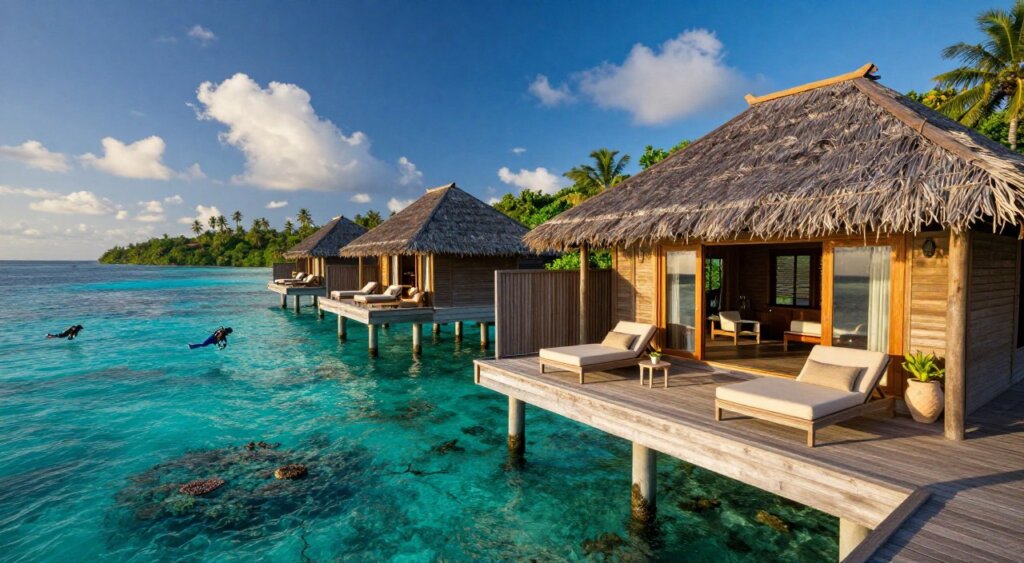
In Raja Ampat, you can stay in simple homestays or fancy liveaboard boats. Your choice affects how you dive and experience local culture. Knowing your options is key to a great diving trip.
Resorts and Hotels
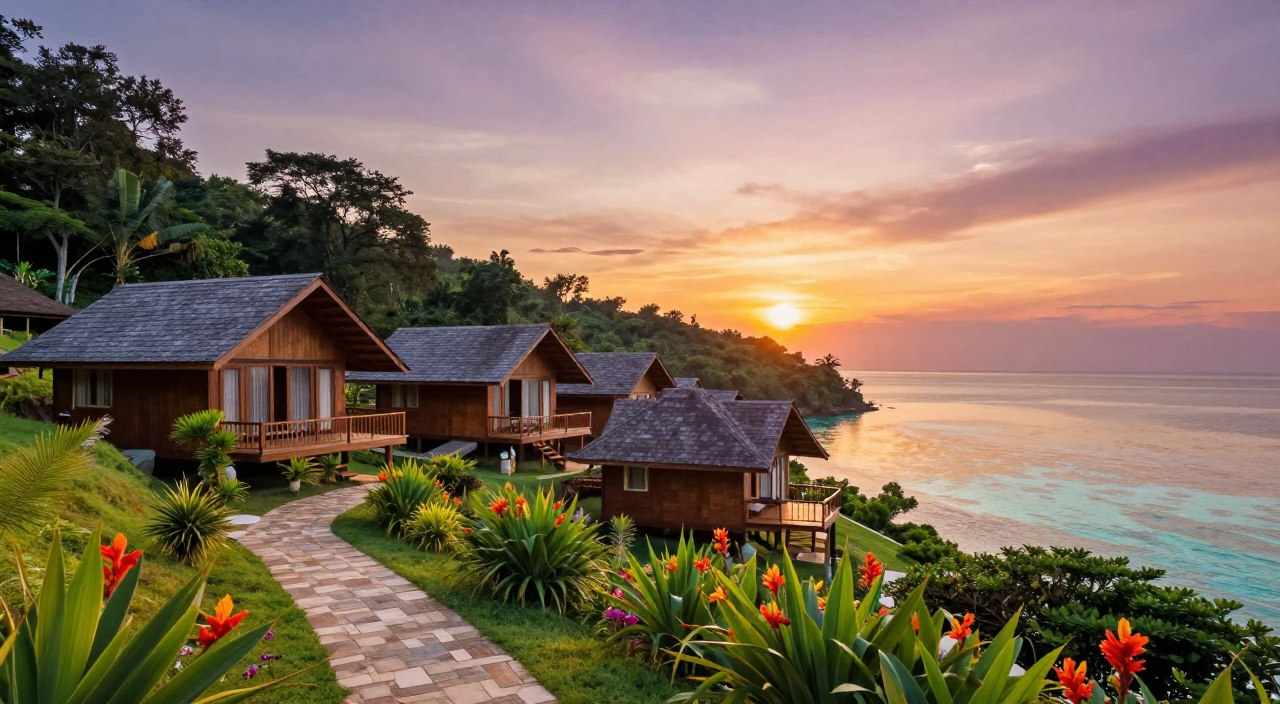
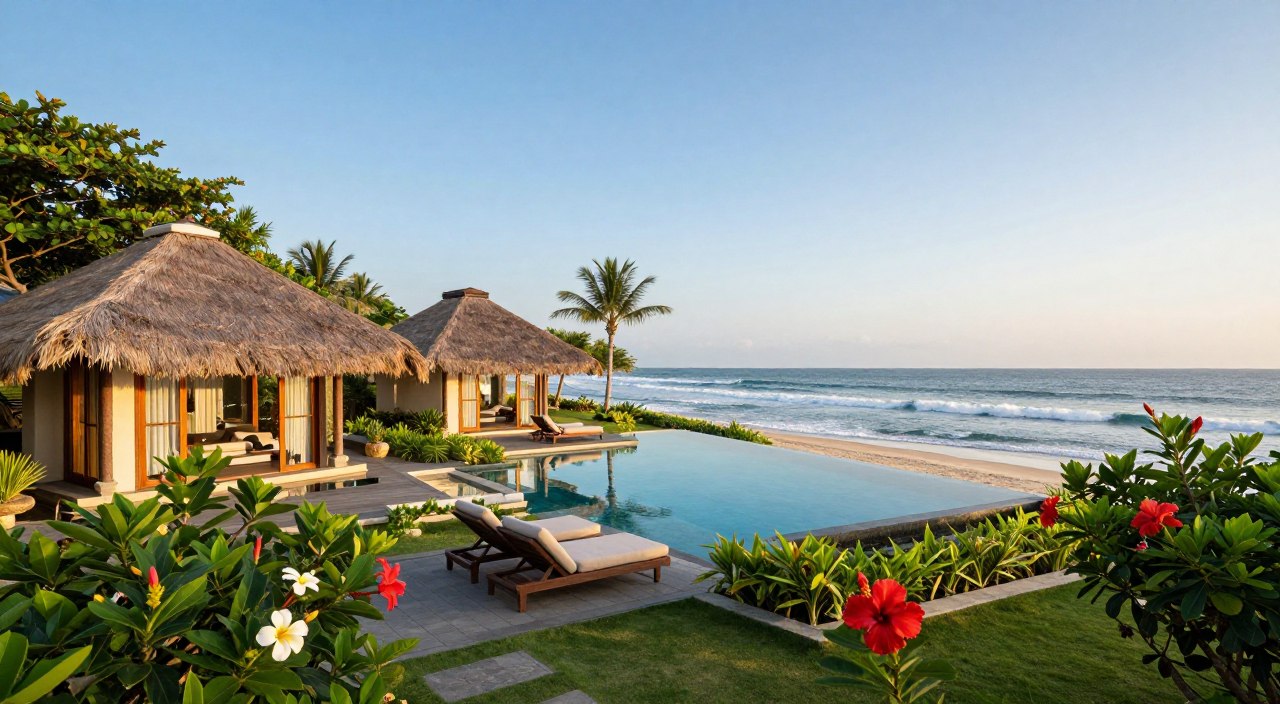
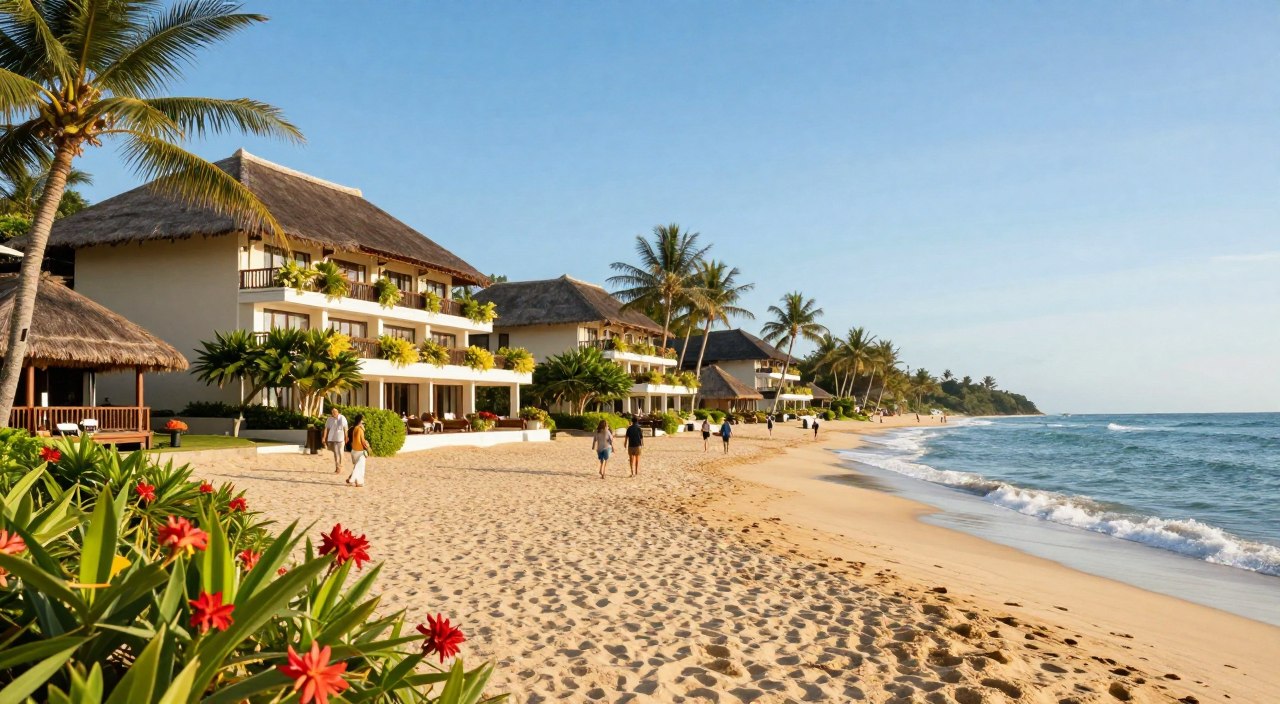
Staying on land gives you a base near dive sites. You can pick from simple guesthouses to luxury dive resorts Raja Ampat. These resorts offer meals, dives, and private jetties.
Luxury resorts have overwater bungalows and villas with ocean views. They’re great for comfort after diving. You can relax and enjoy land amenities without moving.
Liveaboard Boats
Liveaboards are like hotels that move with you. They let you dive at remote sites. Modern boats are designed for comfort and diving efficiency.
For example, the Neptune One has different cabins for all budgets:
- Deluxe Suites: Spacious cabins with premium amenities.
- Deluxe Sea View: Comfortable rooms with ocean views.
- Deluxe Sea View with Balcony: Private balcony for sea breezes.
These cabins have air-con, en-suite bathrooms, and private balconies. Liveaboards offer an immersive diving experience. You dive, eat, and sleep in the archipelago.
Eco-Lodges
Eco-lodges offer a nature-focused stay. They’re built sustainably and use local materials. They run on solar power or collect rainwater.
Stays are simple, with shared bathrooms or limited power. But, you get a real experience. Eco-lodges connect you with local communities. It’s a chance to feel part of the ecosystem.
| Accommodation Type | Best For | Key Features | Typical Amenities |
|---|---|---|---|
| Resorts & Hotels | Travellers wanting comfort, stability, and easy resort diving. | Fixed location, private dive centres, often all-inclusive. | Restaurant, bar, dive shop, air-con, en-suite. |
| Liveaboard Boats | Dedicated divers aiming to maximise sites and time underwater. | Mobile base, access to remote reefs, structured dive schedule. | On-board compressor, camera station, cabins with air-con and en-suites. |
| Eco-Lodges | Eco-conscious travellers seeking cultural immersion and simplicity. | Sustainable design, community-focused, close-to-nature experience. | Solar power, shared facilities, local-guided tours, basic rooms. |
Choosing where to stay depends on what you value. Do you prefer a dive resort on land, a liveaboard for diving, or an eco-lodge for nature? Each offers a unique view of Raja Ampat.
Travel Logistics
Your adventure starts with reaching one of the world’s most beautiful diving spots. Getting there smoothly is key to a stress-free holiday. This guide helps Australian travellers plan their diving trips to Raja Ampat.
Getting to Raja Ampat
The journey to this remote paradise is exciting. For Australians, it involves flying to Jakarta or Bali first. Major airlines offer direct flights from Sydney, Melbourne, and Perth.
Then, you take a domestic flight to Sorong, West Papua. The final step is getting to Raja Ampat from Sorong.
From Sorong, you’ll take a ferry or speedboat to Waisai on Waigeo Island. This journey takes about one to two hours. Dive resorts and liveaboards usually arrange this for you.
Visa Requirements
Australians can easily enter Indonesia. You can get a Visa on Arrival (VoA) at Jakarta or Bali airports. This visa is also available at Sorong’s airport for direct international flights.
The VoA is valid for 30 days and can be extended once. You need to pay in Indonesian Rupiah (IDR) when you arrive. You can also apply for an e-Visa online before you go.
Make sure your passport is valid for at least six months. Also, check the latest visa rules with the Indonesian embassy before you travel.
Local Transport Options
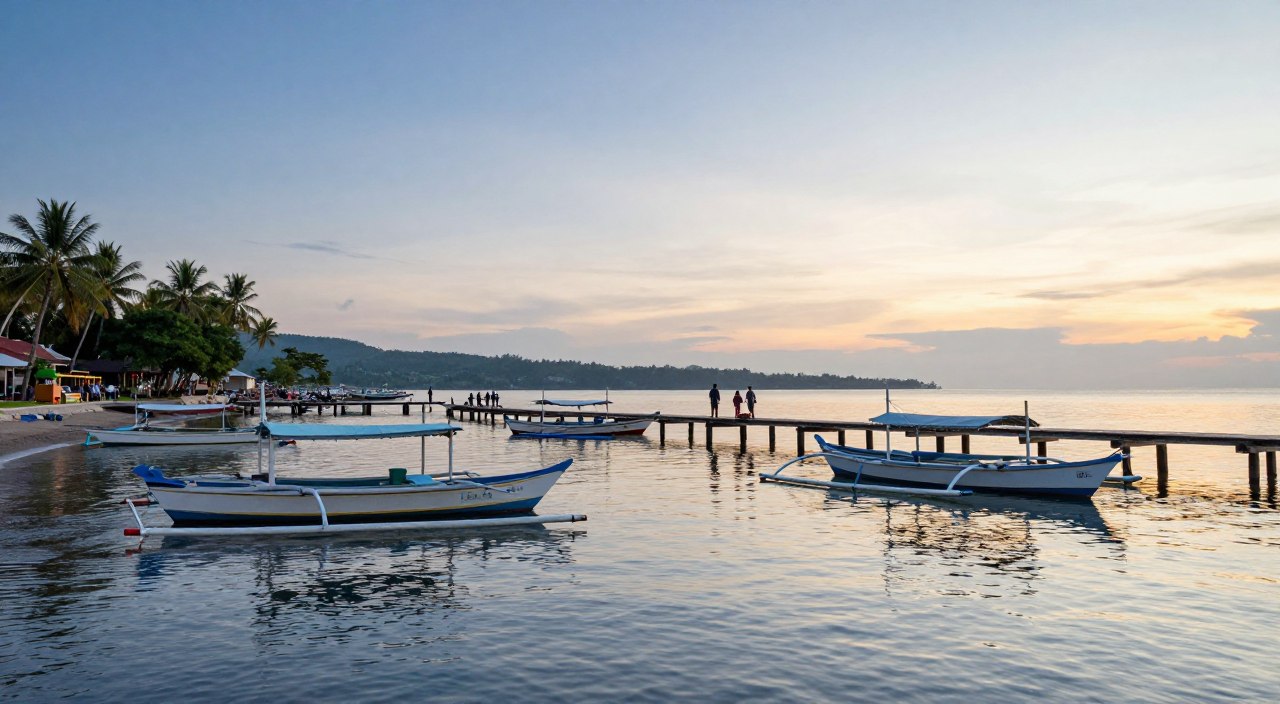
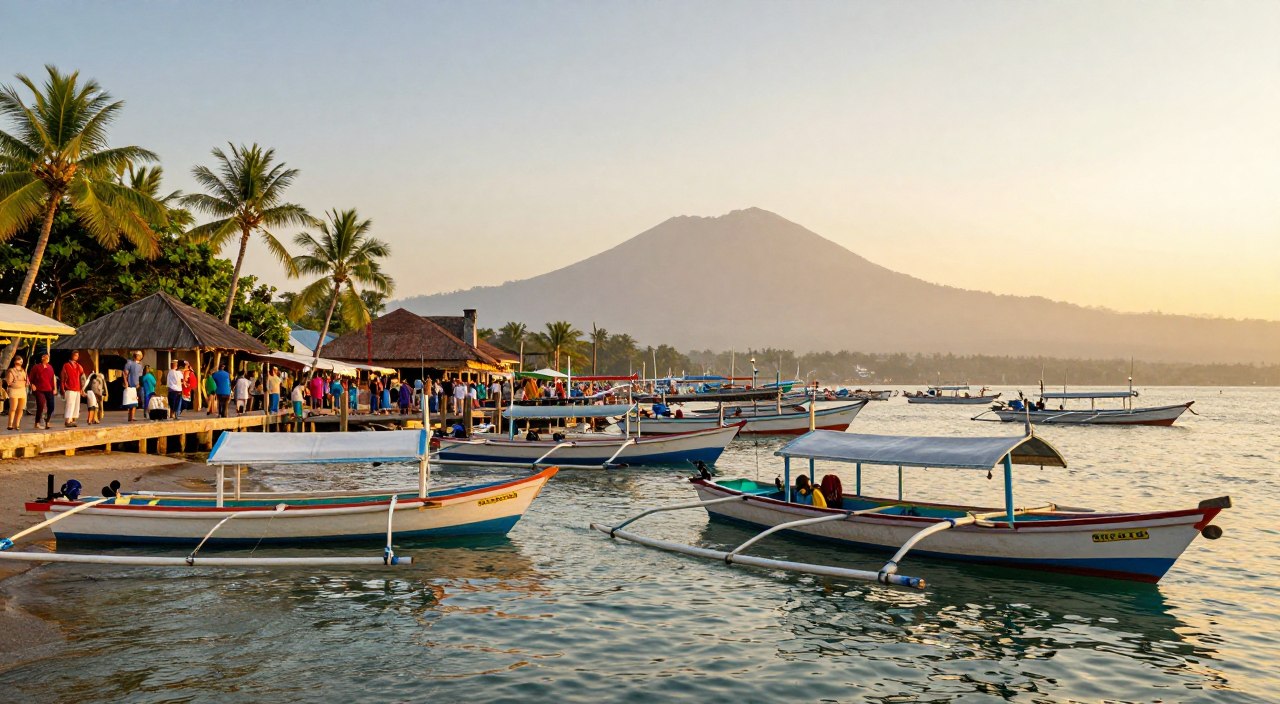
Once you’re there, boats are your main transport. There are no roads between the islands. The longboats are like taxis in Raja Ampat.
For independent travellers, you can charter longboats for trips. But, diving trip operators usually arrange transport. They use their own boats for dives.
So, your travel is easy. Enjoy the scenic rides between islands. Walking is the main way to get around the islands, with many resorts having boardwalks.
| Category | Details | Notes for Travellers |
|---|---|---|
| Time Zone | UTC+8 & UTC+9 (West Papua) | Raja Ampat is 1-2 hours ahead of Australian Eastern Standard Time (AEST). |
| Local Currency | Indonesian Rupiah (IDR) | Carry cash (IDR) for small purchases and local markets. ATMs are scarce outside Sorong and Waisai. |
| Language | Indonesian, English, & Chinese | Basic Indonesian phrases are appreciated. Resort staff and dive guides speak good English. |
| Electricity | 220-volt, Type C & F plugs | Bring a universal travel adapter. Power outages can occur; a power bank is useful. |
| Payment Methods | Cash, Credit/Debit Card | Cards are accepted at most resorts and liveaboards. Inform your bank of travel plans. |
With these details, you can plan your trip confidently. The effort to get to Raja Ampat is worth the stunning underwater world.
Environmental Considerations
Every diver and snorkeller in Raja Ampat becomes a temporary guardian of the sea. Your actions affect the health of these reefs. It’s vital to follow environmental best practices to protect this diving paradise.
Conservation Efforts
Raja Ampat’s amazing sea life is thanks to ongoing protection. A system of marine protected areas (MPAs) keeps key habitats safe. These areas are watched over and managed.
By visiting, you support important conservation work. This includes:
- Local community-led programs where villages manage their coastlines.
- Research stations, like the one on Kri Island, studying coral and fish.
- Visitor fees that fund patrols and education.
Your visit helps fund these conservation efforts.
Responsible Diving Practices
In the water, your diving technique is key. Follow these responsible diving practices to protect the reef.
Master your buoyancy before diving. This prevents damage to the coral. Treat marine life with care. No touching, chasing, or riding sea creatures.
Choose dive operators who use mooring buoys, not anchors. Remember, leave nothing behind. Don’t collect shells or coral.
Lastly, protect the water. Use reef-safe sunscreen and apply it before diving.
Sustainable Tourism
Your environmental commitment goes beyond diving. Embrace sustainable tourism to help the local ecosystem and community.
Choose dive operators with eco-friendly policies. Bring a refillable water bottle and refuse plastic straws. Follow local guidelines for wildlife interaction and drone use.
Remember, you’re a guest in a unique place. Your choices help preserve Raja Ampat’s beauty for future divers.
Cultural Insights
The heart of Raja Ampat lies in its people and traditions, not just the sea. Diving here becomes more than just an adventure. It becomes a journey of discovery and connection.
Indigenous Communities
The Papuan people have lived on these islands for thousands of years. Their villages, built on stilts, reflect their deep bond with the sea and forest. It’s a privilege to visit these places.
When interacting with locals, respect is key. Always ask before taking photos. A smile and a desire to learn are appreciated. Many tours support local communities, enriching your experience.
This exchange is mutually beneficial. You form a profound connection with the place. Your visit also helps protect it.
Local Cuisine
Indonesian and Papuan dishes are a highlight of any visit. Fresh seafood is a must-try, with grilled fish and prawns caught daily. Don’t miss nasi goreng, the Indonesian fried rice with a fried egg.
Papeda, a sago porridge, is a Papuan specialty. It’s served with spicy fish soup. It’s a true taste of local life.
Resorts and liveaboards offer a variety of dishes. You’ll find local cuisine, Western favorites, and Chinese dishes. This ensures everyone finds something they love after diving.
Traditions and Festivals
Local customs are a big part of daily life. You might see Wor dance performances, which tell stories of the sea and ancestors. Handicrafts like wood carvings and woven bags are also impressive.
While national festivals are celebrated, local events are more intimate. If you’re here for a village ceremony or festival, it’s a special honour.
These events feature music, dance, and shared meals. They offer a unique look into Raja Ampat’s heritage. It’s an experience that stays with you long after you return to the surface.
Planning Your Diving Holiday
Planning your trip to Raja Ampat is key to a great experience. It turns excitement into a smooth journey. You’ll need a plan for your daily activities, budget, and what gear to bring.
How to Create an Itinerary
Start by making a daily schedule. It’s important to balance diving with rest. Here are some tips for your diving trips Raja Ampat plan.
First, think about travel time. Getting from one dive spot to another can take hours. Don’t try to do too much each day if it means long trips.
Next, decide where you’ll stay. Will you join a liveaboard or stay at a resort? Liveaboards give you access to remote spots but follow a set schedule. Resorts offer more flexibility for other activities.
- Balance is key: Mix dive days, rest days, and breaks on the surface.
- Consider the season: Weather and currents change, affecting dive sites.
- Book in advance: Top spots and liveaboards get booked up fast.
Budgeting for Your Trip
Knowing the costs helps avoid surprises. A trip to Raja Ampat has several big expenses. Here’s a rough guide to help you plan.
| Expense Category | Estimated Cost (AUD) | Notes |
|---|---|---|
| International Flights | $800 – $1,500+ | From major Australian cities to Jakarta or Bali. |
| Domestic Transfers | $400 – $700 | Flights to Sorong plus boat transfers to resorts. |
| Accommodation & Dive Packages | $200 – $500 per night | Varies greatly between eco-lodges and luxury liveaboards. |
| Raja Ampat Park Entry & Village Fees | ~$150 | Mandatory fee paid upon arrival, valid for one year. |
| Extra Expenses (meals, tips, gear hire) | $50 – $150 per day | Budget for souvenirs, extra dives, and crew tips. |
Remember, a diving holiday here is an investment in a top-notch experience. Booking a package that includes dives, meals, and transfers can save you money.
Essential Gear Checklist
Having the right gear ensures safety and comfort. Dive operators provide tanks and weights, but you’ll need your own gear. Use this checklist for your Raja Ampat diving adventure.
Must-Have Documents & Items:
- Diving certification card (C-card) and logbook.
- Comprehensive travel and diving insurance details.
- Valid passport and any required Indonesian visas.
- Reef-safe sunscreen and a wide-brimmed hat.
- Basic first-aid kit and any personal medications.
Highly Recommended Dive Gear:
- Your own dive computer to monitor depth and time.
- A good quality underwater torch for exploring crevices.
- Seasickness tablets, even if you don’t usually get queasy.
- A rash vest or thin wetsuit for protection and warmth.
- Underwater camera or GoPro with appropriate housing.
With your itinerary, budget, and gear ready, you’re set for an amazing diving holiday. Proper planning is the last step to enjoying the wonders of your diving trips Raja Ampat.
Health and Safety Tips
Before diving into the vibrant reefs, your health and safety should be your main concern. Being well-prepared lets you enjoy Raja Ampat’s magic without worries. This section covers medical, insurance, and emergency planning tips for your trip.
Vaccinations and Health Precautions
Seeing a travel doctor at least six weeks before your trip is a good start. They’ll tell you about routine vaccines and any boosters you might need. For diving adventures Raja Ampat, there are specific health considerations.
Recommended vaccinations often include:
- Hepatitis A & B: These are wise due to possible exposure through food, water, or in rare cases, first aid scenarios.
- Tetanus: Essential for any traveller, specially one handling dive gear or exploring rocky shores.
- Typhoid: Recommended for areas with varying sanitation standards.
Malaria prophylaxis is also a key topic. While risk in popular dive resort areas is very low, it can be present in more remote parts of West Papua. Your doctor can give the latest advice based on your exact itinerary and the season.
Diving Insurance Recommendations
Standard travel insurance is not enough. You must have specialised dive insurance that covers hyperbaric treatment and medical evacuation. This is non-negotiable for remote diving adventures.
Providers like Divers Alert Network (DAN) offer policies tailored for scuba divers. Their coverage typically includes:
- Emergency evacuation from a dive site or liveaboard.
- Costs for recompression chamber treatment.
- Search and rescue operations.
- Repatriation of remains in the worst-case scenario.
Always check the policy fine print for depth limits and ensure it covers all activities you plan, like snorkelling or freediving. Carry a physical and digital copy of your insurance details and emergency contact numbers.
Emergency Contacts
Knowing who to call in an emergency gives you peace of mind. Save these numbers in your phone and share them with your travel companions. The table below lists the most important contacts for your Raja Ampat holiday.
| Service | Contact Details | Notes |
|---|---|---|
| Local Emergency (Ambulance/Police) | 112 (General Emergency) | Operators may have limited English. Your dive guide or resort staff can assist. |
| Decompression Chamber (Sorong) | Rumah Sakit Umum Daerah (Regional General Hospital) Sorong. Contact via hospital switchboard. | The primary hyperbaric facility for the region. Your dive operator will know the exact protocol. |
| Australian Consular Assistance | +61 2 6261 3305 (24-hour Consular Emergency Centre) | For urgent help if you are an Australian citizen. They can assist with hospital referrals and contacting family. |
| Your Dive Operator’s Emergency Line | As provided by your operator | This should be your first call for any dive-related incident. They have local knowledge and procedures. |
Taking these health and safety steps ensures your focus remains on the breathtaking underwater world. Proper preparation turns stress into confidence, letting you enjoy every moment of your Raja Ampat journey.
Frequently Asked Questions
Planning a diving trip to Raja Ampat raises many questions. We’ve answered the most common ones to help you get ready for your adventure.
What Should I Know Before Diving?
Before diving in Raja Ampat, there are a few things to consider. First, you must be a certified diver with a valid card from PADI or SSI.
Your physical fitness is also important. Diving can be tough, with strong currents. Being healthy ensures you dive safely.
Knowing the local conditions is key. Raja Ampat’s waters have changing currents. Dive operators will tell you about these at the best diving spots Raja Ampat.
Here’s a quick checklist of what you need:
- Valid diving certification card
- Recent dive experience (within the last 6-12 months)
- Travel insurance covering adventure sports
- Medical clearance if you have any health conditions
- Appropriate gear or rental arrangements
| Dive Site Type | Typical Depth Range | Minimum Certification | Current Level |
|---|---|---|---|
| Shallow Reefs | 5-18 metres | Open Water Diver | Mild to Moderate |
| Wall Dives | 15-30 metres | Advanced Open Water | Moderate |
| Drift Dives | 10-25 metres | Advanced with Drift Specialty | Strong |
| Muck Dives | 5-15 metres | Open Water Diver | Calm |
How Deep Can I Dive?
Most dives in Raja Ampat are within safe limits. You’ll see amazing coral and fish at depths of 18 to 30 metres.
Advanced divers can go deeper, but only within their limits. For deeper dives, technical diving is needed, which requires special training and gear.
“The magic of Raja Ampat isn’t found in extreme depths, but in the incredible biodiversity at accessible levels. Some of our most memorable encounters happen in just 10 metres of water.”
Always dive safely and within your limits. Dive computers are a must. The best spots in Raja Ampat offer great views without needing to dive too deep.
Are There Any Age Restrictions?
Yes, there are age limits for diving in Raja Ampat. Most operators follow international standards for junior divers.
The minimum age for scuba diving is 10-12 years old, depending on the certification agency. Kids aged 10-11 can do confined water experiences or shallow dives with close supervision.
For teenagers aged 12-14, more options are available with parental consent and supervision. Many operators require a parent or guardian to dive with junior divers.
Snorkelling is a great option for younger kids or non-divers. The clear, shallow waters around many islands offer incredible marine life viewing from the surface.
Consider these family-friendly options:
- Snorkelling tours with guided interpretation
- Resort-based pool introductions to diving
- Glass-bottom boat tours for all ages
- Beach-based snorkelling from many accommodation sites
Remember, physical readiness is as important as age. Children should be comfortable in water and able to follow safety instructions. Always discuss options with your chosen operator well before your trip.
Conclusion
A diving holiday in Raja Ampat is the ultimate underwater adventure. This Indonesian archipelago is full of natural wonders and exciting discoveries.
Summary of What to Expect
Your journey will take you to places with unmatched marine life. You’ll find warm waters and clear views, with sites like Blue Magic teeming with life. The coral, fish, and tiny creatures are incredible.
The landscapes above the water are just as stunning. You’ll see beautiful islands to explore.
Encouragement to Explore Raja Ampat
This trip will give you memories to last a lifetime. Choose a good dive operator for a safe and full experience. You can dive from a resort or on a liveaboard boat.
Take the plunge into these untouched Indonesian waters.
Final Thoughts on Diving Holidays
Raja Ampat is a global treasure. It’s not just for snorkelling and diving. Your visit helps protect the planet’s beauty.
Start planning your trip to this amazing place.