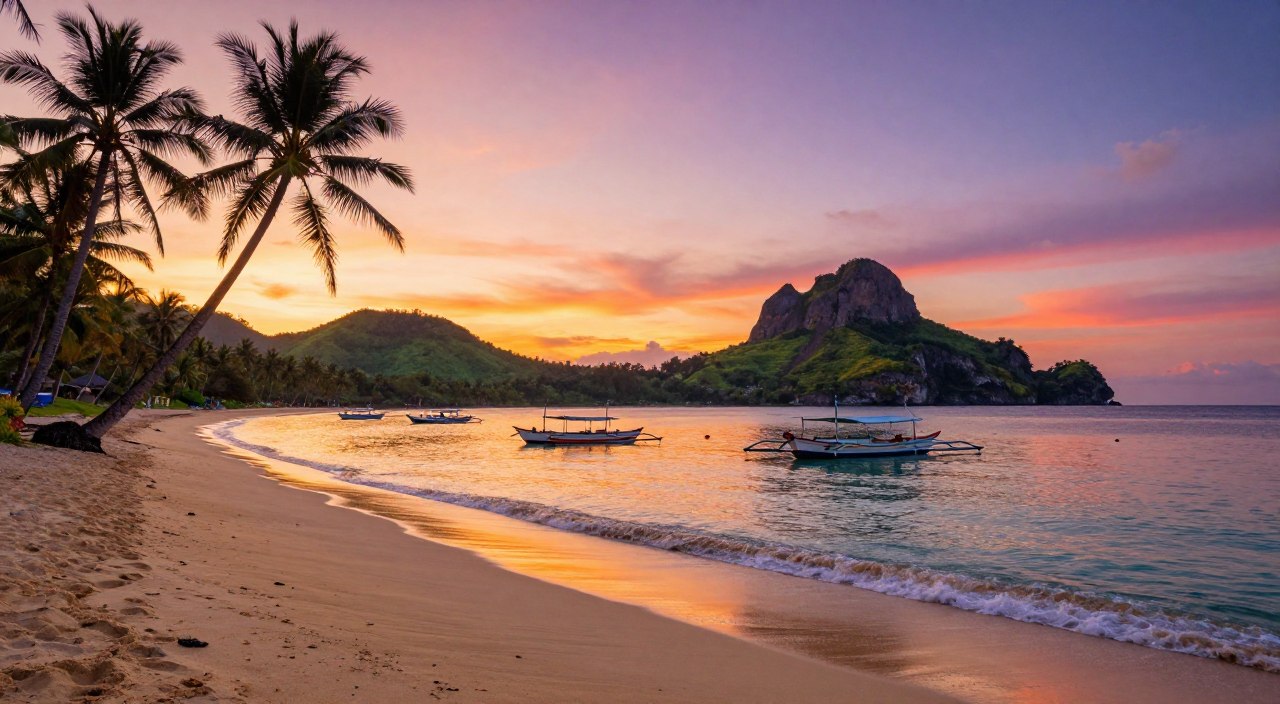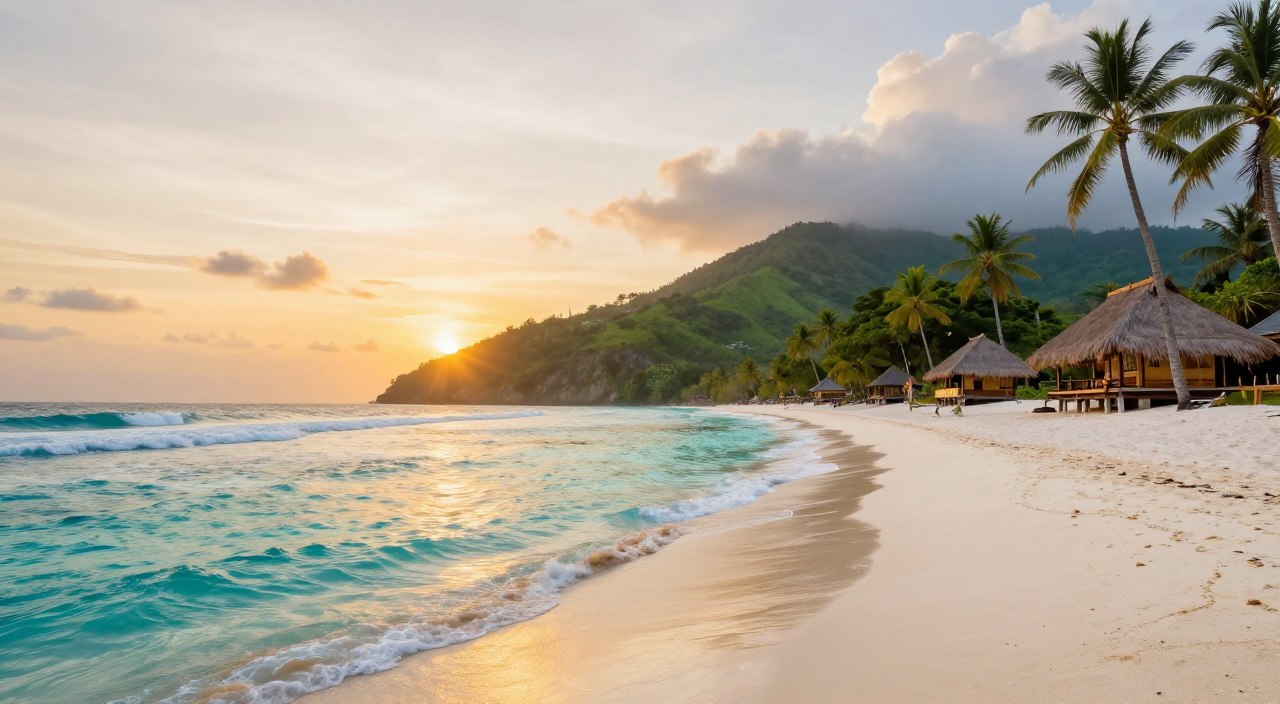
Planning a trip to Indonesia often comes down to timing. If you want blue skies and low humidity, you need to know which is the best month to go to Bali. This list covers 15 essential facts about Bali dry season months to help you avoid the rain. You will learn about crowd levels, average temperatures, and what to expect during the peak summer window.
1. August is the Driest Month
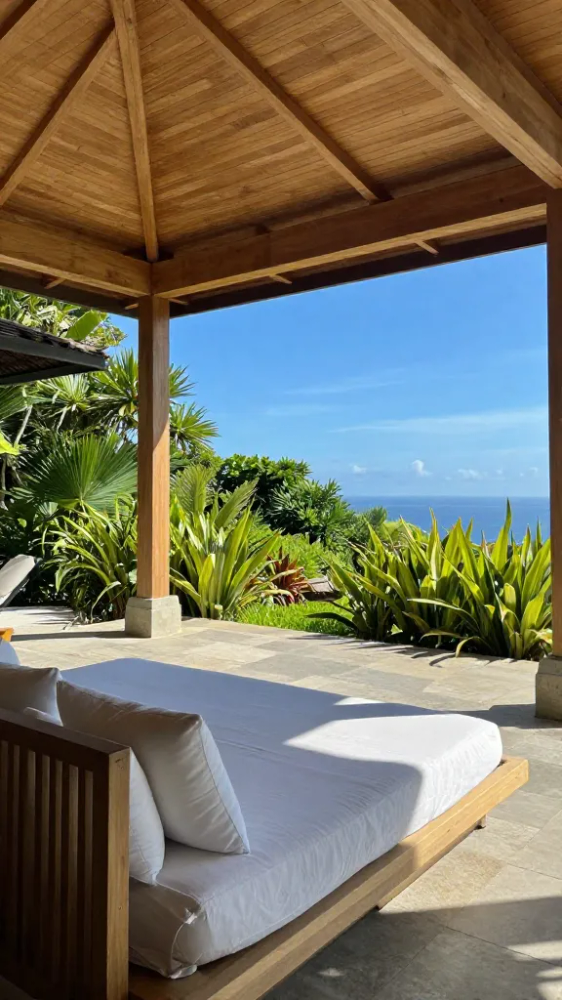
If you want to avoid rain entirely, you need to book your trip for August. It is statistically the peak of the dry season with the lowest humidity and almost zero rainfall across the island.
While other months might see a random afternoon shower, August stays crisp and clear. This makes it the best month to go to Bali if you plan on doing sunrise treks up Mount Batur or long scooter rides through the Sidemen rice fields.
You can track Bali rain by month and see a massive dip during this window. The grass in the south often turns a golden brown because the sun is so consistent. It is the most reliable time for outdoor weddings or boat trips to the Nusa islands without worrying about choppy, storm-driven waves.
The air feels different this time of year because the southeast monsoon winds bring cooler breezes from Australia. You won’t feel that sticky, heavy heat that usually defines the tropics. Just pack a light sweater for the evenings since the temperature actually drops once the sun goes down.
2. Clear Skies From April to October
| Month Type | Sky Condition | Humidity Levels |
|---|---|---|
| April to June | Bright blue, crisp | Low and comfortable |
| July to August | Deep blue, cloudless | Lowest of the year |
| Sept to October | Hazy blue, occasional wisps | Rising slightly |
Imagine sitting on a plastic stool at a beach warung in Uluwatu with a cold Bintang. You look up and see nothing but a solid sheet of sapphire blue from horizon to horizon. That is the reality of the weather in Bali 10 days into a July trip.
While the transition months like April or October might see a stray cloud, the core of the dry season is incredibly reliable. You won’t find the grey, heavy ceiling that hangs over the island during the monsoon. It makes planning outdoor boat trips to the Nusa Islands much less of a gamble.
August is arguably the best month to go to Bali if you want 100 percent certainty for your photos. The air feels thinner and less sticky, which keeps the views of Mount Agung sharp even from a distance. Just remember that the sun is brutal when there are no clouds to block it, so pack real sunscreen.
3. Low Humidity and Cooling Breezes

The sticky, heavy air of the tropics completely vanishes during the peak of the dry season, making August the driest month in Bali. You can actually walk to a cafe without breaking a sweat because the humidity levels drop significantly compared to the rest of the year.
It feels more like a Mediterranean summer than a typical Southeast Asian jungle climate. This change is driven by the southeast monsoon, which carries cool, dry air from the Australian continent directly across the island.
These consistent breezes act like natural air conditioning, especially if you are staying in coastal areas like Uluwatu or Canggu. If you check the weather in Bali 10 days out during July or August, you will likely see clear skies and steady winds every single day.
The nights can actually get quite chilly, so you might find yourself reaching for a light sweater while riding a scooter or eating dinner on the beach. It is easily the most comfortable time of year for outdoor activities like hiking or temple hopping.
4. Peak Crowds in July and August
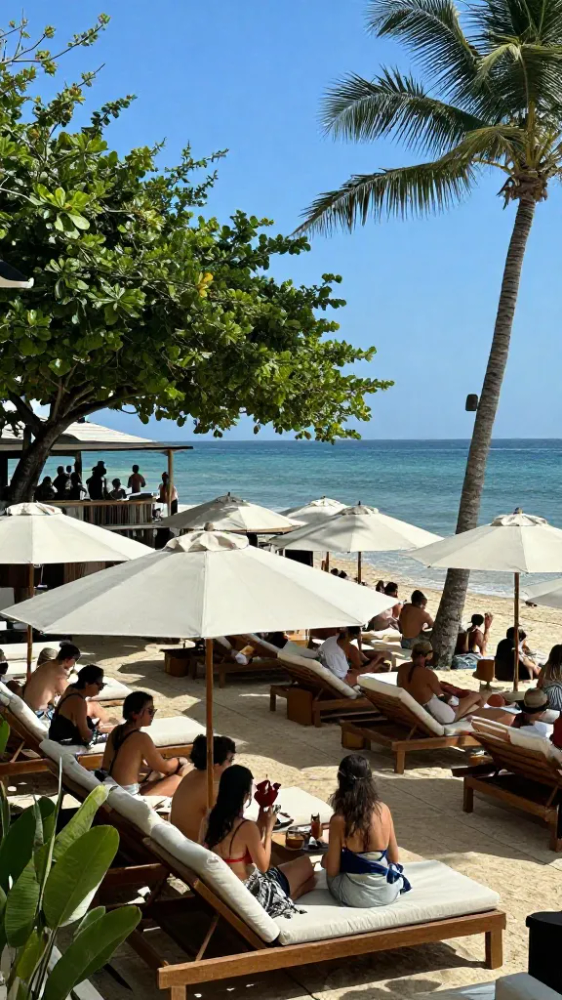
You should book your accommodation months in advance if you plan to visit during mid summer. July and August are the busiest months because the weather is nearly perfect with almost no rain.
While August stands out as the driest month in Bali, the popularity of this window means traffic in Canggu and Seminyak becomes a serious challenge. You’ll find long wait times at popular cafes and beach clubs are the norm rather than the exception.
- Head to the Sidemen Valley or Munduk to escape the heavy coastal crowds.
- Make dinner reservations at least two days ahead for top rated spots like Mason or Locavore.
- Rent a scooter instead of a car to weave through the gridlocked streets of Berawa.
- Visit popular temples like Lempuyang at sunrise to beat the tour bus arrivals.
If the summer madness feels too intense, you might prefer the quieter Bali weather in March when the landscape is much greener and the streets are finally breathable again.
5. Consistent Daytime Temperatures Around 30 Degrees
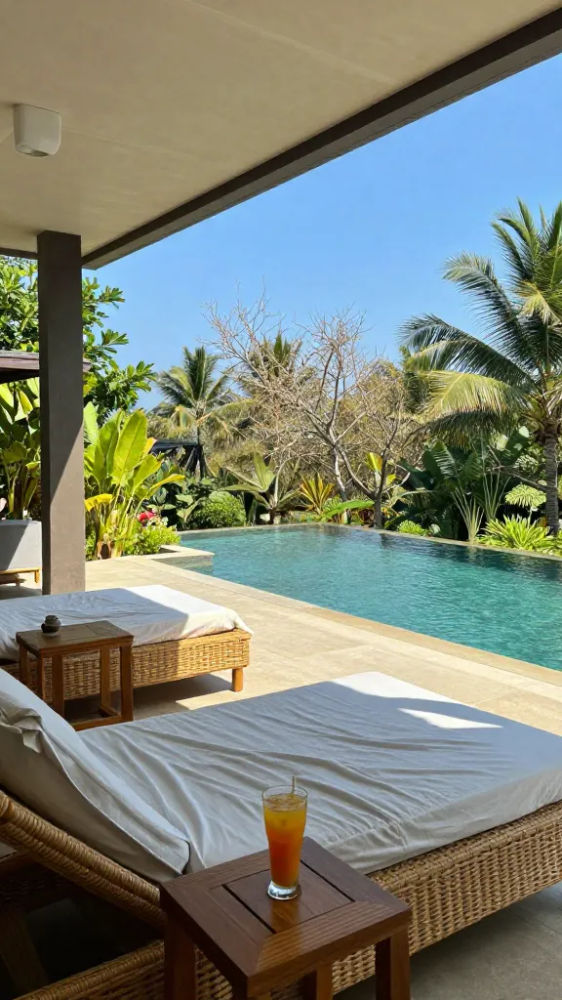
You might be wondering if it ever gets too hot to actually do anything outside. During the dry months, you can usually count on the thermometer hovering right around 30 degrees Celsius every single day.
It is remarkably steady weather compared to the transition periods. While the Bali weather in March often feels heavy and unpredictable, the peak dry season stays reliably warm without the suffocating humidity of the rainy season in Bali.
This temperature is the sweet spot for grabbing a scooter and heading to the beaches in Uluwatu. You won’t find yourself ducking into cafes every twenty minutes just to escape a heatwave. It stays warm enough for a swim but comfortable enough for a long walk through the rice paddies in Ubud.
The best part is that the evenings usually bring a light breeze that cools things down just enough. You can sit outside for dinner without breaking a sweat. It makes packing really easy since you basically just need light linen and a pair of sandals for the entire trip.
6. Optimal Conditions for Outdoor Sightseeing
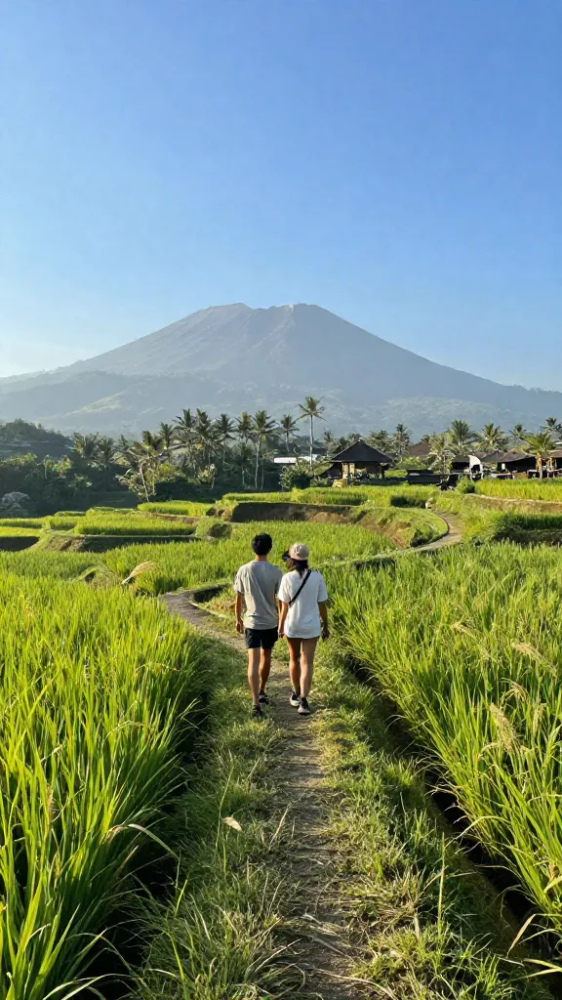
The weather Bali offers during the dry months is exactly why people flock to the island. You get clear blue skies and a steady breeze that keeps the humidity from feeling suffocating while you’re out walking.
Since the heavy rains of the rainy season in Bali have cleared out, the hiking trails are firm and the roads are much safer for scooters. You can plan a full day of temple hopping or waterfall chasing without worrying about a sudden downpour ruining your gear.
- Low Humidity: The air feels crisp and light, so you won’t feel drenched in sweat after a five minute walk.
- Predictable Skies: You can rely on bright sunshine from sunrise until sunset for your photos at Lempuyang Temple.
- Dry Ground: Jungle paths to spots like Sekumpul Waterfall are much less slippery and dangerous than in the wet months.
- Cooler Evenings: Temperatures often dip slightly at night, making outdoor dinners by the beach incredibly comfortable.
It is the best time to visit the central highlands like Munduk. The visibility is sharp, allowing you to see all the way to the coastline from the mountain ridges.
7. Best Time for Diving and Snorkeling

You might think the peak heat of October is the best time to hit the water, but the mola mola season actually peaks during the cooler months of the dry season. Between July and September, cold upwellings bring these massive sunfish to the reefs around Nusa Penida.
The visibility during these months is often incredible, reaching up to 30 meters on a clear day. The trade-off is that the weather Bali sees during this window brings stronger winds and choppier surface conditions on the boat rides out to the dive sites.
If you prefer calmer seas and warmer water, aim for the shoulder months like May or June. While you might miss the rare sunfish, the sites are less crowded and the water temperature stays around 28 degrees Celsius. I recommend the mid-season for most people because you get the best balance of clear water and manageable currents.
8. Off-Peak Savings in May and September
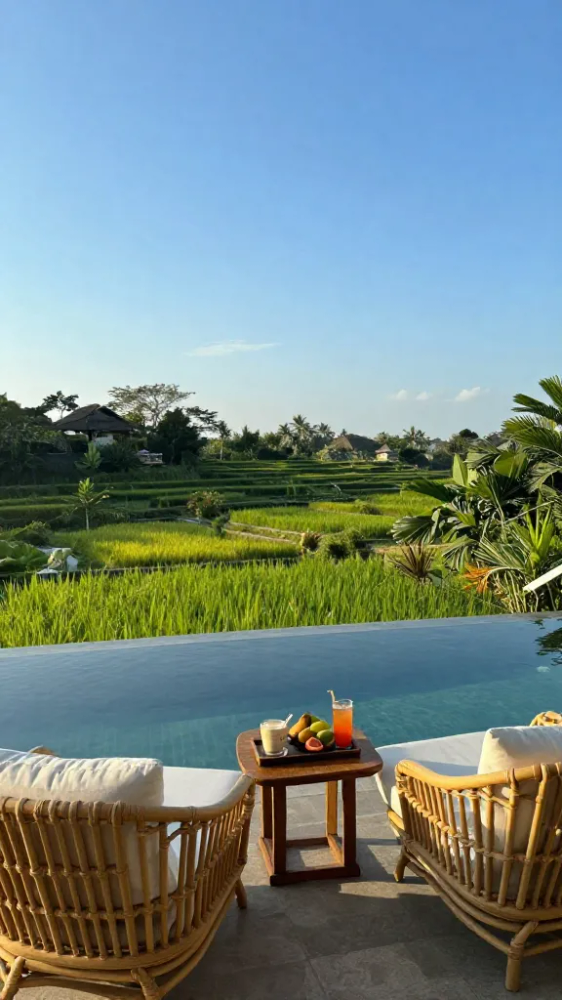
Booking your trip during the shoulder months of May and September is the smartest way to get the best of Indonesia without the high season price tag. You get the same clear skies and low humidity as July, but you won’t have to fight for a sunbed or pay double for a villa. These months sit right at the edge of the peak window, meaning hotels are desperate to fill rooms before or after the mid year rush.
You can often find luxury resorts in Uluwatu or Ubud slashing their nightly rates by thirty or forty percent compared to the August peak. It’s much easier to snag a table at popular beach clubs like Potato Head or La Brisa without a week’s notice. The traffic in Canggu is also noticeably lighter, making it easier to hop between cafes without getting stuck in a gridlock for an hour.
Flight prices usually drop significantly during these specific windows as well. Since the crowds haven’t fully arrived yet or have just left, you’ll find a much more relaxed vibe across the island. It’s the sweet spot where the weather is nearly perfect but your budget goes twice as far.
9. Reliable Surf Breaks on the West Coast
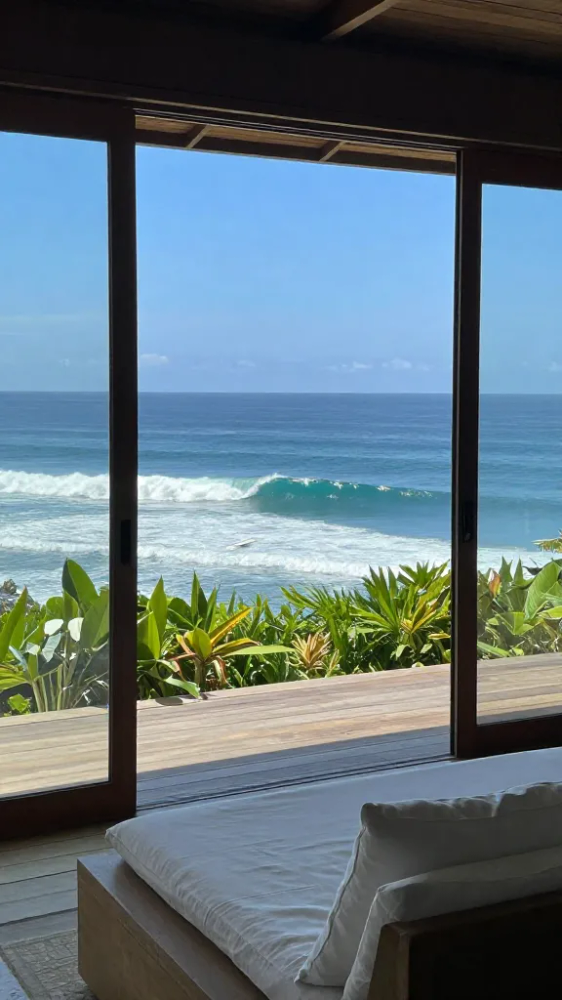
Imagine waking up at a homestay in Uluwatu and seeing perfectly groomed lines marching toward the cliffs. This is the standard reality during the dry season in bali in september, when the offshore winds stay pinned from the east all day long.
| Spot | Vibe | Best For |
|---|---|---|
| Uluwatu | Consistent swell | Experienced surfers |
| Padang Padang | Heavy barrels | Experts only |
| Canggu | Busy peaks | Intermediate levels |
The west coast of the island becomes a magnet for Indian Ocean swells that travel thousands of miles to hit these reefs. You’ll find that indonesia offers some of the most mechanical, predictable waves on the planet during these months.
September is particularly good because the trade winds are well established and the water stays warm enough for just boardshorts. While the crowds are definitely a factor at famous spots, the sheer number of peaks along the coast helps spread people out.
10. Brighter Sunsets Over the Indian Ocean

The sky turns into a vivid painting of deep oranges and purples during these months because there is less moisture in the air to blur the colors. Since the dry season runs from May through September, you get crisp horizons that make the sun look like a massive glowing orb as it hits the water. It is a completely different experience compared to the hazy, greyish skies you might see during the Bali weather in February.
Low humidity levels mean the light scatters differently, giving you those famous postcard views every single evening without fail. If you are visiting Bali in September, head to the cliffs in Uluwatu or the beaches in Canggu around 5:30 PM to catch the peak glow. You won’t have to worry about sudden rain clouds blocking the view, which is a constant gamble during the wetter parts of the year.
11. Lower Risk of Mosquito-Borne Illnesses
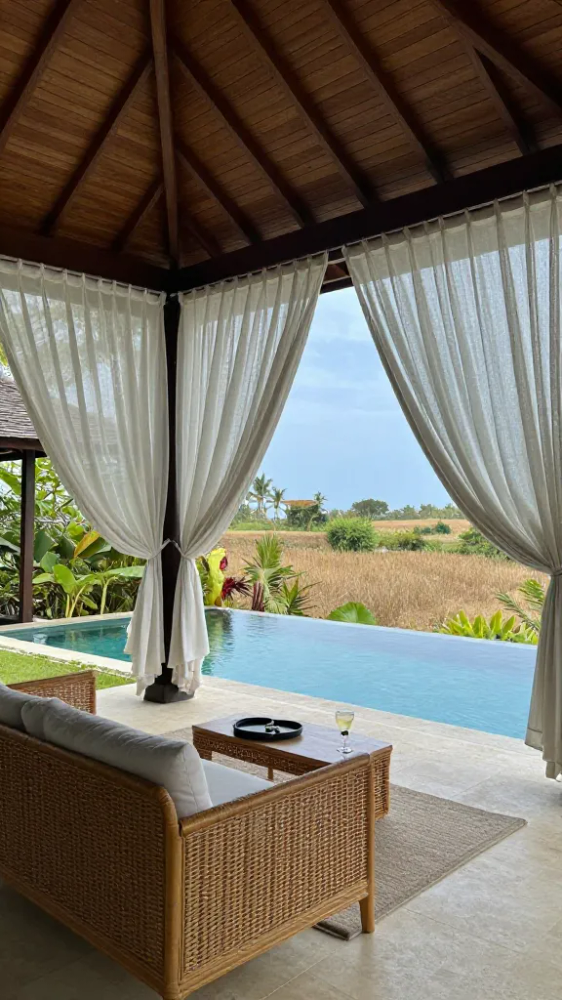
You can ditch the heavy duty bug spray when you visit during the peak dry months. Since there is less standing water for breeding, the mosquito population drops off significantly compared to the Bali weather February brings.
The lower humidity and breezy afternoons make it much harder for these pests to ruin your sunset drinks. While you should still be cautious near jungles, the risk of catching Dengue fever is statistically much lower during this time of year.
- Wear light colored clothing during sunset since mosquitoes are drawn to dark fabrics.
- Stick to coastal areas like Uluwatu where the steady sea breeze keeps bugs away.
- Check the Bali temperature by month to see when the humidity drops, as that is your best indicator for fewer pests.
It is a massive relief to sleep with the balcony doors open without waking up covered in itchy red welts.
12. Perfect Weather for Mount Batur Trekking
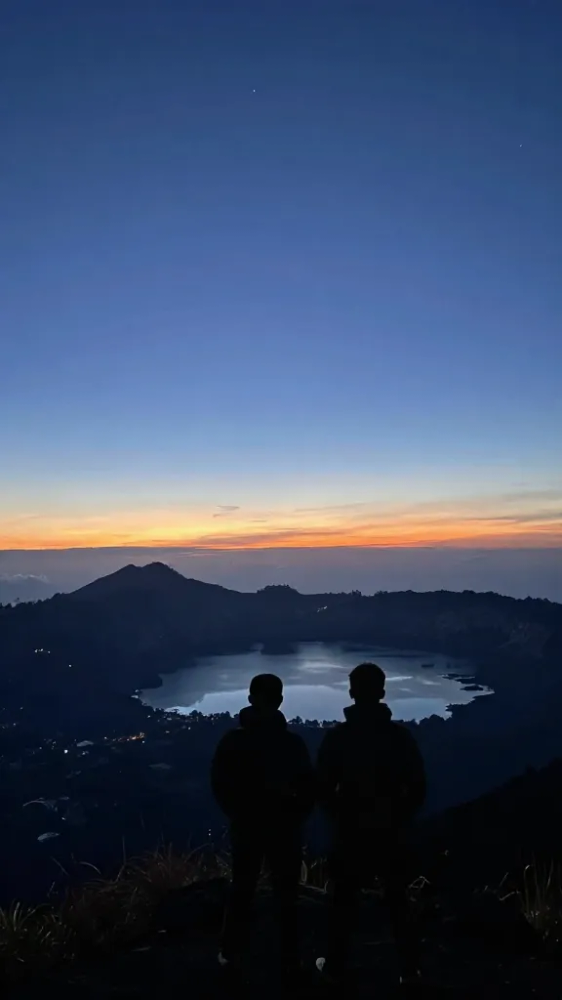
If you’re wondering when to lace up your boots for a sunrise hike, the dry season is definitely your best bet. Hiking in the dark is tricky enough without worrying about slippery mud or thick clouds blocking the view. During these months, you’ll usually get clear skies that make the early 4:00 AM start feel worth the effort.
The Bali temperature by month stays pretty consistent, but it feels different at the summit. While the coast stays hot, the air up on the volcano gets surprisingly chilly before the sun breaks over the horizon. You will want to bring a light jacket because the wind can bite when you stop moving to wait for dawn.
July and August are the peak times for visibility, though they are also the busiest on the trails. You can expect a sharp, crisp horizon where you might even see the peaks of Mount Rinjani over on Lombok. It is a much better experience than the rainy season when you might hike for two hours just to stand inside a gray cloud.
The dry dirt can be a bit dusty, so a neck gaiter helps if there is a crowd kicking up silt. Just remember that the Bali temperature by month drops as you gain elevation, so layers are your best friend. Once that sun hits your face at the top, the warmth returns quickly and the trek down becomes a lot sweatier.
13. Higher Accommodation Prices During High Season

Planning your trip during the peak dry months means you’ll be competing with every other traveler for the best villas. You’ll notice that the exact same room in Seminyak or Ubud can cost twice as much in July as it does in February.
For the Bali dry season 2026, expect the highest spikes to happen between July and August. It’s the most popular time for families and surfers to visit because the weather is consistently clear.
- Dynamic pricing is the standard for most boutique hotels and private villas across the island.
- Luxury resorts in areas like Nusa Dua often require a minimum stay of three to five nights during these busy months.
- Booking your stay for the Bali dry season 2026 at least six months early is the only way to lock in lower base rates.
- Budget guesthouses and homestays usually keep their prices more stable, though they still fill up fast.
If you want to save money, try visiting in May or September instead. These shoulder months still offer great weather but without the aggressive price hikes seen in mid-summer.
14. Warm Ocean Water Across All Coasts
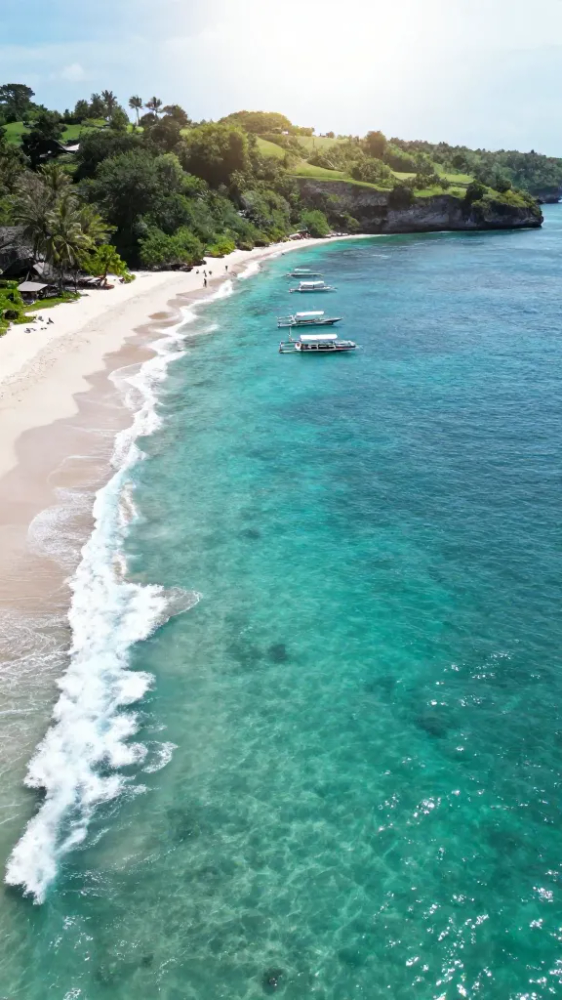
You might think about bringing a thin wetsuit for your morning surf, but most people find the water feels like a warm bath during the dry months. While the Pacific can stay chilly, the Indian Ocean around Bali averages a steady 27 to 29 degrees Celsius from May through September.
Some travelers prefer the refreshing Amed coastline for diving because the water is crystal clear and calm. Others stick to the Bukit Peninsula where the swells are bigger, even if the constant movement makes the water feel slightly cooler against the skin.
If you are planning your trip for the Bali dry season 2026, I recommend skipping the heavy swim gear entirely. A simple rash guard is all you need to protect your skin from the sun while you spend hours in the water without catching a chill.
15. Transition Months Offer the Best Value
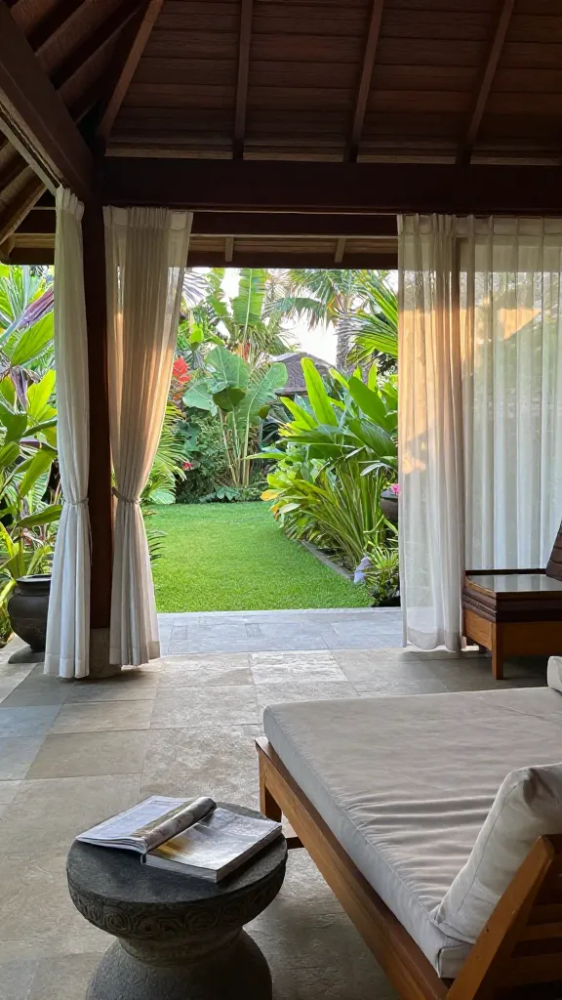
Booking your trip during April or October is the smartest way to save money without ruining your vacation with constant rain. These months sit right on the edge of the dry season, meaning you get mostly clear skies but pay much lower rates for villas and private drivers.
You’ll notice that Bali rain by month charts show a sharp drop in precipitation during these windows. While July and August see prices skyrocket due to the school holiday rush, April offers a similar climate for a fraction of the cost.
You can often snag a high end resort in Seminyak or Ubud for thirty percent less than peak season prices. It’s also much easier to get a table at popular spots like Potato Head or La Favela without waiting in a massive line.
The humidity stays manageable, and the landscape is still incredibly green from the previous wet months. It is the perfect balance for travelers who want the sunshine but hate fighting through thick crowds at the Tegalalang rice terraces.
Wrapping Up
These 15 essential facts about Bali dry season months should help you plan a perfect trip. August is usually the driest month in Bali, so aim for that window if you want guaranteed sunshine and low humidity. Start booking your flights now to get ahead of the crowds. You are going to have an amazing time in Indonesia.