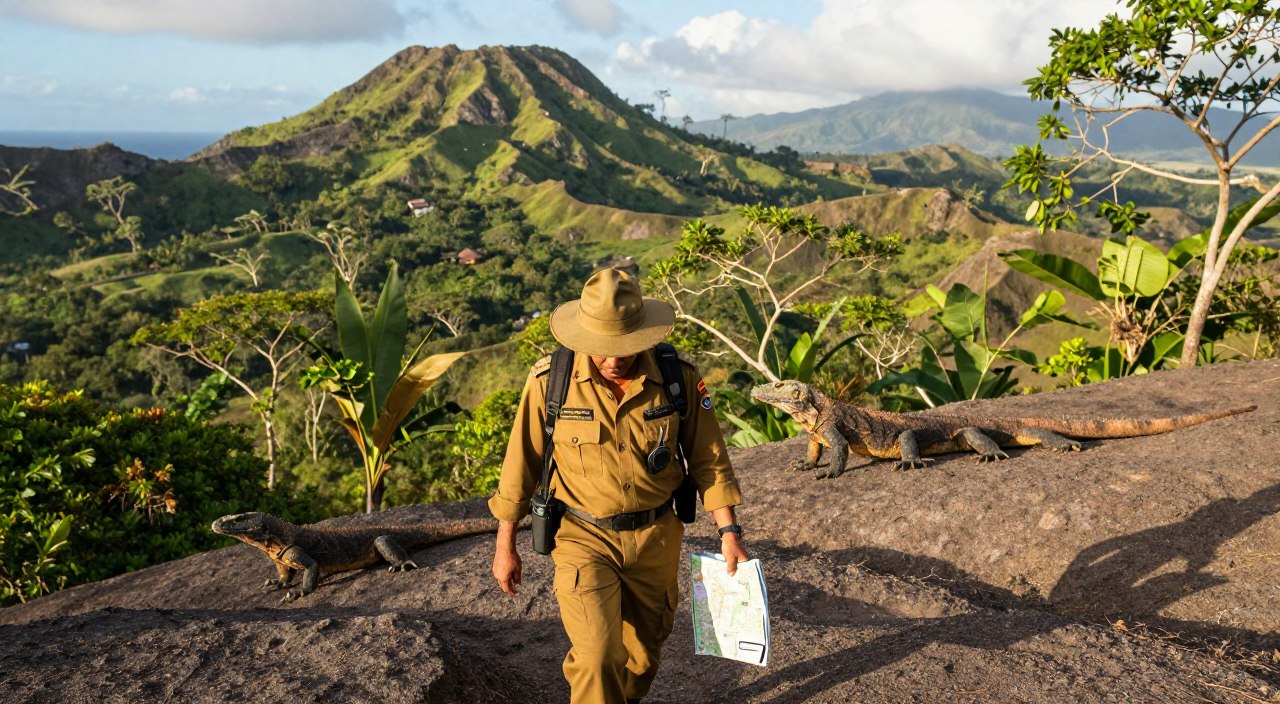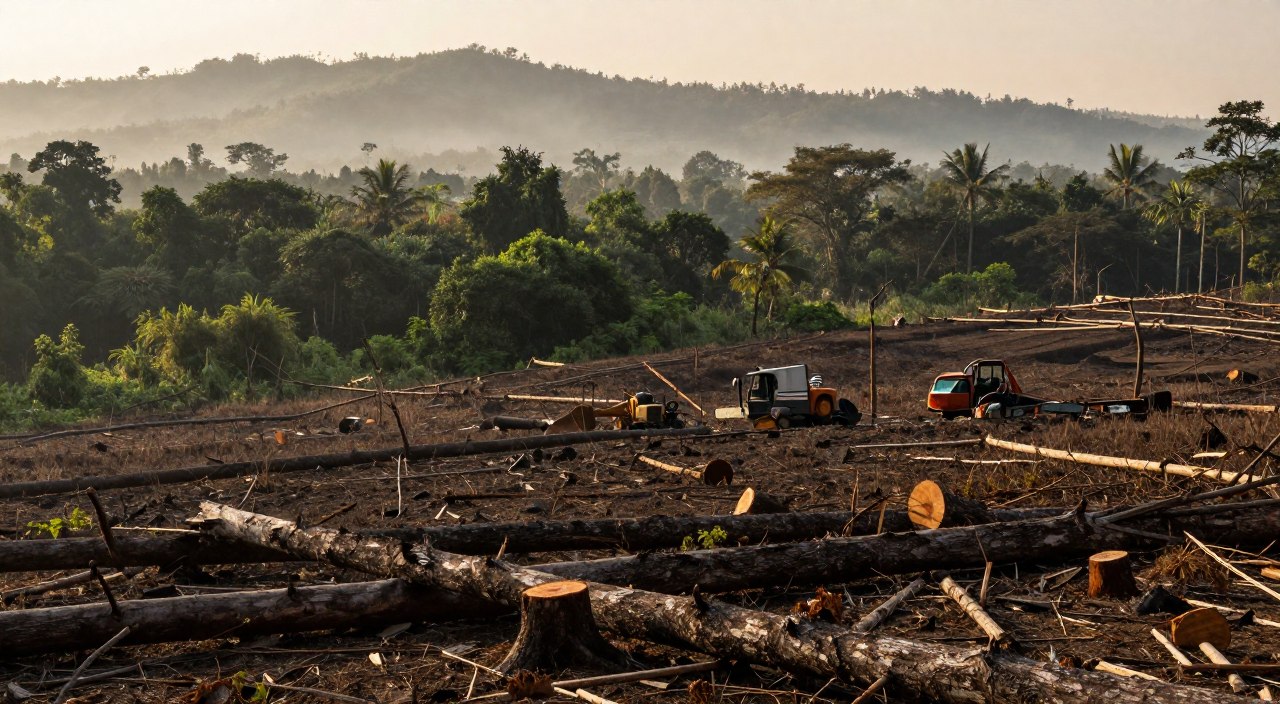
Imagine a country where forests blanketed 84% of the land just over a century ago. This was the reality for the archipelago nation in 1900, a vast green expanse of approximately 170 million hectares.
Over the following 100 years, a dramatic transformation occurred. By the year 2000, that immense forest cover had shrunk to less than 100 million hectares. Recent data shows only about half of the total area remains forested today.
This environmental shift has global significance. The region is a hotspot for biodiversity, ranking third in the world for species richness. The loss of these vital ecosystems has profound consequences.
While the rate of deforestation has slowed from its peak, the challenge remains urgent. Understanding this history is key to shaping a sustainable future for these irreplaceable natural resources.
Key Takeaways
- Indonesia was once overwhelmingly forested, with cover spanning 84% of its land in 1900.
- A century of change saw forest area reduce from 170 million hectares to under 100 million.
- The country is a global leader in biodiversity, home to a vast number of unique species.
- Historical deforestation rates were among the highest worldwide between 1990 and 2015.
- Although the rate of forest loss has recently declined, it continues at an unsustainable pace.
- The situation involves complex environmental, economic, and social factors.
Overview of Deforestation Trends in Indonesia
The archipelago’s transformation from a forest-dominated landscape began gradually in the mid-20th century. By 1950, plantations occupied minimal space while primary forests covered approximately 145 million hectares.
A pivotal shift occurred during the 1970s when economic policies prioritized timber exploitation. This marked the beginning of intensive commercial forest resource use.
Historical Land Use and Forest Cover Changes
From the late 1980s to 2000, wood processing industries expanded dramatically. Production capacity increased nearly 700% in pulp and paper sectors.
“The rapid industrial expansion established patterns that would drive decades of forest conversion.”
Between 1990 and 2000, the country lost 20% of its forest area. This represented a staggering 24 million hectares of forest loss.
Recent Data and Shifting Trends
Analysis shows deforestation peaked in 2016 at nearly 10,000 square kilometres. Rates declined to around 2,000 square kilometres by 2021.
Recent years show a slight increase, reaching approximately 3,000 square kilometres in 2023. However, 2025 data indicates an 11% reduction in primary forest loss.
| Region | Historical Loss Rate | Current Status |
|---|---|---|
| Kalimantan | High | Critical |
| Sumatra | High | Critical |
| Papua | Moderate | Increasing |
| Sulawesi | Variable | Mostly Cleared |
Lowland tropical forests face the greatest threat. These areas contain the richest timber resources and biodiversity.
Without strengthened protection, forests in Sumatra and Kalimantan could disappear within years. The situation remains fragile despite recent improvements.
Drivers Behind the Forest Loss
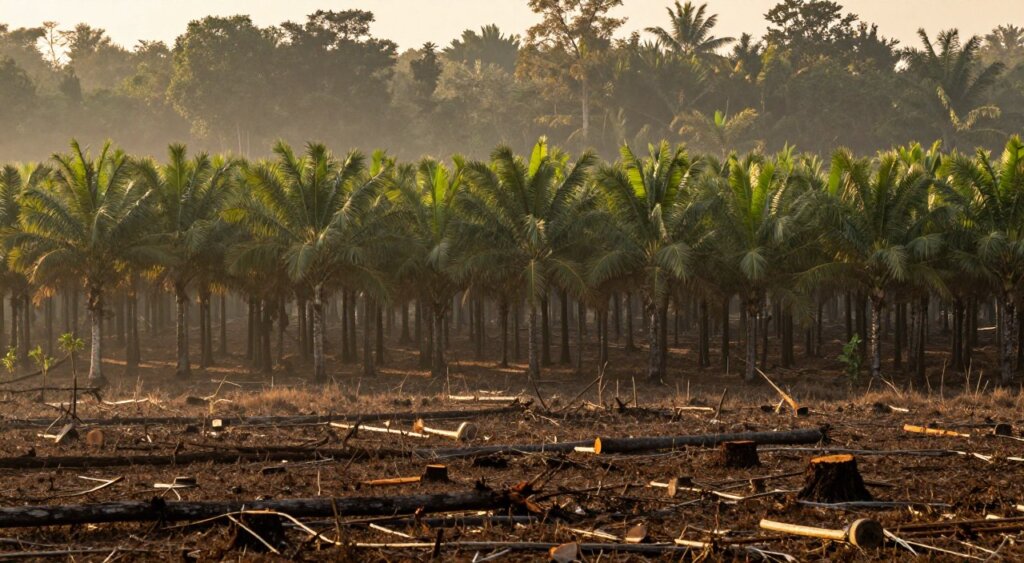
Industrial-scale agriculture emerged as the dominant force behind land cover changes. Between 2001 and 2016, palm oil plantation expansion accounted for approximately 23% of nationwide vegetation removal.
At least 3.3 million hectares were converted during this period. The peak occurred between 2005 and 2012 when large-scale operations cleared the majority of land.
Palm Oil Expansion and Illegal Logging Activities
Recent trends show improvement in the palm oil sector. Annual primary forest loss attributed to this industry declined dramatically from 930,000 hectares in 2016 to 230,000 in 2022.
However, a 2021 study revealed troubling compliance issues. Approximately 81% of forest conversion for oil plantations remains illegal, with less than 20% of operations following regulations.
Illegal timber harvesting has been another persistent challenge. During peak periods, up to 80% of logging occurred outside legal frameworks.
Small-scale Agriculture, Mining, and Infrastructure Impact
Small-scale agricultural activities contribute significantly to landscape changes. Subsistence farmers using slash-and-burn techniques account for about 22% of total loss.
These practices create cycles where soil nutrients deplete quickly. Farmers then move to new areas, causing ongoing fragmentation.
Resource extraction represents another major pressure point. By 2024, nickel mining emerged as a key driver, with approximately 50 companies operating in southeast Sulawesi alone.
Infrastructure development opens previously remote regions. The Trans-Papua Highway added hundreds of kilometres of new roads in 2019, enabling access for mining and settlement.
Key drivers include:
- Large-scale palm oil plantation expansion
- Persistent illegal logging operations
- Small-scale agricultural practices
- Growing mining sector activities
- Infrastructure development projects
Environmental and Socioeconomic Impacts
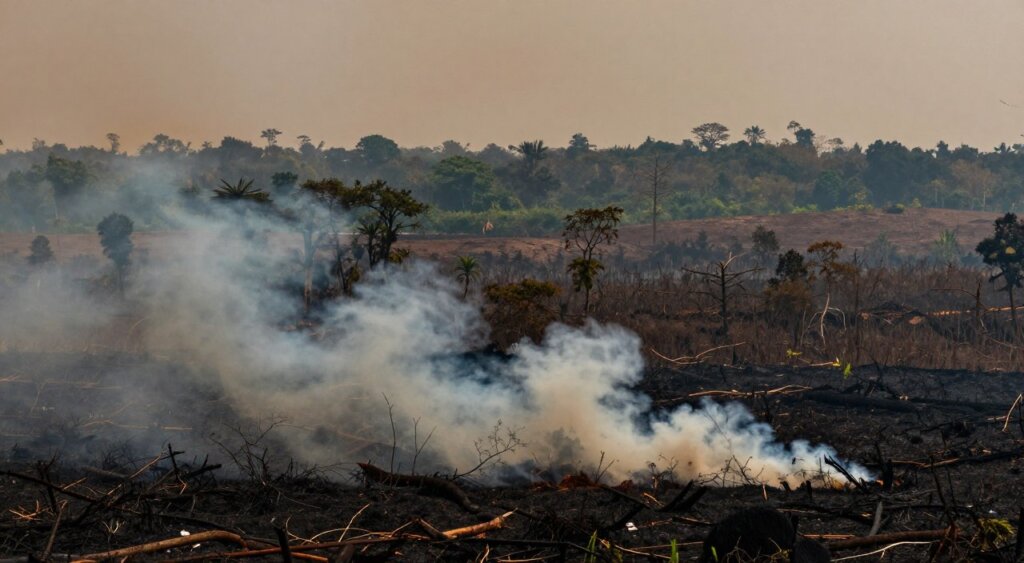
The ecological consequences of widespread forest clearing extend far beyond simple tree loss. This transformation affects both the natural world and human societies in profound ways.
Biodiversity Loss, Carbon Emissions, and Climate Change
Indonesia’s rich forests provide critical habitat for endangered species like the Sumatran tiger and orangutan. Ongoing habitat destruction pushes these iconic animals closer to extinction.
The country’s rapid forest loss drives some of the world’s highest greenhouse gas emissions. Historical logging and burning made the nation a top global emitter.
Forest fires destroy major carbon sinks in old-growth rainforest and peat swamps. This releases centuries of stored carbon while creating severe air pollution.
Reduced forest cover diminishes carbon sequestration capacity. This creates a double negative impact on climate change efforts.
Local Community Challenges and Economic Pressures
When forests disappear, communities lose access to food, medicine, and livelihoods. Indigenous peoples often bear the heaviest social costs.
Although clearing generates short-term gains, it undermines long-term sustainability. The country’s natural capital represents trillions of dollars in value.
Poverty drives some forest loss as people clear land for survival. This illustrates the complex socioeconomic pressures at play.
Academics describe the widespread environmental destruction as ecocide. This term captures the severity of the situation requiring urgent intervention.
Government Policies and Conservation Efforts Addressing Deforestation in Indonesia
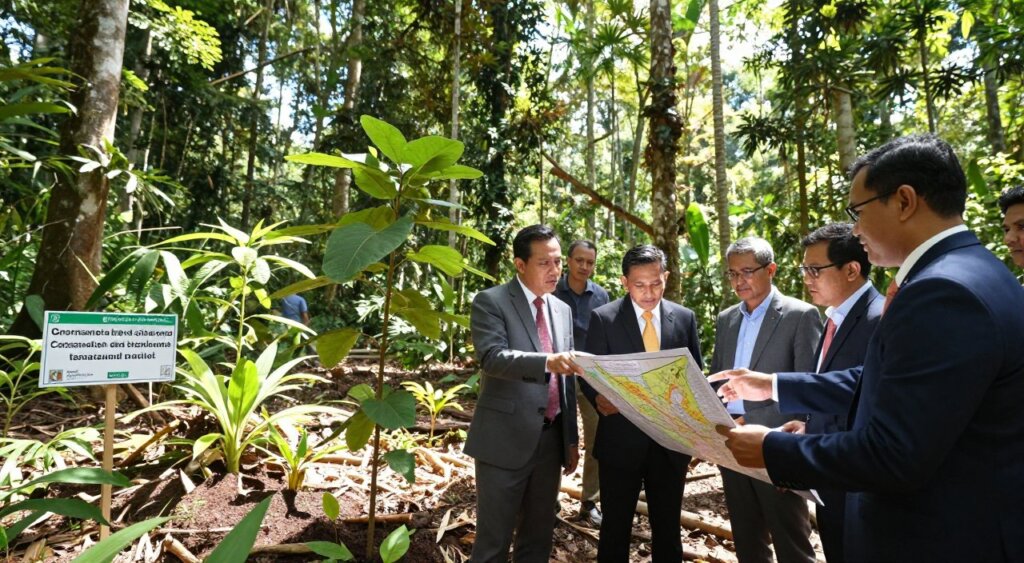
Policy responses to the nation’s deforestation crisis have evolved significantly. Both domestic regulations and international partnerships shape current conservation approaches.
National Moratoriums and Regulatory Reforms
Key government actions began with a 2011 moratorium on new logging contracts. This policy was extended in 2013, showing ongoing commitment to forest protection.
International cooperation played a crucial role. Norway’s billion-dollar partnership supported anti-corruption systems and enforcement mechanisms.
Recent years saw comprehensive policy mixes yielding better results. Bans on primary forest clearing combined with land concession reviews helped reduce deforestation rates.
New regulations now impose fines for illegal plantations. Approximately 200,000 hectares are targeted for conversion back to natural forests.
Private Sector Initiatives and Community-Based Monitoring
Private sector initiatives have complemented government programs. Sustainability certification for palm oil represents one successful approach.
Advanced monitoring systems enable real-time tracking of forest changes. The Center for Global Development’s platform provides monthly-updated data.
International agreements have seen mixed results. The country participated in both the failed New York Declaration and the more recent Glasgow Leaders’ Declaration.
“Forcing Indonesia to zero deforestation in 2030 is clearly inappropriate and unfair.”
This statement highlights the tension between global climate goals and national development priorities. Balancing conservation with economic growth remains challenging.
Conclusion
Despite ongoing challenges, conservation efforts are yielding measurable results across the region. The rate of deforestation has significantly declined since the 2016 peak, offering cautious optimism for the future.
According to Glenn Hurowitz of Mighty Earth, this progress stems from private sector involvement and diligent policy implementation. Data transparency alone cannot drive change without accompanying action and accountability.
Slowing deforestation in Indonesia requires continued collaboration between government, corporations and communities. Initiatives like the moratorium on new forest concessions have proven effective.
Global partnerships such as REDD+ provide essential support for long-term forests conservation. Curbing tree loss remains integral to combating climate change and preserving biodiversity.
The path forward demands sustainable approaches that balance environmental protection with development needs. While challenges persist, the foundation for meaningful progress is now in place.