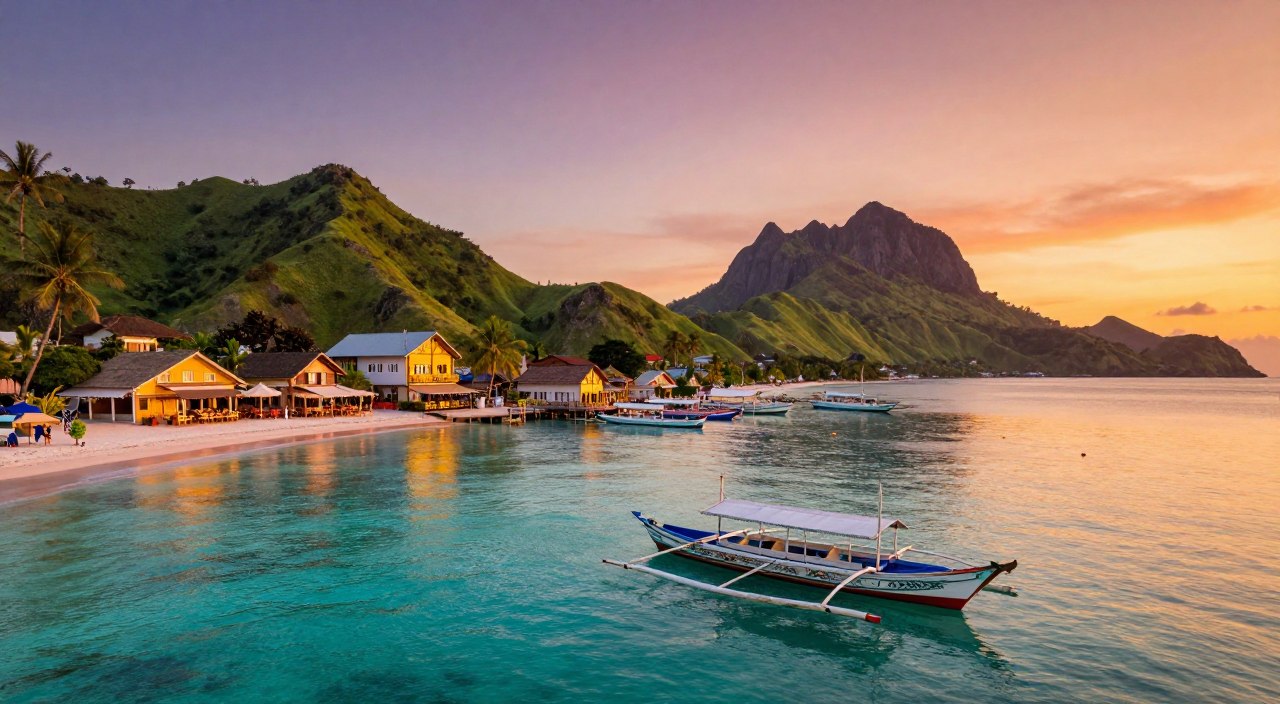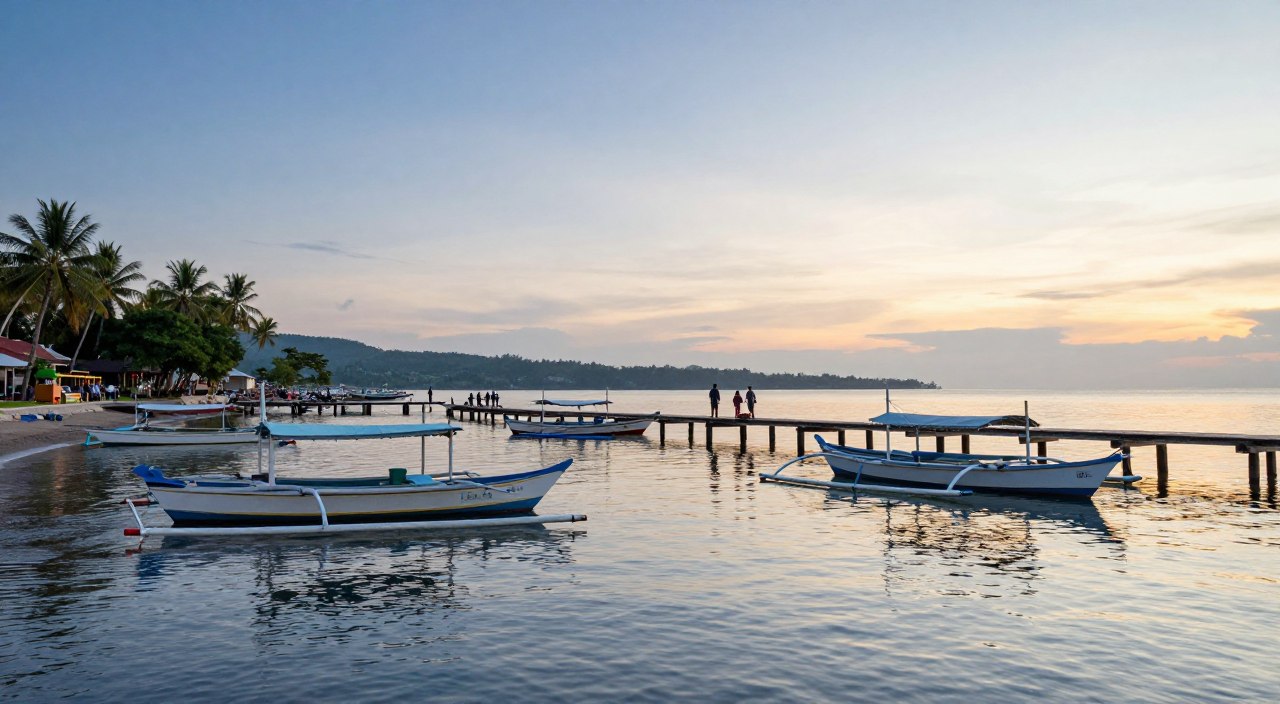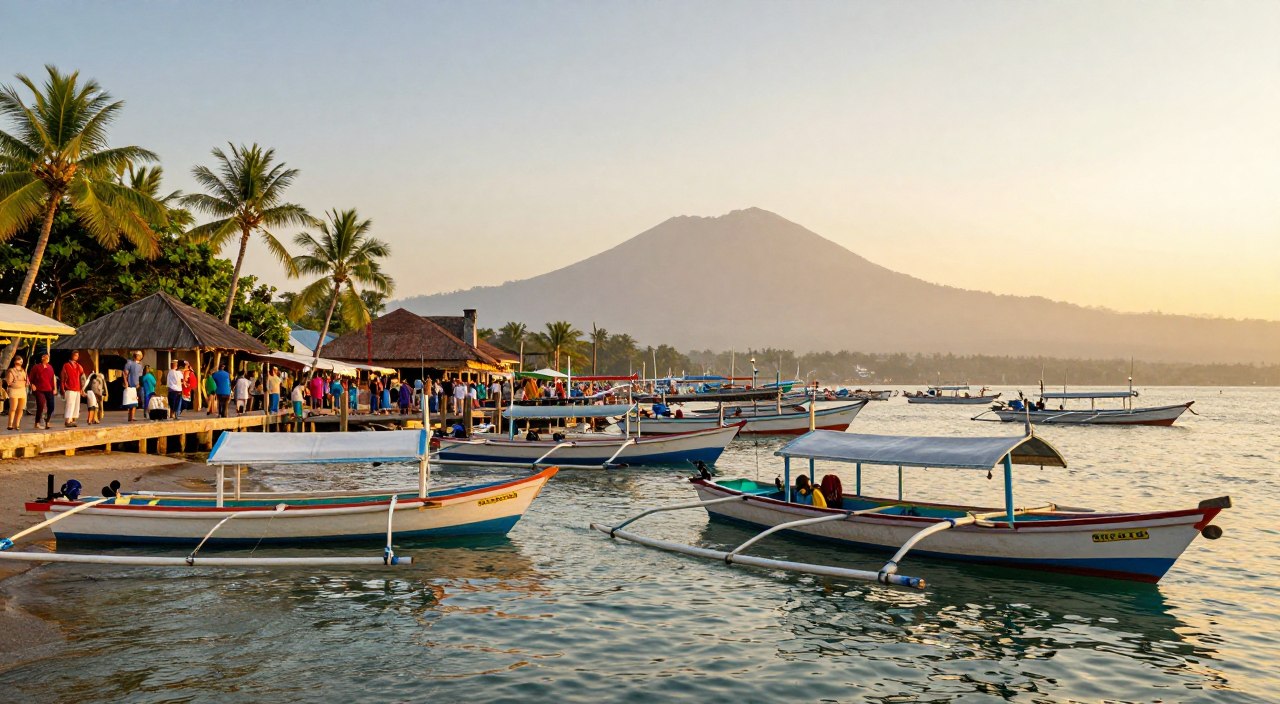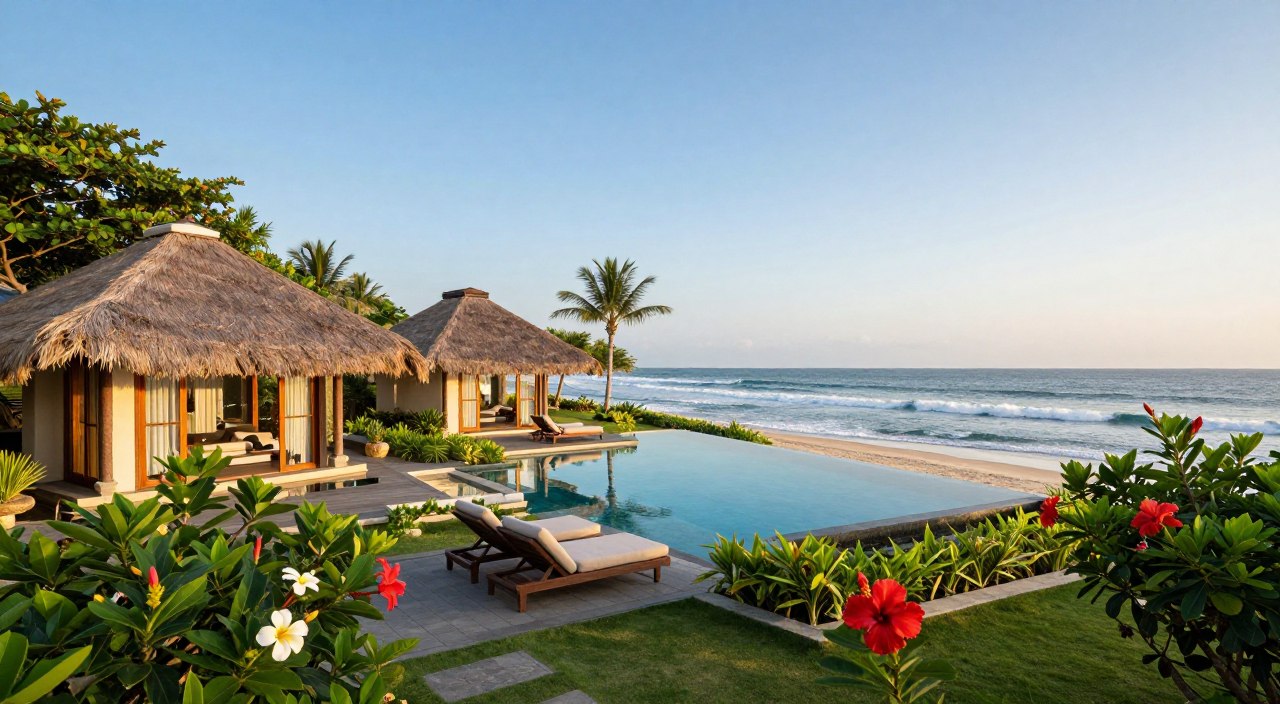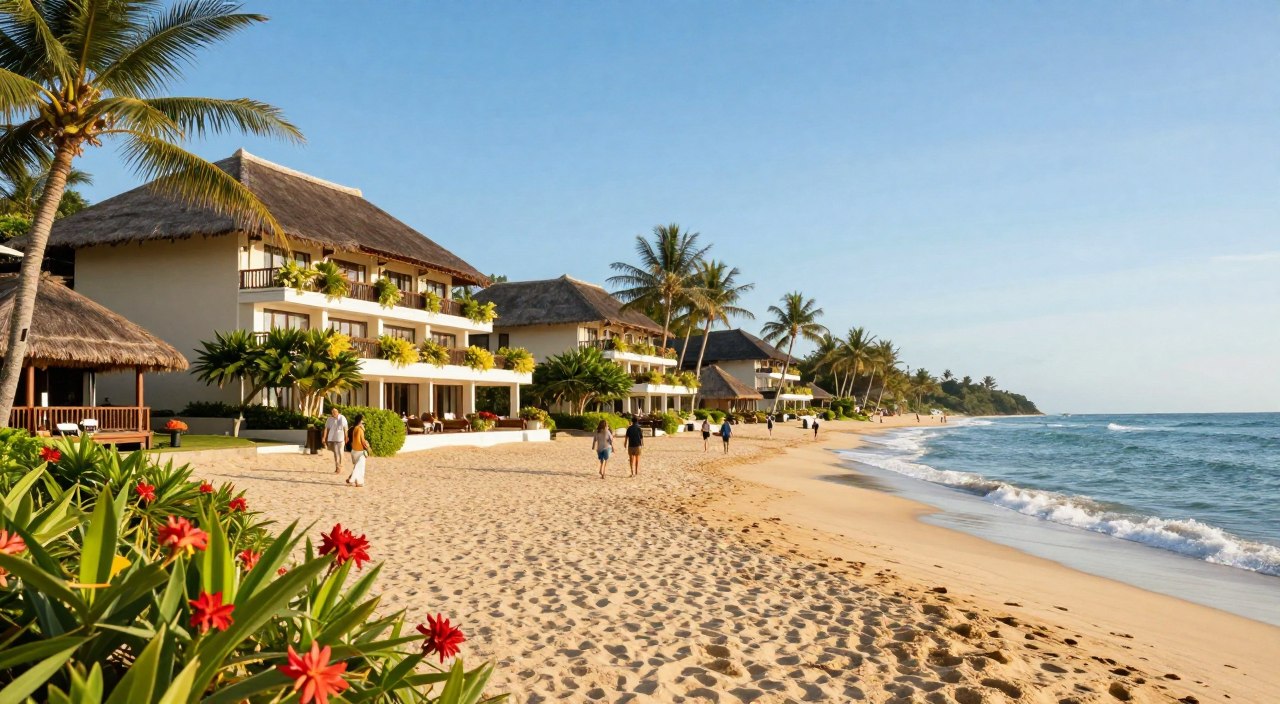
The island at the heart of Lake Toba is almost the size of Singapore, a staggering fact that hints at the sheer scale of this extraordinary destination in North Sumatra.
This vast body of water is the world’s largest volcanic lake. It offers a breathtaking natural beauty formed by a cataclysmic event millennia ago. A journey here is more than a holiday; it’s a profound lake toba cultural experience.
The soul of the region lies with the Batak people. Their vibrant culture, rich history, and warm hospitality define a visit. You can explore traditional villages and witness ancient customs.
This guide is your key to unlocking this remarkable place. We will show you how to deeply connect with the local way of life. Prepare for an unforgettable experience where majestic landscapes meet living traditions.
Key Takeaways
- Lake Toba is the largest volcanic lake on Earth, located in North Sumatra.
- The area combines stunning natural scenery with a deep and vibrant indigenous culture.
- The Batak people are central to the region’s identity, known for their music and unique architecture.
- Samosir Island, nearly the size of Singapore, is the cultural heart of the lake.
- Tuktuk on Samosir Island is the main hub for visitors exploring the region.
- This guide provides essential information for Australian travellers seeking an authentic Indonesian adventure.
Discovering Lake Toba: A Geographical and Cultural Gem
Born from one of Earth’s most colossal volcanic events, the landscape tells a story of immense power. A super-eruption around 74,000 years ago created the massive caldera that now holds Lake Toba. This event is a pivotal part of the region’s deep history.
Unravelling the Natural Beauty and Volcanic History
The result is a breathtaking expanse of water stretching over 1,700 square kilometres. At its heart lies Samosir Island, a huge landmass that emerged post-eruption.
Surrounding mountains frame the scene with lush, green slopes. The high elevation ensures a cool, pleasant climate perfect for exploring. This stunning nature provides a serene backdrop for adventure.
Crystal-clear waters and rich vegetation define the area’s visual beauty. It is a haven for those who love the outdoors.
An Introduction to the Batak Cultural Landscape
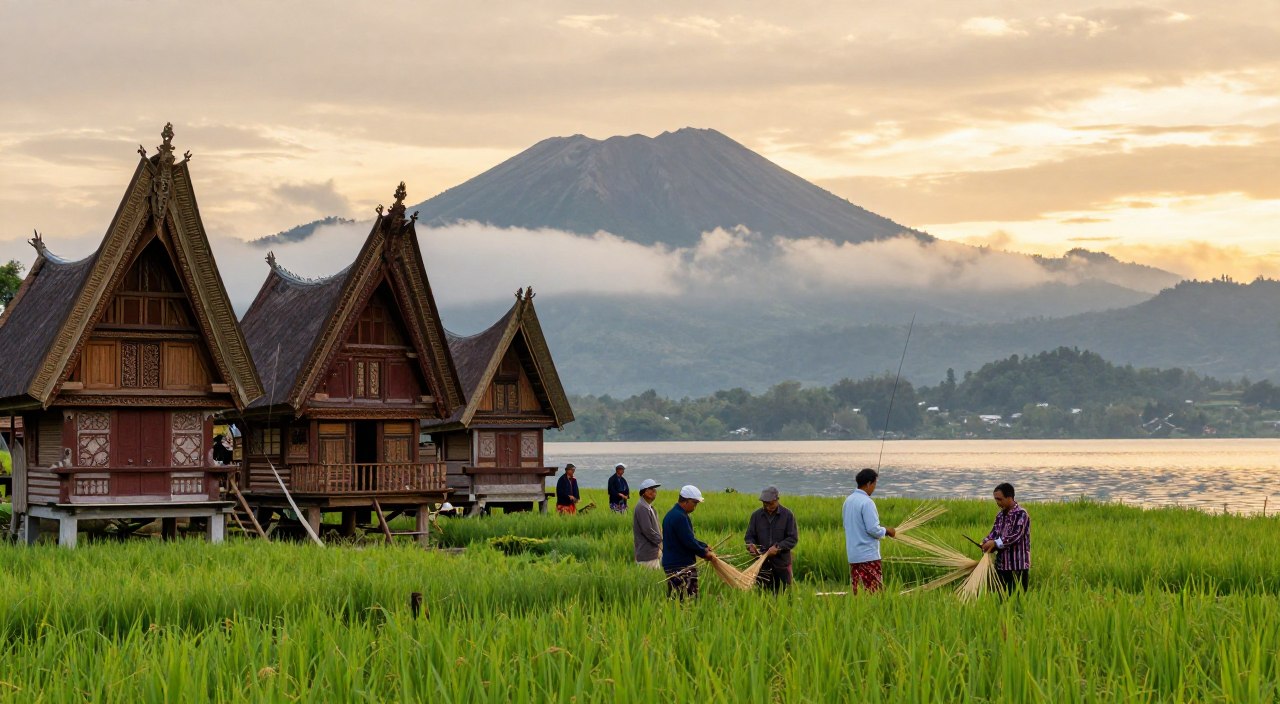
This remarkable environment is home to the Batak people. Their traditions are deeply woven into the land. The volcanic terrain has shaped their unique way of life for centuries.
Key elements of their heritage include:
- Traditional houses with iconic boat-shaped roofs.
- A vibrant cultural scene filled with music and dance.
- Strong communal values evident in village life.
Here, human tradition and geological history are beautifully intertwined. Lake Toba offers a truly multifaceted journey.
The Rich Heritage and Traditions of the Batak People
With roots stretching deep into Sumatra’s history, the Batak ethnic group showcases remarkable cultural resilience. This community comprises six main sub-groups, each with distinct traditions yet shared ancestry.
Batak History and Migration
The Batak people developed as a distinct ethnic group in North Sumatra’s highlands. Their migration patterns saw communities spread across Indonesia while maintaining identity.
They preserved traditional batak customs through clan systems called marga. Family lineage remains crucial to social structure.
This system governed village life through communal decision-making. It represents a key aspect of their batak heritage.
Traditional Celebrations and Rituals
Wedding ceremonies and funeral rites showcase this rich cultural legacy. Harvest festivals feature music, dance, and communal feasting.
Christianity coexists harmoniously with traditional batak practices. Sunday worship complements ancestral ceremonies.
Preservation efforts ensure younger generations connect with their batak heritage. This creates a living, evolving culture.
Symbols like ulos textiles and gondang music embody this rich cultural tradition. They maintain deep meaning within the community’s batak heritage.
Nature Preservation Vacation in Indonesia: Complete 2026 Guide
Immersive “lake toba cultural experience” for the Inquisitive Traveller
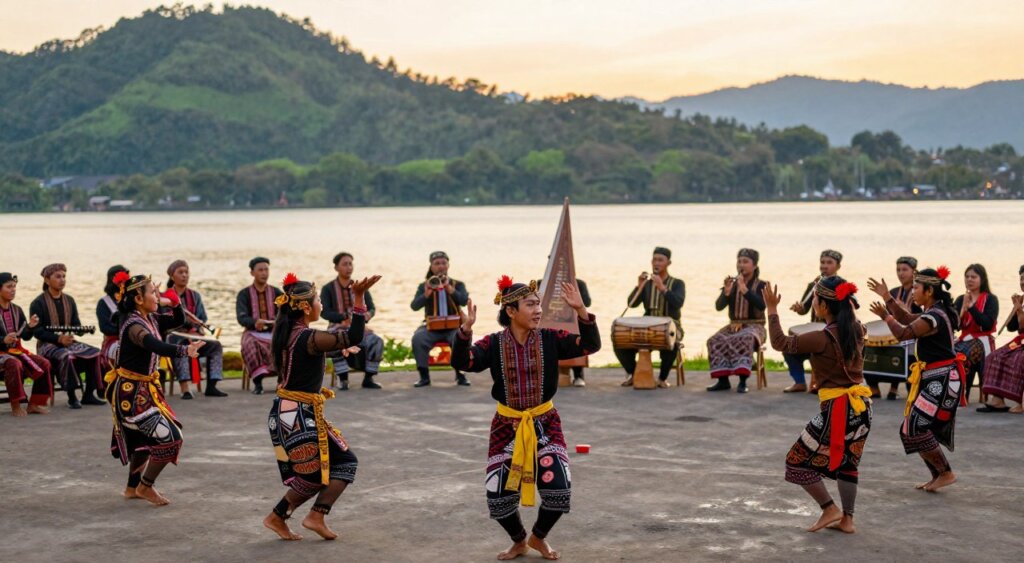
The true magic of this destination unfolds when visitors actively participate in living heritage practices. Moving beyond observation creates meaningful connections with local communities.
Experiencing Traditional Music and Dance
Authentic performances bring Batak traditions to life through sound and movement. The rhythmic gondang music and expressive tortor dance tell ancestral stories.
“The dance movements preserve our history, while the music connects us to our ancestors.”
At Huta Bolon Simanindo Museum, scheduled shows occur at 10:30 AM and 11:45 AM daily. The famous sigale-gale wooden puppet performs traditional dances during these presentations.
Visiting Iconic Cultural Landmarks
Ancient stone formations and traditional village complexes serve as gateways to understanding local heritage. These sites preserve customs that have endured for generations.
Hands-on workshops offer deeper engagement with creative traditions. Visitors can join weaving sessions, woodcarving lessons, and cooking classes featuring authentic cuisine.
| Activity Type | Location | Duration | Skill Level |
|---|---|---|---|
| Weaving Workshop | Local Villages | 2-3 hours | Beginner |
| Woodcarving Session | Artisan Studios | 3-4 hours | Intermediate |
| Cooking Class | Tuktuk Area | 2 hours | All Levels |
Hiring local guides enhances understanding of these significant attractions. They provide cultural context that transforms simple sightseeing into profound learning experiences.
Exploring Samosir Island and the Heart of Tuktuk
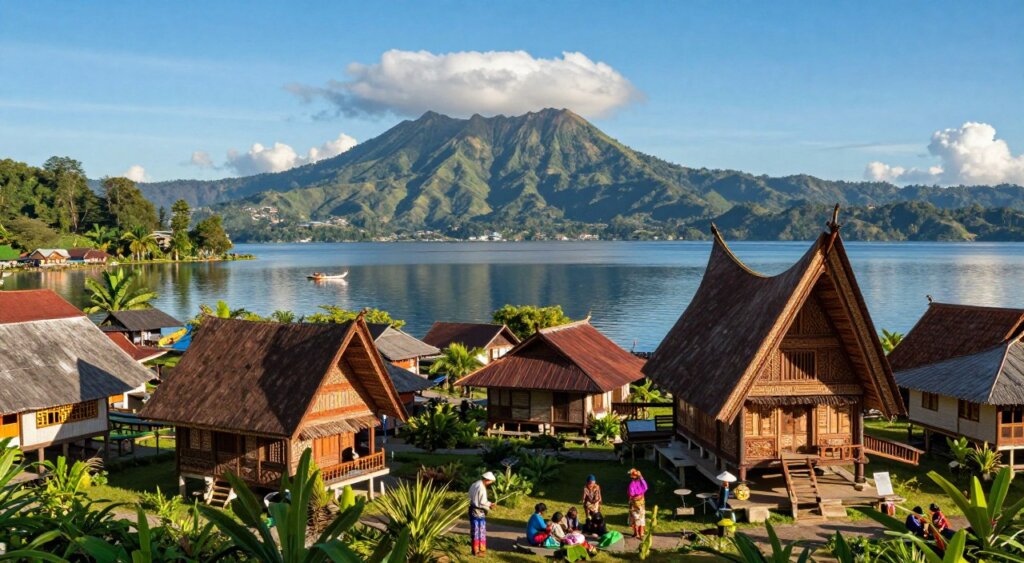
As the geographical and cultural core of the region, Samosir Island welcomes travellers with its unique charm. This massive landmass offers the perfect blend of natural beauty and authentic local life.
Tuktuk: The Tourist Hub on Samosir Island
Tuktuk Samosir serves as the main base for visitors exploring the area. Located on a narrow peninsula, this compact area is easily walkable and packed with amenities.
The relaxed atmosphere here makes it ideal for unwinding. You’ll find hotels, cafes, and rental services catering to international visitors. English is widely spoken, and locals are welcoming to tourists.
Local Villages and Their Unique Stories
Beyond Tuktuk, several villages offer deeper insights into local heritage. Each settlement has its own distinctive character and history.
Ambarita features ancient stone chairs where traditional meetings were held. Tomok boasts a vibrant market and the tomb of King Sidabutar. These villages provide authentic glimpses into rural life.
| Village | Key Attraction | Distance from Tuktuk | Visitor Experience |
|---|---|---|---|
| Tuktuk | Main tourist hub | 0 km | Established services, relaxed vibe |
| Ambarita | Ancient stone chairs | 7 km | Historical significance |
| Tomok | Traditional market | 5 km | Local commerce and royal tomb |
The island remains an unforgettable destination for those seeking genuine connections. Venture beyond the main areas to discover the true heart of this remarkable place.
Navigating Lake Toba: Getting There and Around
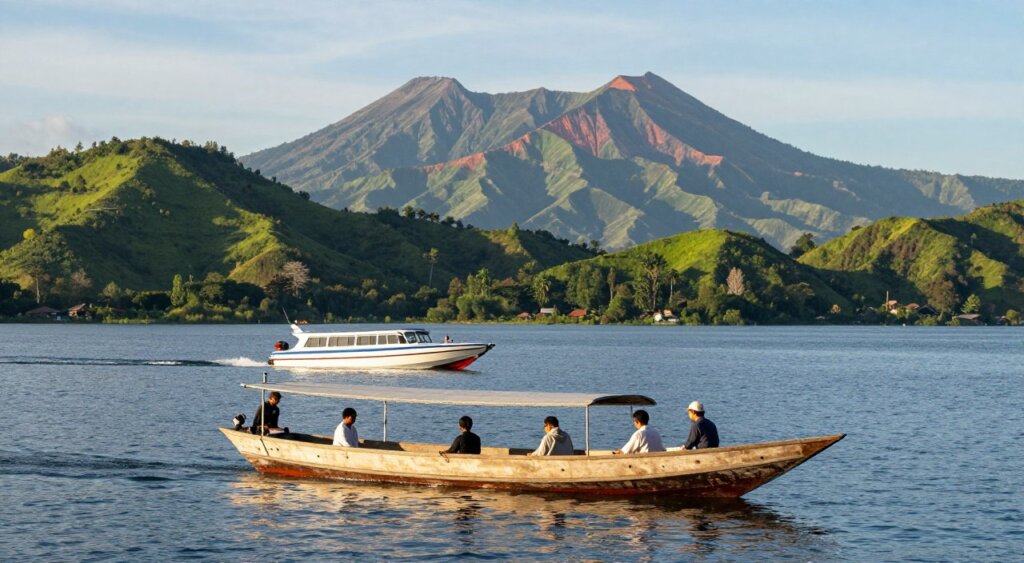
Your journey to this remarkable destination begins at Kualanamu International Airport, the main gateway for travellers. This modern international airport near Medan serves as your starting point for the approximately four-hour trip to Parapat, the ferry terminal for Samosir Island.
Travel Logistics from Kualanamu International Airport
The most convenient option is to book a private transfer through your accommodation. This provides reliable, comfortable transport directly to the ferry terminal. For budget-conscious travellers, public buses offer alternatives but come with trade-offs.
From Kualanamu International, you can take bus services to Siantar then another bus Parapat. Alternatively, head to Amplas Bus Station in Medan city for direct buses to Parapat. These options are slower and less comfortable than private transfers.
Transport Options: Ferries, Scooters and More
From Parapat, ferry services run hourly from early morning to early evening. You pay the 25,000 IDR fare directly on board. Inform staff of your hotel for drop-off at the nearest jetty.
Important safety note: Be aware of scammers at Parapat harbour who falsely claim you must book return transport through them. Ferry services operate regularly without advance booking requirements.
Once on Samosir Island, scooter rental is the most popular way to explore. Available throughout Tuktuk for about 100,000 IDR per day, it offers maximum flexibility. Bicycles work for those comfortable with hilly terrain, while private car hires suit day trips.
This travel guide helps you navigate Lake Toba efficiently. Proper planning ensures smooth transitions between each stage of your journey.
Taste of Tradition: Batak Cuisine and Dining Experiences
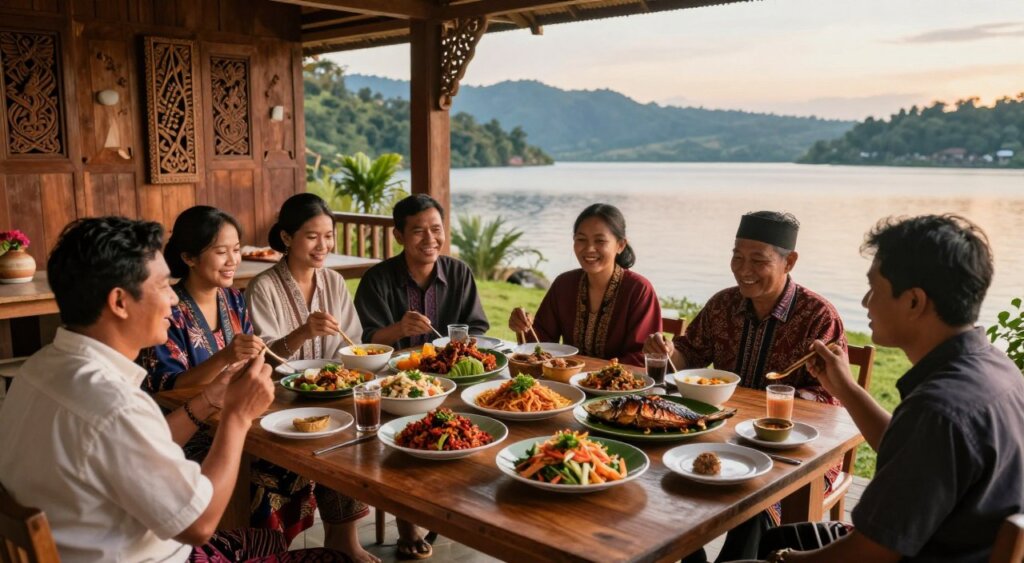
Local cuisine stands as one of the most accessible and enjoyable ways to connect with Batak traditions. The region’s distinctive culinary heritage reflects generations of agricultural practices and communal values.
Must-Try Batak Dishes and Local Specialties
Authentic batak dishes showcase bold flavours and aromatic spices. Ikan mas arsik features carp cooked in rich turmeric sauce. Saksang is a ceremonial dish typically reserved for special occasions.
Rendang Batak offers a local twist on the famous Indonesian beef preparation. BPK presents grilled pork with andaliman, a Sumatran spice similar to Sichuan pepper. Many traditional preparations contain pork, reflecting the area’s predominantly Christian population.
Best Restaurants and Cafés Around Tuktuk
Tuktuk offers diverse dining spots catering to various tastes. Laster Jony’s provides stunning views alongside a mixed menu of Western and Indonesian options. This is one of the most popular restaurants for its relaxed atmosphere.
Jenny’s Restaurant remains a long-standing favourite known for fresh lake seafood. Hub Tata caters to health-conscious diners with smoothie bowls and veggie options. Several local restaurants serve Bintang beer and tuak palm wine.
For those preferring milder flavours, simply request “tidak pedas” when ordering. The casual dining atmosphere makes these restaurant experiences relaxed and accessible throughout your stay.
Authentic Cultural Attractions and Must-Visit Museums
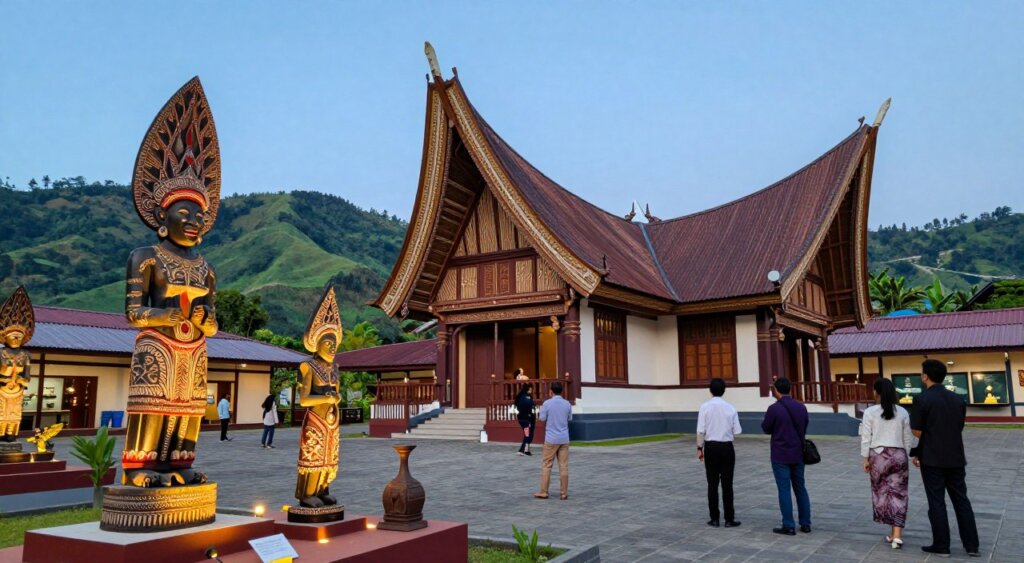
Beyond the natural scenery, the area’s cultural institutions reveal the depth of local history. These carefully preserved sites offer tangible connections to centuries of Batak tradition.
Museum Experiences: Huta Bolon Simanindo and Tomok Museum
Museum Huta Bolon Simanindo showcases traditional Batak architecture. It was once King Sidauruk’s residence before opening in 1969.
The collection includes ancestral relics and hosts scheduled dance performances. Tomok Museum features authentic Rumah Bolon royal housing design.
Its exhibits display Gorga carvings, ancient weapons, and diverse ulos textiles. Both museums provide deep insights into material culture.
Exploring Traditional Handicraft Workshops
Huta Siallagan village features beautifully preserved wooden houses and stone paths. The famous stone chairs served as ancient meeting places for village elders.
Local artisans demonstrate ulos weaving on traditional looms. Woodcarving workshops showcase intricate Batak patterns.
These living attractions make history accessible through hands-on engagement. Knowledgeable guides enhance understanding of each site’s significance.
| Attraction | Location | Key Feature | Visitor Experience |
|---|---|---|---|
| Huta Bolon Simanindo | Northern Samosir | Traditional architecture | Scheduled performances |
| Tomok Museum | Tomok Village | Royal house design | Textile collections |
| Huta Siallagan | Samosir Island | Ancient stone chairs | Living village tour |
| Ambarita Site | Ambarita Village | Megalithic formations | Historical justice system |
Outdoor Adventures and Scenic Spots Around Lake Toba
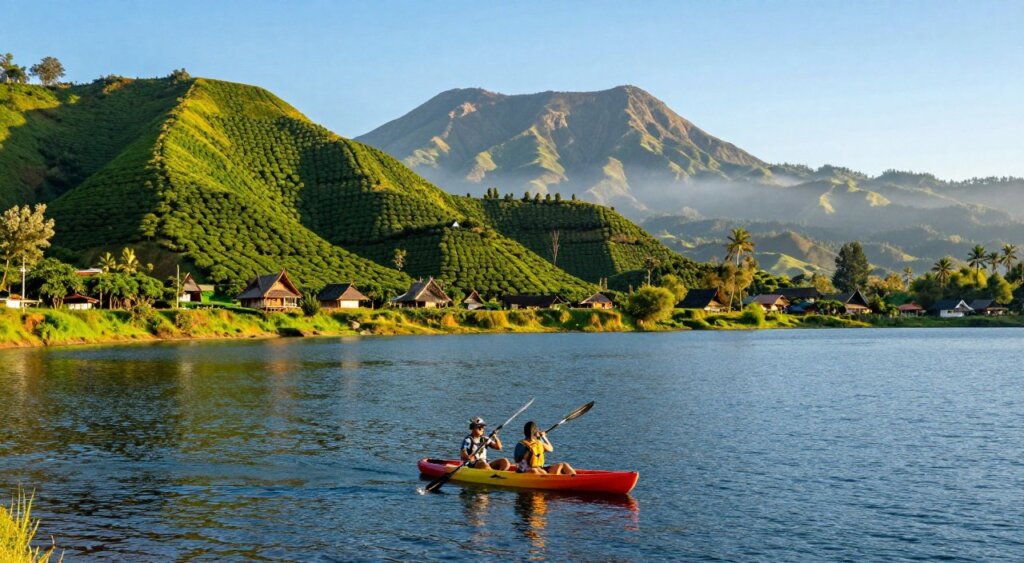
The dramatic scenery provides the perfect backdrop for outdoor enthusiasts seeking both relaxation and adventure. Beyond the cultural attractions, the natural environment offers countless ways to engage with this spectacular landscape.
Hiking, Kayaking and Exploring Natural Views
Active visitors can hike to Tele Viewpoint for breathtaking panoramic views. This vantage point across the bridge to the mainland reveals the massive caldera in all its glory. The trek rewards photographers with unforgettable stunning views of the entire region.
Water-based activities let you experience the calm, clear waters up close. Kayaking excursions allow shoreline exploration at your own pace. Swimming from accommodation piers offers refreshing breaks during warm days.
Discovering Hidden Gems and Family-Friendly Spots
Natural hot springs at Pangururan provide soothing relaxation, especially during cooler evenings. Efrata Waterfall on the mainland offers a scenic day trip amid lush farmland. These spots showcase the diverse nature around the lake.
Families will find plenty of engaging things to do together. Boat rides, waterfall visits, and farm walks keep children entertained. Accommodations like Tabo Cottages offer safe lake access and large gardens perfect for kids.
| Activity | Location | Best For | Duration |
|---|---|---|---|
| Tele Viewpoint Hike | Mainland | Photography | 2-3 hours |
| Hot Springs | Pangururan | Relaxation | 1-2 hours |
| Kayaking | Lake Shoreline | Exploration | Flexible |
| Efrata Waterfall | Mainland | Day Trips | Half day |
Bring appropriate footwear for hiking and sun protection for water activities. Time your visits to avoid afternoon rain during wet season. These practical tips ensure enjoyable exploration of the stunning natural attractions around Lake Toba.
Practical Travel Tips and Accommodation Guide
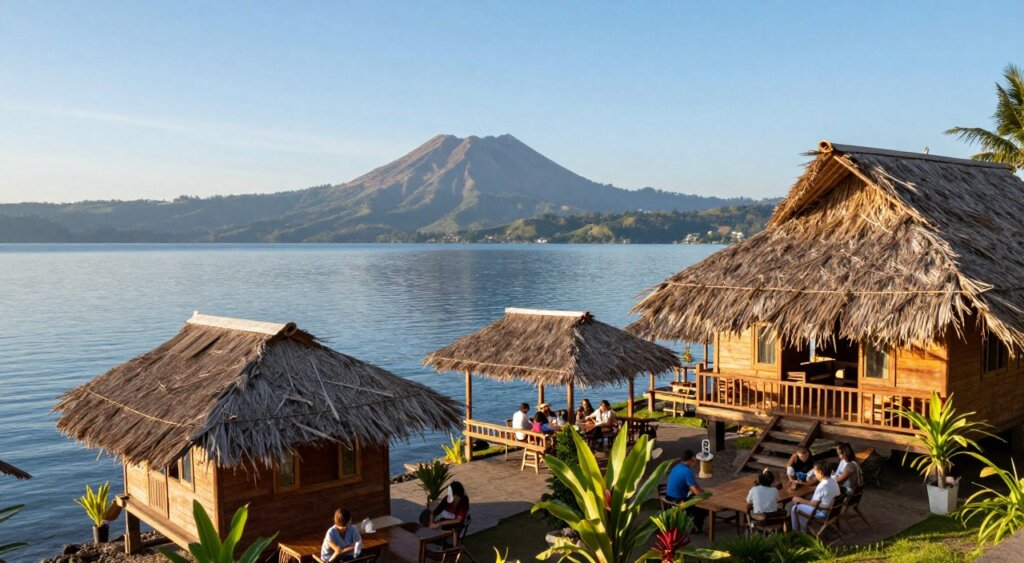
Accommodation options range from luxury resorts to authentic homestays, catering to diverse preferences. This comprehensive guide helps travelers select the perfect base for their journey.
Where to Stay: From Luxury Resorts to Homestays
Marianna Resort offers premium comfort with modern facilities and stunning water views. For mid-range hotels, Zoe’s Waterfront and Tabo Cottages provide excellent value with swimming pools and scenic locations.
Budget-conscious travelers will appreciate guesthouses like Bagus Bay and Reggae Guest House. These offer direct water access and friendly local hosts, creating a genuine connection with the community.
Weather, Packing Essentials and Local Etiquette
The region enjoys mild temperatures around 25-28°C during the day. Evenings can be cooler, especially in the rainy season from October to April.
Pack light clothing for warm days and a jacket for cooler nights. Essential items include sunscreen, mosquito repellent, and sturdy shoes for exploring. Bring enough cash as ATMs can be unreliable.
The area is very safe for travelers. Always greet locals with a smile and dress respectfully when visiting churches or traditional sites.
Conclusion
From practical travel logistics to deep cultural immersion, this guide provides the complete picture for exploring this unique region. We’ve covered everything from ferry schedules and accommodation options to must-visit restaurants and historical attractions.
The destination offers remarkable diversity for all types of travellers. Whether you prefer luxury resorts or authentic village stays, adventurous exploration or relaxing by the water, there are countless things to discover. The well-established infrastructure in Tuktuk ensures a comfortable trip while maintaining the area’s authentic charm.
This North Sumatran gem rewards visitors who take time to explore beyond the main tourist areas. Allocate sufficient days to fully appreciate the stunning views, warm hospitality, and rich heritage. Your journey to this remarkable place promises memories that will last a lifetime.