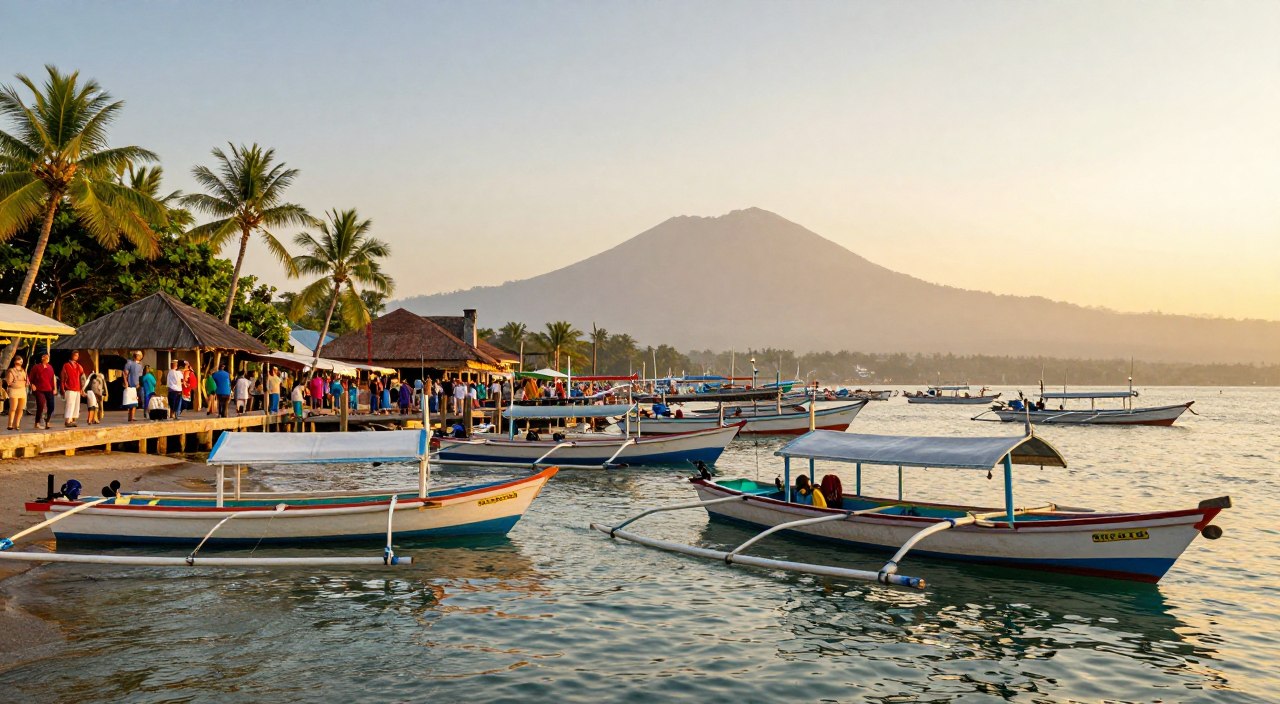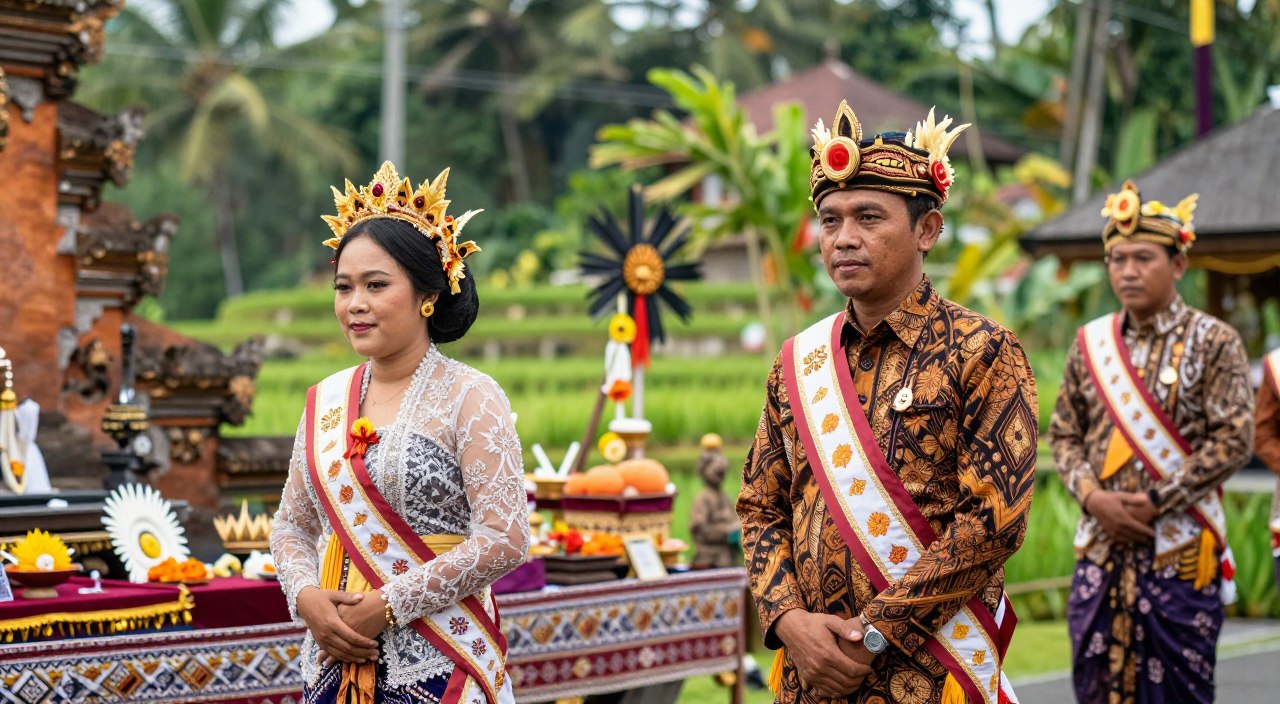
Imagine visiting a world-famous holiday island where over 80% of the local population wears their heritage clothing as part of their daily life. This isn’t a historical reenactment; it’s the vibrant reality in Bali, Indonesia’s premier tourism destination.
Known as the Island of the Gods, this province’s unique identity is woven into the very fabric of its society. The traditional garments you see are far more than just colourful costumes for tourists. They are a living, breathing expression of a deep cultural philosophy.
This pakaian adat bali varies greatly across the island’s different regions. Each piece tells a story based on ceremony, gender, and social standing. From the intricate patterns to the specific ways they are worn, every element holds symbolic meaning.
Understanding this attire provides a window into the Balinese worldview. It reflects a connection to spiritual concepts and social harmony that has been carefully preserved for generations.
Key Takeaways
- Traditional Balinese clothing is actively worn in daily life, not just for ceremonies.
- These garments are a core part of the island’s cultural identity and Hindu philosophical foundations.
- There are significant regional variations in style and ornamentation across Bali.
- Each component of the attire carries deep symbolic meaning.
- The clothing plays a practical role in marking life events and social status.
- It represents a living tradition that maintains cultural continuity.
Cultural Heritage of Bali’s Traditional Attire
Each fold and pattern in ceremonial dress tells a story of spiritual hierarchy and cultural identity. The island’s traditional garments serve as living artifacts that connect present-day practices to ancient philosophical systems.
The Historical Roots and Cultural Identity
The development of these garments reflects centuries of cultural exchange. Hindu-Javanese influences merged with local traditions to create distinctive styles.
Central to this heritage is the Tri Angga concept. This philosophical framework divides the human body into three sacred zones. Each zone corresponds to specific spiritual principles.
Garments physically manifest this cosmological understanding. The division guides how different clothing pieces are worn and layered.
Regional Variations and Traditional Ceremonies
Different regencies across the island showcase unique interpretations of traditional wear. Local weaving techniques and historical kingdoms created distinctive styles.
Ceremonial requirements have preserved these clothing practices for generations. Specific combinations are necessary for different types of rituals.
Community organizations play a vital role in maintaining these traditions. They often provide standardized ceremonial wear for collective events.
The hierarchical nature of ritual dress codes ensures proper respect during religious observances. Different ceremony types demand appropriate attire levels.
Distinctive Features of Balinese Costume
Traditional Balinese attire combines aesthetic beauty with deep philosophical significance in each component. The garments feature specific construction details and wearing methods that communicate cultural values.
Key Traditional Pieces: Kebaya, Baju Safari, and Udeng
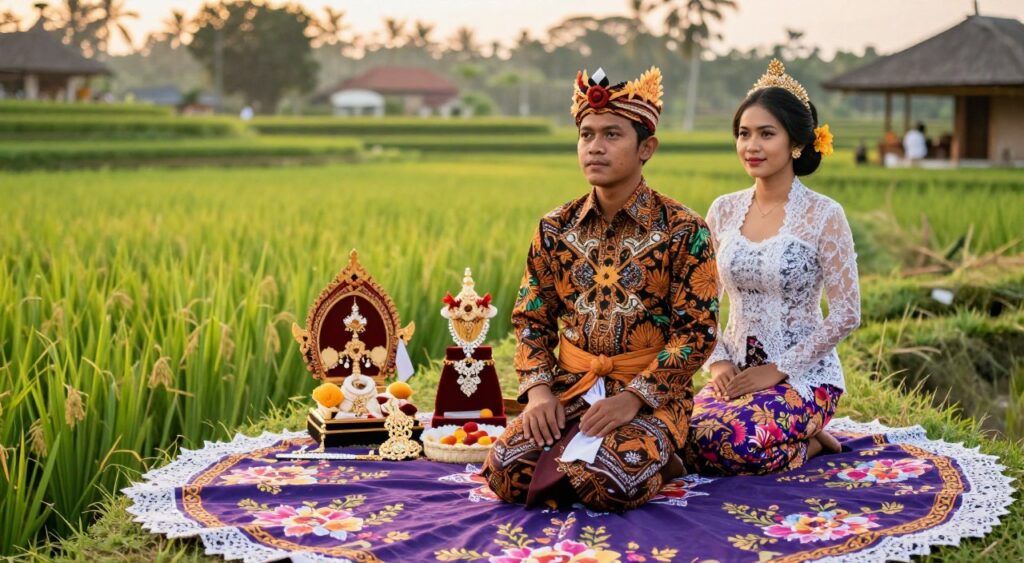
The kebaya bali stands as the quintessential garment for perempuan. This elegant blouse typically features lace detailing and comes in vibrant colors for joyous ceremonies. Darker tones are reserved for somber occasions.
For pria, the baju safari serves as formal wear. This white shirt symbolizes purity and requires wearers to maintain proper conduct. It features distinctive collar and pocket designs.
The udeng or ikat kepala completes male ceremonial dress. Different styles indicate various roles and occasions. Each type carries specific symbolic meaning about the wearer’s position.
The Elegance of Kebaya Bali: Exploring Balinese Fashion
Symbolism Behind Kamen, Saput, and Selendang
The kamen forms the foundation of lower-body attire. Men and women wrap this kain in opposite directions, representing complementary spiritual roles. The wrapping technique conveys important cultural messages.
Kain saput serves as an outer layer with distinctive patterns. The black-and-white checkered design represents philosophical duality. Other color variations carry additional symbolic meanings.
Women wear the selendang tied with living knots on the left side. This accessory symbolizes maternal readiness and moral conduct. It coordinates visually with other garment elements.
Additional elements like sabuk prada belts and inner corsets complete the ensemble. Each piece protects specific areas of the tubuh while conveying spiritual concepts.
Exploring baju adat bali: Traditional Elements & Symbolism
Beyond their visual appeal, these cultural garments function as wearable philosophy books. Each element teaches important life lessons through symbolic details.
Philosophical Meanings in Every Component
The Tri Angga framework divides the human tubuh into three sacred zones. Each zone receives specific pakaian that carries deep makna.
Men wrap their kamen from kiri to kanan, symbolising their role as dharma-holders. Women wrap in the opposite direction, representing complementary spiritual balance.
The positioning of the kamen also memiliki makna profound. Men’s higher placement allows broader steps, reflecting greater social responsibility.
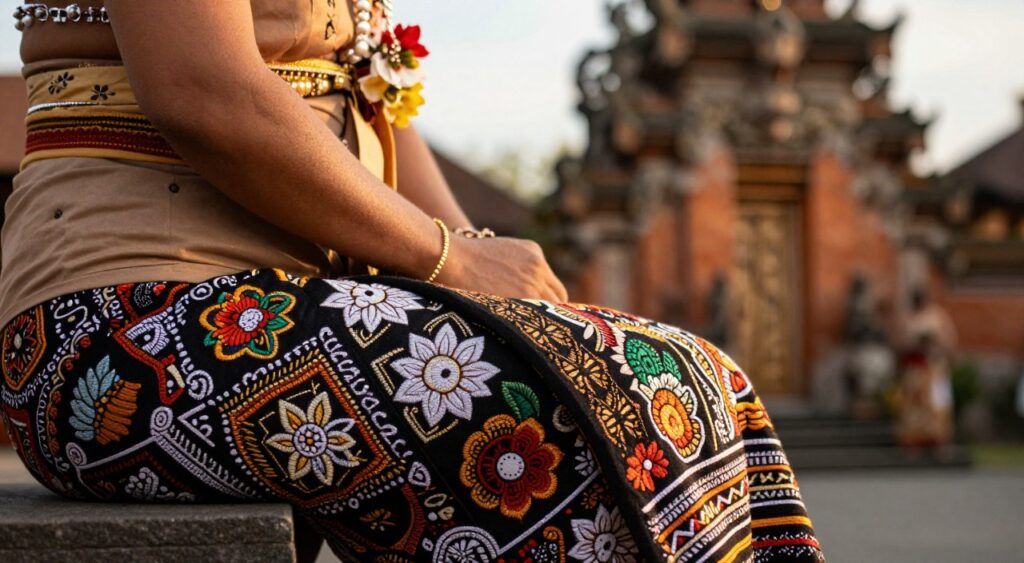
Colour symbolism plays a crucial role in ceremonial pakaian. White warna represents purity, while bright colours symbolise joy and elegance.
Traditional Rituals and Cultural Expressions
Protective elements like the sabuk prada guard the rahim area around the pinggang. This symbolizes the sacredness of life and emotional control.
The geometric patterns on various kain pieces memiliki motif khas with philosophical teachings. These designs serve as daily reminders of spiritual concepts.
Floral arrangements in women’s hair incorporate divine symbolism. Different flowers represent various aspects of the Hindu trinity.
This sophisticated system demonstrates how adat bali memiliki a complete symbolic language. Every detail communicates messages about social roles and spiritual devotion.
Modern Relevance of Balinese Attire
Modern Bali presents a fascinating blend where ancient traditions meet contemporary fashion sensibilities. The three-tiered payas system demonstrates remarkable flexibility in adapting to modern lifestyles.
How Cultural Heritage Inspires Contemporary Fashion
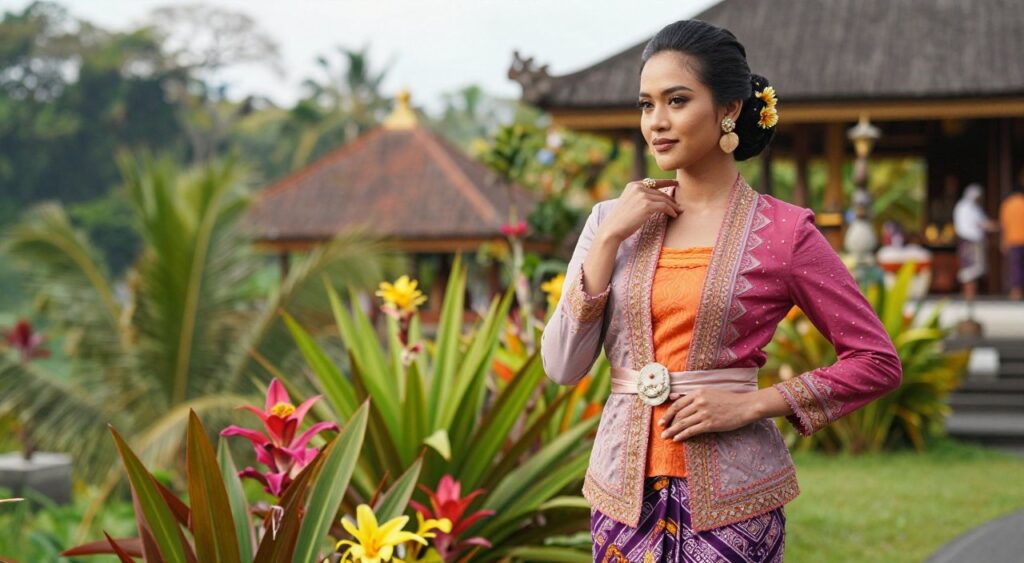
Traditional elements like the elegant kebaya cuts and distinctive sabuk styling now influence Indonesian designers. These khas bali features appear in modern interpretations while respecting ceremonial standards.
Younger generations creatively adapt traditional pakaian for social media occasions. They maintain core principles while exploring fresh warna combinations and contemporary accessories.
Preserving Tradition in a Globalised World
Community organizations play a vital role in maintaining proper upacara adat dress codes. They ensure younger perempuan bali learn correct ways of mengenakan baju for various ceremonies.
Many masyarakat bali continue wearing simplified versions like payas madya for temple visits. This practice keeps traditions alive in daily life rather than reserving them for special events only.
The elaborate payas agung remains essential for pernikahan ceremonies, showcasing Bali’s rich cultural heritage. Regional variations continue to thrive through cultural festivals and educational programs.
Conclusion
Balinese ceremonial wear represents more than aesthetic tradition, it’s a living language of cultural identity. The comprehensive pakaian adat system, with its three payas categories and diverse jenis of components, accommodates every ceremonial need while preserving core principles.
Each garment element communicates profound philosophical teachings through directional wrapping, color symbolism, and strategic placement. This symbolic richness transforms everyday pakaian into meaningful cultural expressions.
Despite global influences, traditional dress maintains remarkable vitality across Bali’s regions. Each area contributes distinctive interpretations while maintaining the recognizable aesthetic that defines this cultural heritage.
For visitors, understanding the deeper meanings behind these garments fosters respectful engagement. The future looks bright for baju adat traditions, with successful intergenerational transmission and growing pride among younger generations ensuring their continued relevance.