Bali Weather Guide: Climate & Best Time to Visit 2026
Planning a trip to Bali without understanding its weather patterns is like navigating without a map. This Bali weather guide provides the comprehensive climate information you need to choose the perfect time for your Indonesian adventure. Bali’s tropical climate follows distinct seasonal patterns that dramatically affect everything from beach conditions to hiking opportunities and hotel prices. Whether you’re dreaming of surfing pristine waves, trekking volcanic peaks, or exploring ancient temples, understanding when rain falls, how humidity fluctuates, and which months offer the most sunshine will transform your travel experience. Having experienced multiple monsoon seasons in Bali and observed its weather patterns across different regions, I’ll share practical insights that go beyond generic travel advice to help you make informed decisions about your trip timing.
Understanding Bali’s Tropical Climate
Bali sits approximately 8 degrees south of the equator, giving it a tropical monsoon climate classified as Am under the Köppen-Geiger system. This classification means the island experiences consistent warmth year-round with a pronounced wet season. Average temperatures hover between 26°C and 30°C (79°F to 86°F) throughout the year, with minimal variation between seasons.
The Bali climate guide fundamentals reveal that temperature stability is one of the island’s defining features. Unlike temperate regions with dramatic seasonal temperature swings, Bali’s warmth remains remarkably consistent. What changes significantly is precipitation and humidity. Coastal areas typically register daytime temperatures around 30°C, while central regions like Ubud experience slightly cooler conditions at 28°C due to higher elevation. Mountain areas see the most dramatic temperature variations, with summit temperatures on Mount Batur dropping to 10°C to 15°C during sunrise climbs.
Bali’s microclimates create fascinating regional variations. The island’s southern peninsula receives less rainfall than central regions, while the western coast experiences different weather patterns than the east. These variations mean you can sometimes escape rain in one area by traveling just 30 kilometers to another region.
Bali’s Two Distinct Seasons Explained
Wet Season (November-April)
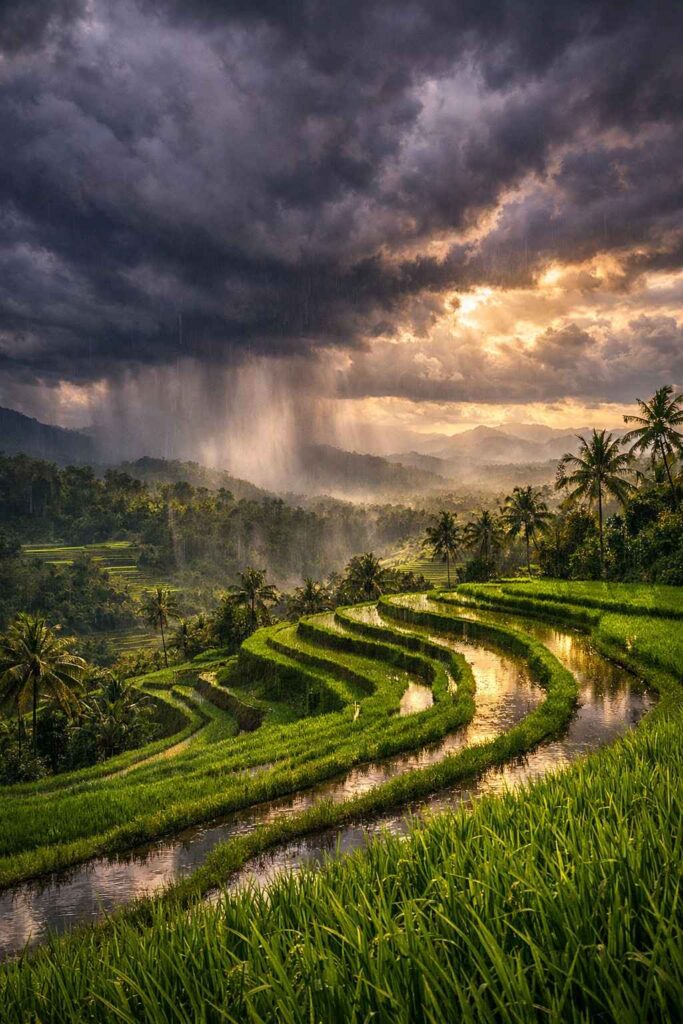
The wet season transforms Bali into a lush, green paradise but comes with significant rainfall challenges. Based on years of observing Bali’s weather patterns, rainfall typically begins intensifying in November, peaks between December and February, then gradually decreases through March and April.
When comparing Bali wet season vs dry season, the wet months bring afternoon downpours that can last 1 to 3 hours, though entire rainy days remain relatively rare. Average rainfall reaches 300 to 400mm monthly during peak wet season, with January typically recording the highest precipitation. Humidity levels soar to 80% to 90%, creating a sticky, tropical atmosphere that some travelers find uncomfortable.
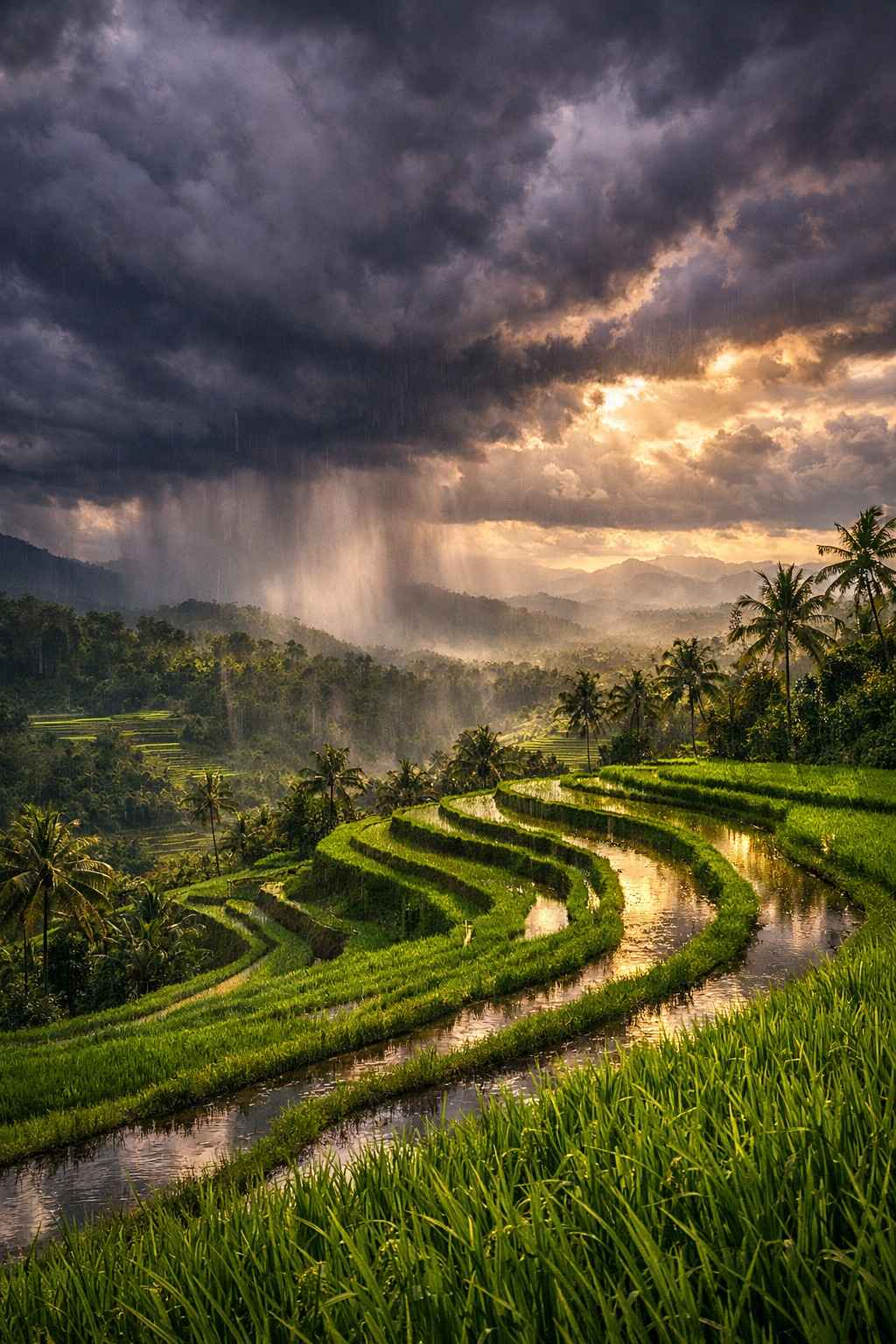
However, the wet season offers distinct advantages. Accommodation rates drop by 30% to 50%, crowds thin considerably, and the landscape reaches peak greenness. Rice terraces glow with vibrant emerald tones, waterfalls cascade with impressive force, and jungle treks become adventurous experiences. Morning hours often remain clear and sunny, allowing beach time and cultural activities before afternoon storms arrive.
The season also brings consistent with data from local meteorological stations showing surf swells, making it prime time for experienced surfers at breaks like Uluwatu and Padang Padang. River rafting conditions improve dramatically, and photographers capture dramatic cloudscapes and moody lighting.
Dry Season (May-October)
The Bali dry season months deliver the reliable sunshine that draws millions of visitors annually. From May through October, rainfall decreases dramatically to 50 to 100mm monthly, humidity drops to more comfortable 60% to 75% levels, and clear skies dominate. This period represents peak tourist season, with July and August bringing maximum crowds and highest accommodation prices.
Temperature-wise, the dry season feels similar to wet season, maintaining that consistent 26°C to 30°C range. What changes is rainfall frequency, with many days seeing zero precipitation. June through September typically offers the most reliable weather, with occasional brief showers possible but entire rainy days becoming extremely rare.
This season excels for beach activities, diving, snorkeling, hiking, and outdoor adventures. Visibility underwater reaches 20 to 30 meters at dive sites like Nusa Penida and Amed. Trekking conditions become ideal, with dry trails on Mount Batur and Mount Agung allowing safer climbing. Sunset viewing opportunities multiply, and outdoor dining becomes consistently pleasant.
Bali Weather by Month: Complete Breakdown
Understanding Bali weather by month helps pinpoint your ideal travel window:
January: Wettest month with 350 to 400mm rainfall across 20 to 22 rainy days. Temperatures 26°C to 30°C. Morning sunshine common, afternoon storms frequent. Budget travelers benefit from lowest prices. Can you sunbathe in Bali in January? Yes, mornings typically offer 3 to 5 hours of sunshine before storms arrive.
February: Similar to January with 300 to 350mm rainfall and 18 to 20 rainy days. Temperatures remain steady at 26°C to 30°C. Chinese New Year brings crowds despite wet conditions.
March: Transitional month with decreasing rainfall at 250 to 300mm over 15 to 18 days. Humidity begins dropping slightly. Good value for accommodations with improving weather.
April: Wet season tail end brings 200 to 250mm rainfall across 12 to 15 days. More dry days appear, making it attractive for shoulder season travelers seeking deals and decent weather.
May: Dry season begins with 150 to 200mm rainfall over 10 to 12 days. Humidity drops noticeably. Beach conditions improve dramatically. Excellent time before peak crowds arrive.
June: Prime conditions emerge with 100 to 150mm rainfall and 8 to 10 rainy days. Temperatures 26°C to 29°C. School holidays bring families. Diving visibility excellent.
July: Peak season with minimal 50 to 100mm rainfall over 5 to 7 days. Crowds and prices reach yearly highs. Near-guaranteed sunshine makes it popular despite costs.
August: Similar to July with 50 to 100mm rainfall and 5 to 7 rainy days. Driest conditions often occur. Perfect for outdoor adventures but expect maximum tourist numbers.
September: Shoulder season excellence with 100 to 150mm rainfall over 7 to 9 days. Crowds decrease while weather remains superb. Smart travelers target this month.
October: Dry season conclusion brings 150 to 200mm rainfall across 10 to 12 days. Still excellent conditions with decreasing prices as low season approaches.
November: Wet season transition with 200 to 250mm rainfall over 14 to 16 days. Weather becomes unpredictable. Significant accommodation deals appear.
December: Solidly wet with 300 to 350mm rainfall and 18 to 20 rainy days. Weather in Bali December sees holiday crowds despite rain, as Christmas and New Year attract visitors accepting wet conditions for festive atmosphere.
What is the rainiest month in Bali? January consistently records the highest precipitation, averaging 350 to 400mm, though February runs close behind.
Best Time to Visit Bali Based on Weather
What’s the best month to go to Bali? June and September offer the optimal balance of excellent weather, manageable crowds, and reasonable prices. These shoulder months within the dry season deliver the reliability serious planners want without July-August peak season intensity.
When considering the best time to visit Bali weather, your priorities determine ideal timing:
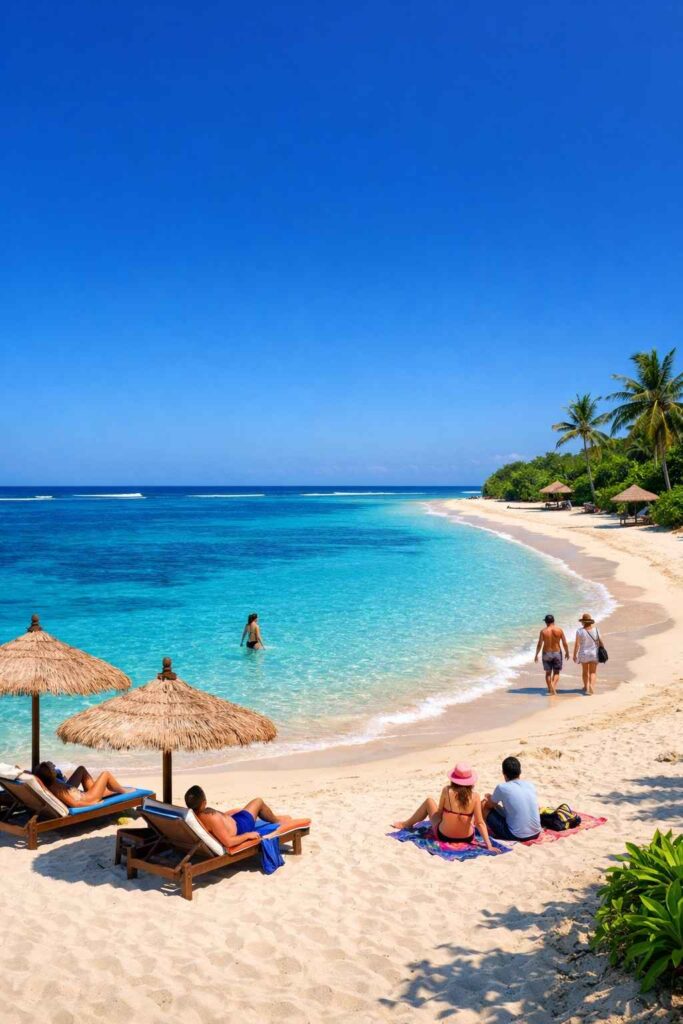
Beach lovers and divers: June through September provides calm seas, excellent visibility, and consistent sunshine. Water temperatures remain constant at 27°C to 29°C year-round, but visibility improves dramatically during dry months.
Budget travelers: January and February offer lowest accommodation rates, sometimes 40% to 60% below peak season. Morning activities work well, and afternoon rain becomes expected rather than disappointing.
Hikers and adventure seekers: May, June, September, and October combine dry trails with comfortable temperatures. Mount Batur sunrise treks work year-round but become muddier and more challenging during wet months.
Cultural enthusiasts: April and May present moderate weather with fewer crowds at temples and cultural sites. Traditional ceremonies occur year-round regardless of weather.
Luxury seekers wanting exclusivity: November offers intriguing possibilities with dramatically reduced crowds, significant discounts at premium resorts, and acceptable weather if you’re flexible about afternoon rain.
Surfers: Wet season (December through March) brings consistent swells to southern breaks like Uluwatu, while dry season (May through September) produces better waves on the eastern coast at spots like Keramas.
Shoulder seasons (April-May and September-October) provide sweet spots where weather reliability remains high while crowds and costs decrease from peak levels.
Climate Variations Across Bali’s Regions
Coastal Areas (Kuta, Seminyak, Nusa Dua, Sanur)
Coastal regions experience the warmest, driest conditions with average daytime temperatures consistently hitting 30°C to 32°C. These areas receive slightly less rainfall than inland regions, typically 10% to 20% less precipitation annually. Humidity levels hover around 70% to 80% during dry season, increasing to 85% to 90% during wet months.
The sea temperature Bali maintains remarkable consistency at 27°C to 29°C throughout the year, making ocean activities comfortable regardless of season. Water rarely feels cold, though brief periods of cooler 26°C water can occur during June and July when upwelling brings deeper water to surface.
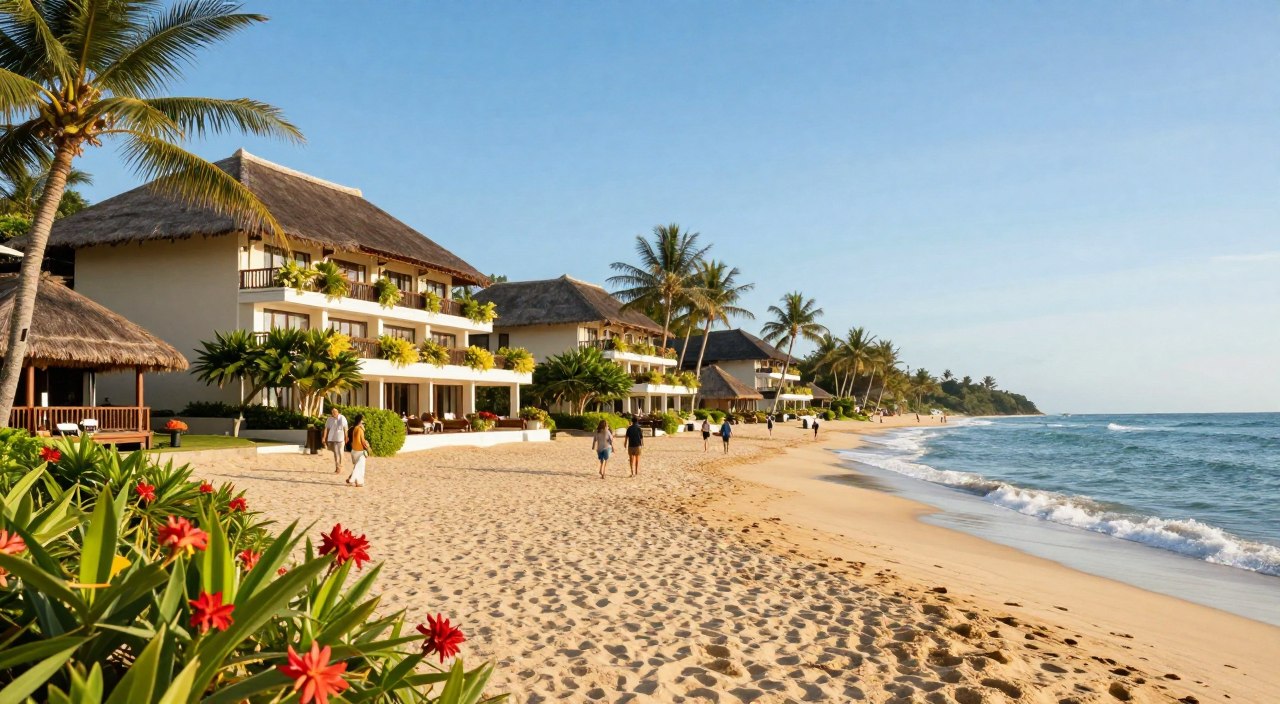
Beach conditions vary dramatically between seasons. Dry season brings calmer seas perfect for swimming and snorkeling, particularly at protected beaches like Nusa Dua and Sanur. Wet season produces larger swells attracting surfers but creating challenging swimming conditions at exposed beaches.
Central Bali (Ubud, Rice Terraces)
Central regions sit at 200 to 500 meters elevation, creating noticeably cooler conditions than coastal areas. Ubud typically registers 27°C to 29°C during daytime, with evenings cooling to comfortable 23°C to 25°C. This elevation makes central Bali more pleasant for walking and cultural activities.
Understanding Bali humidity levels year round, central regions experience higher moisture levels than coasts, particularly during wet season when readings consistently exceed 90%. The increased humidity combines with cooler temperatures to create a different feel than beach areas.
Rainfall intensifies in central Bali, with regions receiving 20% to 30% more precipitation than southern coasts. Rice terraces depend on this additional moisture, creating spectacular green landscapes but also meaning more frequent afternoon downpours. April through October offers the most reliable weather for exploring Ubud and surrounding villages.
Mountain Regions (Mount Batur, Mount Agung)
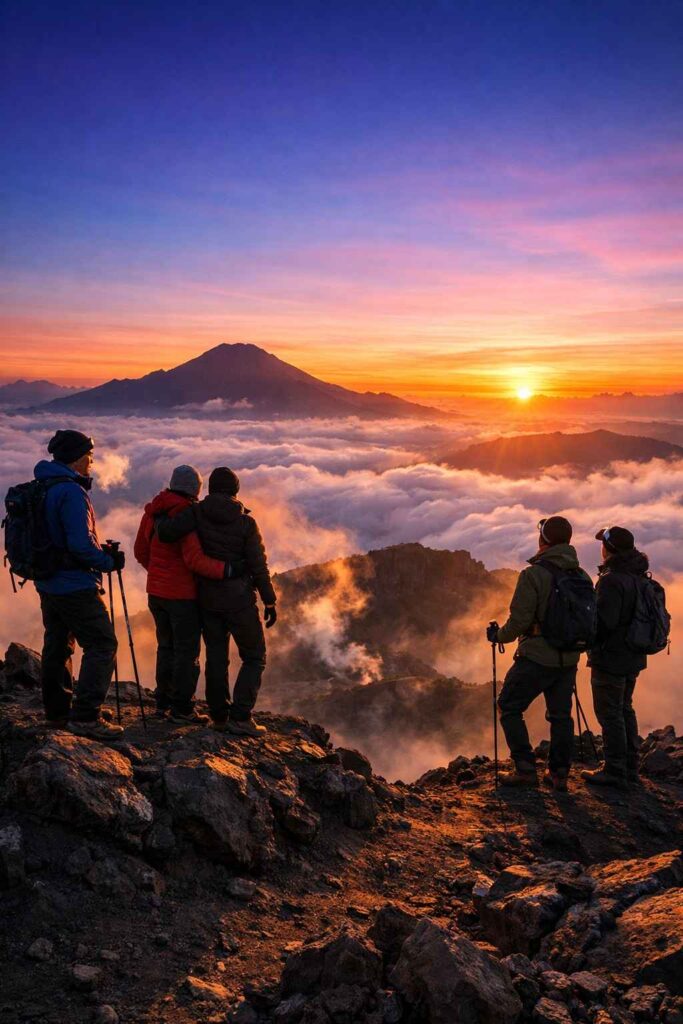
Mount Batur weather conditions demonstrate extreme elevation effects on Bali’s climate. The summit sits at 1,717 meters, where sunrise temperatures plummet to 10°C to 15°C, requiring warm layers that seem absurd at sea level. Daytime temperatures at the base hover around 24°C to 26°C, creating pleasant conditions for lower elevation hiking.
Mountain weather grows increasingly unpredictable with altitude. Clouds frequently obscure peaks by mid-morning, reducing visibility and bringing rain even during dry season. Summit attempts work best during dry season months, with June through September offering highest success rates for clear sunrise views.
Mount Agung, at 3,031 meters, experiences even more dramatic temperature drops, with summit temperatures potentially reaching 5°C to 10°C. These mountains create their own weather patterns, generating clouds and precipitation that don’t necessarily match coastal conditions. Safety considerations increase during wet season when trails become slippery and rockfall risks rise.
Rainfall and Humidity Patterns Throughout the Year
Analyzing Bali rainfall by month reveals distinct patterns crucial for trip planning. Annual precipitation averages 1,700 to 2,000mm in coastal areas, increasing to 2,500 to 3,000mm in central and mountain regions. This moisture doesn’t distribute evenly, with approximately 75% falling between November and April.
Monthly rainfall breakdown shows November marking the transition with 200 to 250mm, building through December (300 to 350mm), peaking in January (350 to 400mm), remaining high in February (300 to 350mm), then gradually decreasing through March (250 to 300mm) and April (200 to 250mm). May begins the dry pattern at 150 to 200mm, improving to minimal levels from June through September at 50 to 150mm monthly, before rainfall increases again in October.
Rain typically arrives as afternoon thunderstorms lasting 1 to 3 hours rather than all-day drizzle. Mornings during wet season frequently offer sunshine, with clouds building through midday and storms erupting between 2 PM and 6 PM. This pattern allows strategic planning, scheduling outdoor activities for morning hours and reserving afternoons for indoor experiences.
Bali humidity levels year round affect comfort as much as rainfall. Dry season humidity averages 60% to 75%, creating comfortable conditions despite heat. Wet season humidity climbs to 80% to 95%, producing that thick, sticky tropical feeling where clothes never quite dry and everything feels damp. Coastal areas benefit from sea breezes that provide relief, while inland regions can feel particularly oppressive during peak wet season.
Regional variations show southern coastal areas experiencing lowest humidity and rainfall, while northern coastal regions near Lovina see different patterns with slightly more rain. Central highland areas maintain consistently higher humidity and precipitation throughout the year.
What to Pack for Bali’s Weather
Dry Season (May-October) Essentials:
- Lightweight, breathable clothing in natural fabrics like cotton and linen
- Swimwear and beach cover-ups for multiple days
- Sun protection including SPF 50+ sunscreen, wide-brimmed hat, and UV-blocking sunglasses
- Light long-sleeved shirts and pants for temple visits and sun protection
- Comfortable walking sandals and closed-toe shoes for hiking
- Light jacket or sweater for air-conditioned spaces and mountain excursions
Wet Season (November-April) Additions:
- Compact, quick-drying rain jacket or waterproof poncho
- Waterproof bag or covers for electronics and valuables
- Quick-dry clothing that handles humidity and dampness
- Multiple pairs of footwear since shoes won’t dry between uses
- Waterproof sandals for navigating wet streets and beaches
- Moisture-wicking fabrics to manage high humidity
Year-Round Necessities:
- Modest clothing for temple visits, covering shoulders and knees
- Reef-safe sunscreen to protect marine environments
- Insect repellent with DEET or picaridin for mosquito protection
- Personal first aid kit including anti-diarrheal medication
- Reusable water bottle with filtration for staying hydrated
- Power adapter for European-style outlets (220V)
Mountain/Volcano Trek Additions:
- Warm layers including fleece or down jacket for summit temperatures
- Headlamp with extra batteries for pre-dawn starts
- Sturdy hiking boots with good ankle support
- Trekking poles for steep, loose terrain
- Gloves and warm hat for summit conditions
Layering becomes essential when moving between Bali’s regions. You might start your day at 30°C on a beach in Seminyak, drive to 28°C Ubud for lunch, then end at 15°C on Mount Batur for sunrise, requiring completely different clothing within 24 hours.
Expert Tips for Dealing with Bali’s Weather
Maximize Wet Season Value: Schedule indoor activities like cooking classes, spa treatments, and museum visits for afternoons when rain typically falls. Morning hours from 7 AM to 1 PM usually offer sunshine even during January and February, providing solid beach and sightseeing time.
Weather App Recommendations: Download Windy.com for detailed precipitation forecasts, Ventusky for visual weather patterns, and local favorite BMKG Weather for Indonesian meteorological service updates. These apps provide hourly forecasts helping you plan daily activities around weather windows.
Flexibility Strategies: Book accommodations with flexible cancellation policies during shoulder seasons when weather becomes less predictable. Build buffer days into your itinerary allowing reshuffling of activities based on actual conditions rather than fixed schedules.
Avoid Peak Crowds with Good Weather: Target the first two weeks of June or last two weeks of September for optimal weather-crowd-price balance. These periods fall within dry season but miss peak holiday periods when Australian, European, and Chinese school breaks flood the island.
Regional Weather Shifting: If coastal areas experience unusual rain, head to Sanur’s eastern exposure which often enjoys clearer conditions when Seminyak gets wet. Similarly, when central Bali sees heavy rain, coastal areas frequently remain dry enough for beach activities.
Sunrise Activity Scheduling: Mountain weather typically remains clearest from 5 AM to 10 AM before clouds develop. Schedule volcano treks, sunrise viewpoints, and mountain temple visits for early morning regardless of season.
Understand Microclimates: Nusa Dua’s protected bay creates calmer, sunnier conditions than nearby Uluwatu. Sanur’s eastern location often escapes afternoon storms that hit western beaches. Learn these patterns to maximize good weather days.
Wet Season Advantages: Embrace the season’s benefits including dramatic photography lighting, powerful waterfall flows, vibrant rice terrace colors, and significantly discounted accommodations. Many experienced travelers prefer wet season’s lush landscapes and empty beaches despite rain risks.
Weather Data Comparison Tables
Monthly Temperature Ranges Across Regions
| Month | Coastal Areas | Central Bali | Mountain Regions |
|---|---|---|---|
| January | 26-32°C | 24-29°C | 10-26°C |
| February | 26-32°C | 24-29°C | 10-26°C |
| March | 26-31°C | 24-29°C | 10-26°C |
| April | 26-31°C | 24-28°C | 11-26°C |
| May | 26-30°C | 23-28°C | 11-25°C |
| June | 25-29°C | 23-27°C | 10-25°C |
| July | 25-29°C | 22-27°C | 9-24°C |
| August | 25-29°C | 22-27°C | 9-24°C |
| September | 25-30°C | 23-28°C | 10-25°C |
| October | 26-31°C | 24-28°C | 11-26°C |
| November | 26-31°C | 24-29°C | 11-26°C |
| December | 26-32°C | 24-29°C | 10-26°C |
Average Rainfall by Month with Rainy Days
| Month | Rainfall (mm) | Rainy Days | Season |
|---|---|---|---|
| January | 350-400 | 20-22 | Wet (Peak) |
| February | 300-350 | 18-20 | Wet (Peak) |
| March | 250-300 | 15-18 | Wet (Transition) |
| April | 200-250 | 12-15 | Wet (Transition) |
| May | 150-200 | 10-12 | Dry (Early) |
| June | 100-150 | 8-10 | Dry |
| July | 50-100 | 5-7 | Dry (Peak) |
| August | 50-100 | 5-7 | Dry (Peak) |
| September | 100-150 | 7-9 | Dry |
| October | 150-200 | 10-12 | Dry (Late) |
| November | 200-250 | 14-16 | Wet (Early) |
| December | 300-350 | 18-20 | Wet (Peak) |
Best Activities by Month Based on Weather
| Month | Best Activities | Weather Rating | Crowd Level | Value Rating |
|---|---|---|---|---|
| January | Surfing, cultural tours, spa days | Fair | Low | Excellent |
| February | River rafting, cooking classes, surfing | Fair | Low | Excellent |
| March | Temple visits, waterfall tours, surfing | Good | Low | Very Good |
| April | Hiking, cultural activities, snorkeling | Good | Medium | Very Good |
| May | Beach activities, diving, hiking | Very Good | Medium | Good |
| June | All outdoor activities, diving, trekking | Excellent | High | Fair |
| July | Beach, diving, snorkeling, hiking | Excellent | Very High | Poor |
| August | Beach, diving, snorkeling, hiking | Excellent | Very High | Poor |
| September | All outdoor activities, diving, trekking | Excellent | High | Good |
| October | Beach activities, hiking, diving | Very Good | Medium | Good |
| November | Cultural tours, surfing, spa treatments | Fair | Low | Very Good |
| December | Holiday celebrations, surfing, indoor activities | Fair | High | Fair |
Wet Season vs. Dry Season Comparison Framework
| Factor | Wet Season (Nov-Apr) | Dry Season (May-Oct) |
|---|---|---|
| Temperature | 26-32°C (consistent) | 25-30°C (consistent) |
| Rainfall | 200-400mm monthly | 50-200mm monthly |
| Humidity | 80-95% (very humid) | 60-75% (comfortable) |
| Best For | Budget travelers, surfers, photographers, cultural immersion, experiencing authentic Bali | Beach holidays, diving, snorkeling, hiking, outdoor adventures, guaranteed sunshine |
| Avoid If | You need guaranteed sunshine, have fixed outdoor plans, dislike humidity, want calm swimming conditions | You’re budget-conscious, dislike crowds, prefer lower prices, want empty beaches |
| Average Costs | 40-60% below peak rates | Peak rates (July-Aug highest) |
| Crowds | Minimal (except Dec holidays) | Heavy (especially July-Aug) |
| Rain Pattern | Afternoon storms 1-3 hours | Brief occasional showers |
| Visibility (diving) | 10-20 meters | 20-30 meters |
| Landscape | Lush, vibrant green, powerful waterfalls | Drier, golden, calm waterfalls |
| Booking Flexibility | Easy last-minute bookings | Advance booking essential |
Seasonal Activity Matrix
| Activity | Best Months | Good Months | Challenging Months |
|---|---|---|---|
| Beach Swimming | Jun-Sep | Apr-May, Oct | Nov-Mar |
| Surfing (South Coast) | Dec-Mar | Apr, Nov | May-Oct |
| Surfing (East Coast) | May-Sep | Apr, Oct | Nov-Mar |
| Diving/Snorkeling | Jun-Sep | Apr-May, Oct | Nov-Mar |
| Mount Batur Hiking | Jun-Sep | Apr-May, Oct-Nov | Dec-Mar |
| Rice Terrace Tours | Jan-Apr | May, Nov-Dec | Jun-Oct (drier, less green) |
| Waterfall Visits | Jan-Apr | May, Nov-Dec | Jul-Sep (lower flow) |
| Temple Tours | Year-round | All months | None (indoor/covered) |
| Cultural Activities | Year-round | All months | None (mostly indoor) |
| Photography | Jan-Mar (dramatic) | Apr-May, Oct-Dec | Jun-Sep (harsh light) |
| Yoga/Wellness | Year-round | All months | None |
| Cycling Tours | Jun-Sep | Apr-May, Oct | Nov-Mar (muddy) |
| White Water Rafting | Dec-Apr | May, Nov | Jun-Oct (lower water) |
| Jungle Trekking | Jun-Sep | Apr-May, Oct | Nov-Mar (slippery) |
Weather Tool Recommendations
For Real-Time Forecasts:
- Windy.com – Excellent animated wind, rain, and cloud forecasts with hourly precision
- Ventusky – Visual weather maps showing temperature, precipitation, and wind patterns
- BMKG Weather (Badan Meteorologi Indonesia) – Official Indonesian meteorological service with local accuracy
For Marine Conditions:
- Magic Seaweed – Surf forecasts with swell direction, height, and period
- Windfinder – Wind forecasts crucial for water sports and diving conditions
- Tide Tables Bali – Essential for beach activities and diving trip planning
For Planning:
- Weather Spark – Historical weather data and statistics for comparing months
- Holiday Weather – Month-by-month averages with detailed breakdowns
- Yr.no – Norwegian meteorological service offering accurate long-range forecasts
Apps for On-Ground Use:
- Weather Underground – Hyperlocal forecasts using personal weather stations
- AccuWeather – MinuteCast feature for next-hour precipitation predictions
- Rain Radar – Real-time precipitation tracking across Indonesia
Satellite & Radar:
- Zoom Earth – Live satellite imagery and storm tracking
- BMKG Radar – Local radar coverage for immediate storm monitoring
Conclusion
This comprehensive Bali weather guide reveals that successful trip planning depends on aligning your priorities with seasonal patterns. Dry season from May through October delivers reliable sunshine perfect for beach holidays and outdoor adventures, while wet season from November through April offers cultural immersion, lush landscapes, and exceptional value for flexible travelers. Temperature consistency means Bali remains warm year-round, with seasonal differences primarily affecting rainfall, humidity, and crowd levels rather than temperature. Understanding regional climate variations, monthly precipitation patterns, and strategic timing transforms weather from a planning obstacle into an advantage. Whether you prioritize guaranteed sunshine, budget considerations, or experiencing Bali’s dramatic monsoon character, informed timing decisions based on factual climate data ensure your tropical island adventure matches your expectations and travel style.
Frequently Asked Questions
What’s the best month to go to Bali?
June and September offer the ideal combination of excellent weather, manageable tourist crowds, and reasonable accommodation prices. These dry season months provide reliable sunshine with minimal rainfall while avoiding the peak season intensity of July and August.
What is the rainiest month in Bali?
January consistently records the highest rainfall, averaging 350 to 400mm of precipitation over 20 to 22 rainy days, followed closely by February with similar rainfall patterns.
Can you sunbathe in Bali in January?
Yes, January mornings typically provide 3 to 5 hours of sunshine before afternoon storms arrive. Strategic planning allows beach time from 7 AM to 1 PM when conditions usually remain clear and sunny.
What is the temperature in Bali year-round?
Bali maintains remarkably consistent temperatures between 26°C and 30°C (79°F to 86°F) throughout the year, with minimal variation between wet and dry seasons. Coastal areas reach 30°C to 32°C, while central regions stay around 27°C to 29°C, and mountain summits drop to 10°C to 15°C.
How many days does it rain in Bali during wet season?
Peak wet season months from December through February experience 18 to 22 rainy days monthly, though rain typically falls as afternoon thunderstorms lasting 1 to 3 hours rather than all-day precipitation. Transitional months see 12 to 16 rainy days.
Is Bali weather suitable for hiking year-round?
Hiking remains possible year-round, but dry season from May through October provides optimal trail conditions with minimal mud and better visibility. Wet season trails become slippery and more challenging, particularly on volcano treks where safety risks increase.
What’s the difference between Bali’s wet and dry seasons?
The wet season (November-April) brings 300 to 400mm monthly rainfall, 80% to 90% humidity, afternoon storms, and lush green landscapes. The dry season (May-October) delivers 50 to 150mm monthly rainfall, 60% to 75% humidity, consistent sunshine, and ideal outdoor conditions.
How does Bali’s weather vary by region?
Coastal areas experience warmest, driest conditions with 10% to 20% less rainfall than inland regions. Central Bali sits at higher elevation with cooler temperatures and 20% to 30% more precipitation. Mountain regions see dramatic temperature drops to 10°C to 15°C at summits with increased cloud cover and unpredictable weather patterns.
What is the sea temperature in Bali?
Ocean temperatures remain consistent at 27°C to 29°C throughout the year, making water activities comfortable regardless of season. Brief periods of slightly cooler 26°C water can occur during June and July.
When is the best weather for diving in Bali?
June through September offers peak diving conditions with underwater visibility reaching 20 to 30 meters, calm seas, and minimal rainfall. Dry season provides the clearest later and most comfortable boat conditions for accessing dive sites.