
This Uluwatu day trip guide is your complete blueprint for experiencing the dramatic southwestern peninsula of Bali in just 12 hours. After eight years of exploring every hidden cove, cliff edge, and coastal road in Uluwatu, I’ve crafted this itinerary to help you discover the region’s most spectacular beaches, cultural landmarks, and viewpoints without the crowds that plague northern Bali. Uluwatu offers something truly special: towering limestone cliffs plunging into turquoise water, secret beaches accessible only by steep staircases, and a quieter, more authentic side of Bali that feels worlds away from the traffic chaos of Seminyak. This comprehensive Uluwatu guide covers transportation logistics, exact entrance fees, strategic timing recommendations, and insider tips I’ve learned from countless trips navigating these coastal roads. Whether you’re arriving from Canggu, Ubud, or Sanur, you’ll leave Uluwatu with sun-kissed skin, sea salt in your hair, and memories of one of Bali’s most breathtaking corners.
Why Uluwatu Deserves a Full Day Trip
Uluwatu occupies the westernmost tip of the Bukit Peninsula, where dramatic 70-meter limestone cliffs create a stark contrast to Bali’s gentler coastlines. Unlike the packed streets and relentless traffic of Seminyak, Canggu, and Kuta, the Uluwatu area maintains a slower pace with winding coastal roads that rarely see major congestion. The beaches here are significantly cleaner than their northern counterparts, with clearer water and far fewer beach vendors approaching you every five minutes.
How long should I spend in Uluwatu? A minimum full day is essential to experience the region properly. The main attractions are spread across 15 kilometers of coastline, each requiring time for access, exploration, and proper appreciation. Rushing through Uluwatu in three or four hours means you’ll miss the hidden beach coves, quiet cliff viewpoints, and the magical progression from morning surf sessions to evening sunsets.
The Bukit Peninsula offers an incredible balance of luxury surf retreats and budget-friendly accommodations, attracting couples seeking romantic clifftop dinners, solo travelers chasing consistent waves, and adventure seekers drawn to the rugged coastal terrain. This area feels more authentically Balinese than the heavily developed tourist zones, with local fishing villages, traditional ceremonies still practiced at clifftop temples, and warungs serving home-cooked meals to families who’ve lived here for generations.
How to Get to Uluwatu from Major Bali Areas
Understanding distances and travel times is crucial for planning your Uluwatu itinerary one day. From Seminyak, expect 45-60 minutes covering approximately 23 kilometers through Jimbaran. The coastal route offers glimpses of Jimbaran Bay before climbing into the peninsula’s higher elevations. From Canggu, add another 15-20 minutes to your journey, making it roughly 70-80 minutes total depending on traffic conditions.
Ubud travelers face the longest journey at 90-120 minutes covering about 50 kilometers. The route descends from the central highlands through increasingly tropical vegetation before reaching the drier, more exposed Bukit Peninsula. Sanur provides the quickest access at just 35-45 minutes via the Bali Mandara Toll Road and coastal highways.
For a proper full-day experience, I recommend departing your accommodation by 7:00 AM. This early start lets you reach Suluban Beach before crowds arrive and positions you perfectly for the sequential itinerary that follows. The return journey after sunset typically encounters minimal traffic, though weekends and holidays can create congestion near Jimbaran Bay between 7:00-8:00 PM.
Geographically, Uluwatu sits at the southwestern tip of the Bukit Peninsula, a limestone plateau jutting into the Indian Ocean. The entire peninsula measures roughly 10 kilometers wide and 15 kilometers long, with Uluwatu Temple marking the westernmost point where you can watch waves crash against vertical cliffs while Hindu priests perform sunset prayers.
Getting Around Uluwatu: Transportation Options
Rent Motorbike in Uluwatu (Best Option)
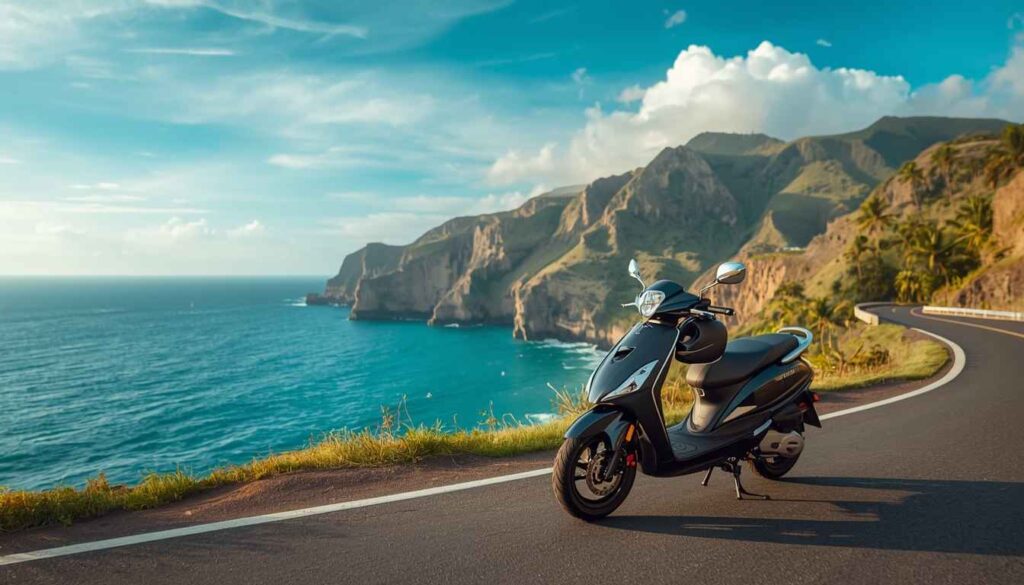
After years of testing every transportation method in Uluwatu, I consistently recommend renting a motorbike for maximum flexibility and authentic local experience. Renting costs approximately $5 USD per day including two helmets and delivery to your accommodation. Most rental shops offer 125cc automatic scooters perfect for navigating the coastal roads and occasional steep inclines.
You must have an International Driving Permit (IDP) obtained from AAA in the United States or CAA in Canada before arriving in Indonesia. Police checkpoints operate regularly throughout Bali, and riding without proper documentation results in fines or having your motorbike impounded. The IDP costs about $20 and takes just 15 minutes to obtain at AAA/CAA offices before your trip.
When you rent a motorbike in Uluwatu, you’ll discover advantages that other transportation methods simply cannot match. You can easily explore hidden side roads leading to undiscovered viewpoints, adjust your schedule spontaneously based on weather or crowds, and park directly at beach access points without waiting for drivers. The total cost for fuel during a full Uluwatu day trip rarely exceeds $3 USD, making this the most economical option even for solo travelers.
Indonesia follows left-hand driving, which takes Americans and Europeans about 20 minutes to adjust to comfortably. The roads in Uluwatu experience far less traffic than Canggu, Seminyak, or Denpasar, providing an ideal environment for gaining scooter confidence. Most coastal roads are well-paved two-lane routes with clear markings and relatively gentle curves.
Important 2026 update: Discussions continue regarding potential restrictions on tourist motorbike rentals in Bali, though no definitive ban has been implemented as of early 2026. Current regulations remain in effect requiring the IDP, and enforcement has actually increased at checkpoint locations throughout the Bukit Peninsula.
Safety tips for first-time scooter riders: Start slowly on quiet roads, practice braking in empty parking lots, always wear your helmet properly fastened, avoid riding after dark on unfamiliar routes, and never ride after consuming alcohol. The Uluwatu coastal roads offer excellent visibility and minimal heavy truck traffic, creating relatively safe conditions for cautious riders.
Hire a Private Driver for the Day
Private drivers offer ultimate comfort and eliminate navigation stress, making them cost-effective for couples or small groups. Expect to pay $40-50 USD for a full 12-hour day including fuel and driver meals. Your driver handles parking, knows alternative routes during busy periods, and often provides helpful commentary about local areas.
I recommend hiring a driver when traveling with young children, when your group includes non-riders uncomfortable on scooters, or when you plan to enjoy drinks during brunch and want completely stress-free transportation. Drivers typically use comfortable air-conditioned minivans or SUVs perfect for escaping midday heat between beach stops.
Private Guide with Motorbike (Easy Rider)
Solo travelers nervous about riding independently but wanting the motorbike experience should consider Easy Rider services. You ride as a passenger behind an experienced local guide who navigates the routes, shares insider knowledge about each location, and customizes timing based on your interests. These guided motorbike tours typically cost $60-80 USD for 12 hours.
The benefits extend beyond just transportation. Your guide knows exactly when to visit each beach for optimal conditions, can recommend the best food stalls at local warungs, helps negotiate entrance fees in Indonesian, and provides cultural context at Uluwatu Temple that you’d otherwise miss. For first-time Bali visitors, this option delivers immersive local interaction while maintaining the flexibility of motorbike travel.
Can I Walk Around Uluwatu?
Can I walk around Uluwatu? Not between the main attractions, unfortunately. The distances between beaches, cliffs, and viewpoints range from 2 to 8 kilometers along roads without pedestrian sidewalks and limited shade. Walking from Suluban Beach to Uluwatu Temple, for example, would take over 90 minutes in tropical heat with no scenic coastal path to make the journey enjoyable.
However, walking within specific beach areas is absolutely possible and often delightful. Bingin Beach features multiple cafés, guesthouses, and surf shops connected by pathways through the clifftop village. You can easily spend two hours walking between viewpoints, cafés, and different beach access staircases. Similarly, the area around Uluwatu Temple includes several restaurants and viewpoints within a 500-meter walking radius.
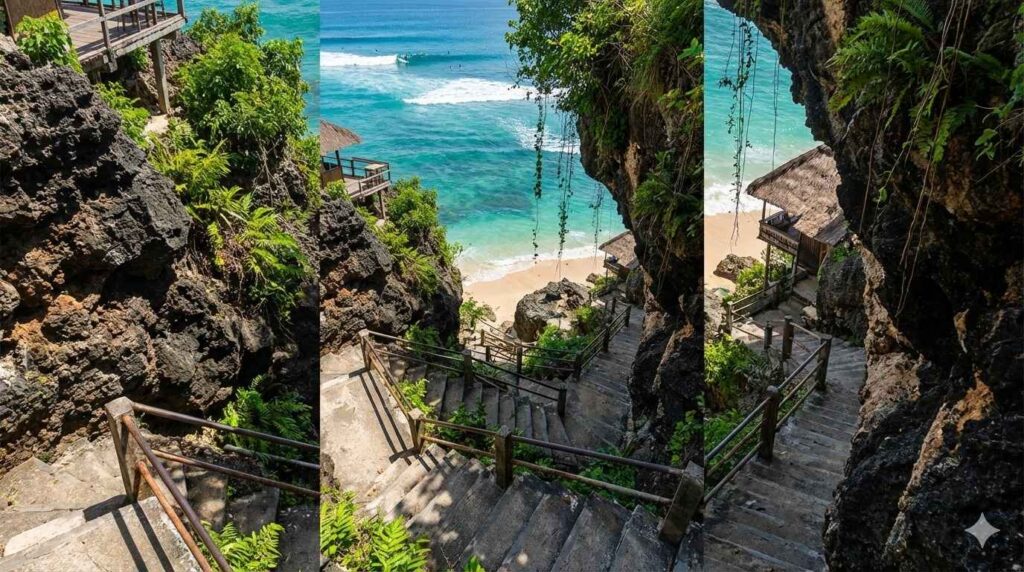
The steep staircases accessing hidden beaches like Suluban and Bingin require physical fitness and sturdy footwear, but present no technical difficulty. Expect 100-150 steps carved into cliff faces with railings, concrete construction, and occasional steep sections where you’ll want to take breaks. Transportation between main Uluwatu locations remains essential for any practical day trip itinerary.
Complete Uluwatu Itinerary One Day: Morning to Sunset
This carefully sequenced route maximizes your Uluwatu experience while avoiding the crowds that flock to popular spots between 10:00 AM and 2:00 PM. The six main stops flow geographically along the western Bukit Peninsula coast, minimizing backtracking and positioning you perfectly for the spectacular sunset finale.
Strategic routing considerations: We start at the northernmost point (Suluban Beach) and work southward, then loop back north along inland roads to access Nyang Nyang Beach before returning to the central coastline for afternoon and sunset stops. This pattern keeps you ahead of day-trippers who typically start later and visit locations in reverse order.
Weather in Bali remains unpredictable even during dry season, so build flexibility into your timing. If morning rain delays your start, simply shift everything 1-2 hours later and consider skipping one beach to still catch sunset at Balangan. The rainy season (November-March) brings afternoon thunderstorms, so prioritize morning beach time and have indoor backup options like extended café stops or spa visits.
I’ve created this itinerary after personally testing different route sequences, timing combinations, and crowd patterns over dozens of Uluwatu visits. The progression feels natural, balances active exploration with relaxation, and ensures you experience the dramatic evolution of light on these limestone cliffs from morning through golden hour.
Best Beaches in Uluwatu Bali
Suluban Beach Hidden Cove (Morning Stop #1)
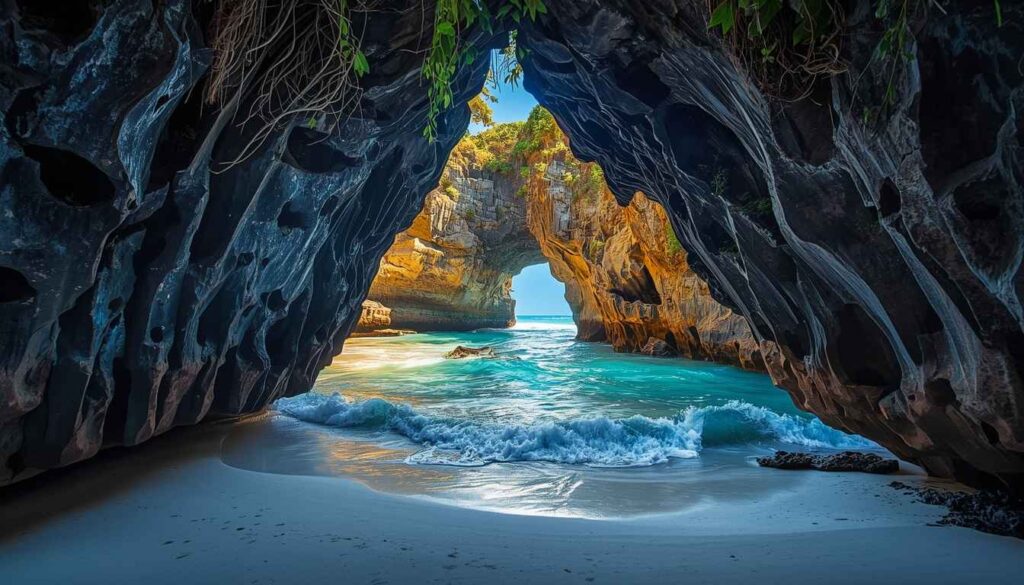
Suluban Beach hidden cove represents everything magical about Uluwatu: a pristine pocket of soft white sand nestled between towering rock formations, accessed through narrow openings in volcanic stone that glow golden when morning sun filters through. This secret beach occupies a protected cove where swells roll through rocky passages creating natural swimming pools at low tide.
Best visiting time: 7:30-9:00 AM before crowds and tour groups arrive. The beach transforms from peaceful sanctuary to bustling hotspot by 10:00 AM when dozens of visitors navigate the access staircases simultaneously. Early morning also provides the calmest water conditions for swimming and the coolest temperatures for navigating the staircase descent.
Access begins at a small parking area 350 meters from the main Suluban road. Follow the bumpy brick road past several small warungs and guesthouses until reaching the constructed staircase descending through the cliff. The stairs wind through caves and rock formations, creating an adventurous approach that builds anticipation before you emerge onto the sand. Expect 5-10 minutes for the descent and slightly longer climbing back up.
At low tide, explore the jagged rock openings revealing hidden chambers and natural archways perfect for photography. The soft sand provides comfortable lounging, while the dramatic cliff backdrop creates an enclosed, intimate atmosphere unlike Bali’s expansive beaches further north. Currently, Suluban Beach charges no entrance fee, though you’ll pay 5,000 IDR ($0.35) for parking.
Park your motorbike in the designated area and walk the final 100 meters to the staircase entrance. The entire walk from parking to sand takes about 8-10 minutes at a comfortable pace, with minimal elevation gain until reaching the staircase itself.
Nyang Nyang Beach Bali (Afternoon Beach)
Nyang Nyang Beach Bali stretches for nearly 1 kilometer along Uluwatu’s southwestern coast, offering an endless expanse of pristine sand that remains remarkably quiet even during peak tourist season. This beach is significantly cleaner than Kuta or Seminyak, with crystal-clear water and minimal seaweed or debris washing ashore. The natural, undeveloped atmosphere feels almost deserted, with just one small shack selling cold drinks, instant noodles, and fresh coconut water.
The quiet environment creates perfect conditions for afternoon relaxation after a morning of exploration. Spread your towel anywhere along the vast shoreline, wade into gentle waves, or simply enjoy the complete absence of beach vendors, massage offers, and tourist crowds. Local fishing boats occasionally pass offshore, and you might spot surfers catching waves at the southern end where the beach curves toward rocky outcrops.
Critical warning about access: The road descending to Nyang Nyang Beach drops at an extremely steep angle with sharp switchback turns. Scooters with weak engines (50cc or underpowered 110cc models) struggle significantly on the return climb, sometimes requiring multiple attempts or assistance from locals. I witnessed several riders walking their scooters up portions of this incline after their engines couldn’t maintain enough power.
If you rent a motorbike in Uluwatu, specifically request a 125cc model and test the engine power before attempting Nyang Nyang. The descent feels manageable, but don’t let that fool you about the return journey. Use engine braking on the way down, maintain steady throttle on the climb up, and avoid stopping mid-incline where restarting becomes difficult. Riders with limited scooter experience might want to skip this beach or hire a driver for the day instead.
The entrance operates on a donation basis, with most visitors contributing 10,000-20,000 IDR ($0.70-$1.40). The parking area is well-maintained with shaded spots and security monitoring throughout the day.
Bingin Beach Surfing Spots
Bingin Beach surfing spots attract wave riders from around the world to this lively clifftop village overlooking a spectacular hidden cove. Unlike the isolated tranquility of Nyang Nyang, Bingin buzzes with energy from dozens of guesthouses, cafés, and surf shops carved into the terraced cliff face. Multiple staircases and pathways descend through volcanic rocks, creating a maze-like village atmosphere where exploration reveals hidden viewpoints and unexpected ocean vistas.
The beach itself occupies a narrow strip of sand at the cliff base, with consistent waves breaking over shallow reef about 50 meters offshore. Mid-tide provides the best conditions, creating perfect barrel formations that experienced surfers ride with remarkable skill. The water here is noticeably clearer than Seminyak or Kuta, with visibility often exceeding 5 meters and beautiful turquoise hues in afternoon light.
Low tide safety warning: The reef becomes exposed at low tide, creating extremely dangerous conditions for anyone except expert surfers who know the break intimately. Shallow coral and rock barely covered by water can cause severe injuries. Swim and surf only at mid to high tide, and always check conditions with local surf shops before entering the water.
Access Bingin through several different routes depending on where you park. The main parking area charges 5,000 IDR ($0.35) and sits about 200 meters from the nearest staircase. Alternative parking spots exist along side roads closer to certain cliff edge cafés, though spaces fill quickly after 11:00 AM. The descent takes 5-10 minutes navigating stairs and pathways, with some sections quite steep requiring careful footing.
Visit Bingin in late afternoon (4:00-5:30 PM) to cool off after the day’s hottest hours, watch surfers catching sunset waves, and enjoy the golden light illuminating the cliffs. Several clifftop cafés offer spectacular vantage points if you prefer observing the surf scene while sipping fresh juice rather than getting in the water.
Dramatic Cliff Viewpoints in Uluwatu
Uluwatu Temple: Cultural and Scenic Highlight
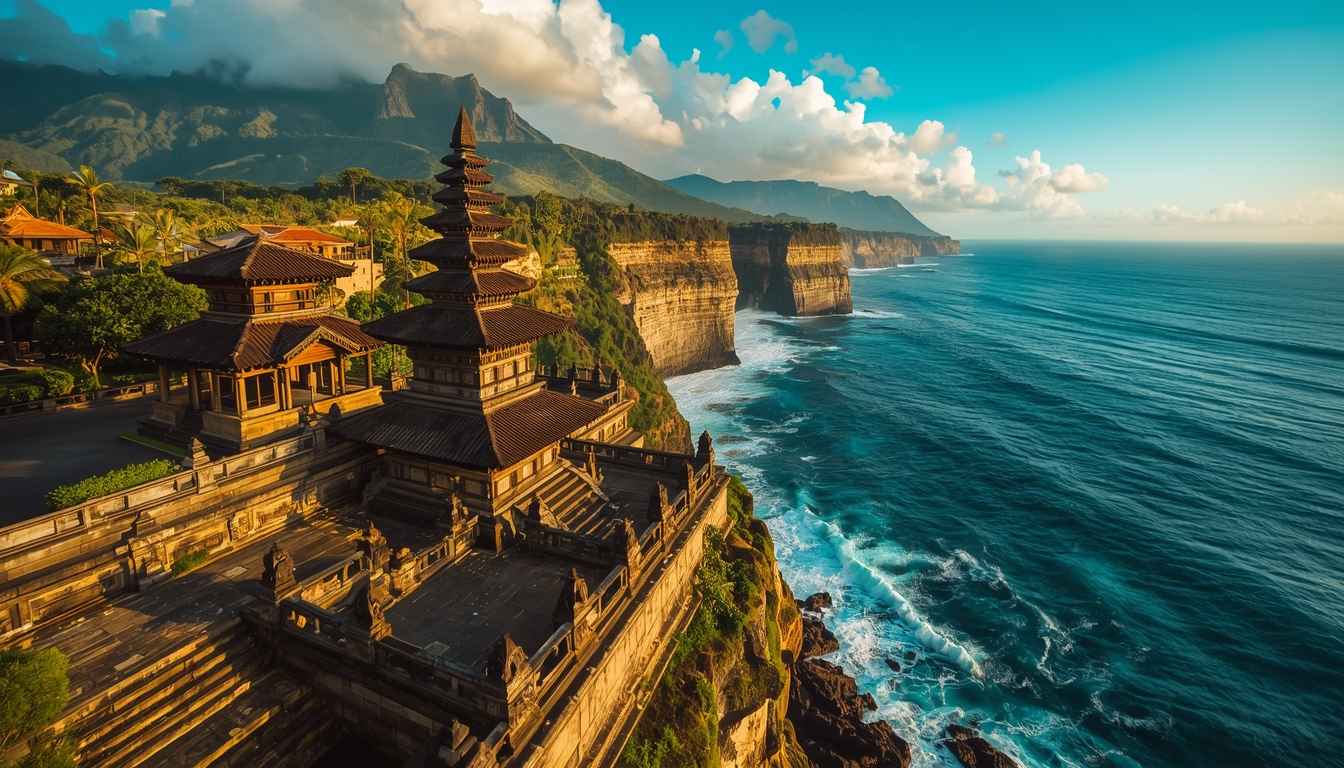
Uluwatu Temple entrance fee: 50,000 IDR ($3.50 USD) per adult, plus 1,000 IDR parking (less than $0.07). This ancient temple complex perches on vertical limestone cliffs at the westernmost point of the Bukit Peninsula, where priests have conducted ceremonies for over 1,000 years. The iconic location combines spiritual significance with breathtaking ocean views, creating one of Bali’s most photographed landmarks.
The temple compound sits 70 meters above crashing waves, with pathways following the cliff edge past smaller shrines, meditation pavilions, and observation platforms. Traditional Balinese architecture features weathered stone gates carved with protective demons, multiple levels of courtyards restricted to worshippers, and the main temple building reserved for priests during ceremonies.
Best visiting time depends on your priorities. Early morning (8:00-10:00 AM) offers significantly fewer crowds, cooler temperatures, and easier photography without hundreds of tourists in every frame. However, sunset visits provide the famous silhouette views with the temple backlit against orange and pink skies while waves crash dramatically below.
The Kecak fire dance show performs nightly at the amphitheater overlooking the ocean, starting around 6:00 PM (timing varies by season). Tickets cost an additional 150,000 IDR ($10 USD) purchased at the temple entrance, though booking through Klook often provides discounts of 10-20%. The traditional performance depicts scenes from the Ramayana through chanting, coordinated movements, and fire displays, lasting approximately 60 minutes.
Critical monkey safety information: Large troops of long-tailed macaques inhabit the temple grounds and surrounding forest. These monkeys are habituated to humans but remain wild animals capable of aggressive behavior when they smell food or see shiny objects. Secure all belongings in closed bags, remove sunglasses and hats before entering, avoid making direct eye contact, and never feed the monkeys. I’ve witnessed tourists lose phones, glasses, and jewelry to particularly bold individuals who’ve perfected the art of theft.
Temple dress code requires all visitors to wear sarongs covering legs and sashes tied around waists. Rental sarongs are available at the entrance for 10,000 IDR ($0.70) if you don’t bring your own. Women menstruating should not enter active temple areas according to traditional beliefs, though viewing from outer courtyards remains acceptable.
Karang Boma Cliff (Hidden Gem)
This underrated viewpoint remains blissfully quiet compared to Uluwatu Temple, offering equally dramatic cliff scenery with resident monkey troops and forested trails leading to multiple ocean overlooks. Most tourists skip Karang Boma entirely, meaning you’ll often share these spectacular vistas with just a handful of other visitors and local camping groups who set up tents for weekend getaways.
The area locally known as Dimastos Sunset Point provides the clearest viewing platform, though reaching it requires navigating muddy, tricky off-road terrain. Park at the Costa Del Mar Hotel and walk approximately 450 meters along a rough dirt path through coastal forest. The trail isn’t technically difficult but can become slippery after rain, so wear shoes with grip and watch your footing.
Entrance fee: 5,000 IDR ($0.35) per person collected at a small booth where the maintained path begins. From here, follow signs toward the cliff edge, passing through mixed vegetation that provides welcome shade during midday heat. The trail eventually opens onto grass-covered cliff tops with stunning views back toward Uluwatu Temple rising from limestone formations to the south.
Local camping enthusiasts favor this spot for overnight stays, bringing tents, cooking equipment, and guitars for beach bonfires under the stars. During weekends, you might encounter friendly Indonesian families who welcome conversation and photo exchanges. The resident monkeys here behave similarly to those at Uluwatu Temple, though smaller troop sizes mean less crowding and potential conflict.
The forested cliff trail continues beyond the main viewpoint, winding through trees and emerging at several additional overlooks perfect for photography and quiet contemplation. Budget 45-60 minutes for exploring the full area, including walking time from parking and back.
Balangan Beach Sunset Viewpoint
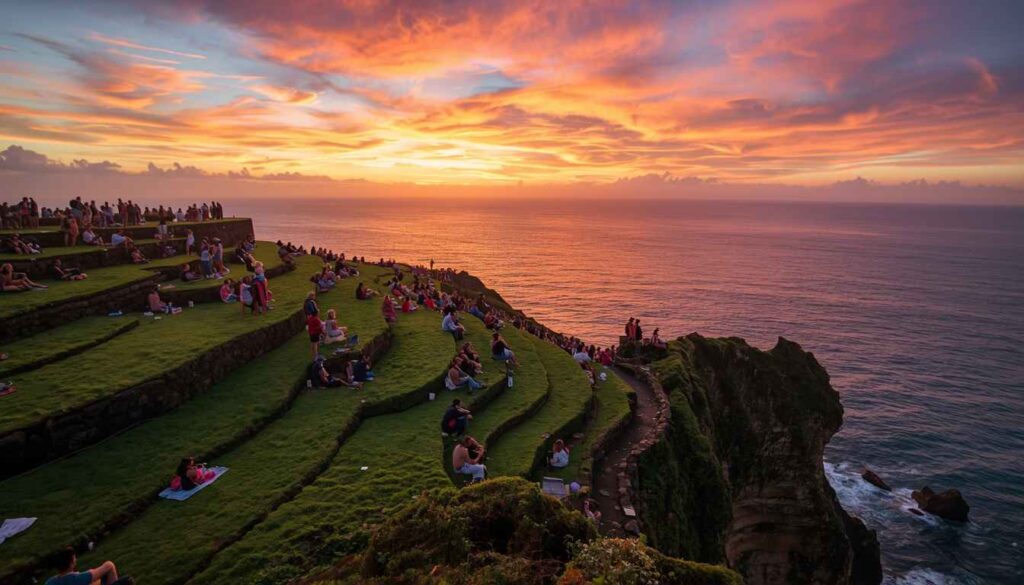
Balangan Beach sunset viewpoint stands as THE premier location for watching the sun sink into the Indian Ocean from Uluwatu’s dramatic coastline. This isn’t the swimming beach area where surfers catch waves further south, but rather a series of grass platforms on cliff tops specifically designed for sunset viewing and picnicking.
Multi-level grass platforms cascade down the gentle hillside, providing unobstructed ocean views for hundreds of visitors without anyone blocking anyone else’s sightline. Stone edge seating areas line the cliff rim for those wanting to sit right at the precipice with legs dangling over the drop. Local Balinese families gather here regularly, bringing portable barbecues, coolers packed with food, and groups of friends for weekend sunset gatherings.
The informal, community atmosphere welcomes visitors to bring their own food and drinks, making this an incredibly affordable sunset experience compared to expensive beach clubs. Purchase fresh coconuts from vendors near the parking area, grab snacks from convenience stores in earlier stops, or simply bring water and enjoy the natural spectacle completely free beyond the parking fee.
Sunset color display: Uluwatu’s western exposure creates spectacular conditions when clouds streak across the horizon. The sun drops into the ocean between 6:00-6:30 PM depending on season, followed by 20-30 minutes of evolving colors as light reflects off clouds in shades of orange, pink, purple, and deep red. Stay past the actual sunset moment to witness the full color progression.
Parking costs just 5,000 IDR ($0.35), with spaces filling rapidly after 5:00 PM. Arrive before 5:30 PM to secure parking and claim your preferred viewing spot before the crowd peaks. The viewpoint sits directly adjacent to parking, requiring no walking or stairs, making it accessible for all fitness levels and age groups.
Things to Do in Uluwatu Beyond Beaches
Water Activities and Adventure Sports
Uluwatu surf lessons operate at most major beaches, with Padang Padang and Bingin offering the most consistent beginner-friendly waves during dry season. Expect to pay 500,000-700,000 IDR ($35-50 USD) for a 2-hour group lesson including board rental, rash guard, and instructor guidance. Private lessons cost 900,000-1,200,000 IDR ($60-80 USD) providing more personalized attention for nervous first-timers.
Bingin Beach surfing spots attract intermediate and advanced riders, with powerful barrels and shallow reef creating challenging conditions best left to experienced surfers who can read the ocean and handle wipeouts over coral. Equipment rental shops line the clifftop village, charging approximately 100,000 IDR ($7 USD) per day for shortboards and 150,000 IDR ($10 USD) for longboards.
Uluwatu snorkeling exists but doesn’t compare to dedicated snorkeling destinations like Amed, Pemuteran, or nearby Nusa Penida. The rocky coastline and strong currents make most Uluwatu beaches unsuitable for casual snorkeling. However, Blue Point Beach (near Suluban) offers protected areas during calm conditions where you can spot tropical fish, sea urchins, and coral formations in 2-4 meters of water. Bring your own equipment, as rental options are limited.
Uluwatu Jet Ski operations run seasonally from certain beach locations, though consistent waves and reef formations make traditional jet skiing less popular here than in Nusa Dua or Benoa. Some operators offer jet ski tours exploring the coastline from offshore perspectives, viewing the dramatic cliffs and hidden caves from the water. These tours typically cost 800,000-1,200,000 IDR ($55-80 USD) for 30-45 minutes.
Dining and Café Culture in Uluwatu
Suka Espresso deserves specific mention as the perfect brunch spot during your Uluwatu day trip. This bright, modern café serves exceptional coffee, creative breakfast bowls, and hearty savory dishes that fuel you properly for a day of exploration. I consistently order the Chilli Scramble with sourdough toast, avocado, and perfectly poached eggs, alongside their signature dragonfruit smoothie bowl topped with granola, fresh fruit, and coconut flakes.
Menu highlights include the Mexican Chicken Bowl with black beans, corn salsa, and chipotle sauce, various açai and smoothie bowls customizable with different toppings, and excellent flat whites prepared by skilled baristas who take coffee seriously. Expect to pay approximately 243,000 IDR ($16 USD) for a full brunch including a main dish, smoothie bowl, and coffee – reasonable pricing for the quality and portion sizes.
Critical timing warning: Lines form at Suka Espresso after 10:00 AM, especially on weekends when the tiny café fills with guests from surrounding villas and hotels. Arrive between 9:00-9:30 AM to avoid wait times, or plan for a later lunch visit around 1:00 PM when the brunch rush subsides.
Other recommended dining options scattered throughout Uluwatu include Single Fin for clifftop sunset drinks and DJ sets, Ulu Cliffhouse for upscale Indonesian fusion cuisine, Cashew Tree for healthy vegetarian fare, and numerous local warungs serving authentic Indonesian dishes like nasi goreng, mie goreng, and fresh seafood for just 30,000-50,000 IDR ($2-3.50 USD).
Beach clubs like Sundays Beach Club provide full-day experiences with infinity pools, beach access, restaurants, and bars, though minimum spend requirements typically range from 300,000-500,000 IDR ($20-35 USD) per person. These work better as all-day destinations rather than quick stops during a beach-hopping itinerary.
Cultural Experiences
The Kecak fire dance at Uluwatu Temple remains the most accessible cultural performance for day-trippers, requiring no advance booking and starting conveniently at sunset. The traditional dance depicts Prince Rama’s quest to rescue Princess Sita with dozens of male performers creating rhythmic chanting while circles of dancers move in coordinated patterns. Fire elements and dramatic storytelling create an engaging hour-long performance even for those unfamiliar with Hindu mythology.
Local markets near Jimbaran (15 minutes north of Uluwatu) open daily selling fresh produce, spices, textiles, and household goods. These traditional markets cater primarily to Balinese residents rather than tourists, providing authentic cultural interaction if you’re interested in observing daily life. Visit early morning (6:00-8:00 AM) to see the busiest activity and freshest fish displays.
Temple etiquette extends beyond Uluwatu to smaller temples scattered throughout the Bukit Peninsula. Always dress modestly with covered shoulders and knees, remove shoes before entering temple grounds, never position yourself higher than priests or religious offerings, and avoid entering during active ceremonies unless specifically invited. Photography is generally permitted in outer courtyards but restricted in inner sanctums.
Interacting respectfully with locals means learning basic Indonesian greetings (selamat pagi for good morning, terima kasih for thank you), asking permission before photographing people or their property, and understanding that many Balinese practice daily religious devotions requiring privacy and concentration.
Entrance Fees and Costs for Uluwatu Attractions
Nearly all viewpoints, beaches, and natural attractions throughout Bali charge entrance or parking fees to fund maintenance, cleaning, and compensation for landowners or local communities. The fees in Uluwatu remain remarkably reasonable compared to tourist attractions in other countries, with most locations charging less than $1 USD per person.
Complete fee breakdown for full-day itinerary:
- Suluban Beach: Free entrance, 5,000 IDR parking ($0.35)
- Uluwatu Temple: 50,000 IDR parking + 50,000 IDR admission per person ($3.50 total), Kecak fire dance 150,000 IDR extra ($10)
- Karang Boma Cliff: 5,000 IDR per person ($0.35)
- Nyang Nyang Beach: Donation basis, typically 10,000-20,000 IDR ($0.70-$1.40)
- Bingin Beach: 5,000 IDR parking ($0.35)
- Balangan Beach Cliff: 5,000 IDR parking ($0.35)
Total estimated cost for entrance fees: 75,000-85,000 IDR ($5.25-$6.00 USD) per person, or under $10 including the fire dance show. Add motorbike rental ($5) and fuel ($3), plus meals and drinks ($15-30), for a complete daily budget of $30-50 per person for an incredible full-day adventure.
Bring cash in small denominations (5,000, 10,000, 20,000 IDR notes) as most entrance booths cannot break 100,000 IDR bills easily. ATMs exist near Uluwatu Temple and in Pecatu village, but carrying sufficient cash eliminates stress about finding withdrawal locations during your trip.
Best Accommodations in Uluwatu
Staying overnight in Uluwatu rather than day-tripping from northern Bali completely transforms your experience. You’ll catch sunrise at empty beaches, enjoy evening cliff walks after day-trippers depart, and immerse yourself in the quieter, more relaxed pace that defines this southern peninsula. The best accommodations in Uluwatu range from budget hostels for solo backpackers to ultra-luxury villas for honeymoon couples.
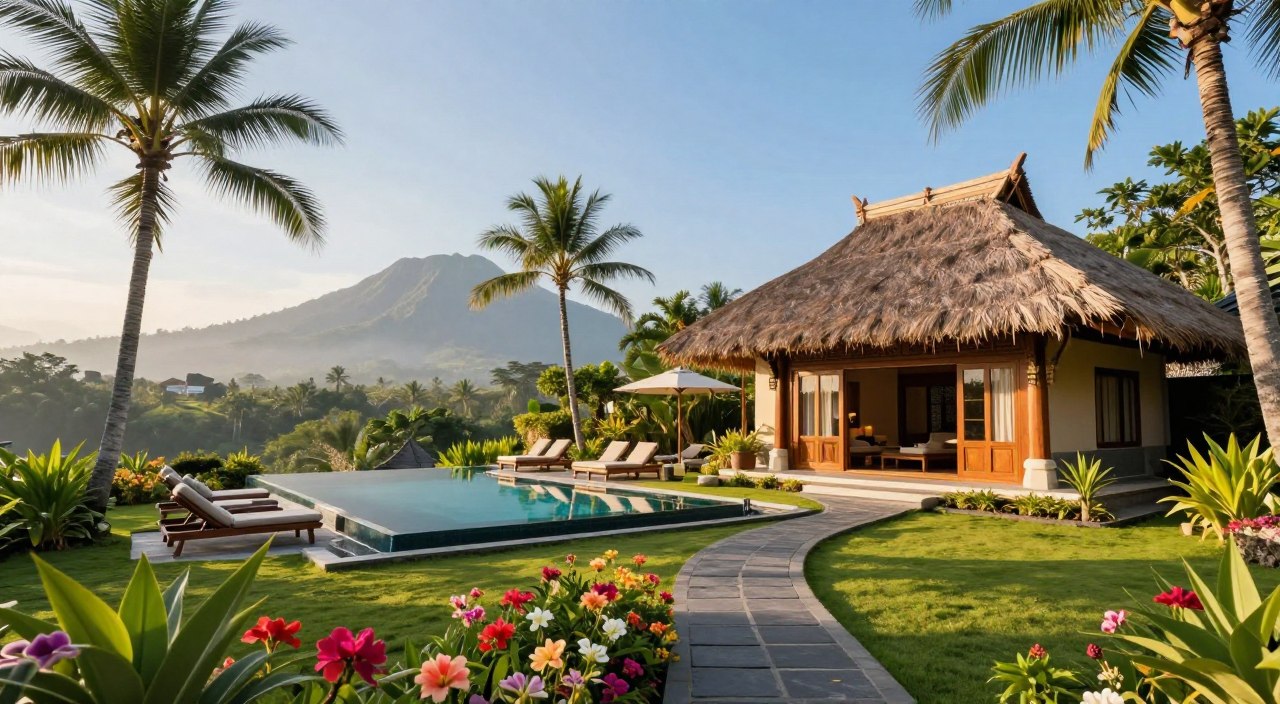
Top luxury option: Jumeirah Bali delivers an exceptional villa experience with private pools, panoramic ocean views, impeccable service, and direct access to clifftop lounging areas. Suites start around $600-800 per night, positioning this resort firmly in the special occasion category. The architecture blends contemporary design with traditional Balinese elements, while the spa, restaurants, and infinity pools create a complete retreat atmosphere.
Mid-range hotels and boutique properties cluster between Uluwatu Temple and Bingin Beach, offering comfortable rooms with air conditioning, pools, and on-site restaurants for $60-120 per night. These properties provide excellent value for couples wanting resort amenities without extreme luxury pricing. Many feature clifftop locations with ocean views and walking distance to beaches or viewpoints.
Budget guesthouses and hostels concentrate in the Bingin and Padang Padang areas, where backpackers and surfers find basic rooms for $15-30 per night. These accommodations prioritize location and social atmosphere over luxury amenities, with shared bathrooms, simple furnishings, and communal areas where travelers exchange route recommendations and ride shares.
The ideal location for first-time visitors falls between Uluwatu Temple and Jimbaran Beach, providing easy access to all major attractions while maintaining the quiet, chill vibe that makes Uluwatu special. Properties within walking distance of beaches or cliff viewpoints eliminate transportation needs for sunset watching and evening relaxation. The area attracts couples seeking romantic escapes and solo travelers craving peaceful environments for reading, yoga, and ocean contemplation.
Accommodation options continue expanding throughout Uluwatu as tourism infrastructure develops, though the area thankfully maintains stricter building codes than northern Bali, preserving the natural clifftop character and preventing overdevelopment.
What Are the Best Day Trips from Uluwatu?
What are the best day trips from Uluwatu? The southern Bali location positions you perfectly for exploring Nusa Penida, the dramatic island visible offshore from most Uluwatu cliff viewpoints. Fast boats depart from Sanur (35 minutes from Uluwatu) carrying day-trippers to Nusa Penida’s famous attractions including Kelingking Beach’s T-Rex cliff formation, Angel’s Billabong natural infinity pool, and Broken Beach’s collapsed cave archway. Book combined boat transfers and island tours through operators like Marlin or Eka Jaya for approximately $35-50 per person.
Nusa Dua sits just 20 minutes northeast, offering manicured beach resorts, water sports centers, and calmer swimming conditions than Uluwatu’s wave-pounded coastline. The protected bay creates ideal conditions for parasailing, banana boat rides, and jet skiing, with numerous operators lining Tanjung Benoa beach. This makes an easy half-day Uluwatu trip for families with children wanting gentler water activities.
Jimbaran seafood dinner represents a classic Bali experience, with dozens of beachfront restaurants setting up tables directly on sand at sunset. Fresh fish, prawns, squid, and lobster are grilled over coconut husks while you dine watching fishing boats return with evening catches. The beach lies just 15 minutes from central Uluwatu, making it perfect for ending your day trip before heading back to accommodations in northern Bali.
Padang Padang Beach deserves its own visit despite being just 5 minutes from Uluwatu Temple. This small, picturesque cove gained fame from the Julia Roberts film “Eat Pray Love” and features pristine sand accessed through a rock cave. The beach fills quickly during midday but offers beautiful swimming at high tide.
Green Bowl Beach challenges adventurous visitors with 300+ stairs descending vertical cliffs to a hidden cove with limestone caves, resident bats, and dramatic rock formations. Located 15 minutes southeast of Uluwatu, this beach rewards the stair-climbing effort with isolated beauty and excellent low-tide exploration.
Garuda Wisnu Kencana Cultural Park showcases a massive 120-meter statue of Hindu god Vishnu riding Garuda, along with cultural performances, art galleries, and panoramic Bukit Peninsula views. The park sits 20 minutes inland from Uluwatu, providing interesting cultural context for temple visits.
Practical Tips for Your Uluwatu Day Trip
Best Time to Visit Uluwatu
Dry season (May through October) provides the most reliable weather for Uluwatu day trips, with sunny skies, calmer seas, and minimal rain disrupting your itinerary. July and August bring peak tourist numbers alongside peak prices, while May, June, September, and October offer excellent weather with fewer crowds and better accommodation rates.
Early morning starts prove essential for beating crowds at popular locations like Suluban Beach and Uluwatu Temple. Most tour groups and day-trippers arrive between 10:00 AM and 2:00 PM, creating congested parking areas and packed beaches during midday heat. Starting at 7:00-8:00 AM means you’ll enjoy peaceful beach time, easier photography, and cooler temperatures for hiking stairs.
Weekdays present significantly fewer crowds than weekends when Indonesian families and residents from Denpasar visit Uluwatu for beach picnics and sunset gatherings. Saturday and Sunday afternoons see 2-3 times more visitors at every location, particularly at Balangan sunset viewpoint and Uluwatu Temple fire dance performances.
Peak tourist season (July-August, December-January) crowds all popular Bali destinations, though Uluwatu maintains a quieter atmosphere compared to Seminyak or Canggu even during busiest periods. Book accommodations and activities in advance during these months, as popular spots fill completely.
Tide schedules dramatically impact beach access and swimming conditions. Check tide charts before your trip to understand when each beach offers optimal conditions. Low tide reveals more sandy beach area and tide pools at Suluban but exposes dangerous reef at Bingin. High tide provides better swimming but reduces accessible beach space.
What to Bring on Your Uluwatu Day Trip
Motorbike essentials: Always wear your helmet properly fastened even for short distances. Apply sunscreen liberally to all exposed skin before departing, as riding creates wind that masks how intensely tropical sun burns unprotected skin. Carry at least 2 liters of water per person to maintain hydration throughout hot, active days exploring beaches and viewpoints.
Beach gear: Pack quick-dry towels, swimsuits worn under clothing for convenient changing, and reef-safe sunscreen (regular sunscreen damages coral reefs). Waterproof bags or dry sacks protect phones, wallets, and cameras from sand, splashing water, and unexpected rain showers.
Cash requirements: Bring sufficient small-denomination bills for entrance fees, parking, and food purchases. Most locations accept only cash, with limited ATM access once you’re exploring coastal areas. Budget 200,000-300,000 IDR ($14-21 USD) minimum per person for fees, meals, and emergency expenses.
Temple clothing: Modest clothing covering shoulders and knees is mandatory at Uluwatu Temple. Bring a sarong and sash if you own them, or rent at the temple entrance for 10,000 IDR. Women should carry a light scarf for covering shoulders when entering sacred areas.
Technology: Fully charge phones and cameras before departing. Download offline Google Maps for Uluwatu area to navigate without mobile data. Consider portable battery packs for all-day phone usage taking photos, checking maps, and staying connected.
First aid and comfort items: Basic first aid supplies including bandages for blisters from stairs and beach walking, pain relievers for headaches, and mosquito repellent for evening hours near vegetation. Sunglasses and hats provide essential sun protection during midday exposure.
Safety Considerations
Scooter safety demands constant vigilance and defensive riding. Always assume other drivers might not see you, maintain safe following distances, reduce speed on curves and descents, and never ride distracted or fatigued. The steep Nyang Nyang Beach road requires specific attention to engine braking and throttle control as discussed earlier.
Ocean conditions include strong currents, shallow reef, and powerful waves that catch inexperienced swimmers off guard. Always enter water cautiously, check with locals about current conditions, swim only in designated safe areas, and never turn your back on incoming waves while standing in shallow water.
Monkey interactions cause most wildlife-related injuries at Uluwatu. The macaques are wild animals despite appearing habituated to humans. They bite when threatened, steal aggressively when they smell food, and show little fear of tourists. Secure all bags with zippers fully closed, remove loose jewelry and sunglasses, avoid eye contact, and never attempt to touch or feed monkeys.
Sun protection and hydration prevent heat exhaustion during tropical exposure. Reapply sunscreen every 2 hours, especially after swimming or sweating. Drink water consistently throughout the day rather than waiting until you feel thirsty. Heat exhaustion symptoms include dizziness, nausea, and extreme fatigue – seek shade and hydration immediately if experiencing these signs.
Rainy day road safety: Wet roads become extremely slippery, especially painted road markings, metal manhole covers, and smooth concrete surfaces. Reduce speed significantly in rain, avoid sudden braking or acceleration, and consider waiting out heavy downpours in cafés rather than riding through limited visibility conditions.
Weather and Seasonal Considerations
Tropical weather remains unpredictable even during supposedly “dry” season, with occasional afternoon showers possible any month of the year. Brief 20-30 minute rain storms pass quickly, after which roads dry rapidly under intense sun. Don’t let cloudy morning skies discourage your plans, as conditions often improve dramatically by mid-morning.
Rainy day alternatives include extended café sessions at Suka Espresso or other clifftop restaurants with covered seating and ocean views. Several spas throughout Uluwatu offer traditional Balinese massage, facials, and body treatments for relaxation during poor weather. Beach clubs with covered lounging areas and pools provide all-day entertainment independent of beach conditions.
Heavy rain makes scooter riding dangerous on steep, winding coastal roads. If caught in a downpour, seek shelter immediately at the nearest café, warung, or covered area and wait 30-60 minutes for conditions to improve. Attempting to ride through heavy rain with limited visibility and slick roads dramatically increases accident risk.
Best months for Uluwatu day trips: May, June, September, and October balance excellent weather with manageable crowds and reasonable prices. July and August guarantee sunny conditions but bring peak tourist numbers. November through April brings regular afternoon rain but also dramatic wave action for surfing enthusiasts and significantly fewer tourists.
Tide schedules vary daily, affecting beach access times and ocean conditions. Check online tide charts specific to Uluwatu before finalizing your timing for beach visits. Some beaches become inaccessible or dangerous at high tide, while others reveal beautiful tide pools and additional sand area at low tide.
Sample Uluwatu Day Trip Timeline
7:00 AM: Depart your accommodation area (Seminyak, Canggu, Ubud). Pick up rental motorbike if arranged for delivery, or depart on pre-rented scooter. Stop for quick breakfast or coffee if needed, though I recommend waiting for proper brunch at Suka Espresso around noon.
8:00 AM: Arrive at Suluban Beach parking area. Descend stairs to hidden cove for peaceful morning beach time before crowds arrive. Swim, photograph the rock formations, and explore tide pools depending on tide levels. Budget 60-90 minutes at Suluban.
9:30 AM: Drive to Uluwatu Temple for early morning visit avoiding peak crowds. Explore the clifftop temple grounds, photograph the dramatic ocean backdrop, and observe morning prayer ceremonies if timing aligns. Allow 60 minutes for temple exploration.
11:00 AM: Short ride to Karang Boma Cliff. Park at Costa Del Mar Hotel and walk the forested trail to cliff viewpoints. Enjoy the quiet atmosphere and stunning views back toward Uluwatu Temple. Spend 45-60 minutes including walking time.
12:30 PM: Brunch at Suka Espresso or alternative café. Order substantial meal to fuel afternoon beach activities. Relax in air-conditioned comfort and recharge for afternoon adventures. Allow 60-90 minutes for dining.
2:00 PM: Drive to Nyang Nyang Beach. Navigate the steep descent carefully and spend 90-120 minutes on this pristine, quiet beach. Swim, sunbathe, and enjoy the natural atmosphere far from tourist crowds.
4:00 PM: Head to Bingin Beach for late afternoon cooling off. Watch surfers catching waves, explore the clifftop village, descend stairs to beach level. The golden hour light creates beautiful conditions for photography. Budget 60-90 minutes.
5:30 PM: Arrive at Balangan Beach Cliff well before sunset. Secure parking and claim your viewing spot on the grass platforms. Settle in with snacks and drinks to watch the sun approach the horizon.
6:30 PM: Sunset viewing and photography. The actual sunset occurs around 6:15-6:30 PM depending on season, followed by 20-30 minutes of color display as light reflects off clouds.
7:30 PM: Dinner at local warung, beach club, or restaurant based on preferences and budget. Begin return journey to accommodation area, allowing extra time for potential traffic near Jimbaran Bay during evening hours.
This timeline builds in flexibility and buffer time between locations. Adjust based on your pace, energy levels, and specific interests. Spending more time at certain locations might mean skipping others – prioritize based on what appeals most to your travel style.
Uluwatu vs. Other Bali Destinations
Uluwatu maintains a noticeably quieter atmosphere compared to Seminyak, Canggu, and Kuta, where traffic congestion, aggressive street vendors, and dense tourist crowds create sometimes overwhelming environments. The Bukit Peninsula’s geography naturally limits development, with steep cliffs and limited flat buildable land preventing the urban sprawl that characterizes northern Bali.
Nightlife in Uluwatu remains minimal compared to Seminyak’s club scene or Canggu’s beach bars, attracting travelers seeking early bedtimes and sunrise adventures rather than late-night parties. Single Fin provides the main sunset gathering spot with DJs and drinks, but options thin considerably after 10:00 PM. This trade-off brings fewer crowds at beaches and viewpoints throughout the day.
Beach quality surpasses typical tourist beaches significantly. Uluwatu’s beaches maintain cleaner sand, clearer water, and more pristine natural conditions compared to heavily trafficked Kuta or Seminyak where vendors, pollution, and crowds diminish the beach experience. The dramatic cliff settings create more spectacular scenery than Bali’s flatter northern coastline.
More dramatic natural scenery defines Uluwatu’s primary appeal, with 70-meter limestone cliffs, hidden cove beaches, and powerful ocean swells creating constantly evolving vistas. Northern Bali offers rice terraces, volcanoes, and waterfalls, while Uluwatu specializes in coastal drama and endless ocean horizons.
Growing infrastructure continues improving Uluwatu’s accessibility and accommodation options while thankfully maintaining more balanced development compared to overdeveloped northern areas. New cafés, restaurants, and guesthouses appear regularly, though building restrictions preserve the clifftop character and natural beauty that makes this area special.
The balance of development and authenticity currently positions Uluwatu as Bali’s sweet spot – accessible enough for comfortable travel, developed enough for good dining and accommodation options, yet still maintaining authentic Balinese character and natural beauty.
Common Mistakes to Avoid
Skipping the International Driving Permit creates the single most common and costly mistake for tourist riders. Police checkpoints throughout Bali specifically target foreign riders without proper documentation, resulting in fines ranging from 250,000-1,000,000 IDR ($17-70 USD) or having your motorbike impounded until paperwork is resolved. Obtain your IDP before leaving home – the $20 cost and 15-minute AAA/CAA visit saves enormous hassle in Bali.
Arriving at beaches mid-day means battling crowds, enduring peak heat, and missing the best light for photography. Popular spots like Suluban Beach transform from peaceful morning sanctuary to packed tourist attraction by 11:00 AM. Always prioritize early arrivals at beaches and viewpoints, saving indoor activities like brunch and café stops for midday heat.
Not bringing enough cash leaves you scrambling to find ATMs or unable to pay entrance fees at remote locations. Nearly all Uluwatu attractions accept only cash, with entrance booths unable to process cards or change large bills. Carry at least 200,000 IDR in small denominations (5,000, 10,000, 20,000 notes) for smooth transactions throughout your day.
Wearing inappropriate temple clothing results in mandatory sarong rentals or potential denial of entry to sacred areas. Simply bringing modest clothing covering shoulders and knees eliminates this hassle. Women should carry light scarves for additional coverage when entering temple inner courtyards.
Underestimating the steep Nyang Nyang road sends underpowered scooters struggling up the incline, sometimes requiring multiple attempts or assistance from locals. Always rent 125cc or larger engines, test power before attempting this road, and honestly assess your riding skills before committing to the descent knowing you must climb back up.
Missing sunset at Balangan Cliff represents the day’s biggest missed opportunity. This viewpoint delivers the most spectacular sunset experience in Uluwatu, yet many travelers arrive too late for parking or settle for inferior locations. Arrive by 5:30 PM to guarantee parking and optimal positioning for the 6:15-6:30 PM sunset.
Not planning for return traffic causes rushed sunset viewing or unexpected delays returning to northern Bali accommodations. Build buffer time into evening plans, especially on weekends when traffic near Jimbaran Bay increases significantly between 7:00-9:00 PM.
Forgetting sunscreen and water leads to painful sunburn and dehydration affecting both your current day and subsequent days of your Bali trip. Tropical sun intensity surprises many visitors, burning even through clouds. Apply sunscreen before departing and reapply every 2 hours minimum. Carry at least 2 liters of water per person for constant hydration during hot, active exploration.
Conclusion
This comprehensive Uluwatu day trip guide provides everything necessary for experiencing the dramatic southwestern Bukit Peninsula independently and successfully. From secret beach coves accessed through limestone caves to spectacular clifftop viewpoints overlooking endless ocean horizons, Uluwatu delivers a perfect balance of adventure, relaxation, cultural exploration, and natural beauty that represents Bali at its finest.
The strategic 12-hour itinerary sequences six main stops from morning through sunset, positioning you ahead of crowds while maximizing your experience of this special coastline. Whether you rent a motorbike in Uluwatu for independent exploration or hire a private driver for stress-free comfort, proper planning ensures you’ll discover hidden beaches, dramatic cliffs, ancient temples, and memorable dining experiences.
Uluwatu occupies a unique position among Bali destinations: accessible enough for day trips yet remote enough to maintain authentic character, developed enough for comfortable travel yet natural enough to feel adventurous, popular enough for established infrastructure yet quiet enough to escape tourist crowds. After eight years exploring every corner of this peninsula, I consistently return to Uluwatu for the reliable combination of stunning scenery, cleaner beaches, and genuinely special moments watching sunset paint limestone cliffs in golden light.
If your schedule allows, consider staying overnight in Uluwatu rather than rushing back to northern accommodations. The quiet evening atmosphere, early morning empty beaches, and complete immersion in this clifftop world transforms a good day trip into an exceptional Bali experience. You’ll leave with sun-kissed skin, sea salt in your hair, tired legs from beach stairs, and a big smile remembering one perfect day on Bali’s dramatic southern coast.
Frequently Asked Questions
What are the best things to do in Uluwatu?
The best things to do in Uluwatu include exploring hidden beach coves like Suluban and Bingin, visiting the clifftop Uluwatu Temple, watching the traditional Kecak fire dance, discovering quiet viewpoints at Karang Boma Cliff, surfing consistent reef breaks, enjoying brunch at trendy cafés like Suka Espresso, and watching spectacular sunsets from Balangan Beach grass platforms. The dramatic limestone cliffs and cleaner beaches compared to northern Bali create perfect conditions for photography, surfing, and relaxation.
How long should I spend in Uluwatu?
You should spend a minimum full day (12 hours) in Uluwatu to properly experience the region’s beaches, cliffs, temples, and viewpoints. The main attractions spread across 15 kilometers of coastline with significant distances between locations, requiring time for access, exploration, and proper appreciation. Staying overnight enhances the experience by allowing sunrise beach visits and eliminating rushed sunset departures. Two days permits deeper exploration including water sports, extended beach time, and discovering lesser-known spots beyond the main itinerary.
What are the best day trips from Uluwatu?
The best day trips from Uluwatu include Nusa Penida island excursions to see Kelingking Beach and Angel’s Billabong, Nusa Dua water sports and beach resorts, Jimbaran seafood dinner at sunset, Padang Padang Beach visits, Green Bowl Beach adventures down 300+ stairs, and Garuda Wisnu Kencana Cultural Park. Uluwatu’s southern Bali location provides easy access to these destinations with travel times ranging from 15 minutes to Jimbaran up to 90 minutes for Nusa Penida fast boat departures from Sanur.
Can I walk around Uluwatu?
You cannot practically walk between main Uluwatu attractions as distances range from 2 to 8 kilometers along roads without sidewalks. Transportation via motorbike, private driver, or guided tour is essential for visiting multiple locations. However, walking within specific areas like Bingin Beach village, around Uluwatu Temple grounds, or along individual beaches is enjoyable and often necessary. The steep staircases accessing hidden beaches require physical fitness but present no technical difficulty, typically featuring 100-150 steps with railings.
How much does it cost to visit Uluwatu attractions?
Total entrance fees for a complete Uluwatu day trip cost under $10 USD per person including Uluwatu Temple (50,000 IDR or $3.50), Karang Boma Cliff (5,000 IDR or $0.35), parking fees at beaches (5,000 IDR each), and donations at Nyang Nyang Beach. Adding motorbike rental ($5), fuel ($3), meals ($15-30), and activities creates a total daily budget of $30-50 per person. The Kecak fire dance costs an additional 150,000 IDR ($10). Most locations accept cash only in small denominations.
What is the Uluwatu Temple entrance fee?
The Uluwatu Temple entrance fee is 50,000 IDR ($3.50 USD) per adult, plus minimal parking fee of 1,000 IDR (less than $0.07). The traditional Kecak fire dance show costs an additional 150,000 IDR ($10) purchased separately at the temple entrance or booked through Klook for potential discounts. Sarong rentals for proper temple attire cost 10,000 IDR ($0.70) if you don’t bring modest clothing. The temple accepts cash only, so bring small denomination bills for smooth transactions.
Should I rent a motorbike or hire a driver in Uluwatu?
Rent a motorbike for maximum flexibility, authentic local experience, and lowest cost ($5 daily plus $3 fuel). Motorbikes allow spontaneous exploration, direct parking at beaches, and complete schedule control. However, you must have an International Driving Permit, feel comfortable with left-hand traffic, and handle steep roads. Hire a private driver ($40-50 for 12 hours) when traveling with young children, preferring air-conditioned comfort, nervous about riding, or wanting stress-free navigation. Drivers eliminate parking hassles and provide local knowledge without requiring riding skills.
What are the best beaches in Uluwatu?
The best beaches in Uluwatu Bali include Suluban Beach for its hidden cove accessed through rocky passages, Nyang Nyang Beach for pristine endless sand and quiet atmosphere, Bingin Beach for consistent surf and lively clifftop village, Padang Padang for picturesque small cove setting, and Balangan Beach for surfing and sunset viewing. These beaches maintain significantly cleaner sand and clearer water compared to Kuta or Seminyak, with dramatic cliff backdrops creating spectacular scenery. Each beach offers unique characteristics suited to different preferences for crowds, activities, and access difficulty.
When is the best time to visit Uluwatu?
The best time to visit Uluwatu is during dry season (May-October) for reliable sunny weather and calm seas, with May, June, September, and October offering excellent conditions with fewer crowds than peak July-August. Start your day trip by 7:00-8:00 AM to beat crowds at popular beaches and temples. Visit on weekdays rather than weekends to avoid local tourist crowds. Rainy season (November-April) brings afternoon showers but significantly fewer tourists and dramatic wave action for surfers, with brief storms passing quickly under tropical sun.
Where should I watch the sunset in Uluwatu?
Watch sunset at Balangan Beach Cliff viewpoint for the absolute best experience in Uluwatu. Multi-level grass platforms provide unobstructed ocean views for hundreds of visitors without crowding, with stone edge seating right at the cliff rim. The informal atmosphere welcomes bringing your own food and drinks, with parking costing just 5,000 IDR ($0.35). Arrive before 5:30 PM to secure parking and optimal positioning. The sun sets between 6:00-6:30 PM depending on season, followed by 20-30 minutes of spectacular color display as light reflects off clouds across the western horizon.