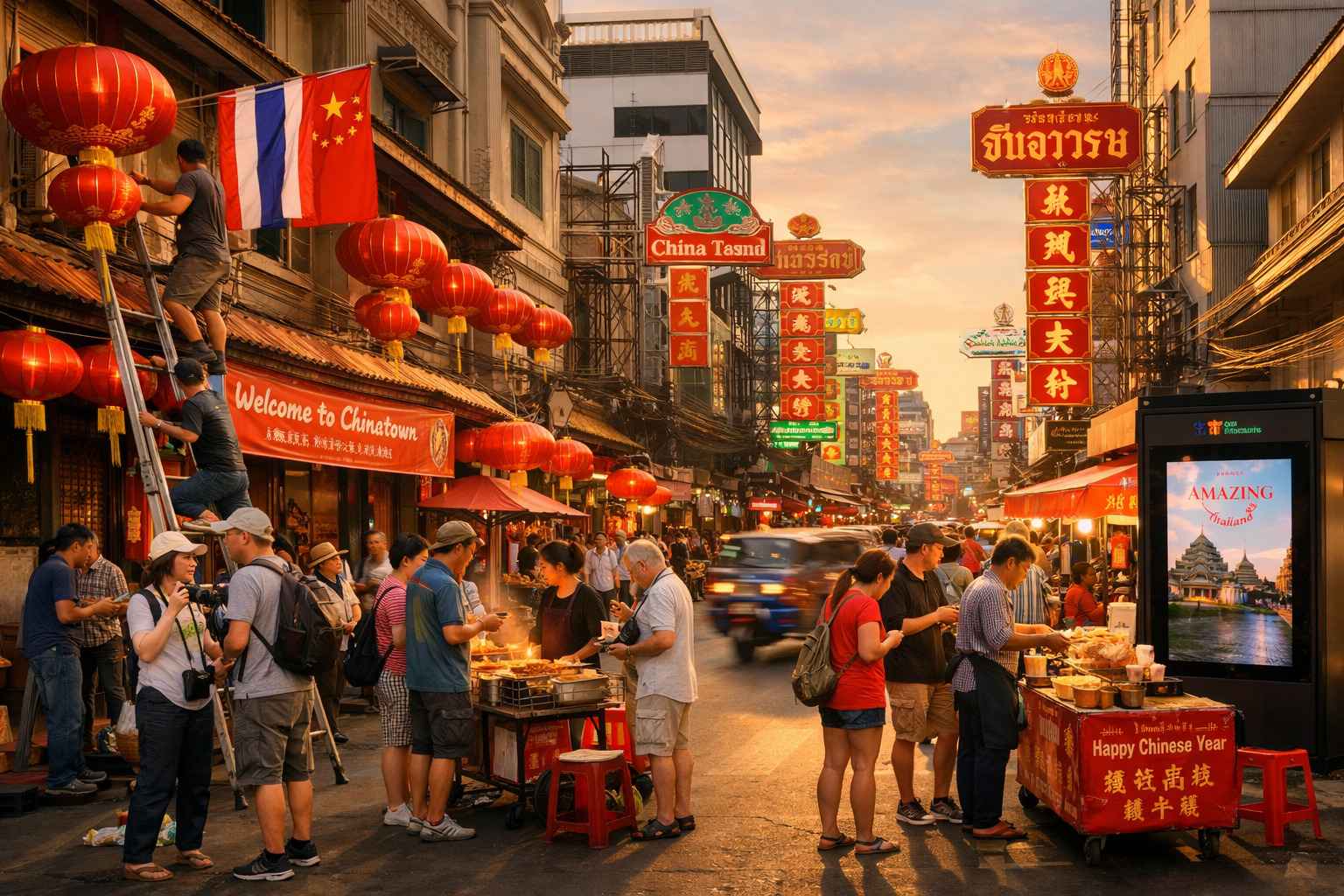
Thailand is making a calculated bet that traditional festivals can power modern economic growth. As the Kingdom prepares to welcome the Year of the Horse, officials project that Chinese New Year celebrations will inject $1.33 billion into the economy, a figure that signals more than just seasonal optimism.
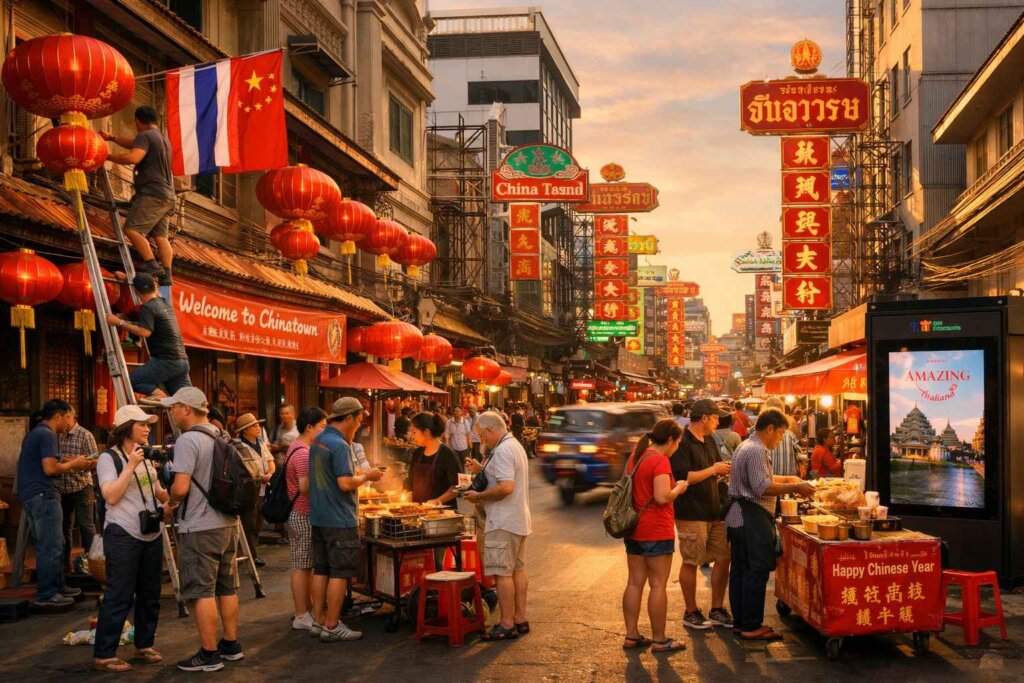
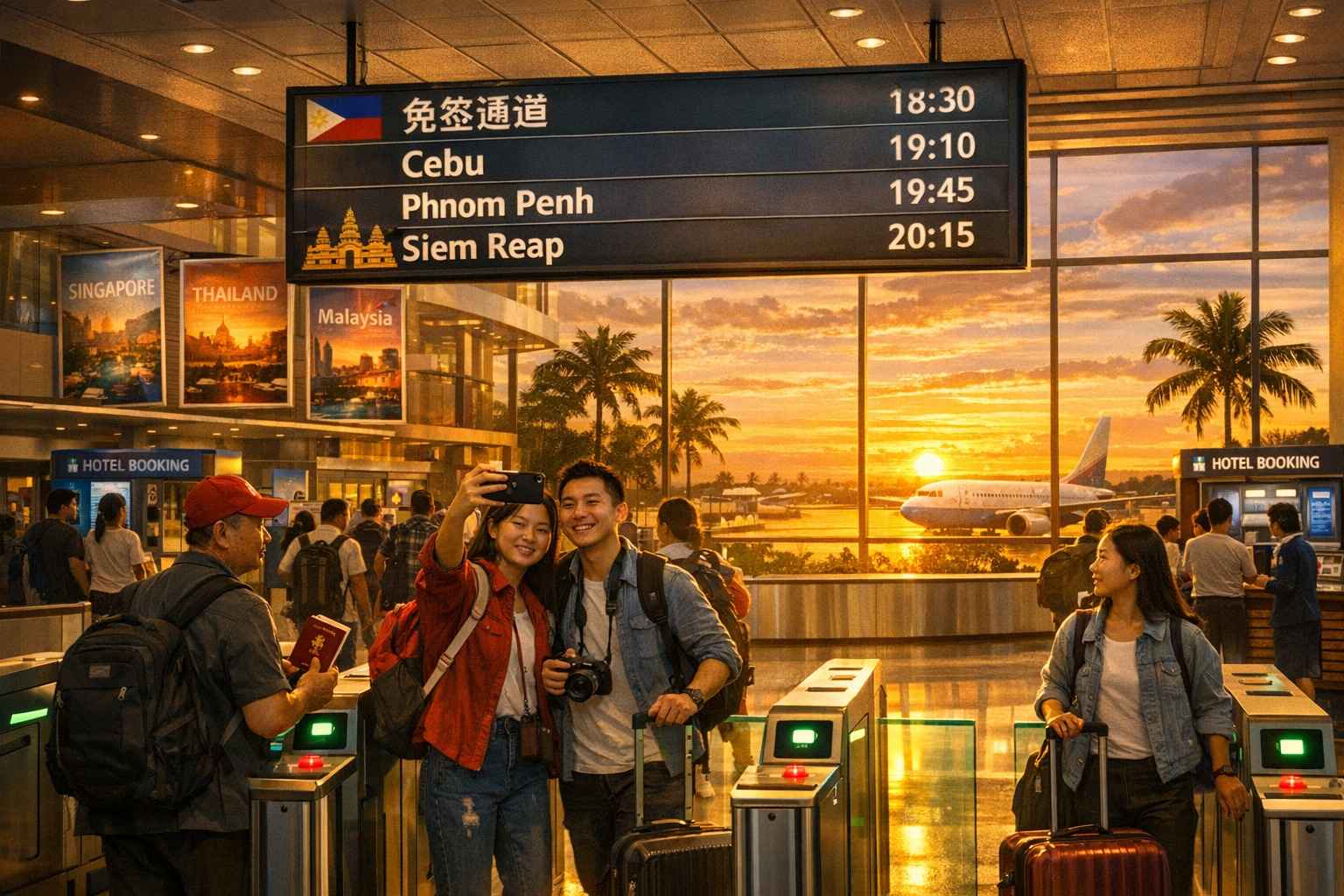
The timing matters. Thailand’s tourism industry, while recovering, faces intensifying competition from regional neighbors courting the same Chinese travelers. Vietnam has expanded visa exemptions, Malaysia is upgrading infrastructure in cultural heritage zones, and Singapore continues leveraging its compact efficiency. Against this backdrop, Thailand’s nationwide festival strategy represents a deliberate pivot toward experience-based tourism that goes beyond beach resorts and temple circuits.
The Economics Behind the Festivities
The Tourism Authority of Thailand anticipates 1.25 million international arrivals during the February 13-22 period, marking a 10% increase from last year. More revealing is the expected 13% jump in total revenue, suggesting visitors are spending more per trip. This aligns with Thailand’s broader “Tourism Next” framework, which prioritizes higher-value experiences over volume metrics.
The strategy targets what industry analysts call “premium cultural tourism.” Rather than competing solely on price, Thailand is positioning itself as the definitive Chinese New Year destination outside Greater China. Bangkok’s Yaowarat Road, Hat Yai’s cross-border appeal to Malaysian visitors, and coordinated performances from Chinese provinces create an ecosystem that smaller destinations cannot replicate easily.
What Makes This Different
Previous years saw scattered local celebrations. The 2026 campaign integrates multiple touchpoints across Thailand’s geography. Hat Yai’s inclusion is particularly strategic, transforming what could be Bangkok-centric events into a southern gateway that captures travelers entering from Malaysia. The February 17-20 programming there, featuring Fujian acrobatics and lion dances, serves dual purposes: entertaining visitors while strengthening Thailand’s regional hub status.
The collaboration with Chinese provincial troupes from Beijing, Chongqing, Henan, and Fujian adds authenticity that generic cultural displays lack. Visitors can engage with lantern-making, calligraphy, and traditional performances that mirror celebrations in China itself. This approach answers a critical question for international travelers: why celebrate Chinese New Year in Thailand rather than at home or in China?
The Long Game
Thailand’s $95 billion tourism revenue target for 2026 reveals ambitions extending far beyond one festival. The government is recalibrating its entire tourism model, emphasizing health tourism, night economy attractions, film location experiences, and sports travel. Chinese New Year serves as a proof of concept, demonstrating that cultural programming can drive significant short-term revenue while building long-term destination branding.
The sustainability dimension cannot be overlooked. As overtourism damages popular sites across Southeast Asia, Thailand is attempting to distribute visitor flows through coordinated regional events. Channeling tourists to Nakhon Sawan and Suphan Buri during festival periods relieves pressure on Bangkok while developing secondary destinations.
Risks Worth Watching
Success depends heavily on external factors beyond Thailand’s control. Chinese economic conditions directly influence outbound travel budgets. Exchange rate fluctuations affect spending power. Regional security concerns or health issues could derail visitor confidence quickly.
There’s also execution risk. Managing 1.25 million international visitors plus 2.3 million domestic trips during a concentrated 10-day window requires flawless logistics. Transportation bottlenecks, accommodation shortages, or service quality failures could damage Thailand’s reputation more than successful events enhance it.
The Broader Implications
If Thailand achieves its revenue targets, expect neighboring countries to launch similar integrated cultural campaigns. The model proves that emerging markets can leverage cultural soft power for economic gains, particularly when targeting diaspora communities and culturally connected regions.
For China, Thailand’s investment in Chinese New Year celebrations reflects the Kingdom’s diplomatic balancing act. Marking 51 years of Thai-Chinese relations through tourism rather than purely political channels allows Thailand to strengthen economic ties while maintaining relationships with Western partners wary of Chinese influence.
The real test arrives in March, when final numbers reveal whether Thailand’s billion-dollar bet paid off. Success could redefine how nations approach cultural tourism in an era where experiences increasingly outweigh traditional sightseeing. Failure would suggest that festival tourism, despite its appeal, cannot single-handedly drive the economic transformation Thailand seeks.
For now, Thailand is wagering that the Year of the Horse brings fortune measured not in luck, but in precisely calculated tourism receipts. Thailand Bets Big on Premium Tourism as Travel Fees Jump 50% in 2026