Understanding healthcare options in Bali is absolutely critical for anyone planning to live, work, or travel in this Indonesian paradise. Whether you’re an expatriate securing a KITAS visa, a digital nomad staying for months, or a tourist visiting for weeks, knowing how to access quality medical care could save your life and thousands of dollars. Bali operates a dual healthcare system with both public hospitals serving locals through Indonesia’s BPJS Kesehatan program and private international facilities catering to foreigners who expect Western standards. This comprehensive guide covers everything from choosing the best hospitals in Bali for foreigners to navigating health insurance requirements, understanding costs, preventing common illnesses like Bali Belly and dengue fever, and preparing for medical emergencies. As a healthcare consultant who has personally evaluated medical facilities across Bali and advised hundreds of expats on healthcare coverage, I’ll provide you with practical, life-saving information about healthcare in Bali for foreigners that goes far beyond basic tourist advice.
Understanding Bali’s Healthcare System
The health care Bali landscape has evolved significantly over the past decade, transforming from a destination where expats feared serious illness to one offering increasingly sophisticated medical services. Indonesia operates a two-tiered healthcare structure that separates public facilities serving Indonesian citizens from private hospitals primarily serving international patients and wealthy locals. This division isn’t just about cost, it fundamentally affects the quality of care, language accessibility, equipment availability, and overall patient experience.
The Indonesian government manages public healthcare through BPJS Kesehatan, a mandatory national health insurance program that provides subsidized medical care to citizens and certain visa holders. Meanwhile, private healthcare facilities operate independently, investing in advanced medical technology, hiring internationally trained physicians, and creating environments specifically designed for foreign patients who expect multilingual staff and Western medical protocols.
Bali’s healthcare infrastructure has improved dramatically with new hospital openings, specialist recruitment from Jakarta and abroad, and increased medical tourism driving quality standards upward. Major private hospitals now hold international accreditations and partnerships with insurance networks worldwide. However, geography matters significantly on this island. The best medical facilities cluster in southern Bali around Denpasar, Sanur, Seminyak, and Nusa Dua, while Ubud and northern coastal areas have more limited options requiring longer transport times during emergencies.
For foreigners, understanding this dual system means recognizing that public hospitals offer basic care at subsidized rates but with language barriers and longer waits, while private hospitals deliver premium services at higher costs with English-speaking staff and modern equipment. Your choice between these systems depends on your visa status, insurance coverage, medical needs, and budget.
Public Healthcare in Bali
BPJS Kesehatan for Expatriates
BPJS Kesehatan for expatriates represents Indonesia’s national health insurance program that foreign residents with long-term visas can access. If you hold a KITAS (limited stay permit) or KITAP (permanent stay permit), Indonesian law actually requires you to enroll in BPJS within 30 days of receiving your visa. This mandatory enrollment aims to prevent foreigners from becoming financial burdens on Indonesia’s healthcare system.
The BPJS program covers general doctor consultations, emergency treatment, hospitalization in public facilities, basic medications, and certain specialist referrals. Monthly premiums remain remarkably affordable at approximately $10-25 USD per person depending on the coverage class you select. Indonesia offers three BPJS classes with Class 1 providing the best accommodations in public hospitals, though even Class 1 rooms fall well below private hospital standards.
The application process requires your KITAS documentation, passport, proof of address in Bali, and registration at a local BPJS office. You’ll select a primary care facility (usually a puskesmas or community health center) where you must receive initial consultations before accessing specialist care or hospital services through the referral system.
However, BPJS has significant limitations for foreigners. Language barriers create serious challenges since most public healthcare staff speak minimal English. Wait times can stretch hours for routine appointments and even longer for specialist referrals. The medication formulary includes only generic drugs and basic treatments. Public hospitals often lack advanced diagnostic equipment available at private facilities. Most importantly, BPJS doesn’t cover medical evacuation, many dental procedures, experimental treatments, or care at private hospitals, which is where most expats actually seek treatment.
Public Hospital Services and Facilities
Public hospitals in Bali range from small district facilities to larger provincial hospitals like Sanglah Hospital in Denpasar, which serves as Bali’s primary government medical center. These facilities provide essential medical services including emergency departments, general surgery, obstetrics, basic specialist care, and trauma treatment.
Service quality at public hospitals meets basic Indonesian standards but generally falls short of international expectations. Facilities may appear dated with older equipment, crowded waiting areas, and limited privacy. The primary language remains Bahasa Indonesia, making communication difficult for foreigners without translation assistance. Cleanliness standards, while improving, don’t always match Western hospital protocols.
Wait times represent one of the biggest challenges. Emergency rooms can be overwhelmed, particularly during peak tourist seasons or following major accidents. Routine specialist appointments might require weeks of waiting. Hospital beds fill quickly, sometimes forcing patients to wait in corridors or transfer to other facilities.
Public healthcare makes sense for expats with KITAS who need basic primary care, routine health monitoring, or have tight budgets for non-emergency medical needs. The subsidized costs through BPJS can save money for straightforward consultations. However, for anything beyond basic care, most foreigners quickly upgrade to private facilities.
Does Bali have free healthcare? No, not for foreigners. While Indonesian citizens receive heavily subsidized care through BPJS, expatriates must pay monthly BPJS premiums or pay out-of-pocket at public facilities. Even with BPJS enrollment, you may face additional costs for certain medications, upgraded services, or non-formulary treatments.
Private Healthcare Bali: The Preferred Expat Choice
Private healthcare Bali has become the overwhelmingly preferred option for foreigners living on or visiting the island. The reasons are compelling and go far beyond simple convenience. Private hospitals specifically cater to international patients, designing every aspect of their operations around the expectations of expats and tourists accustomed to Western medical standards.
Multilingual staff represents perhaps the most crucial advantage. Doctors, nurses, and administrative personnel at major private hospitals speak fluent English, with many also speaking Japanese, Mandarin, Russian, or other languages reflecting Bali’s diverse expat population. This eliminates dangerous miscommunication about symptoms, diagnoses, and treatment plans that could occur in public facilities.
Advanced medical equipment sets private hospitals apart. Modern facilities feature MRI machines, CT scanners, digital X-ray systems, comprehensive laboratory capabilities, and surgical suites equipped with current technology. This diagnostic capability means complex conditions can be identified and treated on-island rather than requiring evacuation.
Healthcare in Bali for expats through private facilities also means access to internationally trained physicians. Many doctors at top private hospitals completed medical school in Indonesia but pursued specialist training in Australia, Singapore, Europe, or the United States. They understand Western medical protocols, evidence-based treatment approaches, and international pharmaceutical standards.
Wait times shrink dramatically at private facilities. Emergency departments rarely face the overcrowding common in public hospitals. Specialist appointments can often be scheduled within days. Elective procedures move forward quickly without months-long waiting lists. This responsiveness becomes critical when dealing with painful conditions or time-sensitive diagnoses.
The patient experience reflects international hospitality standards. Private rooms resemble hotel accommodations with private bathrooms, television, air conditioning, and space for family members. Customer service emphasizes patient comfort, clear communication, and personalized attention. Administrative processes for insurance billing, medical records, and discharge planning operate smoothly.
Higher costs accompany these advantages, with private hospital services typically running 3-10 times more expensive than equivalent public facility treatment. However, for most expats, the language accessibility, quality assurance, and treatment efficiency justify the premium pricing, especially when comprehensive health insurance covers the expenses.
Best Hospitals in Bali for Foreigners

Choosing among the best hospitals in Bali for foreigners depends on your location, specific medical needs, insurance network, and the severity of your condition. Several facilities have earned strong reputations for international patient care.
BIMC Hospital Nusa Dua
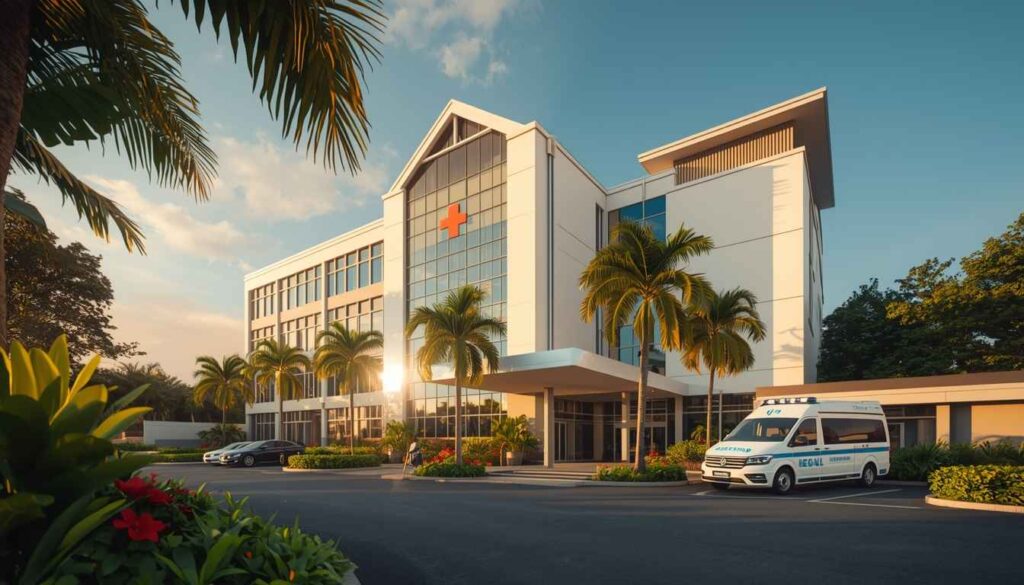
BIMC Hospital Nusa Dua stands as one of Bali’s most established private medical facilities with over 25 years serving the expat and tourist community. Located in the upscale Nusa Dua area, BIMC has built its reputation on comprehensive emergency services, reliable outpatient care, and strong relationships with international insurance providers.
The hospital specializes in emergency medicine and trauma care, operating a 24-hour emergency department staffed by experienced emergency physicians. Their ambulance service responds throughout southern Bali. BIMC handles everything from motorcycle accident injuries to cardiac emergencies, diving accidents to severe infections requiring immediate intervention.
The location in Nusa Dua positions BIMC perfectly for tourists staying in Bali’s resort areas while remaining accessible from Seminyak, Canggu, and Sanur. International patient services include insurance verification, direct billing arrangements with major providers, and multilingual staff assistance throughout treatment.
BIMC maintains partnerships with international insurance companies including Allianz, AXA, Cigna, and many others, enabling direct billing so patients avoid large upfront payments. Their familiarity with insurance documentation and claims processes reduces administrative headaches for expats dealing with medical crises.
Patient experiences at BIMC generally emphasize the professional emergency response, clear English communication, and efficient service delivery. The facility handles high patient volumes during peak tourist seasons while maintaining quality standards. For emergencies and acute care needs, BIMC remains the first choice for many expats in southern Bali.
Bali International Hospital 2026
The Bali International Hospital 2026 opening represents the most significant healthcare development in Bali’s recent history. Scheduled to open in April 2025 or early 2026, this facility will transform healthcare options available to the expatriate community. Located in Sanur within a designated Health Special Economic Zone, bali international hospital is being built to international standards with substantial investment in modern infrastructure and specialist recruitment.
Key features include a fully equipped 24/7 emergency department designed to handle critical cases currently requiring evacuation. Multilingual staff will serve patients in English, Mandarin, Japanese, and other languages. The hospital plans comprehensive specialist consultations across multiple departments, reducing the need to travel to Singapore or Bangkok for specialized care.
Medical specialties at Bali International Hospital will span cardiology with interventional capabilities, orthopedics and sports medicine for Bali’s active expat population, oncology services including chemotherapy, neurology and neurosurgery, comprehensive diagnostic imaging, and advanced surgical suites. These specialties address major gaps in Bali’s current medical infrastructure.
The facility is being designed as a “green hospital” incorporating sustainable practices, energy efficiency, and environmental responsibility while maintaining world-class medical standards. Modern inpatient facilities will offer private rooms with international hospitality standards, intensive care units, and specialized departments for various medical conditions.
For the expat healthcare landscape, Bali International Hospital 2026 means fewer medical evacuations for serious conditions, access to specialist care previously unavailable on the island, and increased competition likely to improve quality and pricing across all private facilities. The hospital aims to attract top Indonesian specialists and international physicians, raising Bali’s overall medical capability significantly.
Siloam Hospitals Bali
Siloam Hospitals Bali benefits from being part of Indonesia’s largest private hospital network, operated by the Lippo Group healthcare division. This chain operates over 40 hospitals across Indonesia, bringing standardized protocols, purchasing power for equipment and medications, and transfer capabilities within their network.
The Bali location offers comprehensive services including internal medicine, general surgery, pediatrics, obstetrics and gynecology, orthopedics, and diagnostic imaging. Modern facilities feature updated equipment and clean, well-maintained environments. The international patient department assists foreigners with language support, insurance processing, and navigation of medical services.
Siloam’s network advantages mean access to specialist consultations via telemedicine with doctors at their Jakarta flagship hospitals, medication availability through centralized pharmaceutical purchasing, and standardized electronic medical records that follow patients across facilities. For expats who travel frequently between Bali and Jakarta, this continuity proves valuable.
Bali Mandara Hospital
Bali Mandara Hospital serves a mixed patient population of locals and foreigners with a focus on accessible private healthcare at moderate pricing. Located in Denpasar, the facility offers general medical services, outpatient consultations, minor surgical procedures, and basic hospitalization.
The hospital positions itself between budget public facilities and premium international hospitals, targeting middle-income patients and expats seeking private care without top-tier pricing. Services include family medicine, pediatrics, internal medicine, obstetrics, and emergency care. English-speaking staff availability varies by department and shift.
Quality and reputation at Bali Mandara remain solid for routine medical needs, though the facility lacks the advanced specialist capabilities and international accreditations of BIMC or the forthcoming Bali International Hospital. For non-emergency consultations, basic procedures, and budget-conscious expats, Bali Mandara provides a reasonable middle-ground option.
Are Bali Hospitals Safe?
Are Bali hospitals safe? This question concerns many prospective expats and travelers. The answer depends significantly on which hospitals you’re considering. International private hospitals in Bali meet rigorous safety standards comparable to Western facilities, while public hospitals and smaller clinics may fall short of expectations.
Top private hospitals like BIMC and Siloam hold accreditations from Indonesian healthcare authorities and pursue international certifications. These facilities implement infection control protocols including sterilization procedures, hand hygiene standards, and isolation practices for communicable diseases. Patient safety protocols cover medication administration, surgical procedures, and emergency response.
Comparison with Western standards shows that Bali’s best hospitals approach but may not fully match the comprehensive quality systems of hospitals in Australia, Europe, or North America. However, for most medical needs, the safety gap is minimal at reputable private facilities. Doctors follow evidence-based treatment protocols, modern equipment undergoes regular maintenance and calibration, and emergency capabilities can handle critical situations effectively.
The key to safety is choosing the right facility. International private hospitals are safe for the vast majority of medical situations. Public hospitals provide safe basic care but with more variable quality control. Small clinics or unknown facilities require caution and verification of credentials before accepting treatment.
Cost of Healthcare in Bali
The cost of healthcare in Bali varies dramatically between public and private facilities, but even private hospital care costs substantially less than equivalent treatment in Western countries. Understanding pricing helps with budgeting and insurance selection.
Medical Service Pricing Breakdown
General doctor visits at private clinics range from $20-50 USD, with walk-in consultations at the lower end and appointments with established physicians commanding higher fees. This compares to $100-300 USD for similar visits in the United States or Australia.
Specialist consultations cost approximately $40-100 USD depending on the specialty and physician’s experience. Cardiologists, orthopedic surgeons, and other high-demand specialists charge toward the upper range. Many specialists trained internationally command premium fees reflecting their qualifications.
Emergency care represents a variable cost depending on the severity and interventions required. Minor emergency room visits for simple issues like small lacerations or minor infections might total $100-200 USD. More serious emergencies requiring imaging, laboratory work, medications, and observation can reach $500-2,000 USD. Critical emergencies with surgery, intensive care, or extended hospitalization escalate costs into five figures. Crucially, private hospitals often require upfront payment or insurance guarantee before providing emergency treatment.
Inpatient hospital rooms vary enormously based on the facility and accommodation class. Basic private rooms at mid-tier hospitals start around $100-150 USD per night, while premium rooms at top facilities reach $500-1,000 USD per night. These rates typically include nursing care, basic meals, and room amenities but exclude medical procedures, physician fees, medications, and treatments.
Minor surgery including procedures like appendectomy, hernia repair, or simple orthopedic operations generally costs $500-3,000 USD at private hospitals. This includes surgical fees, anesthesia, operating room costs, and brief hospitalization. The exact price depends on surgical complexity, surgeon’s fees, and complications.
Major surgery such as cardiac procedures, complex orthopedic surgeries, cancer operations, or neurosurgery ranges from $5,000-20,000+ USD. These figures can climb higher for extremely complex cases or extended intensive care requirements. However, even at the high end, costs remain 50-70% below Western prices for equivalent procedures.
Dental procedures vary widely with routine cleaning costing $30-60 USD, fillings $40-80 USD per tooth, root canals $150-300 USD, and cosmetic procedures like crowns or veneers $200-600 USD each. Bali has become a dental tourism destination due to quality dentistry at these affordable prices.
Pharmacy and medication costs are generally reasonable with generic drugs available at fraction of Western prices. Common antibiotics might cost $5-15 USD for a full course. Chronic disease medications like blood pressure or diabetes drugs run $10-40 USD monthly. Brand-name and imported medications cost significantly more.
Public vs. Private Cost Comparison
BPJS subsidized rates make public healthcare extremely affordable for enrolled expats. With monthly premiums of $10-25 USD, you gain access to public hospital services with minimal or no additional copayments for covered services. A specialist consultation that costs $75 USD at a private hospital becomes free under BPJS (after the lengthy referral process).
Private hospital premium pricing reflects the enhanced services, English-speaking staff, modern equipment, and immediate access. You’re paying for convenience, quality assurance, and the ability to choose your providers rather than following rigid referral pathways.
The value proposition depends on your priorities. For basic primary care and routine health monitoring, BPJS enrollment provides cost-effective coverage. For anything urgent, complex, or requiring English communication, private facilities justify their higher costs through superior service delivery. Many expats use a hybrid approach, maintaining BPJS enrollment for regulatory compliance while purchasing supplemental private insurance for actual healthcare usage.
Hidden costs to consider include transportation to medical facilities, medications not covered by insurance, follow-up consultations, medical equipment purchases, and potential evacuation expenses for conditions exceeding Bali’s treatment capabilities.
Medical Tourism Bali Affordability
Medical tourism Bali has grown substantially as international patients discover quality healthcare at 50-70% below Western pricing. The cost comparison becomes compelling for expensive procedures. A knee replacement costing $30,000-50,000 USD in the United States might run $8,000-15,000 USD in Bali. Dental implants priced at $3,000-5,000 USD per tooth in Australia cost $1,000-2,000 USD in Bali.
Popular procedures for medical tourists include dental work (implants, crowns, veneers), cosmetic surgery, orthopedic procedures, and elective surgeries. The quality-to-cost ratio attracts patients willing to combine medical treatment with vacation time in Bali’s tropical environment.
Some private hospitals and specialized clinics offer package deals for medical travelers that bundle surgery, hospitalization, post-operative care, and even accommodation at recovery facilities. These packages simplify planning and budgeting for international patients.
The medical tourism industry drives continuous quality improvements as hospitals compete for international patients who research options carefully and expect Western standards. This competition benefits all patients, including expats residing in Bali, by pushing facilities to maintain high standards and invest in modern equipment.
Health Insurance Expats Bali: Essential Coverage

Health insurance expats Bali need cannot be overstated, it’s absolutely essential and potentially life-saving from both medical and financial perspectives. A serious illness or injury without insurance could bankrupt you or prevent you from receiving necessary treatment. Understanding expatriate health insurance Bali options and selecting appropriate coverage should be your first priority before moving to or spending extended time on the island.
Types of Insurance Available
International health insurance plans designed specifically for expatriates provide the most comprehensive coverage. Major providers like Cigna Global, Allianz Care, AXA Global Healthcare, Bupa Global, and IMG offer policies covering Indonesia or Asia-Pacific regions. These plans typically include worldwide coverage (sometimes excluding the US due to cost), direct billing arrangements with major hospitals, and high coverage limits.
Local Indonesian insurance options exist through companies like Prudential Indonesia, Manulife Indonesia, and AIA, offering policies for foreign residents. These cost less than international plans but provide more limited coverage networks, lower maximum benefits, and primarily focus on Indonesian facilities rather than global evacuation capabilities.
Travel insurance for short-term visitors works for trips under 90 days but provides limited coverage compared to expat policies. Travel insurance typically excludes pre-existing conditions, limits coverage amounts to $50,000-100,000 USD, and may not cover adventure activities popular in Bali like surfing, diving, or motorcycle riding without additional riders.
Insurance through employment varies significantly based on your employer. Some international companies provide excellent global health coverage for expatriate employees and families. Others offer minimal plans requiring supplemental private insurance. Review your employer’s coverage details carefully, paying attention to coverage limits, exclusions, and whether dependents are included.
Comparing coverage levels requires examining annual maximums, deductibles, copayment percentages, covered territories, evacuation benefits, and pre-existing condition clauses. A plan with a $50,000 annual maximum might seem adequate until you face a serious medical crisis requiring evacuation to Singapore, which alone could cost $30,000-50,000 USD.
What Your Insurance Should Cover
Comprehensive international health insurance Indonesia expatriates need should cover inpatient hospitalization including room charges, surgical fees, intensive care, and related medical costs. Look for plans with high annual maximums of at least $500,000 USD, preferably $1-5 million USD for complete protection.
Outpatient care coverage includes doctor consultations, specialist visits, diagnostic tests, and outpatient procedures. Some plans require copayments for routine visits while covering major expenses fully. Understand your plan’s outpatient structure since you’ll use these benefits frequently.
Emergency medical evacuation represents perhaps the most critical coverage for Bali expats. If you suffer a condition requiring treatment unavailable in Bali, advanced neurosurgery, complex cardiac procedures, certain cancer treatments, evacuation to Singapore, Bangkok, or your home country becomes medically necessary. Quality insurance covers evacuation costs that can easily exceed $100,000 USD including air ambulance, medical staff, and hospital-to-hospital coordination.
Specialist consultations with cardiologists, orthopedic surgeons, dermatologists, and other specialists should be covered, ideally without requiring primary care referrals for each visit. Direct specialist access saves time and facilitates appropriate care.
Surgical procedures coverage must include both the surgery itself and associated costs: anesthesia, operating room fees, surgeon and assistant fees, post-operative care, and hospitalization. Review your policy for exclusions on specific procedure types.
Prescription medications should be covered with reasonable copayments or coinsurance. Some plans cover only medications prescribed during hospitalization while better policies include ongoing prescriptions for chronic conditions. Verify whether your plan covers brand-name or only generic drugs.
Dental and vision care often appear as optional riders rather than standard coverage. Basic plans might include only emergency dental treatment while comprehensive dental coverage adds significant premium costs. If dental health is important, consider dedicated dental insurance or plans with dental riders.
Pre-existing conditions represent a major concern for many expats. Some insurers exclude pre-existing conditions entirely, others cover them after waiting periods (often 12-24 months), and premium plans may cover them immediately. If you have chronic conditions like diabetes, hypertension, or previous cancer, carefully verify coverage terms.
Maternity care should be included if you’re planning pregnancy. Many insurers exclude maternity or require a 10-12 month waiting period after policy inception. Maternity coverage should include prenatal care, delivery, complications, and newborn care.
Mental health services coverage has improved in recent years, with better policies including therapy, counseling, and psychiatric medications. This coverage proves valuable for expats experiencing adjustment difficulties, depression, or anxiety related to international relocation.
Choosing the Right Insurance Plan
Selecting appropriate insurance requires evaluating multiple factors starting with your expected length of stay. Short visits under 90 days work fine with travel insurance. Stays of 3-12 months benefit from long-stay travel insurance or basic expat policies. Permanent or multi-year relocation demands comprehensive international health insurance with full benefits.
Your age dramatically affects premiums, with costs increasing significantly after age 50 and again after 60. Family coverage costs vary based on the number and ages of children. Some insurers charge per family member while others offer family rates.
Health status and pre-existing conditions influence both eligibility and pricing. Insurers may require medical questionnaires, exclude certain conditions, or charge higher premiums based on health history. Be completely honest on applications, as dishonesty can void coverage when you need it most.
Budget constraints require balancing comprehensive coverage against affordable premiums. Annual costs for a healthy 35-year-old might range from $1,500-3,000 USD for basic coverage to $5,000-8,000 USD for premium plans. Families of four can expect $5,000-15,000+ USD annually depending on ages and coverage levels.
Top international insurance providers for Bali expats include:
Cigna Global: Comprehensive worldwide coverage, excellent provider networks, direct billing at major Bali hospitals, high annual limits, strong evacuation benefits. Premium pricing but outstanding service.
Allianz Care: Good balance of coverage and cost, Asia-focused plans available, direct billing arrangements, 24/7 assistance hotline. Solid choice for long-term expats.
AXA Global Healthcare: Flexible plan options from basic to comprehensive, modular design letting you add coverage areas, good customer service, established in Asian markets.
IMG Global: More affordable options with decent coverage, popular with digital nomads and budget-conscious expats, good for younger, healthier individuals.
Bupa Global: Premium plans with extensive coverage, strong international reputation, excellent for families and those prioritizing comprehensive benefits.
Local insurance companies like Prudential Indonesia offer lower premiums than international carriers but with more limited coverage networks and lower maximum benefits. These work for cost-conscious expats planning to receive all care in Indonesia without evacuation benefits.
Direct billing versus reimbursement models significantly impact your out-of-pocket cash flow. Direct billing means the hospital bills your insurance company directly for covered services, requiring little or no upfront payment from you. Reimbursement requires you to pay the hospital in full then submit claims for repayment, potentially tying up thousands of dollars for weeks or months. Choose plans with direct billing arrangements at Bali’s major hospitals to avoid cash flow problems.
Exclusions and limitations require careful review. Common exclusions include cosmetic procedures, experimental treatments, war or terrorism-related injuries, high-risk activities without riders, and self-inflicted injuries. Understand what your policy won’t cover to avoid surprises.
Annual coverage limits represent the maximum your insurer will pay each policy year. Lower limits ($50,000-100,000 USD) might seem adequate but get consumed quickly by serious illness. Choose limits of $500,000 USD minimum, preferably $1 million+ USD for true financial protection.
Deductibles and copayments reduce premiums but increase your out-of-pocket costs. High deductible plans ($2,500-10,000 USD annual deductibles) cost less monthly but require significant cash reserves for medical expenses. Evaluate your risk tolerance and savings when selecting deductible levels.
Insurance Costs and Budgeting
Typical premium ranges vary significantly by age and coverage level. A comprehensive international health insurance policy might cost:
- Age 25-35: $1,500-3,500 USD annually
- Age 36-45: $2,000-5,000 USD annually
- Age 46-55: $3,500-7,500 USD annually
- Age 56-65: $6,000-12,000+ USD annually
- Age 66+: $10,000-20,000+ USD annually
These ranges assume comprehensive coverage with moderate deductibles. Basic plans cost 30-50% less while premium plans with maternity, dental, and vision coverage cost 30-50% more.
Family plan considerations include coverage for spouses and children. Most insurers cover dependent children at reduced rates, typically adding $500-1,500 USD per child annually. Family deductibles might aggregate across all members or apply individually, significantly impacting total costs.
Strategies to reduce premiums without sacrificing critical coverage include:
- Choosing higher deductibles if you have emergency savings
- Excluding maternity coverage if not planning pregnancy
- Selecting Asia-only or regional coverage rather than worldwide
- Opting for copayments on routine care while maintaining full coverage for major medical
- Skipping dental and vision riders, using pay-as-you-go instead
- Increasing your age band before premium increases hit (get coverage before milestone birthdays)
Emergency fund recommendations suggest maintaining liquid savings equal to your annual deductible plus at least $5,000-10,000 USD for uncovered expenses, evacuation deposits, or family travel during medical emergencies. This safety net prevents financial crises during health crises.
Emergency Services Bali

Emergency services Bali capabilities have improved but still lag behind Western standards for response times and capabilities. Understanding the system helps you make appropriate decisions during medical crises.
The national emergency ambulance number is 118, which connects you to Indonesia’s emergency medical services. However, response times vary dramatically based on location, traffic conditions, and service availability. In dense urban areas like Denpasar, ambulances might arrive within 15-30 minutes. In remote areas or during peak traffic, waits can exceed an hour.
24/7 emergency departments at major private hospitals provide the most reliable emergency care. BIMC Hospital operates a well-equipped emergency room with experienced emergency physicians and immediate access to diagnostic imaging, laboratory services, and specialist consultations. Siloam and other major facilities maintain similar capabilities.
Private ambulance services operated by hospitals like BIMC offer faster, more reliable response than the national 118 system. These services cost more ($100-300 USD depending on distance) but include English-speaking paramedics, better-equipped ambulances, and direct transport to private facilities. Saving private ambulance contact numbers in your phone is highly recommended.
Response times and capabilities remain variable. During major accidents like multi-vehicle collisions or tourist bus crashes, available ambulances get stretched thin. Traffic congestion significantly delays emergency transport, with Bali’s roads becoming parking lots during rush hours and peak tourist seasons.
When to call emergency services versus going directly to the hospital depends on your mobility and condition severity. For life-threatening emergencies like suspected heart attack, stroke, severe trauma, or loss of consciousness, call an ambulance immediately while someone prepares for potential self-transport if delays occur. For urgent but not immediately life-threatening conditions like severe abdominal pain, deep lacerations, or high fever, direct transport to a private hospital emergency room often proves faster than waiting for an ambulance.
Emergency room costs and payment requirements at private hospitals typically require upfront deposits before treatment. Expect to provide credit card details or insurance guarantee letters immediately upon arrival. For serious emergencies, hospitals will stabilize patients before demanding payment, but administrative staff will request payment information as soon as possible. Keep insurance cards, policy numbers, and emergency contact information readily accessible.
Medical evacuation and air ambulance services become necessary for conditions exceeding Bali’s treatment capabilities. Companies like International SOS, Global Rescue, and specialized air ambulance services operate in Indonesia. Evacuation to Singapore typically costs $25,000-50,000 USD, while evacuation to Australia can reach $80,000-150,000 USD depending on aircraft type and medical staffing required. These costs explain why medical evacuation coverage is absolutely essential in any expat health insurance policy.
Common Health Risks and Prevention in Bali
Bali Belly: Prevention and Treatment
Bali Belly, the colloquial term for traveler’s diarrhea, affects an estimated 30-50% of visitors to Bali at some point during their stay. This digestive illness results from consuming food or water contaminated with bacteria (most commonly E. coli), viruses, or parasites unfamiliar to your digestive system.
Symptoms typically begin 12-72 hours after exposure and include stomach cramps, nausea, vomiting, diarrhea (sometimes watery or bloody), fever, and overall weakness. Most cases resolve within 3-5 days, though some persist longer or require medical treatment.
Bali Belly prevention tips center on food and water safety practices:
- Drink only bottled water from sealed containers, avoiding tap water entirely
- Refuse ice cubes in drinks unless confirmed made from purified water
- Eat only freshly cooked food served hot, avoiding lukewarm buffet items
- Skip raw vegetables and salads unless at high-end restaurants with proper washing protocols
- Avoid street food vendors with questionable hygiene, though established warungs with high turnover can be safe
- Peel fruits yourself rather than eating pre-cut fruit
- Choose restaurants with good hygiene reputations and visible food preparation areas
- Wash hands thoroughly before eating, using soap or hand sanitizer
- Avoid swimming in contaminated water sources
- Be cautious with smoothies made with potentially contaminated ice or unwashed fruit
Treatment approaches for mild cases involve rest, hydration with oral rehydration solutions (available at pharmacies as “oralit”), and over-the-counter anti-diarrheal medications like loperamide. Continue eating bland foods like rice, bananas, and toast as tolerated.
When to seek medical attention includes severe dehydration symptoms (dark urine, dizziness, rapid heartbeat), bloody diarrhea, high fever above 39°C (102°F), persistent vomiting preventing fluid intake, symptoms lasting more than 3-4 days, or severe abdominal pain. These signs might indicate bacterial infections requiring antibiotics or parasitic infections needing specific treatments.
Over-the-counter remedies available at Bali pharmacies include loperamide (Imodium) for diarrhea control, domperidone for nausea, and oral rehydration salts. Probiotics may help restore gut bacteria balance. Avoid taking anti-diarrheal medications if you have bloody diarrhea or high fever, as these can worsen certain infections.
Hydration importance cannot be overstated. Diarrhea and vomiting rapidly deplete fluids and electrolytes, leading to dehydration especially dangerous in Bali’s tropical heat. Sip oral rehydration solutions, coconut water, or diluted fruit juices throughout the day. Severe dehydration requires intravenous fluids at a medical facility.
Dengue Fever Bali
Dengue fever Bali represents a significant health risk year-round, with peak transmission during rainy season from November through April. This mosquito-borne viral disease causes an estimated thousands of cases annually across Indonesia, including many in Bali’s tourist areas.
The Aedes aegypti mosquito transmits dengue, biting primarily during daylight hours, especially early morning and late afternoon. Unlike malaria mosquitoes that bite at night, dengue mosquitoes attack when you’re active and awake, making prevention more challenging.
Symptoms typically appear 4-10 days after an infected mosquito bite and include sudden high fever (often 40°C/104°F), severe headache, pain behind the eyes, severe joint and muscle pain (giving dengue its nickname “breakbone fever”), nausea, vomiting, skin rash appearing 2-5 days after fever onset, and mild bleeding from nose or gums. Most cases resolve within a week.
Dengue severity ranges from mild to severe dengue (formerly called dengue hemorrhagic fever), which can be life-threatening. Warning signs of severe dengue include severe abdominal pain, persistent vomiting, bleeding gums or nose, blood in vomit or stool, rapid breathing, and restlessness.
Peak seasons align with mosquito breeding cycles during rainy months, though cases occur year-round in Bali’s tropical climate. Areas with standing water accumulation see higher transmission rates.
Prevention methods focus on avoiding mosquito bites since no vaccine is widely available:
- Use insect repellent containing DEET (20-30% concentration) on exposed skin, reapplying every 4-6 hours
- Wear long-sleeved shirts and long pants during peak mosquito hours
- Sleep under mosquito nets, even during daytime naps
- Use air conditioning when possible, as mosquitoes avoid cooled environments
- Install screens on windows and doors
- Eliminate standing water around your accommodation where mosquitoes breed
- Use mosquito coils or electric repellent devices indoors
- Apply permethrin to clothing for additional protection
Testing and treatment require medical evaluation if dengue is suspected. Blood tests can confirm dengue infection and determine severity. No specific antiviral treatment exists, so care focuses on symptom management with rest, fluids, and acetaminophen (paracetamol) for fever. Avoid aspirin and ibuprofen, which can increase bleeding risk.
Recovery timeline typically spans 1-2 weeks, with severe fatigue persisting for additional weeks. Immunity develops to the specific dengue strain you contracted, but four different strains exist, meaning you can get dengue up to four times. Subsequent infections carry higher risks of severe dengue.
Other Common Health Issues
Heatstroke and sunburn pose serious risks in Bali’s intense tropical sun. The equatorial location means UV radiation remains strong year-round. Prevent heatstroke by staying hydrated, limiting midday sun exposure between 10 AM and 3 PM, wearing hats and light-colored clothing, and taking frequent breaks in shade or air conditioning. Treat sunburn with cool compresses, aloe vera, and hydration while avoiding further sun exposure.
Dehydration risks escalate in tropical heat, especially during active days of surfing, hiking, or exploring. Drink water consistently throughout the day, consuming 3-4 liters daily or more during exercise. Urine color should remain pale yellow. Dehydration symptoms include headache, dizziness, fatigue, and dark urine.
Air pollution during dry season affects Bali, particularly when Indonesian agricultural burning peaks. Fine particulate matter can trigger respiratory issues, especially for people with asthma or chronic obstructive pulmonary disease. Monitor air quality apps, use air purifiers indoors, and consider N95 masks during heavy pollution days.
Animal and insect bites from monkeys, dogs, snakes, and various insects occur regularly. Bali’s monkey forests, temple sites, and rural areas host macaque populations that bite tourists who feed them or get too close. Dogs roam freely in many areas, with stray populations carrying disease risks. Be cautious around all animals, never feed monkeys, and maintain distance from unknown dogs.
Rabies concerns from stray animals remain serious in Bali. Indonesia has endemic rabies, though Bali has reduced cases through vaccination campaigns. Any animal bite requires immediate medical attention for rabies post-exposure prophylaxis. Thoroughly wash bite wounds with soap and water, then seek emergency care for rabies vaccination series. Don’t wait to see if symptoms develop because rabies is fatal once symptoms appear.
Skin infections from cuts and scratches develop easily in tropical humidity. Even minor wounds can become infected if not properly cleaned and covered. Clean all cuts immediately with soap and water or antiseptic, apply antibiotic ointment, and cover with clean bandages. Change dressings daily and watch for infection signs like increased redness, swelling, warmth, pus, or red streaks. Seek medical care if infections develop.
Respiratory issues including common colds, flu, and more serious infections spread easily in Bali’s tourist areas where travelers from worldwide congregate. Air conditioning, humidity changes, and exposure to new pathogens increase susceptibility. Practice good hygiene, avoid touching your face, and seek medical attention for persistent respiratory symptoms, high fever, or breathing difficulties.
Vaccinations Recommended for Bali
Vaccinations recommended for Bali should be completed well before travel to allow immunity development. Consult a travel medicine clinic or your doctor at least 8 weeks before departure for complete vaccination planning.
Hepatitis A vaccination is strongly recommended for all travelers to Indonesia. Hepatitis A transmits through contaminated food and water, making it a significant risk in Bali. The vaccine requires two doses spaced 6-12 months apart for full protection, though a single dose provides protection for up to a year. Most travel health clinics recommend this as essential.
Hepatitis B vaccination is recommended for travelers who might have sexual contact, need medical procedures, get tattoos or piercings, or plan extended stays. The standard series involves three doses over 6 months, though an accelerated schedule exists for last-minute travelers. Combination Hepatitis A and B vaccines are available.
Typhoid vaccination protects against typhoid fever transmitted through contaminated food and water. Available as either an oral vaccine (4 capsules over a week) or a single injection, typhoid vaccination is recommended for most Bali travelers, especially those eating street food or visiting rural areas.
Tetanus protection should be current with boosters needed every 10 years. Check your vaccination records and get a booster if more than 10 years have passed since your last tetanus shot. This routine vaccine protects against serious infections from cuts, scrapes, and wounds common during travel.
Rabies vaccination consideration depends on your activities and length of stay. Pre-exposure rabies vaccination (three-dose series over a month) is recommended for long-term residents, anyone working with animals, adventure travelers visiting rural areas, or people planning extensive outdoor activities. While pre-exposure vaccination doesn’t eliminate the need for post-exposure treatment after animal bites, it simplifies the required treatment and provides extra protection.
Routine vaccinations including measles, mumps, rubella (MMR), diphtheria, pertussis, and polio should be up to date. Many adults are unaware their childhood vaccines may need boosters. Use travel planning as an opportunity to update routine immunizations.
COVID-19 considerations continue evolving. Verify current Indonesian entry requirements regarding COVID-19 vaccination, testing, or quarantine. Most travelers should be fully vaccinated against COVID-19 with boosters as recommended.
Japanese Encephalitis vaccination is generally not necessary for typical Bali tourists staying in urban and resort areas. Consider it only for extended stays in rural areas, particularly if spending time near pig farms or rice paddies during transmission seasons.
Where to get vaccinated in Bali includes private hospitals like BIMC and Siloam, which offer vaccination services for expats and travelers. However, completing vaccinations before arrival is preferable since some require multiple doses over weeks or months.
Pre-travel vaccination timeline should start 6-8 weeks before departure for Hepatitis A and B series, Typhoid, and other multi-dose vaccines. At minimum, get vaccinated 2-4 weeks before travel to allow immunity to develop, though some vaccines like Typhoid oral capsules must be completed at least one week before exposure.
Healthcare for Different Expat Situations
Healthcare for Long-Term Expats (KITAS/KITAP Holders)
Long-term expatriates with KITAS or KITAP residence permits face mandatory BPJS enrollment within 30 days of receiving their permits. While BPJS provides basic coverage, most expats purchase supplemental private international health insurance for actual healthcare usage due to language barriers and service quality concerns at public facilities.
Private insurance recommendations for KITAS holders include comprehensive international policies with Indonesia coverage, medical evacuation benefits, and high annual limits ($1 million+ USD). Plans should cover both emergency care and ongoing health maintenance since you’ll likely spend years in Bali.
Regular health monitoring becomes important for expatriates establishing new routines. Find English-speaking general practitioners for annual checkups, health screenings appropriate to your age, and preventive care. Building relationships with trusted doctors ensures continuity of care and familiarity with your medical history.
Chronic condition management requires securing stable medication supplies and specialist relationships. If you have diabetes, hypertension, thyroid disorders, or other ongoing conditions, identify specialists at private hospitals before problems arise. Verify medication availability at Bali pharmacies for your specific drugs, as some brands may differ from home country formulations.
Prescription refills and ongoing medications should be arranged before moving to Bali. Bring 3-6 months of prescription medications in original packaging with doctor’s letters. Once in Bali, establish relationships with doctors who can continue prescriptions. Some medications available over-the-counter in home countries require prescriptions in Indonesia.
Building relationships with local doctors provides invaluable continuity of care. Regular visits to the same physicians allow them to understand your health history, concerns, and preferences. This relationship becomes crucial during medical crises when your doctor already knows your baseline health status.
Healthcare for Digital Nomads and Short-Term Visitors
Digital nomads and short-term visitors staying under 6 months typically rely on travel insurance rather than full expatriate policies. Choose travel insurance specifically covering Indonesia for your entire stay duration, including adventure activity riders if you’ll surf, dive, or ride motorcycles.
Access to private clinics serves most minor health needs without requiring comprehensive hospital services. Many areas have English-speaking clinics for consultations, minor treatments, and prescriptions. These cost-effective options handle common issues like infections, minor injuries, and routine health concerns.
Telemedicine options have expanded significantly, allowing consultations with doctors worldwide via video calls. Services like Alodokter, Halodoc, and international platforms provide remote consultations, which work well for minor issues, prescription renewals, or medical advice. However, telemedicine cannot replace in-person care for physical examinations or procedures.
Prescription medication from home countries should cover your entire stay since obtaining the same brands in Indonesia may prove difficult. Bring adequate supplies in original packaging with prescriptions or doctor’s letters to clear customs. Controlled substances require special documentation and quantity limits.
Finding English-speaking doctors is straightforward at major private hospitals and international clinics in tourist areas. All BIMC doctors speak English fluently, as do most physicians at Siloam and other private facilities. Language rarely poses barriers at facilities serving expatriate populations.
Healthcare for Retirees in Bali
Retirees relocating to Bali face unique healthcare considerations given increased health risks and potential chronic conditions associated with aging. Comprehensive insurance needs expand to cover age-related health issues, requiring higher coverage limits and fewer exclusions.
Insurance for retirees costs significantly more due to age-based premium calculations. A 65-year-old might pay $8,000-15,000 USD annually for comprehensive coverage, with costs escalating further for those over 70. Despite high premiums, insurance remains essential since out-of-pocket costs for serious illness could easily exceed $50,000-100,000 USD.
Managing chronic conditions abroad requires careful planning to ensure medication availability, specialist access, and monitoring capabilities. Common age-related conditions like heart disease, diabetes, arthritis, and osteoporosis need ongoing management. Verify that Bali’s medical facilities can provide necessary monitoring, treatments, and medications before committing to retirement there.
Specialist access for age-related health issues has improved with Bali International Hospital’s upcoming opening, which will provide cardiology, orthopedics, and other specialties commonly needed by seniors. However, some highly specialized treatments may still require travel to Singapore or Bangkok.
Medication availability for common senior prescriptions is generally good at Bali pharmacies, though specific brands may differ. Bring comprehensive medication lists with generic names to help pharmacists identify local equivalents. Consider bringing extended supplies of critical medications.
Long-term care considerations become important since Bali lacks Western-style nursing homes or assisted living facilities. While in-home care and nursing services are available at reasonable costs, planning for potential disability or dementia requires realistic assessment of Bali’s limitations.
Medical evacuation planning becomes critical for retirees, whose insurance must include robust evacuation coverage. Age may limit evacuation options or increase costs, so verify your policy’s evacuation terms specifically for your age group.
Healthcare for Families with Children
Families relocating to Bali with children need comprehensive healthcare planning including pediatric care access, vaccination schedules, and emergency preparedness.
Pediatric care availability has improved significantly, with major private hospitals employing English-speaking pediatricians trained in international protocols. BIMC, Siloam, and other facilities provide well-child checkups, sick visits, and minor emergency care for children.
International schools’ health services provide basic first aid and health screening, though most schools require families to have insurance and access to private hospitals for anything beyond minor issues. Schools typically maintain relationships with specific hospitals for student medical needs.
Childhood vaccination schedules should follow Indonesian requirements for school enrollment while maintaining your home country’s recommended schedule. Work with pediatricians to coordinate both systems, ensuring children receive all necessary immunizations. Indonesia’s vaccination requirements may differ slightly from Western countries.
Finding pediatricians means interviewing several options at private hospitals to find doctors whose approach aligns with your parenting philosophy and who communicate effectively in English. Ask other expat parents for recommendations and consider convenience of the hospital location for frequent visits with sick children.
Emergency care for children requires knowing which hospitals have pediatric emergency capabilities and maintaining updated vaccination records, allergy information, and emergency contacts accessible at all times.
Practical Tips for Navigating Healthcare in Bali
Before You Arrive
Securing comprehensive health insurance is your absolute first priority before traveling to or relocating in Bali. Do not arrive uninsured or underinsured. Compare multiple policies, understand coverage details, and purchase insurance before departure since pre-existing conditions may become excluded if diagnosed while uninsured.
Getting required vaccinations should begin 8 weeks before travel to allow time for multiple-dose series. Schedule a travel medicine consultation to review your vaccination history, current health status, and Indonesia-specific recommendations.
Bring prescription medication supplies for 3-6 months in original packaging with clear labels. Include doctor’s letters explaining medical necessity, especially for controlled substances. This supply prevents gaps while you establish local healthcare relationships and identify medication availability.
Obtain medical records and prescriptions in English including vaccination records, chronic condition documentation, surgical history, allergy information, and current medication lists with both brand and generic names. Digital copies stored securely online ensure accessibility during emergencies.
Research hospitals near your accommodation before arrival. Identify the closest private hospital emergency room and save contact information in your phone. Knowing where to go during crises eliminates dangerous delays.
Download emergency contact numbers including hospitals, ambulance services, your insurance provider’s emergency hotline, and your home country embassy. Program these into your phone under easy-to-find names.
Register with your embassy upon arrival, providing contact information and emergency contacts. Embassy registration enables consular assistance during medical emergencies and facilitates communication with family if you’re hospitalized.
Staying Prepared as an Expat
Always carry insurance details including your policy number, insurance company emergency hotline, and coverage summary. Keep physical insurance cards in your wallet and digital copies on your phone for instant access.
Save contact information for nearest private hospitals as phone favorites with addresses and operating hours. Include both general numbers and direct emergency room lines.
Keep emergency cash reserves of $1,000-2,000 USD or equivalent rupiah for immediate medical expenses if insurance direct billing isn’t available. Credit cards work at major hospitals but cash ensures options at smaller facilities.
Have a local contact or translator available, either a trusted Indonesian friend or professional translation service, to assist with medical situations if English-speaking staff aren’t available. Language barriers during emergencies can prove dangerous.
Know your blood type and carry this information in your wallet alongside allergy warnings. Blood type matters for transfusions during trauma or surgery, and immediate availability speeds treatment.
Carry medication lists and allergy information including drug names, dosages, frequency, and known allergies to medications, foods, or substances. This information proves critical if you’re unable to communicate during emergencies.
Join expat health support groups on Facebook or other platforms where experienced expatriates share doctor recommendations, insurance experiences, hospital reviews, and practical healthcare navigation tips.
When Seeking Medical Care
Go straight to private hospital emergency rooms for urgent issues like severe pain, suspected fractures, deep wounds, high fever, difficulty breathing, or any condition requiring immediate attention. Don’t wait for appointments or try public facilities first during genuine emergencies.
Use telehealth for minor concerns like cold symptoms, rashes, medication questions, or follow-up consultations. Telemedicine saves time and money for issues not requiring physical examination.
Request English-speaking doctors when scheduling appointments or arriving at hospitals. All major private facilities have multilingual staff, but explicitly requesting English ensures clear communication.
Ask for itemized bills and detailed receipts for insurance claims. Request written documentation of all treatments, medications, tests, and procedures with dates, provider names, and medical codes if possible.
Get second opinions for major procedures before committing to expensive or invasive treatments. Bali’s medical infrastructure allows consulting multiple specialists easily. Don’t feel obligated to proceed with the first recommended treatment.
Understand payment requirements upfront before procedures. Ask for written estimates including all anticipated costs: surgeon fees, hospital fees, anesthesia, expected length of stay, and post-operative care.
Keep all medical documentation organized in physical and digital files, including test results, prescriptions, treatment records, hospital discharge summaries, and receipts. This documentation proves essential for insurance claims and future medical care.
Medical Services and Specialties Available in Bali
Bali’s medical services span most common specialties though with varying levels of sophistication compared to major regional medical centers.
General practice and family medicine services are widely available at private clinics and hospitals, providing primary care, health screenings, chronic disease management, and preventive medicine.
Emergency medicine and trauma care capabilities exist at major private hospitals with 24-hour emergency departments, though complex trauma cases may require stabilization and evacuation to Singapore or Bangkok for advanced surgical intervention.
Cardiology and cardiac surgery services are improving, with diagnostic capabilities including echocardiograms, stress tests, and cardiac catheterization available at top facilities. Bali International Hospital will expand interventional cardiology capabilities upon opening. Complex cardiac surgery may still require regional evacuation.
Orthopedics and sports medicine serve Bali’s active population of surfers, divers, and athletes. Services include fracture treatment, joint injuries, arthroscopy, and physical therapy. Complex joint replacements and spinal surgery are performed locally, though some patients prefer Singapore or Bangkok for major orthopedic procedures.
Obstetrics and gynecology services support both routine prenatal care and delivery at private hospitals. BIMC and other facilities have delivered thousands of expat babies with good outcomes. High-risk pregnancies may warrant evacuation to facilities with advanced neonatal intensive care units.
Pediatrics covers routine child healthcare, vaccinations, common childhood illnesses, and minor emergencies. Serious pediatric conditions may require evacuation to facilities with specialized pediatric units.
Dentistry and oral surgery in Bali reach international standards at top dental clinics, with many dentists trained internationally. Services include routine care, cosmetic dentistry, implants, orthodontics, and oral surgery at costs significantly below Western prices.
Dermatology addresses tropical skin conditions, infections, cosmetic concerns, and skin cancer screening. English-speaking dermatologists practice at major hospitals and private clinics.
Mental health and psychiatry services have expanded, with English-speaking therapists, psychiatrists, and counselors available at private practices and hospitals. However, options remain limited compared to Western countries, with many expats using teletherapy services with providers in their home countries.
Physical therapy and rehabilitation services support recovery from injuries, surgery, and chronic conditions. Multiple clinics offer physiotherapy, though intensive rehabilitation programs may be limited.
Diagnostic imaging including MRI, CT scans, digital X-rays, ultrasound, and mammography is available at major private hospitals with modern equipment and radiologist interpretation.
Laboratory services provide comprehensive blood testing, urinalysis, microbiology, and specialized testing with results typically available within 24-48 hours.
Pharmacy services at hospitals and independent pharmacies stock common medications, though specific brands may differ from Western formulations. Many medications available only by prescription elsewhere can be purchased over-the-counter in Indonesia.
Limitations and When to Consider Medical Evacuation
Despite improving healthcare infrastructure, Bali has significant limitations requiring honest assessment.
Complex procedures not available in Bali include advanced neurosurgery for brain tumors or aneurysms, complex cardiac surgery like multi-vessel bypass or valve replacement, advanced cancer treatments including certain chemotherapy protocols and radiation therapy, organ transplants of any type, and treatment of rare diseases requiring highly specialized expertise.
Highly specialized surgeries requiring teams of specialists, extended intensive care, or cutting-edge technology often exceed Bali’s current capabilities. The Bali International Hospital will narrow this gap but won’t eliminate it entirely.
Advanced cancer treatments remain limited despite oncology services at some hospitals. Comprehensive cancer care including advanced chemotherapy, targeted therapies, immunotherapy, and radiation oncology are better pursued in Singapore, Bangkok, or home countries with established cancer centers.
Organ transplants cannot be performed in Bali. Any condition requiring transplant necessitates evacuation to Singapore, Thailand, or your home country.
When Singapore or Bangkok might be better options includes complex cardiac surgery, advanced neurosurgery, comprehensive cancer treatment, high-risk obstetric care, pediatric intensive care for serious conditions, and any treatment requiring subspecialist expertise not available in Bali.
Medical evacuation insurance importance cannot be overstated. Quality health insurance must include evacuation coverage for medically necessary transfers. This coverage proves essential since conditions requiring evacuation occur more frequently than expats anticipate.
Medivac to Australia or home country becomes necessary for patients needing ongoing complex care in familiar healthcare systems near family support. While Singapore or Bangkok can handle most acute situations, long-term cancer treatment, rehabilitation, or chronic disease management may justify evacuation home.
Costs of medical evacuation easily exceed $100,000 USD depending on distance, aircraft requirements, and medical staffing needed during transport. Air ambulance evacuation from Bali to Australia might cost $80,000-150,000 USD, while evacuation to Europe or North America could reach $200,000+ USD. These astronomical costs explain why evacuation coverage should include high limits of at least $500,000 USD.
Comparing Bali Healthcare to Other Destinations
Regional healthcare comparison helps contextualize Bali’s medical capabilities within Southeast Asia’s medical tourism landscape.
Bali versus Bangkok medical facilities shows significant disparities. Bangkok has evolved into a global medical tourism hub with hospitals like Bumrungrad and Bangkok Hospital holding Joint Commission International accreditation and offering subspecialty care rivaling Western facilities. Bali’s best hospitals approach but don’t yet match Bangkok’s sophistication, though the gap is narrowing. For complex procedures or highly specialized care, Bangkok remains superior.
Bali versus Singapore healthcare reveals even larger gaps. Singapore operates one of the world’s most advanced healthcare systems with internationally renowned hospitals, cutting-edge research facilities, and comprehensive specialist capabilities. Singapore serves as the regional medical evacuation destination for serious cases throughout Southeast Asia. While vastly more expensive than Bali, Singapore provides Western-level or superior care for conditions exceeding Bali’s capabilities.
Bali versus Western countries shows Bali offering quality basic and intermediate care at dramatically lower costs but lacking the comprehensive systems, subspecialty depth, and technological sophistication of developed nations. For routine healthcare, Bali serves expats well. For complex conditions, Western healthcare systems provide superior outcomes despite enormous cost differences.
Regional medical tourism advantages position Bali as an affordable option for routine care, dental work, basic surgery, and health maintenance while living in a tropical paradise. However, serious medical conditions often justify traveling to Bangkok or Singapore where more advanced capabilities exist.
When to travel for specialized care includes diagnoses requiring subspecialists unavailable in Bali, complex surgical procedures, comprehensive cancer treatment, or any condition where cutting-edge technology or experimental treatments might improve outcomes.
Conclusion

Healthcare options in Bali have transformed dramatically over recent years, evolving from basic medical services to increasingly sophisticated international standard care. Understanding this system enables expatriates and travelers to access quality medical treatment while recognizing limitations requiring preparedness and insurance protection. The dual structure of public BPJS healthcare for Indonesian citizens and private international hospitals for foreigners creates clear pathways for different populations, with most expats choosing private facilities for language accessibility, modern equipment, and Western medical protocols despite higher costs.
Proper preparation including comprehensive health insurance with medical evacuation coverage, required vaccinations, emergency planning, and research into hospitals and specialists transforms healthcare navigation from intimidating to manageable. The opening of Bali International Hospital in 2025/2026 will significantly enhance medical capabilities, reducing evacuation needs and expanding specialist access. While Bali’s healthcare system cannot yet match Singapore, Bangkok, or Western countries for highly complex conditions, it serves the vast majority of medical needs effectively at costs 50-70% below Western prices.
Success as an expat in Bali’s healthcare landscape requires acknowledging both strengths and limitations honestly. Invest in quality insurance, maintain preventive health practices, build relationships with trusted English-speaking physicians, and stay informed about medical resources available across the island. With proper planning and realistic expectations, you can enjoy Bali’s paradise while ensuring access to quality healthcare when needed. The peace of mind from thorough preparation allows you to focus on experiencing everything this remarkable island offers rather than worrying about potential medical crises.
Frequently Asked Questions
Does Bali have good healthcare for foreigners?
Yes, Bali offers good healthcare for foreigners through private international hospitals like BIMC and Siloam that provide English-speaking staff, modern equipment, and Western medical protocols. These facilities handle routine care, emergencies, and many surgical procedures effectively. However, highly complex conditions may require evacuation to Singapore or Bangkok for more advanced treatment.
What is the best hospital in Bali for expats and tourists?
BIMC Hospital Nusa Dua is widely considered the best hospital in Bali for tourists and expats due to its established reputation, comprehensive emergency services, English-speaking medical staff, direct billing with international insurance providers, and experience serving foreign patients. The upcoming Bali International Hospital opening in 2025/2026 will provide additional high-quality options with expanded specialist services.
How much does healthcare cost in Bali?
Healthcare costs in Bali vary significantly between public and private facilities. Private hospital services include general doctor visits at $20-50 USD, specialist consultations at $40-100 USD, emergency care at $100-2,000 USD depending on severity, hospital rooms at $100-1,000 USD per night, minor surgery at $500-3,000 USD, and major surgery at $5,000-20,000+ USD. These prices run 50-70% below equivalent Western healthcare costs.
Do I need health insurance to live in Bali?
Yes, health insurance is absolutely essential for living in Bali. While not legally required for tourist visas, comprehensive international health insurance protects you from potentially catastrophic medical expenses and ensures access to quality private healthcare. Expats with KITAS visas must enroll in BPJS Kesehatan but should also maintain private international insurance for superior coverage, English-language services, and medical evacuation protection.
What is BPJS Kesehatan and can expats use it?
BPJS Kesehatan is Indonesia’s mandatory national health insurance program providing subsidized healthcare at public facilities. Expatriates with KITAS or KITAP residence permits can and must enroll within 30 days of receiving their permits. Monthly premiums cost approximately $10-25 USD per person. However, BPJS has significant limitations including language barriers, longer wait times, basic medication coverage, and public hospital-only access, which is why most expats also maintain private insurance.
Are Bali hospitals safe and up to international standards?
Major private hospitals in Bali like BIMC and Siloam are safe and approach international standards with accreditation from Indonesian healthcare authorities, modern infection control protocols, internationally trained physicians, and quality patient safety systems. While they may not fully match the comprehensive quality systems of top Western hospitals, they provide safe, effective care for most medical situations. Public hospitals meet basic safety standards but with more variable quality control.
How do I handle a medical emergency in Bali?
For medical emergencies in Bali, call 118 for national ambulance service or contact private hospital ambulances directly for faster response. Go immediately to the nearest private hospital emergency room if you can transport safely. Major facilities like BIMC operate 24/7 emergency departments. Always carry your insurance information, as private hospitals typically require payment guarantees before treatment. For life-threatening emergencies exceeding local capabilities, medical evacuation to Singapore or Bangkok may become necessary.
What vaccinations do I need before traveling to Bali?
Recommended vaccinations for Bali include Hepatitis A and B, Typhoid, current Tetanus boosters, and consideration of Rabies vaccination for long-term stays or animal contact. Routine vaccinations including measles, mumps, rubella, diphtheria, and pertussis should be current. Begin vaccinations 6-8 weeks before travel to allow time for multi-dose series. Consult a travel medicine clinic for personalized recommendations based on your health status, activities planned, and length of stay.
How can I prevent Bali Belly and dengue fever?
Prevent Bali Belly by drinking only bottled water, avoiding ice cubes and raw foods, eating freshly cooked hot meals, choosing hygienic restaurants, and washing hands frequently. For dengue fever prevention, use DEET-based insect repellent, wear long sleeves during peak mosquito hours, sleep under mosquito nets, use air conditioning when possible, and eliminate standing water where mosquitoes breed. These preventive measures significantly reduce risks of both common health threats.
Does Bali have free healthcare for foreigners?
No, Bali does not have free healthcare for foreigners. Indonesian citizens receive heavily subsidized care through BPJS Kesehatan, but expatriates must pay monthly BPJS premiums (approximately $10-25 USD) to access public healthcare or pay out-of-pocket at public and private facilities. Most foreigners use private hospitals where costs are paid directly or through international health insurance, as public healthcare quality and language barriers make it less suitable despite lower costs.