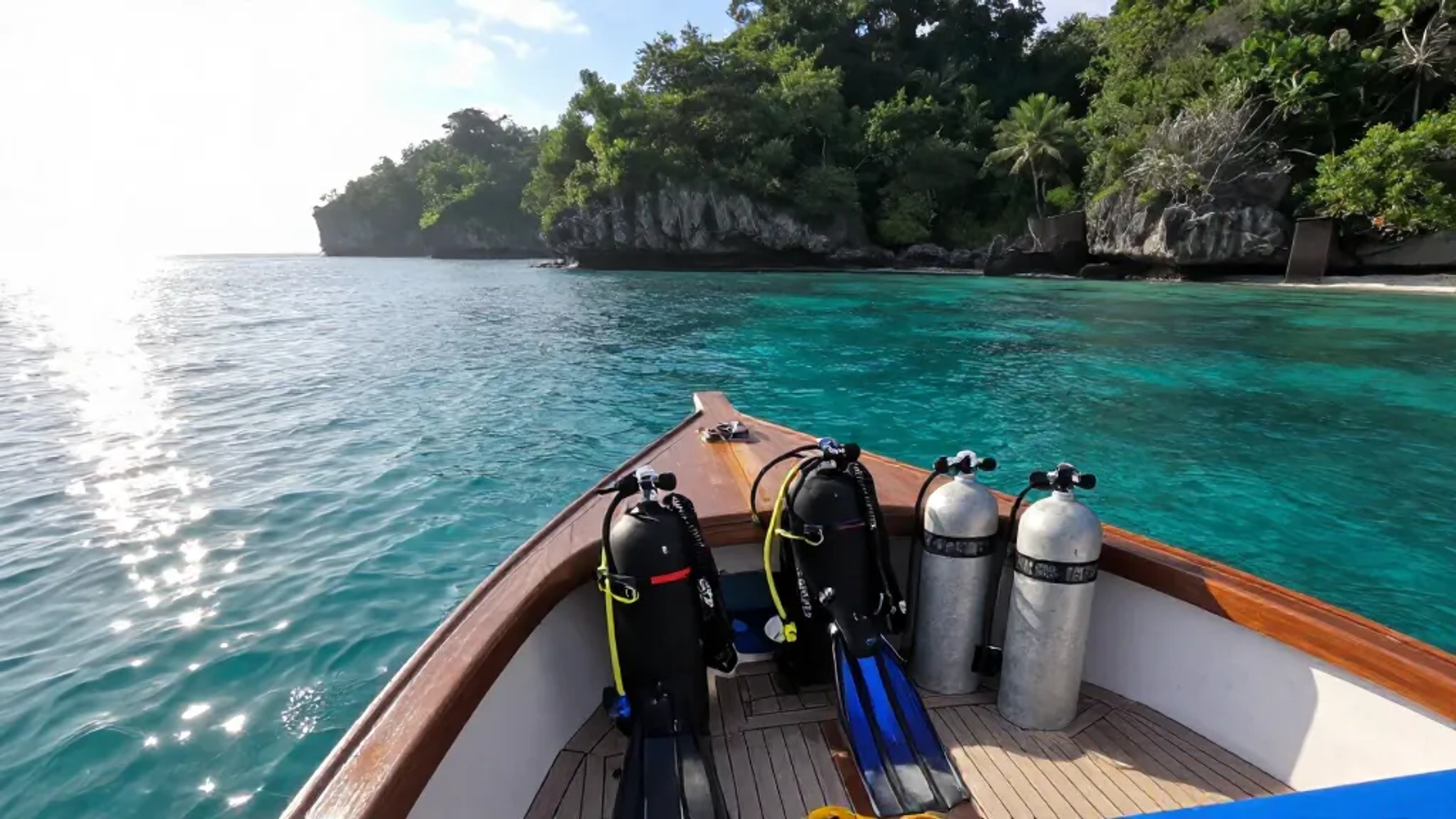
Bali is a world class destination for underwater enthusiasts, but timing your trip is everything. Water clarity and currents change throughout the year, so you need to know the best Bali diving season to get the most for your money. This list covers the specific months and locations that offer the clearest views and safest conditions for your next trip.
1. Clear Water Days in Sunny April
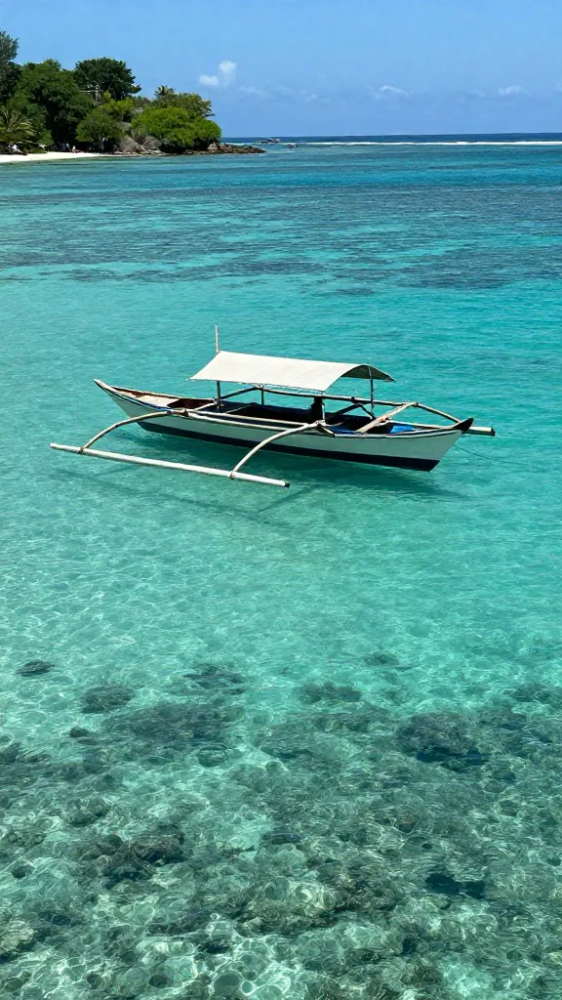
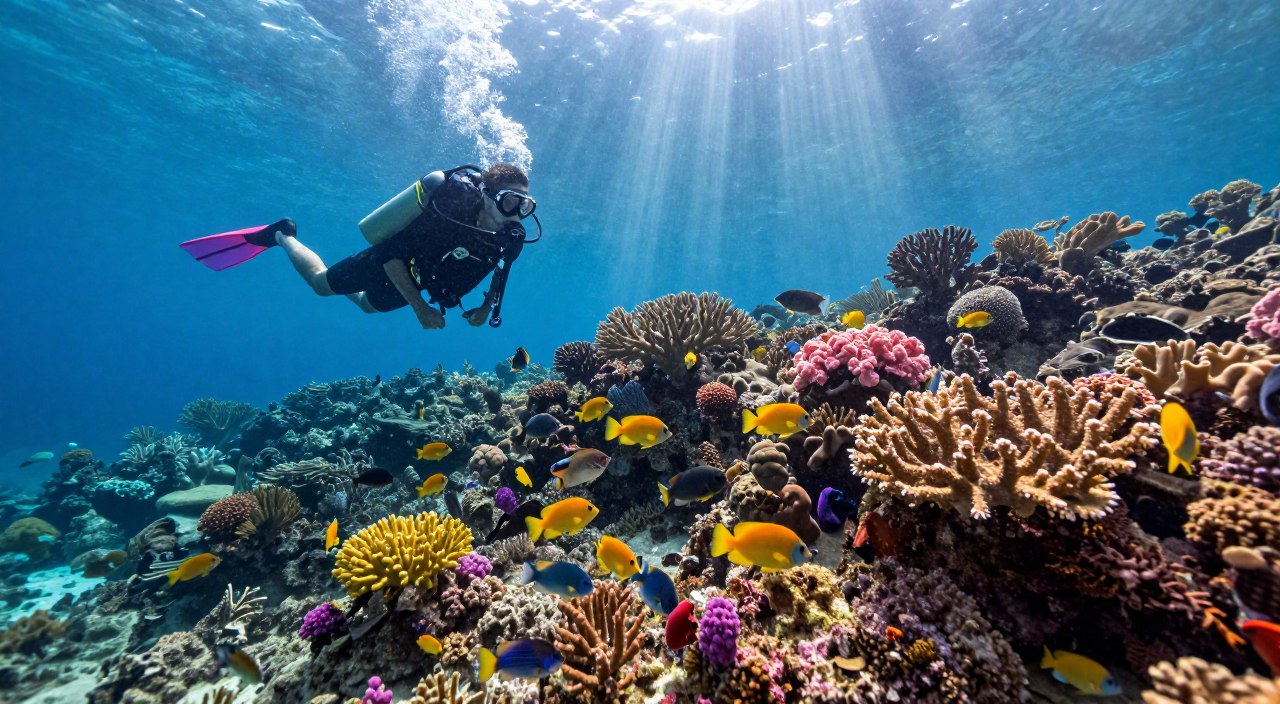
April is the secret sweet spot for divers because the rainy season has finally cleared out, but the heavy crowds haven’t arrived yet. You get those glassy, flat seas that make boat rides to Nusa Penida or Padang Bai feel like a breeze. The visibility starts to peak during this month, often reaching 30 meters or more in the right spots.
If you tried scuba diving in Bali in February, you might have dealt with some leftover silt from the rain. By April, the water is crisp and the sun hits the reefs at just the right angle for photos. It is easily some of the best scuba diving in Bali for beginners because the surface conditions stay so calm and predictable.
You can spend your mornings at the USAT Liberty wreck in Tulamben without fighting a hundred other divers for space. The water temperature hovers around 28 degrees Celsius, so you won’t even need a thick wetsuit. It is the perfect time to see the resident turtles and schools of jackfish in high definition.
2. Warm Ocean Temperatures for May Explorers
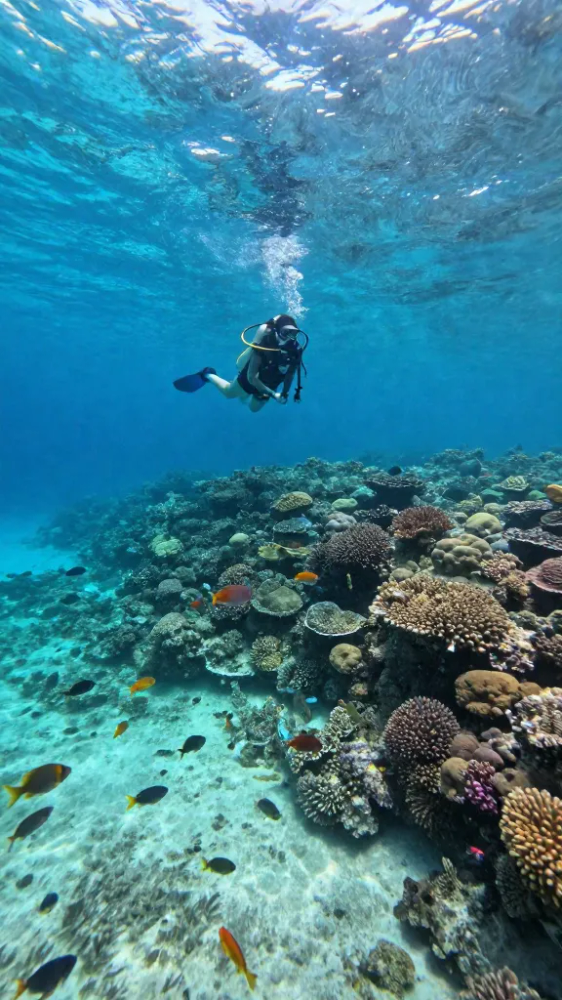
Imagine dropping into the water at Crystal Bay and feeling that sudden, refreshing clarity without the usual bone chilling thermoclines. By May, the wet season has fully cleared out, leaving the Lombok Strait exceptionally calm and inviting for long sessions underwater.
| Feature | May Conditions | Peak Season (July/Aug) |
|---|---|---|
| Water Temp | 28°C to 29°C | 24°C to 26°C |
| Crowd Levels | Moderate | Very High |
| Visibility | 25m to 30m | 30m plus |
The water temperature hits a sweet spot that allows you to ditch the thick 5mm neoprene for a comfortable shorty or thin skin. This is a massive contrast to scuba diving in Bali in February, when you might still deal with choppy surface conditions and occasional runoff from the late rains.
Since this month sits right before the school holiday rush, you can often find a better scuba diving Bali price on multi day boat packages. You’ll get the same high quality gear and expert guides but with far fewer divers bumping into your fins at the popular wreck sites.
3. Calm Seas for Beginners in June
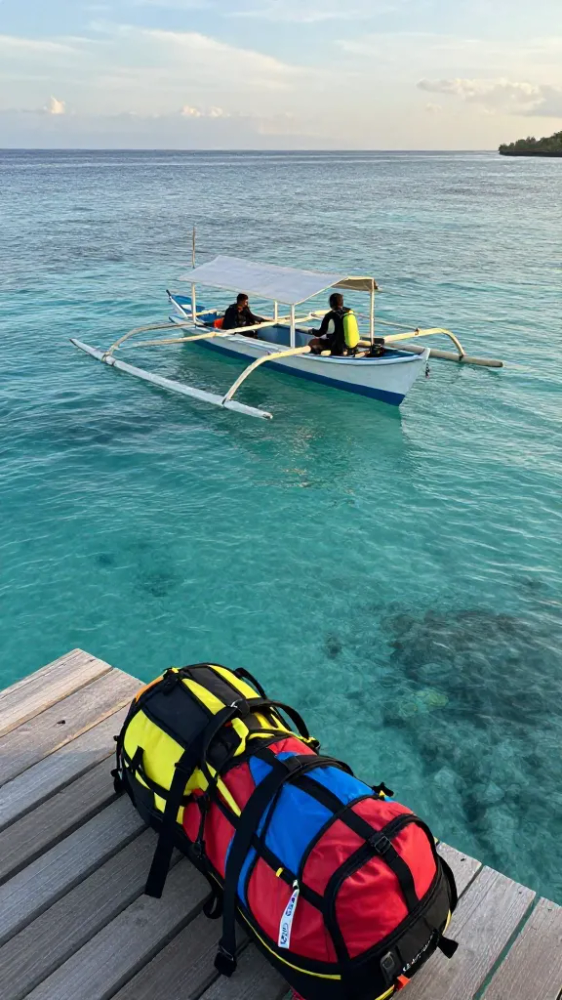
June is the best time to start your underwater hobby because the waters around Nusa Penida are remarkably flat and predictable. You won’t have to fight heavy surface swells when you’re trying to practice your first regulator clears or mask clears. The visibility often hits thirty meters this month, so you can actually see what your instructor is doing from across the reef.
Most shops offer a fair scuba diving Bali price for beginner certifications during this window since it’s just before the peak July rush. You can head to Crystal Bay or Manta Point without worrying about the chaotic currents that sometimes plague these spots later in the year. It’s a low stress way to see giant manta rays while you’re still getting comfortable with your buoyancy control.
4. Nusa Penida Mola Mola Sightings in July
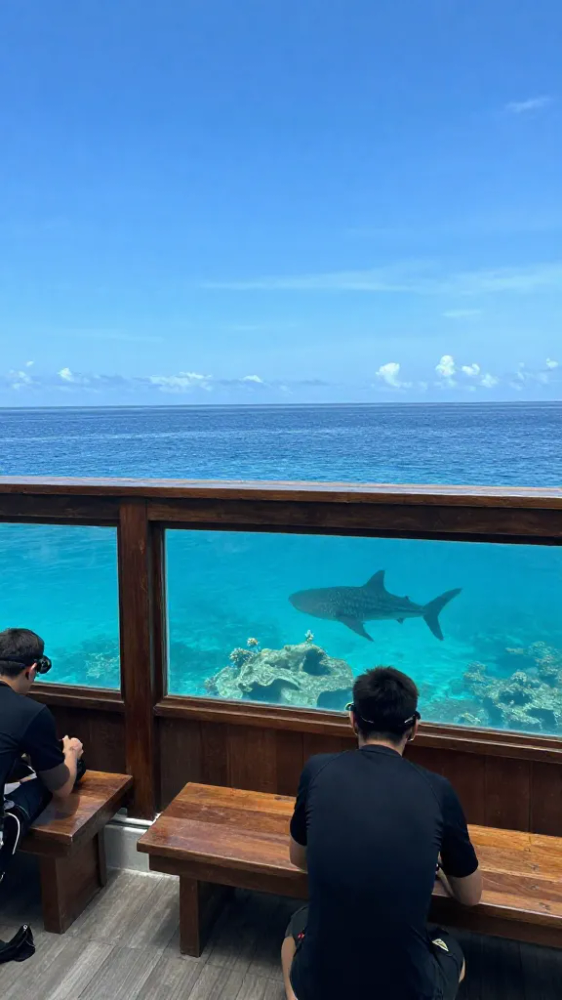
You need to head to the deep cleaning stations around Nusa Penida during July if you want a real shot at seeing the Mola Mola. The water temperature drops significantly this month as cold upwellings bring these massive sunfish up from the deep to get cleaned by bannerfish.
Crystal Bay and Blue Corner are the most reliable spots for scuba diving Bali Nusa Penida during this window. You’ll definitely feel the thermoclines, which can hit a chilly 18 degrees Celsius, so a thick wetsuit is non negotiable for comfort.
- Wear a 5mm wetsuit with a hood to handle the sudden cold water surges.
- Keep your eyes on the blue water rather than the reef to spot them drifting in.
- Avoid chasing the fish, as they are shy and will swim back to the depths if they feel crowded.
- Book your boat early because July is peak season for the best diving in Bali and spots fill up fast.
Watching a three meter tall prehistoric looking fish hover motionless in the current is a memory that stays with you forever.
5. Peak Visibility During August High Season
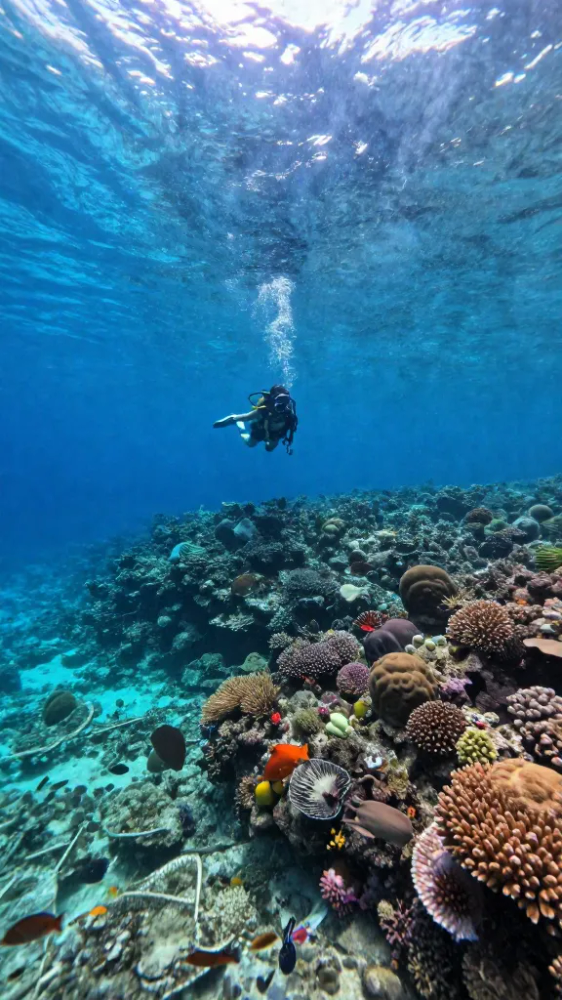
If you’re asking when the water is the clearest it’ll ever get, August is the month you want to book. The southeast monsoon winds bring cold, nutrient-rich currents up from the deep, which strips away the particles and leaves you with incredible 30 to 40-meter sightlines. It’s easily the best diving in Bali if you hate that murky, green soup feeling.
You’ll definitely want a thicker 5mm wetsuit because those crystal-clear conditions come with a bit of a chill. The water temperature can drop to 24 degrees Celsius around Nusa Penida, but it’s worth it to see the Mola Mola drifting out of the blue. These massive sunfish love the cold water and they’re much easier to spot when the visibility is this sharp.
Since this is the height of the tourist season, you should expect to pay a bit more for your boat seats and gear rentals. The Bali diving cost tends to peak in August because every shop is fully booked weeks in advance. If you don’t mind the crowds at the surface, you’ll be rewarded with some of the most stunning underwater photography opportunities of the year.
6. September Manta Ray Encounters at Manta Point
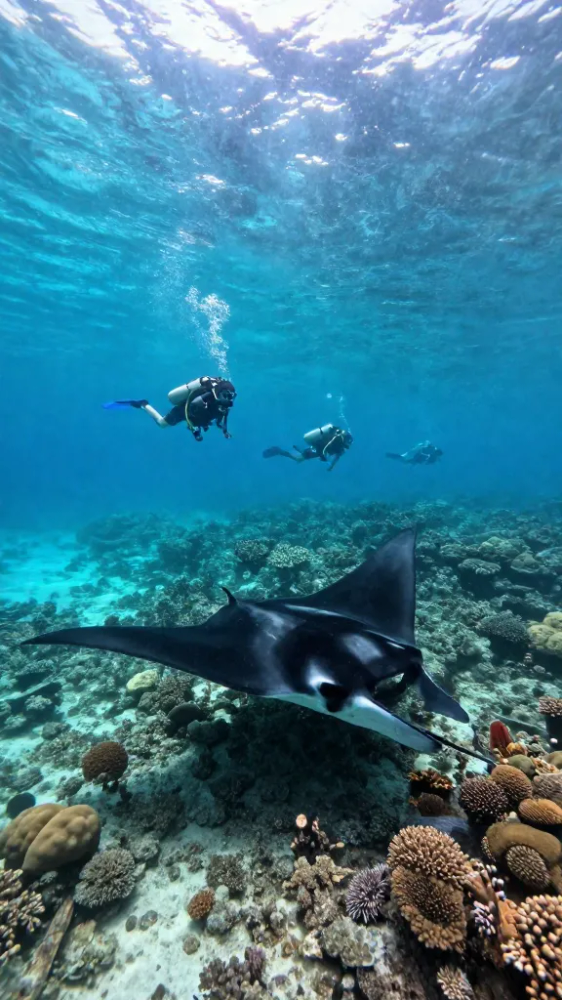
September is the sweet spot for visiting Manta Point off Nusa Penida because the water is cooling down. These colder currents bring in the plankton that Manta Rays love, making sightings almost guaranteed during your trip.
While the surface can get a bit choppy, the action below is worth the boat ride from the mainland. You’ll often find yourself hovering over cleaning stations as massive rays circle just inches above your head.
- Cleaning Stations are the specific coral outcrops where mantas hover to let smaller fish pick parasites off their skin.
- Water Temperature usually drops to around 22 or 24 degrees Celsius, so you will definitely want a 5mm wetsuit for this dive.
- Visibility stays quite clear this month, which helps you spot the rays even when they are gliding at the edge of the reef.
- Bali diving package deals often bundle Manta Point with Crystal Bay, giving you a shot at seeing both mantas and Mola Mola in one day.
Budgeting for this trip is straightforward since most shops offer a fixed Bali diving cost for the three-dive Nusa Penida trip. Expect to pay a bit more for the fuel surcharge, but the experience of being surrounded by ten or more rays is unbeatable.
7. Tulamben Shipwreck Exploration in October
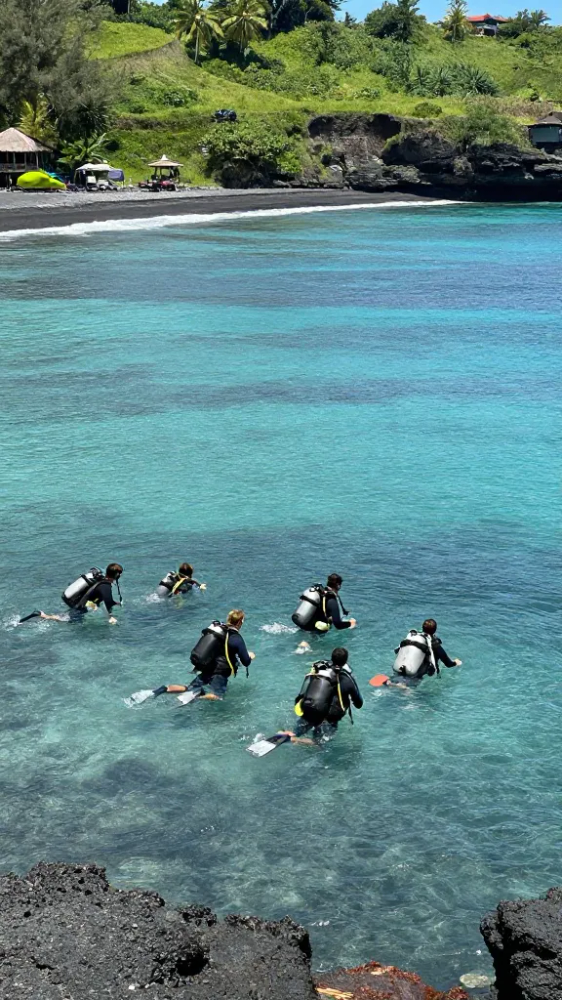
You can approach the USAT Liberty wreck in Tulamben two ways. Some divers prefer the early morning rush to beat the crowds, while others wait for the calm of a night dive when the bumphead parrotfish come out to sleep.
October is the sweet spot because the water is still warm and the visibility often hits 30 meters. During this month, the swell dies down, making the shore entry over those slippery volcanic rocks much easier for anyone on a Bali diving package.
I recommend sticking to the mid morning window around 10:00 AM. The sun hits the wreck at a perfect angle to light up the soft corals, which looks better than the flat light of dawn.
Most PADI diving Bali schools will suggest this timing to see the macro life like pygmy seahorses hiding in the fans. It is the best way to see the sheer scale of the 120 meter long ship without feeling rushed by the sunrise groups.
8. Affordable Diving Packages During November

November is the sweet spot for travelers who want to save money without sacrificing the quality of their underwater experience. Since this month sits right between the peak dry season and the holiday rush, many shops offer significant discounts to keep their boats full.
You can often find PADI Diving Bali centers bundling multiple days of shore and boat dives at a fraction of the July price. This is the perfect time to book a package in Amed or Tulamben where accommodation and diving are frequently sold as a single, low cost deal.
While the Bali diving season starts to transition into the rainy period, the water remains warm and the crowds are thin at popular sites like the USAT Liberty wreck. You’ll get more personal attention from your dive guide and plenty of space on the boat for your gear. Taking advantage of these off peak rates lets you extend your trip or upgrade your equipment with the money you saved.
9. Budget Friendly Trips During the Rainy Season
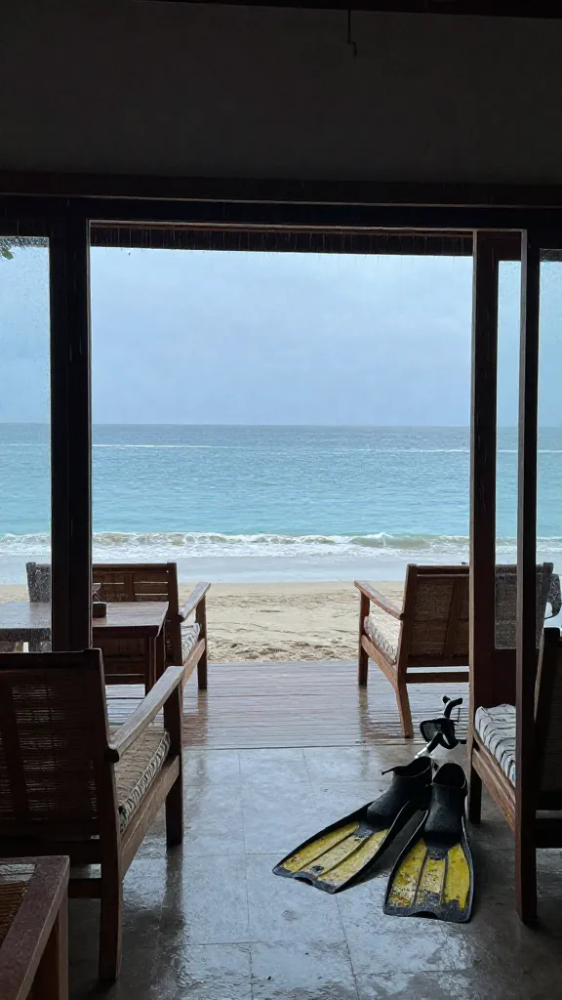
Diving in Bali doesn’t have to drain your savings if you plan around the wetter months from November to March. You’ll find that resorts and dive shops drop their prices significantly to fill empty seats, making it the best time to snag a deal. While the rain might seem like a drawback, it usually falls in short bursts rather than all day long.
The eastern coast near Amed and Tulamben stays relatively calm and offers some of the best scuba diving in Bali for beginners during this window. You can shore dive the USAT Liberty shipwreck for a fraction of the high season cost. The water remains warm, so you won’t need a thick, expensive wetsuit rental to stay comfortable during your bottom time.
Visibility might dip slightly near river mouths, but the macro life thrives in these conditions. You can spend your extra cash on better gear or more dives since your accommodation will likely be half price. It’s a smart way to experience world class sites while keeping your bank account happy.
10. Wet Season Macro Photography in January
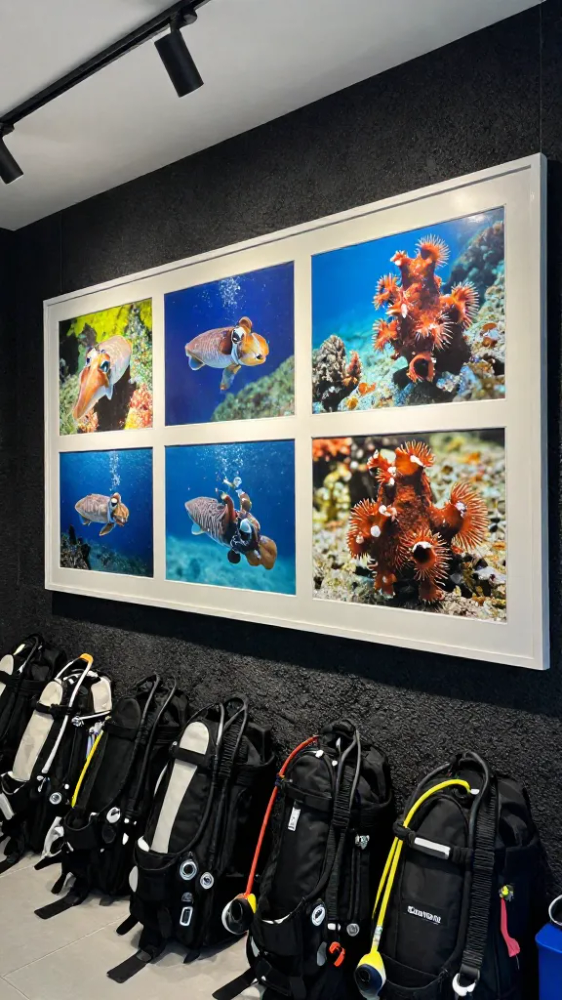
January is the absolute best time for Bali scuba if you care more about tiny, weird critters than sunny beach days. While the rain keeps the crowds away, the runoff brings a nutrient surge that makes macro life go crazy in spots like Puri Jati and Secret Bay.
You’ll find flamboyant cuttlefish and hairy frogfish hiding in the dark volcanic sand. The water stays warm, usually around 28 degrees, so you can spend eighty minutes hovering over a single nudibranch without getting the chills.
Don’t let the surface storms scare you off from your plans to dive in Bali this month. Most of the action happens in shallow, protected bays where the surge is minimal even when it’s pouring outside.
The overcast skies actually help with lighting your shots because you don’t have to fight harsh mid day sun glares. It’s a moody, quiet time of year that rewards photographers who don’t mind getting a little damp before they jump in.
11. Chasing Marine Life in February
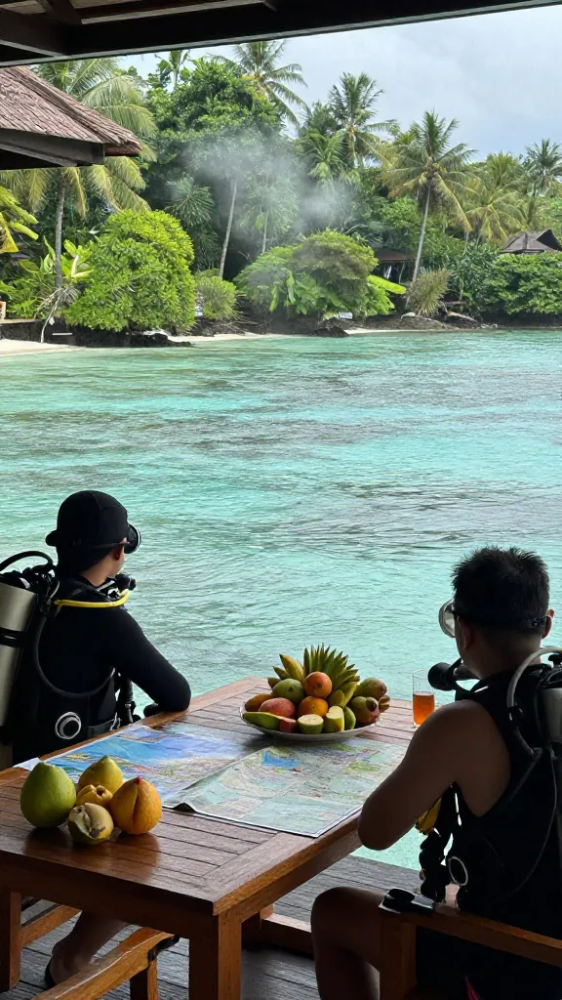
February is the sweet spot for seeing the ocean’s heavy hitters without the massive crowds. While it’s technically the rainy season, the water stays warm and the Bali scuba conditions around Tulamben remain surprisingly clear.
You’ll find the USAT Liberty wreck surrounded by massive schools of bigeye trevally and the occasional blacktip reef shark. The rain usually hits in short bursts, so you can spend your surface intervals watching the mist roll over Mount Agung while waiting for your next tank.
- Head to the Tulamben drop-off early in the morning to catch the bumphead parrotfish waking up.
- Keep your eyes on the blue water at Seraya Secrets for a chance to spot passing eagle rays.
- Bring a light 3mm wetsuit since the water temperature rarely dips below 28 degrees Celsius.
- Book a night dive to see the wreck come alive with giant moray eels and Spanish dancers.
It’s the best time for scuba diving Bali Tulamben if you prefer a quiet boat and plenty of space to frame your underwater photos.
12. Spring Transitions and Emerging Corals in March
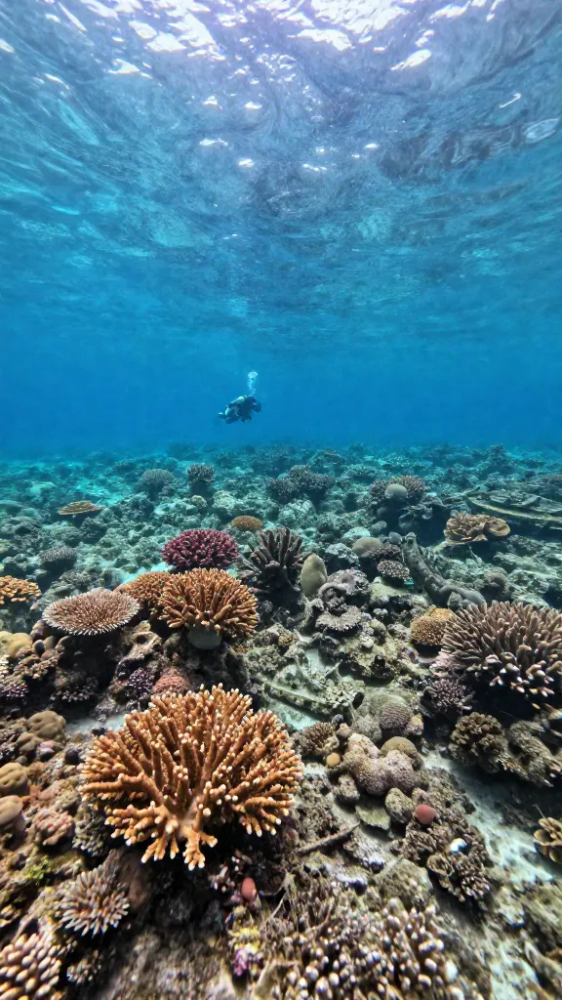
March is a bit of a sweet spot because the rainy season is finally winding down. You’ll catch the ocean starting to settle, which means visibility at spots like the USAT Liberty wreck begins to clear up beautifully.
I usually tell people that scuba diving Bali Tulamben this month is great for seeing life emerge after the heavier rains. The water is warm, often sitting around 28 or 29 degrees Celsius, so you won’t need a thick wetsuit at all.
If you book a Bali diving tour during this window, you get to beat the massive crowds that show up later in the summer. You can actually take your time looking for pygmy seahorses or ghost pipefish without ten other divers kicking up silt nearby.
The coral gardens are particularly vibrant right now as the nutrient rich waters from the wet season have done their work. It is a fantastic time for macro photography fans who want to find rare nudibranchs along the black sand slopes.
13. Booking Your First PADI Course in Summer
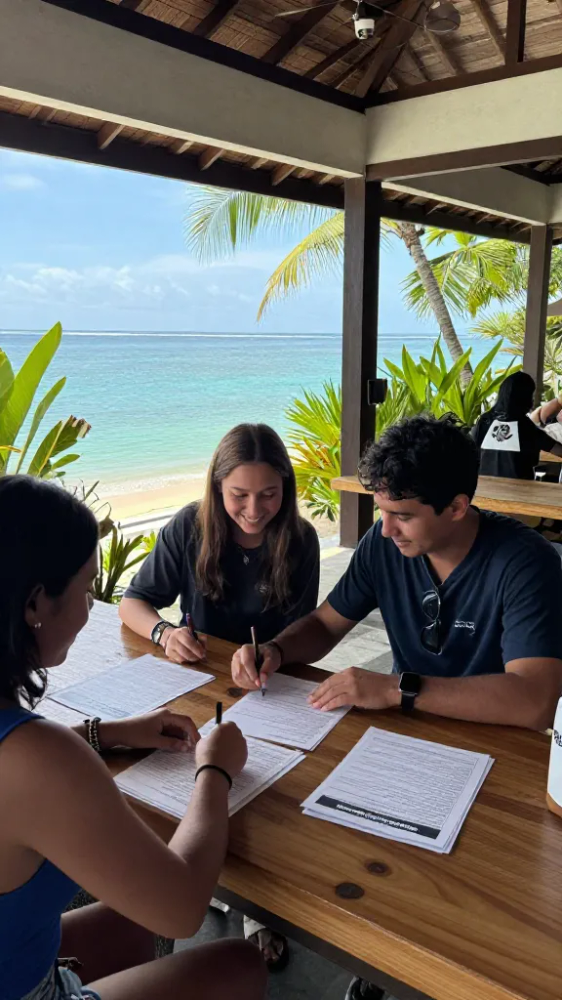
Summer in Bali brings the clearest water and the calmest surface conditions of the year. It is the best time for diving in Bali for beginners because you won’t have to fight heavy swells while practicing your skills.
The most important part of starting out is your comfort in the open ocean. During the dry season, visibility often exceeds 30 meters, which helps new divers stay calm since they can see their instructor and the bottom clearly at all times.
- Pick Sanur for your first day. The shallow, sandy lagoons here are perfect for your first confined water sessions because there is almost no current.
- Head to Tulamben for the wreck. Most beginners do their final qualifying dives at the USAT Liberty wreck since you can walk right in from the beach.
- Check the boat schedule. A Bali diving tour during these months fills up fast, so you should secure your spot at least two weeks before you land.
You will likely find the water temperature sits around 28 degrees Celsius. This means you can stay in the water for your full training session without getting cold or tired quickly.
14. Finding Deep Sea Currents in Late Autumn
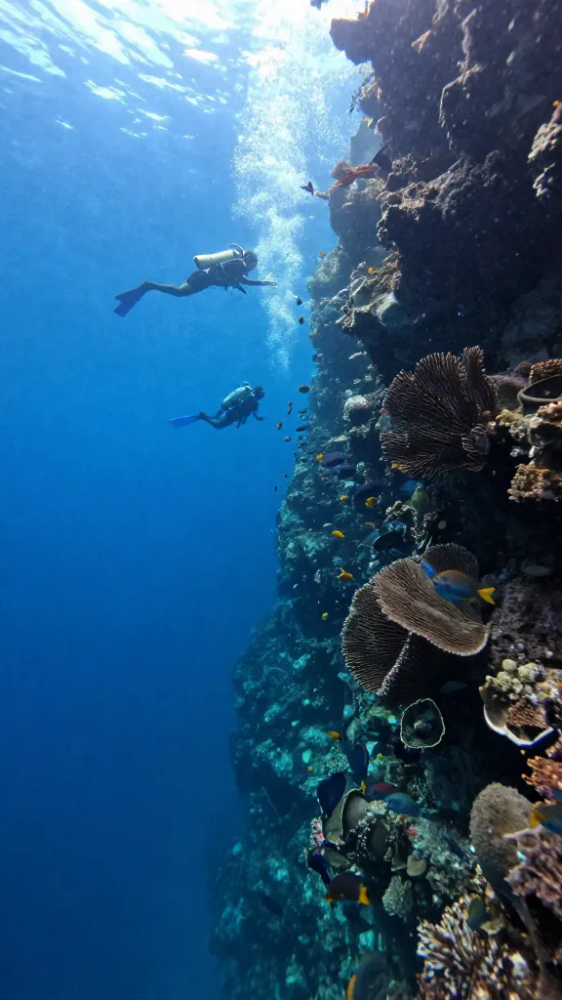
Late autumn in Bali, specifically November, presents a choice between the calm, sheltered bays of Amed and the high-energy drifts of Nusa Penida. While the bays offer easy entries and colorful coral gardens, they lack the raw power of the deep sea channels found further south.
The southern islands are where you’ll find those famous vertical walls and cooling currents that pull nutrient-rich water from the depths. Some divers prefer the predictable conditions of the north coast because it’s the best time for diving in bali for beginners who want to avoid heavy surges.
I recommend heading to the Ceningan Wall during this window if you have your advanced certification. The water clarity is still decent before the monsoon rains hit hard, and the current allows you to fly past the reef with minimal effort.
It is a far more rewarding experience than kicking through the stagnant water of the shallower sites. You get to see the big pelagics that only show up when the water is moving, making the extra effort worth it.
15. Quiet Reefs and Low Prices in December
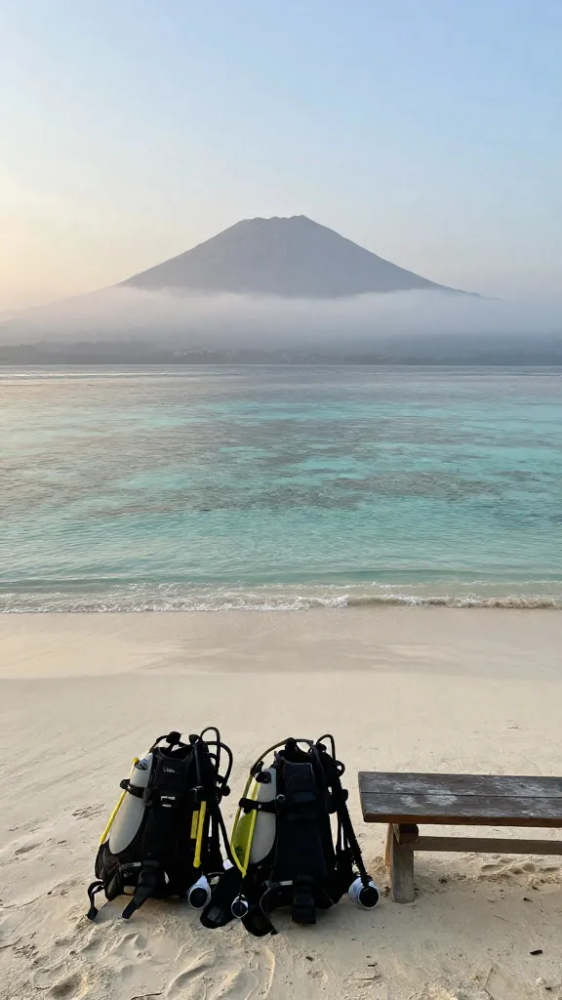
Imagine pulling up to the Tulamben shore at sunrise and finding you’re the only person gearing up to hit the Liberty Wreck. While most travelers wait for the dry season, December offers a sweet spot where hotel rates drop and the crowds vanish.
| Feature | Peak Season (August) | Quiet Season (December) |
|---|---|---|
| Diver Count | High / Crowded | Low / Private |
| Accommodation | Premium Pricing | Budget Friendly |
| Water Temp | 25°C (Chilly) | 29°C (Toasty) |
The water stays warm during this part of the Bali diving season, so you can ditch the thick wetsuits for a thin 3mm skin. You might deal with a quick afternoon rain shower, but the underwater visibility at sites like Amed remains surprisingly clear.
Since it’s the off-peak window, dive shops are often willing to negotiate better gear rental rates or multi-day packages. It’s the best time to figure out where to dive in Bali without fighting for space on a crowded boat deck.
Wrapping Up
Bali offers incredible underwater views all year if you know where to look. This guide helps you pick the right window for your skill level and budget. Whether you want to see the mola mola or find the best scuba diving in Bali for beginners, there is a perfect time for you. Grab your gear and start planning your next trip to these famous reefs today.