Bali weather February sits squarely in the island’s wet season, but that doesn’t mean you should cross it off your travel calendar. After spending multiple Februarys across different regions of this Indonesian island, I’ve learned that this month offers distinct advantages alongside its challenges. The question isn’t whether it rains, it’s whether the trade-offs work for your travel style and budget.

This guide breaks down exactly what to expect from Bali’s February climate, region by region. You’ll discover which areas stay relatively dry, how to time your activities around rainfall patterns, and why thousands of savvy travelers deliberately choose this low season month. I’ll share specific temperature data, humidity levels, and practical strategies I’ve developed through years of navigating Bali during its wettest period.
By the end, you’ll know whether February aligns with your vacation goals, what to pack, and how to maximize every day of your trip.
Understanding Bali’s February Climate Patterns
February marks the peak of Bali’s rainy season, driven by the northwest monsoon that dominates Indonesia from December through March. This tropical climate system brings warm, moisture-laden air from the ocean, resulting in frequent afternoon downpours and elevated humidity.
Temperature and Humidity Levels
Temperature remains consistently warm throughout February. Daytime highs average 30-32°C (86-90°F), while nighttime lows rarely drop below 24°C (75°F). The sea temperature hovers around 28°C (82°F), perfect for swimming and snorkeling.
Humidity tells a different story. Expect levels between 75-85%, creating that sticky tropical feeling. Mornings often start clear and pleasant, but as the day progresses, the air becomes increasingly heavy. The high humidity makes the actual temperature feel warmer than the thermometer suggests.
Rainfall Distribution Across the Island
Bali receives 150-250mm of rain during February, depending on location. This doesn’t mean constant downpours. Instead, expect short, intense showers that last 1-3 hours, typically arriving between 2-5 PM.
The rainfall pattern follows a predictable daily rhythm. Clear sunlight dominates mornings, clouds build through midday, and afternoon rain clears by evening. Some days bring light drizzle, others deliver dramatic tropical storms with thunder and heavy wind.
Regional Weather Variations (Coastal vs. Highlands)
Bali’s microclimates create significant weather differences across short distances. The Köppen climate classification designates the island as tropical wet and dry (Aw), but local topography modifies this considerably.
Coastal areas generally receive less rain than inland regions. Ubud and the central highlands experience 30-40% more rainfall than southern beach destinations. Elevation plays a crucial role, Bedugul at 1,200 meters receives nearly double the rain of sea-level Kuta.
Wind patterns also vary. Eastern coastal areas like Sanur and Padangbai face less wind exposure than western beaches. This affects both rain intensity and ocean conditions for water sports.
What to Expect: February Weather by Region
Understanding regional differences helps you choose the right base for your trip. Here’s what actually happens in each area during February.
South Coast Weather (Seminyak, Kuta, Nusa Dua)
Seminyak, Kuta, and Nusa Dua represent Bali’s prime beach territory during February. These southern coastal areas receive 150-180mm of rain monthly, lower than other regions.
Nusa Dua benefits from a unique microclimate. Protected by the Bukit Peninsula to the west, it experiences roughly 30% less rainfall than Canggu or Seminyak. Mornings typically stay dry until 11 AM, giving you solid beach time.
Kuta and Seminyak follow similar patterns. Expect clear mornings perfect for surfing or beach walks. The sky clouds over by noon, with rain arriving around 2-4 PM. Evening clears allow for restaurant dinners and nightlife.
The ocean remains swimmable, though afternoon storms can create choppy conditions. Surfing conditions actually improve during wet season, with consistent swells from the southwest.
Ubud and Central Highlands Conditions
Ubud weather February brings the heaviest rainfall on the island. Located inland at 300 meters elevation, this cultural hub receives 200-250mm of rain monthly.
Rain arrives earlier in Ubud, often starting by 1 PM. The jungle surrounding the town creates additional moisture, keeping humidity levels near 85%. Temperature runs 2-3°C cooler than coastal areas, a welcome relief from the heat.
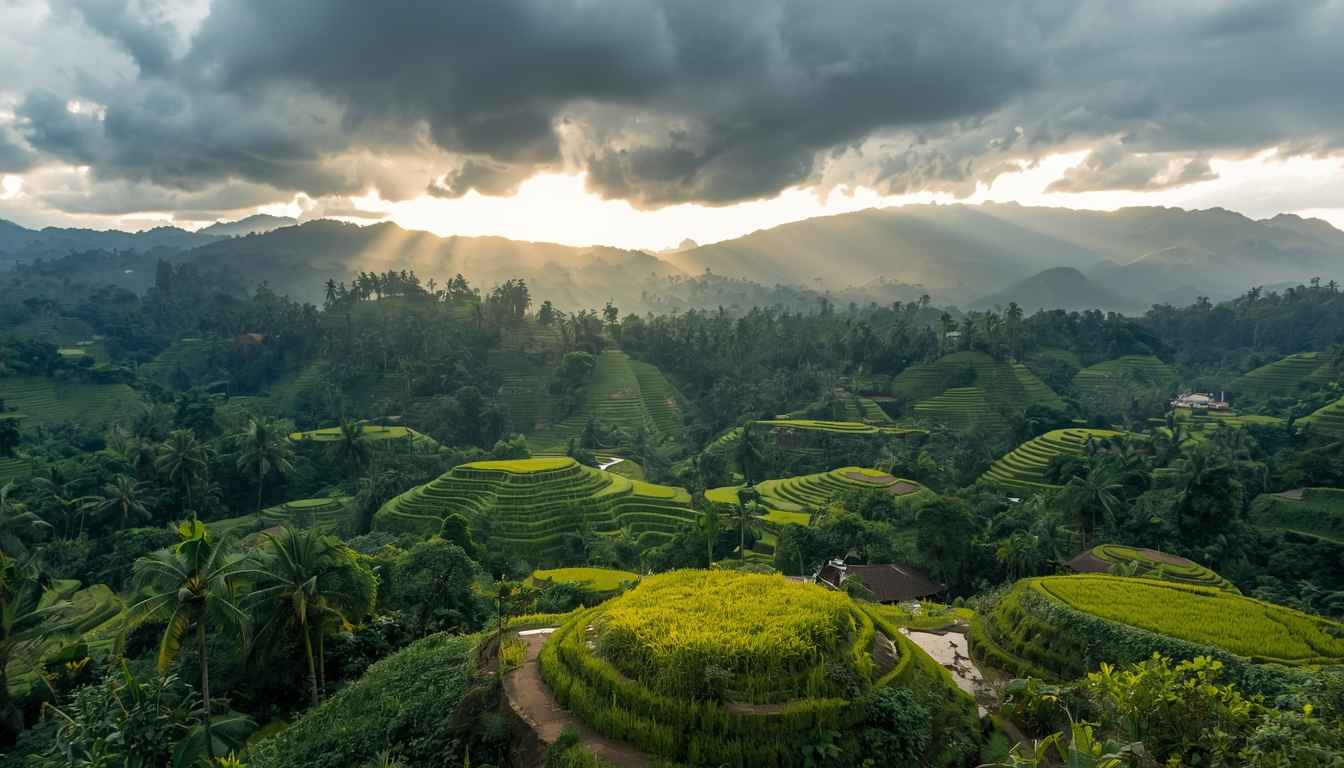
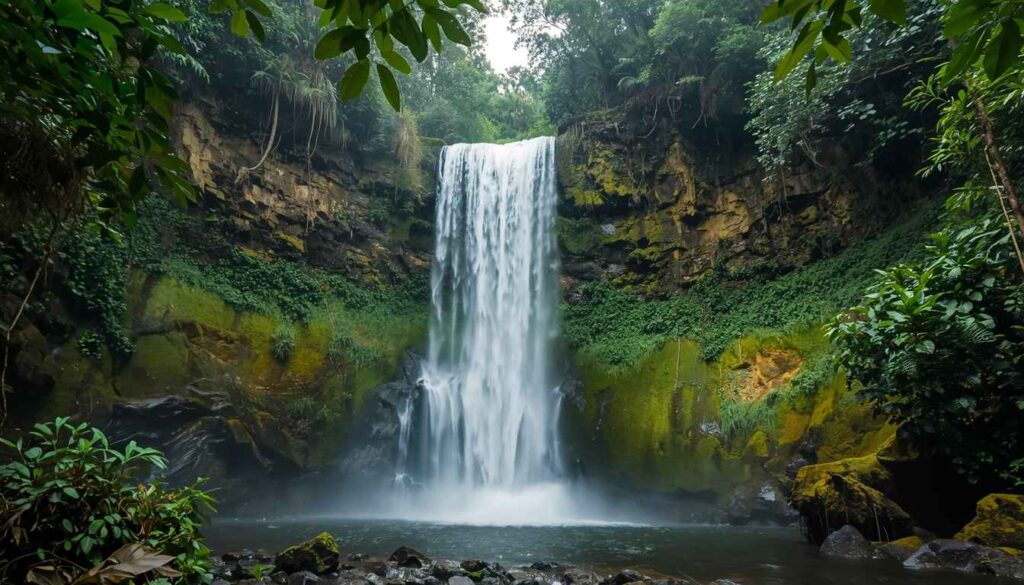
This extra rain transforms the landscape. Rice terraces reach peak green, waterfalls flow at maximum volume, and the jungle explodes with vegetation. Debris from storms can temporarily affect trekking paths, though main routes stay maintained.
Cultural attractions like temples, museums, and cooking classes operate normally. Many venues feature covered spaces perfect for rainy season visits.
East Coast Areas (Sanur, Padangbai)
Sanur offers one of Bali’s most favorable February climates. This coastal town receives 140-170mm of rain, and its eastern location provides shelter from prevailing winds.
Sanur’s calm sea conditions make it ideal for families. The shallow waters and protective reef create safe swimming year-round. Morning sunrise views rarely disappoint, with clear skies dominating early hours.
Padangbai, a small port town further east, serves as the gateway to the offshore islands. Weather patterns mirror Sanur, with slightly more wind exposure. This makes it a reliable departure point for Nusa Penida and Nusa Lembongan trips.
Both areas maintain a quieter atmosphere than southern beaches, appealing to travelers seeking relaxation over party scenes.
Uluwatu and Bukit Peninsula
Uluwatu rainy season conditions differ from the rest of Bali. The elevated Bukit Peninsula receives 160-190mm of rain, but its limestone plateau drains quickly.
Rain falls harder but briefer here. A shower that lasts two hours in Ubud might clear in 45 minutes at Uluwatu. The elevation provides dramatic sky views, with storm clouds creating spectacular sunsets.
Surfing remains excellent throughout February. World-class breaks like Uluwatu, Padang Padang, and Bingin work consistently. Severe weather occasionally closes out breaks, but experienced surfers find rideable waves most days.
Clifftop venues and restaurants take advantage of the dramatic landscape. Many feature covered terraces where you can watch storms roll across the ocean.
Offshore Islands (Nusa Penida, Nusa Lembongan)
Nusa Penida weather February and conditions on Nusa Lembongan closely track the mainland, with subtle differences. These islands receive 150-180mm of rain monthly.
The islands’ smaller size means weather systems move through faster. A storm that soaks Ubud for three hours might pass the islands in 90 minutes. However, rougher sea conditions can disrupt boat schedules.
Snorkeling and underwater diving remain possible, though visibility decreases during heavy rain periods. Manta Point and Crystal Bay still offer encounters with marine life, best attempted during morning hours before afternoon storms.
Accommodation options are limited compared to mainland Bali, making advance booking important even during low season.
Hour-by-Hour Weather Guide for February
Understanding typical daily weather progression helps you schedule activities effectively. Here’s what to expect throughout the day in Bali during February.
6 AM: Clear skies dominate across most regions. Temperature sits around 25-26°C with moderate humidity. This is prime time for sunrise viewing, beach walks, and outdoor photography. The ocean appears calm and glassy, perfect for swimming or early surfing sessions.
12 PM: Clouds begin building, particularly in Ubud and highland areas. Temperature peaks at 31-32°C with rising humidity making it feel warmer. Coastal areas remain relatively clear, though you’ll notice cloud formation inland. Beach activities still work well, and restaurants with ocean views enjoy their best natural lighting.
3 PM: Rain arrives in most locations. Ubud and central regions experience the heaviest downpours, while coastal spots like Nusa Dua and Sanur might see lighter showers. This is when you want to be at covered attractions, restaurants, or back at your hotel. The rain brings temporary relief from heat and humidity.
6 PM: Showers typically clear, though not every day. Sky conditions remain cloudy but rain often stops. Temperature drops slightly to 28-29°C, creating pleasant evening conditions. This is prime restaurant time, with outdoor seating becoming comfortable again.
9 PM: Clear to partly cloudy conditions prevail. Occasional light rain may continue in Ubud, but coastal areas usually stay dry. Temperature settles around 26-27°C, ideal for evening walks or nightlife activities. Humidity remains elevated but feels less oppressive than midday.
Pros and Cons of Visiting Bali in February
Let’s examine the real advantages and disadvantages of February Bali travel based on actual experience.
Benefits of February Travel
Massive Cost Savings: Accommodation rates drop 40-60% compared to peak season. A hotel that costs $200 in July might run $80-100 in February. Flight prices similarly decrease, saving hundreds on international tickets.
Fewer Crowds: Popular attractions, beaches, and restaurants operate at half capacity. You’ll actually get photos at iconic spots without 50 people in frame. Restaurant reservations become unnecessary, and beach chairs remain plentiful.
Lush Green Scenery: Bali’s landscape reaches peak beauty during rainy season. Rice terraces display vibrant green terrace farming, waterfalls flow magnificently, and the entire island looks like paradise. Photographers particularly appreciate these conditions.
Excellent Surfing: Consistent swells from the southwest bring Bali’s best surf conditions. Breaks on the Bukit Peninsula and western coast work reliably, with fewer surfers competing for waves.
Authentic Cultural Experiences: With fewer tourists, you’ll interact more genuinely with local Balinese people. Cultural sites feel less commercialized, and you’ll witness daily life more naturally.
Better Service: Lower occupancy means hotel and restaurant staff can provide more attentive service. Special requests get accommodated more easily, and you’ll feel like a valued guest rather than a number.
Drawbacks to Consider
Daily Rain Disruptions: Afternoon rain limits outdoor activities. Beach time gets cut short, and you’ll need backup plans. Some days bring heavier rain that lasts into evening.
High Humidity: The sticky tropical climate feels uncomfortable for many visitors. Clothes take forever to dry, and you’ll shower twice daily. Electronics can suffer from moisture exposure.
Reduced Visibility for Activities: Underwater diving and snorkeling clarity decreases during rainy season. Water visibility drops from 30 meters to 15-20 meters on average. Some dive sites close temporarily after storms.
Rough Ocean Conditions: Strong wind and swells create challenging swimming conditions at some beaches. Boat trips to islands occasionally cancel due to rough seas. Water sports beyond surfing may have limited availability.
Maintenance Issues: Some venues close for annual maintenance during low season. You might find your favorite restaurant or attraction temporarily shut. Roads can develop potholes from heavy rain, affecting transportation.
Mold and Musty Smells: The combination of rain and humidity creates mold problems in cheaper accommodation. Expect musty odors in budget rooms, particularly those without proper ventilation.
Who February Is Perfect For
February works brilliantly for budget-conscious travelers, surfers, photographers, culture enthusiasts, and anyone who doesn’t mind working around rain. If you’re flexible with daily plans and prioritize cost savings over guaranteed sunshine, February delivers excellent value.
Who Should Avoid February
Beach lovers seeking daily sun should reconsider. Families with young children might struggle with afternoon rain disruptions. Travelers on tight schedules who need specific activities to work perfectly should choose dry season. Anyone bothered by high humidity or who needs guaranteed weather should visit June through September.
February Bali Travel Tips: Maximizing Your Experience
Success in February requires smart planning and the right expectations. Here’s how to make the most of Bali rainy season weather.
Detailed Packing Checklist
Essential Rain Gear (Don’t Leave Home Without):
- Lightweight packable rain jacket or poncho (not umbrella, wind makes them useless)
- Quick-dry clothing (synthetic fabrics over cotton)
- Waterproof phone case or dry bag
- Flip-flops or water-resistant sandals
- Small microfiber towel for wiping down
- Ziplock bags for protecting electronics
Nice-to-Have Items:
- Waterproof backpack cover
- Extra phone charging cables (moisture kills them)
- Anti-chafe cream (high humidity creates friction)
- Dehumidifying packets for luggage
- Light long-sleeve shirt for cooler Ubud evenings
Leave at Home:
- Expensive leather items (they mildew quickly)
- Heavy jeans or cotton pants
- Formal shoes requiring protection
- Excessive clothing (you’ll wear the same few items)
- Hairdryer (most hotels provide, high humidity makes styling pointless)
Best Activities During Wet Season
Morning activities take priority. Schedule beach time, outdoor adventures, and photo shoots before noon. Book sunrise tours to catch clear conditions.
Afternoon focus shifts to covered attractions. Museums, art galleries, cooking classes, spa treatments, and temple visits work perfectly during rain hours. Many restaurants in Seminyak and Canggu feature covered seating ideal for long lunches during storms.
Evening options open back up. Sunset viewing (when clouds cooperate), dinner at clifftop restaurants, cultural performances, and shopping at covered markets all work well after rain clears.
Timing Your Days Around Rain Patterns
The 6 AM to 12 PM window offers the most reliable weather. I schedule important activities, challenging hikes, and must-do experiences during these hours. By the time 2 PM rolls around, I’m already at a covered location or heading back to my accommodation.
The 3-6 PM shower period becomes planning time. Review the next day’s itinerary, book reservations, catch up on work, or simply rest. Accept this as downtime rather than fighting it.
Evening flexibility matters. Some nights clear perfectly for outdoor dining, others keep you indoors. Always have a backup plan ready.
Accommodation Strategies for Low Season
Choose hotels with covered common areas, swimming pools, and on-site restaurants. Being trapped in a basic room during afternoon rain feels miserable. Properties with spas, libraries, or activity programs help fill weather delays.
Location matters more in February. Staying in Nusa Dua gives you better odds of clear mornings than Ubud. However, Ubud’s cultural richness justifies the extra rain for many travelers.
Don’t assume low season means availability. Popular hotels still fill up, and the best properties maintain steady bookings. Reserve at least 2-3 weeks ahead.
Activities That Thrive in February
Certain experiences actually improve during Bali’s wet season. Here’s what works best in February.
Indoor and Covered Attractions
Ubud’s cultural venues shine during rainy season. The Agung Rai Museum of Art, Neka Art Museum, and Blanco Renaissance Museum provide hours of dry entertainment. Cooking classes at venues like Casa Luna or Paon Bali keep you covered while learning traditional recipes.
Temple visits work year-round. Most sacred sites feature covered areas for ceremonies and prayer. Tanah Lot actually looks more dramatic with storm clouds as backdrop. Bring rain protection for exposed walkways.
Shopping thrives in February. Seminyak’s boutiques, Ubud’s art markets, and Denpasar’s traditional markets operate normally. Bargaining often works better during low season when vendors seek sales.
Water Sports and Surfing Conditions
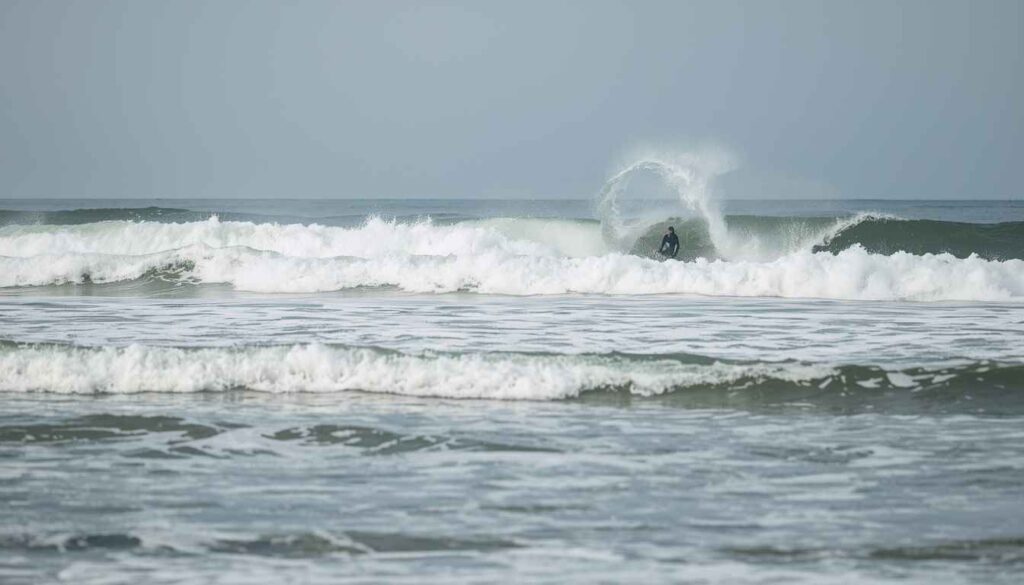
Surfing reaches peak conditions during February. Consistent southwest swells light up breaks along the Bukit Peninsula and western coast. Uluwatu, Padang Padang, Bingin, and Canggu all work reliably.
Beginner surfers should stick to protected breaks like Kuta Beach or take lessons during morning hours. Advanced surfers will find challenging waves at exposed reefs. Afternoon wind can affect conditions, making mornings optimal. things to do kuta
Snorkeling and diving remain viable with adjusted expectations. Manta Point off Nusa Penida still offers manta ray encounters. Tulamben’s wreck diving operates year-round. Choose morning departures when possible, book flexible tours that can reschedule if severe weather hits.
Cultural Experiences
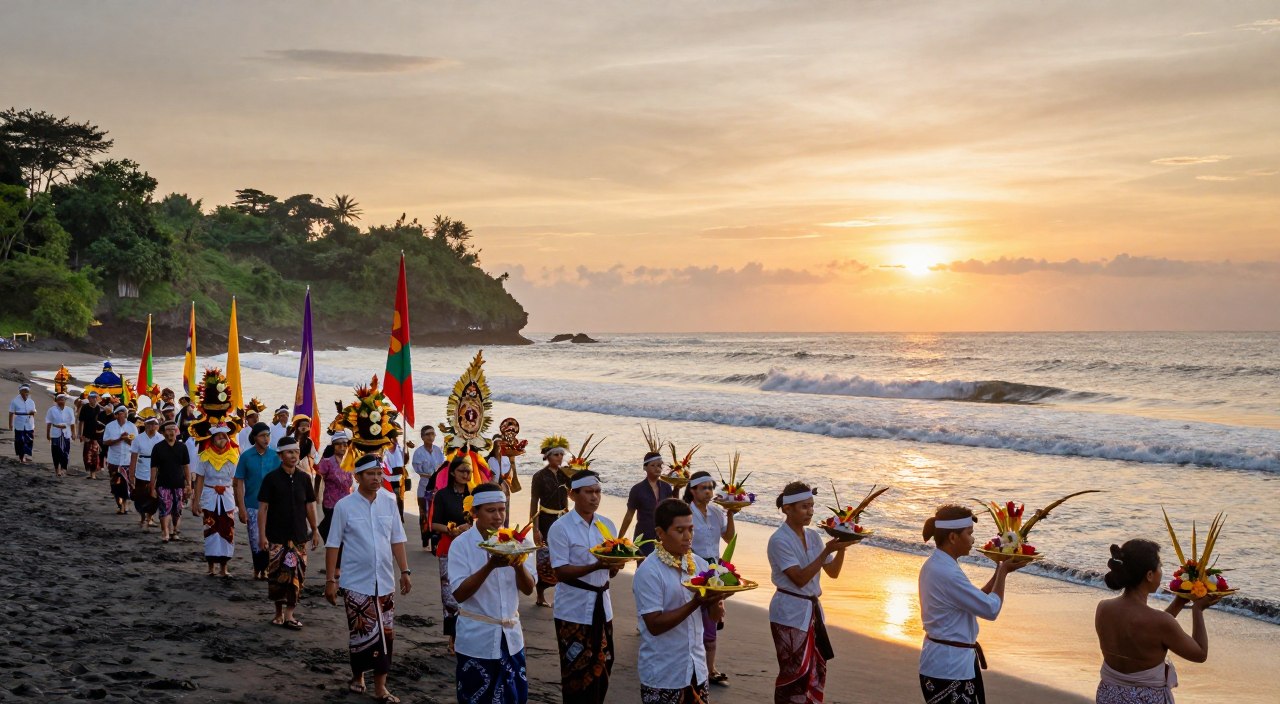
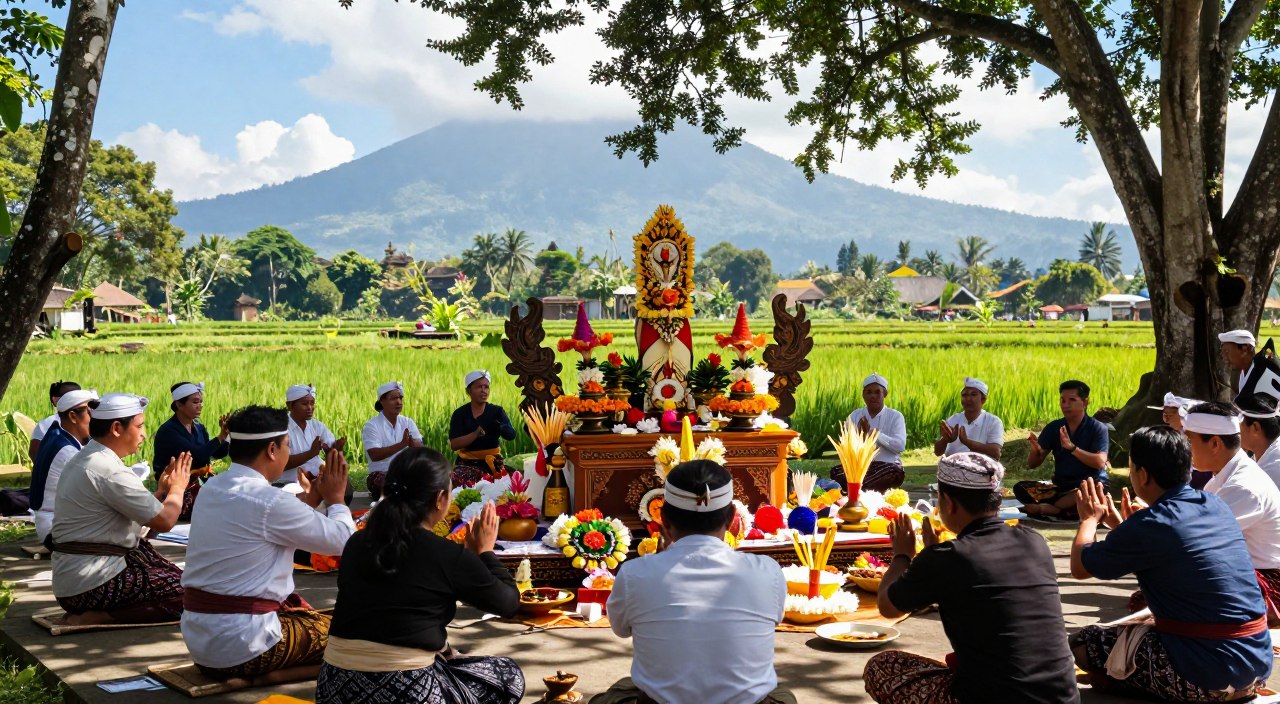
Balinese ceremonies continue regardless of weather. Temple festivals, cremations, and village celebrations happen throughout February. Your hotel can help identify local events worth attending.
Traditional dance performances in Ubud run nightly at venues like Ubud Palace and surrounding stages. These indoor shows provide perfect evening entertainment. Book tickets through your accommodation or directly at venue box offices.
Balinese massage and spa treatments feel especially satisfying during humid rainy season days. Numerous spas offer multi-hour packages perfect for filling afternoon storm periods.
Photography Opportunities
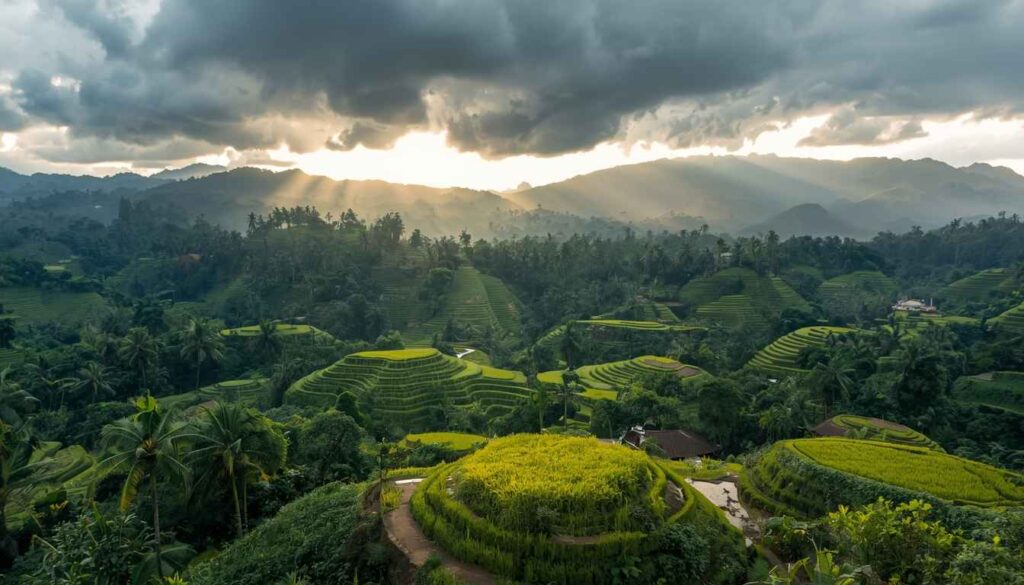
February delivers Bali’s most photogenic conditions for landscape photography. Rice terraces like Tegalalang and Jatiluwih reach maximum green saturation. The terrace systems appear vibrant against dramatic sky formations.
Waterfalls flow magnificently during wet season. Tegenungan, Tibumana, and Sekumpul waterfalls display their full power. Expect muddy paths and slippery rocks, bring appropriate footwear.
Storm photography offers unique opportunities. Dramatic clouds, lightning over the ocean, and rain-soaked landscapes create moody images impossible during dry season. Protect your camera with weather sealing or plastic covers.
Cost Breakdown: High Season vs. Low Season
Understanding the financial advantages helps put February’s weather trade-offs in perspective. Here’s what you actually save.
Accommodation Comparison:
Luxury 5-Star Resort (Nusa Dua)
- July (High Season): $350-500 per night
- February (Low Season): $180-280 per night
- Savings: 40-50% ($170-220 per night)
Mid-Range Hotel (Seminyak)
- July: $150-220 per night
- February: $75-120 per night
- Savings: 45-50% ($75-100 per night)
Budget Guesthouse (Ubud)
- July: $40-60 per night
- February: $20-35 per night
- Savings: 40-50% ($20-25 per night)
Flight Cost Patterns:
International flights to Denpasar drop significantly in February. Round-trip tickets from major cities show these typical savings:
- From Australia: $300-500 (35-40% reduction)
- From Singapore: $100-150 (30-35% reduction)
- From Europe: $400-600 (25-30% reduction)
- From North America: $300-500 (20-25% reduction)
Activities and Services:
Most tour operators and activity providers maintain consistent pricing year-round. However, negotiation becomes easier during low season. Private drivers, multi-day tours, and spa packages often offer 10-20% discounts for direct bookings.
Restaurant and Dining:
Prices remain stable, but you’ll find more promotional offers. Happy hour deals extend longer, set menus appear more frequently, and restaurants offer discounts to fill tables during slower periods.
Total Weekly Savings Example:
A couple staying one week in February versus July saves approximately:
- Accommodation (7 nights mid-range): $525-700
- Flights (2 people): $400-600
- Activities and tours: $50-100
- Total estimated savings: $975-1,400
This represents serious money that can extend your trip, upgrade experiences, or simply stay in your pocket.

Microclimate Explained: Why Weather Varies Across Bali
Bali’s compact size (5,780 square kilometers) belies its dramatic climate variations. Understanding these microclimates helps you choose optimal locations.
Topographical Impact:
The island’s central mountain range, culminating in Mount Agung at 3,142 meters, creates distinct weather zones. Western and northern slopes receive moisture-laden wind first, producing heavier rain. Eastern slopes sit in a relative rain shadow, receiving 20-30% less precipitation.
This explains why Nusa Dua stays drier than Canggu. The Bukit Peninsula extends south of the main mountain barrier, receiving less orographic (mountain-caused) rainfall. Canggu sits directly west, catching moisture before it rises and precipitates over the highlands.
Ocean Current Influence:
The Indonesian Throughflow current system affects local sea temperatures and moisture availability. Eastern coastal areas like Sanur and Padangbai benefit from slightly cooler, more stable ocean conditions. Western beaches face more variable wind and wave patterns.
El Niño-Southern Oscillation Effects:
Climate patterns like El Niño and La Niña modify typical February weather. During El Niño years, Indonesia often experiences drier conditions than normal. La Niña years bring increased rainfall. The 2024-2025 period sits in neutral ENSO conditions, meaning typical rainy season patterns prevail.
Urban Heat Island Effect:
Denpasar and heavily developed areas like Kuta and Seminyak generate urban heat that modifies local weather. These zones can see slightly reduced rainfall compared to surrounding areas, though higher humidity from pavement and construction.
Real Traveler Insights: A Week in Bali This February
Here’s exactly what a week in Bali looks like during February, based on actual experience.
Day 1 – Arrival in Seminyak: Landed at Denpasar airport around 2 PM. Clear skies during taxi ride to Seminyak. Checked into a hotel I booked for $95 per night (would’ve been $180 in July). Explored beach area until 4 PM when light rain started. Ducked into a beachfront restaurant for dinner, rain cleared by 6:30 PM. Evening walk along the beach under partly cloudy skies. Cost savings already evident in empty restaurants offering 2-for-1 drink specials.
Day 2 – Uluwatu Exploration: Woke to perfect sunrise. Drove to Uluwatu by 7 AM, explored temple with only 20 other visitors (versus hundreds in high season). Watched traditional Kecak dance at 10 AM, still under clear skies. Lunch at clifftop restaurant with ocean views. Rain hit at 3 PM while we were back at hotel, lasted 90 minutes. Dinner at Jimbaran Bay seafood restaurants, clear evening perfect for beach dining.
Day 3 – Move to Ubud: Checkout and drive to Ubud took 90 minutes through lush, green landscape. Rain started earlier here at 1:30 PM. Explored Ubud Market under overcast skies, bought art at great prices with aggressive vendor discounts. Afternoon cooking class at covered venue provided perfect rain day activity. Ubud’s cooler temperature felt refreshing after coastal heat.
Day 4 – Rice Terraces and Waterfalls: Early start to Tegalalang Rice Terrace at 6:30 AM. The rice paddies looked impossibly green, perfect for photos. Visited Tibumana Waterfall by 9 AM, moderate crowds. Path slightly muddy but manageable. Heavy rain arrived at 2 PM, spent afternoon at hotel spa getting traditional massage ($25, versus $40 in peak season). Evening clear enough for dinner walk through Ubud center.
Day 5 – Cultural Immersion: Morning at Agung Rai Museum and art galleries. Ubud’s cultural heart thrives regardless of weather. Lunch at popular vegetarian restaurant, half-empty despite being famous. Afternoon rain heavier today, stayed indoors reading and planning. Attended Legong dance performance at 7:30 PM in covered venue. Excellent show with maybe 40 people (capacity 200).
Day 6 – Move to Sanur: Transfer to Sanur for island hopping. Weather noticeably drier here. Morning boat to Nusa Lembongan, seas choppy but manageable. Snorkeling at Mangrove Point and Crystal Bay, visibility around 15 meters (decent for rainy season). Brief shower around 2:30 PM, cleared quickly. Returned to Sanur by 4 PM. Evening beach walk during perfect sunset, no rain at all.
Day 7 – Beach Day and Departure: Final morning in Sanur. Beach completely empty at 7 AM, perfect swimming conditions in calm sea. Leisurely breakfast at beachfront cafe. Light rain briefly at 11 AM, but cleared by noon. Packed up and headed to airport for evening flight. Reflected on incredible trip that cost roughly 45% less than peak season would have.
Total Week Cost Comparison:
- February actual: $1,650 (2 people, including accommodation, transportation, activities, most meals)
- Estimated July cost: $2,900-3,200
- Realized savings: $1,250-1,550
The rain certainly affected planning, but we experienced maybe 6-8 hours of actual precipitation across seven days. Every morning delivered clear weather, and we never felt the trip was ruined by conditions.

What Are the Best and Worst Months to Go to Bali?
Best months depend on your priorities. June through August offer the most reliable dry weather, perfect beach conditions, and calm seas. These months also bring maximum crowds and highest prices.
September and October provide excellent compromise conditions. Rain remains minimal, crowds thin slightly, and prices drop 15-25%. These months represent optimal value for most travelers.
April and May sit on the edge of wet season, with decreasing rainfall and improving conditions. You’ll catch Bali’s post-rain greenery with better weather odds than February.
Worst months are typically January through March for weather reliability. February especially sits at peak wet season. However, “worst” is relative, these months still offer tremendous value and unique experiences.
November and December bring increasing rain as wet season begins. You’ll face unpredictable conditions without the deep low season discounts of January-February.
Is February a Rainy Season in Indonesia?
Yes, February falls squarely within Indonesia’s rainy season. The northwest monsoon dominates the archipelago from November through March, bringing increased rainfall across most regions.
However, “rainy season” doesn’t mean constant rain. In Bali, it means predictable afternoon showers rather than all-day downpours. The tropical climate produces brief, intense rain followed by clearing.
Different Indonesian islands experience varying rainy season intensity. Bali actually receives less rain than Java or Sumatra during February. Its southern location and smaller size moderate weather extremes.
The term “wet season” more accurately describes conditions than “rainy season.” You’ll experience higher humidity, more clouds, and regular rain, but also plenty of sunshine, especially during morning hours.
Conclusion
Bali weather February presents a clear value proposition: accept predictable afternoon rain in exchange for dramatic cost savings, empty attractions, and the island’s most beautiful landscape. You’re not choosing between perfect and terrible conditions, you’re choosing which trade-offs matter most.
The data tells a straightforward story. February brings 150-250mm of rainfall, mostly in afternoon bursts. Mornings stay consistently clear, temperature remains warm at 30-32°C, and the ocean stays swimmable. You’ll save 40-60% on accommodation, encounter minimal crowds, and experience Bali at its greenest.
This month works brilliantly for budget-focused travelers, surfers, photographers, culture enthusiasts, and anyone flexible enough to schedule around predictable weather patterns. It’s less ideal for families needing guaranteed beach days, inflexible itineraries, or travelers who struggle with high humidity.
I’ve spent multiple Februarys in Bali, and the best time visit Bali rainy season question always comes down to personal priorities. The rain certainly impacts daily planning, but it’s rarely the vacation-ruining downpour many fear. With proper expectations and smart strategies, February delivers outstanding Bali experiences at unbeatable value.
Start planning with realistic expectations, pack appropriately, and embrace the island’s wet season character. Your February Bali adventure awaits, lush and green and wonderfully uncrowded.
Frequently Asked Questions
Is February a Good Time to Go to Bali?
February can be an excellent time to visit Bali if you prioritize cost savings, fewer crowds, and lush scenery over guaranteed sunshine. You’ll save 40-60% on accommodation and flights while experiencing the island’s most vibrant landscape. Morning hours typically stay dry, giving you 5-6 hours of good weather daily. However, if you need reliable all-day beach weather or are inflexible with plans, choose the dry season from June through September instead.
What Are the Best and Worst Months to Go to Bali?
The best months are September and October, offering great weather with fewer crowds and moderate prices. June through August provide the most reliable sunshine but bring maximum crowds. April and May work well as rainy season ends. The wettest months are January through March, with February typically receiving the most rain. However, even “worst” months offer unique advantages like dramatic landscapes, excellent surfing, and significant cost savings for travelers who don’t mind working around afternoon showers.
What Are the Wettest Months in Bali?
January and February are Bali’s wettest months, each receiving 150-250mm of rainfall depending on location. December and March also bring significant rain but slightly less than peak wet season. Rainfall patterns vary dramatically by region, with Ubud and highland areas receiving nearly double the rain of southern coastal zones like Nusa Dua. Even during wettest months, rain follows predictable patterns, typically arriving in afternoon bursts of 1-3 hours rather than all-day events.
How Much Does It Rain in Bali During February?
Bali receives approximately 150-250mm of rain during February, varying significantly by location. Coastal areas like Sanur and Nusa Dua see the lower end (140-170mm), while Ubud and highland regions receive 200-250mm. This translates to rain on roughly 18-22 days of the month, though rarely all day. Most rain arrives as intense afternoon showers lasting 1-3 hours, typically between 2-5 PM. Mornings generally stay clear and dry, providing excellent conditions for outdoor activities.
Can You Still Swim in Bali in February?
Yes, you can definitely swim in Bali during February. Sea temperatures remain warm at 27-29°C year-round. However, ocean conditions vary by location. Protected beaches like Sanur, Nusa Dua, and Padangbai offer calm, safe swimming throughout February. Western beaches like Canggu and Seminyak experience rougher conditions with stronger currents, better suited for surfing than casual swimming. Afternoon storms can create choppy seas temporarily, making morning the optimal swimming time. Overall, swimming remains excellent during February with proper location selection.
What Should I Pack for Bali in February?
Pack lightweight, quick-dry clothing, a packable rain jacket or poncho, waterproof phone protection, and water-resistant sandals or flip-flops. Skip cotton items that stay damp in high humidity. Bring a small microfiber towel, ziplock bags for electronics, and extra charging cables. Leave expensive leather goods and heavy jeans at home. Most hotels provide basic toiletries and towels. Pack sunscreen despite rainy season, morning sun remains intense. A light long-sleeve shirt helps in air-conditioned spaces and cooler Ubud evenings.
Is February Cheaper Than Other Months in Bali?
February represents one of Bali’s cheapest months, with accommodation costs dropping 40-60% below peak season rates. A hotel room costing $200 in July might run $80-100 in February. International flights also decrease significantly, saving $300-600 on round-trip tickets. Tours and activities maintain relatively stable pricing, though negotiation works better during low season. Overall, a week-long trip costs 35-50% less in February compared to high season months like July and August, potentially saving $1,000-1,500 for couples.
What Activities Work Best in Rainy Season?
Surfing thrives during February with consistent swells and fewer crowds at breaks like Uluwatu and Canggu. Cultural activities excel year-round, including cooking classes, temple visits, dance performances, and art gallery tours. Spa treatments and Balinese massage feel particularly satisfying during humid days. Morning activities like rice terrace hikes, waterfall visits, and beach walks work perfectly before afternoon rain arrives. Indoor attractions like museums and markets provide excellent rain day options. Photography opportunities shine with dramatic landscapes, full-flowing waterfalls, and vivid green rice paddies.
Will Rain Ruin My Bali Vacation in February?
Rain won’t ruin your vacation if you plan appropriately and maintain flexible expectations. Most rain arrives in predictable afternoon patterns, leaving mornings consistently clear for activities. The average day includes 5-6 hours of dry weather, enough for meaningful exploration. Rain rarely lasts more than 2-3 hours, and many days bring only brief showers. The trade-off of occasional rain versus 40-60% cost savings and minimal crowds appeals to many travelers. Visitors focused solely on all-day beach time might feel disappointed, but those with diverse interests find February perfectly enjoyable.
How Does February Compare to December in Bali?
December brings increasing rain as wet season begins but lacks February’s deep discounts. Accommodation and flight prices remain elevated through December due to holiday travel, dropping significantly only in January-February. December averages slightly less rainfall (130-200mm versus February’s 150-250mm), but the difference isn’t dramatic. December sees more tourists as families travel during school breaks. February offers better value and fewer crowds while experiencing only marginally more rain. Both months work for travelers comfortable with wet season conditions, but February provides superior cost savings.