Bali versus Bangkok medical facilities represent two distinct healthcare ecosystems that medical tourists, expatriates, and long-term visitors must carefully evaluate before making critical health decisions. As Southeast Asia emerges as a global healthcare hub, Thailand and Indonesia offer vastly different scales of medical infrastructure, specialist availability, and treatment capabilities that directly impact patient outcomes.
This comprehensive comparison examines healthcare in Bali vs Thailand through the lens of a healthcare consultant who has personally inspected major facilities, interviewed medical staff, and advised hundreds of expatriates navigating these medical systems. Bangkok stands as one of Asia’s premier medical tourism destinations, hosting millions of international patients annually at world-class hospital networks. Bali, while rapidly developing its medical infrastructure, operates at a fundamentally different scale, offering quality basic care within a unique tropical recovery environment.
Understanding these differences is critical. Choosing the wrong destination for complex procedures can result in inadequate treatment, costly medical evacuations, or extended recovery complications. This analysis provides objective, data-driven insights across hospital quality, cost, specialist availability, emergency response systems, insurance acceptance, and environmental factors affecting health outcomes. Whether you’re an Australian retiree considering cardiac surgery, a digital nomad seeking reliable basic care in Canggu, or an American patient exploring affordable cancer treatment options, this comparison delivers the practical guidance you need.
Overview of Healthcare Systems: Bali (Indonesia) vs Bangkok (Thailand)
Healthcare in Bali vs Thailand reflects fundamentally different development trajectories and international positioning. Thailand has strategically positioned itself as a global medical tourism leader, attracting approximately 2.5 million international patients annually, with Bangkok serving as the epicenter of this industry. The Thai government actively promotes medical tourism through dedicated policies, streamlined medical visa processes, and quality assurance frameworks that have earned international recognition.
Indonesia’s healthcare system, by comparison, is developing rapidly but remains fragmented. Bali benefits from tourism infrastructure that has accelerated medical facility development compared to other Indonesian regions, yet the island’s total international patient volume remains in the thousands rather than millions. The scale difference is profound: Bangkok operates as a major metropolitan medical hub with extensive transport networks, while Bali functions as an island destination where geographic isolation impacts emergency response and specialist availability.
International accreditation provides measurable quality benchmarks. Multiple Bangkok hospitals hold Joint Commission International (JCI) certification, the gold standard for international healthcare quality. JCI accreditation requires rigorous adherence to patient safety protocols, continuous quality improvement, and standardized care delivery. Bumrungrad International Hospital in Bangkok was the first hospital in Southeast Asia to receive JCI accreditation and maintains this status through regular audits. Samitivej Hospitals and Bangkok Hospital networks have also achieved JCI certification across multiple facilities.
Bali hospital accreditation presents a mixed landscape. BIMC Hospital locations maintain modern standards and accept international insurance, but formal JCI accreditation remains limited. The upcoming Bali International Hospital, scheduled to open in Sanur by April 2026, promises JCI-standard facilities specifically designed for international patients, potentially transforming Bali’s medical tourism positioning. However, current capabilities lag significantly behind Bangkok’s established infrastructure.
The healthcare workforce quality differs substantially. Bangkok attracts top Thai medical graduates and international specialists, many trained in United States, Australia, United Kingdom, and other Western medical systems. The concentration of experienced surgeon specialists across cardiac, oncology, orthopedic, and other disciplines creates depth unavailable in Bali. Indonesia faces ongoing challenges with specialist distribution, as most highly trained physicians concentrate in Jakarta rather than Bali, limiting access to sub-specialty care on the island.
International Hospitals Bangkok: World-Class Medical Infrastructure
Top Bangkok Hospitals and Their Specializations
International hospitals Bangkok have established global reputations built on decades of treating patients from Australia, United States, China, Middle East, Europe, and neighboring Asian countries. These facilities compete internationally by offering Western-standard care at significantly lower prices while maintaining quality standards that meet or exceed many Western hospitals.
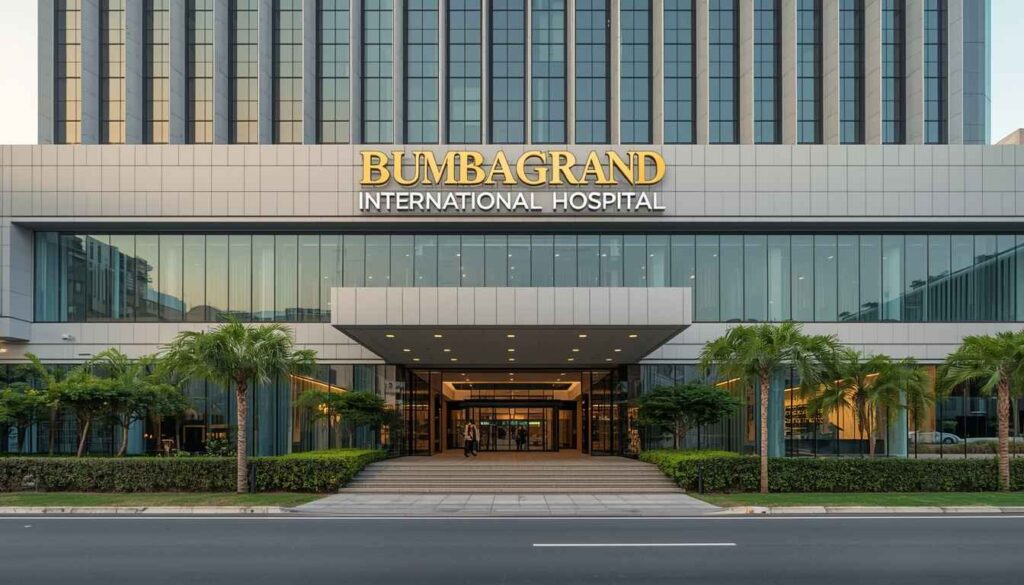
Bumrungrad International Hospital operates as Southeast Asia’s flagship medical tourism facility, treating over 1.1 million patients annually, with approximately 520,000 international patients representing 190 countries. Located in central Bangkok with direct BTS Skytrain access, Bumrungrad employs over 1,200 physicians across 55 specialty centers. The facility features 580 beds, advanced diagnostic imaging including 3T MRI and 256-slice CT scanners, and comprehensive oncology services. English-speaking staff throughout the facility eliminates language barrier concerns for international patients. Bumrungrad specializes in cardiac surgery, comprehensive cancer treatment, organ transplantation, neurosurgery, and orthopedic procedures including complex spine surgery.
Bangkok Hospital operates Thailand’s largest private hospital network with 51 facilities nationwide. The flagship Bangkok Hospital on Petchburi Road serves as the network’s international hub, featuring 554 beds and extensive specialist departments. The facility excels in cardiovascular care with dedicated heart centers performing thousands of cardiac procedures annually, comprehensive stroke units, and advanced cardiac catheterization labs. Bangkok Hospital network hospitals accept direct billing from major international insurance providers including Cigna, BUPA, and Allianz, streamlining payment processes for expatriates.
Samitivej Hospitals operates premium facilities across Bangkok, with Samitivej Sukhumvit Hospital and Samitivej Srinakarin Hospital serving as primary international patient centers. Samitivej has built particular expertise in women’s health, maternity services, fertility treatments, and pediatric care. The hospital group features dedicated international patient lounges, multilingual staff supporting over 20 languages, and comprehensive pre-arrival coordination services. Samitivej maintains JCI accreditation and ISO 9001 certification, demonstrating commitment to quality management systems.
All three hospital networks maintain 24/7 emergency departments staffed by board-certified emergency medicine physicians, a critical differentiator from many Bali facilities where emergency coverage may rely on general practitioners during overnight shifts. The presence of intensive care units with trained intensivists, cardiac care units, and neonatal ICUs provides capability depth unavailable outside major Bangkok hospitals.
Specialized Medical Care Bangkok
Specialized medical care Bangkok encompasses treatment capabilities that position Thailand among the world’s top five medical tourism destinations. The concentration of expertise, advanced technology, and treatment volume creates outcomes comparable to leading Western medical centers at 60-75% lower costs.
Cancer treatment represents a significant strength. Bangkok hospitals operate comprehensive oncology centers offering medical oncology, radiation oncology, surgical oncology, and supportive care services. Bumrungrad’s Horizon Regional Cancer Center features linear accelerators for radiation therapy, chemotherapy infusion centers, and multidisciplinary tumor boards where specialists collaboratively develop treatment plans. Wattanosoth Hospital, part of the Bangkok Hospital network, specializes exclusively in cancer care, offering treatments including immunotherapy, targeted therapy, and clinical trial access. PET-CT scanners for precise cancer staging, genetic testing for personalized treatment selection, and survivorship programs demonstrate comprehensive capability.
Cardiac surgery capabilities extend to complex procedures including coronary artery bypass grafting (CABG), valve replacements, aortic aneurysm repairs, and congenital heart defect corrections. Bangkok Heart Hospital, another Bangkok Hospital network facility, performs over 3,000 cardiac procedures annually. Cardiac catheterization labs offer minimally invasive interventions for coronary artery disease, while electrophysiology labs address arrhythmias through ablation procedures. The volume of cardiac cases ensures surgeon expertise through repetition, a critical factor in surgical outcomes.
Organ transplantation services, including kidney, liver, and corneal transplants, operate at several Bangkok hospitals, though primarily for Thai nationals due to organ allocation regulations. International patients can access pre-transplant evaluations and post-transplant care if receiving organs through approved channels. This capability simply does not exist in Bali.
Fertility treatments thrive in Bangkok, where over a dozen IVF centers offer assisted reproductive technologies at costs 50-70% below Western prices. Bumrungrad’s IVF center reports success rates comparable to top United States clinics while charging $4,000-$6,000 per IVF cycle compared to $12,000-$15,000 in America. Advanced techniques including preimplantation genetic testing (PGT), egg freezing, and donor programs attract international patients, particularly from Australia and China.
Cosmetic and reconstructive surgery represents another major specialty. Thai surgeon expertise in gender affirmation surgery, facial feminization, rhinoplasty, and body contouring has established Bangkok as a global hub. Procedures including Mohs surgery for skin cancer treatment, complex reconstructive surgery following trauma, and microsurgery for tissue transfer demonstrate advanced capability.
Robotic surgery platforms, including da Vinci surgical systems, enable minimally invasive procedures across urology, gynecology, and general surgery. Advanced diagnostic imaging, including 3T MRI, 256-slice CT scanners, and PET-CT, provides diagnostic precision matching Western standards.
Medical Tourism Infrastructure in Bangkok
Medical tourism infrastructure in Bangkok has evolved into a sophisticated ecosystem supporting international patients throughout their healthcare journey. International patient departments at major hospitals coordinate every aspect of care, from initial consultation scheduling through post-treatment follow-up.
Pre-arrival services include detailed cost estimates, physician selection assistance based on medical needs, and coordination with international insurance companies for coverage verification. Many hospitals maintain international offices in Australia, United States, Middle East, and China to facilitate local consultations and documentation.
Airport pickup services, often complimentary for international patients, transport individuals directly to hospitals or partner hotels. Medical concierge services arrange accommodation near hospitals, coordinate family member logistics, and provide translation support throughout treatment. Bangkok’s extensive hotel infrastructure offers options from budget accommodations to luxury medical tourism packages including post-surgical recovery suites with nursing support.
Medical visa support, while not required for most medical tourists entering on tourist visas, can be arranged for extended treatment periods. Hospitals provide documentation supporting visa extensions when treatment requires prolonged stays exceeding standard tourist visa duration.
Follow-up care coordination extends beyond discharge. Hospitals arrange telemedicine consultations for patients who return home, coordinate with local physicians in patients’ home countries, and provide comprehensive medical records in English for continuity of care. Imaging studies are provided in digital formats compatible with international medical systems.
Translator services extend beyond English to include Arabic, Chinese, Japanese, Russian, and numerous other languages, reflecting Bangkok’s diverse international patient base. This multilingual capability minimizes language barrier concerns even for non-English speakers.
Cost transparency for international patients has improved significantly, with hospitals providing detailed written estimates covering physician fees, hospital charges, medication costs, and anticipated complications. While prices aren’t fully fixed until treatment completion, estimates typically fall within 10-15% of actual charges.
Bali Hospital Services and Growing Medical Capabilities
BIMC Hospital Bali Services
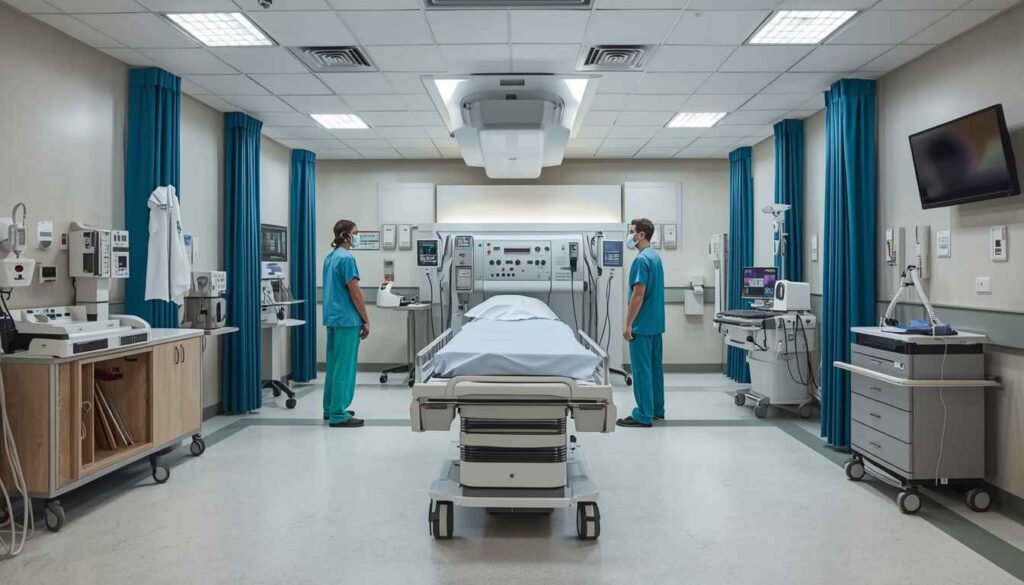
BIMC Hospital Balihttps://bimcbali.com/ services anchor the island’s international-standard healthcare offerings across three strategic locations: Kuta (near the airport), Nusa Dua (upscale resort area), and Ubud (cultural center). Established in 1998 specifically to serve expatriates and tourists, BIMC has evolved into Bali’s most recognized international medical facility.
BIMC facilities provide 24/7 emergency departments staffed by English-speaking physicians, addressing acute medical needs from minor injuries to stabilization of serious conditions before potential evacuation. Emergency services include trauma care, cardiac emergency response, stroke protocols, and acute illness management. While lacking the specialist depth of Bangkok hospitals, BIMC emergency physicians handle the vast majority of urgent situations encountered by expatriates and tourists.
General surgery capabilities include appendectomies, hernia repairs, gallbladder removal, and other common procedures. BIMC operating rooms maintain modern standards with appropriate sterilization, anesthesia monitoring, and post-operative care facilities. However, complex surgical procedures requiring specialized expertise typically necessitate referral to Jakarta, Singapore, or Bangkok.
Dental services at BIMC locations offer routine care, emergency dental treatment, cosmetic dentistry, and basic oral surgery. Quality meets international standards at costs significantly below Western prices, making Bali attractive for dental tourism combined with vacation.
Maternity services provide prenatal care, delivery services, and postnatal support. Many expatriate women living in Bali choose BIMC for childbirth, appreciating English-speaking obstetricians and modern labor and delivery facilities. However, high-risk pregnancies may be better served in Bangkok or Singapore where neonatal intensive care capabilities exceed Bali’s resources.
BIMC accepts major international insurance providers and offers direct billing for many policies, though coverage verification before treatment remains essential. Insurance companies including Cigna, BUPA, AXA, and Allianz maintain relationships with BIMC, facilitating cashless treatment for covered services.
Modern equipment standards include digital X-ray, ultrasound, laboratory services, and basic diagnostic capabilities. BIMC recently upgraded facilities with improved imaging technology and expanded pharmacy services. However, advanced imaging like MRI and CT scans may require referral to Siloam Hospital or other facilities in Denpasar.
Limitations compared to Bangkok international hospitals become apparent in specialist availability. While BIMC employs competent general practitioners and some specialists, the depth of sub-specialty expertise, particularly in fields like oncology, cardiology, and neurosurgery, remains limited. Complex diagnostic procedures, certain surgical interventions, and advanced treatments simply aren’t available.
Other Major Hospitals in Bali
Siloam Hospitals Bali, part of Indonesia’s largest hospital network, operates facilities in Denpasar offering broader specialist services than BIMC. Siloam provides internal medicine, cardiology, orthopedics, obstetrics and gynecology, pediatrics, and various surgical specialties. The facility features CT scanning, MRI, and more comprehensive laboratory services than smaller clinic operations.
Siloam primarily serves Indonesian patients but increasingly accommodates expatriates and tourists seeking specialist consultations. English proficiency among medical staff varies, with some specialists communicating effectively in English while others require translation assistance. The facility operates more like an Indonesian hospital serving international patients rather than an international hospital like BIMC, affecting service expectations and communication dynamics.
Bali International Hospital, scheduled to open in Sanur by April 2026, promises to significantly elevate Bali’s medical capabilities. Planned as a 250-bed facility with JCI-standard infrastructure, international specialist recruitment, and comprehensive service lines, this development could reduce medical evacuation needs for expatriates. The hospital aims to provide advanced imaging, expanded surgical capabilities, and specialist departments in cardiology, orthopedics, and other fields. However, until operational, Bali’s healthcare landscape remains constrained by current limitations.
Private clinic networks across Denpasar, Canggu, Uluwatu, and other areas serve expatriate communities with primary care services. Clinics like Toya Medika, Kimia Farma, and various smaller practices offer general practitioner consultations, minor procedures, vaccinations, and basic diagnostics. These facilities provide convenient, affordable care for routine health needs but lack emergency capabilities and specialist resources.
Multilingual medical staff availability has improved as Bali’s expatriate population has grown. Physicians returning to Indonesia after international training or those specifically recruited for English language skills staff international-focused facilities. However, the overall physician workforce in Bali remains smaller and less specialized than Bangkok’s extensive medical community.
Telemedicine services have expanded significantly, allowing patients to consult with physicians remotely for follow-up care, minor illnesses, and prescription renewals. Several Bali-based medical services offer video consultations, reducing the need for physical clinic visits for appropriate conditions.
Doctor Home Visits Bali
Doctor home visits Bali represent a unique service particularly valued by expatriates in areas like Canggu, Seminyak, Uluwatu, and Ubud where traffic congestion can make clinic visits time-consuming and uncomfortable when ill. Private medical concierge services dispatch physicians to residences, hotels, and villas for in-home consultations and treatment.
Bali Premium Trip and similar providers offer 24/7 home doctor services staffed by English-speaking physicians carrying diagnostic equipment and medications. Home visits typically cost IDR 1,500,000 to 2,500,000 ($100-$165 USD), significantly more than clinic consultations but providing convenience that justifies the premium for many patients.
Home consultation services address conditions including respiratory infections, gastroenteritis, minor injuries, allergic reactions, and other acute illnesses manageable without hospital resources. Physicians can administer medications, provide IV hydration, perform basic examinations, and arrange hospital transfer if conditions exceed home care capabilities.
Coverage areas span major expatriate zones, with fastest response times in Canggu, Seminyak, and Sanur. More remote areas like Uluwату or northern Bali may experience longer wait times or additional fees for distance. Services prove particularly valuable for families with young children, elderly individuals, or anyone experiencing mobility challenges.
The cost comparison with clinic visits reveals the convenience premium. Standard clinic consultations range from IDR 300,000-500,000 ($20-$35 USD), while home visits cost 3-5 times more. For conditions requiring multiple follow-ups, clinic visits may prove more economical, while home services excel for single acute episodes or situations where leaving home proves particularly difficult.
This service model doesn’t exist comparably in Bangkok, where extensive transport infrastructure, high hospital density, and urban layout make facility visits more practical. The home doctor model reflects Bali’s dispersed geography, traffic challenges, and expatriate lifestyle preferences.
Bali’s Medical Limitations
Understanding Bali’s medical limitations proves critical for informed healthcare decisions and appropriate medical evacuation insurance coverage. The island’s healthcare system handles routine medical needs competently but encounters significant constraints for complex conditions.
Highly specialized care including organ transplantation, advanced cancer treatments beyond basic chemotherapy, complex cardiac surgery, neurosurgery, and advanced orthopedic spine procedures remains unavailable. Patients requiring these interventions must evacuate to Jakarta, Singapore, Bangkok, or return to home countries for treatment.
Medical evacuation scenarios arise when conditions exceed local capabilities. Stroke patients needing advanced interventional neurology, trauma victims requiring specialized surgical expertise, cancer patients needing radiation therapy or targeted treatments, and cardiac patients requiring catheterization or surgery represent common evacuation triggers. Air ambulance evacuations cost $50,000-$150,000+ depending on destination, underscoring the importance of evacuation coverage in expat health insurance policies.
The scale difference between Bali and Bangkok hospitals manifests in resource availability. While BIMC maintains quality standards for services offered, the absolute number of operating rooms, ICU beds, specialist physicians, and support services pales compared to Bumrungrad or Bangkok Hospital. During high tourist seasons or multiple emergencies, Bali hospital resources can become stretched.
Surgeon availability, particularly for sub-specialties, remains limited. Bali may have competent general surgeons, but fellowship-trained specialists in complex fields like surgical oncology, pediatric surgery, or vascular surgery are scarce. The lack of treatment volume in specialized areas means surgeons may perform certain procedures infrequently, a concern when surgical skill correlates with case volume.
Infrastructure development continues, and the 2026 opening of Bali International Hospital should address some limitations, but fundamental geographic constraints persist. As an island destination without the medical ecosystem density of a major metropolitan area like Bangkok, Bali will likely always require evacuation options for the most complex cases.
Cost of Healthcare Bali vs Bangkok
Medical Consultation and Basic Service Costs
Cost of healthcare Bali compared to Bangkok reveals nuanced pricing patterns where Bali often costs slightly more for basic services but both destinations deliver dramatic savings versus Western countries. Understanding these cost structures helps patients budget appropriately and maximize affordable healthcare Southeast Asia advantages.
Doctor consultations in Bali at international facilities like BIMC range from IDR 300,000-500,000 ($20-$35 USD) for general practitioners and IDR 500,000-800,000 ($35-$55 USD) for specialist consultations. Local clinics serving primarily Indonesian patients charge less, approximately IDR 150,000-250,000 ($10-$17 USD), but may present language barrier challenges.
Bangkok doctor consultations vary by facility and physician. International hospitals charge 500-1,500 THB ($15-$45 USD) for general practitioner visits and 1,000-2,500 THB ($30-$75 USD) for specialist consultations. Senior consultants or department heads command premium fees, while junior specialists cost less. The pricing range accommodates different patient budgets while maintaining quality standards.
Specialist visit comparisons show Bangkok offering more competitive pricing due to higher patient volumes enabling economies of scale. A cardiology consultation in Bangkok costs approximately 1,500-2,000 THB ($45-$60 USD), while Bali specialists may charge IDR 700,000-1,000,000 ($45-$65 USD). The difference remains minimal, but Bangkok’s vastly larger specialist selection provides value through choice.
Diagnostic tests reveal price advantages varying by procedure. Chest X-rays in Bali cost approximately IDR 200,000-350,000 ($13-$23 USD), while Bangkok charges 400-800 THB ($12-$24 USD), essentially equivalent. CT scans show Bangkok advantages: abdominal CT scans cost approximately 8,000-12,000 THB ($240-$360 USD) in Bangkok compared to IDR 4,500,000-6,500,000 ($300-$430 USD) in Bali. MRI pricing follows similar patterns, with Bangkok charging 12,000-18,000 THB ($360-$540 USD) for brain MRI versus IDR 6,000,000-8,500,000 ($400-$560 USD) in Bali.
Laboratory work costs remain affordable in both destinations. Complete blood counts, metabolic panels, and routine tests cost $10-$30 regardless of location. Specialized testing like tumor markers or genetic panels may cost 20-30% less in Bangkok due to higher testing volumes and established laboratory infrastructure.
Dental care pricing shows Bali competitiveness. Routine cleanings cost IDR 500,000-800,000 ($35-$55 USD), while Bangkok dental clinics charge 1,500-2,500 THB ($45-$75 USD). Composite fillings range from IDR 400,000-700,000 ($25-$45 USD) in Bali versus 1,200-2,000 THB ($35-$60 USD) in Bangkok. Both destinations significantly undercut Western dental prices while maintaining international standards.
Surgery and Complex Treatment Costs
General surgery cost comparisons demonstrate affordable healthcare Southeast Asia value propositions that attract medical tourists globally. Appendectomy procedures in Bali range from IDR 25,000,000-40,000,000 ($1,650-$2,650 USD) including hospital stay, anesthesia, surgeon fees, and medications. Bangkok charges approximately 80,000-150,000 THB ($2,400-$4,500 USD) for equivalent procedures. Both represent 70-80% savings versus United States costs of $10,000-$15,000.
Cosmetic procedures attract significant medical tourism. Rhinoplasty in Bangkok costs $2,500-$4,000 compared to $8,000-$15,000 in United States. Bali plastic surgery pricing runs slightly higher at $3,000-$5,000, reflecting smaller patient volumes. Breast augmentation costs $3,500-$5,000 in Bangkok versus $4,000-$6,000 in Bali, both dramatically below Western prices of $8,000-$12,000.
Cardiac surgery costs reveal Bangkok’s pricing advantages for complex procedures. Coronary artery bypass grafting (CABG) in Bangkok costs approximately $11,000-$16,000 at JCI-accredited hospitals including pre-operative testing, surgery, ICU care, and hospital stay. This same procedure costs $70,000-$150,000 in United States and $25,000-$50,000 in Australia. Bali hospitals don’t routinely perform complex cardiac surgery, necessitating travel to Bangkok, Singapore, or Jakarta where costs increase.
Cancer treatment expenses vary substantially by cancer type, stage, and treatment protocol. Breast cancer treatment including surgery, chemotherapy, and radiation therapy costs approximately $15,000-$25,000 in Bangkok compared to $80,000-$200,000 in United States. Bali’s limited oncology capabilities restrict local treatment options, with complex cases requiring evacuation where treatment costs rise significantly.
Fertility treatment pricing positions Bangkok competitively. IVF cycles cost $4,000-$6,000 including medications, retrieval, fertilization, and transfer. United States IVF averages $12,000-$15,000 per cycle. Bali offers limited fertility services, with most patients traveling to Bangkok, Singapore, or Jakarta for treatment.
Total hip or knee replacement surgeries in Bangkok cost $10,000-$15,000 including prosthetic device, surgeon fees, hospital stay, and initial physiotherapy. Australia charges $25,000-$40,000, while United States prices reach $40,000-$60,000. Bali orthopedic surgeons perform joint replacements at costs of $12,000-$18,000, competitive but slightly higher than Bangkok due to smaller volumes and imported prosthetics costs.
The consistent pattern shows 50-80% savings versus United States and Australia across nearly all procedures in both destinations, with Bangkok typically offering 10-25% lower pricing than Bali for complex procedures due to infrastructure scale and competition among hospitals.
Hospital Stay and Accommodation Costs
Private room rates differ significantly between destinations and hospital types. Bangkok international hospitals charge 3,000-8,000 THB ($90-$240 USD) per night for standard private rooms, with premium rooms reaching 10,000-15,000 THB ($300-$450 USD). VIP suites featuring additional space, enhanced amenities, and dedicated nursing cost 20,000-30,000 THB ($600-$900 USD) nightly.
Bali hospital room costs at BIMC range from IDR 2,500,000-4,500,000 ($165-$300 USD) for standard private rooms. VIP accommodations cost IDR 5,000,000-7,000,000 ($330-$465 USD) nightly. The pricing closely parallels Bangkok mid-tier options but with fewer hospital choices limiting competitive pricing pressure.
ICU costs escalate substantially in both destinations. Bangkok ICU rates range from 8,000-15,000 THB ($240-$450 USD) daily excluding procedures, medications, and specialist consultations. Bali ICU costs run IDR 5,000,000-9,000,000 ($330-$600 USD) daily. Compared to United States ICU costs of $2,000-$10,000 daily, both destinations offer significant savings while maintaining modern critical care capabilities.
Medical equipment and supplies fees, often itemized separately in hospital bills, remain reasonable in both locations. Surgical supplies, disposable equipment, and specialized devices cost 40-60% less than Western prices. Medication costs, particularly for generic drugs, prove dramatically cheaper, with common antibiotics, pain medications, and chronic disease management drugs costing 60-80% less than United States retail prices.
Nursing care inclusion varies by hospital. Most Bangkok and Bali private rooms include basic nursing care, vital sign monitoring, and medication administration. However, dedicated private nurses for intensive one-on-one care cost extra, approximately 1,500-3,000 THB ($45-$90 USD) per 12-hour shift in Bangkok and IDR 1,000,000-1,800,000 ($65-$120 USD) in Bali.
Food and amenities included in room rates exceed many Western hospital standards. Bangkok international hospitals offer menu-based meal selection, often including international and Thai cuisine options. In-room entertainment systems, WiFi, and comfortable accommodations for family members enhance patient comfort. Bali hospitals similarly provide meal service, though with fewer menu options than larger Bangkok facilities.
Cost Comparison Table
| Procedure | Bangkok Cost (USD) | Bali Cost (USD) | US Cost (USD) | Australia Cost (USD) | Savings vs US |
|---|---|---|---|---|---|
| Doctor Consultation (GP) | $15-$45 | $20-$35 | $150-$300 | $80-$150 | 75-90% |
| Specialist Visit | $30-$75 | $35-$55 | $200-$400 | $120-$250 | 70-85% |
| General Surgery (Appendectomy) | $2,400-$4,500 | $1,650-$2,650 | $10,000-$15,000 | $8,000-$12,000 | 65-80% |
| Cardiac Surgery (CABG) | $11,000-$16,000 | Not Available | $70,000-$150,000 | $25,000-$50,000 | 75-85% |
| Cancer Treatment (Comprehensive) | $15,000-$25,000 | Limited/Evacuate | $80,000-$200,000 | $40,000-$100,000 | 70-85% |
| Hip Replacement | $10,000-$15,000 | $12,000-$18,000 | $40,000-$60,000 | $25,000-$35,000 | 60-75% |
| IVF Cycle | $4,000-$6,000 | Limited Options | $12,000-$15,000 | $8,000-$12,000 | 50-70% |
| Rhinoplasty (Cosmetic) | $2,500-$4,000 | $3,000-$5,000 | $8,000-$15,000 | $6,000-$10,000 | 60-75% |
| Dental Crown | $250-$400 | $200-$350 | $1,000-$2,000 | $800-$1,500 | 70-80% |
| MRI Scan | $360-$540 | $400-$560 | $1,500-$3,000 | $800-$1,500 | 65-80% |
Emergency Medical Services Thailand vs Bangkok
Bangkok Emergency Response Systems
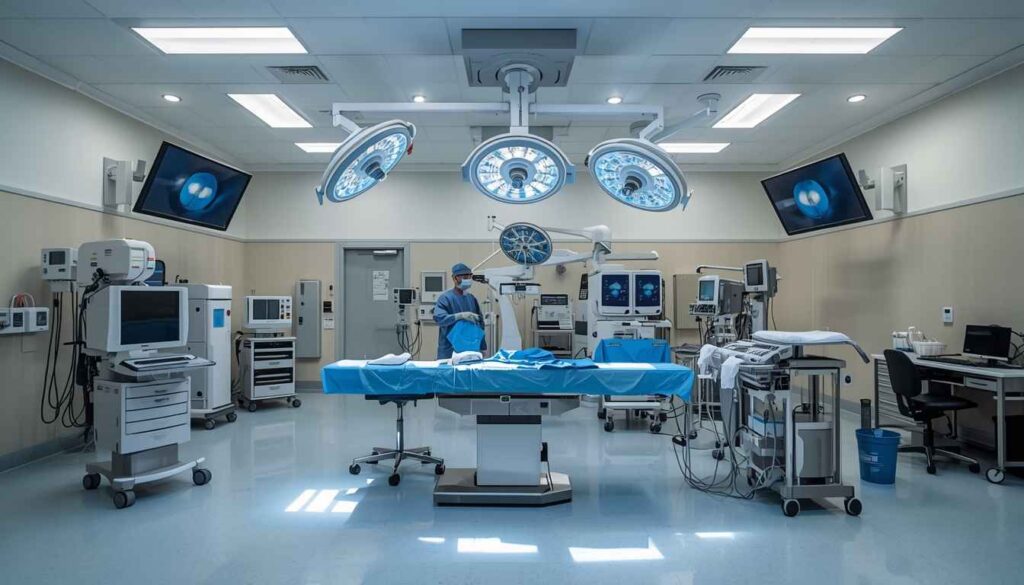
Emergency medical services Thailand, particularly in Bangkok, operate with sophistication approaching Western standards in urban areas. The centralized emergency number 1669 connects callers to Bangkok’s emergency medical services coordinating ambulance dispatch, though international patients typically contact hospital emergency departments directly.
Twenty-four hour emergency departments at Bangkok international hospitals maintain board-certified emergency medicine physicians on duty continuously. Bumrungrad, Bangkok Hospital, and Samitivej emergency departments feature dedicated emergency medicine trained physicians rather than rotating general practitioners, ensuring consistent expertise. Emergency departments operate with standard triage protocols, immediate diagnostic capabilities including point-of-care laboratory testing and imaging, and established trauma protocols.
Ambulance services in Bangkok include both government-operated emergency medical services and private hospital ambulances. Major international hospitals operate private ambulance fleets with advanced life support capabilities, trained paramedics, and direct communication with hospital emergency departments. Response times in central Bangkok average 15-25 minutes, though traffic congestion during peak hours can extend this significantly.
Emergency medical technician training standards have improved substantially, with many ambulance staff receiving advanced training in cardiac life support, trauma management, and emergency obstetrics. Private hospital ambulances typically maintain higher equipment and staffing standards than government services.
Trauma centers at major Bangkok hospitals provide comprehensive emergency surgical capabilities with on-call surgeon coverage across specialties. Trauma teams can mobilize rapidly for severe injuries, activating operating rooms, blood banks, and specialist consultations as needed. This infrastructure proves critical for serious accidents, a leading concern for expatriates riding motorcycles in Thailand.
Helicopter medical evacuation services operate from Bangkok to remote areas of Thailand and neighboring countries. While less common for routine inter-hospital transfers within Bangkok, helicopters can evacuate patients from islands, rural areas, or disaster sites. Costs run $5,000-$15,000+ depending on distance and medical staffing requirements.
Embassy coordination services exist at major international hospitals where dedicated staff liaise with foreign embassies when citizens require emergency care, facilitating communication with families, insurance companies, and diplomatic personnel. Tourist police in Bangkok provide medical assistance coordination for foreign visitors encountering emergencies.
Emergency Response Comparison
| Factor | Bangkok | Bali |
|---|---|---|
| Ambulance Response Time (Urban) | 15-25 minutes | 20-40 minutes |
| Ambulance Response Time (Remote) | 30-60 minutes | 45-120 minutes |
| Trauma Center Availability | Multiple Level 1 | Basic Stabilization |
| 24/7 Specialist Coverage | Comprehensive All Specialties | General/Limited Specialists |
| Medical Evacuation Capability | Regional Hub | To Jakarta/Singapore/Bangkok |
| Language Support | 20+ Languages | Primarily English |
| Emergency Dept. Physician Training | Board-Certified EM Specialists | Variable GP/Some EM |
| ICU Capabilities | Advanced Multi-Specialty | Basic to Intermediate |
Bali Emergency Services
Emergency services in Bali function adequately for common medical situations but present limitations that expatriates must understand. The national emergency ambulance number 118 connects to government ambulance services, though response times vary dramatically by location and traffic conditions. Most expatriates contact BIMC or private ambulance services directly rather than relying on government emergency systems.
Hospital emergency rooms at BIMC and Siloam operate 24/7 with English-speaking physicians available for immediate consultation. Emergency departments handle trauma, cardiac emergencies, acute illnesses, allergic reactions, and other urgent situations competently. However, the depth of emergency medicine training among physicians varies, with some having formal emergency medicine training while others function as general practitioners staffing emergency shifts.
Private ambulance services operated by BIMC and other providers offer equipped vehicles with basic life support capabilities. Advanced life support equipment and training exist but remain less standardized than Bangkok services. Ambulances navigate Bali’s roads effectively but encounter significant delays during peak traffic periods or wet season flooding.
Response time challenges in remote areas present serious concerns. Uluwatu, popular with surfers and expats, sits 45-60 minutes from Denpasar hospitals even in good traffic conditions. Ubud, located in Bali’s central highlands, requires 60-90 minutes for emergency transport to BIMC or Siloam. During medical emergencies where minutes matter, such as stroke, heart attack, or severe trauma, these transport times significantly impact outcomes.
Transport infrastructure limitations extend beyond distance. Many areas accessible only via narrow roads create challenges for ambulance navigation. Wet season conditions from November through April bring rain, flooding, and road damage that can render some areas temporarily inaccessible or requiring extended transport times.
Medical evacuation to Jakarta or Singapore becomes necessary for critical cases exceeding Bali hospital capabilities. BIMC maintains relationships with air ambulance providers facilitating rapid evacuation when needed. However, weather conditions, particularly during wet season, can delay air evacuations requiring temporary stabilization at Bali facilities.
The developing emergency infrastructure continues improving, with enhanced ambulance services, better-trained personnel, and upgraded hospital emergency departments. However, the system doesn’t match Bangkok’s scale, resources, or specialist availability. Expatriates choosing Bali must acknowledge these limitations and maintain appropriate evacuation insurance.

Hospital Comparison Matrix
| Hospital Name | Location | JCI Accredited | Key Specialties | English Staff | Cost Level | Direct Insurance Billing |
|---|---|---|---|---|---|---|
| Bumrungrad International | Bangkok | Yes | Cardiac, Cancer, Transplant, All Specialties | Extensive | High | 50+ insurers |
| Bangkok Hospital | Bangkok | Yes | Cardiac, Stroke, Orthopedics, Oncology | Extensive | High | 40+ insurers |
| Samitivej Hospitals | Bangkok | Yes | Women’s Health, Fertility, Pediatrics | Extensive | High | 45+ insurers |
| BIMC Hospital | Bali (3 locations) | No | Emergency, General Surgery, Dental | Good | Medium-High | Major insurers |
| Siloam Hospitals Bali | Bali (Denpasar) | No | General Medicine, Basic Specialists | Variable | Medium | Select insurers |
| Bali International Hospital | Bali (Opening 2026) | Planned | TBD – Comprehensive planned | Planned | TBD | TBD |
Expat Health Insurance Bali and Bangkok
Insurance Acceptance and Direct Billing
Expat health insurance Bali and Bangkok acceptance rates differ significantly, impacting out-of-pocket expenses and payment convenience. Major international insurance companies including Cigna, BUPA, Allianz, AXA, and Pacific Prime maintain provider networks in both destinations, though coverage specifics vary.
Direct billing arrangements in Bangkok hospitals operate smoothly with established processes refined over years of medical tourism experience. Bumrungrad, Bangkok Hospital, and Samitivej maintain dedicated insurance departments processing claims for dozens of international insurers. Patients present insurance cards, the hospital verifies coverage, and approved services proceed without upfront payment. The hospital bills insurers directly, with patients responsible only for non-covered services or policy deductibles.
Bali hospital insurance partnerships exist but function less comprehensively. BIMC accepts major international insurers and processes direct billing for many policies, though verification takes longer and some insurers require patients to pay upfront and submit claims for reimbursement. The smaller patient volumes and less established relationships between Bali hospitals and international insurers create occasional processing delays or coverage disputes.
Out-of-pocket payment and reimbursement remains common in Bali, particularly for services at smaller clinics or non-international hospitals. Patients pay for services, obtain detailed receipts and medical documentation, then submit claims to insurers for reimbursement. This process requires cash flow flexibility and administrative diligence to ensure proper documentation.
Insurance requirements for expatriates vary by visa type and country of origin. Thailand requires certain long-term visa holders, particularly retirement visas, to maintain health insurance meeting minimum coverage thresholds. Indonesia doesn’t universally mandate private health insurance for visitors but recommends coverage given the medical evacuation costs potential.
Medical evacuation coverage importance cannot be overstated for Bali residents. Comprehensive expat health insurance policies include evacuation coverage to appropriate medical facilities when local capabilities prove insufficient. Policies specify evacuation destinations, typically including Singapore, Bangkok, Jakarta, or the patient’s home country. Evacuation coverage limits should exceed $100,000 given air ambulance costs.
Insurance Cost Comparison
Premium ranges for Bali versus Bangkok coverage reflect risk assessment differences insurers apply to each destination. Comprehensive international health insurance for a healthy 35-year-old typically costs $2,000-$4,000 annually for Bali coverage including evacuation provisions. Comparable Bangkok coverage costs $1,800-$3,500 annually, approximately 10-15% less reflecting Thailand’s superior healthcare infrastructure reducing evacuation probability.
Age-based pricing differences escalate significantly as policyholders age. A 55-year-old can expect premiums of $4,500-$8,000 annually for comprehensive Bali coverage, while Bangkok coverage costs $4,000-$7,000. Premium increases accelerate further for individuals over 65, with Bali coverage potentially costing $8,000-$15,000 annually and Bangkok coverage $7,000-$13,000, reflecting higher utilization rates and evacuation risks.
Pre-existing condition coverage dramatically impacts premiums and coverage limitations. Standard policies exclude pre-existing conditions or apply waiting periods before coverage begins. Specialized policies covering pre-existing conditions charge 50-100% premium increases. Some insurers refuse coverage entirely for serious conditions like cancer, diabetes, or cardiac disease, particularly for applicants over 60.
Inpatient versus outpatient coverage structures affect premium costs and benefit utilization. Inpatient-only policies covering hospitalization but excluding routine doctor visits cost 30-40% less than comprehensive plans. Given Bali and Bangkok’s affordable consultation costs, some expatriates choose inpatient-only coverage and self-pay outpatient services.
Dental and optical add-ons increase premiums approximately $300-$800 annually depending on coverage limits. Given the affordable dental care in both Bali and Bangkok, self-paying dental expenses often proves more economical than insurance premiums unless requiring extensive work.
Maternity coverage significantly increases premiums and often requires pre-conception enrollment. Maternity riders add $1,500-$3,000 annually to premiums, with coverage limits ranging from $5,000-$25,000 per pregnancy. Given Bali and Bangkok’s affordable maternity care, some women self-pay delivery costs rather than paying higher premiums.
Insurance Provider Compatibility
| Insurance Company | Bangkok Hospital Acceptance | Bali Hospital Acceptance | Direct Billing Bangkok | Direct Billing Bali |
|---|---|---|---|---|
| Cigna Global | Extensive | BIMC, Select Facilities | Yes | Yes (Most Policies) |
| BUPA International | Extensive | BIMC, Siloam | Yes | Variable |
| Allianz Care | Extensive | BIMC, Select | Yes | Yes (Most) |
| AXA Global Healthcare | Extensive | BIMC | Yes | Variable |
| Pacific Prime | Extensive | BIMC, Siloam | Yes | Yes |
| IMG Global | Major Hospitals | BIMC | Yes | Reimbursement Often |
| GeoBlue | Major Hospitals | BIMC | Yes | Variable |
Medical Tourism Thailand vs Bali
Medical tourism Thailand vs Bali represents fundamentally different scales and market positioning. Thailand ranks among the world’s top five medical tourism destinations, competing with Singapore, India, and other established hubs. The Thai government estimates medical tourism contributes over $1 billion annually to the economy, with approximately 2.5 million international patients visiting annually.
Bangkok dominates Thailand’s medical tourism industry, hosting approximately 60% of international patients. The concentration of JCI-accredited hospitals, internationally trained specialists, advanced technology, and refined medical tourism infrastructure creates a comprehensive ecosystem. Patients arrive from Australia, United States, China, Japan, Middle East, and neighboring Southeast Asian countries seeking procedures ranging from routine health checks to complex surgeries.
Annual international patient numbers illustrate the scale difference. Bumrungrad alone treats over 500,000 international patients yearly, more than Bali’s entire medical tourism industry. Bangkok Hospital network facilities collectively treat hundreds of thousands of international patients across various locations. The volume creates expertise through repetition and enables competitive pricing through economies of scale.
Bali medical tourism remains nascent by comparison, with thousands rather than millions of international patients annually. The island attracts medical tourists primarily for dental work, cosmetic procedures, and combining wellness retreats with minor medical procedures. Bali hasn’t positioned itself as a destination for complex medical procedures, instead focusing on health maintenance, recovery, and wellness-oriented healthcare.
Why medical tourism thrives in Bangkok relates to several interconnected factors. Thailand government policy actively promotes medical tourism through streamlined regulations, medical visa facilitation, and international marketing. The country’s decades of experience serving international patients created institutional knowledge and refined processes. The concentration of medical schools producing specialist physicians ensures workforce depth. Cultural factors emphasizing service excellence align with medical tourism requirements.
Bali’s niche increasingly centers on wellness and recovery tourism rather than complex medical procedures. The island’s reputation for spiritual healing, yoga, wellness retreats, and holistic health attracts visitors seeking integrative approaches combining conventional medicine with traditional practices. Some patients undergo procedures in Bangkok then transfer to Bali for extended recovery in a tropical setting.
Combining treatment with recovery in tropical settings presents unique value propositions. Bali’s beaches, warm climate, wellness infrastructure, and relaxed atmosphere create ideal recovery environments for certain procedures. Cosmetic surgery patients appreciate discreet recovery away from home, while orthopedic surgery patients value gentle physiotherapy in pleasant surroundings. This recovery tourism model may represent Bali’s optimal medical tourism positioning rather than competing directly with Bangkok for complex procedures.
Language and Communication
Language barrier considerations significantly impact patient experience, informed consent quality, and treatment comprehension. Bangkok international hospitals have essentially eliminated language barriers for English speakers through extensive staff training, dedicated interpreters, and standardized English-language processes.
English fluency among Bangkok medical staff extends beyond physicians to include nurses, administrative personnel, pharmacy staff, and support services. Major hospitals employ multilingual staff supporting Arabic, Chinese, Japanese, Russian, and other languages reflecting diverse patient populations. This comprehensive language support ensures patients understand diagnoses, treatment options, risks, benefits, and post-treatment care regardless of linguistic background.
Bali English-speaking doctors at international hospitals like BIMC communicate effectively with expatriates and tourists. Many physicians trained internationally or in Indonesia’s English-language medical programs possess strong English skills. However, English proficiency varies more widely than in Bangkok, particularly among nursing staff and support personnel. Patients occasionally encounter communication challenges with nurses or administrative staff less confident in English.
Translation services availability differs substantially between destinations. Bangkok hospitals maintain on-staff interpreters for common languages and contract specialists for less common languages. Real-time translation during consultations, consent processes, and discharge instructions ensures comprehension. Bali facilities rely more heavily on English as the common language, with fewer formal translation resources for non-English speakers.
Medical documentation in English is standard at international hospitals in both destinations. Diagnostic reports, surgical summaries, discharge instructions, and ongoing care recommendations arrive in clear English, facilitating continuity of care when patients return home or transfer to other providers. This documentation proves essential for insurance claims and medical record maintenance.
Communication challenges at local clinics catering primarily to Indonesian patients create barriers for non-Indonesian speakers. While some local clinics employ English-speaking physicians, overall communication proves more difficult than at international facilities. Expatriates generally favor international hospitals despite higher costs to ensure clear communication about their health.
Specialty Availability Checklist
| Medical Specialty | Bangkok | Bali |
|---|---|---|
| Cardiology (Basic) | ✓ Excellent | ✓ Basic |
| Advanced Cardiac Surgery | ✓ Multiple Centers | ✗ Evacuate |
| Oncology (Comprehensive) | ✓ Multiple Centers | ✗ Limited/Evacuate |
| Neurosurgery | ✓ Available | ✗ Evacuate |
| Organ Transplant | ✓ Available | ✗ Not Available |
| Fertility/IVF | ✓ 10+ Centers | ⚠ Limited Options |
| Orthopedics (Joint Replacement) | ✓ Excellent | ✓ Available |
| Plastic/Cosmetic Surgery | ✓ Extensive | ✓ Basic |
| Emergency Medicine | ✓ 24/7 Specialists | ✓ 24/7 General Coverage |
| General Surgery | ✓ All Types | ✓ Common Procedures |
| Radiation Oncology | ✓ Available | ✗ Not Available |
| Interventional Cardiology | ✓ Multiple Labs | ⚠ Limited |
| Complex Spine Surgery | ✓ Available | ✗ Evacuate |
✓ = Fully Available | ⚠ = Limited | ✗ = Not Available/Evacuate Required
Accessibility and Location Factors
Bangkok Medical Hub Advantages
Bangkok’s position as a major metropolitan medical hub creates accessibility advantages difficult for island destinations like Bali to replicate. International airport connectivity through Suvarnabhumi Airport and Don Mueang Airport provides direct flights from approximately 200 cities worldwide. Medical tourists arrive easily, often scheduling procedures around affordable flight availability.
Urban infrastructure and transport facilitate hospital access through multiple modalities. The BTS Skytrain and MRT subway systems provide air-conditioned transit directly to major hospitals. Bumrungrad sits adjacent to the BTS Skytrain Nana station, enabling patients to arrive car-free. Taxis, ride-hailing services, and hospital shuttles provide additional options. The extensive transport network means patients rarely struggle reaching medical facilities.
Hospital concentration in Bangkok’s central districts positions multiple world-class facilities within minutes of each other. Patients can easily obtain second opinions, switch providers if unsatisfied, or access different hospitals for specialized services. The Sukhumvit Road corridor hosts Bumrungrad, Samitivej, and numerous specialty clinics within a few kilometers.
Easy access to multiple specialist hospitals proves valuable for complex conditions requiring multidisciplinary care. Patients might consult cardiac specialists at one hospital, oncologists at another, and undergo surgery at a third based on specific expertise. This flexibility enables optimal care coordination impossible in locations with limited hospital options.
Medical districts with coordinated care have emerged organically in Bangkok where hospitals, diagnostic centers, specialty clinics, pharmacies, and medical equipment suppliers cluster geographically. This ecosystem provides comprehensive medical services within compact areas, supporting medical tourists efficiently.
Bali Geographic Considerations
Bali’s island location fundamentally shapes healthcare accessibility. Ngurah Rai International Airport receives international flights from Australia, Singapore, China, and regional hubs but operates at dramatically smaller scale than Bangkok airports. Medical tourists must usually route through regional hubs, extending travel time and complexity.
Hospital distribution concentrates in southern Bali, particularly Denpasar, Kuta, and Nusa Dua areas near the airport and major tourist zones. Northern Bali, eastern coastal areas, and remote inland regions have minimal medical infrastructure. Expatriates choosing to live in these areas accept extended emergency transport times and limited routine care access.
Transport challenges during wet season from November through April significantly impact medical access. Rain causes flooding, landslides, and road damage that can temporarily isolate communities or extend transport times dramatically. Emergency evacuations during severe weather become complicated or impossible, a risk consideration for anyone with serious health conditions.
Distance from Canggu to Denpasar hospitals illustrates daily access challenges. The popular expat area sits approximately 45-60 minutes from BIMC Kuta or Siloam Hospitals Denpasar under normal traffic conditions. During peak traffic or wet season conditions, travel times can exceed 90 minutes. This distance impacts routine care access and emergency response capabilities.
Limited public transport to medical facilities means patients rely on private vehicles, taxis, or ride-hailing services. Unlike Bangkok where metro systems provide reliable medical facility access, Bali patients navigate road traffic with its inherent uncertainties. This transportation dependence proves particularly challenging for post-surgical patients or those with mobility limitations.
Climate impact on access varies seasonally. Dry season from May through October provides reliable road conditions and predictable transport times. Wet season introduces variability where sudden storms can flood roads, landslides block routes, and infrastructure failures temporarily isolate areas. Healthcare planning in Bali must account for seasonal accessibility variations.
Beach proximity for recovery represents Bali’s unique advantage. Unlike Bangkok’s urban environment, Bali offers beach access, ocean views, and tropical settings that enhance psychological recovery. Patients can enjoy gentle walks on beaches, vitamin D exposure, and natural beauty that supports healing, particularly for lengthy recovery periods.
Climate and Environment Impact on Health
Climate and environmental factors affect both baseline health risks and post-treatment recovery experiences differently in Bangkok and Bali. Understanding these impacts helps patients anticipate challenges and optimize recovery conditions.
Bangkok climate features hot, humid conditions year-round with average temperatures of 28-35°C (82-95°F) and high humidity levels. The urban heat island effect intensifies temperatures in central districts. Air quality presents concerns, particularly during dry season when pollution levels spike due to traffic emissions, construction dust, and regional agricultural burning. Air Quality Index (AQI) readings frequently reach unhealthy levels for sensitive groups, potentially impacting respiratory patients or those recovering from lung procedures.
Urban pollution exposure in Bangkok includes particulate matter, nitrogen dioxide, and ozone that may slow healing in certain patient populations. Cardiac and respiratory patients may experience symptom exacerbation during high pollution days. However, modern hospitals maintain advanced air filtration systems, and patients spending recovery time indoors avoid most outdoor pollution exposure.
Bali tropical climate offers cleaner air quality than Bangkok, particularly in coastal and rural areas away from Denpasar’s urban core. Ocean breezes provide natural ventilation and air quality superior to metropolitan environments. However, wet season considerations from November through April bring high humidity, frequent rain, and flooding risks that can impact mobility and access to medical facilities.
Dengue fever risk exists in both destinations, transmitted by Aedes mosquitoes thriving in tropical climates. Bangkok reports thousands of dengue cases annually, with incidence highest during and after rainy season. Bali similarly experiences dengue transmission, particularly in areas with standing water. Patients recovering from surgery should take mosquito precautions to avoid complications from concurrent dengue infection.
Weather impact on post-surgery healing varies by procedure type. Plastic surgery patients often prefer cooler climates to minimize swelling and reduce infection risks associated with sweating and humidity. Bangkok’s consistently hot, humid conditions and Bali’s tropical warmth both present challenges for optimal cosmetic surgery recovery compared to temperate climates. However, air-conditioned hospital rooms and accommodations mitigate concerns.
Recovery environment quality differs substantially between urban Bangkok and tropical Bali. Bangkok offers world-class urban amenities, shopping, dining, and entertainment but lacks natural environments conducive to peaceful recovery. Bali provides beach access, jungle scenery, rice terraces, and natural beauty that many patients find psychologically beneficial during extended recovery periods.
The beach versus urban environment choice depends on individual preferences and recovery requirements. Orthopedic surgery patients may appreciate Bali’s opportunities for gentle beach walks and water therapy. Cardiac rehabilitation patients might prefer Bangkok’s structured urban physiotherapy programs. Psychological factors influencing healing, including stress reduction and emotional wellbeing, favor Bali’s natural environment for many patients.
Comparing Regional Thailand Options
Chiang Mai Medical Facilities
Chiang Mai, Thailand’s northern capital, offers medical facilities superior to Bali but less comprehensive than Bangkok. Bangkok Chiang Mai Hospital, part of the Bangkok Hospital network, provides international-standard care with JCI accreditation and English-speaking staff. The facility features modern equipment, specialist departments, and medical tourism infrastructure serving northern Thailand’s substantial expatriate community.
Lower costs than Bangkok position Chiang Mai attractively for budget-conscious medical tourists. Procedures often cost 15-25% less than Bangkok pricing while maintaining quality standards. Compared to Bali, Chiang Mai costs run approximately 10-15% lower for most services. A private room in Chiang Mai hospitals costs 2,000-4,000 THB ($60-$120 USD) nightly compared to Bali’s higher rates.
Growing expat healthcare services reflect Chiang Mai’s increasing expatriate population, particularly retirees attracted by lower living costs and cooler climate. Specialized services for aging populations include geriatric care, chronic disease management, and wellness programs. However, highly specialized care still requires Bangkok referral.
Cooler climate advantages in Chiang Mai appeal to heat-sensitive individuals. Winter temperatures can drop to 15-20°C (59-68°F), providing relief from tropical heat. This cooler environment may benefit post-surgical recovery for certain procedures, particularly cosmetic surgery where heat and sweating impact healing.
Less specialized than Bangkok, Chiang Mai hospitals handle routine care, general surgery, and common specialist consultations competently but refer complex cases to Bangkok facilities. The medical infrastructure serves regional needs well but doesn’t match Bangkok’s depth in sub-specialties.
Phuket Province Healthcare
Phuket province healthcare infrastructure reflects the island’s status as Thailand’s premier beach destination. Bangkok Hospital Phuket and Phuket International Hospital provide international-standard care with English-speaking staff, modern facilities, and medical tourism experience serving visitors from Australia, China, and European countries.
Medical tourism combined with beach recovery creates Phuket’s value proposition. The island offers tropical environment similar to Bali with Thailand’s superior medical infrastructure. Patients can undergo procedures then recover in beachfront accommodations, combining medical treatment with vacation.
Scale similar to Bali but more established medical tourism infrastructure differentiates Phuket. Both islands serve tourist populations with international hospitals, but Phuket benefits from longer medical tourism history and connection to Bangkok Hospital network resources. Specialist availability exceeds Bali through Bangkok-based physicians maintaining Phuket practices.
Island accessibility parallels Bali with international airport, flight dependencies, and geographic isolation creating similar challenges. Emergency cases exceeding local capabilities require air transport to Bangkok, similar to Bali evacuations. However, Phuket’s proximity to Bangkok (one-hour flight) versus Bali’s distance from Singapore or Jakarta provides faster evacuation times.
Pattaya Medical Services
Pattaya, located 150 kilometers southeast of Bangkok, offers medical services through Bangkok Hospital Pattaya and other facilities serving the city’s large expatriate community. The hospital maintains international standards with English-speaking staff, modern equipment, and direct billing with major insurance providers.
Expat-focused services reflect Pattaya’s substantial retired foreign resident population. Geriatric care, chronic disease management, and wellness programs target aging expatriates. The facility handles routine medical needs competently while referring complex cases to Bangkok facilities 90 minutes away.
Lower costs than Bangkok make Pattaya attractive for budget-conscious patients. Services typically cost 20-30% less than Bangkok international hospitals while maintaining quality standards. Compared to Bali, Pattaya often delivers better value for comparable services.
Beach location similar to Bali provides recovery environment advantages. Pattaya’s coastal setting offers ocean access and tropical atmosphere enhancing recovery experiences. However, the city’s urban beach environment differs from Bali’s more natural, dispersed coastal areas.
Lifestyle and Recovery Environment
Bali advantages for recovery center on the island’s unique combination of beach proximity, established wellness culture, yoga infrastructure, and spiritual healing traditions. Patients can incorporate daily yoga, meditation, traditional Balinese massage, and holistic therapies into recovery protocols. Wellness retreats throughout Ubud, Canggu, and other areas offer programs supporting post-surgical healing through nutrition, gentle exercise, and mindfulness practices.
Bangkok advantages focus on urban amenities, diverse restaurant options, world-class shopping, and entertainment infrastructure. Patients preferring urban environments with extensive dining, cultural attractions, and modern conveniences favor Bangkok’s metropolitan lifestyle. The city offers international cuisine, familiar Western restaurants, and dietary options supporting specific nutritional requirements.
Cost of living during recovery differs substantially. Bali offers affordable accommodation from $500-$1,500 monthly for comfortable apartments or villas. Bangkok comparably-located accommodations cost $800-$2,000 monthly. Daily expenses for food, transport, and activities run lower in Bali, extending medical travel budgets.
Accommodation options for medical tourists vary by destination. Bangkok hotels near major hospitals offer medical tourism packages including daily nursing check-ins, modified meal plans, and transport to appointments. Bali provides villa rentals with privacy, personal space, and home-like environments some patients prefer during extended recovery.
Family accompaniment considerations favor Bangkok for entertainment diversity keeping non-patient family members engaged. Bali’s family-friendly beaches, cultural activities, and adventure tourism similarly accommodate families. Both destinations offer affordable family accommodation and activities making family accompaniment financially feasible.
Post-surgery activities and restrictions vary by procedure. Patients must avoid sun exposure after certain cosmetic procedures, limiting Bali’s beach advantages. Orthopedic patients may benefit from Bali’s opportunities for gentle swimming and water therapy. Cardiac rehabilitation patients might prefer Bangkok’s structured hospital-based programs over independent Bali recovery.
Food quality and dietary options support recovery in both destinations. Bangkok offers exceptional Thai cuisine plus diverse international options accommodating any dietary restriction. Bali provides healthy Indonesian cuisine, abundant fresh fruits, and wellness-focused restaurants catering to health-conscious visitors. Both destinations accommodate special diets better than many Western hospitals.
Social support for long-term patients exists through expatriate communities in both destinations. Bangkok and Bali host active expat groups providing social connection, practical advice, and emotional support. Facebook groups connect expatriates navigating medical care, sharing hospital recommendations, physician referrals, and experiences.
Who Should Choose Bangkok vs Bali for Medical Care

Choose Bangkok If:
Requiring highly specialized care including cancer treatment beyond basic chemotherapy, cardiac surgery, organ transplantation, complex neurosurgery, or advanced interventional procedures unavailable elsewhere in the region. Bangkok hospitals maintain expertise, technology, and experience managing complex cases.
Need for multiple specialist consultations where coordinating care across cardiology, oncology, endocrinology, or other disciplines benefits from hospital proximity and established referral patterns. Bangkok’s medical ecosystem facilitates efficient multidisciplinary care.
Seeking cutting-edge medical technology including robotic surgery, advanced imaging, targeted cancer therapies, or experimental treatments available only at major academic medical centers. Bangkok hospitals invest heavily in latest medical technology.
Want maximum choice of hospitals and surgeons to compare options, obtain second opinions, and select providers based on specific expertise. Bangkok offers dozens of hospital options and hundreds of specialist physicians.
Prefer urban environment with extensive infrastructure, entertainment, dining, shopping, and cosmopolitan atmosphere during recovery. City lifestyle suits patients uncomfortable in isolated beach settings.
Short medical trip with quick transport access works better in Bangkok where airport proximity, urban transport, and hospital density enable efficient medical visits without extended island travel.
Complex surgical procedures requiring specialized surgeon expertise, advanced anesthesia capabilities, and comprehensive post-operative monitoring available only at major tertiary care centers.
Prefer city lifestyle during recovery with access to urban amenities, cultural attractions, and metropolitan convenience over beach and nature environments.
Choose Bali If:
Need for general medical care, routine health maintenance, minor surgeries, dental work, or medical services available at BIMC and Bali hospitals without requiring tertiary care facilities.
Prioritize relaxed beach recovery environment where natural settings, ocean access, and tropical atmosphere contribute to psychological healing and stress reduction valued during recovery periods.
Already living in Bali or Indonesia where maintaining local healthcare relationships, avoiding international travel, and integrating care into daily life outweighs advantages of Bangkok’s superior facilities.
Wellness-focused post-treatment recovery incorporating yoga, meditation, Balinese healing traditions, and holistic therapies not available in Bangkok’s urban medical environment.
Budget-conscious for basic services where Bali’s lower living costs, affordable accommodations, and reduced daily expenses offset slightly higher medical procedure costs.
Combining medical trip with vacation where family members enjoy Bali’s attractions while patient recovers, maximizing value from international travel.
Avoiding urban pollution where respiratory conditions, cardiac issues, or general health preferences favor Bali’s cleaner air over Bangkok’s metropolitan pollution.
Prefer island lifestyle and tropical climate where beach proximity, warm weather, and relaxed atmosphere align with personal preferences and recovery philosophies.
Access to doctor home visits Bali and concierge medical services provides convenience for minor illnesses without requiring clinic or hospital visits.
Consider Medical Evacuation Insurance for Bali
Insurance covering evacuation to Bangkok, Singapore, or Jakarta becomes essential for Bali residents and long-term visitors given the island’s medical limitations. Air ambulance evacuation costs reach $50,000-$150,000 depending on destination and medical staffing requirements, exceeding most individuals’ ability to self-pay.
Critical for expatriates in Bali, Canggu, Uluwatu, and other areas where serious health emergencies may require immediate specialist care unavailable locally. Stroke, heart attack, severe trauma, acute surgical emergencies, and other time-sensitive conditions necessitate rapid evacuation to facilities with appropriate capabilities.
Evacuation costs exceeding $100,000 represent realistic scenarios for air ambulance transport with medical teams, specialized equipment, and coordination with receiving hospitals. Commercial flight evacuations with medical escorts cost less but remain substantial at $20,000-$40,000.
Health emergencies requiring immediate specialist care including interventional cardiology, neurosurgery, complex orthopedic surgery, or advanced critical care justify evacuation insurance investment. Peace of mind knowing evacuation coverage exists reduces anxiety for expatriates with chronic conditions or families with children.
Peace of mind for complex health conditions provides intangible value that expatriates increasingly recognize. Knowing comprehensive care remains accessible through evacuation coverage allows individuals to enjoy Bali lifestyle without constant worry about medical system limitations.
Digital Nomad and Expat Community Healthcare Perspectives
Nomad workers and expatriates represent substantial populations in both Bali and Bangkok, bringing unique healthcare needs and perspectives shaped by location-independent lifestyles and international mobility.
Digital nomad healthcare preferences emphasize flexibility, quality basic care, affordable costs, and telemedicine accessibility. Nomads typically maintain health insurance from home countries or purchase international policies providing coverage across multiple countries. They prioritize medical providers accepting diverse insurance plans and offering transparent pricing for self-pay services.
Expat community reviews in Canggu versus Bangkok reveal distinct priorities. Canggu expatriates value BIMC’s convenient locations, English-speaking staff, and home doctor services while acknowledging limitations requiring potential evacuation for serious conditions. Bangkok expatriates appreciate extensive hospital choices, specialist availability, and comprehensive services while noting urban pollution and traffic congestion impacting quality of life.
Facebook expat group healthcare discussions provide unfiltered insights into real experiences navigating medical systems. Bali expat groups frequently discuss BIMC experiences, insurance claim processing, doctor recommendations, and evacuation insurance options. Bangkok expat groups share hospital comparisons, specialist physician referrals, cost negotiations, and medical tourism experiences.
Google reviews of hospitals in both locations offer patient perspectives on service quality, communication, billing transparency, and treatment outcomes. BIMC reviews emphasize friendly staff, clean facilities, and competent basic care while noting higher costs than local alternatives. Bumrungrad reviews highlight world-class facilities, comprehensive services, and smooth international patient processes while occasionally mentioning premium pricing.
Real experiences from Australia, United States, and European expatriates highlight both destinations’ strengths. Australians frequently choose Bangkok for major procedures due to flight convenience and established medical tourism relationships. Americans appreciate dramatic cost savings versus U.S. healthcare while receiving comparable quality. Europeans value both destinations’ tropical climates combined with affordable, accessible care.
Long-term resident health management strategies vary by destination. Bangkok residents establish relationships with primary care physicians and specialists, utilizing the healthcare system similarly to home countries. Bali residents adopt hybrid approaches using local care for routine needs while planning Bangkok or Singapore trips for specialist consultations and advanced procedures.
Future Healthcare Development
Bali International Hospital scheduled for April 2026 opening in Sanur represents Indonesia’s most significant medical infrastructure investment in Bali. The planned 250-bed facility promises JCI-standard care, international specialist recruitment, comprehensive service lines including advanced imaging, expanded surgical capabilities, and specialist departments across cardiology, oncology, orthopedics, and other disciplines. This development could substantially reduce medical evacuation needs for expatriates, though actual capabilities remain to be seen once operational.
Thailand continued medical tourism investment focuses on maintaining global competitiveness through technology adoption, specialist training, and infrastructure expansion. Government initiatives support medical excellence centers, research collaborations with international institutions, and marketing campaigns positioning Thailand as the “Medical Hub of Asia.” Private hospital groups continue facility expansions and technology investments anticipating sustained medical tourism growth.
Indonesia national healthcare improvements under the government’s universal health coverage initiative (BPJS Kesehatan) aim to strengthen overall healthcare infrastructure, though focusing primarily on Indonesian citizens rather than medical tourism. Improvements in medical education, specialist training, and hospital accreditation standards may gradually elevate Bali’s capabilities over coming years.
Technology adoption in both countries accelerates, with telemedicine platforms, electronic health records, artificial intelligence diagnostic tools, and remote monitoring systems enhancing care delivery. Bangkok hospitals lead adoption, while Bali facilities progressively implement technologies proven elsewhere.
Telemedicine expansion provides particular value for post-treatment follow-up, chronic disease management, and routine consultations reducing the need for in-person visits. Patients can maintain care relationships with Bangkok or Bali physicians after returning home through video consultations, a capability increasingly important for medical tourists.
Medical training partnerships between Thailand and Western institutions strengthen physician expertise through exchange programs, specialty fellowships, and research collaborations. These partnerships maintain Thailand’s reputation for quality medical education and specialist training. Indonesia similarly develops partnerships, though at smaller scale currently.
Conclusion
This comprehensive Bali versus Bangkok medical facilities comparison reveals two fundamentally different healthcare ecosystems serving distinct patient needs. Bangkok establishes itself as Southeast Asia’s premier medical tourism destination, offering world-class specialized care, extensive hospital infrastructure, cutting-edge technology, and thousands of experienced specialists across every medical discipline. The scale, sophistication, and proven track record of Bangkok hospitals make them the clear choice for complex procedures, specialist consultations, and conditions requiring tertiary care capabilities.
Bali provides quality basic healthcare through facilities like BIMC and Siloam Hospitals, serving expatriates and tourists effectively for routine medical needs, minor surgeries, dental care, and emergency stabilization. The island’s unique advantages lie in its relaxed beach recovery environment, wellness culture, and lower cost of living during recovery periods rather than competing directly with Bangkok’s medical sophistication.
Healthcare decisions depend critically on medical needs, lifestyle preferences, and budget considerations. Patients requiring specialized cancer treatment, cardiac surgery, organ transplantation, or complex surgical procedures should choose Bangkok without hesitation. Those seeking routine care, minor procedures, or prioritizing recovery environment may find Bali perfectly adequate while acknowledging evacuation insurance necessity.
Both destinations provide dramatically better value than United States and Australia, delivering quality care at 50-80% cost savings. Insurance acceptance at major facilities in both locations facilitates affordable access for expatriates maintaining international coverage. The key lies in matching medical needs to appropriate facility capabilities, understanding limitations, and planning accordingly.
Due diligence for specific health needs remains essential. Research hospital capabilities, verify surgeon credentials, confirm insurance acceptance, understand evacuation protocols, and consult with physicians familiar with both destinations. Southeast Asia’s rising healthcare standards continue elevating both Bangkok and Bali as viable medical tourism destinations, though at different capability levels requiring informed decision-making.
Frequently Asked Questions
Which has better hospitals, Bali or Bangkok?
Bangkok has significantly better hospitals overall, with multiple JCI-accredited international facilities like Bumrungrad International, Bangkok Hospital, and Samitivej offering world-class specialized care across all medical disciplines. Bali provides quality basic care through BIMC and Siloam Hospitals but lacks the specialist depth, advanced technology, and tertiary care capabilities of Bangkok institutions. For complex medical needs, Bangkok is the superior choice, while Bali serves routine healthcare adequately.
Is medical care cheaper in Bali or Bangkok?
Bangkok generally offers slightly lower costs for medical procedures, particularly complex surgeries and specialist consultations, due to higher patient volumes and economies of scale. Doctor consultations cost $15-$45 in Bangkok versus $20-$35 in Bali. However, Bali’s lower cost of living during recovery, including accommodation and daily expenses, can offset higher procedure costs for extended stays. Both destinations provide 50-80% savings versus Western countries.
Can I get specialized cancer treatment in Bali?
Bali has very limited cancer treatment capabilities, offering only basic chemotherapy at some facilities. Comprehensive oncology care including radiation therapy, surgical oncology, targeted therapies, immunotherapy, and multidisciplinary tumor boards are unavailable. Cancer patients requiring anything beyond basic treatment must evacuate to Bangkok, Singapore, or Jakarta for appropriate care. Bangkok offers comprehensive cancer centers with all modern treatment modalities.
What are the best hospitals in Bangkok for international patients?
Bumrungrad International Hospital ranks as Bangkok’s flagship medical tourism facility, treating over 500,000 international patients annually across 55 specialties with JCI accreditation. Bangkok Hospital network flagship facility and Samitivej Hospitals (Sukhumvit and Srinakarin locations) also provide excellent international patient services with JCI accreditation, English-speaking staff, comprehensive specialties, and direct insurance billing. All three maintain world-class standards serving patients from Australia, United States, China, and globally.
Does Bali have international-standard hospitals?
Bali has international-standard facilities for basic care, with BIMC Hospital (Kuta, Nusa Dua, Ubud locations) offering English-speaking staff, modern equipment, emergency services, and general surgery capabilities meeting expatriate needs. Siloam Hospitals Bali provides broader specialist services. The upcoming Bali International Hospital (April 2026) promises JCI-standard care. However, current Bali facilities lack the specialist depth and advanced capabilities of major international hospitals in Bangkok or Singapore.
Is health insurance accepted at Bali and Bangkok hospitals?
Major international insurance companies including Cigna, BUPA, Allianz, and AXA are accepted at hospitals in both destinations, though acceptance processes differ. Bangkok international hospitals offer seamless direct billing with established insurance departments handling claims efficiently. Bali hospitals like BIMC accept international insurance but may require upfront payment with reimbursement for some policies. Verify coverage and direct billing availability before treatment in either location.
How much does surgery cost in Bangkok vs Bali?
General surgery procedures cost approximately 15-25% less in Bangkok than Bali due to higher volumes and competition. Appendectomy ranges from $2,400-$4,500 in Bangkok versus $1,650-$2,650 in Bali. Cosmetic procedures like rhinoplasty cost $2,500-$4,000 in Bangkok versus $3,000-$5,000 in Bali. Complex procedures like cardiac surgery cost $11,000-$16,000 in Bangkok but aren’t routinely performed in Bali, requiring evacuation. Both destinations offer 50-80% savings versus Western countries.
Are emergency services better in Bangkok or Bali?
Bangkok emergency services are substantially superior, with 24/7 board-certified emergency physicians, advanced trauma centers, comprehensive specialist coverage, rapid ambulance response (15-25 minutes in central areas), and extensive emergency infrastructure at JCI-accredited hospitals. Bali‘s emergency services function adequately at BIMC and Siloam for common situations but face limitations including variable physician training, longer response times in remote areas (45-90 minutes from Uluwatu or Ubud), and need for evacuation for complex emergencies.
Can I get home doctor visits in Bali?
Yes, Bali offers doctor home visits through services like Bali Premium Trip and other medical concierge providers dispatching English-speaking physicians to residences, hotels, and villas 24/7. Home visits cost IDR 1,500,000-2,500,000 ($100-$165 USD), addressing respiratory infections, gastroenteritis, minor injuries, and illnesses manageable without hospitalization. Coverage spans Canggu, Seminyak, Sanur, and Ubud, with response times varying by location. This convenience service doesn’t exist comparably in Bangkok where hospital access is easier.
Should I have medical evacuation insurance in Bali?
Absolutely essential. Medical evacuation insurance covering transport to Bangkok, Singapore, or Jakarta is critical for Bali residents and long-term visitors given limited specialist care and tertiary capabilities on the island. Air ambulance evacuations cost $50,000-$150,000, exceeding most people’s ability to self-pay. Conditions like stroke, heart attack, complex surgery needs, and serious trauma often require evacuation. Comprehensive expat health insurance should include evacuation coverage exceeding $100,000 for adequate protection.