Did you know that this tropical paradise experiences only four rainy days throughout the entire month? With a mere 40mm of rainfall, July ties with August for the driest period on the island.
The bali july weather offers near-perfect conditions for travellers. Average temperatures sit comfortably at 27°C, with ten hours of daily sunshine. Warm days and cooler nights create ideal circumstances for exploring.
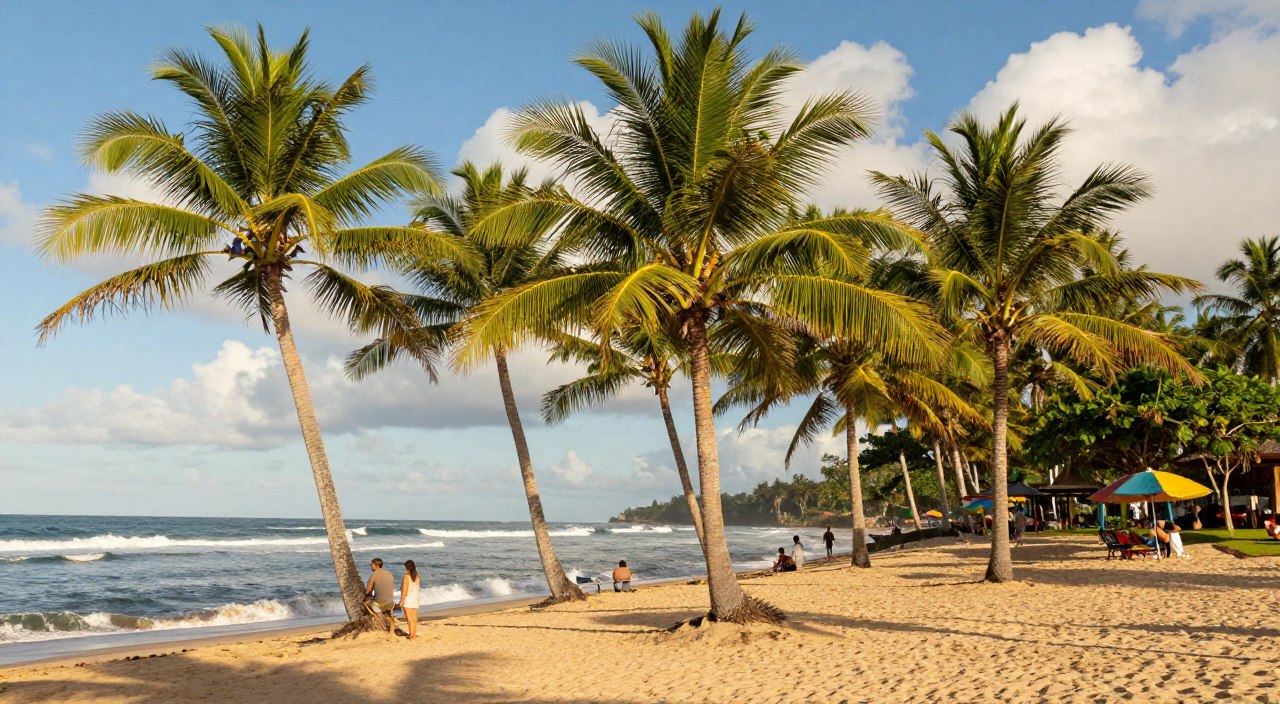
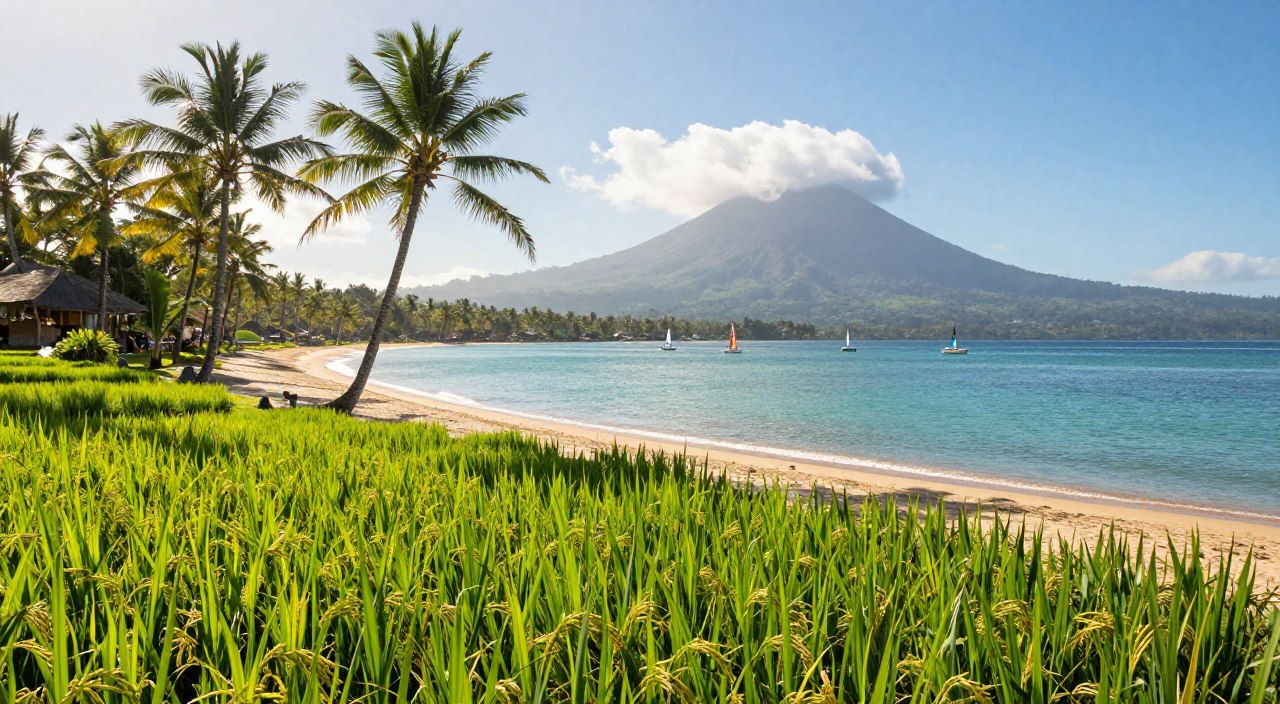
This popular time of year brings dry skies and crystal-clear waters. Beach days, diving adventures, and temple tours become particularly enjoyable. The sea temperature remains inviting at 27°C.
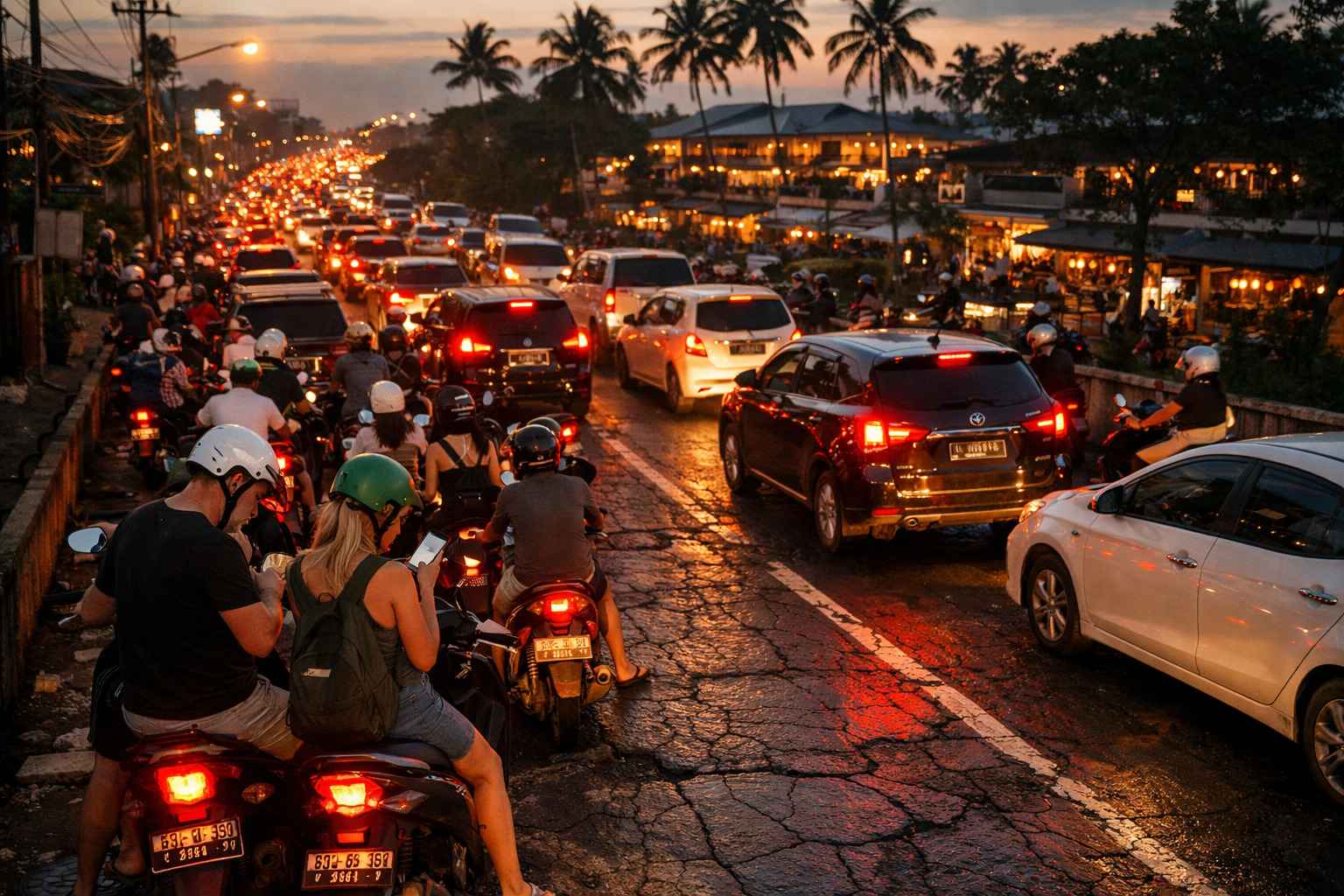
However, peak season means higher prices and crowded hotspots. Restaurants fill quickly, and traffic increases in popular areas. Planning ahead becomes essential for a smooth visit.
Main Points to Remember
- July offers the driest conditions with minimal rainfall
- Expect comfortable temperatures around 27°C with plenty of sunshine
- Ideal for outdoor activities and water sports
- Be prepared for peak season crowds and higher costs
- Perfect timing for beach holidays and cultural exploration
- Advance planning recommended due to popularity
Overview of Bali’s Climate and Seasons
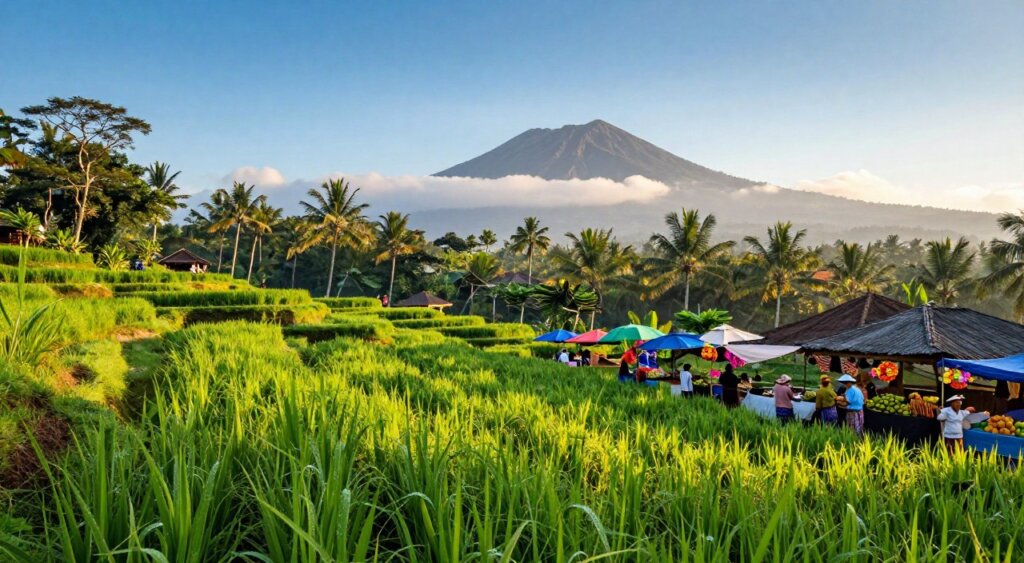
Located near the equator, this destination experiences consistent warmth throughout the year with distinct wet and dry periods. The tropical climate maintains comfortable conditions regardless of the time you visit.
Understanding the seasonal patterns helps travellers plan their ideal holiday. The island’s weather follows a reliable annual cycle.
Dry Season vs Wet Season
The dry season runs from May to October, offering minimal rainfall and lower humidity. This period provides excellent conditions for outdoor activities.
Conversely, the wet season occurs from November to April with heavier monsoon rains. Humidity levels rise significantly during these months.
| Season | Months | Rainfall | Humidity |
|---|---|---|---|
| Dry Season | May-October | 15-40mm monthly | 75-80% |
| Wet Season | November-April | 200-350mm monthly | 85-90% |
“The consistency of Bali’s climate makes it a reliable destination year-round, though seasonal variations create distinct experiences.”
Seasonal Temperature Trends
Temperatures remain relatively stable throughout the year, typically ranging from 20°C to 32°C. The dry season brings slightly cooler conditions.
Even during the wettest months, temperatures rarely drop below comfortable levels. This stability makes planning easier for visitors.
Global climate patterns can occasionally influence typical conditions. However, the island’s location ensures generally predictable weather.
Insights into bali july weather: What You Need to Know
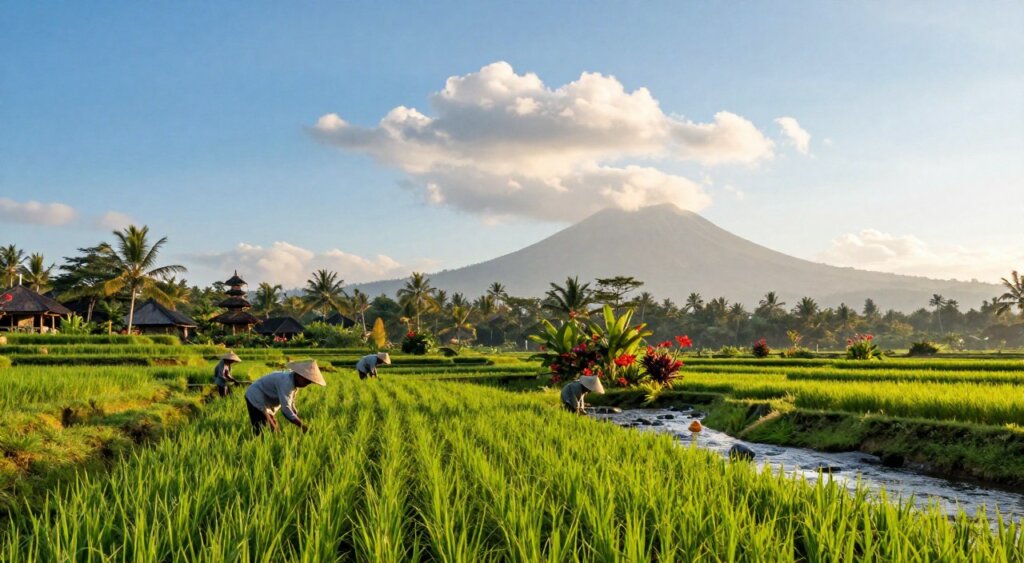
The meteorological patterns during this peak travel period create some of the most favourable conditions for visitors. Understanding the specific metrics helps travellers plan their ideal holiday experience.
Key Weather Metrics for July
This month offers comfortable temperatures ranging from 20°C to 31°C. The average sits around a pleasant 27°C, making outdoor activities enjoyable throughout the day.
Rainfall remains remarkably low with only 50-77mm expected over the entire period. Showers typically occur on just 4-5 days and are usually brief.
Daily sunshine averages 8-10 hours, providing ample time for exploration. Humidity levels drop to 78-80%, creating more comfortable conditions than wetter months.
The sea temperature maintains a warm 27°C, perfect for water activities. These combined factors make this time ideal for beach days, temple visits, and adventure tours.
Visitors can expect consistently clear skies and minimal weather disruptions. The dry conditions allow for flexible planning without worrying about rain affecting schedules.
Temperature and Humidity in July

Visitors can expect comfortable thermal conditions that vary between coastal and inland regions during their stay. The combination of warm days and cooler evenings creates ideal circumstances for exploring different areas.
Average Highs and Lows
Daytime temperatures typically range from 27-31°C, providing perfect warmth for outdoor activities. Evenings bring pleasant cooling to 22-25°C, especially in mountainous regions like Ubud where it can drop to 20°C.
Coastal areas maintain consistently warmer conditions compared to inland locations. This variation allows travellers to choose their preferred climate experience.
Humidity Levels and Comfort
Humidity averages 75-80% during this period, creating significantly more comfortable conditions than wetter months. The moderate moisture levels prevent the sticky discomfort that can occur during other seasons.
This balance makes extended outdoor activities enjoyable throughout the day. Visitors can explore without feeling overwhelmed by tropical conditions.
The combination of warm temperatures and manageable humidity creates ideal circumstances for various holiday experiences. Both beach relaxation and inland exploration become particularly pleasant.
Sunshine Hours, Rainfall and Sea Temperatures

Three key factors determine your daily activity possibilities during this peak travel period. The combination of sunshine duration, rainfall patterns and ocean warmth creates ideal holiday conditions.
Daily Sunshine and Clear Skies
Expect 8-10 hours of daily sunshine during this dry month. This extended daylight provides ample time for beach relaxation and outdoor exploration.
Predominantly clear skies with minimal cloud cover create perfect conditions. Sunset viewing and scenic photography become particularly rewarding activities.
Rainfall Patterns and Brief Showers
This period sees minimal precipitation with only 4-5 rainy days expected. When showers occur, they’re typically brief afternoon or evening events.
These passing rain bursts rarely disrupt full-day plans or activities. Mornings and midday periods remain consistently clear and sunny.
The sea temperature maintains a comfortable 27°C throughout the month. This warm water is ideal for extended swimming sessions and water sports.
The reliable weather patterns mean you can confidently book outdoor adventures. The combination of abundant sunshine, minimal rainfall and warm sea conditions creates perfect circumstances for beach days and aquatic activities.
How Crowds and Peak Season Impact Your Trip
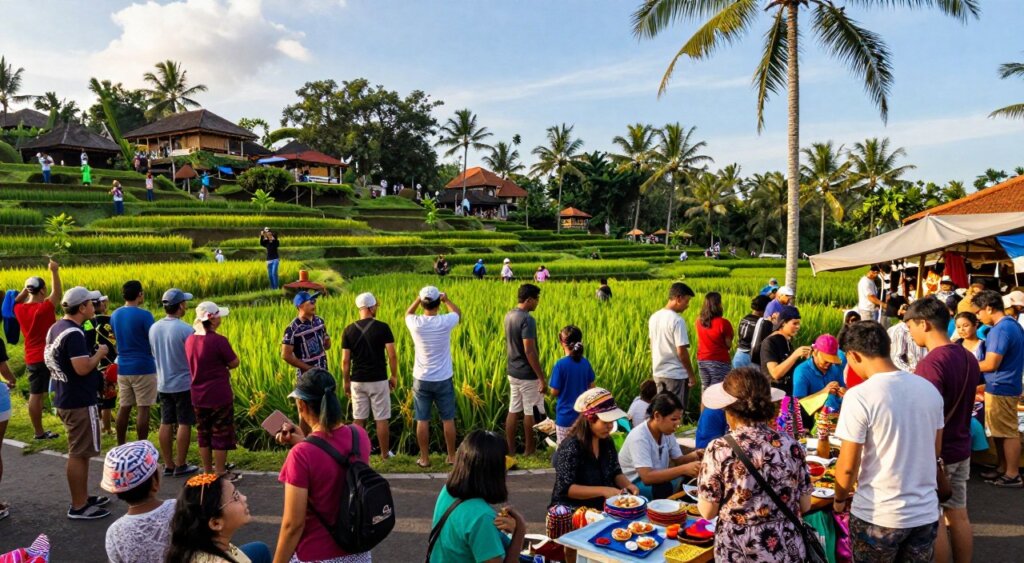
The influx of travellers during peak season transforms the island’s atmosphere in both positive and challenging ways. This busy period coincides with major school holidays, bringing thousands of visitors seeking ideal conditions.
Tourist Traffic in Popular Areas
Certain hotspots experience significant congestion during this time. Areas like Seminyak, Canggu, and Ubud’s centre see heavy foot traffic and vehicle congestion.
Popular beach clubs, famous temples, and well-known restaurants often have queues. Midday and sunset periods bring the highest concentration of people to these locations.
Last-minute bookings become difficult as accommodation fills quickly. The sheer number of visitors during this season affects availability across the island.
Managing the Peak Season Energy
Strategic timing helps avoid the largest crowds. Visiting popular sites early morning or later evening provides more space to enjoy attractions.
Many travellers actually enjoy the vibrant atmosphere created by peak season. The buzzing beach clubs and full restaurants create a lively holiday energy.
Quieter alternatives exist in areas like Sanur, Sidemen, and North Bali. These regions maintain a peaceful pace even during the busiest time of year.
With proper planning, visitors can experience the best of both worlds. The key is balancing popular attractions with quieter moments throughout your stay.
Best Outdoor and Cultural Activities in Bali
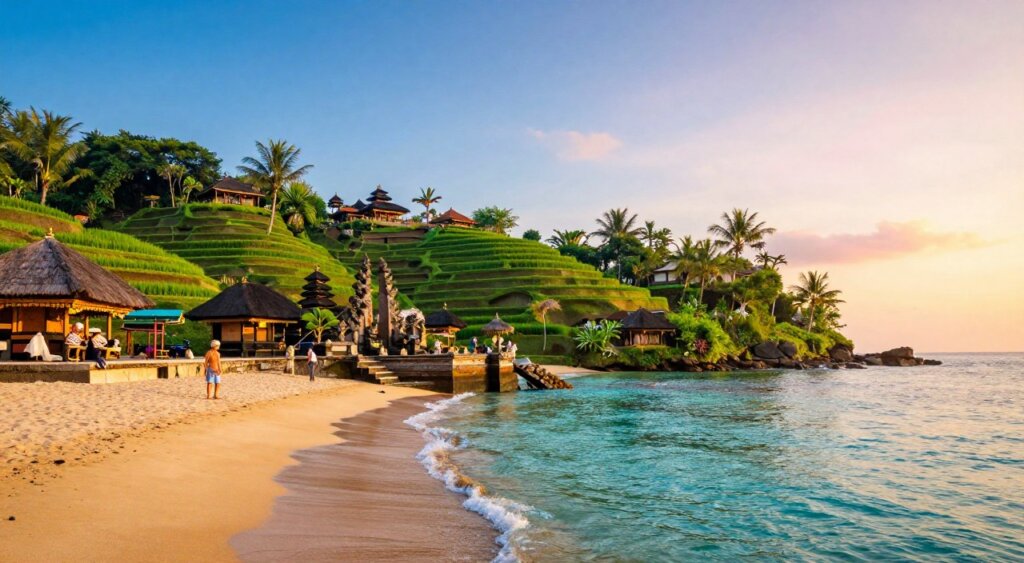
The ideal conditions during this period open up incredible opportunities for exploration and adventure across the island. Dry weather and abundant sunshine create perfect circumstances for experiencing diverse landscapes and cultural treasures.
Beaches, Temples and Rice Terraces
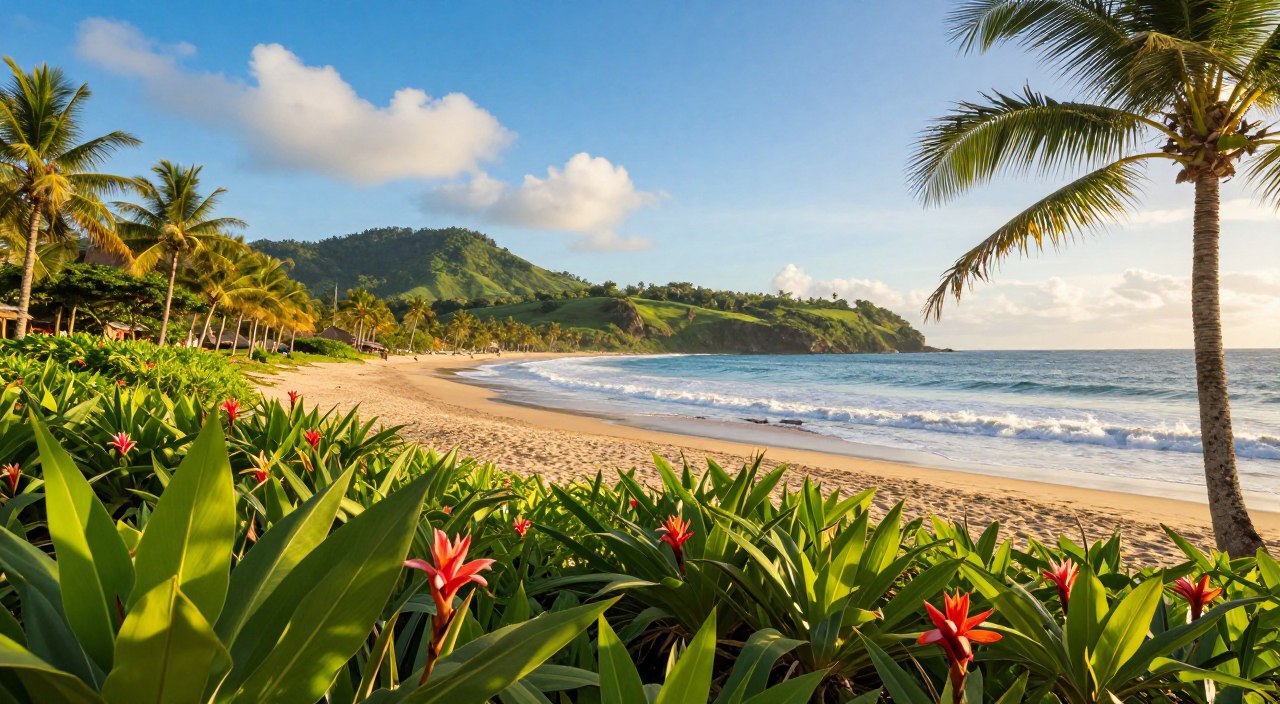
Coastal areas offer excellent swimming conditions at various beaches. Legian Beach provides calm waters ideal for beginners, while Echo Beach attracts experienced surfers with stronger waves.
Iconic temples like Tanah Lot and Uluwatu present spectacular sunset views against clear skies. The dry paths make temple visits comfortable throughout the day.
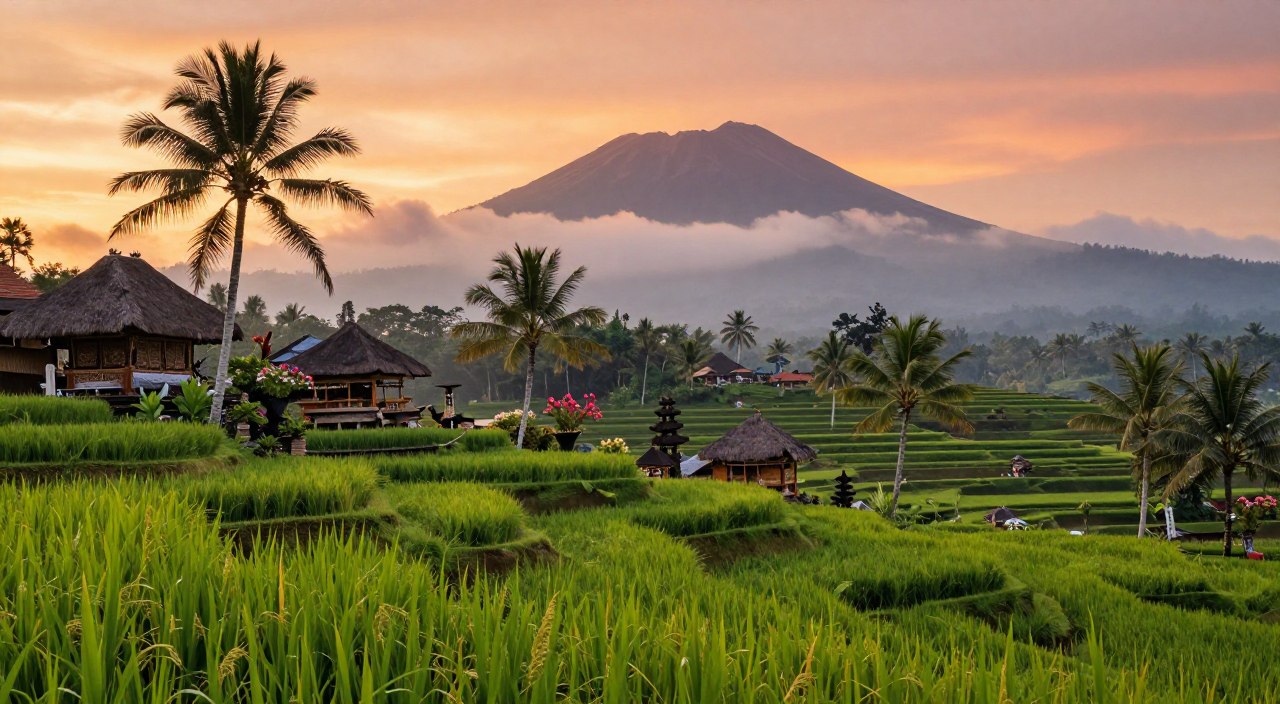
Tegallalang’s rice terraces display vibrant green landscapes following earlier rains. The accessible trails allow for enjoyable walking tours and photography sessions.
Adventure Tours and Local Festivals
Mount Batur sunrise treks offer breathtaking views in the stable morning conditions. Water-based activities like diving at Nusa Lembongan benefit from excellent visibility.
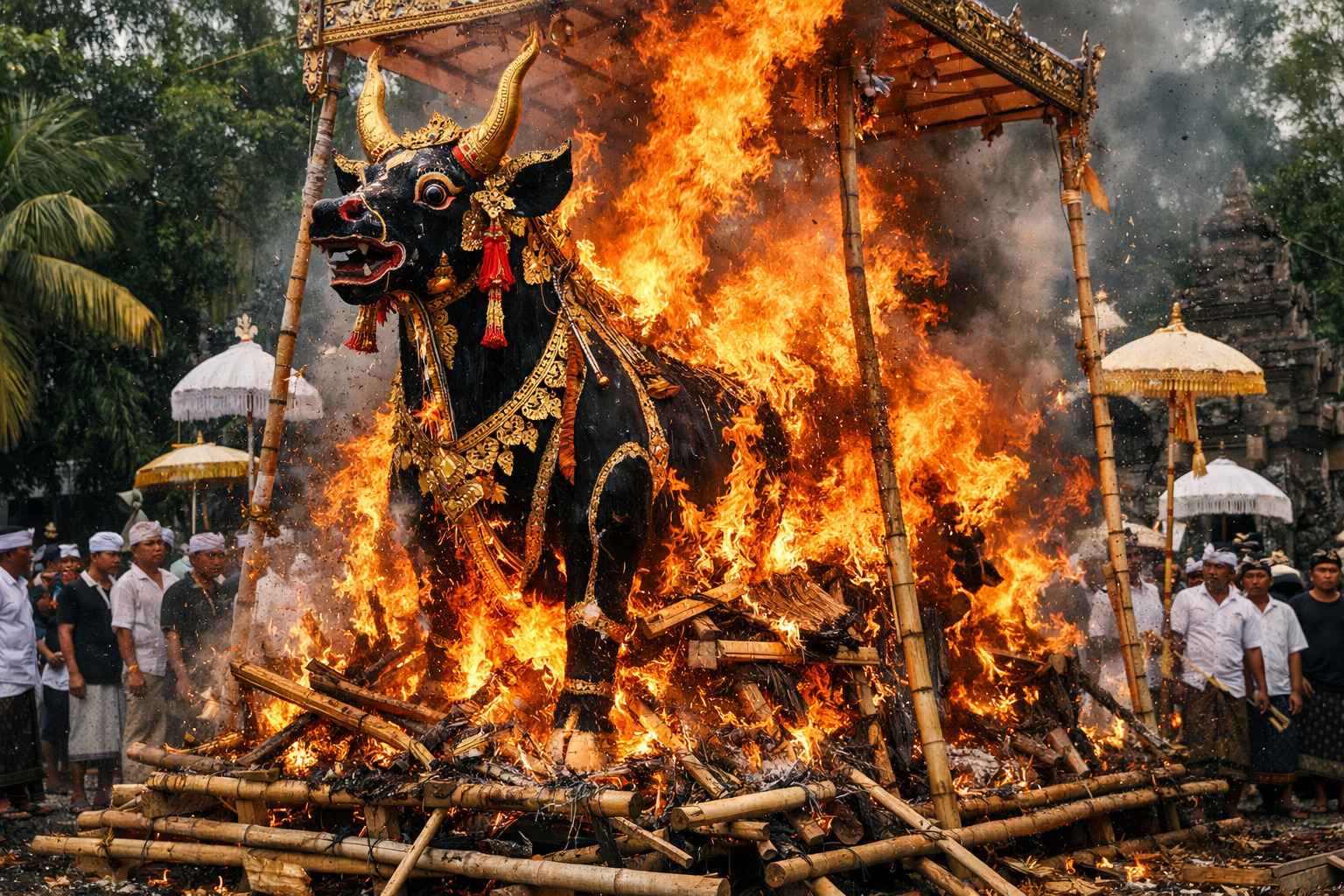
The Bali Arts Festival showcases traditional performances during this period. Meanwhile, the Kite Festival fills Sanur’s skies with massive traditional creations.
Adventure operators provide unique experiences like Munduk Wilderness tours. These activities take advantage of the reliable weather patterns for unforgettable adventures.
Packing Tips and What to Wear in July
Smart packing makes all the difference for enjoying your tropical holiday to the fullest. The dry season brings ideal conditions, but requires specific items to stay comfortable throughout your stay.
Essentials for a Tropical Climate
Your packing list should focus on sun protection and comfort. Reef-safe sunscreen is crucial for protecting both your skin and marine life.
Bring insect repellent since mosquitoes remain active. A reusable water bottle helps you stay hydrated during warm days.
Don’t forget a sarong for temple visits – it’s mandatory for entry. Having your own saves valuable exploration time.
| Essential Item | Purpose | Special Notes |
|---|---|---|
| Reef-safe Sunscreen | Sun protection | Avoid overpriced local options |
| Lightweight Sarong | Temple visits | Required for entry |
| Quick-dry Swimwear | Water activities | Pack multiple sets |
| Reusable Water Bottle | Hydration | Essential for full-day trips |
Light and Breathable Outfits for Day and Night
Choose natural fabrics like cotton and linen that breathe well in the humidity. These materials keep you cooler than synthetics.
Pack a light jacket for evenings in upland areas where temperatures drop. Coastal regions stay warm both day and night.
Footwear should include sandals for beaches and closed shoes for activities. Remember that affordable laundry services mean you can pack light.
Local Accommodation and Hotel Options for July

Finding the perfect place to stay during peak travel months requires careful consideration of your preferences and budget. This busy season sees accommodation filling quickly across the island.
Early booking becomes essential for securing your ideal lodging. Planning six to eight weeks ahead ensures better availability and rates.
Luxury Villas versus Budget Stays
High-end properties like Villa Semana near Ubud offer private pools and stunning rice paddy views. These luxury options provide comprehensive facilities including spas and gourmet dining.
Viceroy Bali features villas with marble bathrooms and Petanu River valley vistas. Such premium accommodations come with premium pricing during this popular month.
Budget-conscious travellers can find better value in less touristy areas. Locations like Mengwi and Gianyar offer more reasonable rates while still providing comfortable stays.
Unique Stays with Pools and Scenic Views
Private pools become particularly desirable during peak season. They offer refreshing respite when popular beaches experience crowds.
Properties with rice terrace or river valley views enhance your holiday experience. These natural backdrops showcase the island’s beauty right from your accommodation.
Booking directly with smaller guesthouses can sometimes yield better rates. This approach works well for longer stays and offers more flexible terms.
Navigating Transportation and Traffic in Bali
Navigating the island’s transportation system requires strategic planning to avoid traffic delays. This busy season brings increased congestion that can impact your travel experience.
Understanding your options helps create a smoother journey across different regions.
Private Car and Scooter Rentals
Hiring a private car with driver offers the most stress-free option for your trip. Experienced drivers know local shortcuts and alternative routes that bypass congested zones.
Scooters work well in quieter areas but require confidence in busy tourist spots. Dry conditions make this a safer time for two-wheel travel, though heavy traffic demands skill.
Traffic Patterns and Best Travel Times
Avoid driving between 3pm-6pm when tourist areas experience peak congestion. This critical window sees slow-moving traffic and frequent bottlenecks.
For evening plans, head out early or choose nearby restaurants. Ride-hailing apps work for short trips but expect longer wait times during busy periods.
Bluebird taxis provide reliable metered service for street hailing. Be cautious of drivers offering suspiciously round quotes instead of using their meter.
Culinary Experiences and Local Flavours
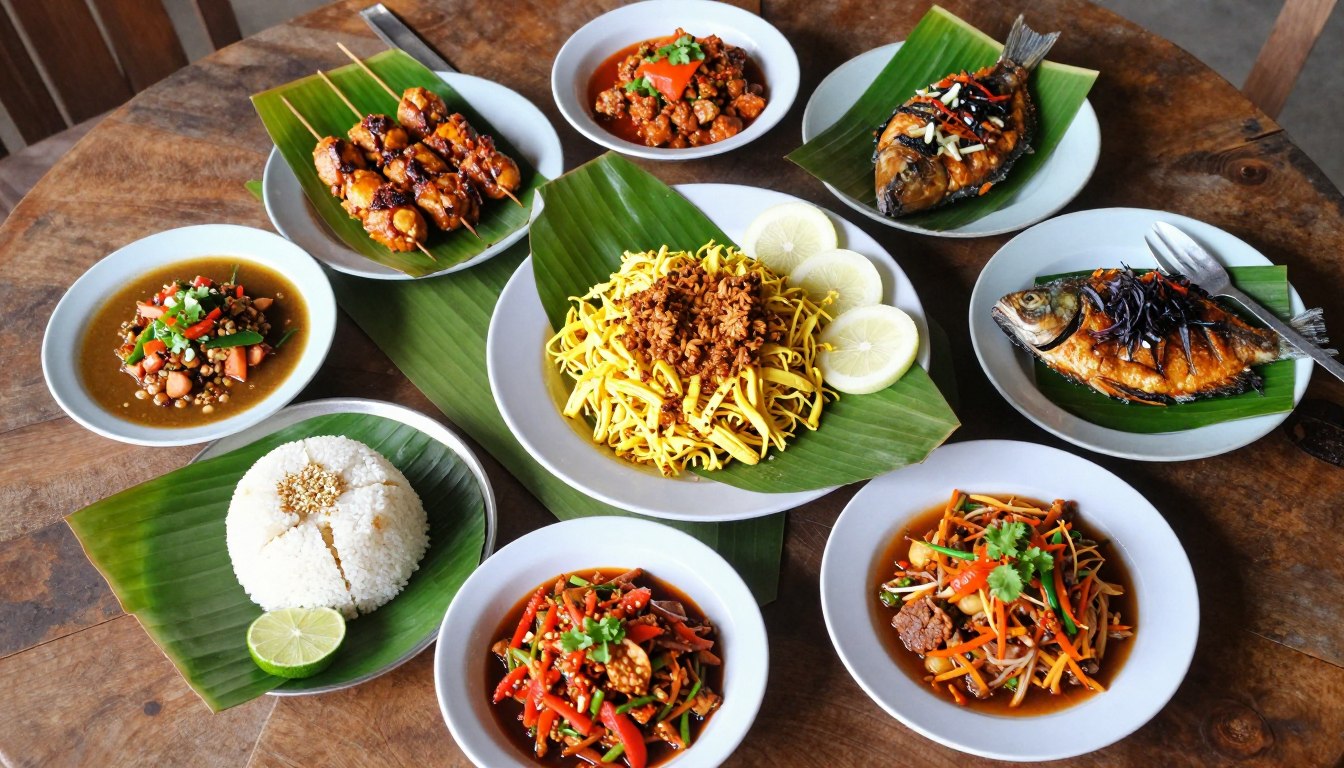
The culinary landscape offers diverse experiences from street food to fine dining establishments. This peak season brings excellent conditions for exploring the island’s food culture.
Top Restaurants and Warungs to Try
Melting Wok Warung in Ubud serves Balinese-Cambodian fusion with daily-changing menus. Their eight tables fill quickly, so booking ahead is essential.
The Beach House at Echo Beach offers grilled seafood and extensive drinks. CasCades Restaurant provides French cuisine with Asian influences.
Bella Vista near Legian Beach serves international comfort food. Local warungs offer authentic dishes at great value.
Must-Taste Balinese Specialities
Traditional dishes showcase the region’s rich culinary heritage. Nasi goreng remains a popular choice among visitors.
Rice-based meals and curry dishes reflect local cooking traditions. These flavours pair perfectly with the dry season conditions.
| Dining Type | Experience | Best For |
|---|---|---|
| Fine Dining | Upscale venues with refined cuisine | Special occasions |
| Local Warungs | Authentic Balinese flavours | Budget-friendly meals |
| Beachfront Cafes | Casual dining with ocean views | Relaxed evenings |
Clear evenings create perfect settings for outdoor dining. The favourable weather enhances meals at beachside venues and open-air restaurants.
Budgeting and Planning for Peak Season Visits
The combination of school holidays and ideal weather conditions creates premium pricing that demands smart financial strategies. This popular time of year sees costs rise significantly across all travel categories.
Tips to Secure Flights and Accommodation
Book flights at least six to eight weeks before your trip to avoid inflated prices. Use tools like Google Flights or Skyscanner to monitor fare changes.
Consider mid-week travel and avoid weekend arrivals to save money. Early morning or late-night flights often offer better rates.
Accommodation fills quickly during this busy season. Look beyond tourist hotspots for better value options.
Cost-Saving Strategies for Peak Travel
Bundle accommodation with activities for package deals. Contact smaller local businesses directly for negotiable rates.
Choose less crowded areas while maintaining access to major attractions. Plan your entire itinerary in advance to secure the best prices.
Last-minute bookings during peak season rarely offer discounts. Strategic planning ensures an affordable visit despite higher costs.
Conclusion
When deciding on the perfect timing for your tropical getaway, this period stands out as a premier choice for those seeking optimal conditions. The island’s climate delivers exceptional circumstances that appeal to most travellers.
Excellent weather patterns create ideal circumstances for various pursuits. You’ll enjoy comfortable temperatures, minimal rainfall, and abundant sunshine hours. These conditions make beach days, water activities, and cultural exploration particularly rewarding.
However, peak season brings significant crowds and higher costs. Popular areas experience heavy visitor traffic during these months. Strategic planning becomes essential for a smooth holiday experience.
With proper preparation and realistic expectations, this time of year can deliver an outstanding trip. The combination of reliable conditions and vibrant atmosphere showcases the destination at its finest.