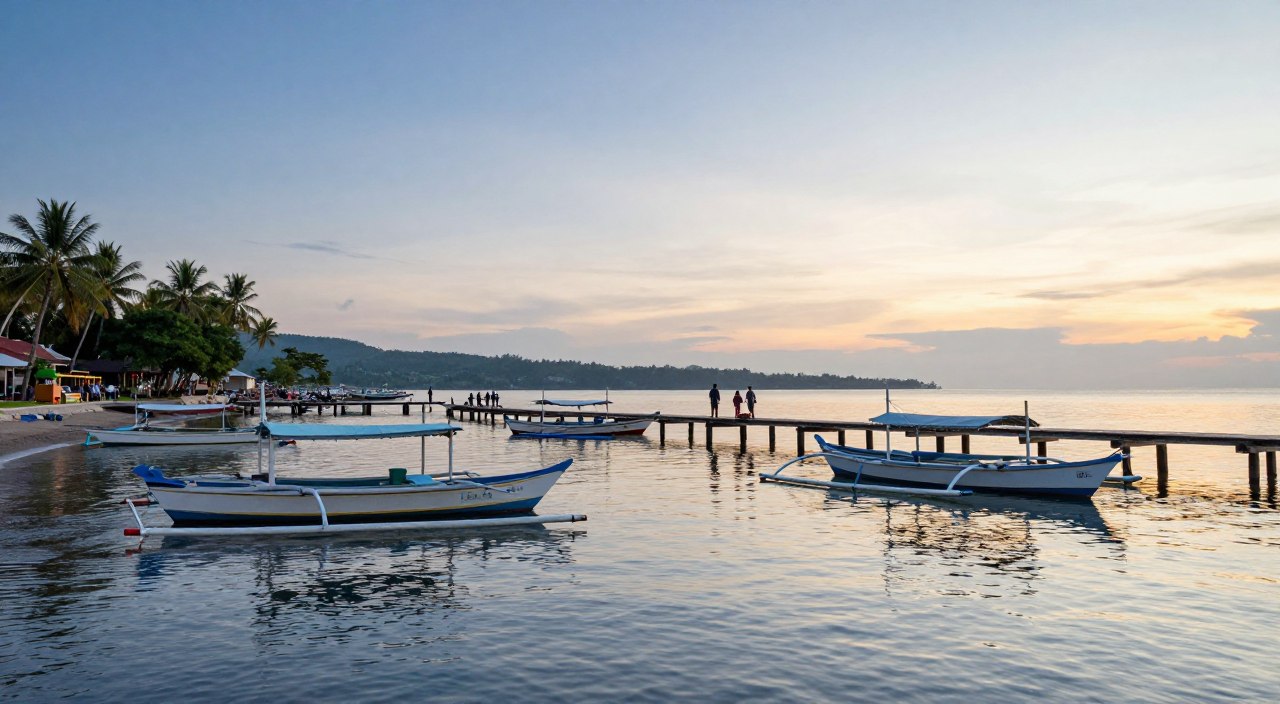
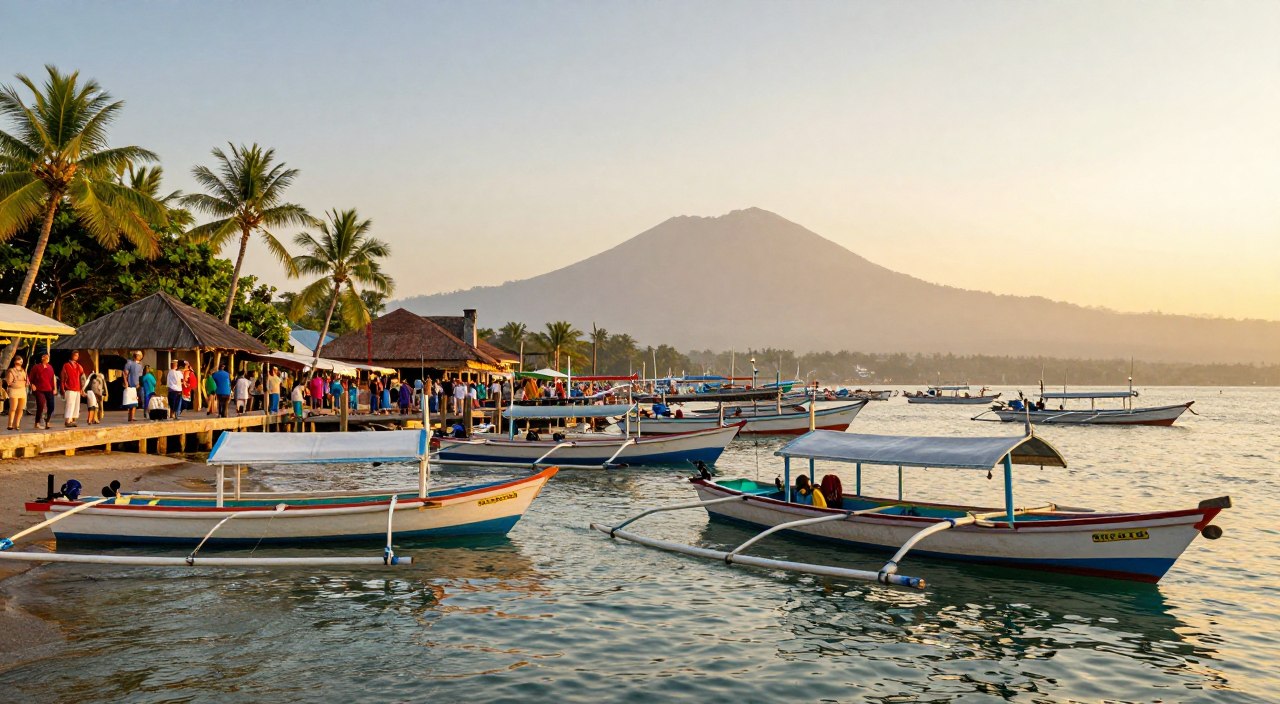
Hidden tourist fees in Bali are quietly reshaping the way international visitors plan, budget, and experience one of Southeast Asia’s most beloved destinations. While Bali has long worn its affordability like a badge of honor, a growing stack of mandatory charges, regional tolls, and tax surcharges is changing the financial reality for first-time and returning visitors alike. Understanding these costs before you land is no longer optional; it is the difference between a dream holiday and a budget derailed at every turn.

The Visa Landscape Has Changed, and Not Everyone Got the Memo
For years, travelers from Australia, the UK, Europe, and the United States arrived in Bali assuming a visa-free welcome. That assumption has been quietly dismantled. Today, only citizens of select ASEAN nations and a handful of countries with reciprocal agreements with Indonesia, including Brazil, Colombia, Hong Kong, Peru, Suriname, and Turkey, can enter without paying a visa fee.
Everyone else, representing travelers from 169 countries, must apply for either a Visa on Arrival or an eVisa on Arrival. Both cost IDR 500,000 (roughly USD 30), cover an initial 30-day stay, and can be extended once for an additional fee. For couples or families, this cost accumulates fast and is rarely factored into early trip planning.
The Tourism Levy That Most Tourists Still Haven’t Paid
Introduced more than two years ago, the Bali Tourism Tax Levy charges every arriving international visitor a mandatory IDR 150,000 fee. The levy is designed to fund environmental protection, cultural preservation, and infrastructure improvements across the island. Despite being in effect for over two years, compliance remains strikingly low; only 35 percent of international tourists have actually paid it.
Part of the reason is awareness. The levy can be paid online before arrival, which is the recommended approach, but enforcement at the point of entry has been inconsistent. Authorities are tightening this, and tourists who arrive unaware face delays or complications at immigration. The hidden tourist fees in Bali are rarely announced at the point of booking, which is where the system is failing travelers most.
Reading a Menu in Bali Requires More Than Knowing the Prices
Perhaps the most universally overlooked charge is the “++” notation that appears on menus at hotels, restaurants, and bars affiliated with the Indonesian Hotel and Restaurant Association. This double-plus symbol signals two separate additions to your bill: a 10 percent PBJT (Pajak Barang dan Jasa Tertentu) government tax, and an establishment-set service charge ranging from 5 to 11 percent that goes directly to staff.
In practical terms, a menu priced at IDR 100,000 with “++” applied can cost up to IDR 121,000 by the time it reaches your table. Budget travelers comparing menu prices between venues may be comparing very different final costs if some menus are tax-inclusive and others are not. Scrutinizing whether a menu is “nett” (all-inclusive) or “++” before ordering is a habit every Bali visitor should develop quickly.
You Pay to Enter the Region Before You Even See the Attraction
Beyond attraction tickets, certain regions in Bali charge a mandatory entry fee simply for arriving within their geographic boundaries. Nusa Penida, the rugged island southeast of the main island, charges IDR 25,000 per adult and IDR 15,000 per child just to disembark. The Kintamani Special Tourism Area, famed for its volcanic caldera views, charges IDR 50,000 for international tourists and IDR 25,000 for domestic visitors.
These regional fees exist separately from and in addition to, ticket prices at individual attractions. Their legitimacy has been questioned by some visitors, but the fees are official and collected by local authorities. Missing them on arrival can cause friction with local administrators, particularly in peak season when oversight is heightened.
2026 Is Bringing Higher Prices Across Bali’s Top Attractions

The hidden tourist fees in Bali are not static. Several of the island’s most visited cultural sites are formally raising their entry fees in 2026, including Ubud’s Monkey Forest, the serene Ulun Danu Beratan temple on the shores of Lake Bratan, and Tanah Lot, one of Bali’s most photographed sea temples. Budget estimates built on 2024 or 2025 pricing are already outdated.
Taken together, the full picture of hidden tourist fees in Bali, from visas and levies to restaurant taxes, regional tolls, and rising attraction costs, paints a destination that remains affordable by global standards but demands far more financial preparation than its postcard image suggests. The travelers who feel blindsided are, almost always, the ones who planned for the advertised price and not the actual one.
Sources & References
- The Bali Sun, Bali’s Hidden Tourist Fees Spark Confusion For Holidaymakers: Here’s What Tourists Need To Know
- Indonesian Directorate General of Immigration, Visa on Arrival Information
- Love Bali Official Portal, Bali Tourism Levy Payment Guide
- Bali Provincial Government, PBJT Tax Regulation Overview
- Nusa Penida Tourism Board, Visitor Entry Fee Information
About the Author
This article was produced by a senior journalist and travel finance analyst with over a decade of experience covering Southeast Asian tourism policy, destination economics, and traveler consumer rights. Their work focuses on helping international visitors navigate the real costs of popular destinations, beyond what booking platforms and travel influencers typically disclose.