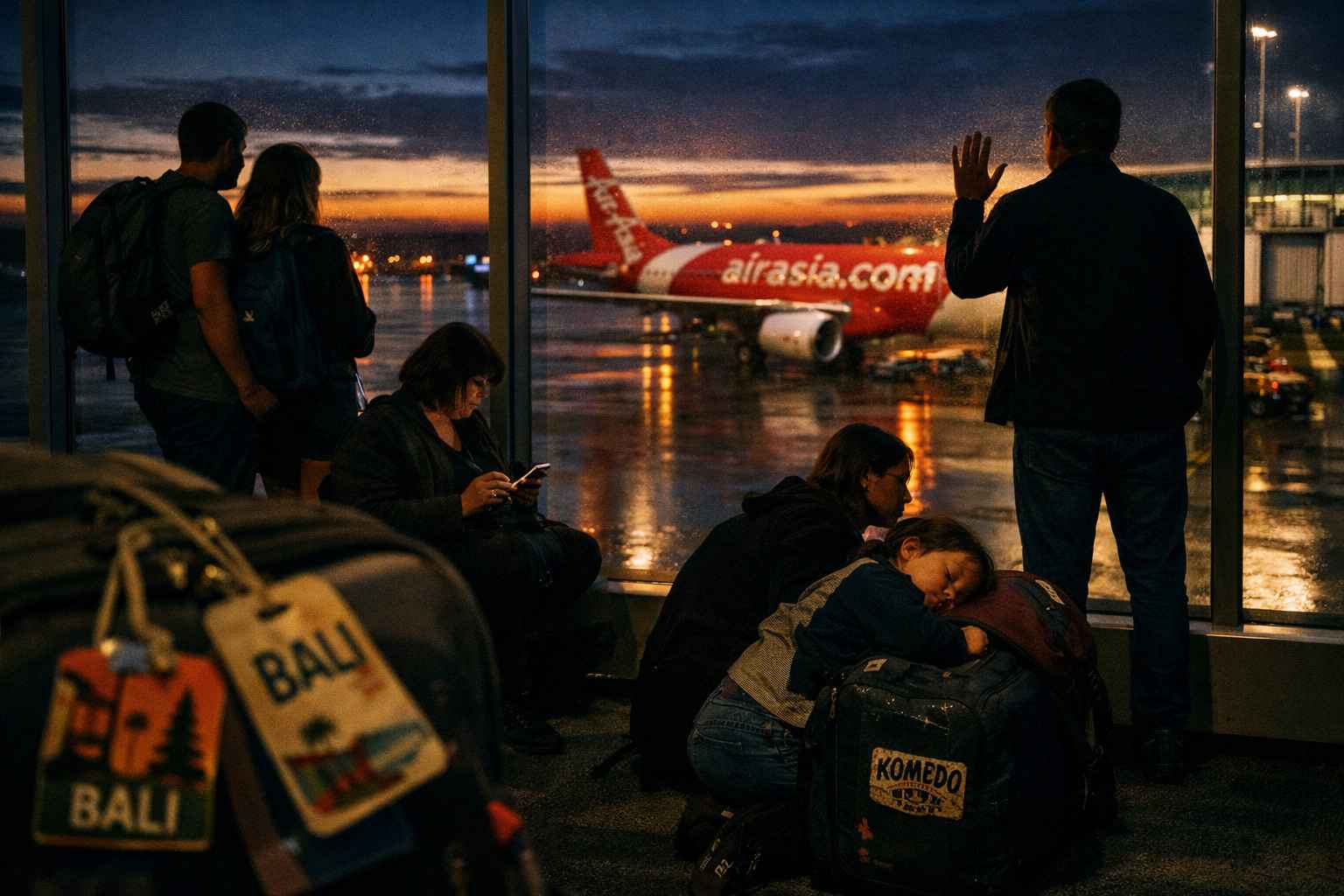
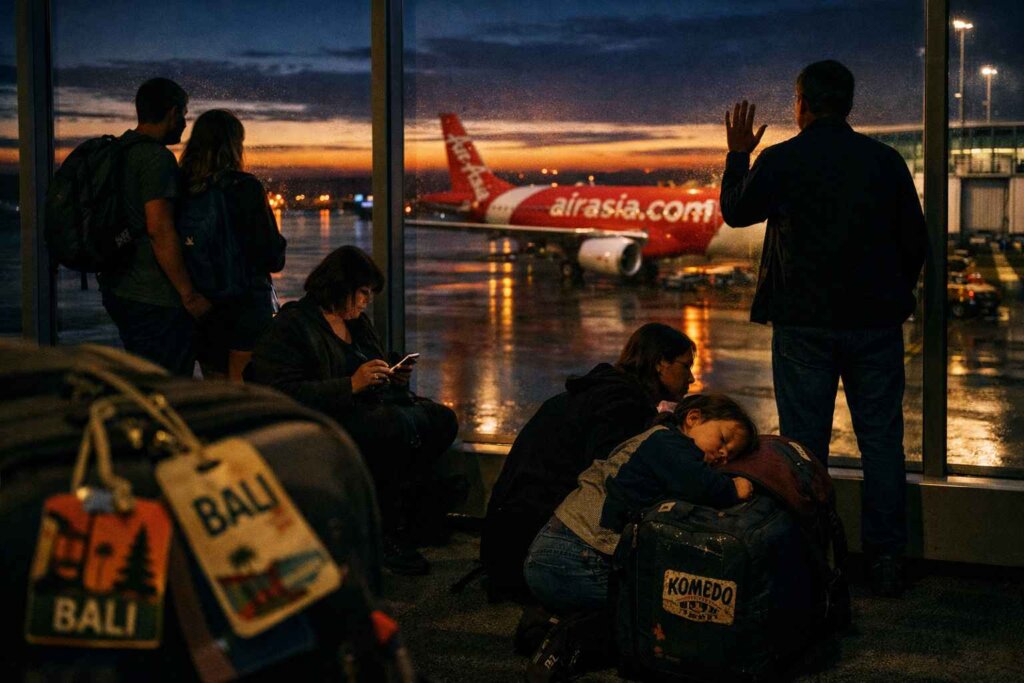
The budget Australia-Bali flight landscape shifted in a meaningful way on 21 March 2026, when Indonesia AirAsia touched down in Denpasar for the first time from Melbourne. It was not just another airline launch, it was a signal that the appetite for low-cost travel between Australia and Indonesia has grown strong enough to support another daily competitor on one of the region’s most-traveled leisure corridors.
A Route Built on Real Demand
Australians have long been Bali’s most loyal international visitors. With more than 120 weekly flights operating between Australia and the island province, the route is one of Southeast Asia’s most commercially dense short-haul corridors. Yet for years, the affordable options on that corridor have been dominated by a handful of carriers, with Jetstar holding the top spot and AirAsia nipping at its heels.
The new Melbourne-Denpasar service, operating as flight QZ 411, departs Melbourne Airport at 6:00 am daily and lands at Ngurah Rai International Airport at 8:35 am local time. The return leg, QZ 410, departs Denpasar at 8:10 pm, putting passengers back in Melbourne around 5:00 am the following morning. The timing is deliberate, designed to maximize a traveler’s first full day in Bali while keeping operating costs lean through efficient aircraft turnaround.
For travelers who have been watching the budget Australia-Bali flight market for years, the schedule is a practical win. Early morning arrivals mean fewer hours of accommodation wasted on in-transit time, a detail that matters more than it might seem when a short getaway is measured in days rather than weeks.
More Than Just a Cheap Seat
Indonesia AirAsia’s Acting President Director, Captain Achmad Sadikin Abdurachman, described the Melbourne route as the carrier’s first international service for 2026 and framed it in explicitly strategic terms, referring to strengthening connectivity across the Asia-Pacific and ASEAN regions. That language is worth taking seriously. Indonesia’s aviation market is one of the fastest-growing in the world, and the country’s low-cost carriers have been quietly expanding their international footprints at a pace that full-service airlines are finding difficult to match.
The Consul General of the Republic of Indonesia in Melbourne, Yohannes Jatmiko Heru Prasetyo, added diplomatic weight to the occasion. Stronger direct connectivity, he noted, opens pathways for economic cooperation, educational exchange, and cultural engagement between the two countries, not just cheaper holiday packages. That broader context matters because aviation routes, once established, tend to reshape the commercial relationships around them.
The Competitive Picture
The current carrier lineup on Australia-Bali routes tells a revealing story about where demand is migrating. Jetstar leads, AirAsia holds second place, Virgin Australia sits third, and Batik Air follows. Full-service carriers Garuda Indonesia and Qantas serve the route too, but the trajectory of consumer preference is clear: budget Australia-Bali flight options are consistently outpacing full-service demand in terms of booking volume and passenger growth.
One passenger on the inaugural Melbourne-Denpasar flight put it plainly, saying they would take the cheapest available seat regardless of departure time. That sentiment, unsophisticated as it might sound, reflects a structural shift in how a large segment of the traveling public now approaches short-haul international travel. Price has overtaken service tier as the primary booking driver, and airlines that have built their entire model around that reality are well-positioned for the decade ahead.
Onward Connectivity and the Wider Opportunity
For Australian travelers, the new service is also a gateway to a broader slice of Indonesia. Through Denpasar’s connections, passengers can continue onward to Jakarta, Balikpapan, Banjarmasin, and Labuan Bajo, the coastal town that serves as the primary access point to Komodo National Park. That last destination alone has seen a sustained surge in international interest, driven by wildlife tourism and a growing appetite for immersive natural experiences that go beyond Bali’s beaches.
The budget Australia-Bali flight opening will, in effect, make those onward Indonesian destinations more accessible and more affordable for Melbourne-based travelers who previously had fewer direct routing options.
A Practical Note on Booking
The Middle East conflict continues to affect global flight routing and, in some cases, operational scheduling across Southeast Asia. Travelers booking any budget Australia-Bali flight route in 2026 should purchase comprehensive travel insurance at the point of booking, not as an afterthought. Flight changes are happening on short notice across multiple carriers, and standard refund protections do not always cover disruptions tied to geopolitical events. Monitoring updates from Bali’s Ngurah Rai International Airport and the relevant airline directly is the safest approach for anyone with near-term bookings.
Sources & References
- Bali.com , New Budget-Friendly Australia-Bali Flight Launches For Tourists
- Indonesia AirAsia , Official Route Announcement: Denpasar-Melbourne Launch
- Australian Government, Department of Foreign Affairs and Trade , Indonesia Country Brief
- Airports Council International , Asia-Pacific Airport Traffic Report 2025
- CAPA, Centre for Aviation , Indonesia Aviation Market Analysis
About the Author
Marco Delgado is a senior travel and aviation journalist with over a decade of experience covering the Asia-Pacific aviation market, low-cost carrier strategy, and tourism economics. He has reported extensively on the Australia-Indonesia travel corridor, contributing analysis to major travel publications across the region. When not tracking airline route maps, he is usually planning his next overland trip through eastern Indonesia.