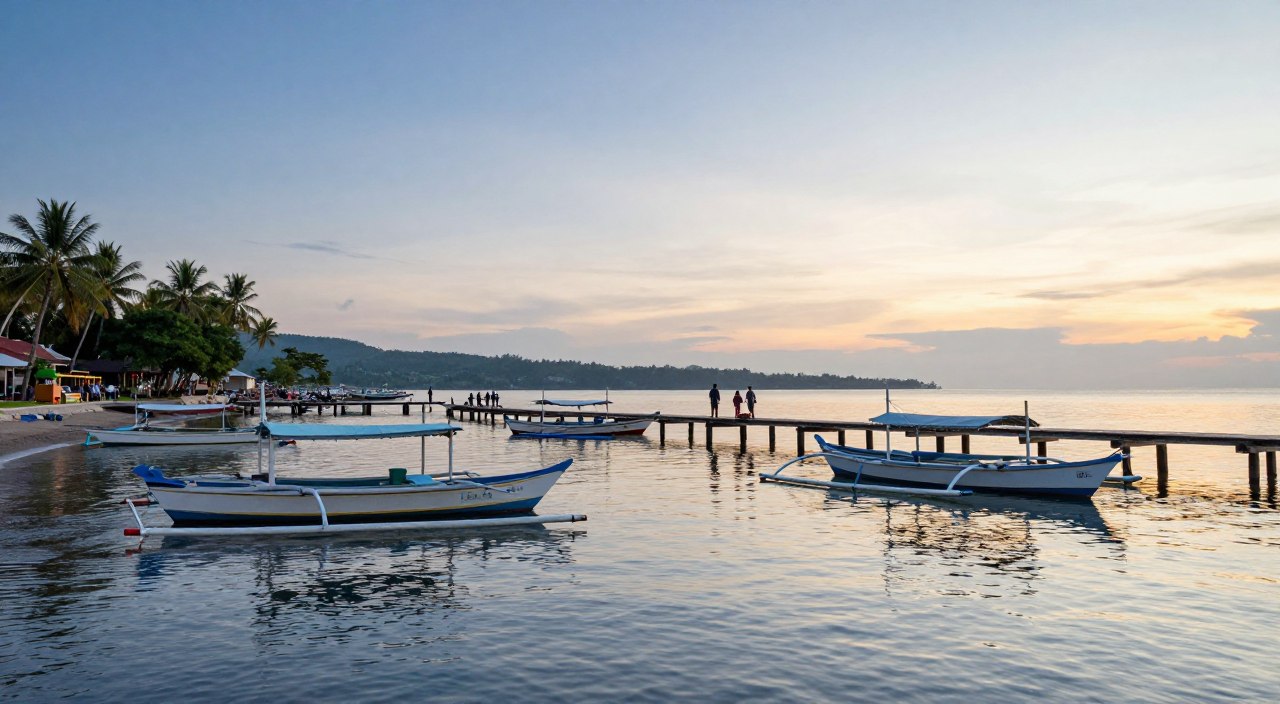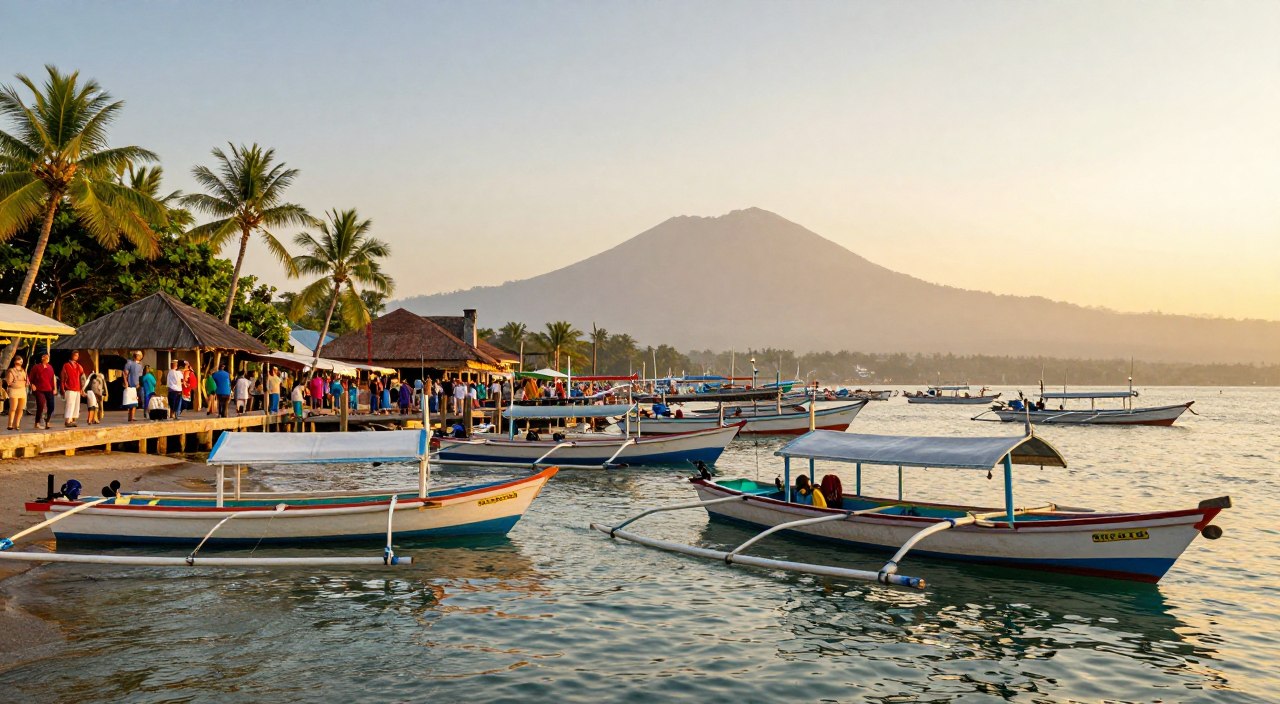
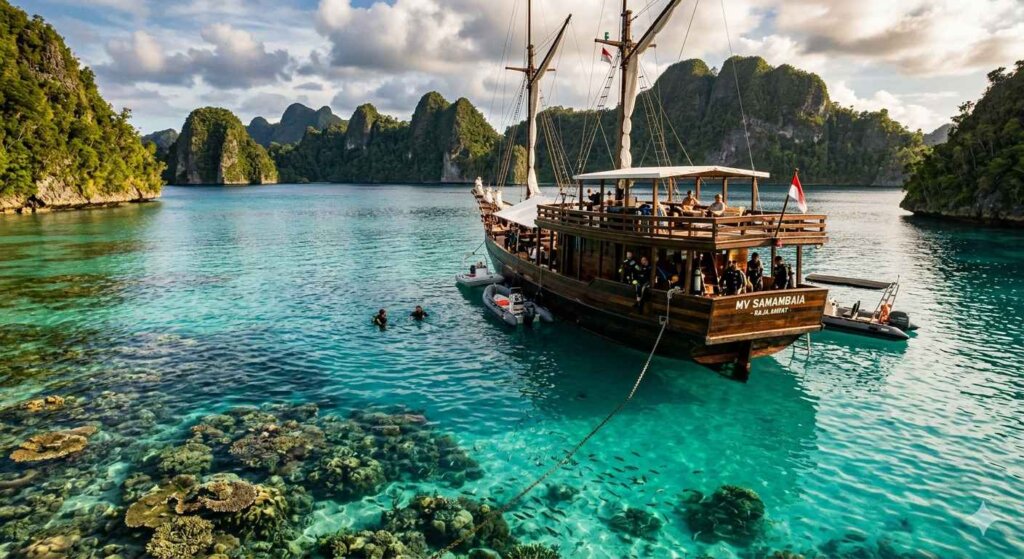
Raja Ampat liveaboard diving is, without question, the most biodiverse underwater experience on the planet. Drop into any dive site in this archipelago and within the first 60 seconds you will understand why marine biologists run out of superlatives. Over 1,500 fish species, 700 types of molluscs, and more coral genera than anywhere else on Earth live beneath these emerald waters off the coast of West Papua, Indonesia. No other destination comes close.
The problem with Raja Ampat is that it sits far from anything resembling convenience. That distance, however, is precisely what has kept it extraordinary. Reaching the best dive sites requires a vessel, time, and a willingness to commit. A liveaboard, a floating dive base that takes you from site to site while you sleep, eat, and rinse your kit, is not merely the best way to dive these islands. For most of them, it is the only way.
This guide covers everything you need to plan your trip, from choosing an operator and understanding the cost breakdown to knowing exactly what you will see underwater and when to go. Whether you are a seasoned technical diver or recently certified and hungry for an adventure, read on.
Why Raja Ampat Liveaboard Diving Is in a Class of Its Own
The numbers alone are staggering. Raja Ampat sits at the heart of the Coral Triangle, a 6-million-square-kilometre zone spanning Indonesia, the Philippines, Malaysia, Papua New Guinea, the Solomon Islands, and Timor-Leste. This triangle holds 76% of the world’s known coral species and is the global epicentre of marine biodiversity. Within that zone, Raja Ampat is the crown jewel.
A 2001 Conservation International survey recorded 1,074 fish species and 553 coral species in Raja Ampat alone, a world record at the time. Subsequent surveys have only revised those numbers upward. The Raja Ampat diving biodiversity here is not a marketing phrase. It is peer-reviewed science.
A land-based resort simply cannot give you access to the full picture. The four main island groups, Waigeo, Batanta, Salawati, and Misool, span roughly 50,000 square kilometres of ocean. The best dive sites are scattered across that entire range. Anchoring in a bay near Waisai and day-tripping by speedboat works for a small number of northern sites. But Misool in the south, the remote seamounts, and the legendary drift dives of the Dampier Strait are out of practical reach unless you are sleeping on the boat.
A liveaboard also means you are in the water at first light, before the day-trippers, when the current is ideal and the animals are most active. You dive four or five times a day, including night dives that reveal a completely different ecosystem. You cover ground that resort guests never reach. For a destination this large and this remote, the liveaboard is not a luxury upgrade. It is the logical strategy.
Top Dive Sites in Raja Ampat You Will Explore on a Liveaboard
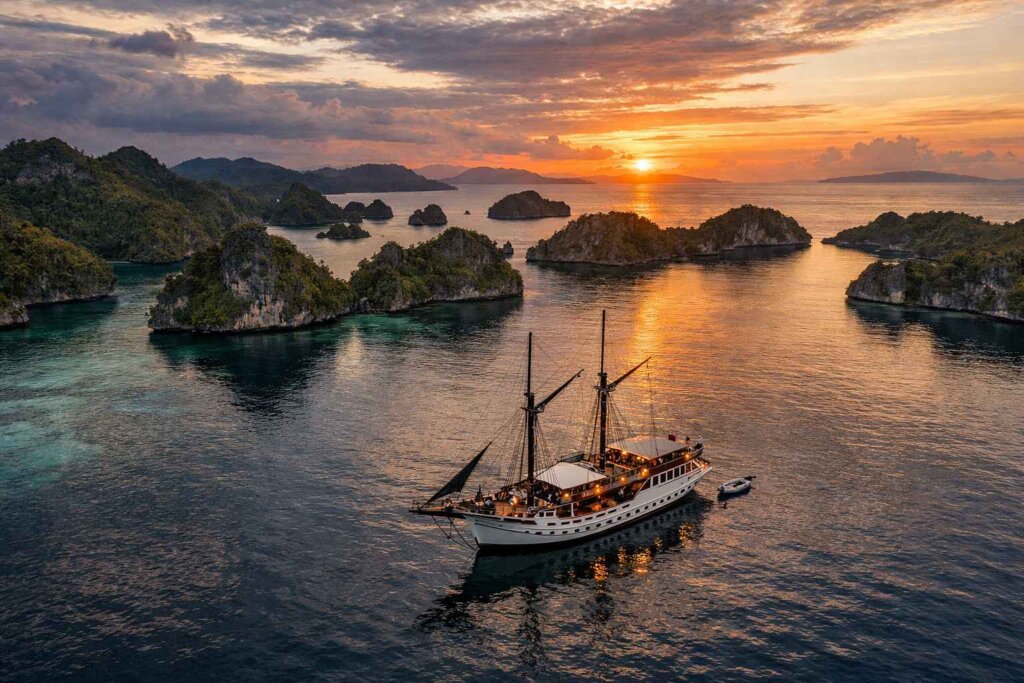
A solid Raja Ampat dive sites guide needs more than a list of names. Here is what each major site actually delivers.
Cape Kri, Raja Ampat
Cape Kri holds the world record for the greatest number of fish species counted on a single dive, 374 species in one 90-minute session. That record was set by the late Dr. Gerald Allen in 2001, and subsequent dives have not found reason to dispute it.
The site sits at the northwestern tip of Kri Island, where the Dampier Strait pushes nutrient-rich water against a wall of hard coral. The current here can move fast, so reading the conditions before dropping is important. When it runs correctly, you drift effortlessly past walls draped in sea fans and gorgonians while barracuda tornado overhead and juvenile reef sharks patrol the bottom. Multiple species of nudibranch decorate every overhang. This is arguably the single most productive dive in the Coral Triangle and most liveaboard itineraries pass through at least twice.
Dampier Strait
The Dampier Strait is the narrow channel separating Waigeo to the north from Batanta to the south. Strong tidal currents run through this passage daily, and those currents are the engine of everything spectacular about northern Raja Ampat.
Liveaboard diving in the Dampier Strait means drift diving, and doing it right requires neutral buoyancy, good air management, and the confidence to stay calm in moving water. The reward for those skills is phenomenal. Blue Magic, one of the most celebrated sites in the strait, consistently delivers manta ray aggregations, wobbegong sharks resting beneath table corals, and schooling tuna blasting through baitballs at speed. Current conditions change with the tides, so a knowledgeable local guide on board, as all reputable liveaboard operators provide, is worth their weight in nitrox.
Misool
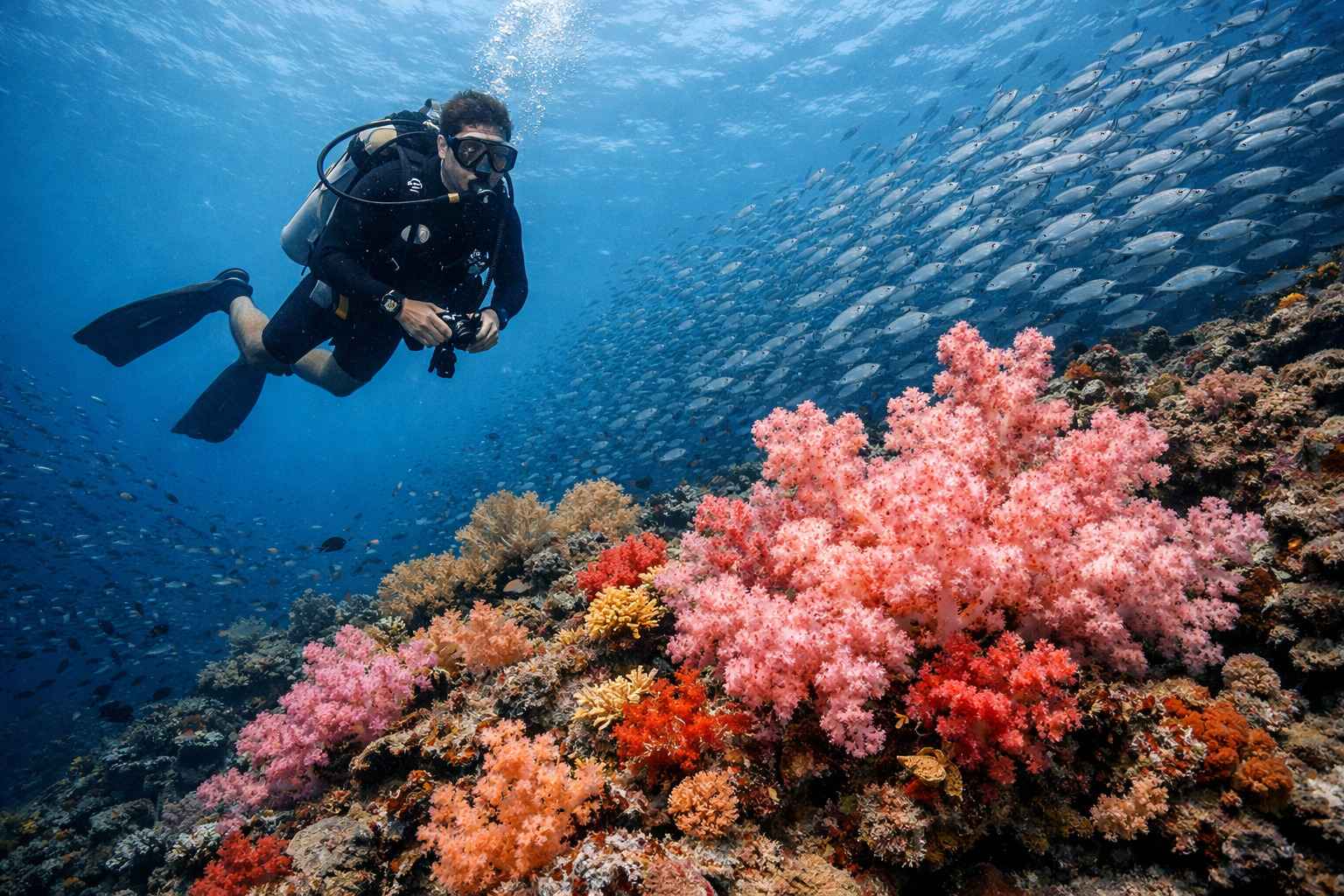
Misool sits roughly 200 kilometres south of Sorong and is the most remote of the four major island groups. It is also, many experienced divers argue, the most beautiful. The topography here is different from the north, with dramatic limestone karst towers rising from calm lagoons and submerged pinnacles draped in soft coral gardens of pink, orange, and yellow.
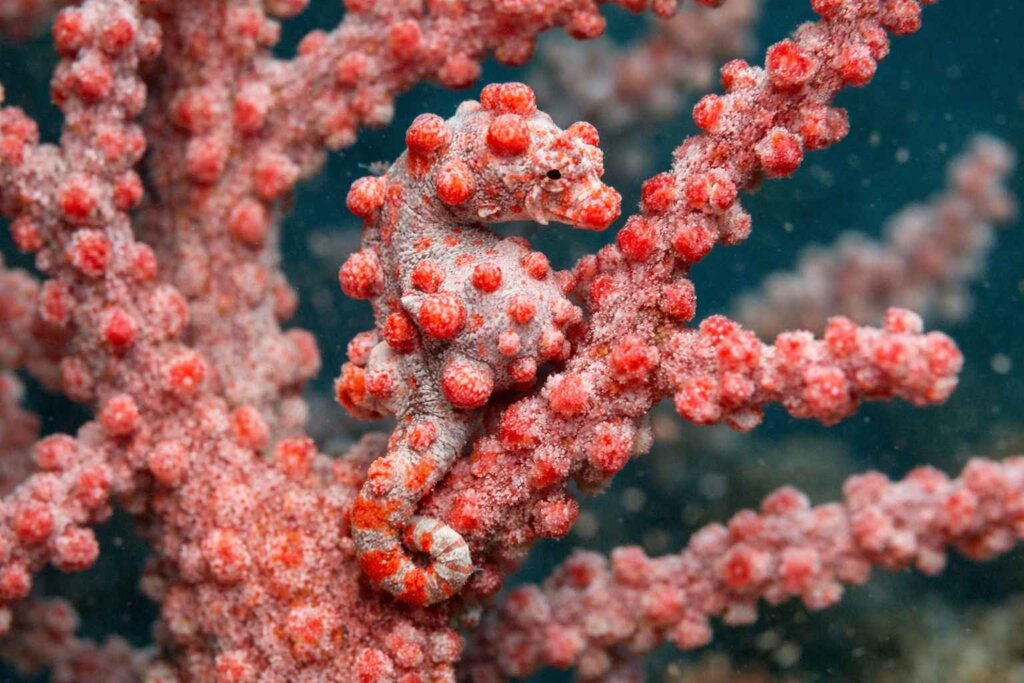
Misool is famous for its aggregations of juvenile fish, an indicator of reef health that conservation organisations cite as evidence that the local marine reserve is working. Manta rays congregate at cleaning stations in the southern passages, and wobbegong sharks are so numerous at certain sites that you need to watch where you put your hands. Night dives here reveal cuttlefish in elaborate courtship displays and pygmy seahorses on sea fans that you would walk straight past in daylight.
Blue Magic and Manta Sandy
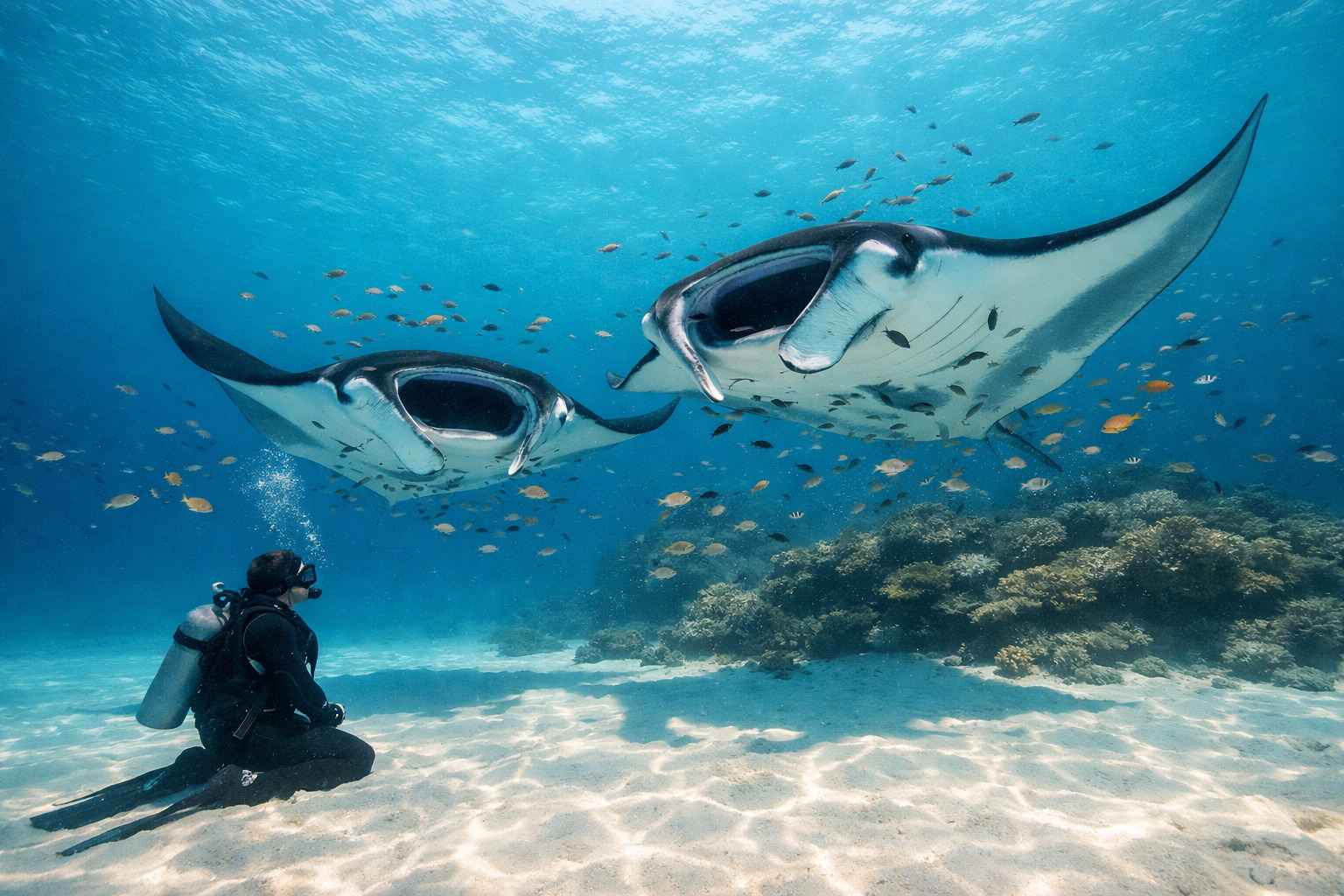
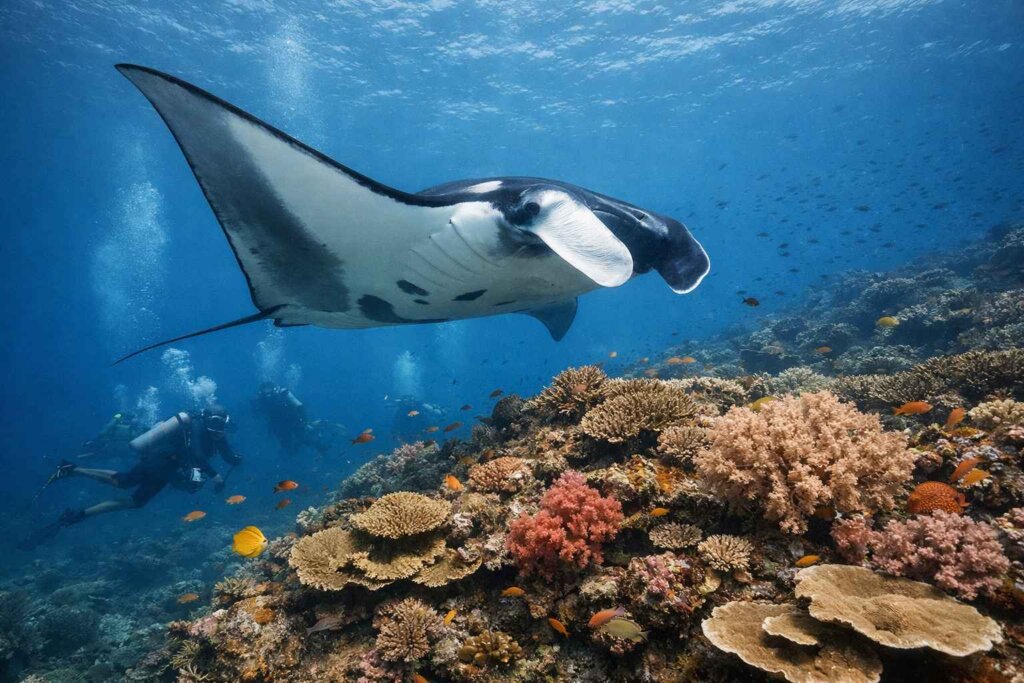
Blue Magic is ground zero for manta ray encounters in northern Raja Ampat. It sits in the Dampier Strait at a seamount top that concentrates plankton-rich upwellings. Mantas arrive to feed, sometimes in groups of eight to twelve animals, circling through the blue water in loops so tight and predictable that underwater photographers have been known to simply hold still and let the animals come to them.
Manta Sandy, near Arborek Island, is a cleaning station where manta rays queue in the current while cleaner wrasse work them over. Hovering motionless on the sandy bottom and watching this behaviour from close range is one of those experiences that reframes your understanding of marine animal intelligence. Both sites are essential stops on any quality Raja Ampat liveaboard trip.
What to Expect on a Raja Ampat Liveaboard Trip
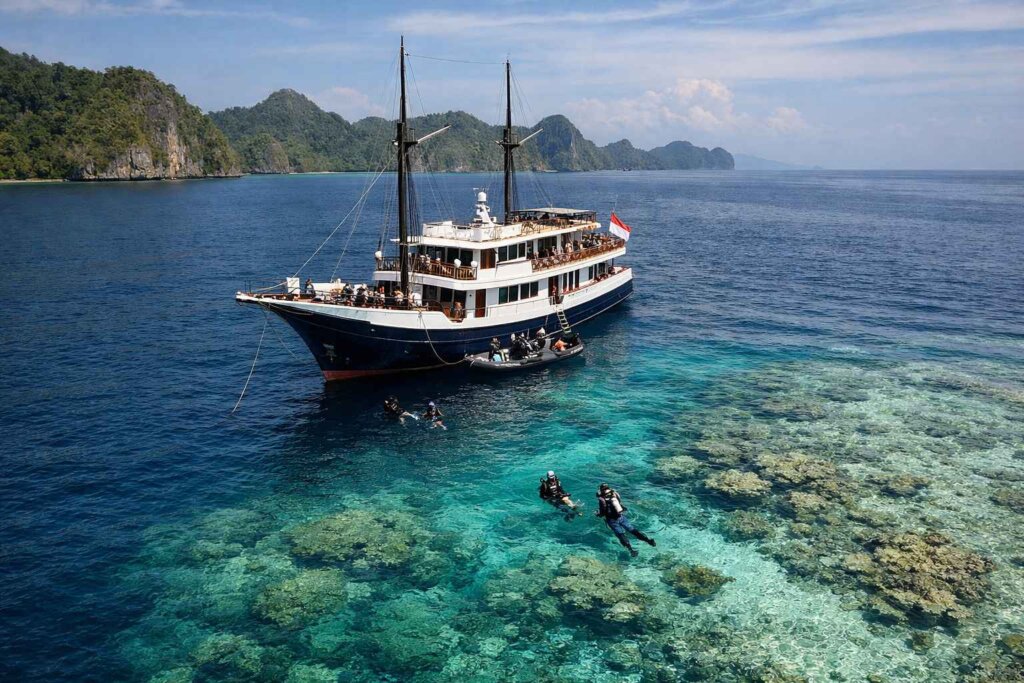
Most Raja Ampat scuba diving trips run between seven and fourteen nights, with the sweet spot being ten to twelve nights for a comprehensive north-to-south exploration. A typical daily rhythm looks like this: wake-up call before sunrise, first dive at around 6:30 AM in the best light and calmest conditions, breakfast afterward, second dive mid-morning, surface interval with snacks and briefing, third dive after lunch, a rest period, fourth dive in late afternoon, dinner, optional night dive at around 8:00 PM.
That structure gives you four or five dives per day, adding up to between 28 and 50 dives over the course of a week-to-ten-day trip. No land-based operation comes close to that ratio.
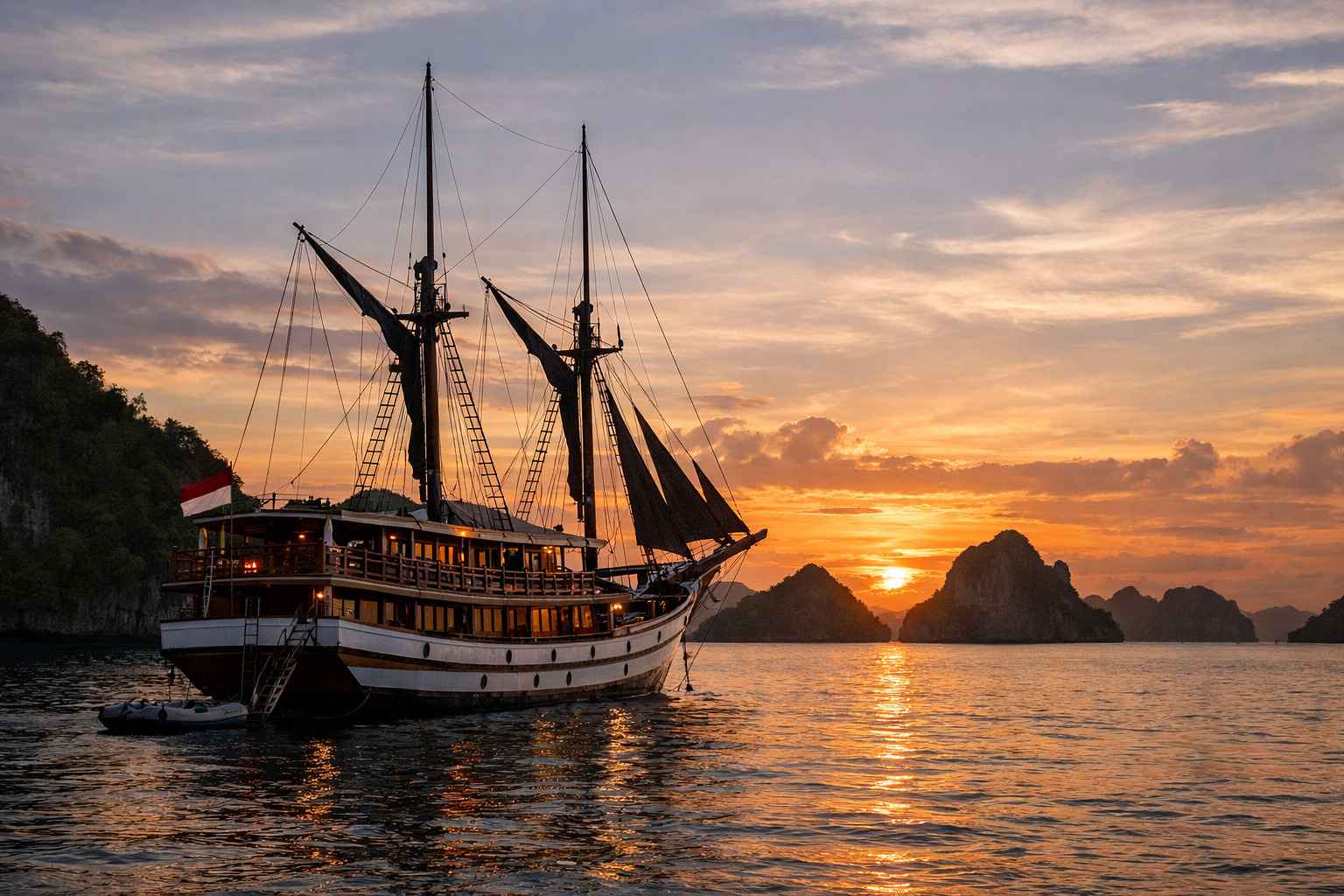
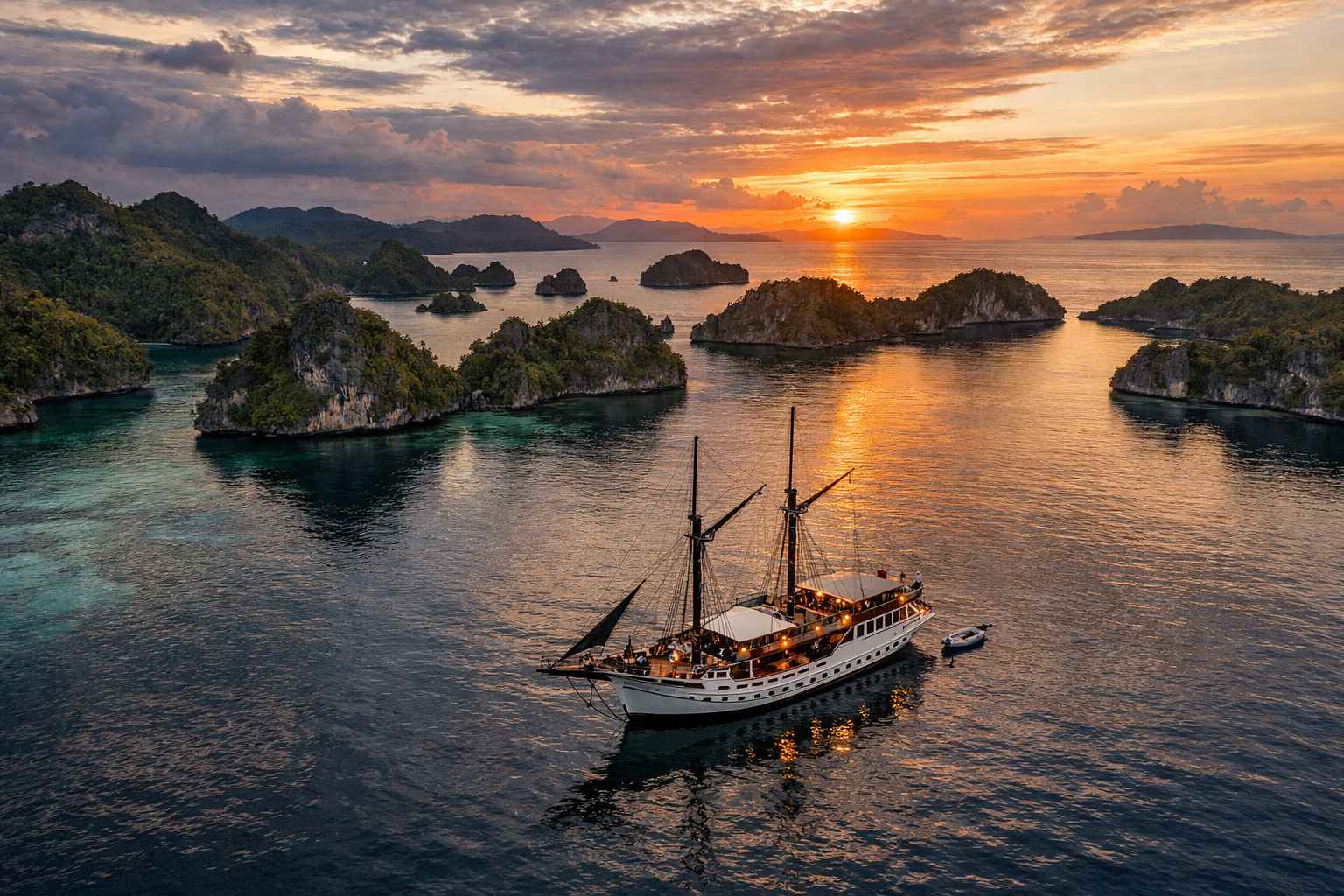
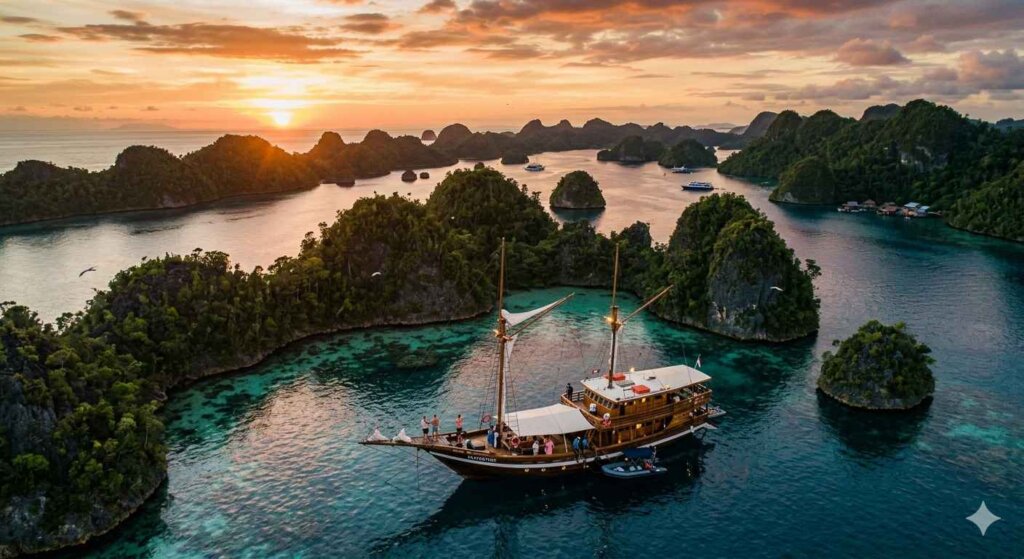
Vessel types range widely. The traditional Pinisi, a classic Indonesian two-masted wooden schooner, is the most atmospheric option, with teak decking, hammocks slung between masts, and the gentle creak of timber that makes evenings feel like a throwback to another century. Modern safari vessels offer more stability, air-conditioned cabins, and faster transit speeds between sites, which matters when you are covering the distance between the northern and southern parts of the archipelago.
On-board amenities on mid-range and luxury vessels typically include: camera rinse tanks and charging stations, dive equipment rental, a dive deck with compressors and nitrox facilities, a sundeck and wet bar, three meals daily plus snacks, and naturalist or dive guide briefings each evening.
Advanced scuba diving in Raja Ampat is the assumed baseline for most liveaboard operators. Many sites involve currents, reduced visibility near thermoclines, or depths that require good air management. PADI Advanced Open Water is the typical minimum requirement, though some operators accept Open Water certified divers on calmer sites. If you have a Rescue Diver certification or equivalent, bring proof. Nitrox certification, while not always mandatory, is strongly recommended and allows you to extend bottom time on multi-dive days.
Raja Ampat Marine Life, What You Will Actually See
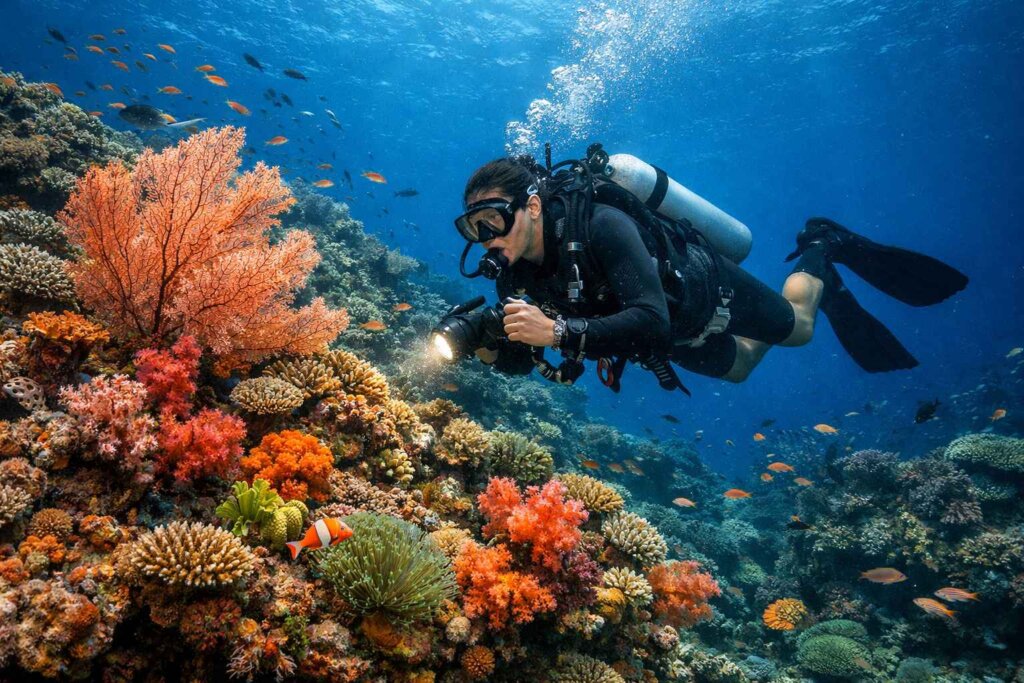
The diversity here is not theoretical. Every dive, on virtually every site, produces something you will want to photograph immediately and talk about at dinner. Here is a realistic species list for a ten-day Raja Ampat liveaboard.
Cartilaginous fish and large pelagics:
- Manta rays (both reef and oceanic species, often in aggregations)
- Whale sharks (more common around Cenderawasih Bay to the north, but occasionally spotted in deeper passes)
- Wobbegong sharks (tasselled and spotted varieties, resting on coral heads or the sandy bottom)
- Reef sharks (blacktip and whitetip, almost everywhere)
- Tuna (yellowfin, schooling in open water near seamounts)
- Barracuda (in large, swirling schools at exposed sites)
Macro and cryptic species:
- Pygmy seahorses (Bargibant’s and Denise’s, on sea fans, best found with a good guide)
- Nudibranchs (hundreds of species, every dive)
- Pipefish (banded, ghost, and robust species on sandy slopes)
- Cuttlefish (at night and in sheltered bays)
- Frogfish (well-camouflaged and infuriating to photograph)
Reef residents:
- Turtles (green and hawksbill, extremely common, often unbothered by divers)
- Dolphins (spinner and bottlenose, frequently encountered on surface transits)
- Cephalopods (blue-ringed octopus on night dives, if you look carefully)
- Raja Ampat marine life species diversity also includes mantis shrimp, porcelain crabs, and at least seven species of clownfish in their anemone homes
The visibility averages 15 to 30 metres at most sites, and water temperatures stay between 27°C and 30°C year-round, so a 3mm wetsuit is perfectly adequate.
Best Time to Dive Raja Ampat
Understanding the best time to dive Raja Ampat requires understanding that the archipelago spans a large geographic range and different areas peak at different times. The broad seasonal split works as follows.
October to April (Dry Season, North Raja Ampat): This is the prime window for the northern islands, including the Dampier Strait, Cape Kri, and Waigeo. Visibility is at its best, often exceeding 25 metres. Currents are manageable and predictable. Manta ray activity is high at Blue Magic and Manta Sandy throughout this window. This is also the preferred season for underwater photography, as the water clarity makes wide-angle work genuinely rewarding.
May to October (Rainy Season in North, Dry Season in South): When the northwest monsoon arrives, conditions in the north can become choppy and visibility drops. However, this is the prime season for Misool in the south, which experiences its calmest seas during these months. Many experienced divers plan a Misool-focused trip between June and September specifically to avoid sharing the water with the north-season crowds.
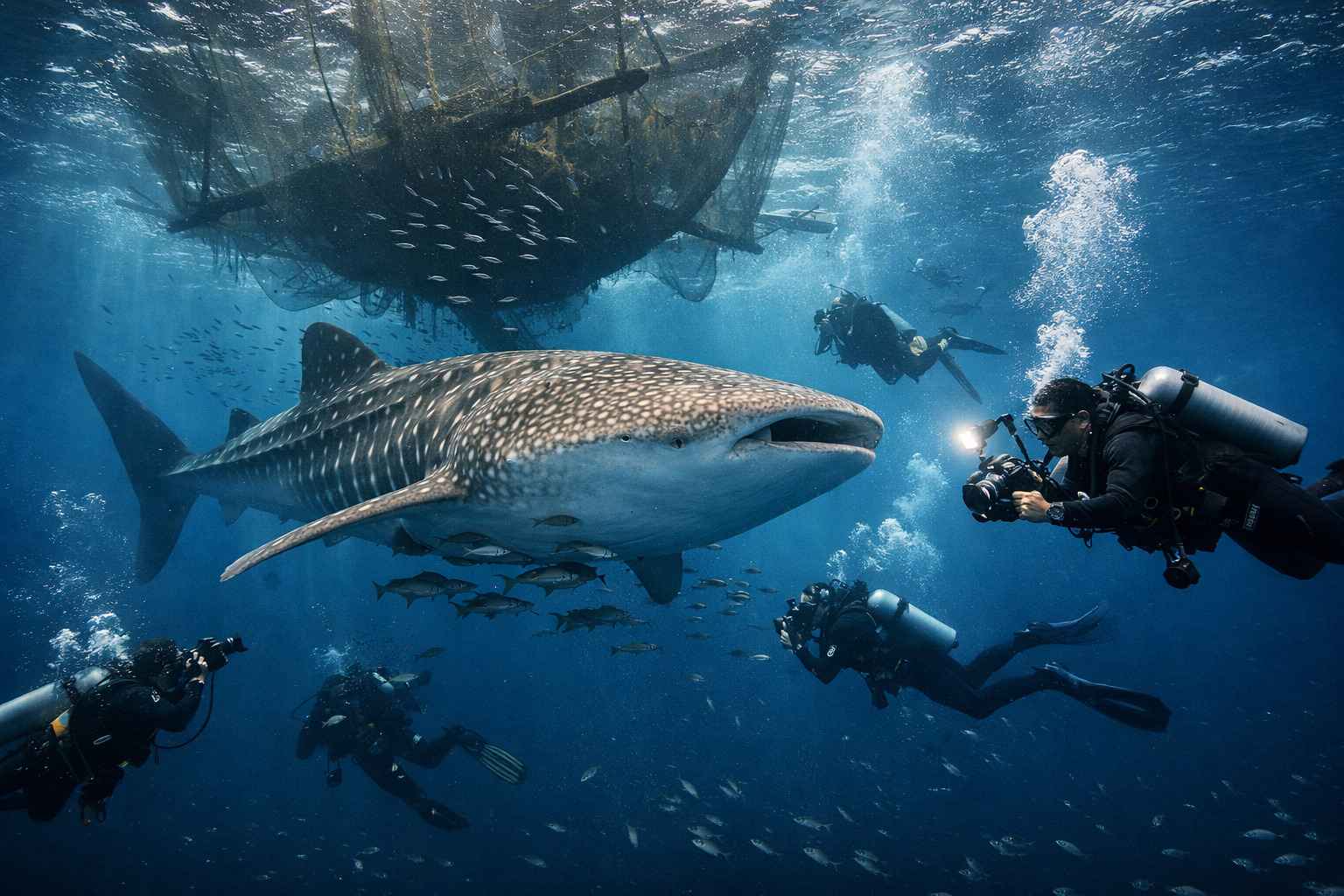
Year-round considerations: Water temperature remains warm enough for a 3mm wetsuit all year. Whale shark sightings in Cenderawasih Bay are most reliable between November and January, when the sharks aggregate around traditional fishing platforms called bagan. Manta ray season broadly peaks between October and April in the north and runs year-round in Misool.
Current conditions in the Dampier Strait are tide-dependent, not season-dependent. Drift diving here requires timing dives to the tidal schedule, something all experienced liveaboard guides manage as a matter of routine.
Raja Ampat Liveaboard Packages and Cost Breakdown for 2026
Raja Ampat liveaboard cost per person varies enormously based on vessel type, duration, and whether you are booking a shared or private charter. Here is an honest breakdown for 2026.
Comparison of Liveaboard Operators: Budget vs Mid-Range vs Luxury
| Budget: MSY Seahorse | Mid-Range: MV Damai I | Luxury: SY Ombak Putih | |
|---|---|---|---|
| Price per person (7 nights) | USD 1,800–2,200 | USD 3,200–4,200 | USD 5,500–7,500 |
| Max guests | 16 | 18 | 14 |
| Dive trips per day | 3–4 | 4–5 | 4–5 |
| Nitrox availability | No | Yes (included) | Yes (included) |
What is typically included: All meals and snacks, all diving (tanks, weights, dive guide), national park permit, airport transfers from Sorong, and, on mid-range and luxury boats, nitrox fills.
What is typically excluded: International flights, travel insurance (mandatory, most operators will not let you board without it), equipment rental (BCD and regulator), visa fees, alcoholic beverages, and gratuities.
Raja Ampat liveaboard packages for 2026 are filling up fast in peak season. Reputable operators open bookings 12 to 18 months in advance, and Christmas and New Year departures sell out within weeks of opening. Book early, pay a deposit, and protect that booking with trip cancellation insurance.
The Raja Ampat marine protected area permit (locally called the eco-tax or Kartu CINTA) is 1,000,000 IDR per person (approximately USD 65) for foreign visitors and is valid for one year. Most liveaboard operators include this in the package. Confirm before booking.
Private liveaboard charters are available from most operators at full boat rates, typically USD 12,000 to USD 35,000 per week depending on the vessel, and work well for groups of 10 to 16 divers travelling together.
Recommended 7-Day Sample Liveaboard Itinerary
This itinerary departs from Sorong and covers the northern circuit, which is ideal for first-time visitors to Raja Ampat.
Day 1, Embarkation in Sorong: Board in the early afternoon, safety briefing, equipment setup, check dive in a sheltered bay near Sorong. Welcome dinner on deck. Overnight transit to the northern islands.
Day 2, Cape Kri and Sardine Reef: Morning dive at Cape Kri at first light for the best fish diversity. Second dive at Sardine Reef, a shallow fringing reef famous for juvenile fish density and macro species. Afternoon dive at Chicken Reef for nudibranchs and pygmy seahorses. Night dive in the bay.
Day 3, Dampier Strait, Blue Magic: Full day in the Dampier Strait, timed to the tides. Two dives at Blue Magic targeting manta ray aggregations and wobbegong sharks. Third dive at Melissa’s Garden, one of the most pristine shallow hard coral gardens in Raja Ampat. Afternoon optional kayaking or snorkelling. Night dive at a nearby jetty for cuttlefish and pipefish.
Day 4, Dampier Strait, Manta Sandy and Friwenbonda: Morning dive at Manta Sandy near Arborek for cleaning station manta ray encounters. Second dive at Friwenbonda, a wall dive popular for turtles and schooling fish. Third dive at Boo Windows, a dramatic swim-through site. Night dive for nudibranch photography.
Day 5, Remote Northern Sites, Passage and Fam Islands: Transit to the Fam Island group. Dives at The Passage, a narrow channel with stunning topography and ripping current, best dived on an incoming tide. Second dive at a sheltered bay for macro work. Afternoon surface interval with snorkelling in a crystal-clear lake. Night dive at a coral bommie for blue-ringed octopus.
Day 6, Wayag or Pianemo: Morning dives near the iconic karst tower formations of Wayag or Pianemo (depending on sea conditions and permit). These sites offer some of the most dramatic above-water scenery in the entire archipelago and some very healthy coral gardens below. Afternoon hike to a viewpoint for aerial island photography. Final evening dives at a nearby seamount.
Day 7, Final Dives and Return to Sorong: Early morning farewell dive at whichever site the group votes for, usually Cape Kri for one last fish count. Surface by 9:00 AM, begin transit back to Sorong. Debrief and logbook signing over lunch. Arrive Sorong by mid-afternoon for onward flights.
How to Get to Raja Ampat for a Liveaboard Trip
Understanding how to get to Raja Ampat diving is often the most logistically complicated part of the whole experience.
International flights: Fly into Sorong (SOQ) in West Papua, which is the primary embarkation point for all Raja Ampat liveaboards. Direct connections from Singapore, Kuala Lumpur, and Manado are available. From Bali, the most common connection points are Jakarta (CGK) or Makassar (UPG). Check our guide to getting from Bali to Raja Ampat for the most up-to-date routing options and booking tips.
From Sorong: Most liveaboard operators arrange airport pickup and transfer you directly to the vessel at Sorong port. Arrive the day before departure if your international connection involves any risk of delay. Budget for at least one night of accommodation in Sorong, which is a functional gateway city with good hotel options near the port.
Visa: Indonesian visa on arrival (VOA) is available to citizens of most countries at Sorong’s Domine Eduard Osok Airport. As of 2026, the fee is USD 35 for a 30-day visa, extendable once for another 30 days. Confirm current visa policy through the Indonesian immigration authority before departure, as regulations are subject to change.
What to pack: See the complete packing checklist in the section below.
Vaccinations and health: Malaria prophylaxis is recommended for West Papua. Consult a travel medicine clinic at least six weeks before departure.
If you are new to Indonesia and want broader context, our Indonesia diving travel guide covers entry requirements, health prep, and inter-island logistics in full detail.
Gear Packing Checklist for a Raja Ampat Liveaboard
Print this list and tick each item before you leave home. Many operators have equipment rental, but your own gear is always preferable on a ten-day trip.
Dive Equipment:
- Mask (plus backup or anti-fog spray)
- Fins (travel size if flying with hold luggage limits)
- Wetsuit, 3mm full suit (5mm if you feel the cold)
- BCD (bring your own if space allows, rental available)
- Regulator with SPG (service it before the trip)
- Dive computer (a non-negotiable for multi-dive liveaboard days)
- Dive torch and backup light (for night dives)
- Surface marker buoy (SMB) with reel, essential for drift diving
- Reef hook (for Dampier Strait dives where current anchoring is permitted)
- Underwater slate and pencil
- Dive logbook
Photography:
- Underwater camera housing (test O-rings before departure)
- Wide-angle and macro lenses or wet lenses
- Strobes or video lights with charger cables
- Extra memory cards and batteries
- Laptop or iPad for image backup and editing
Health and Safety:
- Travel insurance documents (dive-specific cover required)
- Seasickness medication (Scopolamine patches or Stugeron, start the night before)
- Personal first aid kit with antiseptic for minor coral grazes
- Reef-safe sunscreen (non-nano mineral formula, mandatory on most liveaboards)
- Seasickness bands as a backup
- Malaria prophylaxis course (started before departure per medical advice)
- Prescription medications with sufficient supply plus extra
Clothing and Accessories:
- Lightweight rashguard for extra sun protection on the dive deck
- Quick-dry shorts and t-shirts (5 to 7 sets)
- Sandals or flip-flops
- A light fleece or hooded sweatshirt for air-conditioned cabins and cool evenings
- Dry bag for valuables on day trips
- Headlamp for night dive preparations
Documents:
- Passport (minimum 6 months validity)
- Dive certification cards (physical or digital)
- Liveaboard booking confirmation
- Indonesian visa or VOA receipt
- Travel insurance policy document with emergency contact number
Raja Ampat vs Komodo Liveaboard: Which Should You Choose?
This is one of the most common questions on scuba diving forums, and the honest answer is that they are genuinely different experiences. If you can only do one, here is how to decide.
Biodiversity: Raja Ampat wins outright on species count. The Coral Triangle data is unambiguous. Komodo is spectacular, but it cannot match the sheer number of species per dive.
Marine megafauna: Komodo offers reliable manta ray encounters at Cauldron and Karang Makassar, along with dolphins, reef sharks, and the occasional whale shark. Raja Ampat has all of this plus pygmy seahorses, extraordinary nudibranch diversity, wobbegong sharks, and the densest fish schools you will see anywhere.
Diving conditions: Komodo is notoriously variable. The cold upwellings and powerful currents make it a challenging destination that rewards experienced, confident divers. Advanced scuba diving in Raja Ampat is also recommended, but the currents in the northern circuit are more predictable and the sites more varied. Komodo is more demanding dive for dive.
Topside scenery: This is close. Komodo has its iconic Komodo dragons, the pink sand beaches, and dramatic volcanic scenery. Raja Ampat counters with the otherworldly karst tower formations of Wayag and Pianemo, pristine jungle interiors, and some of the most photographed sunsets in Southeast Asia.
Logistics and cost: Both destinations require flying into a regional airport, Labuan Bajo for Komodo, Sorong for Raja Ampat. Raja Ampat is marginally harder and more expensive to reach from most international hubs. Liveaboard costs are comparable, though Raja Ampat itineraries are typically longer to do the destination justice.
The verdict: If pure marine biodiversity and macro photography are your priorities, Raja Ampat is the answer. If you want dramatic topside wildlife, more accessible logistics, and an intense current-diving challenge, Komodo is extraordinary in its own right. If you are trying to decide between the two, our detailed Komodo liveaboard diving guide breaks down the Komodo experience in the same depth as this article.
Many divers, faced with this dilemma, eventually choose both.
Expert Experience: My First Dive in Raja Ampat
I had been warned. Three different dive guides, across three different countries, had told me that my first dive in Raja Ampat would change the way I thought about diving. I smiled, thanked them, and privately assumed they were prone to hyperbole.
I entered the water at Cape Kri at 6:45 on a October morning, the kind of flat-calm tropical dawn that feels like it was designed specifically to be photographed. The visibility was somewhere around 25 metres, and within the first minute I had counted more fish than I usually see on a full dive in the Gili Islands.
By minute five, I had stopped counting entirely. The reef itself was almost overwhelming, hard corals in every conceivable growth form, sea fans the size of satellite dishes, and a constant, living current of fish moving in every direction at once. A wobbegong shark sat directly below me, perfectly relaxed, apparently unbothered by the bubbles. A turtle drifted past close enough to see the individual scales on its neck.
What I had not expected was the quiet. Not silence, because the reef crackles and pops with biological noise, but a kind of focused stillness that comes over you when your brain finally gives up trying to catalogue everything and simply surrenders to watching. That, I think, is what the guides were actually trying to describe. The surrender. After 400 dives across Southeast Asia, I finally understood what they meant.
Reef Conservation and Responsible Diving in Raja Ampat
The extraordinary biodiversity of Raja Ampat does not exist by accident. It exists in part because of active, science-based conservation efforts coordinated under frameworks that include the Coral Triangle Initiative on Coral Reefs, Fisheries, and Food Security (CTI-CFF), a six-nation commitment to protecting the region’s marine resources.
The marine protected area system in Raja Ampat covers approximately 1 million hectares of ocean. Local customary law, known as Sasi, limits fishing in designated zones and has proven remarkably effective at maintaining reef fish populations. The eco-tax paid by visiting divers funds MPA management, ranger patrol boats, and community development programs.
As a visiting diver, your role in conservation is straightforward.
Buoyancy first. Poor buoyancy is the single greatest diver impact on coral reefs. Practise in a pool before your trip if you have not dived recently. A single uncontrolled kick can destroy 10 years of coral growth.
No touching. This includes coral, sea fans, the sandy substrate, and marine animals. The oils on human skin damage coral tissue and the mucus coating of fish. Pygmy seahorses in particular are extremely sensitive to handling.
Reef hooks only where guides direct. Some operators allow reef hooks in strong current sites to avoid coral contact. Use them only where and how your guide specifies, attached to dead rock only.
Choose operators with conservation commitments. Look for operators affiliated with the Coral Triangle Initiative, the Reef Check Indonesia program, or those that participate in PADI’s Project AWARE. These affiliations signal genuine accountability, not just marketing.
Use reef-safe sunscreen only. Oxybenzone and octinoxate, common in standard sunscreen, are toxic to coral larvae at very low concentrations. Non-nano mineral sunscreens (zinc oxide or titanium dioxide) are the acceptable alternative. Most responsible liveaboard operators now require them.
Report bleaching or damage. If you observe bleaching events, crown-of-thorns outbreaks, or anchoring damage, report it to your dive guide immediately. Many operators contribute sighting data to regional monitoring databases.
For a deeper look at sustainable tourism across Indonesia, read our sustainable diving and ocean conservation guide, which covers responsible practices across all of the country’s major dive destinations.
Pros and Cons of Raja Ampat Liveaboard Diving
Pros:
- Unrivalled marine biodiversity, the highest species count per dive of any destination on Earth
- Access to remote sites impossible to reach from land
- Four to five dives per day, including night dives
- Full immersion in the destination, with surface intervals spent in extraordinary scenery
- Strong conservation infrastructure and genuine MPA enforcement
- Exceptional manta ray, wobbegong, pygmy seahorse, and nudibranch encounters
- Experienced, multilingual dive guides on reputable vessels
Cons:
- Cost, Raja Ampat liveaboard cost per person is significant, especially for longer itineraries
- Remote location means complex logistics and limited emergency medical infrastructure
- Seasickness is a real risk on longer ocean transits, particularly in the south
- Permit fees add to the budget (though most operators include these)
- Peak-season boats can feel crowded in shared spaces even on good vessels
- Equipment rental on budget boats can be well-worn
- Some sites require advanced certification or significant dive experience to access safely
Expert Tips for Getting the Most from Your Raja Ampat Liveaboard
1. Get nitrox certified before you go. Almost all mid-range and luxury vessels offer nitrox as standard. Diving on 32% enriched air at depths of 18 to 25 metres adds 10 to 20 minutes of no-decompression time per dive, which adds up enormously over a ten-day trip. A PADI Enriched Air Diver certification takes one day and is worth every minute.
2. Book at least 12 months in advance for peak season. October to April departures fill quickly. If you have fixed travel dates, secure your deposit the moment a suitable departure appears.
3. Invest in a quality SMB and practice deploying it. Drift diving in the Dampier Strait means surfacing in open water away from the vessel. A brightly coloured surface marker buoy, deployed cleanly from depth, is what gets you picked up quickly and safely.
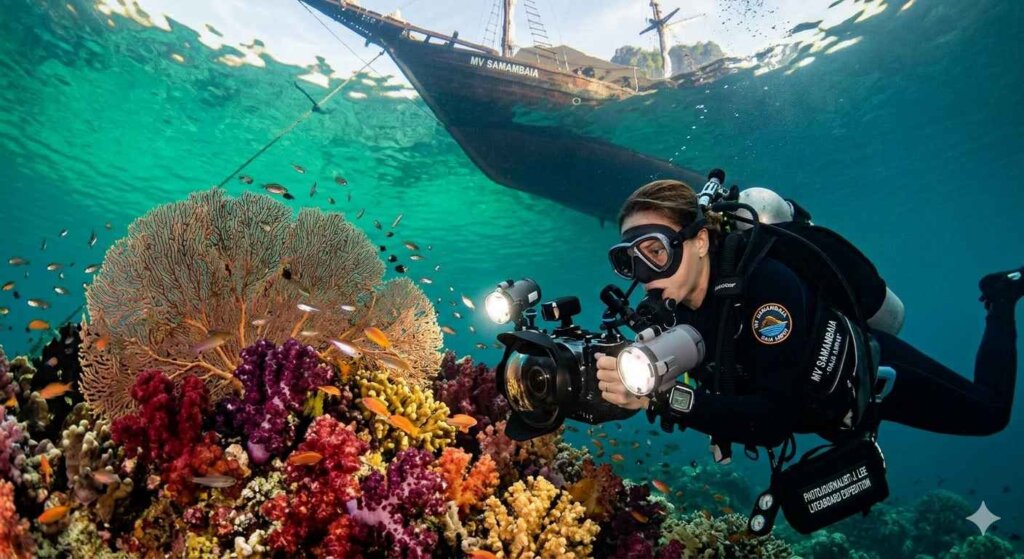
4. For Raja Ampat underwater photography liveaboard trips, bring both wide-angle and macro capability. The destination rewards both. Wide-angle for manta ray aggregations and sweeping reef walls, macro for pygmy seahorses, nudibranchs, and pipefish. A dual setup with interchangeable wet lenses is the most practical approach.
5. Take seasickness medication preventively. Do not wait until you feel unwell. Start Scopolamine patches or antihistamine-based medication the evening before embarkation and continue for the first two days. Most people find their sea legs by day three, but the first night transit can be rough in any season.
6. Respect the eco-tax and carry your permit card. Rangers patrol the MPA regularly and will board vessels to check that all passengers hold valid permits. Losing your card is a nuisance that causes delays. Keep it with your dive certification.
7. Attend every evening briefing. The dive guide briefings, usually held over dinner or immediately after, contain tide tables, current predictions, and site-specific advice that will materially affect your dive quality the following day. The guides know these sites in a way no guide book can replicate.
Conclusion
Raja Ampat liveaboard diving represents the pinnacle of what recreational scuba can offer. The biodiversity is not a talking point. It is a daily, immersive experience that accumulates across a ten-day trip into something that permanently recalibrates your expectations of what diving looks like. The logistics take effort. The cost is real. The remoteness demands preparation. But every single element of that complexity is there because this place has remained extraordinary, and extraordinary things do not come easy.
If you are ready to start planning, check our Raja Ampat trip planning hub for up-to-date operator reviews, ferry schedules, and accommodation options in Sorong. For those considering a shorter first visit to Indonesian waters before committing to a full Raja Ampat circuit, our Bali scuba diving guide is a practical starting point.
Book early, dive often, and touch nothing.
Frequently Asked Questions About Raja Ampat Liveaboard Diving
What is the price of Raja Ampat liveaboard diving?
Prices in 2026 range from approximately USD 1,800 to USD 2,200 per person for seven nights on a budget vessel, USD 3,200 to USD 4,500 on a mid-range boat, and USD 5,500 to USD 8,000 or more on a luxury safari vessel. These figures typically include all meals, all diving with tanks and weights, national park eco-tax permits, and airport transfers from Sorong. Equipment rental, travel insurance, alcoholic beverages, and gratuities are generally excluded from the quoted price.
What do reviews say about Raja Ampat liveaboard diving?
Reviews across platforms such as LiveAboards.com, TripAdvisor, and independent dive blogs are overwhelmingly positive. Consistent themes include the extraordinary fish diversity, quality of dive guides, and value for money relative to the experience delivered. Common criticisms in lower-tier reviews centre on seasickness on rough crossings, inconsistent equipment on budget boats, and the physical demands of four to five dives per day. Reviews almost universally rate the marine life encounters as exceeding expectations, even from experienced divers.
What does a 5-day Raja Ampat liveaboard look like?
A five-day itinerary typically focuses on the northern circuit, covering Cape Kri, the Dampier Strait, and one or two sites near the Fam Islands. You can expect 15 to 20 dives in total. Day one involves afternoon embarkation and a check dive near Sorong. Days two and three cover the core northern sites with three to four dives each. Day four ventures further into the Dampier Strait or toward Misool if the boat is fast enough. Day five includes one or two farewell dives before returning to Sorong. A five-day trip is a solid introduction but leaves out the southern Misool circuit entirely.
What is the cost of a Raja Ampat liveaboard diving trip?
The all-in cost for most travellers, including international flights from a major Southeast Asian hub, is USD 4,000 to USD 12,000 per person depending on flight routing, vessel tier, trip duration, and equipment needs. The liveaboard charter itself accounts for the largest share of that total. Budget for USD 500 to USD 800 in additional expenses beyond the charter fee, covering equipment rental, travel insurance, transfers, and meals on embarkation or disembarkation days in Sorong.
What are the best luxury liveaboards in Raja Ampat?
Among the consistently well-reviewed luxury options in 2026 are the SY Ombak Putih, a 40-metre traditional sailing vessel with high-end finishes and attentive service; the MV Arenui, a boutique liveaboard with individual air-conditioned cabins and a strong conservation program; and the MY Calico Jack, which receives high marks for food quality and guide expertise. Luxury vessels typically cap at 10 to 16 guests, include nitrox as standard, and offer professional photo guides on selected departures.
What is the best Raja Ampat liveaboard overall?
There is no single universal answer, as the best vessel depends on your budget, group size, diving experience, and primary interests. For mid-range value with consistently excellent dive guiding, the MV Damai I is frequently cited as a benchmark. For luxury travellers prioritising comfort and photographic support, the MV Arenui is a strong choice. Budget-conscious divers willing to accept more basic accommodation often find smaller Pinisi vessels operated by local Indonesian companies deliver excellent dive quality at significantly lower price points.
Can I book a private liveaboard in Raja Ampat?
Yes. Most operators offer private charter options for groups willing to book the full capacity of the vessel. Private charter rates typically range from USD 12,000 to USD 40,000 per week depending on vessel size, specification, and season. A private charter gives the group complete control over dive site selection, daily schedule, and meal preferences. It is most cost-effective for groups of 10 to 16 divers travelling together and is popular for special occasions, dive club trips, and professional underwater film and photography expeditions.
What are the most affordable liveaboard options in Raja Ampat?
Budget options in the USD 1,800 to USD 2,500 per person per week range do exist, primarily on locally operated Pinisi vessels with Indonesian crews and basic but functional dive setups. Equipment is older on these boats, air-conditioning may be limited to the cabin, and itineraries tend to cover fewer sites. That said, the dive guiding on the best budget operators is genuinely excellent, local Indonesian guides who have dived these sites thousands of times offer insights no manual can replicate. Research platforms like LiveAboards.com and read recent reviews carefully before booking any budget vessel.
Do I need advanced diving certification for Raja Ampat?
PADI Advanced Open Water certification or the equivalent is the recommended minimum for most Raja Ampat liveaboard itineraries. Many sites in the Dampier Strait involve current drift diving, and some walls descend beyond 30 metres. Open Water certified divers can participate on calmer, shallower sites, but their options will be limited. A Rescue Diver or Divemaster certification is not required but is welcomed. Operators will confirm their minimum requirements during the booking process.
Is Raja Ampat suitable for underwater photographers?
Raja Ampat is one of the finest underwater photography destinations in the world and is well suited to both macro and wide-angle work. The diversity of subjects, from microscopic nudibranchs and pygmy seahorses to manta ray aggregations and expansive coral walls, means no single lens covers everything. Most mid-range and luxury liveaboards provide dedicated camera rinse tanks, charging stations, and ample surface interval time for editing and card transfers. Some operators include dedicated underwater photography guides on selected departures. Book a trip on a vessel with camera-specific infrastructure if photography is a primary motivation.
Sources and References
- PADI, Diving in Raja Ampat, Enriched Air Diver Certification and Recreational Dive Planning Resources https://www.padi.com/diving-in/raja-ampat/
- World Wildlife Fund (WWF), The Coral Triangle: Protecting the Global Centre of Marine Biodiversity https://wwf.panda.org/discover/knowledge_hub/where_we_work/coraltriangle/
- Allen, G.R. and Erdmann, M.V., Reef Fishes of the East Indies, Tropical Reef Research / Conservation International Foundation https://www.reeffishesoftheeastindies.com/
- Lonely Planet, Indonesia Travel Guide: Raja Ampat https://www.lonelyplanet.com/articles/guide-to-raja-ampat-indonesia
- Wonderful Indonesia (Kemenparekraf), Official Tourism Board, Raja Ampat Destination Guide https://wonderfulindonesia.co.id/raja-ampat-surga-bawah-laut-terbaik/
About the Author
Maya Sutherland is a PADI Divemaster with over 15 years of experience diving across Southeast Asia, including multiple liveaboard expeditions in Indonesia, the Philippines, and the Coral Triangle. Based between Bali and Sorong, she specialises in writing about adventure travel, marine conservation, and dive destination guides. Her work has appeared in regional dive publications and travel platforms, and she is a vocal advocate for reef-safe diving practices throughout the Indo-Pacific.