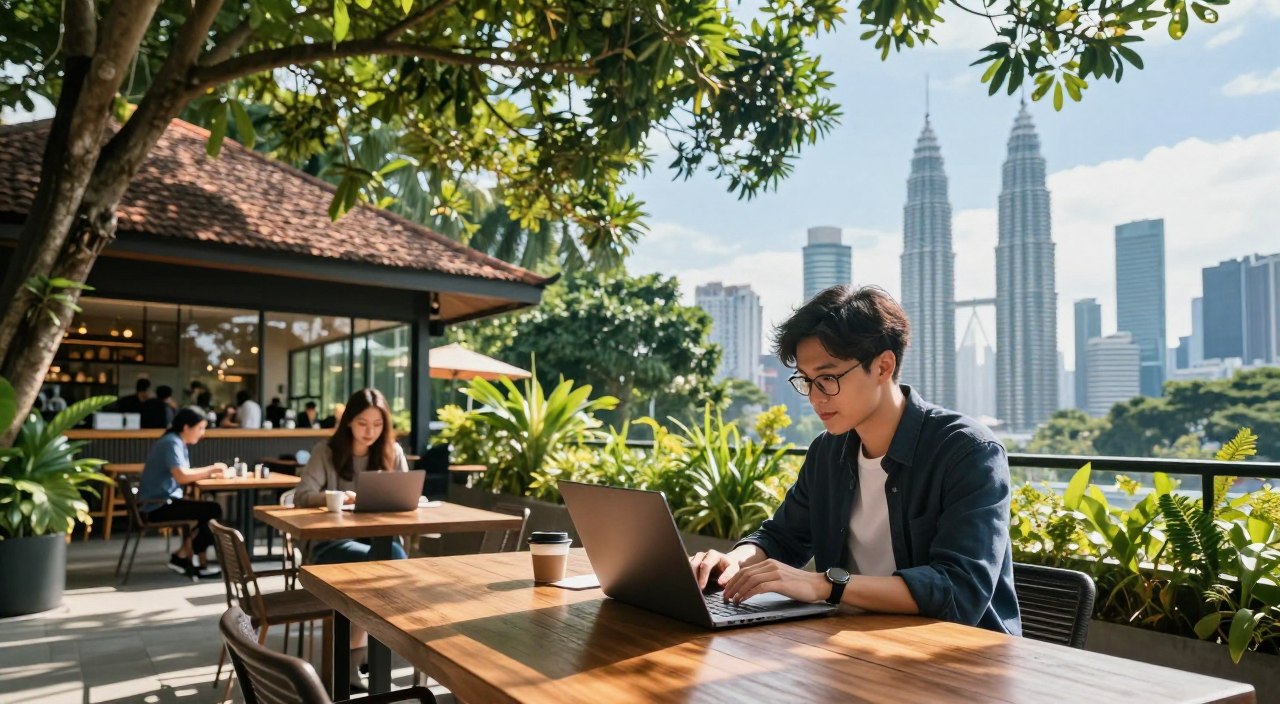
By 2026, remote work will shift from home offices to a strategic lifestyle choice. The key is geographic freedom. You’ll choose a base that balances visa flexibility, cost of living, and internet quality.
For American freelancers and online entrepreneurs, one place is gaining popularity. Southeast Asia combines modern infrastructure with affordability.
Malaysia has welcomed the future of work with the DE Rantau Nomad Pass. It offers legal residency for those who work from anywhere.
This guide will cover it all. We’ll dive into visa details, living costs, and thriving in Malaysia. Get ready to see why it could be your ideal base for 2026 and beyond.
Key Takeaways
- Remote work is evolving into a deliberate lifestyle strategy focused on location.
- Malaysia’s DE Rantau Nomad Pass is an official visa for remote professionals.
- The program offers legal residency for up to 12 months, with renewal options.
- Living costs are significantly lower than in most U.S. cities.
- The country boasts excellent, high-speed internet infrastructure.
- You’ll find a vibrant community of like-minded digital workers.
- This guide provides a complete roadmap from application to settling in.
What is the Digital Nomad Visa Malaysia?
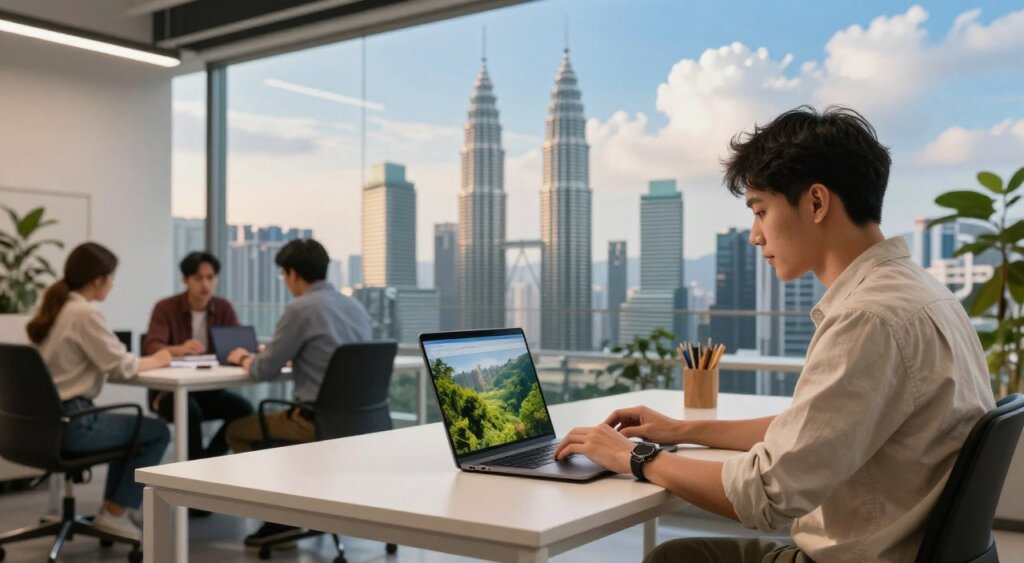
Malaysia now has a special visa for remote workers called the DE Rantau Nomad Pass. It’s a legal way for you to live and work in Malaysia for a long time.
This visa replaces the need for constant border runs. It offers clear rules and procedures. You’ll know your stay is fully legal.
Overview of the Visa Program
The DE Rantau Nomad Pass is for digital nomads. It’s for freelancers, remote workers, and entrepreneurs working for companies outside Malaysia.
This visa is more than a temporary fix. It gives you resident status, letting you live like a local while keeping your global job. The application process is easy through an online portal.
Eligibility Criteria
To get the malaysia visa eligibility for digital nomads, you need to meet certain requirements. These are to make sure you’re a real remote worker.
- Minimum Income: You must show you have a steady income. Freelancers and entrepreneurs have lower income requirements than remote employees.
- Employment Proof: You need to provide proof of your remote job, like contracts or client agreements.
- Valid Passport: Your passport must be valid for at least 14 months from when you plan to enter Malaysia.
- Health Insurance: You must have medical insurance that covers you for your entire stay.
Meeting these malaysia digital nomad visa requirements shows you’re financially stable and committed to your work.
Benefits of the Visa
Getting the DE Rantau Pass has many benefits for your nomadic life.
You get legal residency for up to 12 months with the chance to renew. This means you don’t have to worry about traveling all the time.
The visa also lets you enter Malaysia multiple times, making travel to other countries easy. You can also bring your dependents, like a spouse and kids, under your visa.
Plus, you get to enjoy Malaysia’s modern amenities, like fast internet and international banking. This lets you focus on your work and enjoy your new home.
Why Choose Malaysia as a Digital Nomad?

Malaysia is a great choice for remote workers and freelancers. It has a low cost of living, welcoming communities, and diverse work environments. It’s not just a beautiful place; it’s also practical and enriching for building your career.
Cost of Living
Your money goes further in Malaysia. Cities like Kuala Lumpur offer a lifestyle similar to major U.S. cities at a lower cost. Earning in USD gives you a big financial advantage.
Monthly costs are predictable. Here’s a look at average monthly expenses for a single person in two popular nomad bases:
| Expense Category | Kuala Lumpur (Mid-Range) | Penang / George Town (Mid-Range) |
|---|---|---|
| Accommodation (1-bedroom city center) | $500 – $750 | $400 – $600 |
| Groceries & Dining Out | $250 – $400 | $200 – $350 |
| Transportation (Ride-share & Public) | $50 – $100 | $40 – $80 |
| Utilities & Internet (High-Speed) | $60 – $100 | $50 – $90 |
| Co-working Space Membership | $100 – $200 | $80 – $150 |
Note: Figures are in USD and represent average monthly estimates. Your personal spending may vary.
As the table shows, you can live comfortably. This affordability is a key reason for choosing a Malaysia visa for remote workers.
Vibrant Culture and Community
You’ll quickly find your place in Malaysia. The society is a mix of Malay, Chinese, and Indian cultures. This diversity is seen in the food, festivals, and daily life.
English is widely spoken, making everyday tasks easier. This is true in business and urban areas.
There’s a strong network of expats and nomads. You can connect through:
- Active Facebook Groups and online forums for digital nomads in KL and Penang.
- Regular meetups, networking events, and skill-sharing sessions.
- Co-living spaces that help you meet like-minded people from the start.
This supportive environment is great for those on a Malaysia visa for freelancers. It helps you build personal and professional connections fast.
Diverse Workspaces
Your office can change with your mood. Malaysia offers various work environments, from focused to casual.
In Kuala Lumpur, you’ll find modern co-working spaces. They offer fast internet, meeting rooms, and professional amenities. They’re perfect for focused work and client calls.
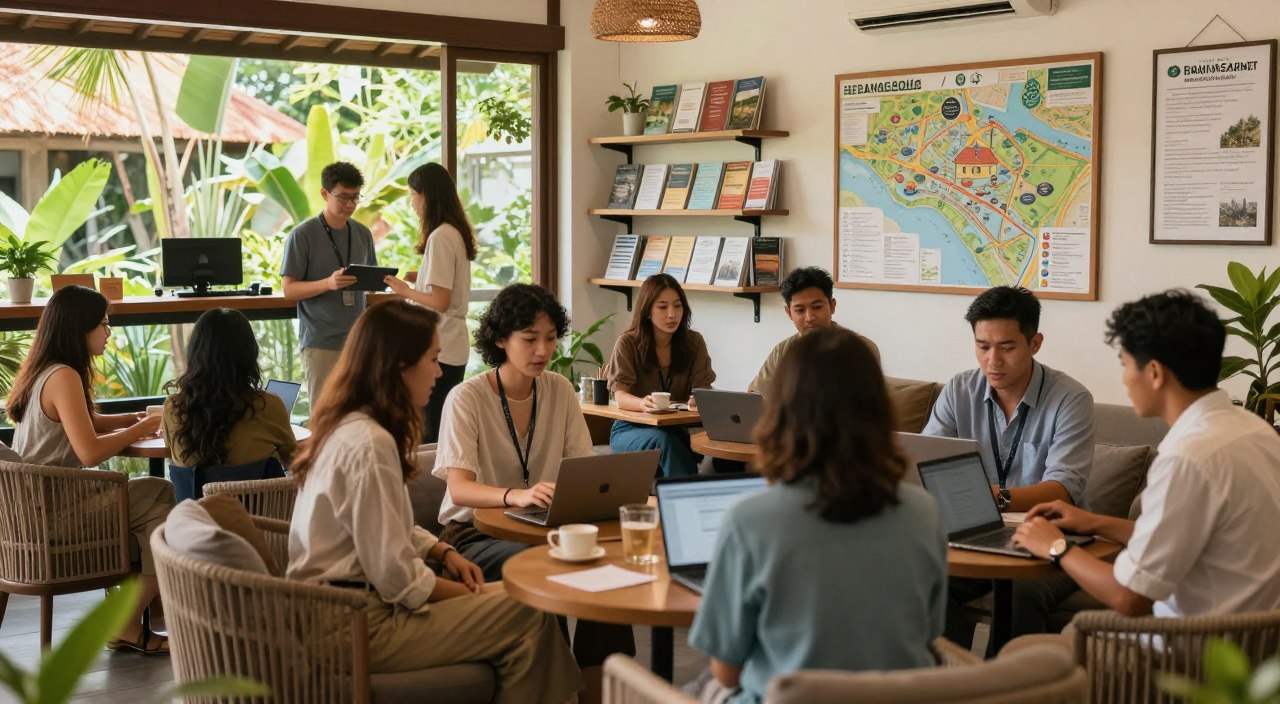
Penang offers a more relaxed atmosphere. George Town’s historic streets have charming cafés. Many are designed for remote workers with strong Wi-Fi and great coffee.
This variety means you can choose your work environment. Whether it’s a sleek office or a seaside café, it keeps your workday inspiring.
Choosing Malaysia means investing in a lifestyle that supports your work and well-being. The low digital nomad visa Malaysia cost of living saves money. The rich culture and community make it easy to settle in. The variety of workspaces empowers your daily routine. It’s a winning combination.
Application Process for the Visa
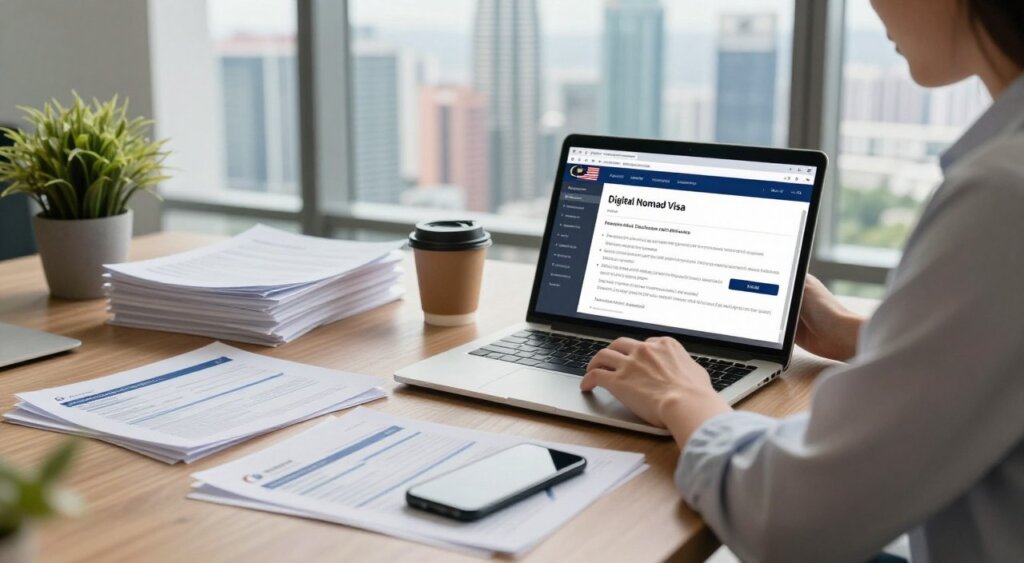
To work remotely in Malaysia, you need to apply for the DE Rantau visa online. The Malaysia visa application process for digital nomads is easy and digital. You can do it all from your laptop, perfect for a nomadic lifestyle.
This section will guide you through the process. You’ll learn what documents you need and the costs. Knowing this ahead of time makes your application smooth and stress-free.
Steps to Apply
Following the right steps is key for a successful application. The DE Rantau program has a clear online path. Here’s your step-by-step guide on how to apply for digital nomad visa in Malaysia:
- Create an Account: Go to the DE Rantau Nomad Pass portal. Register with your email to start your application.
- Complete the Online Form: Fill in all personal, professional, and travel details accurately. Make sure to double-check for any errors before moving forward.
- Upload Required Documents: Attach clear, scanned copies of all necessary paperwork. The system will tell you what you need for each section.
- Pay the Application Fees: Use the portal’s secure payment gateway to pay the government processing fee. Keep the receipt for your records.
- Submit Your Application: Once everything is uploaded and paid for, formally submit your application. You will receive a confirmation email with a reference number.
- Wait for Processing: Processing times are usually four to eight weeks. You can check your application status online using your reference number.
After approval, you’ll get a visa approval letter. Use this to enter Malaysia and complete final verification upon arrival.
Required Documentation
Gathering your documents is the most important step. The authorities need to verify your identity, income, and intent. Missing one item can delay your entire Malaysia visa application process for digital nomads.
Here is the essential checklist of required documentation:
- Passport Copy: A clear scan of your passport bio page. It must be valid for at least 18 months from your intended entry date.
- Proof of Remote Work: This can be an employment contract from a foreign company, client letters for freelancers, or business registration documents for entrepreneurs.
- Financial Evidence: Recent bank statements showing a minimum balance or consistent income that meets the program’s requirement (typically around $24,000 USD annual equivalent).
- Health Insurance: Proof of international health insurance valid in Malaysia for the entire visa duration.
- Criminal Record Certificate: A clean police record or certificate of good conduct from your home country or country of residence.
- Passport-Sized Photograph: A recent, professional color photo with a white background.
Tip: Start requesting documents like the criminal record certificate early. They can take several weeks to obtain.
Application Fees
Understanding the total cost is key for your budget. The fees include mandatory government charges and optional service costs. The table below gives you a clear expectation of the expenses involved in obtaining your DE Rantau visa.
| Fee Type | Description | Approximate Cost (USD) |
|---|---|---|
| Primary Application Fee | This is the main government processing fee paid online during submission. | $220 |
| Nomad Pass Fee | A separate fee for the visa pass itself, payable upon approval. | $120 per year |
| Dependent Pass Fee | Additional fee for each spouse or child included on the application. | $60 per dependent |
| Agent/Service Fee (Optional) | If you use a licensed immigration agent to handle the paperwork and liaison. | $300 – $600 |
| Total Estimated Cost (Single Applicant) | Combined government fees for a one-year visa without an agent. | $340 |
Remember, the agent fee is optional but can be helpful if you want expert guidance. Always use a licensed and reputable agent if you choose this route. With your documents ready and fees budgeted, you are well-prepared to start your journey on how to apply for digital nomad visa in Malaysia.
Understanding the Duration and Renewal
Planning a long-term digital nomad journey in Malaysia needs a good understanding of your visa’s timeline. The DE Rantau Nomad Pass offers clear rules for your stay. It helps you plan your future.
This structure lets you build a stable routine without immigration surprises. Knowing the details helps with financial and personal planning.
Length of Stay
Your malaysia long-term visa for digital nomads is valid for 12 months from entry. This gives you time to settle, explore, and work productively.
The visa rules are simple. You must work remotely or freelance from outside Malaysia. You also need valid medical insurance for your stay.
This clear validity period is a big plus for long-stay planners. It lets you confidently make commitments, like renting a place, for a full year.
Renewal Process
If you want to stay longer, you can renew your visa. The process is straightforward but requires some preparation.
Start your renewal application a month before your pass expires. The steps include:
- Submitting a renewal application through the DE Rantau online portal.
- Providing updated documentation, like recent proof of income and a valid passport.
- Showing proof of ongoing medical insurance coverage.
- Paying the associated renewal fee.
Renewal approval is not guaranteed. Authorities will check if you meet current program requirements. Keeping your records organized helps.
Long-Term Opportunities
For those who love Malaysia and might want to stay, the DE Rantau Nomad Pass is a good start. It lets you try life in Malaysia before looking at other residency options.
Malaysia has many paths for long-term settlement. After being a digital nomad, you might get other permits. These could be professional visit passes or business visas if you start a local business.
This flexibility makes Malaysia attractive to global talent. The country welcomes skilled professionals and entrepreneurs. Your first year on the digital nomad visa is a great chance to explore these long-term opportunities.
Exploring Digital Nomad Tax Implications
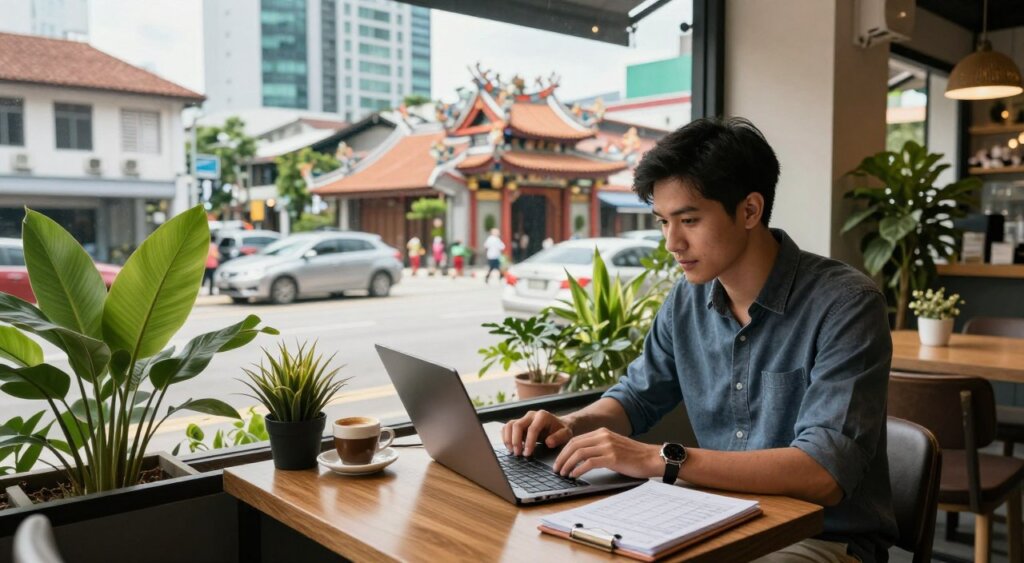
Before you start your digital nomad adventure in Malaysia, it’s key to understand the tax side. Making tax mistakes can be a big financial risk. Knowing your tax duties helps protect your earnings and makes your nomad life smoother.
Tax Benefits in Malaysia
Malaysia might offer good tax benefits for digital nomads. A big concept is tax residency. If you spend 183 days or more in Malaysia in a year, you’re likely a tax resident.
As a tax resident, you pay taxes on income earned in Malaysia. A big tax benefit is that Malaysia often doesn’t tax income from abroad. This is great for your financial planning.
It’s important to check the latest rules with the Inland Revenue Board of Malaysia (IRBM). Tax laws can change, and your situation might be different.
Double Tax Agreements
Malaysia has Double Tax Agreements (DTAs) with over 70 countries, like the U.S., U.K., and Australia. These agreements prevent you from being taxed twice on the same income.
A DTA explains which country gets to tax certain types of income, like business profits. For example, the DTA between Malaysia and the U.S. helps American digital nomads avoid double taxation on their freelance or remote work income.
| Country | Key DTA Benefit for Digital Nomads | Important Note |
|---|---|---|
| United States | Prevents double taxation on business profits and personal service income. | You must typically be a tax resident in one country to claim benefits. |
| United Kingdom | Defines rules for taxing income from employment and independent services. | Specific articles cover where you are physically performing the work. |
| Australia | Provides clarity on taxing rights for income derived from professional services. | May require a certificate of residency from the Malaysian tax authority. |
| Singapore | Offers favorable terms due to close economic ties, often with reduced withholding tax rates. | Extremely relevant for nomads working with Singapore-based clients. |
Review the DTA between Malaysia and your home country. This is key for smart international financial management.
Importance of Financial Planning
Good financial planning is a must. Relying on general info is risky. Your first step should be talking to a qualified international tax expert. They can give advice based on your citizenship, income, and residency.
Keep detailed records of your travel, income, and expenses. These records are key for proving your tax residency and for any audits. Also, becoming a tax resident in Malaysia doesn’t mean you’re free from tax obligations in your home country.
Many countries, like the U.S., tax their citizens on worldwide income, no matter where they live. You need a plan that covers both places.
- Consult a Professional: Find a tax advisor who knows about expatriate and digital nomad finances.
- Maintain Clear Records: Use apps or spreadsheets to track all financial and travel data.
- Understand Home Country Rules: Research your ongoing tax filing requirements back home.
- Plan for Renewals: Consider tax changes when planning for visa renewals.
By taking these steps, tax compliance becomes a manageable part of your digital nomad journey in Malaysia.
Finding Accommodation in Malaysia
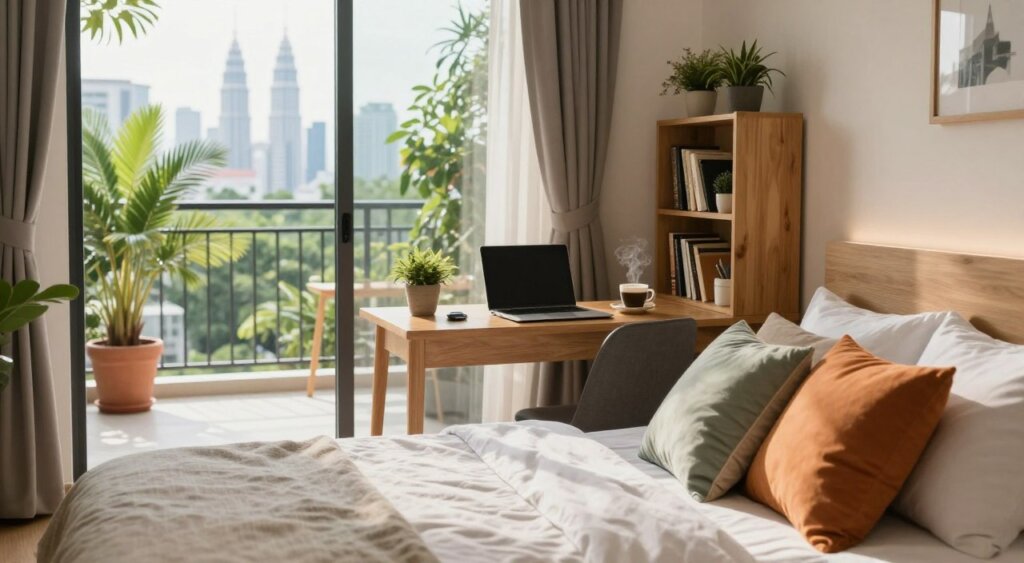
Your choice of accommodation in Malaysia can greatly impact your remote work experience. A comfortable home is your office, retreat, and base for exploring. Malaysia offers a wide range of housing options that fit various lifestyles and budgets.
Types of Housing
There are several main types of housing to choose from. Knowing these options helps you find the best fit for you.
Serviced apartments are a favorite among newcomers. They are fully furnished, with weekly cleaning, utilities, and amenities like gyms or pools. This option offers hassle-free living with flexible lease terms.
Condominiums, or “condos,” are common in urban areas. They provide modern amenities like security, swimming pools, and fast internet. Renting a condo usually means a longer-term lease.
Shared houses or co-living spaces are great for making friends. You rent a private room in a larger house with other professionals. This setup is cost-effective and offers instant social connections.
Popular Locations for Nomads
Some cities and neighborhoods are more popular among digital nomads. Kuala Lumpur and Penang are the top spots.
In Kuala Lumpur, Bangsar and Mont Kiara are favorites. Bangsar is trendy, with great cafes and a lively social scene. Mont Kiara is known for its spacious condos and international schools.
Penang’s historic island attracts digital nomads. George Town, a UNESCO World Heritage site, mixes culture with modern cafes and co-working spaces. Tanjung Bungah offers a more relaxed, coastal vibe while being close to the action.
| Location | Neighborhood Vibe | Key Amenities | Average Rental Range (1-bedroom) |
|---|---|---|---|
| Kuala Lumpur (Bangsar) | Trendy, social, urban | Cafes, restaurants, boutiques, good public transport links | $400 – $700 USD/month |
| Kuala Lumpur (Mont Kiara) | Suburban, family & expat-oriented | Shopping malls, international schools, parks | $500 – $800 USD/month |
| Penang (George Town) | Historic, creative, cultural | Street art, co-working spaces, diverse food scene | $300 – $550 USD/month |
| Penang (Tanjung Bungah) | Coastal, relaxed, residential | Beach access, quieter atmosphere, local markets | $350 – $600 USD/month |
Tips for Renting
Smoothly navigating the rental process saves time and stress. Follow these practical steps.
Start by using trusted local property portals like iProperty.com.my or PropertyGuru Malaysia. These sites list thousands of verified properties. You can filter by location, price, and housing type.
Always inspect the property in person or via a detailed video tour. Check the actual internet speed by testing it with your own device. A fast, reliable connection is essential for your work.
Understand the standard lease agreement terms. Typically, you will need to pay a security deposit (usually two months’ rent) and one month’s rent in advance. Some landlords may require a utility deposit as well.
Negotiation is common, so don’t hesitate to ask for a lower rent or certain furnishings to be included. Ensure all agreed terms are clearly written into the contract before you sign.
Spending a few days in a short-term rental in your preferred area before committing long-term is wise. It lets you experience the neighborhood firsthand.
Lastly, confirm who is responsible for maintenance. Knowing who to call for repairs prevents future headaches. With these tips, you can find a great home that supports your nomadic lifestyle in Malaysia.
Connectivity and Work Infrastructure
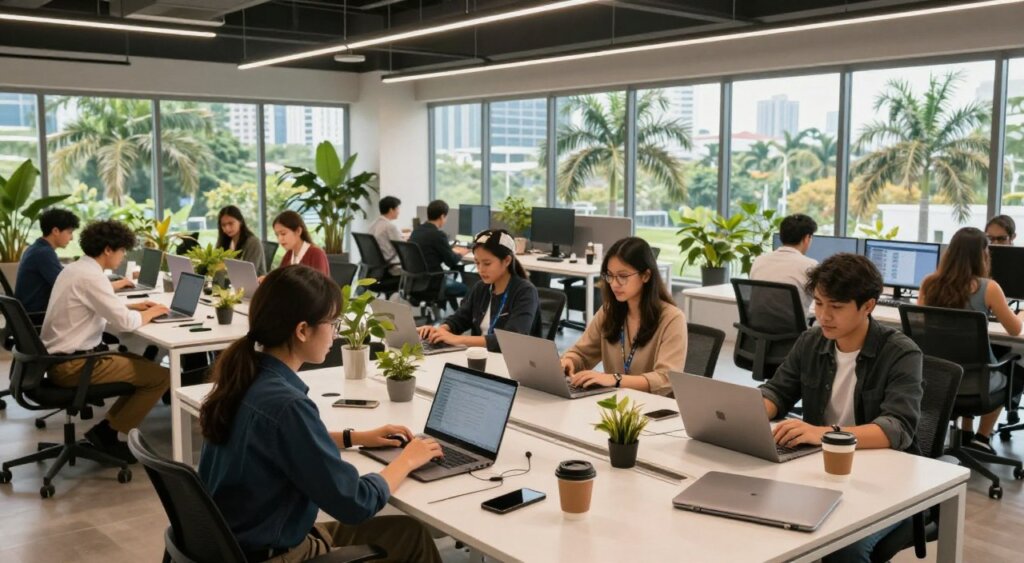
Your ability to work well in Malaysia depends on its modern connectivity and workspaces. These are designed for remote professionals. A strong digital foundation is essential, and Malaysia has a well-developed ecosystem. This lets you focus on your projects without technical issues.
Internet Access and Reliability
Malaysia has excellent internet infrastructure, mainly in big cities. Providers like Unifi and Time dotCom offer high-speed fiber broadband. You can get speeds from 100 Mbps to 500 Mbps for a good price.
Mobile data coverage is also wide. 4G LTE networks are strong in cities and suburbs. 5G is starting to roll out in Kuala Lumpur and Penang. Getting a local SIM card from Celcom, Maxis, or Digi is a fast, affordable option for working on the go.
Here’s a quick look at typical connectivity options available to you:
| Service Type | Typical Speed Range | Primary Providers | Best For |
|---|---|---|---|
| Home Fiber Broadband | 100 – 500 Mbps | Unifi, Time | Long-term rentals, home offices |
| Mobile 4G/5G Data | 20 – 150 Mbps | Celcom, Maxis, Digi | On-the-go work, backup connectivity |
| Co-working Space Wi-Fi | 500 Mbps – 1 Gbps | Common Ground, WORQ | Guaranteed high-speed, professional environment |
While connectivity in very remote islands or rural highlands can be less reliable, major cities and towns offer rock-solid internet access. This is great for video calls, large file transfers, and streaming.
Co-working Spaces
Malaysia’s co-working scene is vibrant and caters to all work styles. These spaces offer more than just a desk. They provide community, networking events, and professional amenities.
In Kuala Lumpur, you have popular chains like Common Ground with multiple locations, WORQ known for its tech-focused community, and The Co. which offers stylish environments. Penang and George Town are also hubs, with spaces like Common Ground Penang and UnionSPACE attracting a mix of local and international remote workers.
Standard amenities you can expect include:
- High-speed, dedicated business-grade internet
- Ergonomic chairs and spacious desks
- Meeting rooms and private call booths
- Free-flow coffee and tea
- Regular networking and social events
Membership plans are flexible. You can buy a day pass, a part-time plan for 5-10 days a month, or a full-time dedicated desk. This flexibility is perfect for the dynamic schedule of a digital nomad.
Cafés for Remote Work
Sometimes you just want a change of scenery with a good cup of coffee. Many cafés in Malaysia are welcoming to laptop workers. They offer strong Wi-Fi, ample power outlets, and a relaxed vibe.
In Kuala Lumpur, VCR in Bukit Bintang is a favorite for its excellent brew and spacious interior. Pulp by Papa Palheta in Bangsar is another top choice, known for its serious coffee culture and work-friendly atmosphere. In Penang, head to Coffee Element in George Town for great coffee and reliable connections, or Macallum Connoisseurs in a converted warehouse for a unique, inspiring setting.
When choosing a café for a remote work session, look for these signs:
- Other people working on laptops is a good indicator.
- Check if power outlets are accessible near seating.
- It’s polite to order a drink or snack every couple of hours.
- Avoid peak lunch hours if you need quiet concentration.
Between dedicated co-working spaces and these hospitable cafés, you will never lack a productive spot to get your work done while enjoying the local culture.
Networking Opportunities for Nomads

Networking in Malaysia is more than just handing out business cards. It’s about joining a lively community of remote workers and local business owners. The expat and startup scene here is vibrant, making it easy to build your network.
Local Meetups and Events
There are many ways to meet people in person. Sites like Meetup.com and Facebook Groups are buzzing with activity in cities like Kuala Lumpur and Penang. You’ll find everything from casual coffee meetups to tech talks and workshops.
Events cover a wide range of interests. You can join startup pitch nights, language exchange sessions, or just dinners with digital nomads. Getting involved in these meetups quickly makes you feel like part of the community.
Online Communities
You can start networking even before you arrive. Online groups offer valuable insights and connections. Look for groups like “Digital Nomads Malaysia” or “Expats in Kuala Lumpur” on social media.
Members share tips on visas, housing, and workspaces. They also plan meetups and events. Joining these forums lets you ask questions and find friends in your new city.
Building Professional Relationships
To grow your career, do more than just socialize. Malaysia’s tech and creative industries are ripe for collaboration. Attend co-working space events or industry conferences. Local entrepreneurs are often looking to connect with international remote workers.
Be ready to offer value in your interactions. Share your skills and be open to learning. These real connections can lead to freelance work, partnerships, or a deeper understanding of local business culture. Building these relationships can turn a short stay into a long-term career boost.
Cultural Considerations for Nomadic Living
Your success as a digital nomad in Malaysia depends on more than just Wi-Fi. It’s about understanding and respecting its rich cultural mix. The blend of Malay, Chinese, and Indian traditions creates a unique social fabric. Being aware of these cultures helps you build connections and feel at home.
Understanding Local Customs
Malaysian society values respect and modesty, influenced by Islam. You’ll see this in daily life, from dress codes to how people interact. During Ramadan, it’s polite to avoid eating, drinking, or smoking in public during daylight hours.
Greetings are key. A smile and a nod are always appreciated. The traditional Malay greeting is a salam, a handshake followed by touching the heart. When eating at someone’s home, use your right hand for everything, as the left hand is considered unclean.
“The real voyage of discovery consists not in seeking new landscapes, but in having new eyes.” – Marcel Proust
To navigate social situations, here’s a quick guide to etiquette:
| Social Scenario | Key Custom | Why It Matters |
|---|---|---|
| Greeting Someone | Offer a slight nod or a gentle right-handed handshake. For Muslims, between opposite genders, a nod and smile may suffice unless they extend a hand. | Shows initial respect and acknowledges local religious and social norms. |
| Visiting a Home or Temple | Always remove your shoes before entering. Dress modestly, covering shoulders and knees. | A sign of cleanliness and respect for sacred or private spaces. |
| Dining Etiquette | Use your right hand to eat if using fingers. Wait for the host to invite you to start eating. | Aligns with traditional practices and shows patience and respect for your host. |
| General Dress Code | Opt for modest clothing in public areas. This is important when visiting government buildings or places of worship. | Demonstrates cultural sensitivity and helps you blend in comfortably. |
Language and Communication
English is widely spoken in business settings and major cities like Kuala Lumpur and Penang. This makes communication easy. But, learning basic phrases in Bahasa Malaysia (Malay) shows respect and is appreciated.
Start with greetings like “Selamat pagi” (Good morning), “Terima kasih” (Thank you), and “Maaf” (Sorry). Pay attention to communication style. Malaysians often value harmony and may communicate indirectly to avoid conflict.
Adapting to a New Environment
Adapting to life in Malaysia means embracing its relaxed pace. The concept of “Malaysian time” suggests a more relaxed approach to punctuality for social events. But, business meetings are formal. Bureaucratic processes can be slow. Patience and calm are key here.
Experiencing culture shock is normal. To ease your transition:
- Connect with the local expat and nomad community for shared experiences and tips.
- Explore local neighborhoods and food markets to immerse yourself authentically.
- Be patient with yourself as you learn; locals are forgiving and helpful if they see you making an effort.
- Stay curious and open-minded. Say “yes” to invitations and try new things.
By embracing these cultural considerations with an open heart, you become a welcomed temporary resident. This deeper connection makes your nomadic chapter unforgettable.
Health and Safety in Malaysia
Healthcare and personal security are key for a great digital nomad experience in Malaysia. Your health affects your work and fun. Malaysia is known for its good medical care and safety for visitors.
Healthcare System Overview
Malaysia has a dual healthcare system. You can use public or private hospitals. The public system is cheap but might have longer waits and simpler services.
The private sector offers top-notch care, modern tools, and English-speaking doctors. Many hospitals in Kuala Lumpur and Penang are recognized worldwide. Prices are lower than in the West.
| Aspect | Public Healthcare | Private Healthcare |
|---|---|---|
| Cost | Highly subsidized, very low cost | Moderate to high, but often affordable |
| Wait Times | Can be significant for non-emergencies | Typically short, with quick appointments |
| Facilities & Technology | Good, but may be older | State-of-the-art, modern equipment |
| Language | Primarily Malay; English varies | Widely English-speaking staff |
| Best For | Routine care on a tight budget | Specialized treatments, emergencies, convenience |
Insurance Considerations
Insurance is a must. The Digital Nomad Visa Malaysia requires international health insurance. Your policy must cover you for your entire stay.
Don’t count on travel insurance. You need a strong policy for long stays. Look for one that covers you in Malaysia and Southeast Asia.
Check for inpatient and outpatient care, emergency evacuation, and repatriation. Dental and optical coverage are nice extras. Compare plans to find the best for your needs and budget.
General Safety Tips
Malaysia is stable and safe for foreigners. You can feel safe here. Just use common sense to stay safe.
Be careful in crowded places. Petty theft can happen. Keep valuables safe and avoid showing off expensive items.
Driving can be tough. Always use crosswalks and be careful. Respect local customs and laws to avoid trouble. The police are usually helpful.
Malaysia is a safe and supportive place for digital nomads. With the right insurance and caution, you can enjoy your work and adventures.
Conclusion: Embracing the Digital Nomad Lifestyle in Malaysia
The Digital Nomad Visa Malaysia, or DE Rantau Pass, opens a new chapter for you. It makes working from Southeast Asia a reality.
Final Thoughts on the Visa Opportunity
This visa gives remote workers a clear legal path. You can live in Malaysia with its low cost of living and rich culture. The DE Rantau Pass makes long-term nomadic living legitimate.
Remember, rules and requirements can change. Always check the latest on official sites like the Malaysia Digital Economy Corporation (MDEC). Getting professional advice is key for your situation.
Encouragement to Take the Leap
Getting the Digital Nomad Visa Malaysia needs planning and effort. The benefits include freedom, growth, and joining a diverse community.
First, check if you qualify and prepare your documents. Take the chance to create a life where work and travel meet in Malaysia.