Remember that mix of excitement and slight panic when planning a dream holiday? You start picturing pristine beaches and vibrant culture, but then the practical question hits: what will it actually set me back?
Figuring out your travel budget is a universal step. For many Aussies, the island of Bali sits high on the list.
The fantastic news is this Indonesian paradise caters to every wallet. From backpackers to luxury seekers, your final spend is largely in your hands.
Local tourist boards often quote an average of $3,000 USD for a fortnight’s visit, excluding flights. This is a useful benchmark, but it’s just that—an average.
Many have an incredible time for half that amount.
Your total expense hinges on daily choices. Where you stay, what you eat, and how you get around all shape the bottom line.
Compared to a holiday back home, Bali offers outstanding value for money. This guide walks you through realistic price ranges to help you plan.
Key Takeaways
- Bali accommodates all budget levels, from backpackers to luxury travellers.
- The often-cited average cost for a two-week trip is $3,000 USD, excluding airfares.
- Your personal spending choices dramatically influence the final total.
- The island provides better value for money than most Western destinations.
- Costs vary significantly between different regions and activities.
- This guide provides detailed breakdowns and practical planning strategies.
- Bali’s affordability makes it a top choice for various types of holidays.
Understanding Bali’s Cost Landscape
Your spending power on the island stretches further when you understand the local economic terrain. It’s not a single price list, but a varied map where your choices define the final tally.
Local vs Tourist Pricing
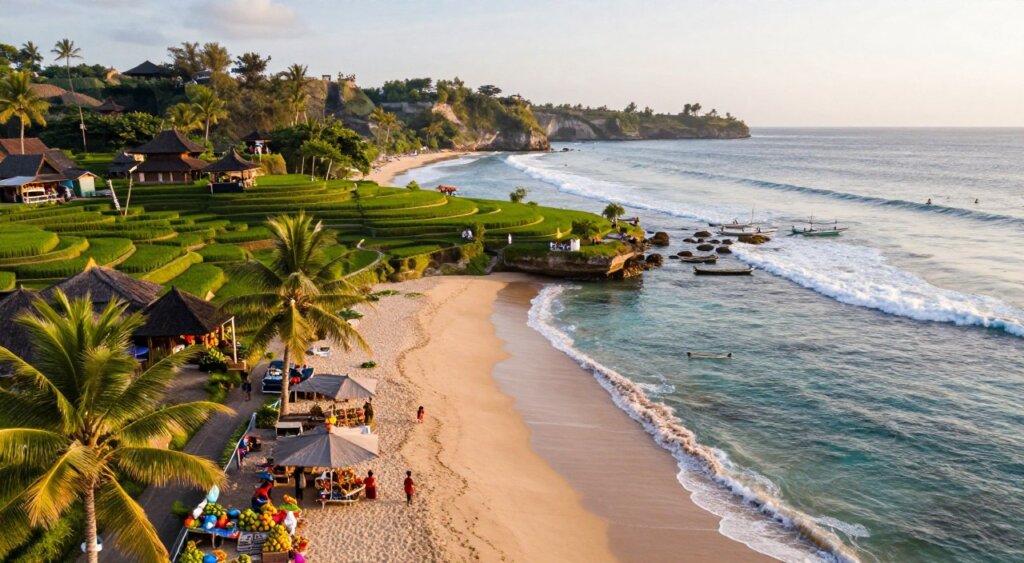
A dual structure exists. Local warungs and street vendors serve residents with very low prices. Tourist cafes in popular spots charge more, yet remain affordable by Western standards. Both offer fantastic value.
Factors Influencing Expenses
Location is the biggest factor. Southern hubs like Seminyak, Canggu, and Uluwatu command premium prices. These are developed areas with international amenities.
In contrast, traditional zones like Sidemen or Amed offer authentic, lower pricing. Your funds go much further here, providing a different kind of experience.
Remember, a listed price often has extra fees. Many bills add ~22% for tax and service charge. Also, a beachfront spot costs more than a venue a few streets inland.
Planning Your Bali Budget
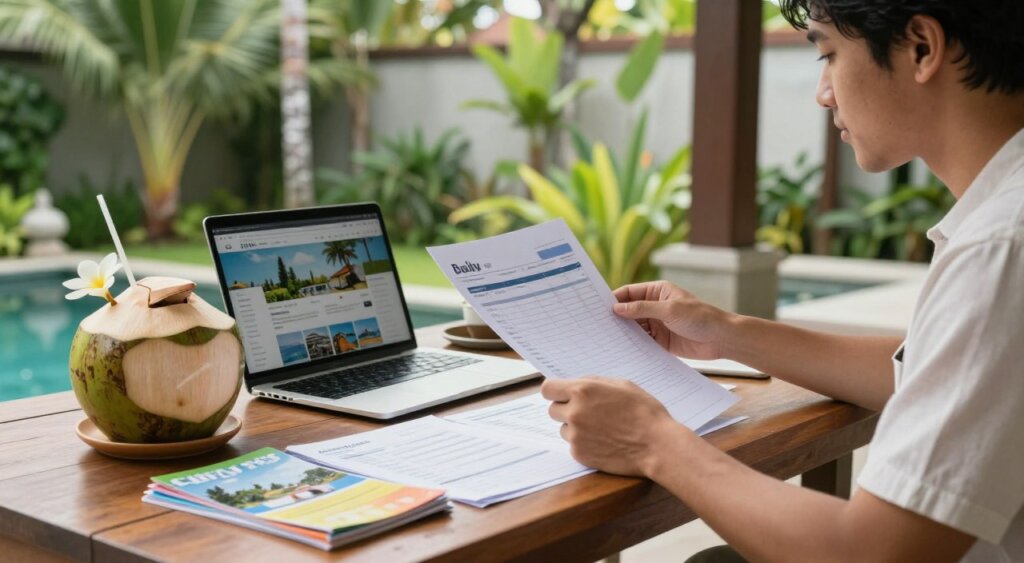
Taking control of your holiday finances starts with a realistic daily allowance. This figure anchors your entire trip plan. It helps you manage expectations and make smart choices.
Setting a Realistic Daily Budget
Your personal daily spend depends on your travel style. Do you prefer hostels or hotels? Street food or restaurants? Answering these questions shapes your number.
Most travellers fit into one of these common tiers. Your funds dictate your experience.
| Budget Tier | Daily Range (AUD) | Accommodation | Meals | Transport & Activities |
|---|---|---|---|---|
| Ultra-budget | $20-30 per day | Hostel dorm | Street food & warungs | Local buses, free beaches |
| Budget-conscious | $50-75 per day | Private hostel room | Mix of local & cafe meals | Scooter rental, cheap tours |
| Mid-range comfort | $100-150 per day | Boutique hotel or villa | Restaurant dining | Private driver, paid attractions |
| Luxury | $200+ per day | 5-star resort | Fine dining | Private tours, premium spas |
Calculate your needs, then add a 20% buffer for surprises. For a common two-week trip, a total of $1,500-$2,000 is a solid plan, excluding flights.
Accommodation Options: Budget to Luxury
From social hostels to secluded villas, the island offers a bed for every preference and purse. Your choice here is a major part of your travel plan.
Dorms, Hostels and Private Rooms
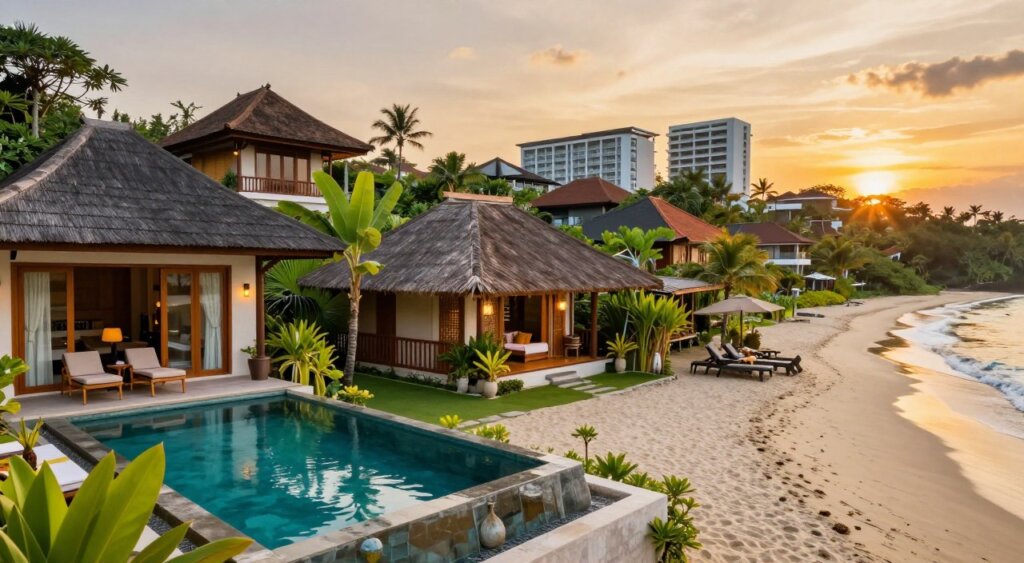
Backpacker hubs feature dormitory beds from $10-15 per night. These offer basic shared amenities. For more privacy, a budget room with air conditioning and a bathroom starts around $20 per night.
This represents fantastic value for couples or friends. Moving up, the popular mid-range hotel category sits at $50-80 per night. These properties typically include breakfast and a swimming pool.
Luxury Villas and Resorts
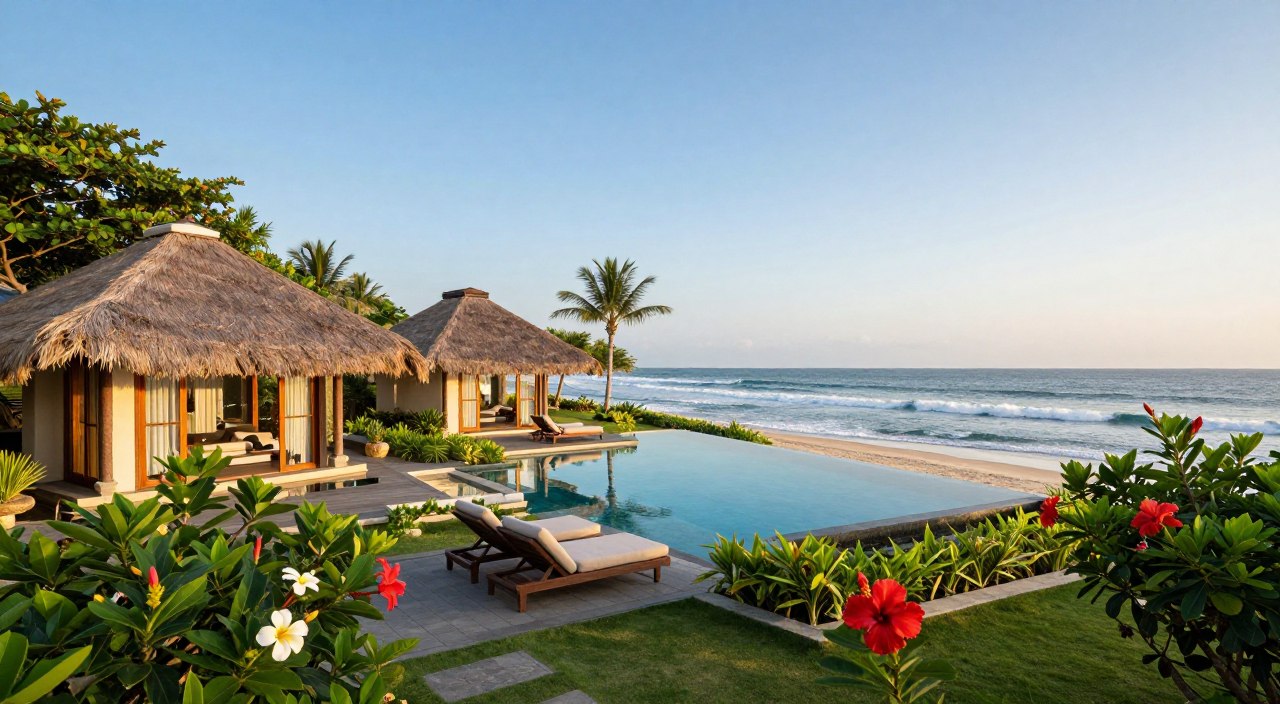
For a premium stay, international luxury resorts command $300+ per night. They offer multiple dining options, spa facilities, and exceptional service.
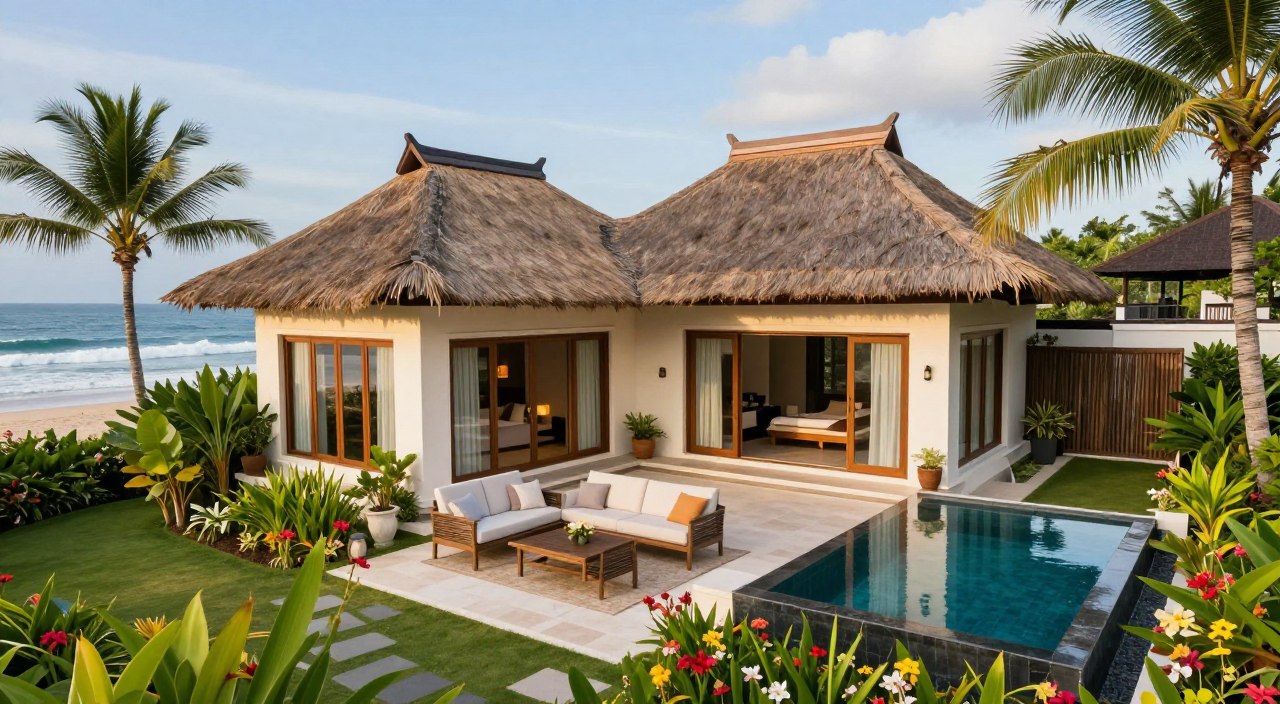
The private villa market is also vast. A one-bedroom villa with its own pool can be found from $100-150 per night. Larger estates offer complete privacy for groups.
Remember, prices are usually per room, not per person. You can save 30-50% by visiting outside peak season.
Savouring Bali: Food and Drink Costs
Exploring local cuisine offers both incredible value and a deep cultural connection. Your daily food budget is one of the most flexible parts of your trip.
From humble stalls to chic eateries, the range is vast. Your choices define your culinary adventure and final spend.
Street Food & Warung Meals
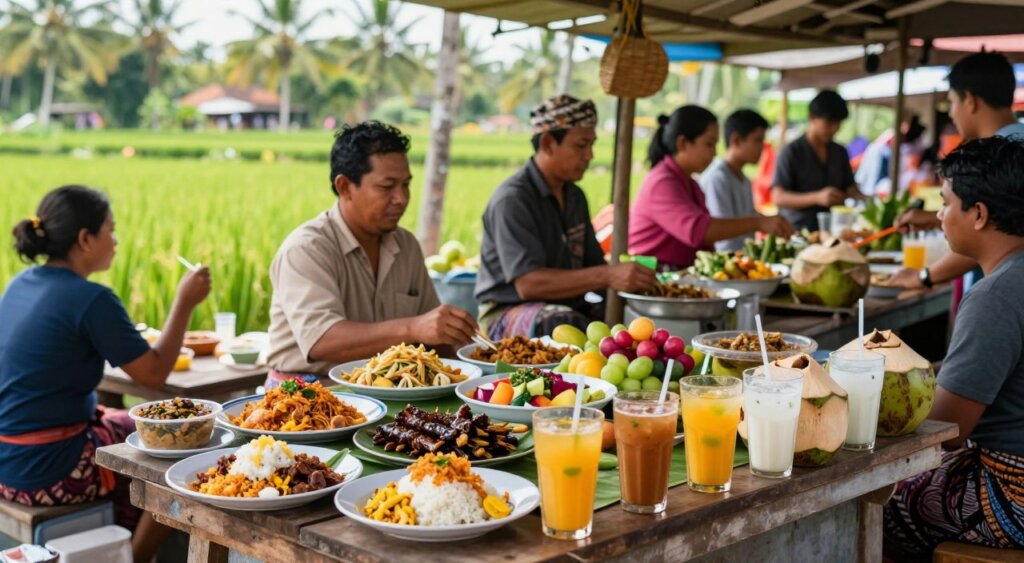
Authentic street food is the most economical option. Mobile vendors serve classics like nasi goreng for $1-2.
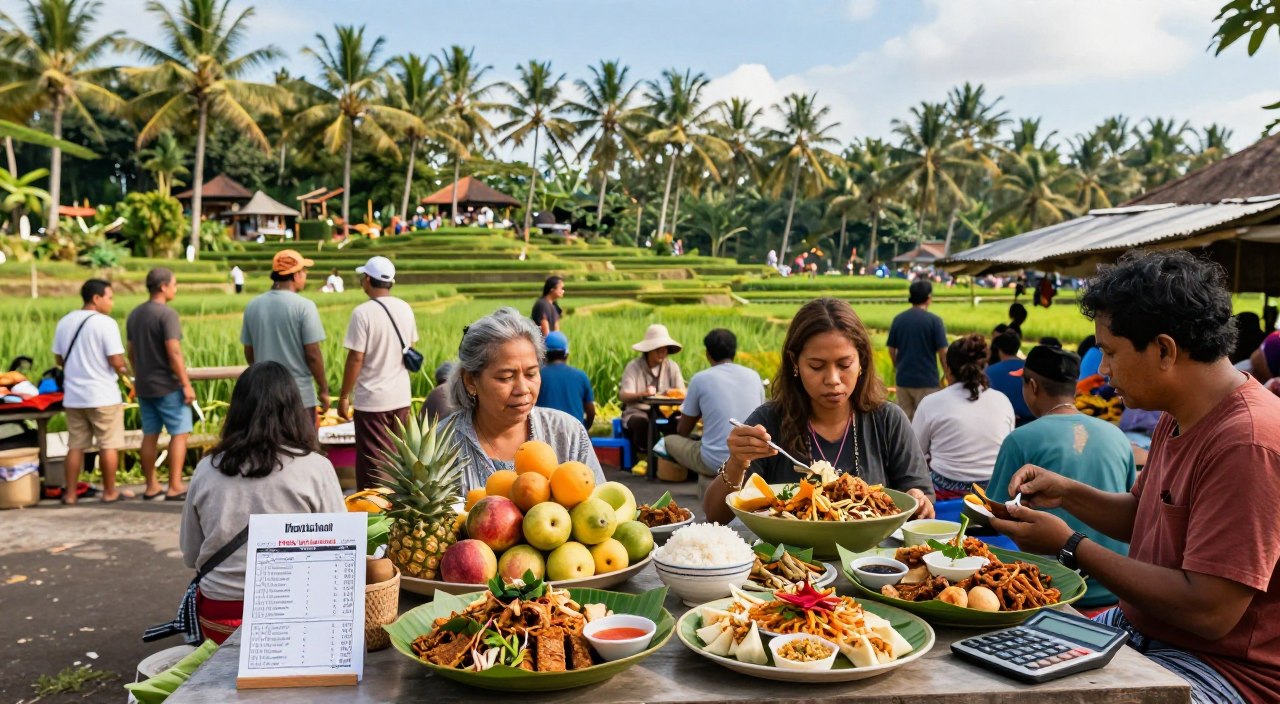
Family-run warungs display dishes in glass cases. You can select a full plate of rice, meat, and veggies for $2-4.
These meals provide a genuine taste of local life. They are filling, flavourful, and incredibly cheap.
Restaurant Dining and Splurges
Mid-range restaurants and cafes offer meals for $5-15. This includes healthy bowls, burgers, and Asian fusion.
Upscale dining in trendy areas costs $15-30 per person. Fine dining experiences can reach $50-150+.
Drinks are reasonably priced. Local Bintang beer is $2-3.50. Cocktails start around $8.
| Budget Style | Daily Spend (AUD) | Typical Meals | Notes |
|---|---|---|---|
| Ultra-Budget | $10-15 | Street food & warungs | Very basic, authentic experience. |
| Comfortable Mix | $20-30 | Mix of local & cafe food | Good variety, includes some drinks. |
| Restaurant Focus | $40-60 | Regular restaurants & splurges | Assumes breakfast may be included with stay. |
A reasonable daily plan is $15-20 per person. This allows for one nice meal alongside cheaper local prices.
Transportation in Bali: Getting Around Affordably
Getting from A to B on the island doesn’t have to drain your wallet, thanks to a wide array of local transport choices. Your mobility directly impacts your daily adventures and overall spend.
Scooter Rentals and Ride-Share Services
Renting a scooter is the most popular and economical option. Basic models cost $5-7 per day from countless rental shops.
They offer freedom to explore at your own pace. Remember, an international driving licence is required, and traffic can be chaotic.
For more peace of mind, premium scooter services charge $10-25 per day. These include well-maintained bikes, comprehensive insurance, and support.
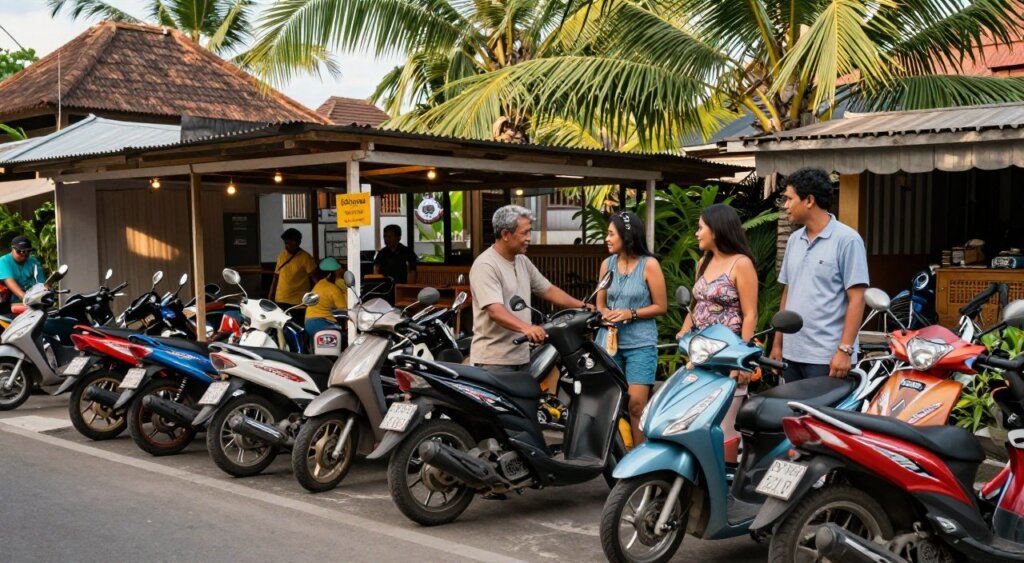
Ride-sharing apps like Grab and Gojek are also affordable. A scooter taxi (ojek) trip costs just $1-3. Car trips via app run $5-10.
These services face restrictions in some tourist zones where local cooperatives operate.
Airport Transfers and Private Taxis
Hiring a private driver is excellent value for longer excursions. A full day (8-10 hours) with an air-conditioned car and fuel costs $40-60.
This provides local knowledge and flexible itineraries. It’s perfect for couples or small groups.
For self-drive, car rental averages $30-50 per day. This demands comfort with challenging local driving conditions.
Airport transfers vary. A pre-booked car to Ubud is about $30-40. Non-app taxis often charge double the fair cost, so negotiate firmly.
| Transport Mode | Estimated Cost (AUD) | Best For | Key Considerations |
|---|---|---|---|
| Basic Scooter Rental | $5-7 per day | Solo explorers | Requires licence; traffic risks |
| Premium Scooter Rental | $10-25 per day | Comfort & safety | Includes insurance, support |
| Ride-Share (Gojek/Grab) | $1-3 (scooter) $5-10 (car) |
Short trips | Restricted in some areas |
| Private Driver | $40-60 per day | Day trips, groups | Includes car & fuel; flexible |
| Car Rental | $30-50 per day | Self-drive flexibility | Challenging local driving |
Unlocking Bali’s Attractions and Activities
The true magic of a Bali holiday often lies in the wealth of experiences waiting to be discovered. Your itinerary can be filled with memorable activities that define your trip, ranging from free cultural encounters to premium adventures.
Cultural Experiences and Free Attractions
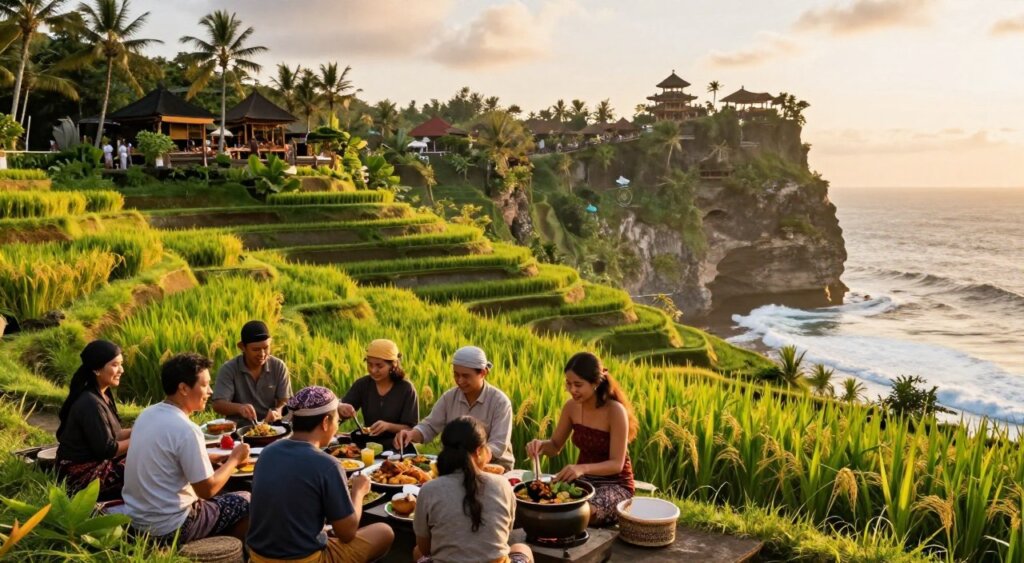
Many of the best attractions cost nothing. Pristine beaches, scenic rice terrace walks, and waterfall hikes offer incredible value.
Spontaneous temple ceremonies and cultural performances provide rich experiences without entry fees. Low-cost cultural sites like Uluwatu Temple or the Sacred Monkey Forest charge a nominal $2-5.
Paid Excursions and Adventure Tours
For organised fun, paid activities start around $10. Mid-range options ($20-50) include cooking classes, sunrise treks, and spa treatments.
Premium experiences ($75-150+) feature diving trips, private tours, and adventure sports. Mixing free and paid activities creates a balanced itinerary.
| Activity Type | Cost Range (AUD) | Example Experiences |
|---|---|---|
| Free Attractions | $0 | Beach days, market visits, temple ceremonies |
| Low-Cost Cultural | $2 – $5 | Temple entries, Monkey Forest, Goa Gajah |
| Mid-Range Activities | $20 – $50 | Cooking classes, Mount Batur trek, rafting |
| Premium Experiences | $75 – $150+ | Full-day diving, luxury spas, private tours |
A good daily budget for attractions is $20-30 per person. This allows for a mix of free places and one paid activity. Booking directly with local providers can save you time and money.
Hidden Costs and Essential Tips
Even the best-planned budget can be nibbled away by small, unexpected charges. Knowing where these extras pop up lets you manage your funds effectively.
A little awareness goes a long way in keeping your final spend under control.
Avoiding Extra Fees
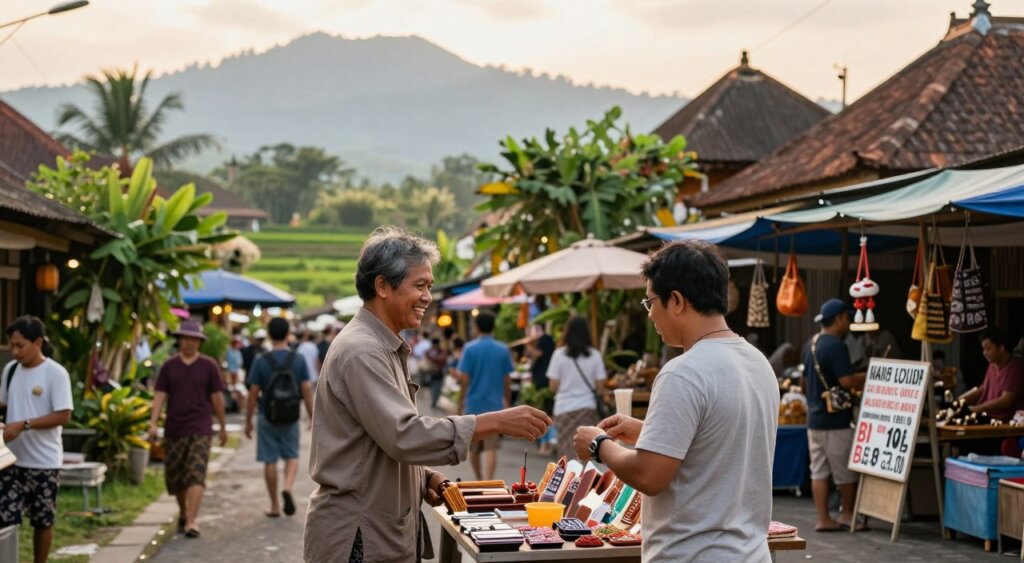
Many restaurants and hotels add government tax and a service charge. This can total an extra 22% on your bill.
Always check if a quoted price is ‘nett’ or has added fees. When paying by card, always choose to pay in Indonesian Rupiah (IDR).
Letting the machine convert to AUD adds poor rates and hidden costs. ATM withdrawals also carry fees of $5-$7 per transaction.
Understanding Bali’s Tipping Culture
Tipping is not a standard practice here. Staff do not expect you to pay extra on top of your bill.
If a service charge is already added, it is shared among the team. For truly outstanding service, a small extra tip of 10-15% is a kind gesture.
| Cost Category | Typical Fee | Smart Strategy |
|---|---|---|
| Bill Add-ons | Up to 22% (Tax + Service) | Ask for “nett” prices upfront. |
| Card Payments | 3-5% conversion margin | Always select “Pay in IDR”. |
| ATM Withdrawals | $5-$7 per transaction | Withdraw larger sums, less often. |
| Optional Tipping | 10-15% for great service | Entirely optional, cash is best. |
Exploring these options for handling fees helps you avoid surprises. It ensures your money goes further on your holiday.
Seasonal Savings: When to Visit Bali
The island’s tourist calendar swings between bustling peaks and tranquil lulls, each with distinct price tags. Choosing your travel time is one of the most impactful decisions for your wallet.
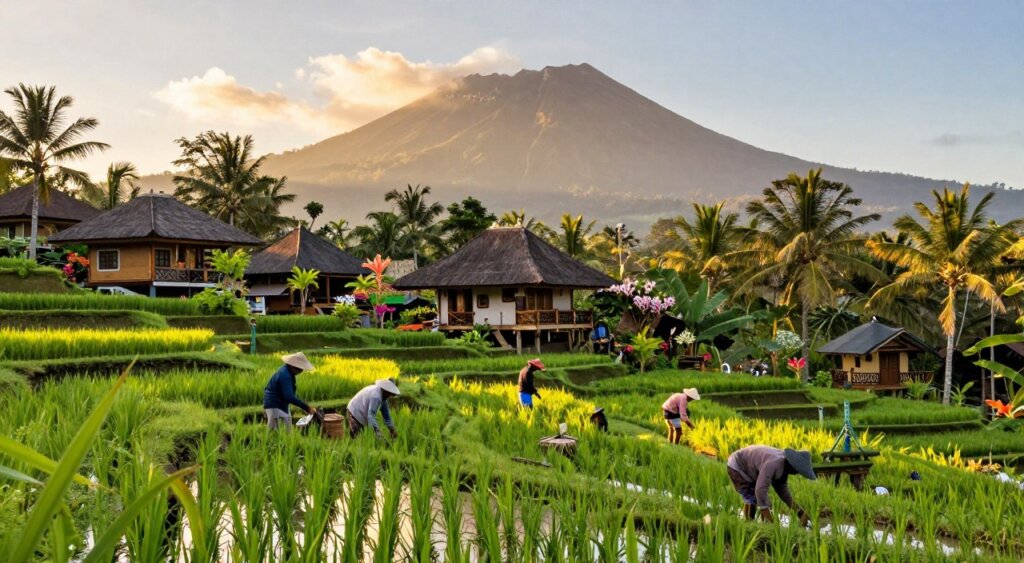
Peak season runs from July to September and over the Christmas-New Year period. Accommodation and flight costs can be 30-50% higher. Shoulder months like April-June offer a sweet spot with good weather and moderate pricing.
Off-Season Discounts
The low season, particularly February, presents the deepest discounts. You might save $500-$1,000 on a two-week bali trip.
Trade-offs include a higher chance of short afternoon showers. The benefit is fewer crowds and more authentic experiences. There are plenty of options for activities regardless of the time of year.
Smart Booking Strategies
For peak travel, book accommodation 2-3 months ahead. During quieter periods, last-minute deals can appear. Always compare prices across multiple platforms.
Contacting properties directly can secure discounts for longer stays. This is effective per person for group bookings. Flight options are also more affordable mid-week.
| Season | Typical Dates | Cost Impact | Best For |
|---|---|---|---|
| Peak | Jul-Sep, Dec-Jan | +30% to +50% | Families, guaranteed sun seekers |
| Shoulder | Apr-Jun, Sep-Nov | Moderate rates | Couples, flexible travellers |
| Low | Jan-Mar (esp. Feb) | -30% to -50% | Budget travellers, deal hunters |
With a little planning, you can enjoy a fantastic holiday any week of the year. Your funds will simply go further during the calmer months.
Conclusion
The beauty of a visit to this paradise is its remarkable financial flexibility. From $20-40 per day for backpackers to $200-400+ for luxury seekers, every trip can be tailored.
A $1,500-$2,000 total for a fortnight, excluding flights, is a solid budget. This offers outstanding value compared to Western costs.
Your plan should reflect personal style. Smart choices on accommodation, meals, and activities define your experience. The island’s true magic isn’t in the spend, but in the rich culture and beauty accessible to all.
It remains a top-value destination in the travel world.