Each year, thousands of Australian parents face unexpected health scares with their little ones while on holiday in Indonesia’s most famous island. Planning your Family Travel To Bali requires specific knowledge to keep everyone safe and happy.
This tropical paradise is a huge draw for folks with kids. Its mix of culture, nature, and value is irresistible. But the island’s climate and environment present unique health challenges.
Getting sick can turn a dream vacation into a stressful ordeal. This guide is built on real stories from parents who’ve spent months there.
We provide clear, actionable steps for your pre-trip checklist and on-the-ground needs. Our advice covers everything from essential shots to finding a good doctor.
You’ll learn how to manage sun exposure, safe eating, and clean water. We also break down tips for different ages, from babies to teens.
Key Takeaways
- Pre-departure vaccinations are a non-negotiable first step for this destination.
- Robust sun protection is critical in the tropical climate.
- Careful food and water safety practices prevent most common illnesses.
- Know how to identify and access quality healthcare facilities before you need them.
- Comprehensive travel insurance that covers children is essential.
- Health preparations should be tailored to your child’s specific age group.
- Proper planning is the best tool for a confident and enjoyable trip.
Why Bali is an Ideal Destination for Family Travel
From calm, shallow bays perfect for paddling to vibrant cultural shows, Bali delivers memorable experiences for all ages. This destination combines stunning scenery with a deep sense of welcome. Parents find it a place where their little ones can truly thrive.
Its beaches are famously safe for young children. Spots like Sanur have gentle waves protected by offshore reefs. Kids can build sandcastles or learn to surf in a secure setting.

Balinese culture centers on community and kindness. Locals often show genuine warmth toward visiting families. This creates a comforting atmosphere that makes everyone feel special.
It’s a magical blend of beaches where kids can splash about and learn to surf, cultural stuff that won’t bore them to tears, and enough adventure to keep teens from rolling their eyes.
Compared to other regional spots, your budget stretches further here. Affordable prices mean longer stays and nicer lodgings. The compact island size is another major plus.
You can see rice terraces, surf breaks, and temples all in one day. Short trips prevent exhausting travel times with children. There are endless engaging things to do.
Water parks, animal sanctuaries, and traditional dance performances cater to various interests. Many resorts feature excellent kids’ clubs and family pools. This focus on young guests shows a real commitment to welcoming families.
The peaceful spiritual vibe offers a unique learning chance. Children discover new traditions and ways of life. It’s an immersive education they won’t get from a textbook.
Essential Health Considerations for Children in Bali
Keeping your kids healthy in Bali requires a two-pronged strategy: thorough pre-trip medical preparation and vigilant daily care under the sun.
Vaccinations and Pre-Travel Health Checks
Schedule a visit with a pediatrician 6-8 weeks before departure. They will ensure routine shots are current and recommend specific vaccinations like Hepatitis A and Typhoid.
This is also the perfect time for a general health check. Obtain a full supply of any prescription medications your children need.
Sun Protection and Hydration Tips
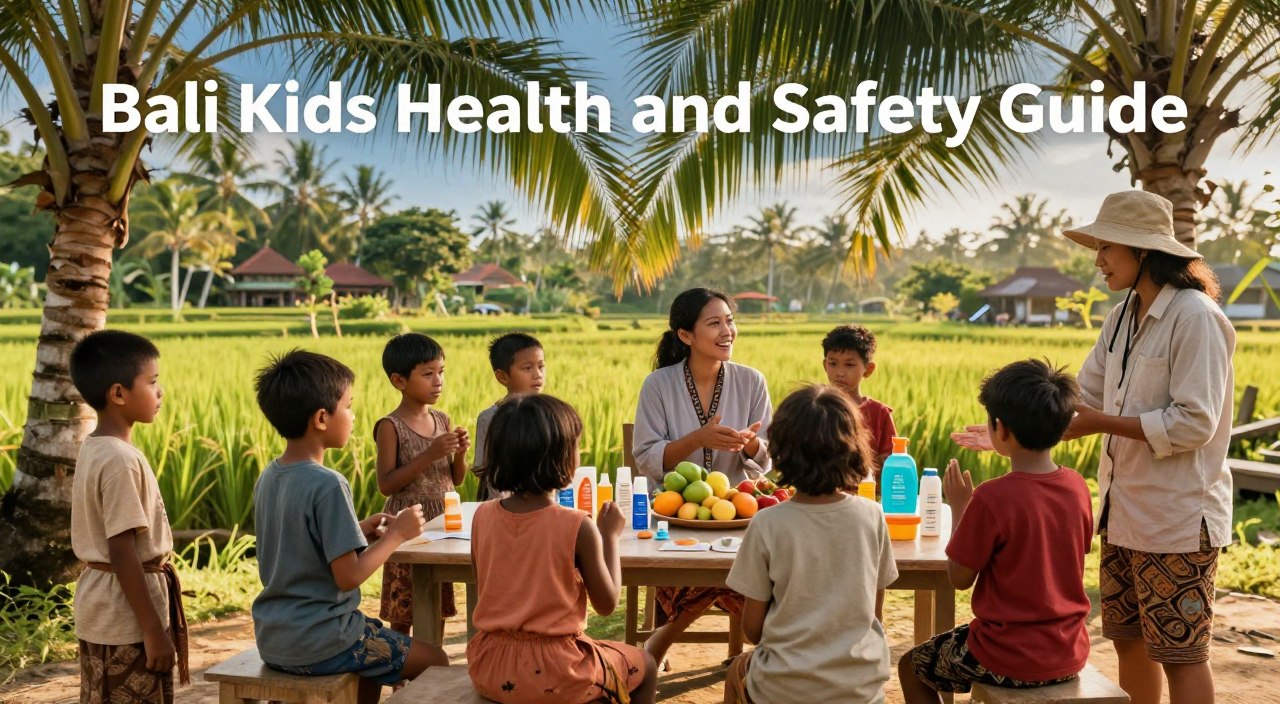
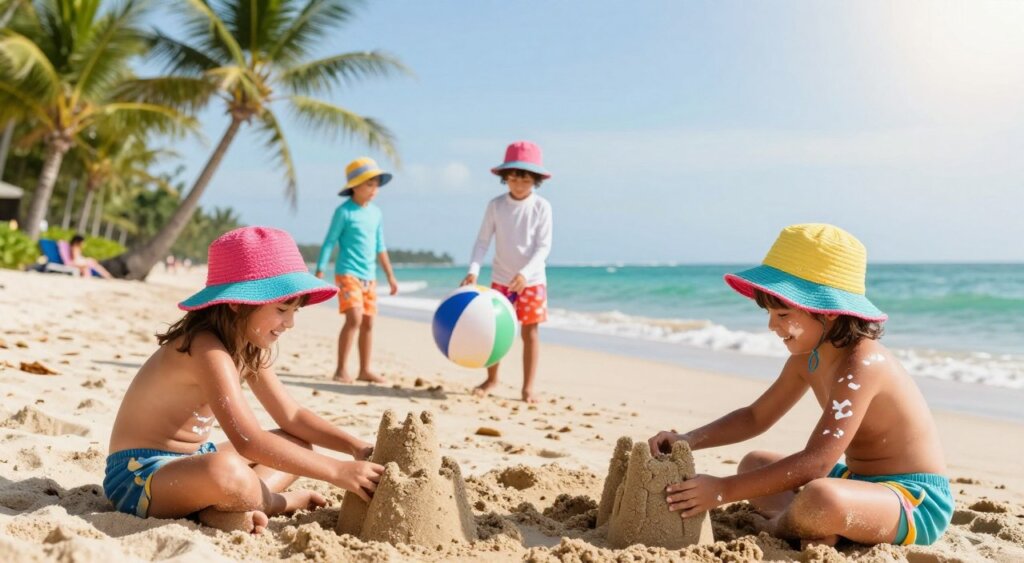
Families consistently report the sun is “brutal.” You’ll be outside most of the day at parks and beaches. Broad-spectrum SPF 50+ sunscreen applied every two hours is non-negotiable.
Dress kids in rash guards and wide-brimmed hats. Plan outdoor activities for early morning to avoid peak UV intensity.
Hydration demands constant attention. Encourage small sips of water every 30 minutes during play. Watch for signs of heat exhaustion like dizziness or fatigue.
Pack a robust first-aid kit with child-specific pain relief, antiseptics, and rehydration salts. Being prepared lets everyone focus on the fun.
Navigating Bali’s Healthcare Facilities and Services
Medical facilities across the island vary greatly in their capabilities. The best services are clustered in specific tourist hubs.
Finding Local Clinics and Pharmacies
Advanced care is concentrated in southern areas like Sanur and Seminyak. International clinics here offer English-speaking staff.

| Facility | Key Locations | Considerations |
|---|---|---|
| BIMC Hospital | Kuta, Nusa Dua | Western standards, premium pricing. |
| Siloam Hospitals | Multiple tourist places | Modern equipment, reliable network. |
| Kasih Ibu Hospital | Denpasar area | Good reputation, may require travel. |
For minor issues, visit an apotek (pharmacy). They stock common drugs. Always consult a doctor for kids before using antibiotics.
Many resorts have a doctor on call. This service saves precious times with unwell children.
Remote spots have only basic clinics. Keep a translated medical sheet for each child. This helps if language barriers arise.
Safe and Kid-Friendly Activities in Bali
This destination offers a treasure trove of engaging and secure adventures specifically designed for young explorers. You will find plenty of well-organized options that balance fun with safety.
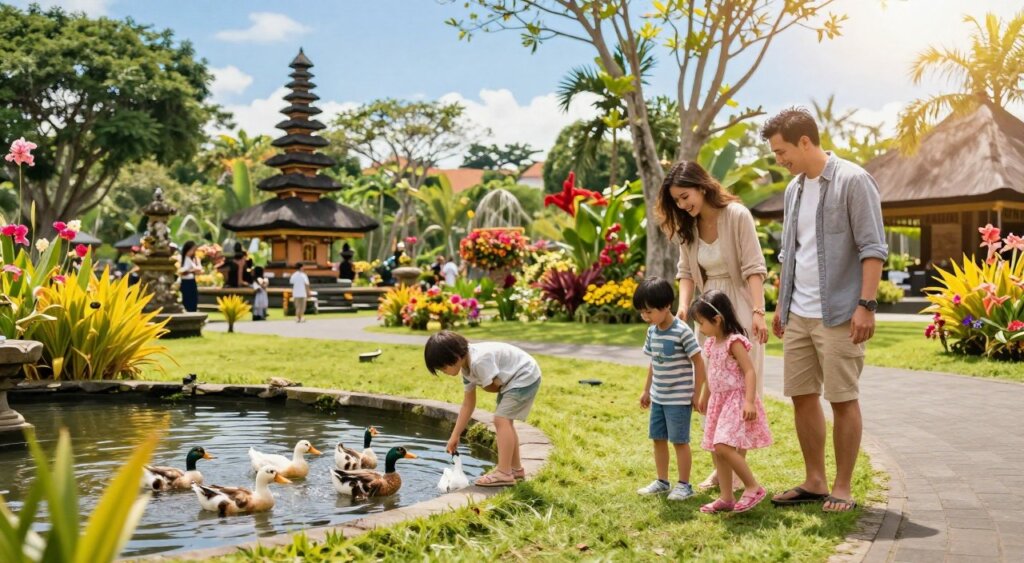
Waterbom Bali in Kuta stands out as Asia’s premier water park. Families report it’s a full day of safe, water-based entertainment. Booking tickets online saves money and avoids long queues.
For animal encounters, head to the safari park in Gianyar. Kids love the tram rides where giraffes approach the windows. Interactive experiences like feeding elephants create lasting memories.
The Sacred Monkey Forest in Ubud requires some precautions. Secure your belongings and avoid bringing food. Visiting early in the morning helps you enjoy the cultural experience with fewer crowds.
Cultural performances like the Kecak fire dance at Uluwatu Temple captivate children. The rhythmic chanting and dramatic fire dancing at sunset leave them in awe.
Surfing lessons at Sanur or Kuta beaches provide professional instruction. These activities teach water safety while introducing kids to local surf culture.
Indoor centers like Bounce offer air-conditioned fun on rainy days. Snorkeling trips to Amed allow families to explore marine life safely with proper gear.
Cooking classes and kids’ yoga sessions deliver educational cultural experiences. These things are physically manageable in the tropical heat.
Food and Water Safety for Children in Bali
Simple, proactive rules around meals and drinks prevent most common travel illnesses in kids. A clear strategy lets everyone enjoy the amazing local cuisine without worry.
Dining at Local Warungs Safely
Local warungs are small, family-run restaurants offering fantastic value. They serve dishes most kids love, like nasi goreng (fried rice) or mie goreng.
Even the pickiest kids can find something at local warungs. A plate of nasi goreng will set you back about £2-3.
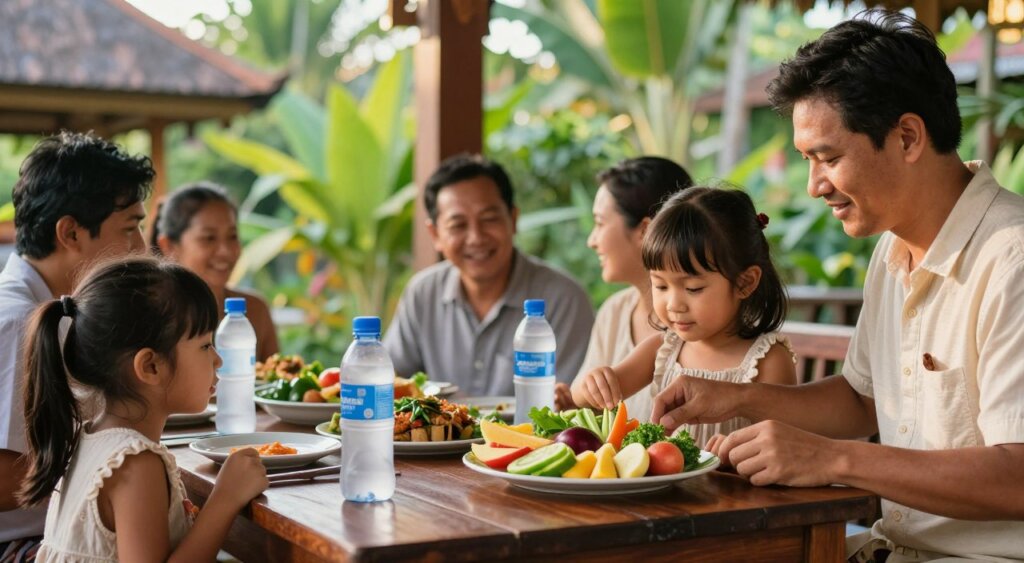
Choose busy spots with high customer turnover. This ensures fresher food. Follow the “cook it, peel it, boil it, or forget it” rule for safety.
| Venue Type | Safety Level | Kid-Friendly Picks | Key Consideration |
|---|---|---|---|
| Local Warung | Moderate | Nasi goreng, BBQ corn | High turnover for freshness |
| Street Vendor | Variable | Skewers, grilled corn | Watch for thorough cooking on-site |
| Hotel Restaurant | High | Children’s menus | Uses purified water systems |
The Importance of Bottled Water and Hygiene
Bottled water is essential. Use sealed bottles for drinking and brushing teeth. Always check the seal is intact.
Avoid ice in drinks unless you’re at a reputable hotel. Carry antibacterial hand sanitizer for use before every meal. This is critical after beach time.
Major resorts often have multiple restaurants with high safety standards. They are a reliable choice for young children.
If a child feels unwell, offer oral rehydration solutions and bland food. Introduce new dishes gradually to help little tummies adjust.
Managing Travel Insurance and Medical Emergencies
When a medical emergency strikes far from home, comprehensive coverage becomes your most valuable asset. A robust policy is the safety net that lets parents relax.
One family overstayed their visa by one painfully expensive day during a 31-day trip. Others plan stays of two months or more. This makes full-duration insurance essential.
Your policy must include medical evacuation of at least $100,000. Verify it covers all planned activities like surfing. Choose providers with 24-hour multilingual assistance lines.
Keep digital and physical copies of all documents. Understand if you pay upfront or get direct billing. This affects your cash flow during a crisis.
| Policy Feature | Why It Matters | Action Step |
|---|---|---|
| Medical Evacuation | Covers costly air transport to Singapore. | Ensure minimum $100,000 coverage. |
| Activity Coverage | Standard plans often exclude water sports. | Add riders for surfing and snorkeling. |
| Trip Length | Many policies max out at 30 days. | Confirm coverage matches your entire trip. |
| Pre-existing Conditions | Undisclosed issues can void claims. | Declare all child health history. |
Declare any pre-existing conditions your kids have, like asthma. Insurers may deny claims otherwise. In an emergency, contact your provider right away.
Call within 24 hours of care for proper authorization. This step ensures smooth claims processing later. It saves precious time and stress for your family.
Cultural Etiquette and Health in Balinese Temples
Exploring Bali’s ancient temples offers children a profound window into a living spiritual culture. Sites like Tanah Lot, perched on an ocean rock, or Uluwatu with its cliff-top sunset dances, create awe-inspiring experiences. These visits teach respect for traditions different from their own.
Temple Visit Safety and Respectful Dress Codes
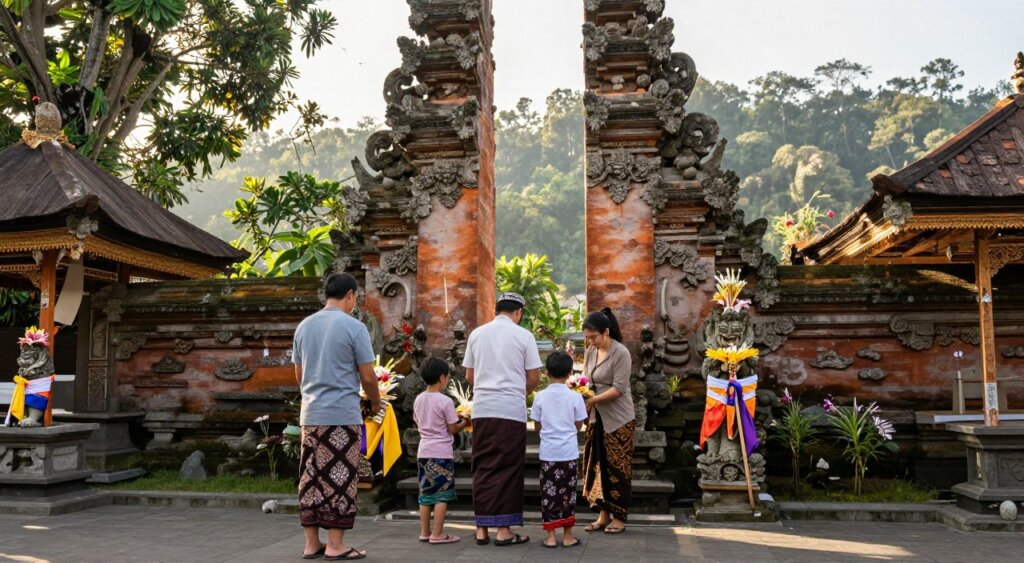
Proper attire is mandatory for all visitors, including kids. Shoulders and knees must be covered. Many popular temples provide sarongs, but bringing lightweight cover-ups ensures comfort.
Some inner sanctuaries restrict entry for specific reasons, following local purity concepts. Respecting these customs is important.
Monkeys are clever residents at places like Uluwatu. Secure hats, sunglasses, and snacks. Teach kids to avoid eye contact and sudden moves.
If a bite occurs, wash the wound immediately and seek medical care for rabies prophylaxis. Water temples fascinate young ones, but remind them not to drink from the springs.
Plan visits for early morning or late afternoon. This avoids the harsh midday heat and large crowds, making the outing more pleasant for everyone.
Family Travel To Bali: Expert Local Insights
Seasoned travelers who’ve explored Bali with their little ones share hard-won wisdom that can transform your holiday. Their practical advice covers everything from safe transport to smart packing.
Tips from Seasoned Family Travelers
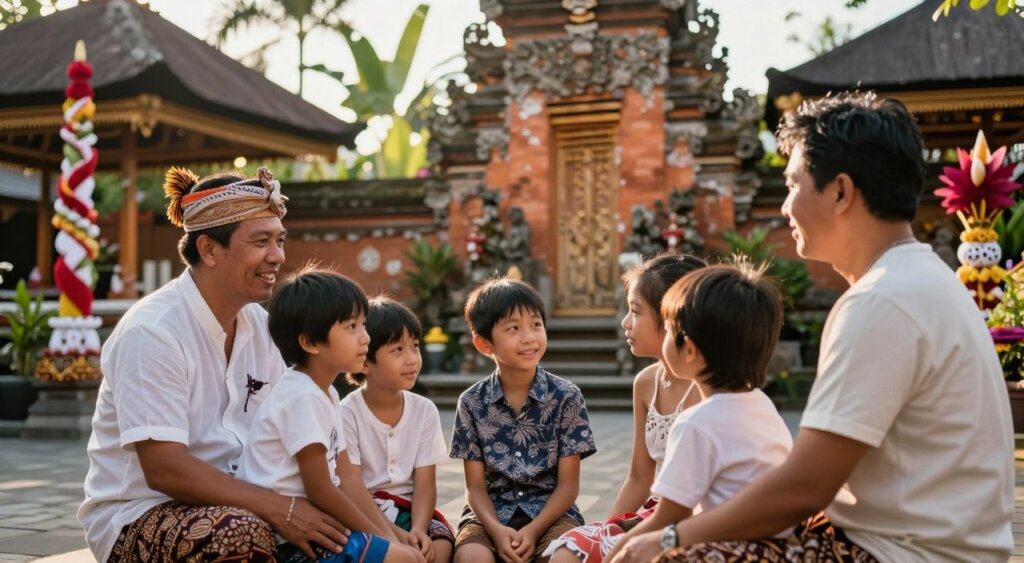
One clear rule stands out: never rent scooters with kids. A veteran parent advises, “Don’t even think about it. Hire a driver instead—it’s about £40-50 for a full day.”
Reliable, English-speaking drivers make trips safe and educational. For Ubud, contact Dewa Mata. In Kuta, Mr. Dewa is highly recommended.
The best way to see the island is to stay in multiple locations. Split your time between the coast, Ubud, and the east. This strategy minimizes long drives.
Mosquito repellent is non-negotiable. Use child-safe formulas at dawn and dusk. Constant supervision near water is also critical for safety.
Teaching kids to respect local customs is part of the adventure. Pack essentials like sun protection, rehydration salts, and lightweight clothing.
Remain flexible. Let energy levels and weather guide your days. This post serves as a simple guide for families planning their bali kids adventure.
Keeping Kids Active: Beaches, Pools, and Indoor Fun
Bali’s coastline offers a diverse playground for children. You can find gentle lagoons perfect for toddlers and exciting surf breaks for teens. Balancing these activities with cool indoor options keeps everyone happy.
Safe Beach and Pool Activities
For young kids, Sanur Beach is a top pick. Its protected reef creates calm, shallow water. Families spend whole days building sandcastles and paddling safely.
The black sand beaches in Amed offer incredible snorkeling right from shore. It’s a unique experience for older children. Surf beaches in Seminyak or Canggu suit teens learning to ride waves.
Always check conditions with locals before swimming. Never leave kids unattended near water. Resort pools provide a controlled environment for play.
Favorites include the jungle pool at Bisma 8 Ubud and the water slides at Prime Plaza Suites. The Intercontinental resort features elaborate waterfall pools.
| Beach Area | Best For | Key Feature | Safety Note |
|---|---|---|---|
| Sanur | Toddlers & Young Kids | Calm, reef-protected waters | Ideal for wading and shallow play |
| Amed | Older Kids & Snorkeling | Black sand, accessible marine life | Supervision needed for deeper water |
| Seminyak/Canggu | Teens & Surf Lessons | Consistent waves, beach clubs | Strong currents; not for weak swimmers |
Engaging Indoor Options for Rainy Days
When the weather turns, having a backup plan is key. Bounce Bali in Canggu is a fantastic indoor option. It’s an air-conditioned trampoline park with music.
This activity provides hours of active fun during the wet season. It gives kids a needed break from the sun. Planning for a mix of outdoor and indoor activities ensures a smooth day.
Designing a Relaxed and Educational Itinerary for Families
The key to a memorable holiday is designing a plan that moves at a child’s pace. Many experienced parents spend weeks or even months exploring different areas of the island. This allows kids to fully engage with each unique part of Bali without feeling rushed.
Allocate several days in each major region, like Ubud or Sanur. Staying put minimizes stressful packing and helps little ones settle. Schedule major tourist spots for early morning, before the heat and crowds arrive.
Weave learning into your days. A visit to the rice terraces can include a hands-on planting lesson. A two-hours cooking class teaches about local ingredients. These activities are truly immersive and often fit perfectly into a half-day plan.
Be realistic about stamina. A full day of touring can be too much. Plan for shorter excursions and include “buffer” time with no scheduled things.
This post suggests letting spontaneous discoveries be a part of the fun. A relaxed schedule is the best post for a happy family. It turns your bali kids adventure into an enriching educational journey across the island.
Conclusion
With careful attention to health and logistics, families can fully embrace Bali’s magic without undue stress. Many parents report the island exceeded their hopes.
One family shared, “I can’t emphasise enough how often we fantasize about our time on the magical island.” This destination offers a perfect mix for kids.
Successful trips balance adventure with safety. They include cultural visits and fun at beach clubs. Proper preparation makes exploring tourist areas confident.
Memories from watching sunset dances or trying new food provide lasting value. Your guide ensures a smooth holiday.
Bali’s diversity allows customization. With the right plan, your journey becomes a cherished experience for children. There are plenty of restaurants and beaches to enjoy.
A good resort with a pool can enhance your stay. Ultimately, the culture and natural beauty create unforgettable times. This part of the world truly welcomes visitors with kids.