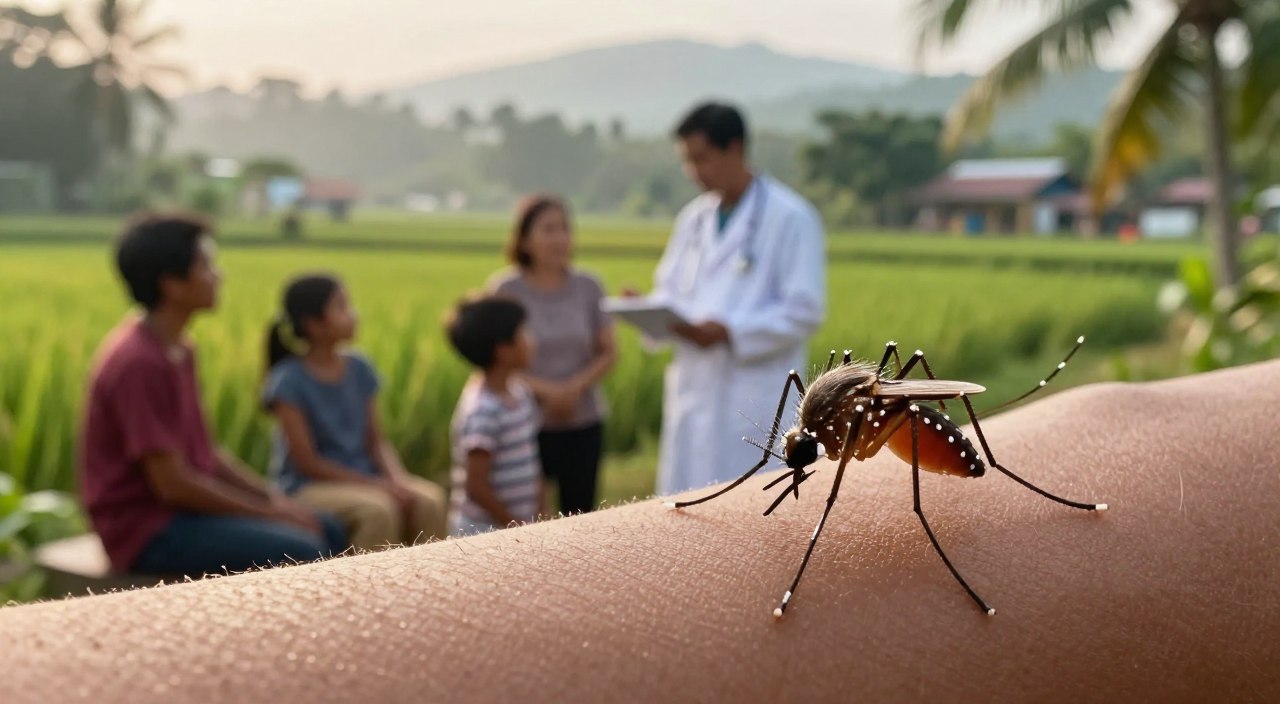
A staggering 70% of the world’s dengue cases occur in Asia, with infections surpassing 390 million each year. This statistic highlights a critical public health challenge centered in a specific tropical region.
Geographical and climatic conditions create perfect breeding grounds for mosquitoes here. Dense populations in urban areas further increase human exposure.
Illnesses like dengue, chikungunya, Zika, and malaria pose a constant threat. These infections impact millions of people, causing significant suffering and placing a heavy burden on local healthcare systems.
For Australian travelers visiting neighboring countries, understanding this disease landscape is vital. Outbreaks can double from one year to the next, as seen in recent data from Thailand and Cambodia.
This guide provides essential knowledge on transmission, symptoms, and modern prevention strategies. It is designed for travelers, expatriates, and anyone concerned with global wellness.
Key Takeaways
- Asia accounts for about 70% of all dengue fever cases globally.
- The region’s warm, wet climate and urban density make it highly vulnerable to mosquito-borne illnesses.
- Major threats include dengue, chikungunya, Zika virus, and malaria.
- Case numbers can fluctuate dramatically, with some countries reporting yearly doublings.
- These infections strain public health resources and affect entire communities.
- Australian travelers to Southeast Asia need to be particularly aware of these risks.
- Comprehensive prevention and updated knowledge are the best defenses.
Overview of Mosquito-borne Diseases In Southeast Asia
Vector-borne infections transmitted by mosquitoes represent a critical challenge for international public health systems. These illnesses impact millions of people worldwide each year.
Definition and Global Public Health Context
Vector-borne diseases occur when mosquitoes carry and spread pathogens to humans through bites. This transmission method makes controlling these infections uniquely difficult.
The World Health Organization (WHO) identifies these conditions as a major global priority. They thrive in tropical and subtropical climates where mosquito populations explode.
Significance in the Southeast Asian Region
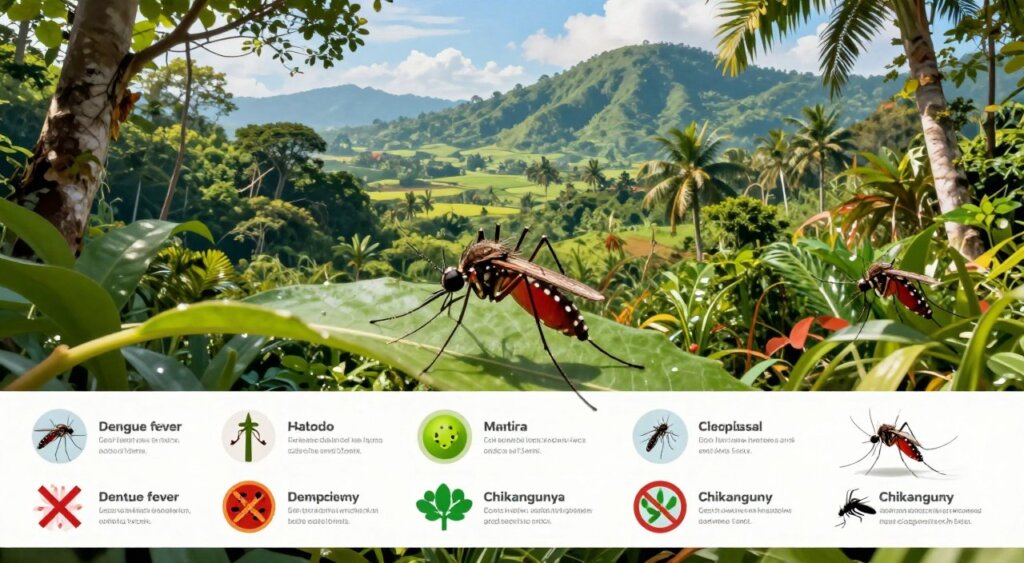
This region bears a disproportionate share of the global burden. High case numbers for dengue and malaria strain local economies and healthcare services.
Urban growth, warm weather, and frequent travel create perfect conditions for outbreaks. Dense cities allow viruses to spread quickly between people.
| Disease Type | Example Pathogens | Primary Mosquito Vector | Nature of Illness |
|---|---|---|---|
| Viral Infections | Dengue, Chikungunya, Zika | Aedes species | Fever, joint pain, rash |
| Parasitic Infections | Malaria | Anopheles species | Cyclic fever, chills, anemia |
| Key Regional Factors | High humidity, urban density | Multiple breeding sites | Increased human exposure |
Global agencies work with local governments on control programs. Research from the region directly informs treatment guidelines and prevention policies worldwide.
Innovations in Vector Control Strategies
From simple fish to sterilized males, innovative strategies are targeting disease carriers. The WHO’s Special Programme for Research provides key support for these studies.
These efforts focus on two main paths. One uses tools communities can implement themselves.
Use of Mosquito Traps and Larvae-Eating Guppy Fish
Specially designed traps capture adult insects before they bite people. Removing containers where they breed is a crucial first step.
Guppy fish offer a brilliant biological control method. These small fish are placed in stored water to eat larvae.
This approach is low-cost and environmentally safe. It provides a sustainable alternative to chemicals.

Novel Sterilization Techniques with Wolbachia and Radiation
Advanced science takes a different tack. It uses Wolbachia bacteria and radiation to sterilize mosquitoes.
This bacteria stops viruses like dengue from growing inside the insect. Infected males mate with wild females, but the eggs never hatch.
Adding radiation creates “super-sterile” males for extra certainty. A pilot in Thailand successfully suppressed local vector populations.
Future plans aim for large cities. Meanwhile, research into a protective vaccine continues to complement these control methods.
Challenges in Mosquito Control and Insecticide Resistance
Public health officials face a growing crisis as mosquitoes evolve to survive common chemical defenses. This resistance undermines core control methods like indoor spraying and treated nets.
With no specific drugs for dengue, reducing mosquito populations is critical. The situation creates a significant health burden across the region.
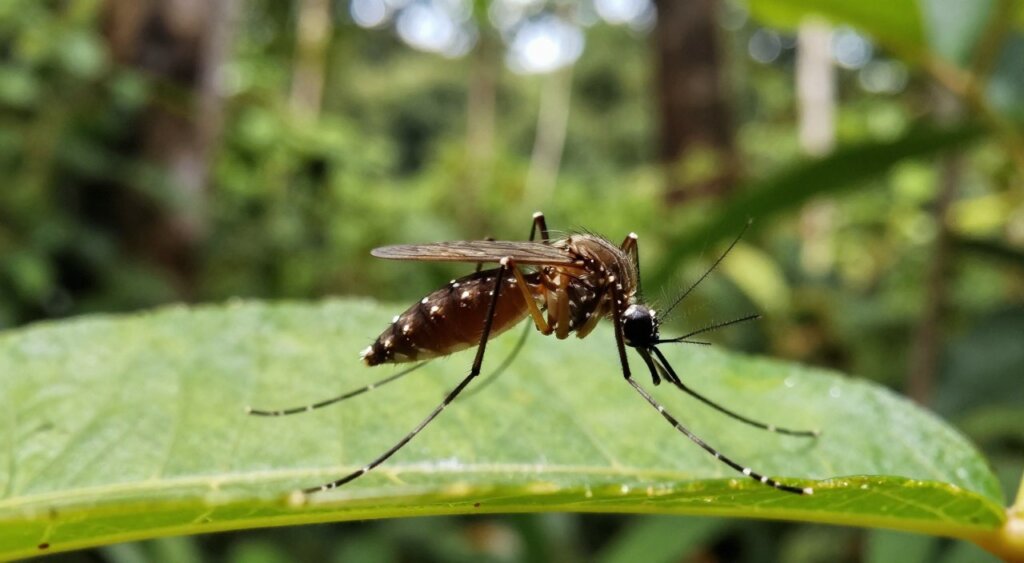
Rising Cases and Public Health Concerns in the Region
Surges in disease cases strain local clinics. In Thailand, 2019 saw nearly 100,000 dengue cases per year, double the previous period.
Cambodia also reports increasing significance. These outbreak spikes overwhelm public health systems.
The Impact of Insecticide Resistance on Current Methods
Repeated insecticide use creates selective pressure. Resistant mosquitoes thrive and replace susceptible populations.
This renders standard tools less effective in many parts. The virus transmission risk increases as a result.
Parallel drug resistance, like artemisinin for malaria, complicates treatment further. Integrated strategies are now urgently needed.
Preventive Measures and Public Health Guidelines
While no vaccine exists for chikungunya, proven methods can significantly lower transmission. Effective prevention combines personal habits with community-wide actions.

These strategies form the first line of defense against infection. They reduce your risk and protect public health.
Personal Protection and Community Best Practices
Cover your body with loose, light-colored clothing. Long sleeves and pants create a physical barrier.
Apply insect repellent containing DEET or picaridin to exposed skin. Reapply as directed for all-day protection.
At home, install screens on windows and use air conditioning. Eliminate any place where water can collect, like old containers.
If you develop a fever or other symptoms, avoid mosquito bites. This stops you from passing the virus to new insects.
International Guidelines and WHO Recommendations
The World Health Organization provides clear treatment advice. For chikungunya, rest and pain relief are key.
Avoid anti-inflammatory drugs like ibuprofen until doctors rule out dengue fever. This prevents bleeding risk.
WHO guidelines confirm artemisinin is safe in early pregnancy. Their policies also use strong evidence on repellent efficacy.
These global standards help people and local health systems manage outbreaks safely.
Conclusion
Understanding the persistent danger of infections like dengue and chikungunya is crucial for public safety. These viruses cause significant suffering, with symptoms ranging from acute fever to chronic joint pain that can last for years.
Managing this health burden requires coordinated action. Community programs in Southeast Asia show promise, combining education with innovative control methods. Yet challenges like insecticide resistance and a lack of a universal vaccine remain.
For humans in endemic areas, personal protection is the first defense. Travelers should be vigilant. Global health efforts continue to advance better treatment and surveillance to reduce the spread of these diseases.