What does it take to secure the future of the world’s largest lizard against modern threats? The Komodo Dragon Survival Program has been seeking answers since 2005.
Its mission is to provide the solid science needed for effective management plans. This work protects both the iconic reptile and its unique island home.
Recent support, including a £1,321.12 donation in 2025, fuels this critical work. The initiative combines patrols, field studies, and local community projects into one strategy.
For 2026, the research focus is evolving. New priorities tackle climate impacts, habitat loss, and illegal activity head-on.
This forward-looking plan is vital for the species’ long-term security. It represents the next chapter in a sustained conservation effort.
Key Takeaways
- The Komodo Dragon Survival Program is a long-running initiative, active since 2005, dedicated to science-based protection.
- Its approach is integrated, combining advanced monitoring, ranger patrols, and community engagement.
- The 2026 research priorities mark a strategic shift to address emerging threats like climate change and poaching.
- Protecting this apex predator is crucial for the health of the entire ecosystem in Komodo National Park.
- Effective conservation relies on collaborative partnerships and adapting strategies based on new data.
- Understanding these priorities is key for anyone invested in preserving Indonesia’s unique wildlife.
Introduction to Komodo Dragon Conservation
The rugged islands of Komodo National Park provide the last stronghold for a prehistoric predator. This unique national park is a world heritage site dedicated to protecting an iconic species.
Overview of Komodo National Park and Its Inhabitants
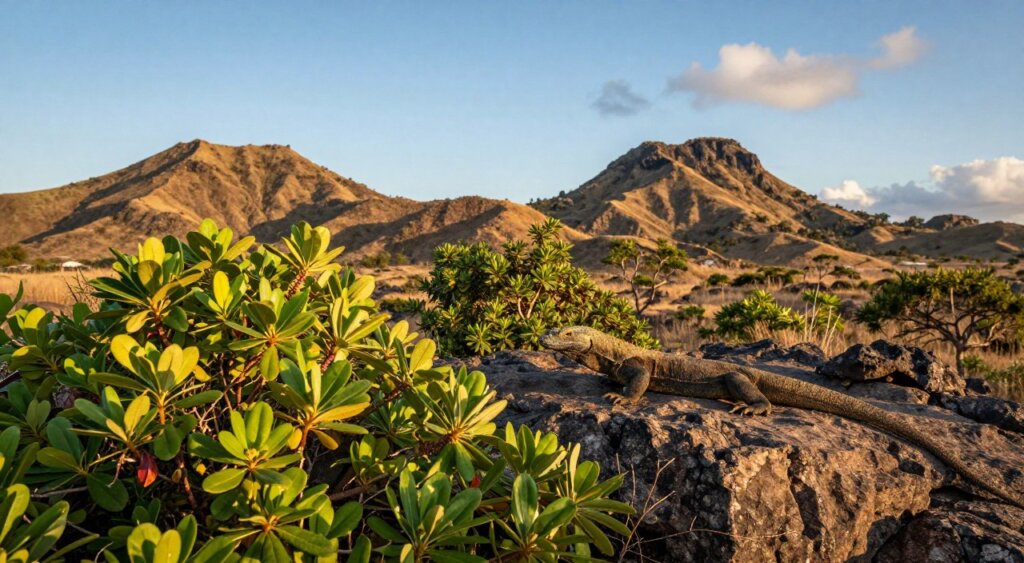
Established in 1980, the park encompasses several islands, including Komodo, Rinca, and Padar. Its dry savannahs and coastal forests form the primary habitat for the world’s only wild komodo dragons.
These giant lizards are astonishing animals. They can grow over three metres long and use a venomous bite to hunt.
Historical Trends and Current Challenges
Historical population data tells a concerning story. Numbers fell from around 5,000 in 1981 to just over 3,000 by 2015.
A 2021 survey showed a slight recovery to 3,458 individuals. However, threats like illegal hunting and climate change persist on these fragile islands.
The future of the komodo dragons depends on the continued protection of Komodo National Park and its ecosystems.
Current Research Priorities for 2026
This year’s research blueprint for the komodo survival program prioritises tangible actions. The goal is to shield critical ecosystems while deploying technology for unprecedented wildlife insights.
Focus on Conservation and Habitat Protection
The conservation strategy is integrated. It actively defends key habitat across all dragon distribution areas.
This direct protection tackles threats like savannah fires and illegal hunting. Controlling these dangers is essential for ecosystem health.
Innovative Monitoring and Data Collection Techniques
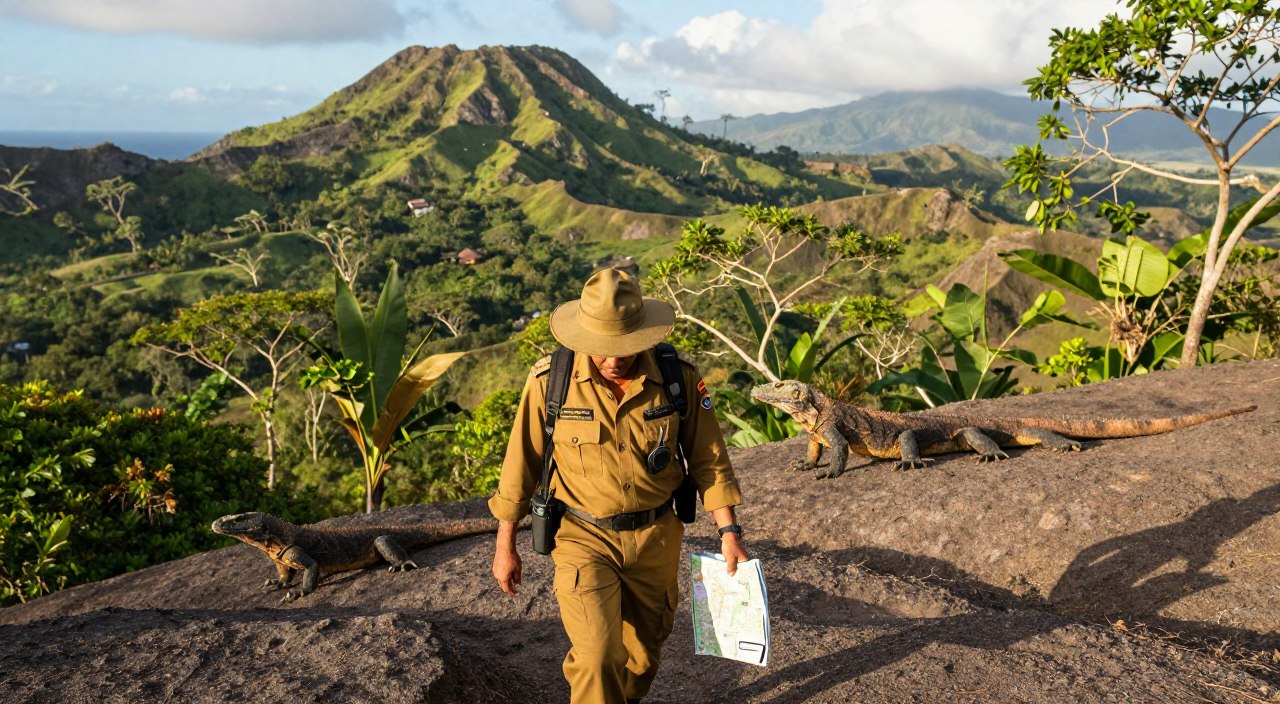
Advanced monitoring is a core priority. Rangers receive intensive training in safe trapping and microchip marking methods.
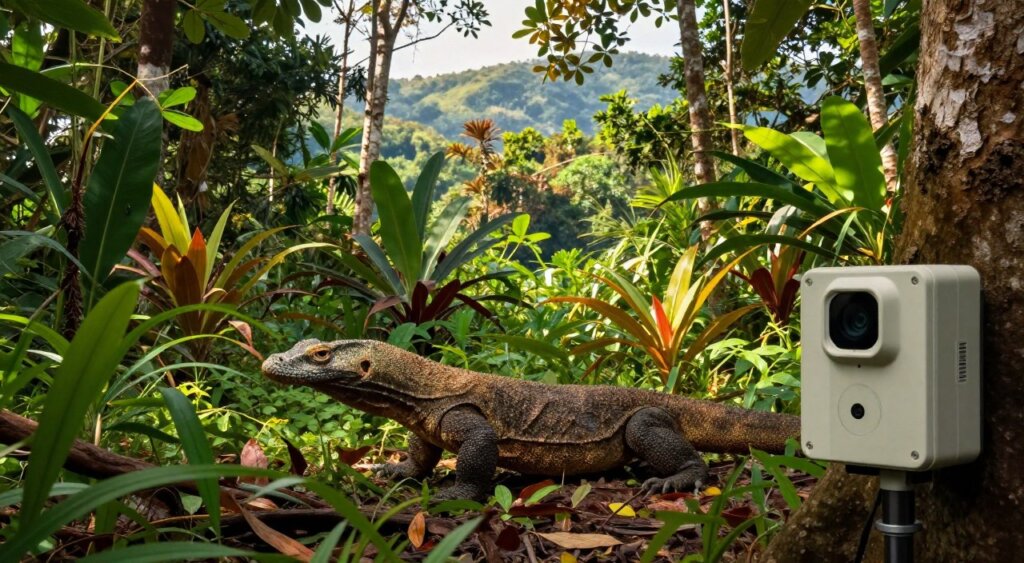
Camera traps are now a primary tool. They track presence and movement without disturbing the animals.
Recent surveys across four zones provided crucial data on occupancy rates.
| Survey Location | Camera Traps Deployed | Stations with Dragon Activity |
|---|---|---|
| Golo Mori | 30 | 18 |
| Wae Wuul Nature Reserve | 26 | 17 |
| Longos Island | 20 | 11 |
| Pota District | 19 | 9 |
This monitoring builds understanding of population size and structure. Specialised workshops then help staff analyse this wildlife data effectively.
Community Engagement and Local Collaboration
Effective conservation extends beyond science, requiring strong partnerships with the communities living alongside wildlife. Over 3,200 people live within Komodo National Park, with more than 16,800 in surrounding areas. Their daily lives and livelihoods are directly connected to the park.
Ranger Training and Community Awareness Initiatives
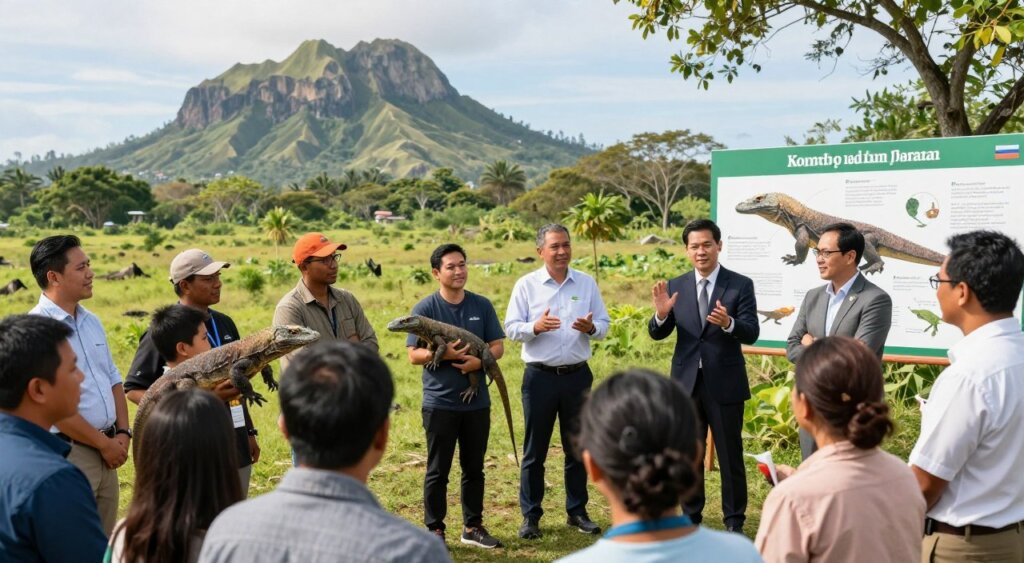
Throughout the year, the team held many awareness meetings. One was in Sambinasi Village, North Flores. These forums create vital dialogue between the local community and conservation professionals.
A key collaboration is the four-year support for the Baar tribe. They are researching the Torong Padang Peninsula. This area is a crucial ecological corridor for the komodo dragon.
Social studies on Flores’ southwest coast assessed economic conditions and people‘s perceptions. This data helps map human-komodo dragon encounters. It guides conflict reduction strategies.
Education programs at three schools reached 115 students and 11 teachers. This fosters stewardship in the next generation. Dedicated ranger training also builds capacity for monitoring and engaging the local community.
Impact of Habitat Loss and Climate Change
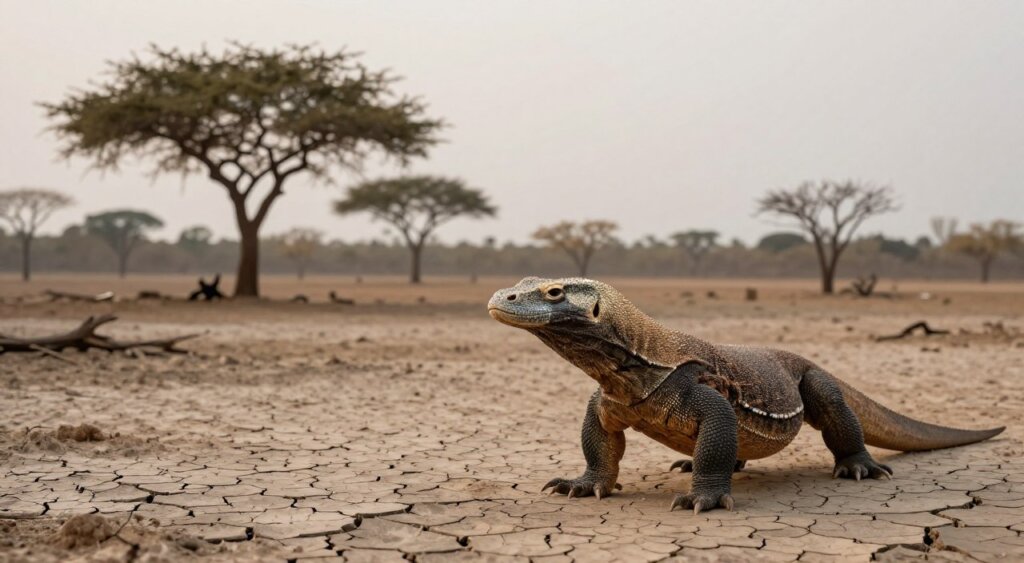
Two powerful forces, climate change and human development, are converging to create unprecedented pressure on the last remaining habitats of Varanus komodoensis. The combined effects threaten the foundational stability of the entire island ecosystem.
Assessing Human Impact on Ecosystems
Rising sea levels and land clearing for agriculture could shrink viable habitat by 30% in 45 years. This habitat loss is often direct, with people burning savannah to create farmland.
Illegal hunting compounds the crisis. Poachers target the giant lizards and their primary prey, like deer. This depletes the food base for the remaining animals.
Projections indicate rising sea levels combined with ongoing habitat destruction could reduce available dragon habitat by at least 30% over the next 45 years.
Even tourism, a vital income source, creates stress. Visitors feeding komodo dragons disrupt natural behaviours. Feral dogs, recorded at all monitoring sites, compete for food and prey on young.
As population pressure grows, females may reproduce asexually. This leads to inbreeding, reducing genetic health. Managing these intertwined human impacts is the central challenge for the years ahead.
Technological Advancements in Monitoring
A new era of monitoring has begun within Indonesia’s famed Komodo National Park, driven by advanced equipment and training.
Camera Trapping and SMART Patrolling Tools
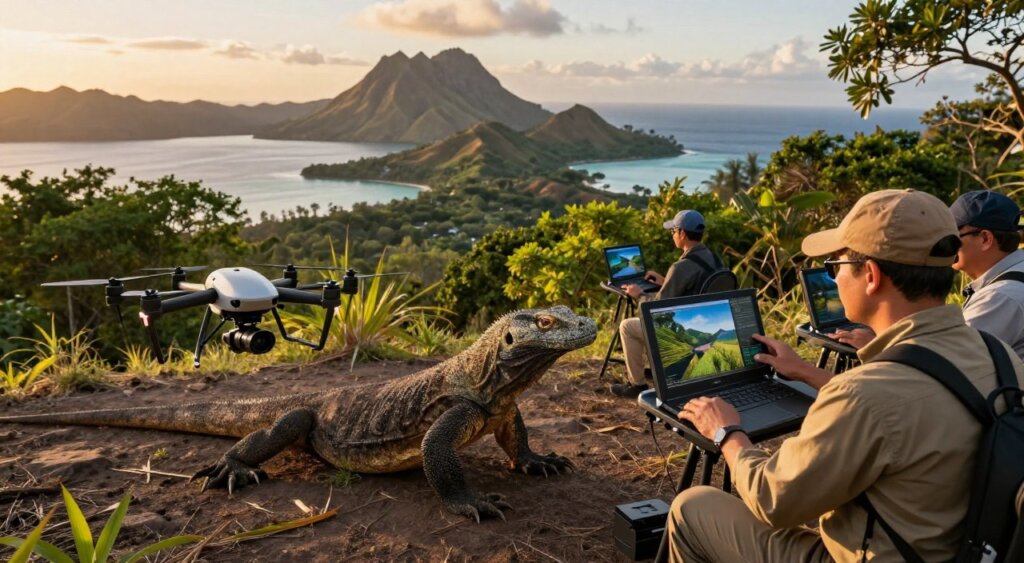
Park staff now use the SMART system during patrols. This digital tool reports threats in real time. Fourteen young rangers received training in ecological monitoring methods.
Recent patrols covered 22,370 kilometres across land and marine areas. This represents a 50% increase in coverage. It enhances protection for about 75,000 hectares of wildlife habitat.
Strategically placed cameras include six online and 21 offline units. They successfully recorded poachers entering the park in June and July.
Marine Radar Deployment and Boat Surveillance
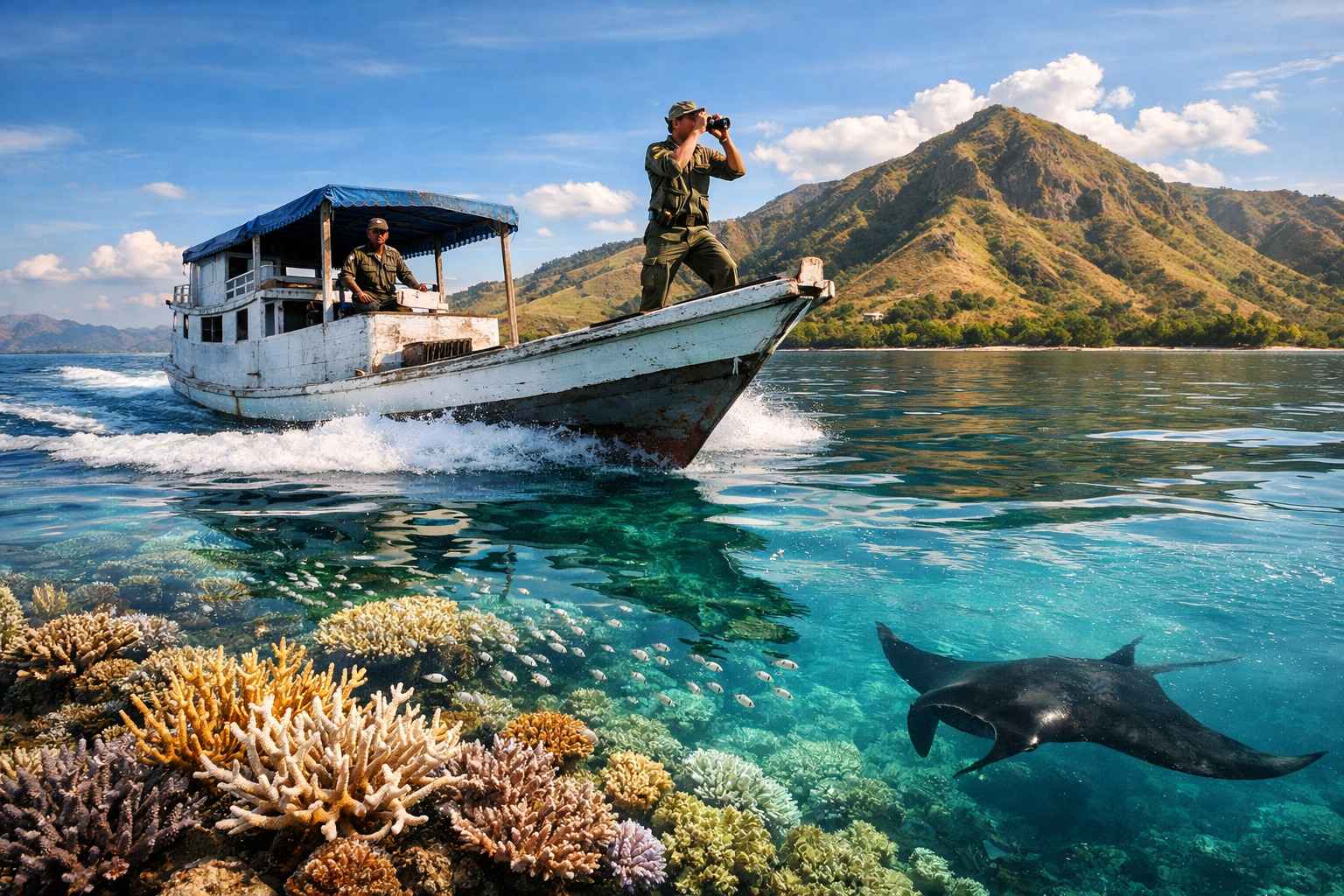
On the west coast of Komodo Island, portable marine radar supports floating ranger stations. This system detects illegal vessels at night.
The new Rapid Sea Patrol Vessel will station full-time on this coast. It responds quickly to illegal boat incursions.
These tools address the challenge of the park’s vast, mountainous terrain. They are part of a three-year Global Park Defense programme. This programme also renovates the West Komodo Ranger Station on the west coast.
Data and Findings from Field Research
Recent findings from camera traps and population counts reveal both challenges and hope. This survey data forms the backbone of all adaptive management plans for the species.
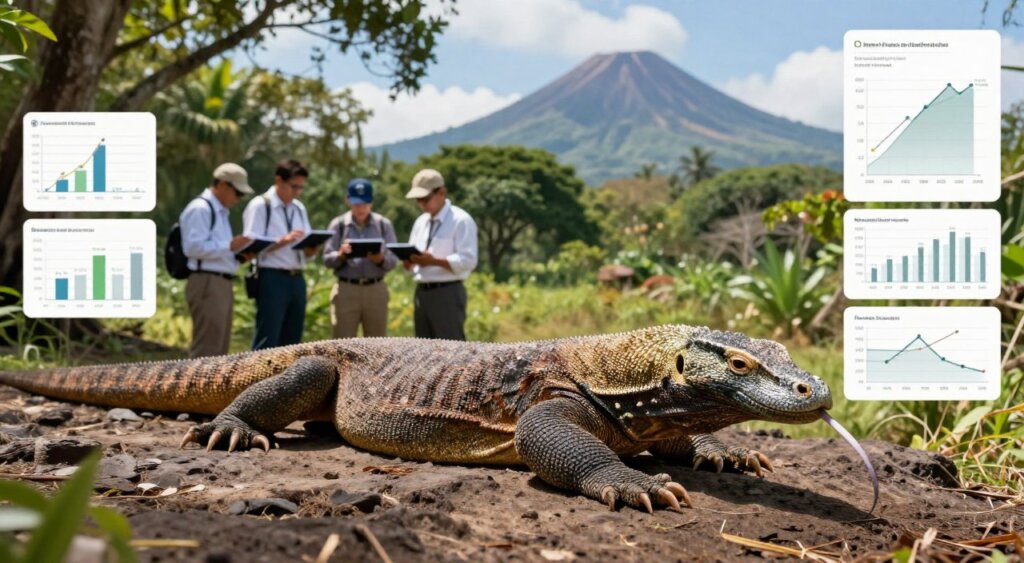
Long-term trends show a worrying decline. Estimates fell from 5,000 individuals in 1981 to a low near 3,000 in 2015.
The 2021 count documented a modest recovery to 3,458 animals. Current numbers are still below 3,500 in total.
Population Trends and Recent Surveys
Camera trap monitoring across four key zones gives a clear snapshot of distribution. Detection rates vary significantly by location.
“The 2021 uptick is encouraging, but the long-term trend remains a concern. Our data shows we must maintain intense protection efforts every single year.”
These giant lizards are the world’s largest. A typical adult weighs about 70kg, but exceptional specimens can reach 166kg.
Their length can exceed three metres from head to tail. This impressive size is a result of millions of years of evolution.
| Survey Location | Traps Deployed | Dragon Activity | Detection Rate |
|---|---|---|---|
| Golo Mori | 30 | 18 stations | 60% |
| Wae Wuul Nature Reserve | 26 | 17 traps | 65% |
| Longos Island | 20 | 11 traps | 55% |
| Pota District | 19 | 9 stations | 47% |
This wildlife data confirms the komodo dragons are still present across their range. The national park remains their final refuge.
Historical analysis shows they once roamed more widely. Today, their world is just these few Indonesian islands.
Ongoing monitoring is vital. It tracks the population structure and health of these remarkable dragons.
Insights from the Komodo Dragon Survival Program
The initiative’s latest phase reveals a strategy fortified by finance, infrastructure, and law. Insights show a clear shift towards durable, on-the-ground protection.
Ongoing Preservation Projects and Future Goals
A significant $200,000 commitment over two years fuels the expanded Global Park Defense programme. This three-year plan focuses on the vulnerable west coast of Komodo Island.
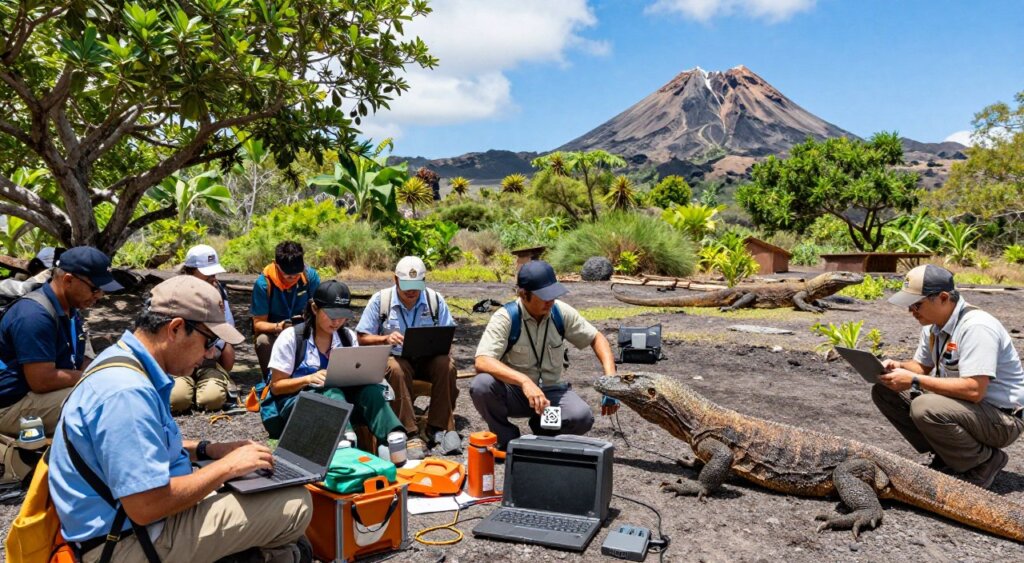
Key infrastructure is rising at remote Loh Wenci on the west coast. The new ranger station should finish by early 2025. It is a collaboration with national parks and housing authorities.
Law enforcement wins prove the strategy works. In October 2023, four people received prison sentences for smuggling a juvenile animal. Patrols also arrested deer poaching groups in September 2023 and intercepted a boat with over 90 deer in 2019.
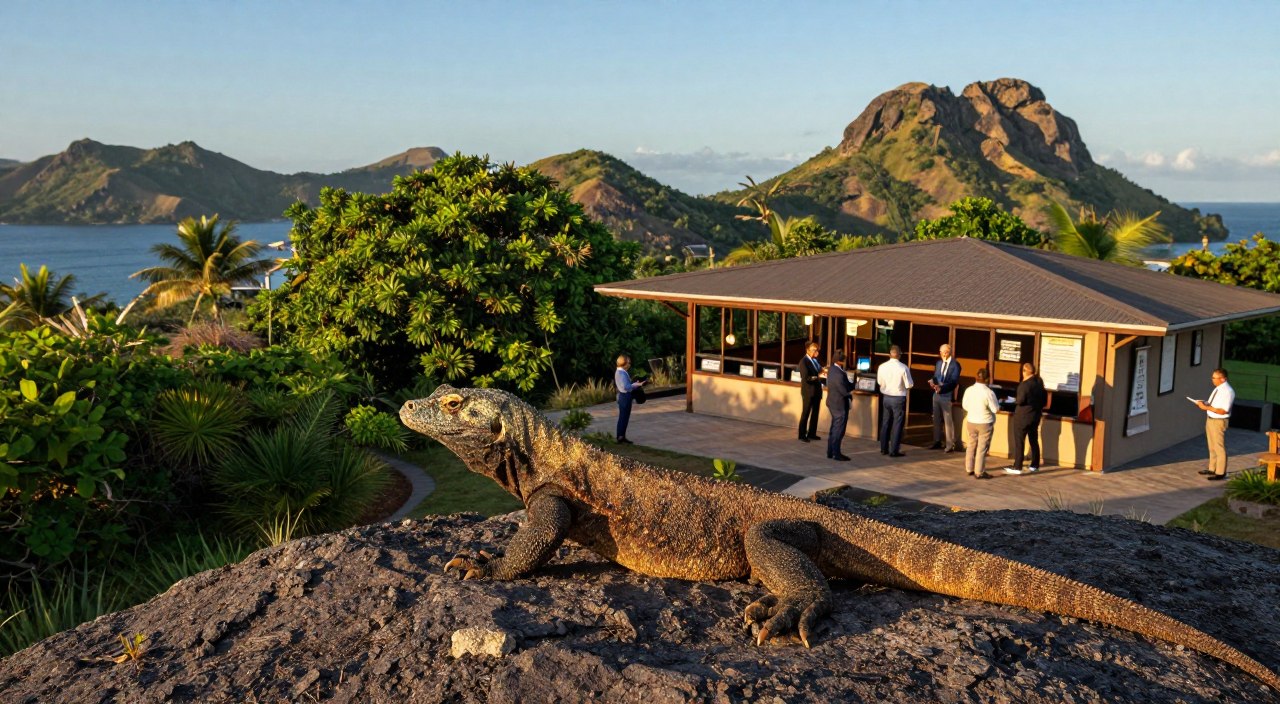
Tourism management is a growing challenge. The park recently summoned 30 operators for violations. Fee evasion may cost up to a million dollars per year.
Future goals include more frequent surveillance patrols and intensive monitoring on the west coast. The aim is to build a sustainable funding model with government partners. This ensures long-term protection for the park and its unique tourism appeal.
Conclusion
The 2026 roadmap offers a science-based lifeline for a species balancing on the edge. These giant lizards are formidable animals. They can smell blood from kilometres away and possess a bite strong enough to kill large prey.
As apex predators, they sit at the top of the food chain on their Indonesian islands. Their sheer size and role are irreplaceable. Yet, with fewer than 3,500 left, they are Endangered on the IUCN Red List.
Protecting Komodo dragons means safeguarding entire ecosystems within Komodo National Park, a World Heritage Site. This includes prey like deer and the coastal habitats. Success requires integrated efforts: advanced monitoring, ranger patrols, community engagement, and sustainable tourism.
The commitment from people and organisations provides hope. With continued dedication, these ancient lizards can thrive for generations.