What happens to the millions of dollars generated by one of the world’s most unique wildlife destinations? The Komodo Dragon Park Revenue model is a fascinating study in balancing financial sustainability with urgent ecological needs.
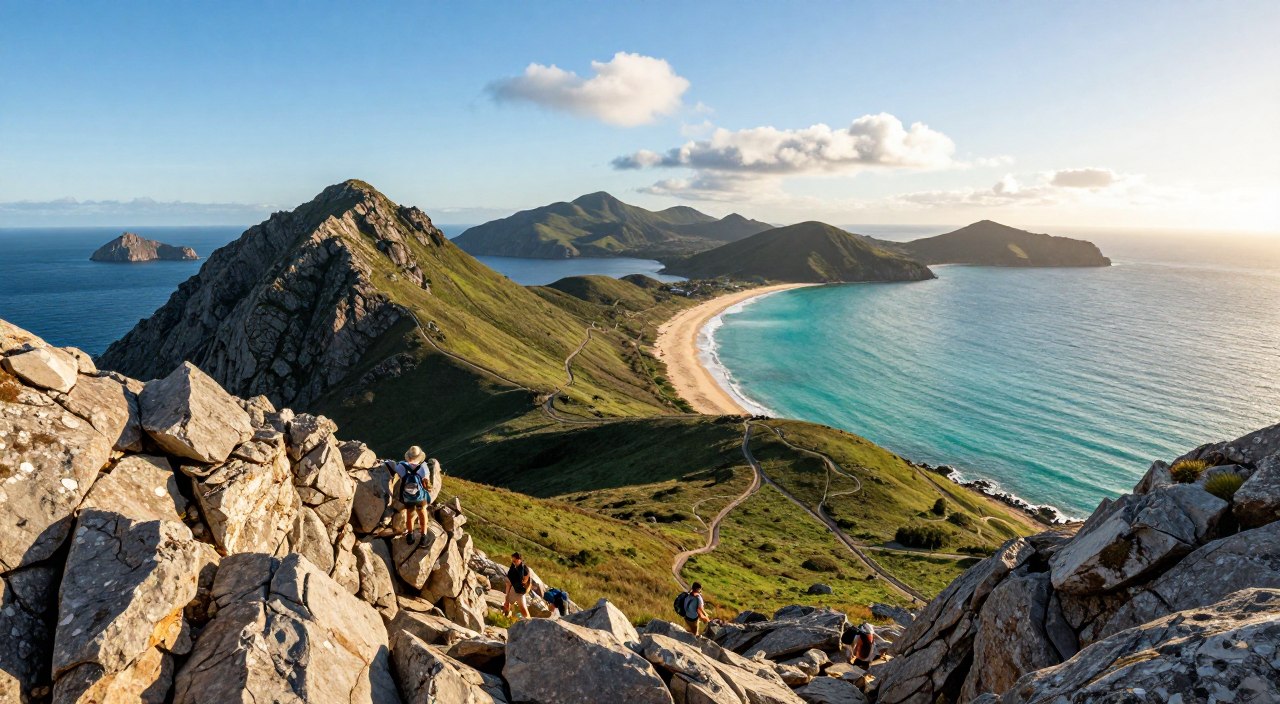
This UNESCO World Heritage site spans a vast archipelago. Its dramatic landscapes are home to the iconic Komodo dragon.
Visitor numbers have soared, with over 175,000 people exploring the area in a single year. This influx creates a significant income stream, primarily from entry fees.
Official figures show tourism brought in around $1.85 million back in 2017. Yet, an economic study valued the entire ecosystem’s worth at several billion US dollars. This reveals a massive gap between collected funds and real potential value.
The central challenge is clear. How should the money be split between daily operations and vital, long-term preservation work? This allocation decides the future of this precious natural area.
Key Takeaways
- The park’s financial system relies heavily on fees paid by a large number of international visitors.
- There is a substantial difference between official tourism income and the total economic value of the ecosystem’s services.
- Managing these funds is critical for protecting the habitat of the world’s largest lizard.
- Money must be divided between routine operational costs and direct conservation projects.
- This location serves as an important case study for sustainable management of protected areas globally.
- Transparent allocation of revenue benefits local communities, tourism operators, and biodiversity.
Industry Overview: The Economic Importance of Komodo National Park
East Nusa Tenggara is home to a natural treasure whose value extends far beyond tourism tickets. This protected zone in Indonesia’s Lesser Sunda Islands holds immense global significance.
Historical Background and Global Recognition
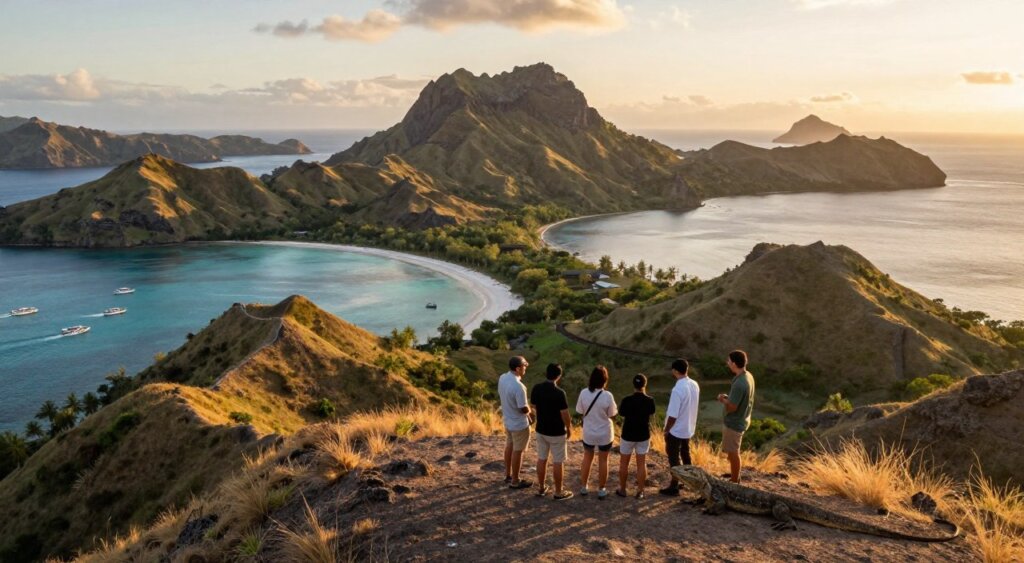
Its journey to prominence began in 1977. UNESCO declared the islands a biosphere reserve. The Indonesian government then established Komodo National Park in 1980. This created a dedicated sanctuary.
In 1991, it earned UNESCO World Heritage Site status. This series of designations cemented its role as a conservation priority. The location in West Manggarai Regency is crucial. It brings vital funds to a less developed region.
Key Economic Valuation Insights
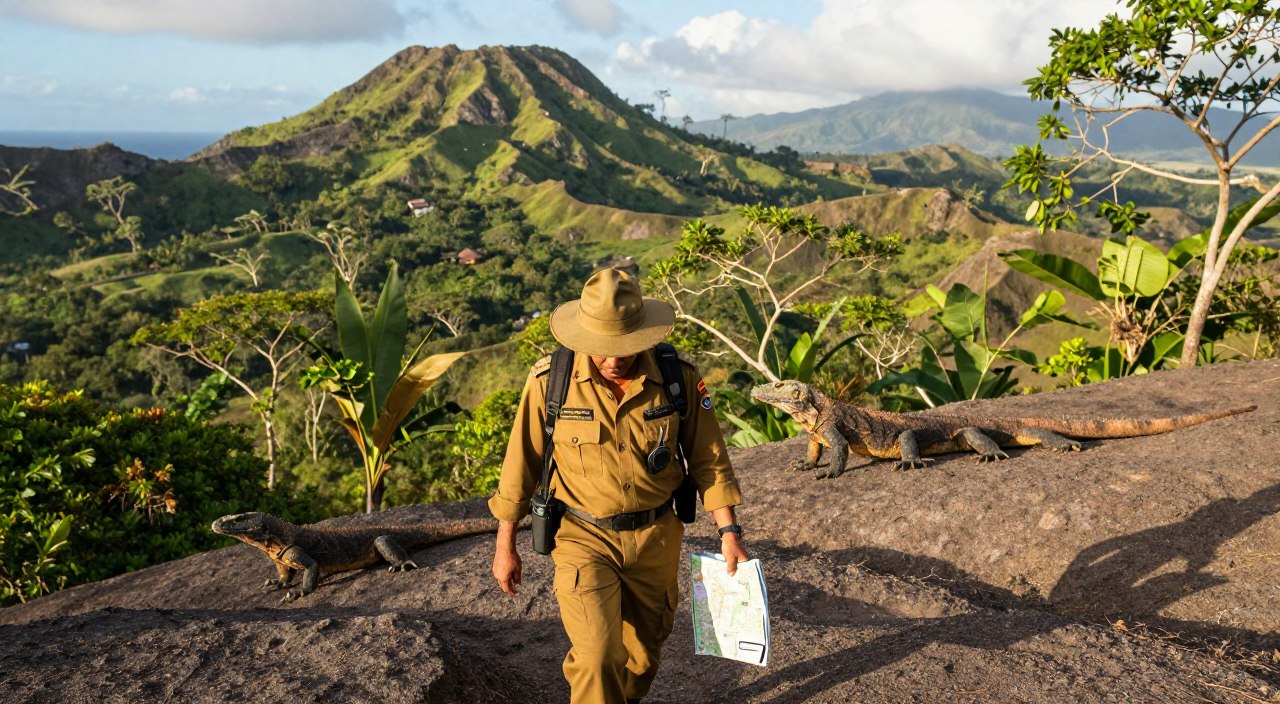
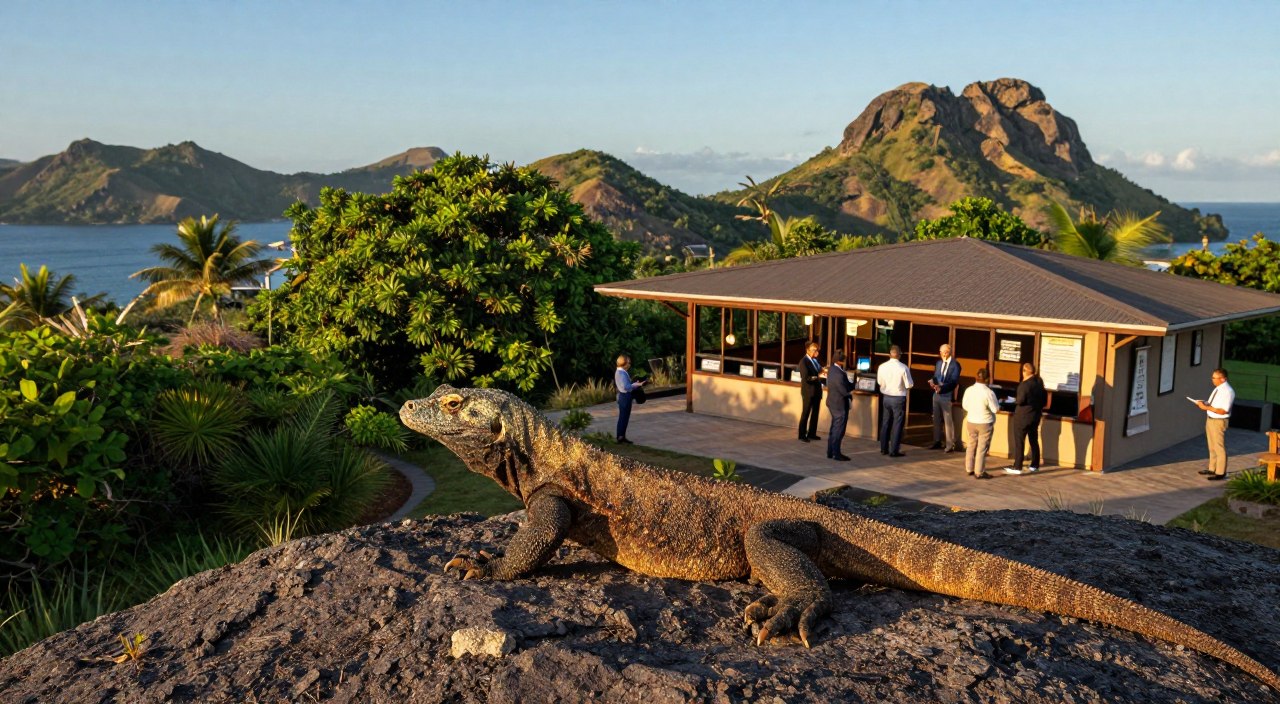
The area is the primary habitat for the world’s largest lizard. The iconic komodo dragons are a major tourist draw. Beyond them, the ecosystem thrives. It hosts thousands of fish, coral, and mammal species.
An economic study valued the entire zone at IDR 60.36 trillion. This figure includes recreation value and ecosystem services. Research shows travel cost and visitor age reduce trips. Meanwhile, higher income and professional backgrounds increase visits.
This data helps shape sustainable tourism strategies. A large gap exists between this total worth and collected fees. Current systems capture only a fraction of the real benefit.
Understanding Komodo Dragon Park Revenue Allocation
Allocating the substantial income from tourism requires navigating a web of administrative layers and competing demands. Control over this protected zone shifted from central to regency-level management after 1999 legislation.
Reinvestment into Conservation
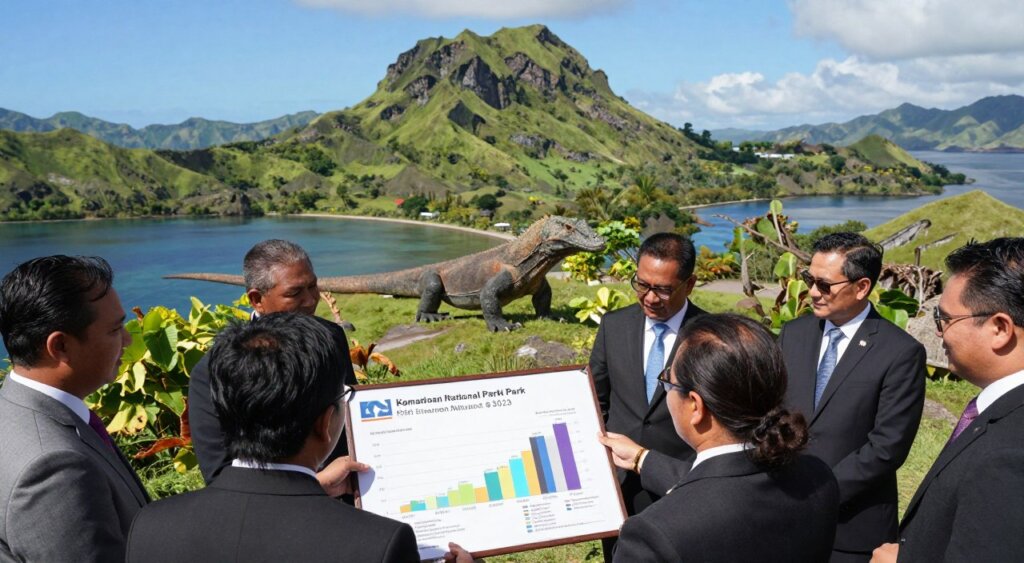
Theoretically, money is earmarked for protecting the natural habitat and its iconic species. This includes anti-poaching patrols and biodiversity monitoring.
In practice, the allocation process lacks clear reporting. Since the Nature Conservancy left, oversight has been under local government control. This has sometimes led to conflicts with conservation goals.
Operational Expenses and Infrastructure
Keeping the site running day-to-day takes a significant portion of funds. Salaries, visitor centre maintenance, and boat operations are ongoing costs.
Large-scale development projects, like the $6.7 million Geopark facility, represent major capital expenditure. Balancing these infrastructure investments with core preservation needs is a constant challenge for managers.
Multiple stakeholders, from central authorities to tourism operators, all claim a legitimate share. This complicates a transparent and effective distribution system.
Tourism as a Driver of Economic Growth
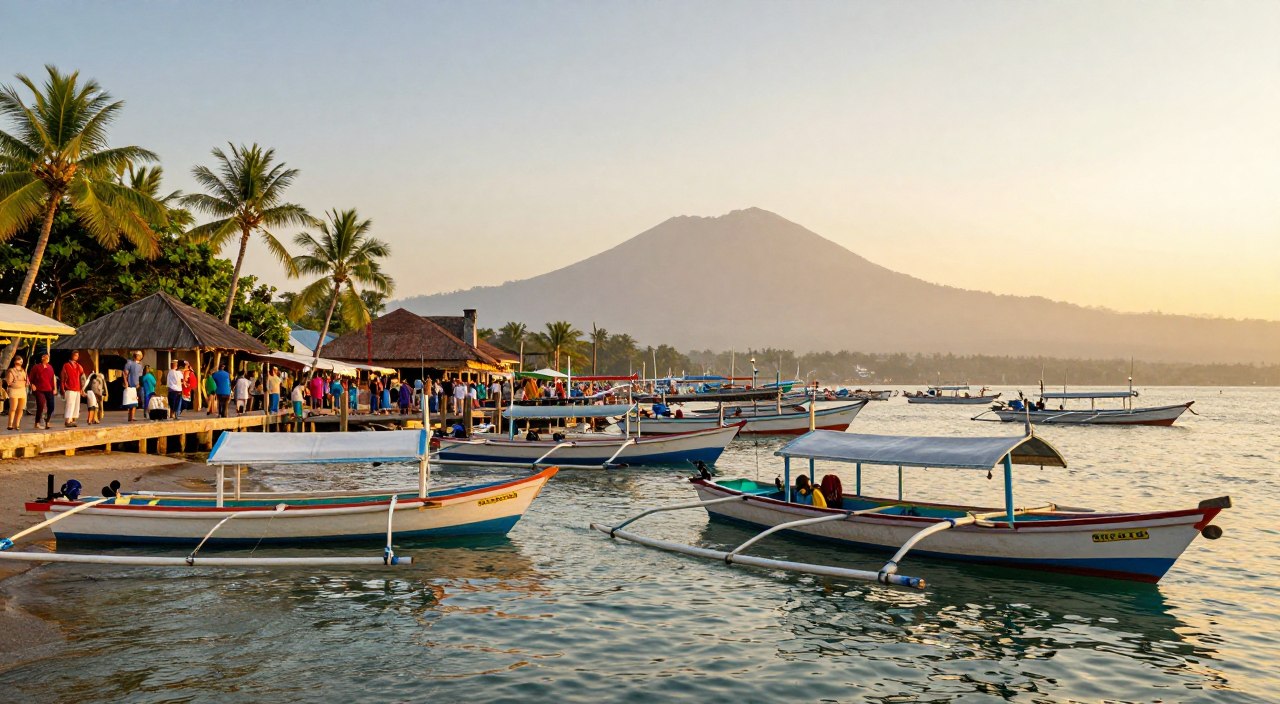
From a trickle of adventurous backpackers to a flood of international visitors, tourism has become the primary economic engine for this region. Visitor numbers to Komodo National Park exploded from around 30,000 in 1996 to over 175,000 in 2018.
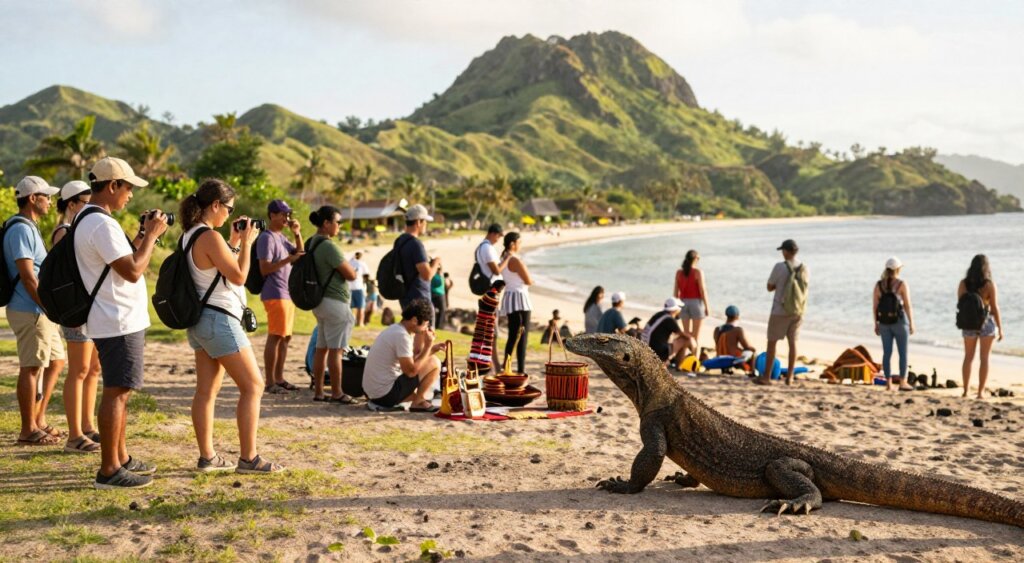
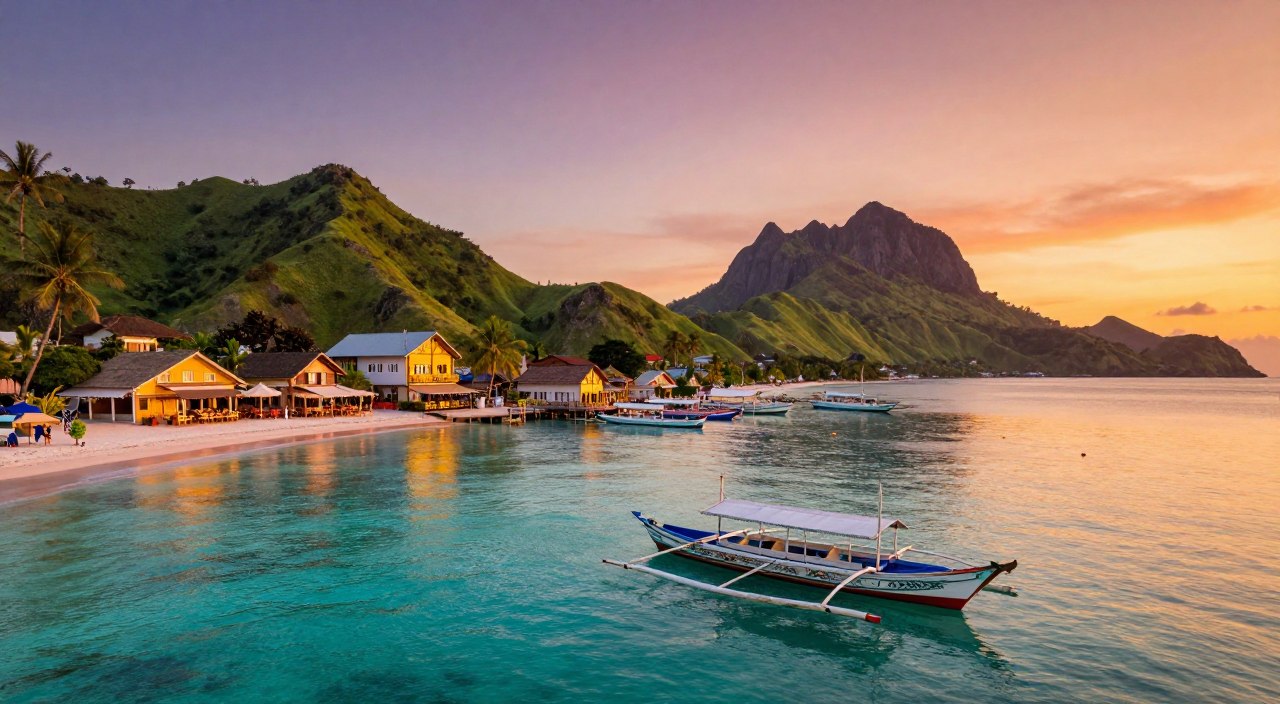
This surge transformed the local landscape. Labuan Bajo evolved from a small fishing village into a modern gateway town with an airport and hotels.
Emerging Trends in Visitor Spending
Over 90% of these visitors come from abroad. International tourists show a higher willingness to pay for premium experiences.
Their spending extends beyond park fees to accommodation, diving trips, and tours. This pattern drives a strategic shift towards higher-value tourism.
Plans now include exclusive annual passes costing around $1,000. This move aims to increase income while managing visitor numbers.
| Year | Annual Visitors | Key Tourist Origin | Estimated Direct Revenue |
|---|---|---|---|
| 1996 | ~30,000 | Backpackers / Divers | Not Widely Reported |
| 2017 | ~175,000 | International (90%+) | $1.85 million |
| 2018 | >175,000 | International (90%+) | Data Evolving |
| Future Trend | Managed Volume | Affluent International | High-Value Premium Fees |
Tourism is Indonesia’s third-largest foreign exchange earner. The government’s “10 New Balis” plan identifies this area for major development.
A critical challenge remains. Economic benefits are concentrated in Labuan Bajo. Residents on the islands often see limited direct financial gains from this growth.
Stakeholder Perspectives and Policy Challenges
Policy decisions for the archipelago are shaped by a tense interplay between conservation mandates and economic ambitions. Multiple groups hold competing visions for the future of this UNESCO site.
Insights from Local Communities
Around 5,000 people live on the inhabited islands. These residents have coexisted with the giant lizards for generations.
Conflicts arose when access to resources was restricted. The #SaveKomodo movement protested against tourism plans seen as a corporate invasion.
In 2019, a plan to relocate over a thousand island people was abandoned after fierce opposition. This highlighted a deep tension over land rights.
Government, Private Sector, and Regulatory Influences
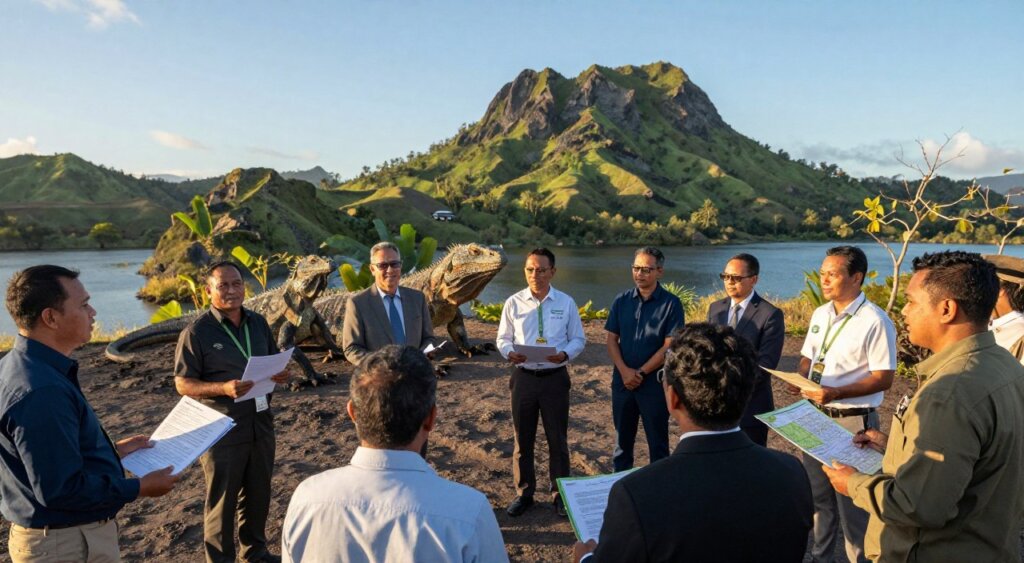
The government has favoured private development. Since 2012, permits were granted to companies for large tourism facilities.
These projects often proceeded without full environmental assessments. Rafael Todowela of the West Manggarai community forum stated:
“Conservation must protect the Komodo dragons, not investors.”
The West Manggarai regency’s control post-decentralisation has led to decisions prioritising short-term gain.
| Stakeholder Group | Primary Interests | Key Challenges |
|---|---|---|
| Local Communities | Livelihoods, land rights, cultural connection | Exclusion from planning, benefit-sharing |
| Government Agencies | Conservation mandates, economic growth, revenue | Balancing regulation with development pressures |
| Private Companies | Profit, investment returns, tourism infrastructure | Meeting regulations, community relations |
| Environmental Groups | Biodiversity protection, sustainable management | Ensuring policies safeguard the environment |
The core policy challenge is reconciling these legitimate but competing interests for the long-term health of the national park.
Impact of International and National Financial Flows
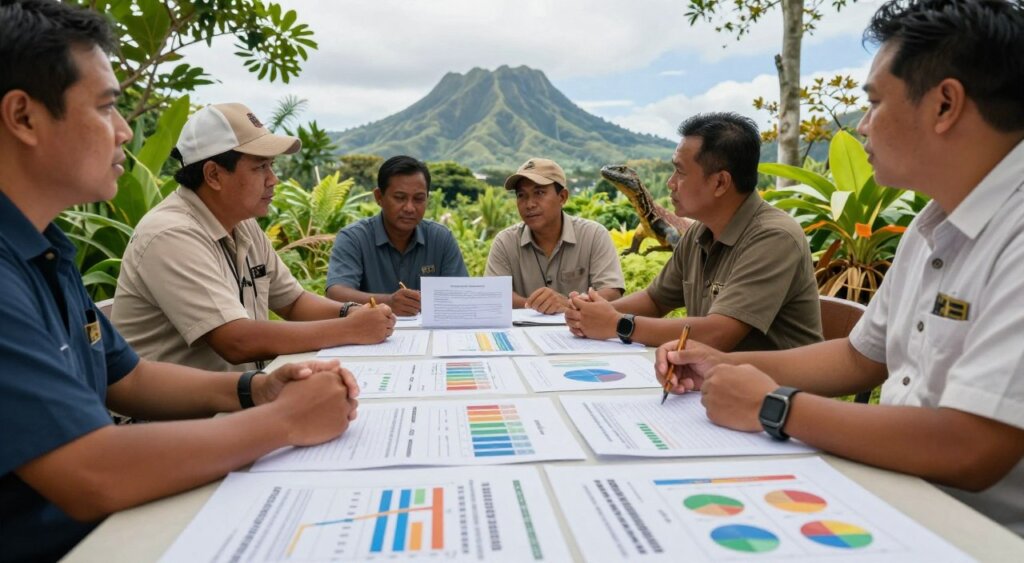
The economic story of this protected area is defined by a colossal gap between its potential value and the revenue captured at the gate.
Comparing Theoretical Valuation and Actual Revenues
An economic study valued Komodo National Park at IDR 60.36 trillion. This immense figure represents the total benefits from sustainable tourism management.
The study highlights a stark contrast with official income of about $1.85 million in 2017. This dramatic disparity reveals fundamental inefficiencies.
Consumer surplus—the extra value visitors get—remains uncaptured. Non-market values like ecosystem quality are not reflected in tickets.
International spending extends beyond gate receipts. A tourist’s expenditure in Labuan Bajo creates multiplier effects across the region.
However, financial benefits concentrate in gateway communities. Island populations facing restrictions see fewer gains.
National policies aiming to boost tourism can override local sustainability. Comparing this site to other world-renowned protected areas shows opportunities for better value capture.
Environmental and Conservation Outcomes
Assessing the environmental impact reveals a complex picture of conservation victories and ongoing vulnerabilities.
Biodiversity Protection and Sustainable Management
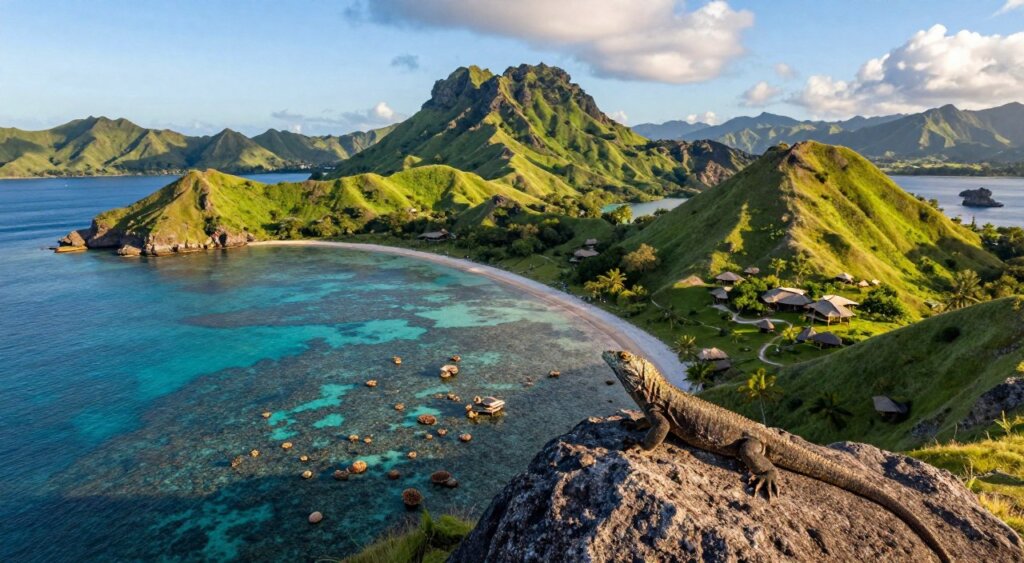
The protected zone safeguards an incredible array of life. It is home to roughly 3,000 of the world’s largest lizard, Varanus komodoensis.
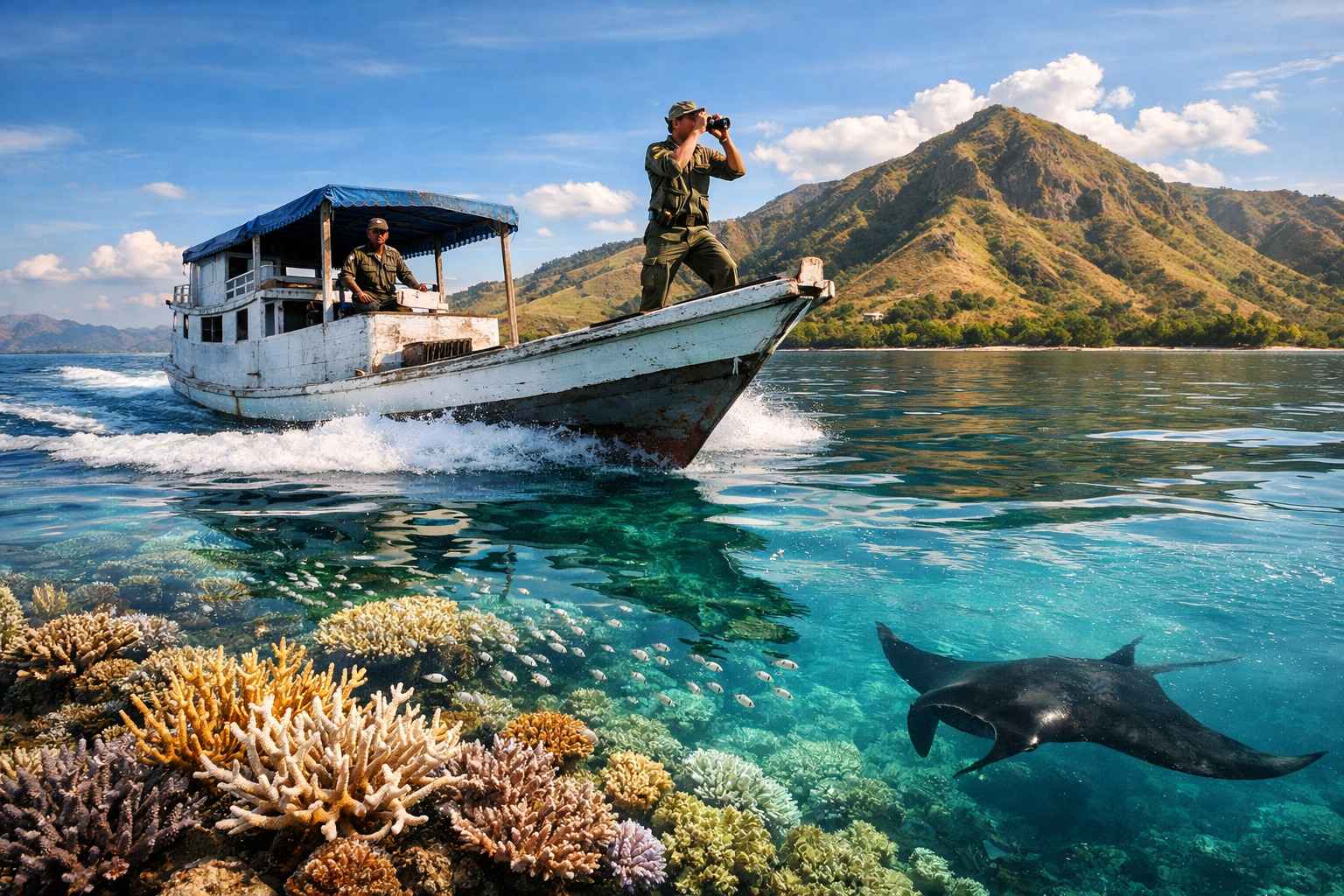
This flagship species shares the islands with 32 mammals, 128 birds, and stunning marine biodiversity. Since protection began, blast fishing has stopped. Coral coverage has grown by 60%.
Yet, threats persist. A trafficking ring once smuggled 41 komodo dragons online. Construction projects can disrupt their habitat and food chains.
Long-Term Benefits for the Ecosystem
Effective management maintains vital ecological processes. The giant lizards help regulate deer and boar populations. Healthy coral reefs provide coastal protection.
Young komodo dragons depend on trees in mangrove areas. Protecting these zones is crucial for the species’ future.
Lasting conservation outcomes need funding to prioritise this ecosystem protection over development. The environment‘s health is the ultimate measure of success.
Conclusion
A sustainable path forward for this unique ecosystem requires transparent governance and equitable benefit-sharing.
The vast gap between captured fees and the area’s total economic value signals a need for better financial mechanisms. Clear reporting on how funds are split between operations and conservation is essential.
While tourism has boosted the region, benefits are concentrated in Labuan Bajo. Residents on the islands need a fair share to support protection efforts.
Lasting success depends on participatory processes that balance local people’s rights with the government’s conservation mandate. Prioritising the habitat ensures the world‘s only population of the giant lizard, Varanus komodoensis, thrives.
The future of Komodo National Park rests on valuing its natural ecosystem above short-term gain. This secures its legacy for all visitors and the species that call it home.