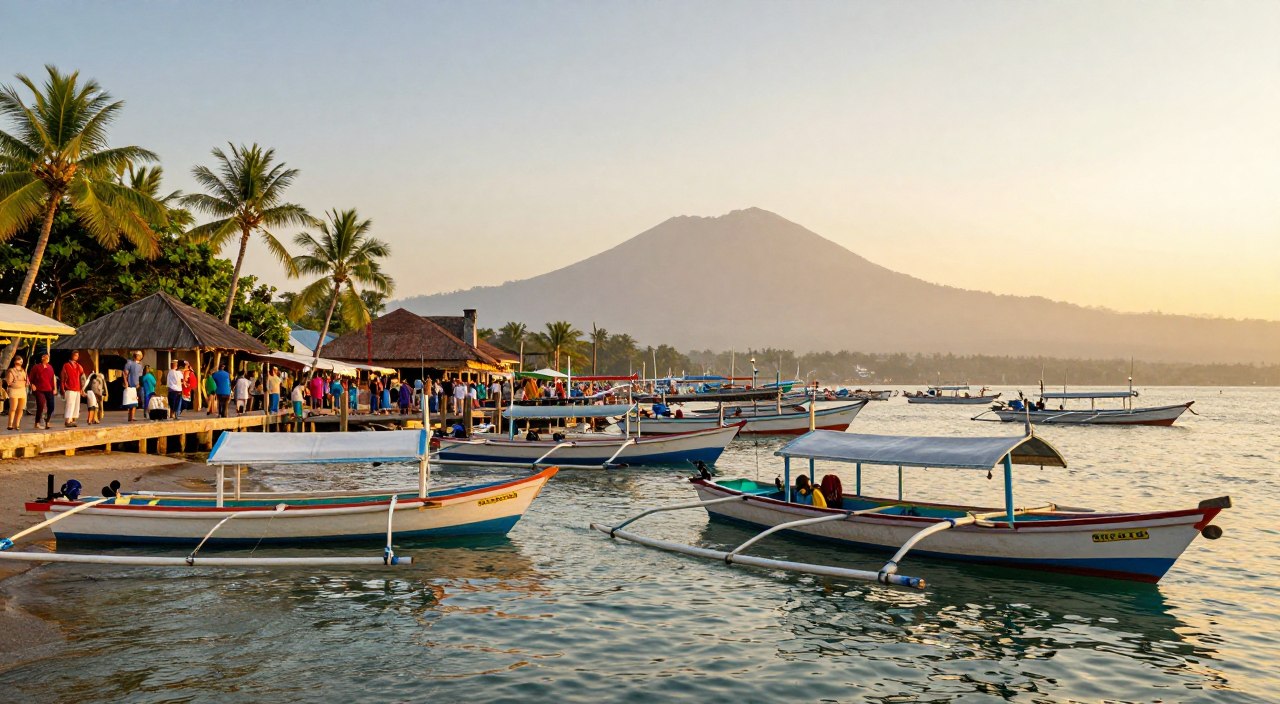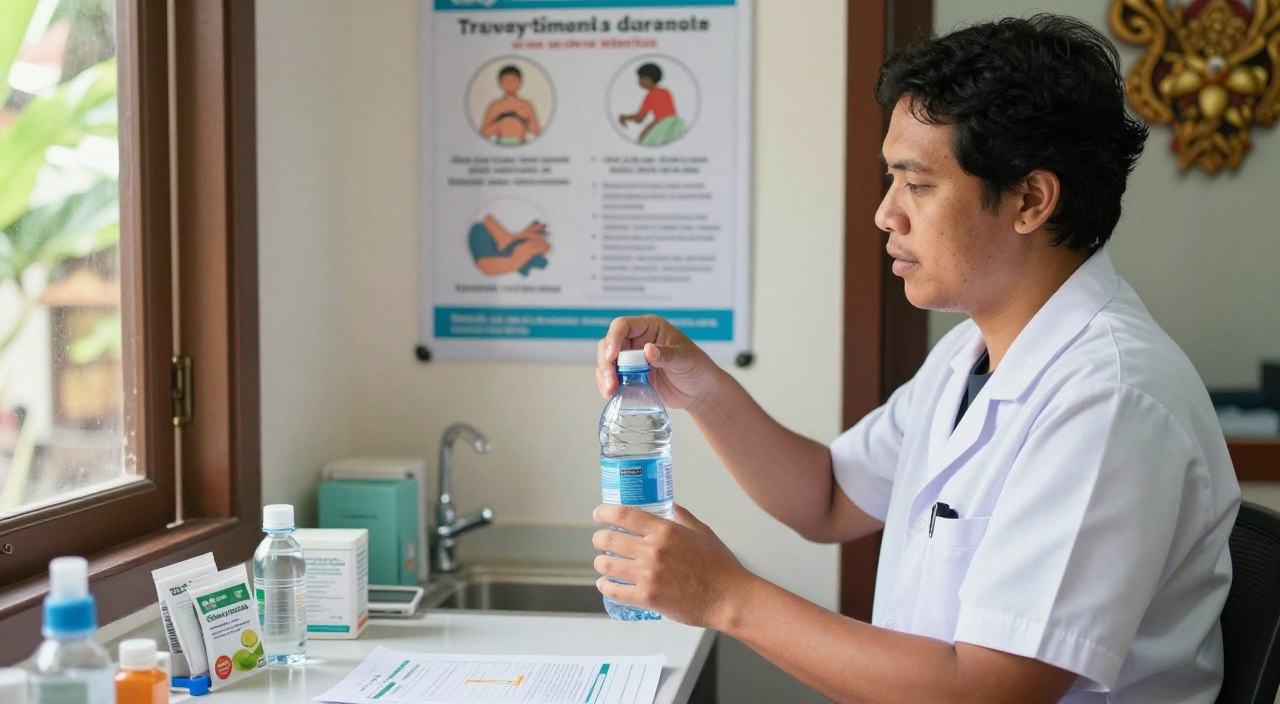
Did you know traveler’s diarrhea is the most common travel-related illness worldwide? In high-risk destinations like Bali, more than half of visitors may experience it. This widespread condition, often called “Bali belly,” can disrupt any trip.
Statistics reveal over one-third of affected people must change their plans. About one in five become bedridden for a day. These facts show why awareness is crucial.
This guide offers clear advice on spotting symptoms and using effective treatments. You will also learn the precise moment to seek professional care. With proper knowledge, you can lower your risk and manage symptoms better.
Key Takeaways
- Traveler’s diarrhea is the most frequent illness for international travelers.
- Bali is considered a high-risk destination for this condition.
- Over half of visitors to certain areas may experience symptoms.
- The illness often forces changes to travel plans and can cause bed rest.
- Proper preparation and awareness can reduce both likelihood and severity.
- Knowing when to seek medical help is crucial for a swift recovery.
- This guide provides evidence-based strategies for management and care.
Understanding Traveler’s Diarrhea in Bali
A sudden bout of stomach trouble can quickly turn a dream holiday into a challenge. This condition, often called Bali belly, is a frequent concern for visitors. Knowing what it is and how it starts helps you stay prepared.
What Is Traveler’s Diarrhea?
Medically, traveller’s diarrhoea means having three or more loose, watery stools in 24 hours. Your bowel movements might also happen twice as often as usual. It’s not one specific bug but an illness caused by different germs.
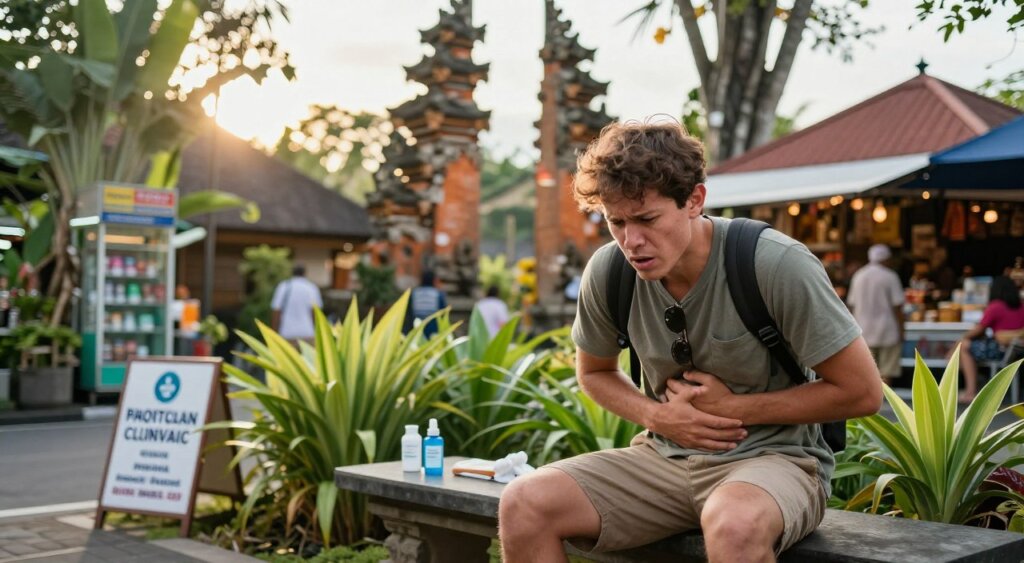
Bacteria like E. coli are the most common culprits. Viruses and parasites can also be to blame. These harmful organisms usually enter your system through contaminated food or water.
Common Symptoms and Onset in Bali
The main sign is, of course, diarrhoea. Other common symptoms include stomach cramps, pain, fever, nausea, and vomiting. They often hit all at once and can be quite intense.
Problems typically begin in the first two weeks of your trip. Day two or three after arrival is a common start time. However, this illness can strike at any point, even after you return home.
Most people feel better within three to four days without special medicine. The biggest risk during this time is dehydration. Drinking plenty of safe fluids is crucial from the first sign of trouble.
Managing Traveler’s Diarrhea In Bali: Treatment and Self-Care Options
When symptoms strike, knowing how to respond can significantly shorten your recovery time and ease discomfort. The primary goals are to prevent dehydration and manage unpleasant symptoms effectively.
Hydration and Oral Rehydration Solutions
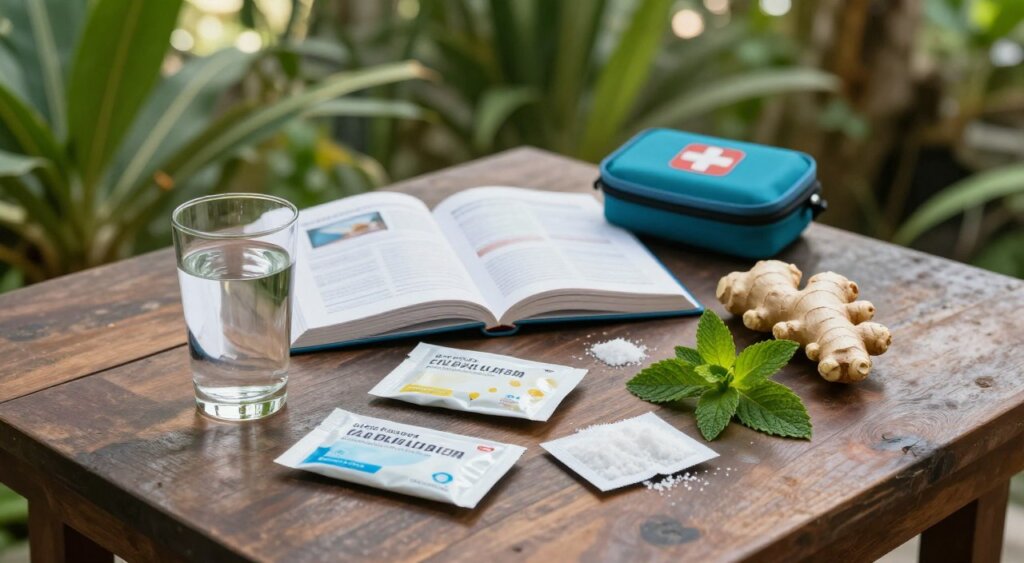
Drinking plenty of safe fluids is the most critical step. Your body loses water and essential salts quickly. Replacing these losses prevents dehydration, the main complication.
For serious cases, an oral rehydration solution is best. These powders or liquids have a perfect balance of electrolytes. They are the most effective fluid replacement you can get.
Avoid milk and fruit juices. Their sugar content can sometimes make diarrhoea worse. Stick to clean water, broth, or oral rehydration formulas.
Medications and Over-the-Counter Treatments
Over-the-counter medication like loperamide can provide relief. It reduces the frequency and urgency of bowel movements. This makes necessary travel, like bus rides, much more manageable.
These drugs help manage symptoms while your body fights the infection. Remember, they are for symptomatic treatment only.
Antibiotics are reserved for severe cases. A doctor must prescribe them. Taking antibiotics incorrectly can lead to resistance. If you fall ill after returning home, see a doctor for tests.
When you feel hungry, eat bland foods. Try rice, pasta, or dry toast. Avoid dairy, alcohol, and spicy or fatty foods until you fully recover.
Pre-Travel Preparation and Preventative Measures
Reducing your risk of stomach issues starts with careful pre-travel research and simple, consistent practices. For visitors to high-risk countries, a little planning forms a strong shield. It empowers travellers to make informed choices about food and hygiene from day one.
Choosing Safe Foods and Drinks
A classic rule for safe eating abroad is “boil it, cook it, peel it, or forget it.” This principle is your best guide. Always select foods that are thoroughly cooked and served piping hot.
Avoid items from buffets that have been sitting out. Bacteria can multiply quickly at room temperature. For raw fruits and vegetables, only eat them if you’ve peeled them yourself or washed them in clean, safe water.
Your choice of drinks is equally important. Only consume beverages from factory-sealed bottles or cans. This simple habit avoids many common problems.
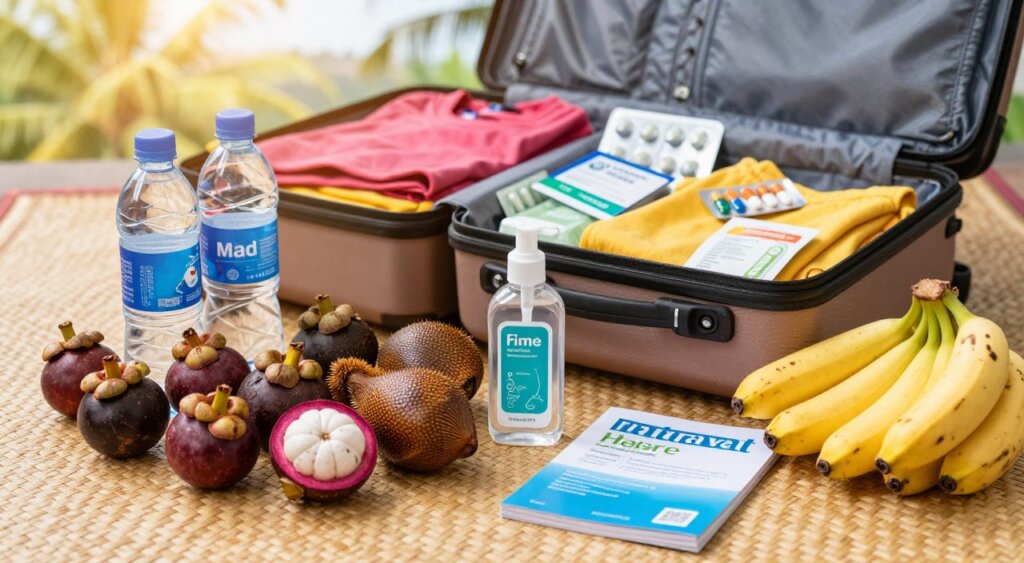
| Safe Choices | Risky Choices |
|---|---|
| Steaming hot, freshly cooked meals | Food from buffets or street stalls left out |
| Fruits you peel yourself (bananas, oranges) | Unwashed salads or raw vegetables |
| Bottled water and sealed canned drinks | Tap water, ice cubes, or fountain drinks |
| Pasteurized dairy products | Unpasteurized milk or local cheeses |
Maintaining Hygiene and Hand-Washing Practices
Personal hygiene is a powerful preventative tool. Pathogens often spread from contaminated surfaces to your mouth. Wash your hands frequently with soap and water, especially before eating and after using the bathroom.
When sinks aren’t available, use an alcohol-based hand sanitizer. Keep a small bottle in your day bag. Clean hands dramatically cut the chance of ingesting harmful germs.
This vigilance must continue throughout your entire trip. Don’t let your guard down as you become more comfortable. Consistent habits keep you healthy.
On-the-Ground Strategies to Avoid Bali Belly
Staying healthy while enjoying Bali’s vibrant food scene requires a few smart, on-the-ground habits. Your daily choices about water and food are your best defense. Consistent vigilance can significantly lower your risk of unpleasant stomach issues.
Selecting Clean Water and Avoiding Tap Water
Always choose safe drinking sources. Consume only boiled water or commercially sealed bottled water. Avoid tap water completely, as it may contain unfamiliar germs.
Ice is a common hidden danger. It is often made from local tap water. Politely decline ice in drinks unless you know it’s from a safe source.
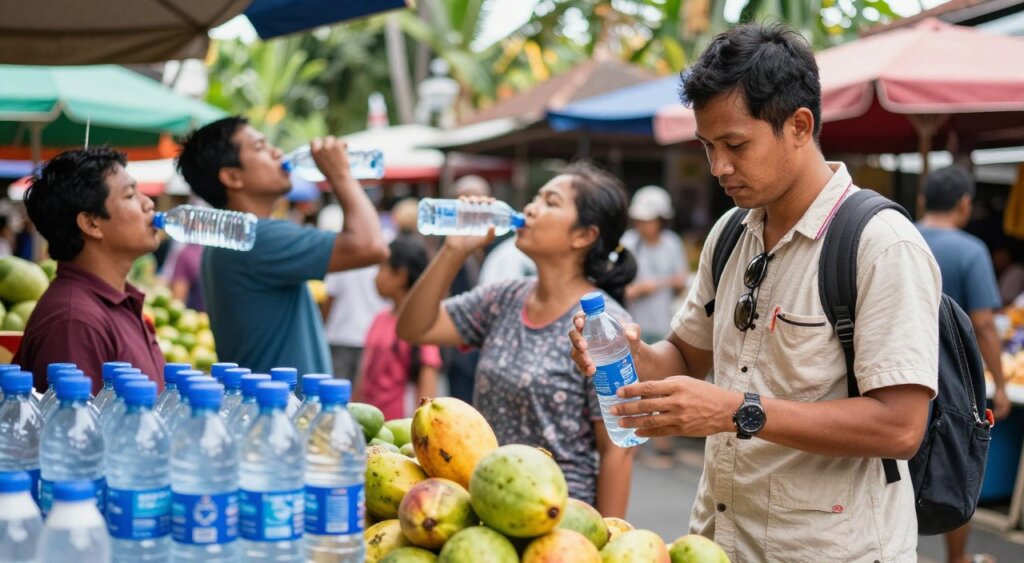
Recognizing Contaminated Food and Ice Risks
Be cautious with raw produce. Avoid fruits and vegetables washed in local water. This is a key source of contaminated food.
Eat only thoroughly cooked meals served steaming hot. Skip raw shellfish and undercooked meats. These items can harbor dangerous bacteria.
Street vendors may pose a higher risk. Food sitting out in warm temperatures allows bacteria to grow. This can lead to diarrhoea for the unprepared traveller.
Practical Tips for Dining Locally in Bali
Observe where locals eat. Busy restaurants with high turnover often serve fresher, safer meals. Their hygiene standards are usually better.
Make consistent, deliberate choices throughout your trip. Even high-end resorts can have contaminated food water issues. No strategy offers complete protection, but these steps greatly reduce your chance of getting Bali belly.
How to React if You Experience Symptoms
If you start feeling unwell, your immediate response can shape the entire course of your illness. Recognizing the onset of symptoms quickly is key. This allows you to implement self-care measures that can reduce severity.
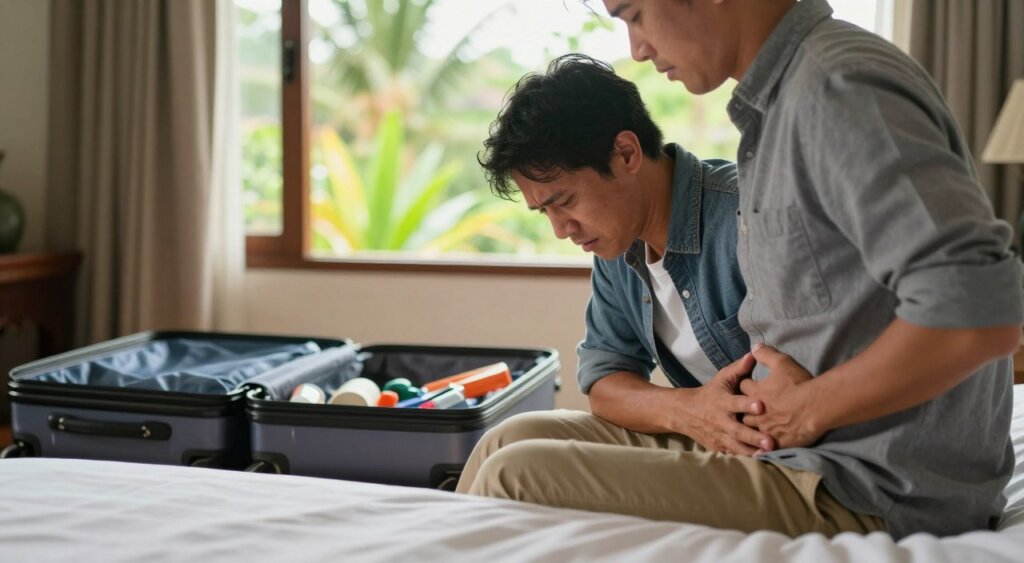
Self-Assessment and Immediate First-Aid Steps
Begin by evaluating your condition. Note the frequency of bowel movements and check for blood. Assess the severity of stomach pain or cramps. Also, watch for fever or vomiting.
Your first-aid steps are crucial. Start aggressive fluid replacement immediately. Rest as much as possible. Avoid foods that might worsen diarrhoea.
Most travellers handle mild to moderate cases themselves. Symptoms often improve within three to four days. Monitor your body‘s response closely during this time.
When to Seek Professional Medical Care
Know the warning signs that need a doctor. These include symptoms lasting beyond three days without improvement. A high fever or severe stomach pain are red flags.
Blood or mucus in stools requires prompt medical treatment. Signs of significant dehydration also demand care.
Certain groups should seek evaluation earlier. This includes young children, elderly travellers, and pregnant women. If severe diarrhoea starts after you return home, see a doctor. Request stool tests to identify the cause and guide medication.
Special Considerations for Different Traveler Groups
Travel health plans must be tailored to account for the unique vulnerabilities within your group. A standard approach may not provide adequate protection for everyone.

Advice for Children, Elderly, and Pregnant Travelers
Children are especially vulnerable to complications like dehydration. Their small body size means fluid loss happens faster. Parents must enforce strict hygiene, like washing hands often.
Supervise their choice of foods, drinks, and fruit. Pregnant travellers should consult a doctor before the travel for safe treatment options. Some common medications are not suitable during pregnancy.
Elderly adults often have other health conditions. They should seek medical evaluation sooner if diarrhoea occurs.
Adapting Strategies for Varying Health Conditions
People with chronic illnesses need personalized advice before the trip. For all groups, if stomach pain and diarrhoea strike, eating is still important.
Offer bland, high-carbohydrate foods like rice or pasta. This provides energy without upsetting the gut. Teaching kids proper handwashing is a powerful preventative step.
Recognizing these different needs ensures each person gets the right care. This tailored approach helps keep your entire party healthy.
Conclusion
Protecting your health in Bali doesn’t mean missing out—it means traveling smarter. This guide equips you with essential knowledge to handle common travel health issues confidently.
A solid strategy involves choosing safe food and water, maintaining strict hygiene, and being aware of local bacteria. These actions dramatically reduce your risk of contracting an illness.
If you experience traveller’s diarrhoea, quick response with hydration and knowing when to see a doctor aids recovery. Most cases of diarrhoea are manageable for prepared travellers.
No plan guarantees complete safety in high-risk countries. Yet, informed travellers can balance caution with adventure. They minimize health disruptions and maximize their travel enjoyment.
Use this content as a foundation. For specific concerns, always consult a medical professional.