Before European influence reached the island, Balinese women typically went bare-chested during their daily routines. This surprising historical fact reveals how dramatically traditional dress codes transformed with the arrival of colonial influences.
The introduction of this elegant attire during the Dutch colonial period marked a significant shift in cultural expression. What began as an adaptation to new social norms evolved into a cherished tradition that continues to define feminine elegance.
This iconic ensemble represents more than just clothing—it embodies centuries of cultural heritage and artistic craftsmanship. The delicate balance between modesty and beauty characterises this distinctive style that has captivated fashion enthusiasts worldwide.
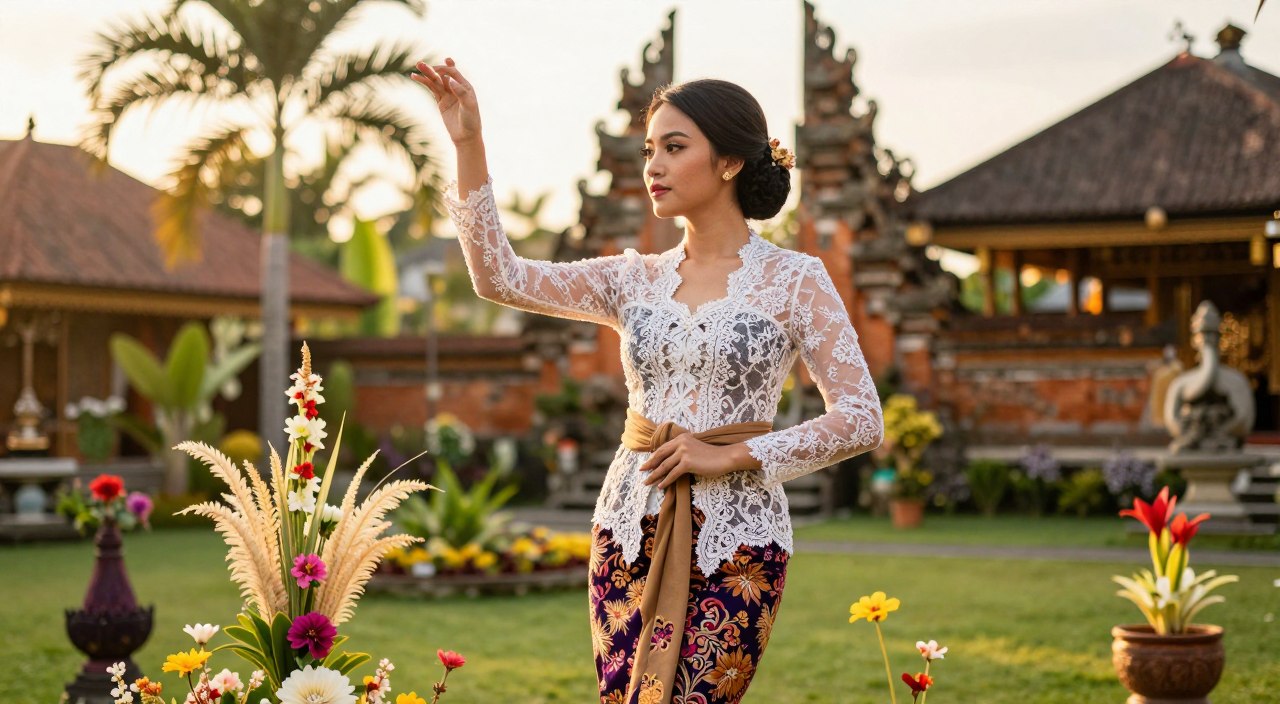
Authentic pieces consist of four essential components: a delicate lace blouse, an intricately patterned sarong, and two distinctive cummerbunds. Each element contributes to the overall harmony and sophistication of the complete outfit.
Key Takeaways
- Discover how colonial influences transformed traditional dress codes on the island
- Understand the four essential components that create an authentic ensemble
- Learn about the cultural significance behind this elegant feminine attire
- Explore how traditional craftsmanship meets contemporary fashion trends
- Gain practical insights for Australian buyers seeking quality pieces
- Appreciate the historical journey from functional wear to cultural icon
Introduction to Balinese Fashion and Kebaya Heritage
Across Southeast Asia, one particular garment stands out for its timeless elegance and cultural significance in women’s fashion. This traditional attire represents more than just clothing—it embodies centuries of artistic craftsmanship and social evolution.
Defining Traditional Attire
The classic ensemble features an open-fronted blouse crafted from lightweight fabrics. Designers choose materials like lace and brocade specifically for tropical climates.
This elegant garment secures at the front using decorative brooches or pins. The closure creates a focal point for artistic expression through jewellery.
The Role of Kebaya in Balinese Culture
Within local traditions, this clothing serves multiple essential functions. It functions as ceremonial dress for temple visits and religious rituals.
The attire represents family and community identity during village events. Local organisations often provide matching sets for community gatherings.
This practice creates visual unity while celebrating shared cultural identity. For women, wearing traditional clothing connects them to generations of heritage.
The garment allows personal expression through fabric choices and colour selections. This balance between tradition and individuality defines its enduring appeal.
Historical Roots of Kebaya: From Tradition to Colonial Influence
The journey of this iconic garment begins with ancient linguistic roots that predate its Southeast Asian adoption. The term connects to the Arabic “qaba,” meaning a robe of honour, with Persian origins dating to the seventh century.
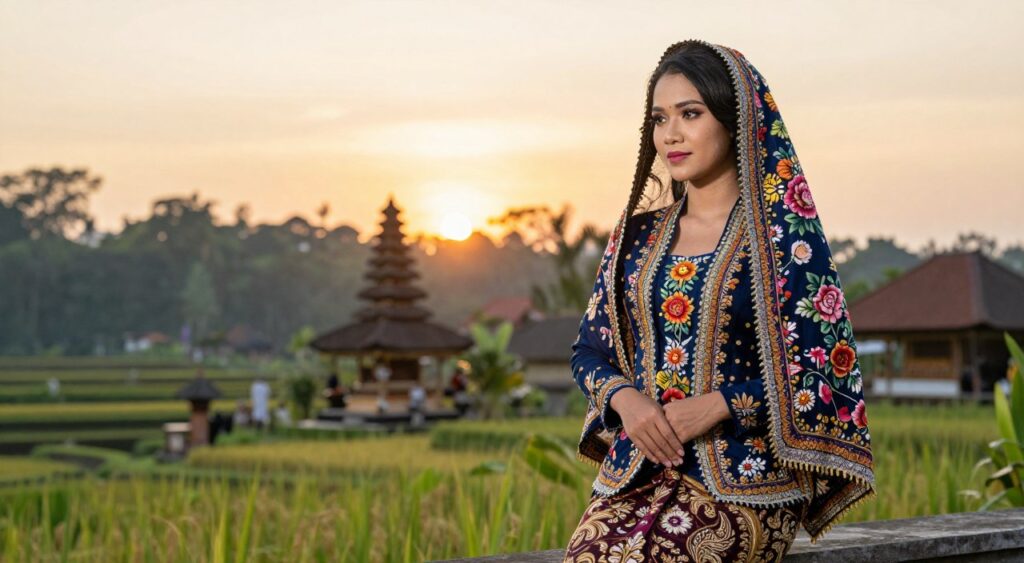
This prestigious garment entered the region through multiple pathways, creating a rich tapestry of cultural exchange.
Discover Bali Outfit Ideas Female: Chic and Comfortable
Middle Eastern and Portuguese Influences
Portuguese colonization brought significant change after their 1511 capture of Malacca. Settlers introduced the “cabaya,” a long robe that captivated local women.
British writer Peter Mundy noted similarities between dress in Malacca and Goa during the 1630s. This observation confirms the Portuguese-Indian fashion corridor.
Middle Eastern design elements reflected growing Islamic influence across the Malay world. The garment offered modesty while accommodating tropical climates.
Local Adaptations over Time
Chinese Peranakan communities in Malacca played a crucial role in popularizing the style. They refined the garment to align with local aesthetics and cultural norms.
Alternative theories suggest independent development within Java’s Majapahit kingdom. Here, it may have evolved from the traditional kemben torso wrap.
Each region developed unique variations in cut, fabric, and decoration. These local adaptations transformed an imported style into something authentically Southeast Asian.
The Evolution of Kebaya Over Time
A revolutionary shift occurred in colonial fashion centers when younger generations reimagined traditional garments for contemporary lifestyles. This transformation marked one of Southeast Asia’s most significant fashion developments during the early 20th century.
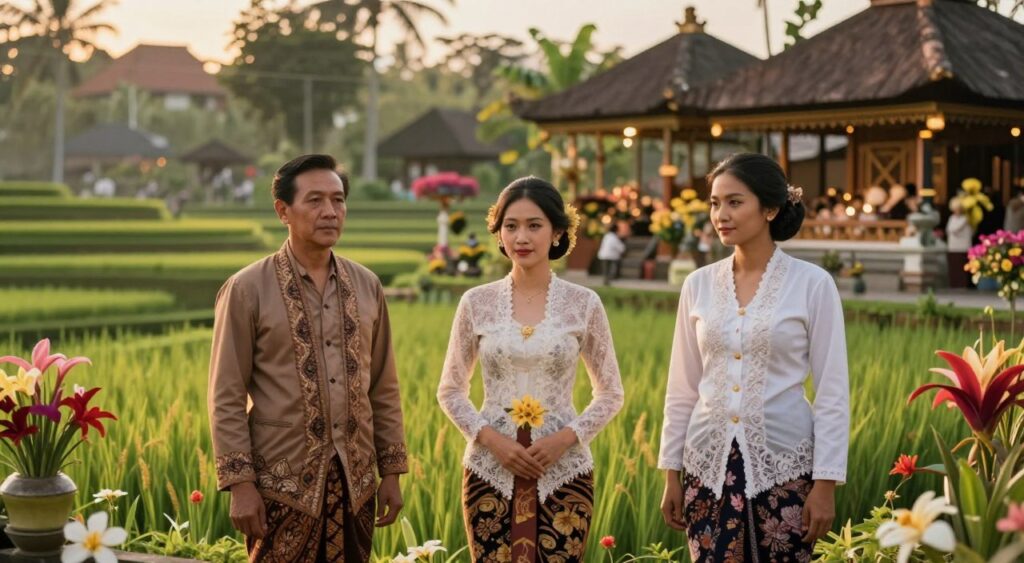
Urban women sought silhouettes that reflected their changing social roles and modern sensibilities. The transition represented more than just style—it symbolized women’s growing participation in public life.
From Long Kebaya to Short Kebaya
The traditional long version featured a loose, knee-length design that provided modest coverage. Elderly Peranakan women primarily wore this conservative style, maintaining connections to earlier fashion traditions.
Younger generations observed European and Eurasian women adopting tighter-fitting blouses in colonial centers. They began modifying the long garment into a shorter, more form-fitting version that emphasized the feminine silhouette.
Resourceful seamstresses demonstrated remarkable ingenuity by recycling precious fabrics from older garments. This practical approach preserved valuable textiles while embracing contemporary fashion trends.
By the 1920s, the short version gained widespread popularity across Malaysia’s major cities. Young cosmopolitan women embraced this figure-hugging style as a symbol of modernity and fashion-forward thinking.
Exploring the Artistry of Kebaya: Materials and Techniques
European lacework techniques introduced in the 16th century revolutionized traditional clothing design across Asia. Portuguese traders brought intricate lace craftsmanship through Goa, transforming simple garments into ornate works of wearable art.
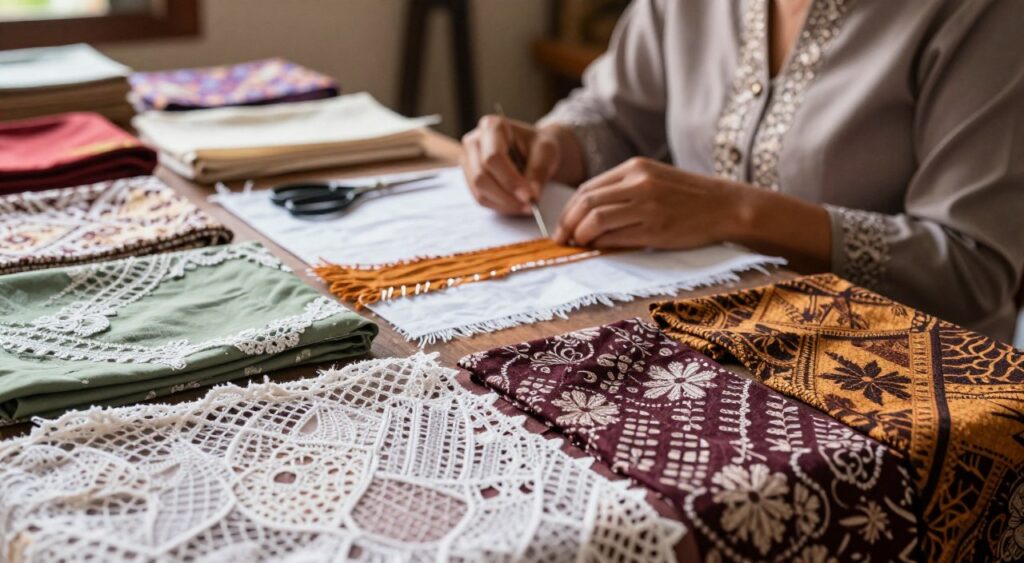
Embroidered Elegance and Cutwork Details
The 1930s marked a significant shift toward colourful cutwork decoration. This technique involved creating intricate perforated patterns along garment edges.
Fabric stencil sewing machines enabled more complex designs with decorated scallops. By the late 1940s, embroidered styles became the quintessential choice.
These featured exquisite stencilled patterns in floral and geometric motifs. The evolution demonstrates how technology expanded creative possibilities.
| Time Period | Technique | Key Materials | Notable Features |
|---|---|---|---|
| 16th-17th Century | Lacework Introduction | Fine White Cotton | European lace trim on hems and sleeves |
| Mid-19th Century | Lace Ornamentation | White Cotton with Lace | Privileged European/Eurasian wear |
| 1910s | Material Revolution | Voile & Organdie | Transparent fabrics from Europe |
| 1930s | Cutwork Decoration | Colorful Fabrics | Perforated edges with embroidery |
| Late 1940s | Full Embroidery | Plain Voile/Gauze | Floral, figural, geometric motifs |
Lace and Fabric Selections
Material selection remains central to garment quality and appearance. The shift from cotton to luxurious European fabrics opened new creative avenues.
Contemporary pieces range from economical synthetics to premium silk and brocade. Each material choice affects drape, transparency, and overall visual impact.
These technical innovations transformed functional garments into artistic expressions. They reflect both personal style and cultural heritage.
The Cultural Significance of Kebaya in Bali
In Balinese ceremonial life, traditional attire serves as a visual language connecting women to their spiritual heritage. This elegant ensemble represents more than clothing—it embodies centuries of cultural adaptation and religious devotion.
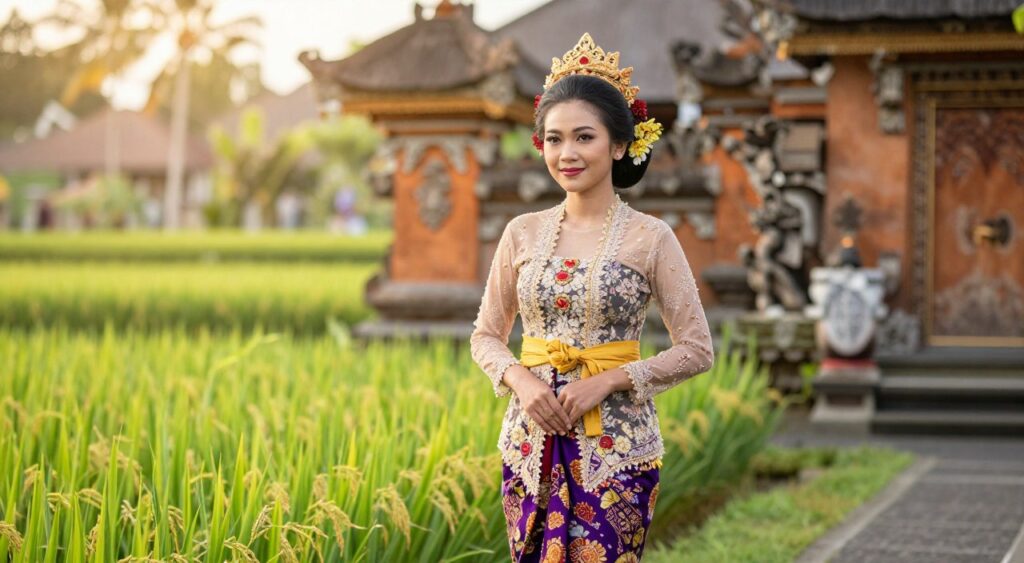
The garment’s introduction during Dutch colonization transformed local dress codes dramatically. What began as imposed modesty standards evolved into cherished tradition. Today, women wear this attire with pride during temple visits and religious ceremonies.
Strict customs govern proper wearing techniques. The sarong must extend nearly to the ground, tied securely at the upper thighs. Sleeves must pass the wrist bone, maintaining traditional modesty standards.
Natural elements complete the ceremonial ensemble. Fresh frangipani flowers adorn the hair, creating a beautiful connection between personal adornment and religious offerings. These same flowers serve as daily gifts to the gods.
| Ceremonial Element | Traditional Requirement | Symbolic Meaning |
|---|---|---|
| Sarong Length | Nearly touches the ground | Modesty and reverence |
| Sleeve Measurement | Extends past wrist bone | Traditional coverage |
| Flower Adornment | Fresh frangipani blooms | Connection to deities |
| Community Events | Matching ensembles | Social unity |
Local organizations often coordinate matching outfits for village events. This practice strengthens community bonds while celebrating shared identity. The transformation from colonial import to cultural symbol demonstrates how communities adapt external influences.
Contemporary women embrace this attire as an authentic expression of their heritage. It honors both historical transformation and ongoing cultural continuity in modern Balinese life.
Modern Trends in Kebaya Fashion
The international fashion stage witnessed a significant moment in 2024 when UNESCO recognized this Southeast Asian garment. This prestigious acknowledgment covers five nations and ensures preservation of cultural heritage.
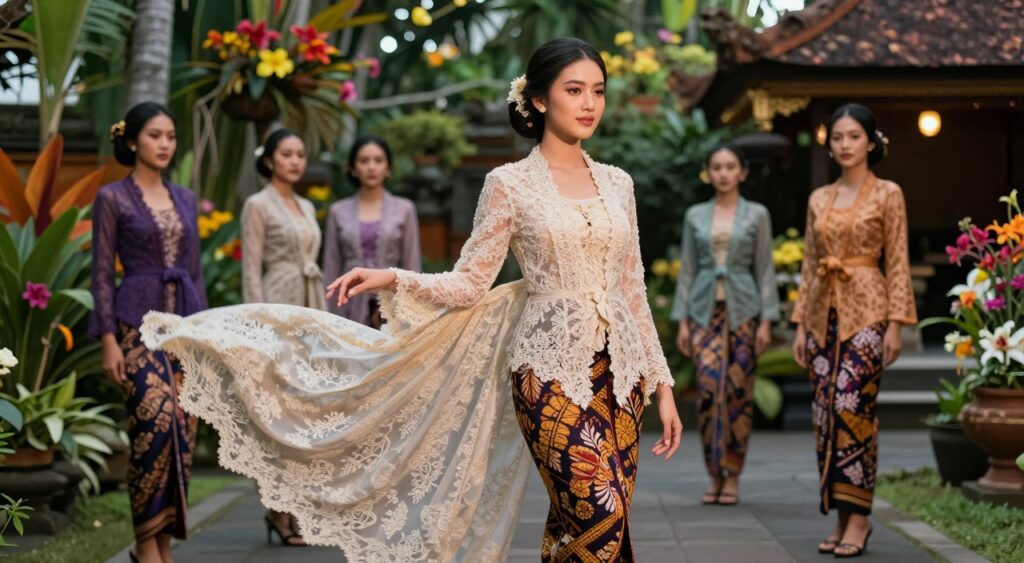
Contemporary designers balance respect for traditional craftsmanship with fresh aesthetic preferences. They create pieces that honor cultural heritage while meeting today’s practical needs.
Bali Outfit Ideas: Complete Style Guide for Every Occasion 2026
Contemporary Design Elements
Modern interpretations feature innovative fabric combinations. Designers pair traditional materials with modern textiles for unique textures.
Experimental silhouettes reinterpret classic proportions while maintaining recognizable characteristics. Fusion styles incorporate international trends without losing cultural identity.
The late 1990s saw the emergence of kebarung—a hybrid style combining elements from different traditional garments. This adaptation responded to evolving religious and social requirements.
Following Indonesian independence, President Sukarno appointed the kebaya as national attire. First ladies including Fatmawati prominently featured the garment, elevating its status.
The 2024 UNESCO recognition represents international acknowledgement of the garment’s cultural significance
Today’s designers experiment with unconventional color palettes beyond traditional whites. Bold jewel tones and metallic accents appeal to younger generations seeking distinctive style.
Modern construction techniques blend hand-embroidery with machine-assisted production. This approach preserves artisanal skills while enhancing accessibility for contemporary wearers.
Spotlight on kebaya bali: Styles and Trends Today
Contemporary interpretations of traditional dress showcase how cultural heritage adapts to modern sensibilities. Today’s fashion landscape reveals fascinating generational preferences in styling choices.
Current Design Trends
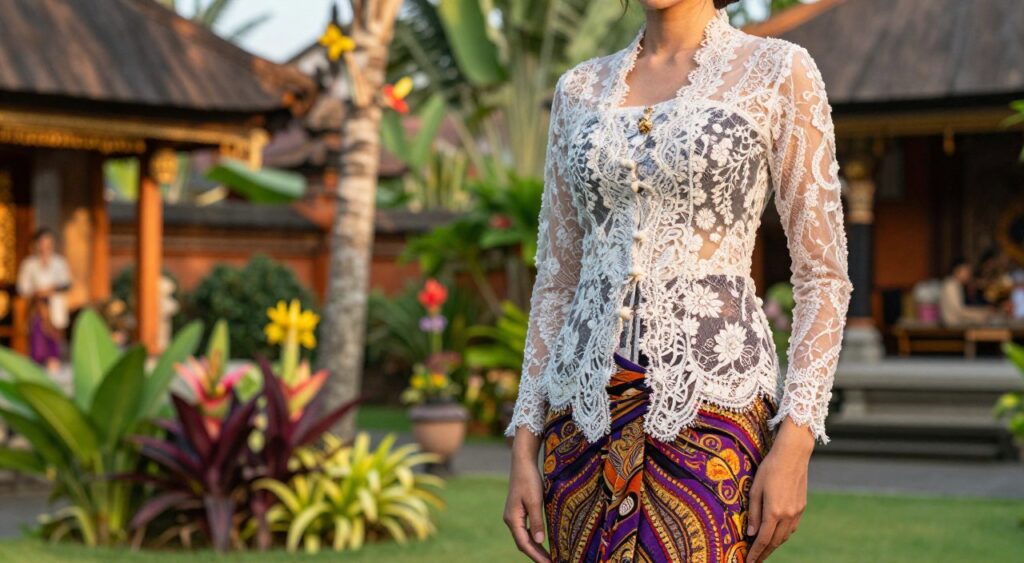
Younger women typically prefer front-closing designs that offer fuller coverage. These streamlined silhouettes provide modern comfort while maintaining elegance.
Older generations often choose traditional midriff-revealing styles. This reflects their connection to classic interpretations of ceremonial attire.
Popular Colours and Patterns
Ceremonial occasions call for pristine white garments symbolizing purity. Village organizations often provide matching ensembles for community events.
Social gatherings allow for more expressive colour choices. Women embrace vibrant hues and themed designs that reflect personal style.
| Occasion Type | Preferred Colours | Style Features |
|---|---|---|
| Religious Ceremonies | White | Traditional full coverage |
| Banjar Events | Matching sets | Community coordination |
| Village Gatherings | Vibrant colours | Personal expression |
| Family Celebrations | Themed designs | Festive patterns |
Pattern selection ranges from traditional batik to modern fusion designs. These choices balance cultural authenticity with contemporary fashion trends.
A Buyer’s Guide to Choosing the Perfect Kebaya
Smart buyers know that superior craftsmanship makes all the difference in traditional attire. Selecting the right piece involves examining several key factors that distinguish exceptional garments from ordinary ones.
Quality Indicators to Look For
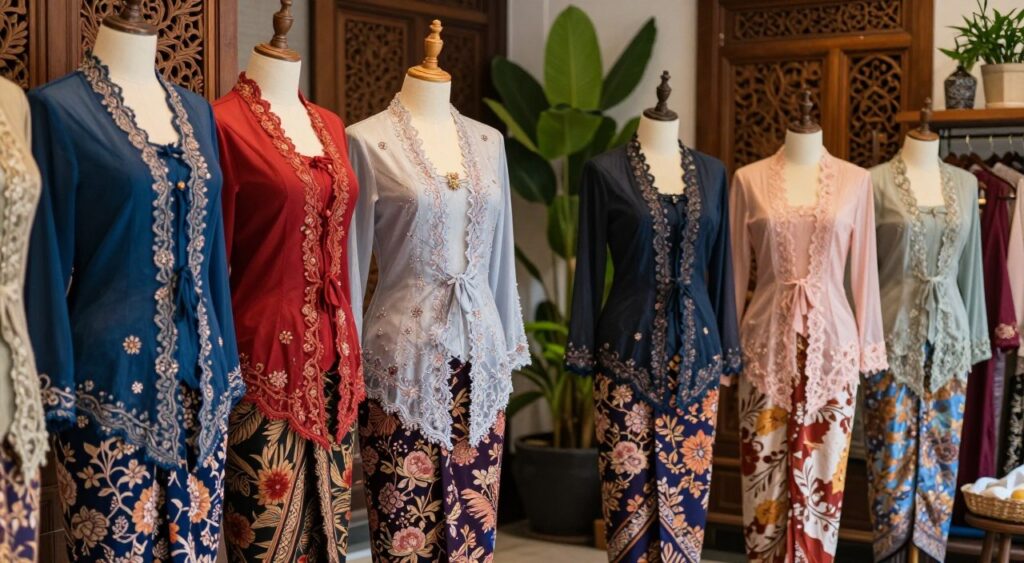
Begin your assessment with fabric quality. Premium materials like fine silk or authentic lace drape beautifully and maintain their appearance through repeated wear.
Examine embroidery and embellishments closely. Look for consistent stitching, secure bead attachment, and no loose threads. Construction details reveal true craftsmanship.
Check seam finishing and pattern alignment. Well-made garments feature reinforced stress points and proper edge treatment.
Assessing Fit and Comfort
Proper sleeve length is essential—it should extend past the wrist bone according to traditional standards. The blouse should fit your preferred silhouette without restricting movement.
The sarong component requires particular attention to length. Authentic style demands fabric that reaches nearly to the ground when wrapped correctly.
Test the complete ensemble with typical movements like sitting and raising your arms. The wrap should stay secure without being uncomfortably tight.
Consider transparency levels and choose undergarments that work with your selected fabric. This ensures both comfort and appropriate coverage.
Understanding Kebaya Colours and Their Meanings
Colour choices in traditional attire carry profound cultural significance that guides appropriate selection for different occasions. The symbolism extends beyond mere aesthetics to spiritual beliefs and social protocols.
Traditional Colour Symbolism
White remains the paramount choice for religious ceremonies and temple visits. This colour represents purity, spiritual devotion, and respect for sacred spaces.
Community events at the banjar typically feature matching white ensembles. This practice creates visual unity while honoring traditional values.
Other hues carry specific meanings tied to directional deities and ritual purposes. These symbolic associations vary between regions and communities.
Modern Colour Preferences
Contemporary wearers express greater individuality through vibrant colour selections. Village gatherings and family celebrations allow for themed designs and bold combinations.
The historical evolution shows a progressive embrace of brighter colours. By the 1930s, garments became increasingly colourful with exquisite embroidered designs.
Today’s palette includes soft pastels, jewel tones, and metallic accents. Each choice conveys different aesthetic messages while respecting cultural boundaries.
Practical considerations also influence colour selection. Lighter colours offer cooling effects but show stains more readily. Darker fabrics provide practical concealment in tropical climates.
- Research colour protocols for intended occasions
- Consider climate appropriateness and maintenance requirements
- Coordinate blouse and sarong colours for harmonious appearance
- Balance personal expression with cultural respect
Ordering Your Kebaya: Tips and Best Practices
The journey to owning quality traditional clothing begins with smart purchasing decisions and clear communication. Understanding available channels helps you acquire garments matching your specific requirements.
Where to Order
Specialist boutiques typically stock 15-20 authentic pieces with prices reaching approximately AUD $400. Online platforms offer convenient filtering by price, popularity, or newest arrivals.
Australian buyers should verify payment methods and shipping policies. Consider currency conversion and potential import taxes when ordering internationally.
Customisation Options
Tailors can create made-to-measure pieces based on detailed body measurements. Services include fabric selection, embroidery patterns, and sleeve adjustments.
Clear communication ensures your custom order reflects personal style. Provide reference images and discuss intended occasions for optimal results.
Ready-to-wear options offer immediate availability at lower costs. Custom pieces provide perfect fit but require extended production time.
Essential Components of a Complete Kebaya Outfit
Each element in this traditional outfit serves both practical and aesthetic purposes, working together to form a complete cultural statement. The harmonious combination creates the iconic silhouette celebrated throughout Indonesian fashion.
Blouse, Sarong, and Accessories
The delicate lace blouse forms the foundation of the ensemble. Its open-front design typically fastens with decorative brooches or ornamental pins.
Beneath the semi-transparent fabric, appropriate undergarments ensure modesty. Traditional options include torso wraps, while contemporary wearers often choose camisoles or matching bras.
The lower garment consists of a lengthy woven cloth called a kamben. This wrap extends nearly to the ground when properly worn.
Two distinct sashes complete the outfit. An inner cummerbund secures the sarong, while an outer sash cinches the blouse for definition.
Traditional accessories include fresh floral hair adornments and decorative slippers. These finishing touches enhance the ensemble’s elegance and cultural authenticity.
Influence of Colonial and Peranakan Styles on Kebaya
The 1872 ethnic clothing ordinance created a fascinating paradox in colonial fashion. This administrative measure simultaneously restricted and elevated traditional attire across diverse communities.
Colonial Fashion Legacy
Dutch administrators mandated ethnic dress in public spaces to differentiate populations. This policy unexpectedly established the garment as definitive women’s attire.
From 1872 to 1920, a distinct Dutch style flourished using luxurious fabrics. Imported white lace served both practical and status-signaling functions.
| Time Period | Key Development | Primary Wearers |
|---|---|---|
| Mid-19th Century | White lace kebaya as elite privilege | European & Eurasian women |
| 1872-1920 | Ethnic clothing ordinance enforcement | Native, European, Eurasian women |
| Post-1910 | Equalization regulation impact | Peranakan women gain access |
| 20th Century | Fashion reversal occurs | European women adopt Western dress |
The 1910 “equalization” regulation dramatically shifted fashion hierarchies. Wealthy Peranakan women gained permission to wear previously restricted styles.
This regulatory change triggered a fascinating fashion reversal as newly-entitled Peranakan women enthusiastically embraced white lace kebaya
Peranakan communities refined the garment into their most distinctive cultural expression. They developed elaborate embroidered styles that became synonymous with their identity.
Understanding this colonial legacy provides deeper appreciation for how imposed fashion transformed into cherished tradition. The garment’s history reflects complex cultural negotiations across Southeast Asia.
Maintaining Your Kebaya: Care and Conservation
Maintaining delicate fabrics requires specific techniques to protect intricate craftsmanship. Proper handling preserves both the garment’s structural integrity and visual appeal through years of use.
Cleaning and Storage Tips
Different materials demand tailored cleaning approaches. Delicate fabrics like silk and lace need gentle hand-washing in cool water with mild detergent.
Sturdier cotton pieces may handle careful machine washing in protective mesh bags. Always avoid wringing or twisting embroidered areas to prevent damage.
Drying requires laying garments flat on absorbent towels away from direct sunlight. This prevents fading of vibrant colours and fibre weakening.
| Material Type | Cleaning Method | Drying Technique | Special Considerations |
|---|---|---|---|
| Silk & Lace | Hand wash only | Flat air drying | Professional cleaning for heavy soiling |
| Cotton & Velvet | Gentle machine wash | Low heat tumble dry | Check colourfastness first |
| Brocade | Spot clean | Air dry upright | Avoid moisture on metallic threads |
| Voile & Gauze | Hand wash gently | Flat shape while wet | Support delicate seams |
| Embroidered | Professional recommended | Layered towel drying | Check sequin/bead security |
Storage best practices include using padded hangers for blouses. Fold pieces with acid-free tissue paper to prevent creasing.
Store in breathable cotton bags rather than plastic. Climate-controlled spaces prevent humidity damage in Australian conditions.
Regular inspections help identify loose threads or missing embellishments. Address minor repairs promptly to maintain your garment’s beauty.
Navigating the Kebaya Market in Australia
Finding quality traditional garments in Australia requires understanding both physical retail and digital marketplace options. The growing Indonesian-Australian community has created diverse purchasing pathways for authentic Southeast Asian attire.
Local Boutiques and Retailers
Major cities like Sydney, Melbourne, and Perth host specialty boutiques focusing on Indonesian fashion. These stores offer curated collections with expert guidance.
In-person shopping allows immediate inspection and fitting opportunities. Cultural centres occasionally host pop-up markets featuring authentic pieces directly from artisans.
Online Order Considerations
Australian-based online retailers provide domestic shipping advantages. They offer faster delivery and Australian consumer law protections.
International ordering from Balinese suppliers gives wider selection and competitive pricing. However, it requires navigating customs and longer delivery times.
Always verify seller authenticity and understand return policies before purchasing. Allow sufficient time for delivery and potential alterations.
Conclusion
Investing in quality traditional clothing represents more than a fashion choice—it’s a meaningful connection to centuries of artistic craftsmanship. This comprehensive guide has explored the multifaceted dimensions of authentic Southeast Asian attire.
The UNESCO recognition in 2024 ensures continued preservation of this cultural heritage. It positions traditional garments as both timeless attire and relevant contemporary fashion.
For Australian buyers, understanding the complete context empowers informed purchasing decisions. Whether sourcing from artisans or local boutiques, each approach offers distinct advantages.
Ultimately, wearing traditional clothing connects you to living cultural traditions. It supports skilled artisans while honoring rich heritage that continues captivating admirers worldwide.