A recent study found that homes incorporating natural elements and open spaces can reduce stress levels by up to 20%. This reveals a powerful truth about our living environments.
Many Australians now seek to create a personal sanctuary. They want a retreat from busy modern life. The serene and harmonious aesthetic of tropical island design offers a perfect solution.
This design philosophy is a beautiful fusion. It blends natural materials, cultural richness, and modern comfort. The goal is to create a space that feels both elegant and deeply relaxing.
You can achieve this look in any Australian home. It works for coastal properties and urban dwellings alike. This guide will show you how to capture that enchanting island spirit.
We will explore the core principles. You will learn about selecting furniture, colours, and decorative elements. The aim is to build a tranquil oasis that reflects your personal style.
Key Takeaways
- Tropical design can significantly improve wellbeing by reducing stress.
- This style blends natural elements with cultural touches for a unique look.
- You can adapt the aesthetic for any Australian home, from the coast to the city.
- The approach focuses on creating a serene and harmonious atmosphere.
- Key elements include open spaces, natural materials, and a relaxed vibe.
- This guide provides practical steps to achieve an authentic tropical feel.
Understanding Balinese Aesthetics and Culture
At the heart of Balinese design lies a profound connection to the natural world and spiritual beliefs. This approach creates spaces that feel both peaceful and meaningful.
Bali Aesthetic Ideas: Transform Your Space Into Tropical Paradise
It’s a style deeply rooted in Balinese culture, where every choice has purpose.
Nature-Inspired Elements in Design
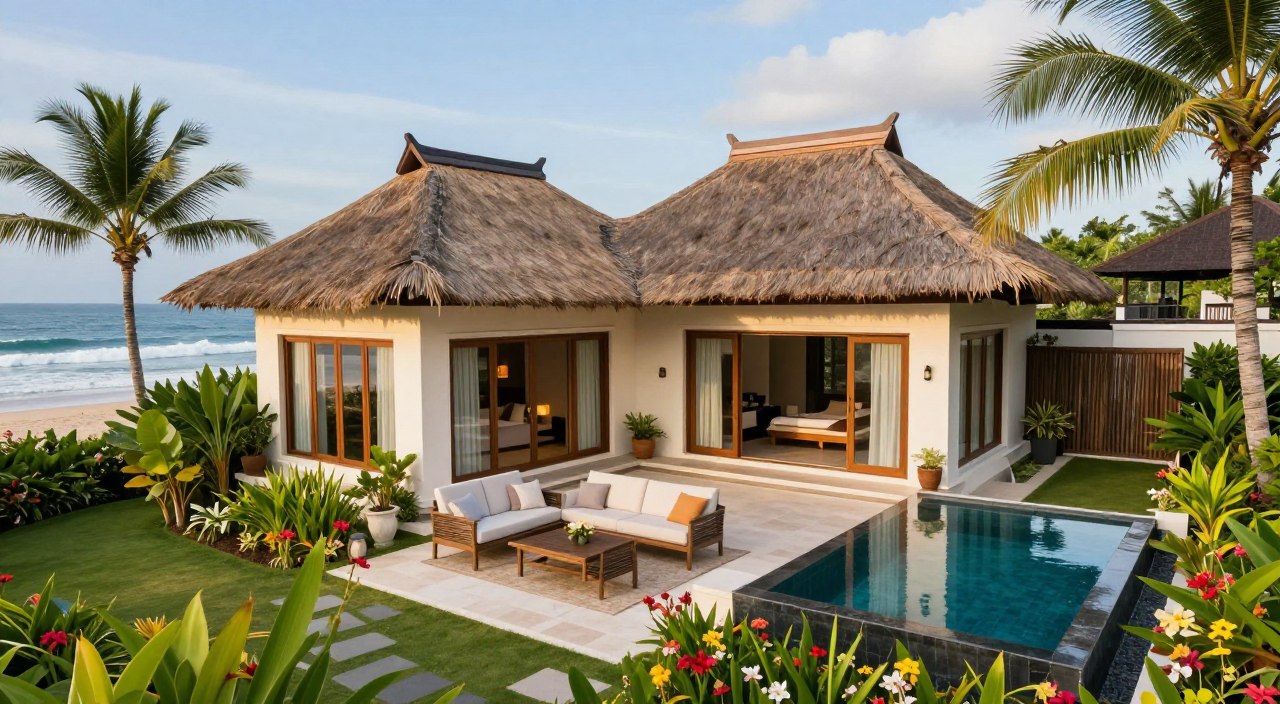
The lush, tropical environment is a primary influence. Traditional Balinese structures use organic materials like wood, bamboo, and stone.
This allows buildings to blend with the surrounding environment rather than stand out. Grass roofs and natural stone pathways are common features.
Each element is chosen to honour the landscape.
Spiritual Influences and Traditions
Spirituality is woven into the fabric of the aesthetic. The philosophy of Tri Hita Karana guides decisions.
This principle seeks harmony between people, nature, and the divine. You’ll see this in symbolic carvings and sculptures of deities.
These touches are more than decor; they create a space for contemplation.
Exploring Bali Interior Trends in Tropical Design
Design movements constantly transform, and Balinese-inspired aesthetics demonstrate remarkable flexibility across decades. This evolution reflects how cultural elements merge with global lifestyle preferences.
Traditional Meets Contemporary
Over the years, this design approach has evolved significantly. Traditional craftsmanship now blends with clean, modern lines.
The result is a sophisticated fusion that maintains spiritual connections to nature. Contemporary interpretations preserve essential textures and spatial flow.
| Design Element | Traditional Approach | Contemporary Interpretation |
|---|---|---|
| Materials | Natural stone, teak wood | Recycled composites, engineered bamboo |
| Colour Palette | Earthy tones, dark woods | Lighter neutrals, accent colours |
| Spatial Layout | Separated functional areas | Open-plan living spaces |
| Decorative Elements | Hand-carved religious symbols | Abstract sculptures, modern art |
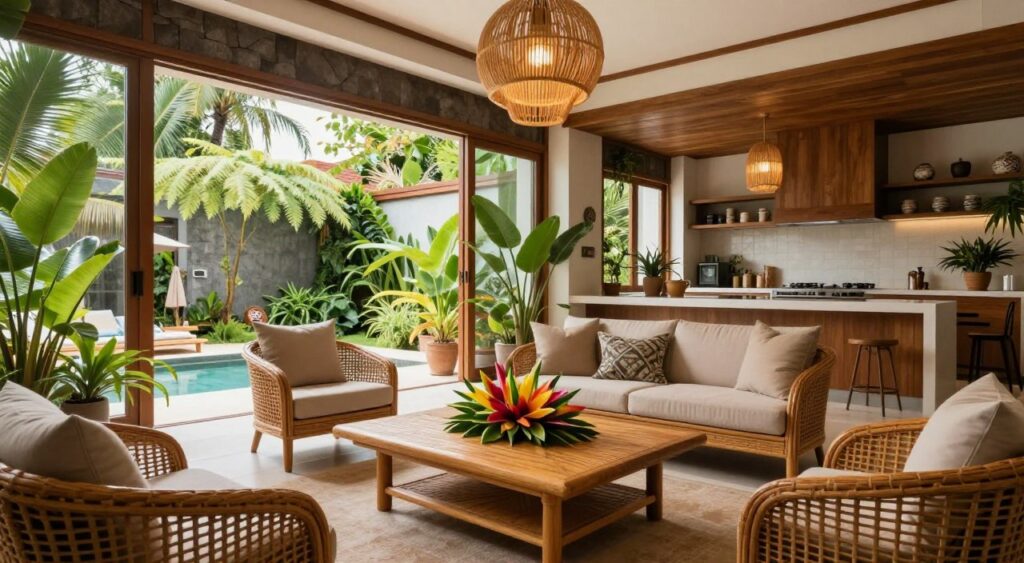
This modern balinese style creates light, airy environments. It aligns perfectly with current interior design trends favoring tranquility.
Bali Style Home: Bringing Tropical Charm to Your Australian Home
Australian homeowners appreciate how these principles suit indoor-outdoor living. The adaptable style works for various property types and budgets.
Incorporating Natural Materials: Bamboo, Wood & Stone
Authentic tropical elegance is built upon a foundation of carefully chosen organic elements. These natural materials are not just decorative; they create the textural soul of the space.
They evoke a deep sense of tranquillity and harmony. This is the core of an authentic island-inspired home.
The Role of Bamboo and Rattan
Bamboo is a superstar in this style. It is valued for its sustainability and flexibility.
You will find it in furniture, decorative screens, and even lighting. Rattan weaving adds organic warmth through baskets and pendant lights.
These materials bring a light, airy feel that is distinctly tropical.
Embracing Wood Carvings and Stone Accents
The use of warm-toned wood like teak provides durability and rich colour. It often frames doorways with intricate hand-carved details.
These carvings transform functional elements into beautiful focal points. Stone elements, such as river rock, introduce a cooling contrast.
They connect the interior to the earth, appearing in feature walls or as sculpture bases. This combination creates a multisensory experience essential to the Balinese aesthetic.
Creating Harmony: Indoor and Outdoor Balinese Spaces
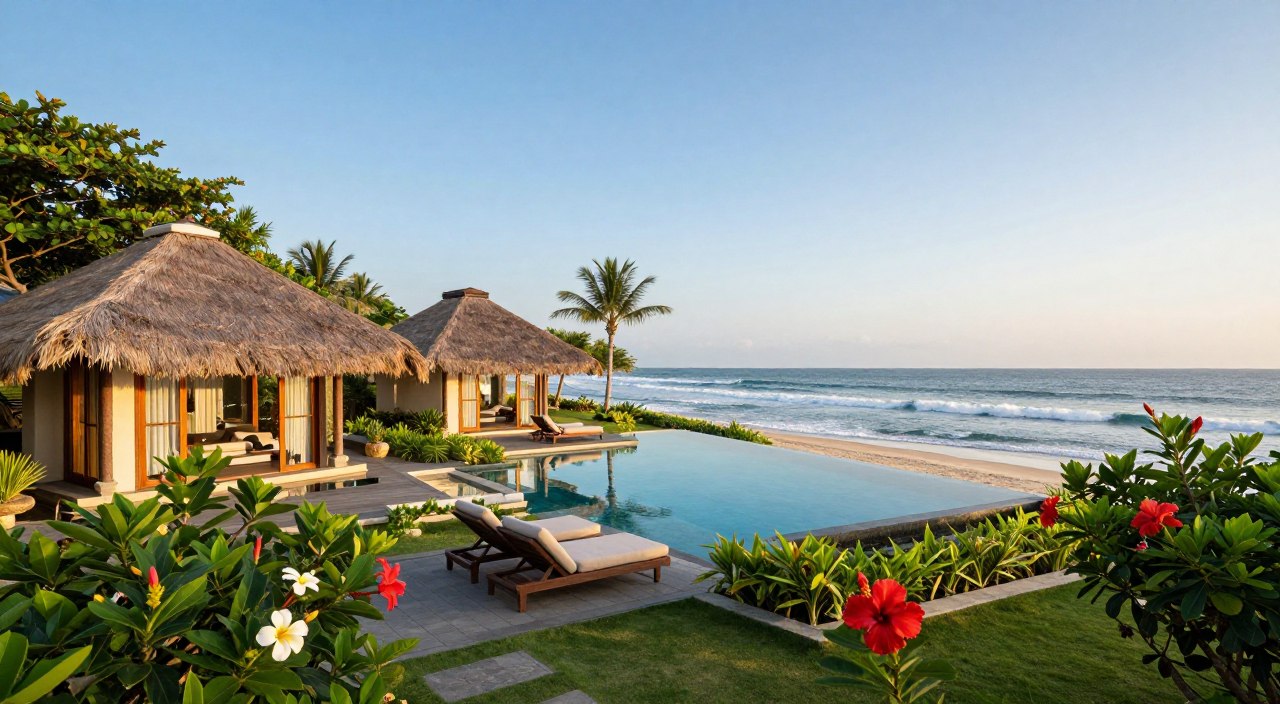
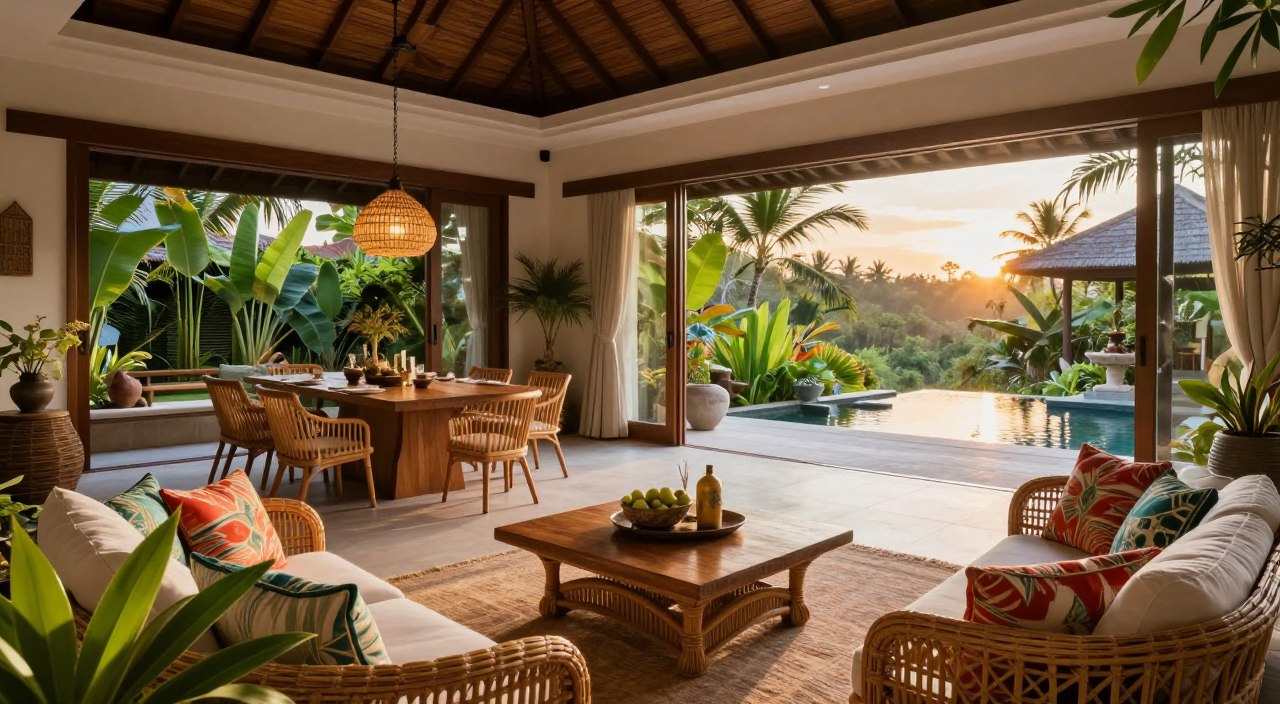
One of the most transformative aspects of island-inspired design is how it dissolves the barriers between inside and outside. This indoor outdoor philosophy creates living environments that feel expansive and deeply connected to the natural world.
Australian homes benefit greatly from this approach. It maximizes natural light and ventilation while creating fluid spaces for relaxation and entertainment.
Designing Zen-Like Outdoor Gardens
These outdoor spaces are carefully planned as serene retreats. They feature water features and stone pathways that guide movement through the garden.
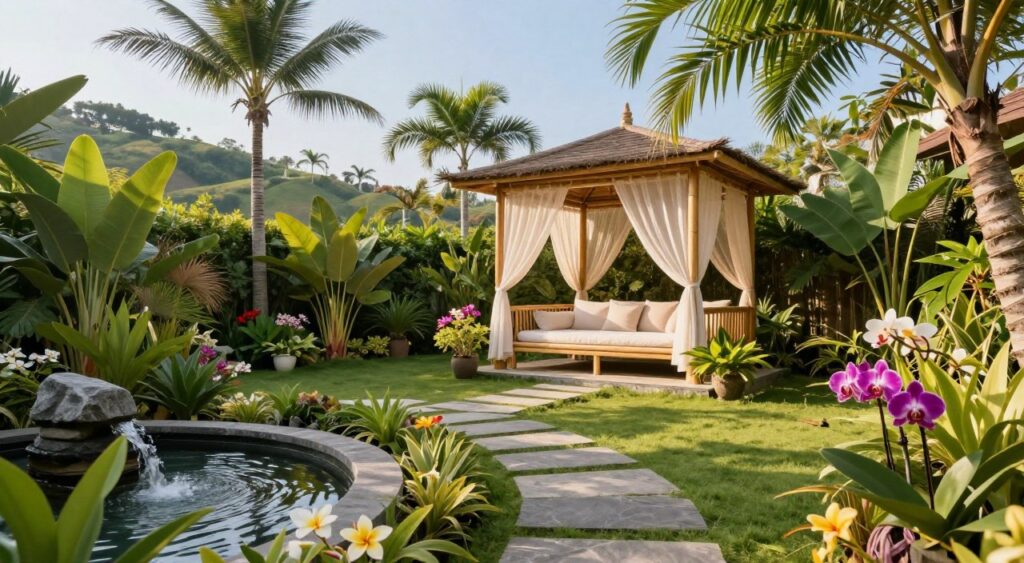
Tropical plants like frangipani and bamboo add lush greenery without overwhelming the space. They create dappled shade and privacy while maintaining an airy atmosphere.
Statement pots allow flexible garden design that suits Australian conditions. Natural stone patios provide durable foundations that stay cool underfoot.
Soft lighting through lanterns transforms these outdoor spaces into magical evening extensions of the home. The result is a zen-like environment that functions year-round.
This seamless indoor outdoor connection brings the calming influence of nature into daily living. Carefully selected plants and thoughtful layout create a harmonious retreat.
Create a Serene Bali Garden with Our Expert Tips
Furniture and Sculptural Accents in Bali Interiors
Handcrafted furniture pieces transform living spaces into galleries of cultural artistry and functional beauty. Each item serves dual purposes, blending utility with aesthetic appeal.
The selection process prioritises artisan skills and natural material authenticity. This approach creates environments that feel both personal and culturally rich.
Hand-Carved Pillars and Unique Furniture Pieces
Elaborate wood carvings represent the heart of this design philosophy. Hand-carved pillars in finishes like black, walnut, and whitewash add vertical interest.
These pieces function as sculptural accents throughout the home. Warm-toned wood appears around doorframes with intricate patterns.
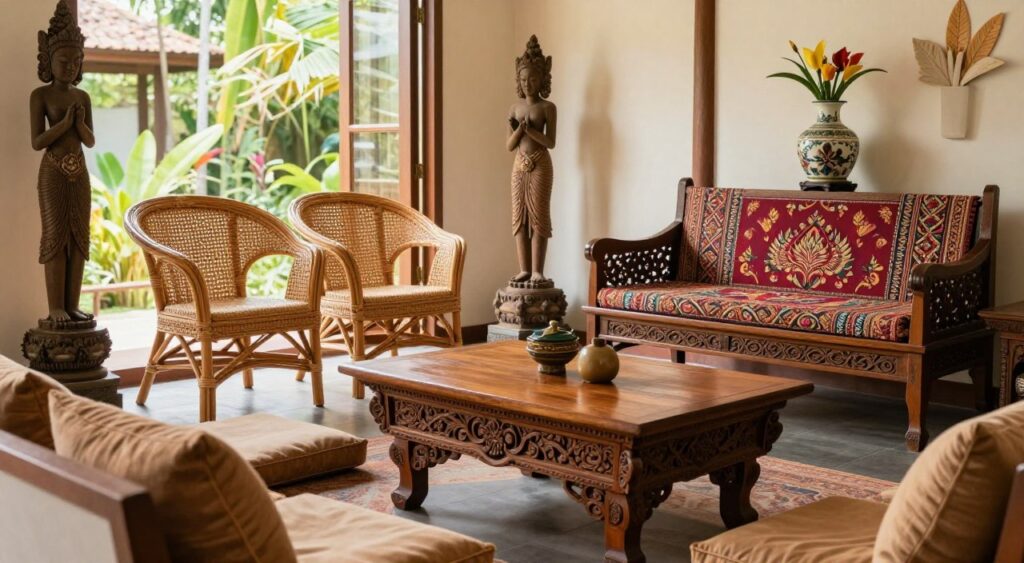
Furniture selection showcases traditional craftsmanship through unique pieces. Timor hand-carved wooden bowls and circle stands demonstrate accessible artistry.
Artistic Sculptures and Rattan Elements
Rattan furniture introduces organic textures and visual lightness. From pendant lights to storage baskets, these elements complement heavier wooden pieces.
Sculptural accents including deity statues create cultural touchstones. They serve as conversation pieces in entryways and living areas.
| Element Type | Traditional Features | Modern Adaptations |
|---|---|---|
| Wood Carvings | Mythological scenes, dark finishes | Geometric patterns, light washes |
| Rattan Pieces | Hand-woven traditional patterns | Minimalist designs, mixed materials |
| Sculptural Accents | Deity figures, religious symbols | Abstract forms, cultural motifs |
| Furniture Pieces | Solid teak, intricate carvings | Lightweight frames, clean lines |
The combination creates visual interest through textural contrasts. Australian retailers now offer authentic pieces without international shipping complexities.
Balinese Colour Schemes and Textural Details
The visual soul of a tropical-inspired home is expressed through its carefully curated colour palette and textural layers. These elements work together to create an environment that feels both grounded and serene.
A successful scheme starts with a neutral foundation. Warm whites, soft creams, and sandy beiges form a light-filled background. This allows other decor elements to shine.
Earthy Tones and Lime Plaster Finishes
Accent colours are drawn directly from nature. Think terracotta oranges, forest greens, and rich browns. These hues provide warmth without overpowering the calm base.
The strategic use of colour reflects the island’s landscape. Palettes are inspired by volcanic stone, lush vegetation, and red earth.
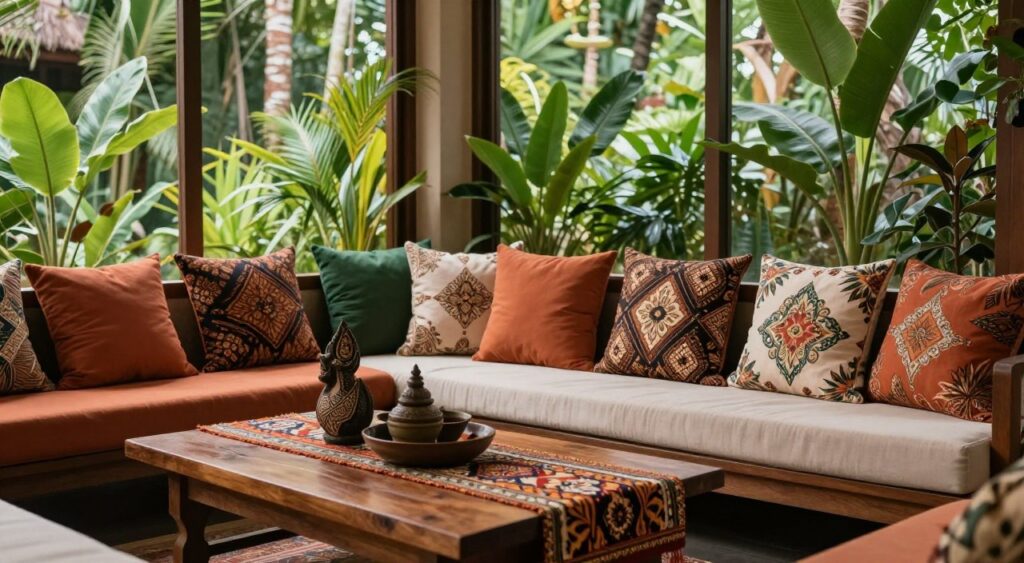
Wall finishes are crucial for texture. Lime plaster is an authentic treatment that adds rustic charm. Its organic variations create depth and interest in any space.
Other natural materials like polished concrete and exposed stone introduce tactile dimension. They prevent neutral colours from feeling flat.
| Finish Type | Key Characteristics | Best Use In Home |
|---|---|---|
| Lime Plaster | Breathable, subtle colour variations, artisanal look | Feature walls, living areas |
| Micro Cement | Seamless, durable, modern minimalist appeal | Floors, kitchen benches, wet areas |
| Polished Concrete | Industrial chic, excellent thermal mass, cool underfoot | Living zones, patios |
These finishes have gained popularity in Australian homes for their natural beauty. They demonstrate how traditional techniques influence contemporary design.
Modern Balinese: Infusing Contemporary Trends
Modern interpretations of cultural design principles are reshaping how we experience tropical elegance. This evolution over the years has created a sophisticated balinese style that respects tradition while embracing contemporary living needs.
The approach maintains spiritual connections to nature through innovative applications. Australian homeowners appreciate how this updated design philosophy suits modern lifestyles.
Innovative Materials and Finishes
Today’s balinese style incorporates advanced materials that enhance durability without sacrificing authenticity. Engineered bamboo and sustainable composites offer practical alternatives to traditional elements.
| Material Type | Traditional Application | Modern Innovation | Benefits |
|---|---|---|---|
| Flooring | Solid teak planks | Engineered bamboo | Better moisture resistance |
| Wall Finishes | Lime plaster | Micro cement | Easier maintenance |
| Outdoor Surfaces | Natural stone | Composite decking | Longer lifespan |
| Lighting | Rattan fixtures | LED-integrated designs | Energy efficiency |
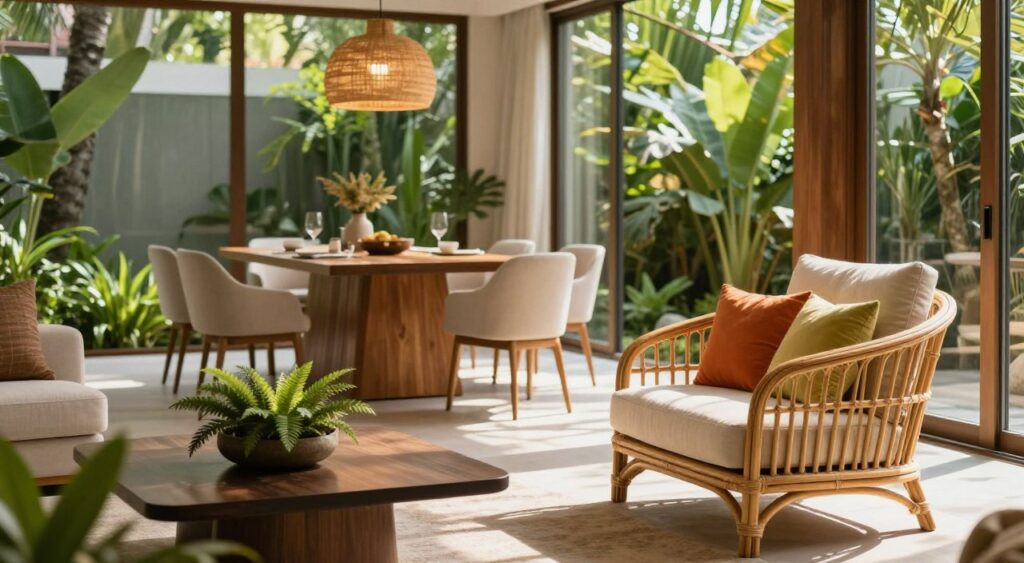
Streamlined Yet Traditional Decor
The contemporary approach focuses on quality over quantity in decorative elements. Each piece serves both functional and aesthetic purposes within the interior space.
Bright, open living areas maximize natural light while maintaining cultural warmth. This style successfully integrates modern art with traditional craftsmanship.
The result is interiors that feel both current and deeply rooted in heritage. This balanced design makes tropical elegance accessible for Australian homes.
Showcasing Bali Home Decor in Every Space
Artisanal treasures from the island can elevate every room in your house. These carefully selected pieces bring cultural depth and tropical elegance to your living environment.
Wall art featuring traditional motifs creates powerful focal points. These artworks establish visual stories that flow through your entire home.
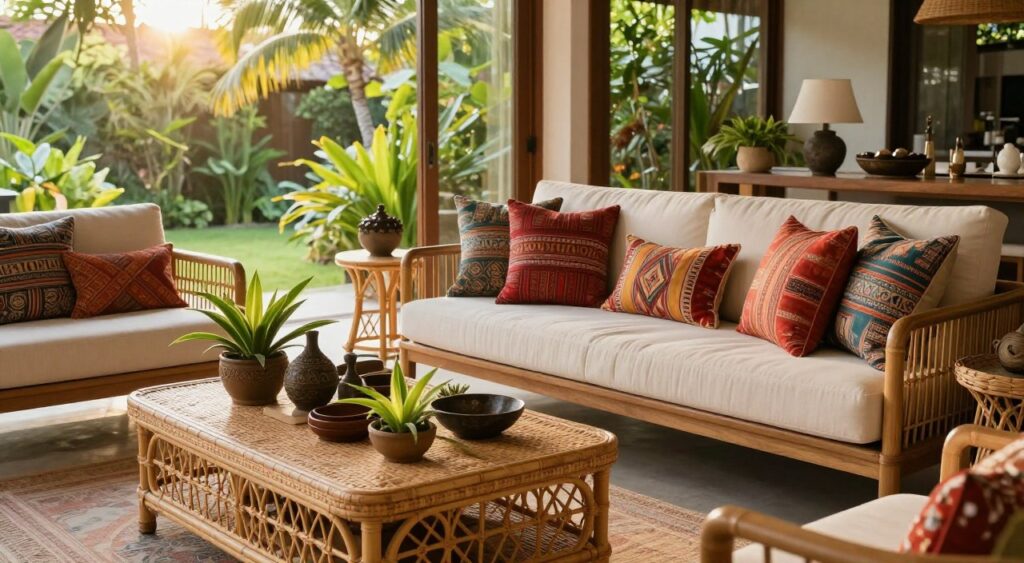
Decorative sculptures add spiritual dimensions to your space. Buddha statues and cultural figures become meaningful conversation starters.
Textiles like batik cushions introduce colour and pattern. Hand-woven throws soften hard surfaces while adding comfort.
Australian retailers now offer authentic Bali home collections. You can find everything from carved mirrors to decorative panels locally.
Successful curation involves choosing items that complement each other. Create harmony through coordinated colours and balanced placement.
Each decorative element should enhance your home’s serene atmosphere. Avoid creating spaces that feel like themed imitations.
The right decor transforms rooms into cohesive expressions of tropical elegance. These art pieces make your Bali home style feel authentic and personal.
Designing Functional Spaces: Dining, Living, and More
The success of any tropical-inspired home lies in how well each room functions for everyday activities while preserving its serene atmosphere. Thoughtful planning ensures these spaces work harmoniously for Australian lifestyles.
Creating Focal Points and Practical Arrangements
Dining areas should encourage connection through substantial wooden tables that serve as natural gathering points. Choose comfortable chairs with rattan accents for both style and daily use.
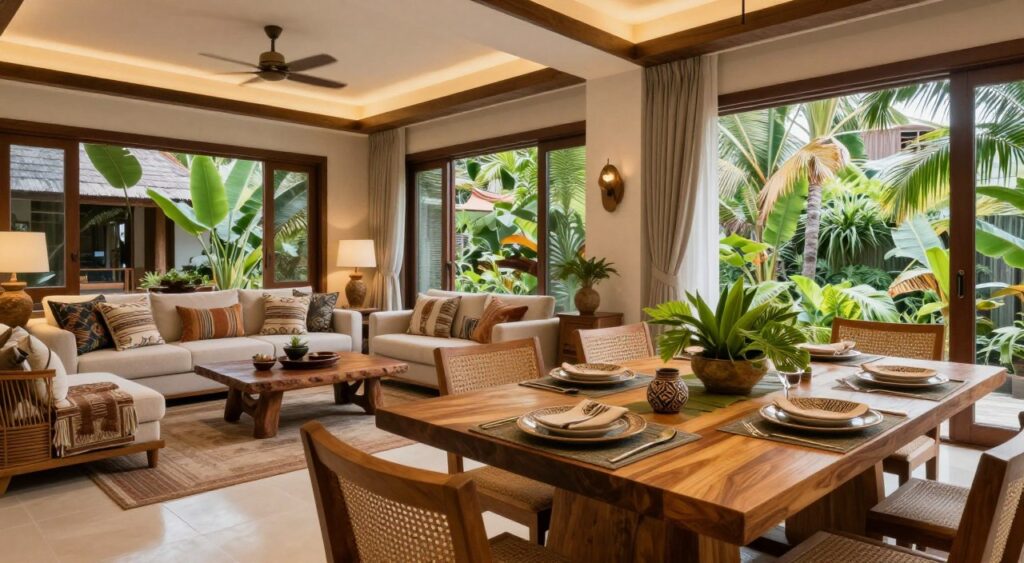
Living spaces benefit from clear focal point arrangements. A statement coffee table or feature wall anchors the room while allowing flexible seating.
Strategic furniture placement creates multiple conversation zones without physical barriers. Consider traffic flow and sight lines when arranging your living area.
Side tables and modular furniture provide essential functionality while maintaining the tropical aesthetic. Each piece should serve both practical needs and design harmony.
Practical Tips for Creating Your Tropical Oasis
The journey to creating your personal oasis begins with understanding how simple, intentional choices can dramatically enhance your daily experience. Focus on the four core principles that guide authentic tropical design.
Personalising Your Space
Start by selecting one or two rooms rather than attempting a whole-home transformation. This allows you to refine your approach and build confidence.
Choose pieces that resonate with your individual lifestyle and values. Your home should reflect genuine connection rather than staged perfection.
Embrace the principle of simplicity by regularly editing possessions. Remove items that don’t serve functional or aesthetic purposes.
Maintenance and Styling Advice
Natural materials require specific care. Timber furniture needs regular oiling, while rattan and bamboo need appropriate cleaning methods.
Make seasonal styling adjustments for year-round comfort. Use lighter textiles in summer and layered textures in winter.
Incorporate living plants as essential elements that improve air quality. They connect you to natural cycles and bring dynamic beauty into your home environment.
The pursuit of peace and serenity means prioritizing quality over quantity. Invest in meaningful pieces that bring genuine joy to daily life.
Conclusion
Australian homeowners seeking tranquility can find lasting solutions through the timeless principles of island aesthetics. This design approach offers more than visual appeal—it creates spaces that actively support wellbeing.
The enduring balinese style connects us to nature through thoughtful use of natural materials like wood, stone, and bamboo. These elements work together to build environments of peace serenity.
Whether incorporating subtle touches or full-scale transformations, the key lies in understanding the cultural foundations. This ensures authentic results that honor rich traditions while serving modern Australian life.
Your journey toward creating a harmonious home continues beyond this guide. Explore our back blog for more inspiration on bringing tropical elegance to your living environment.